Coast Posts
- A Newsletter From FEC

October 2026

Monthly News Updates

News from Future Earth Coasts International Project Office
Shanghai | East China Normal University

Highlights:


  • FEC at ISC 2026: Advancing Coastal Sustainability at the Science-Policy-Society Nexus
  • Global Scientists Gathered in Shanghai for the 5th UN Ocean Decade Conference on Mega Deltas and the UN Decade of Sciences Conference on Coastal Sustainability
  • Building Just and Sustainable Coastal Cities: Reflections from Session 4 on Urban Environments
  • Scaling the Blue Carbon Puzzle: FEC's Blue Carbon Modelling Webinar Recap
  • FEC New Publications | Ecohydrology Factors in the Environmental Degradation and Restoration of an Urbanised Lagoon on Magnetic Island
  • Updates from FEC Affiliated Projects | Novara One Planet: New Podcast Episode
  • Updates from FEC Affiliated Projects | Lagoons for Life Representative Attended Land-Sea 2026 Conference
  • Updates from FEC Supported Networks | DCC-CR: Ocean Decade Coastal Resilience Blueprint Workshop Advancing Solutions Towards Rio 2027
  • Updates from FEC IPO China | Hiring: Leading Scholar in Chemical Oceanography and Biogeochemistry, SKLEC, ECNU
  • Online Resources | Explore FEC on YouTube


What have we been up to

Future Earth Coasts at ISC 2026: Advancing Coastal Sustainability at Science-Policy-Society Nexus

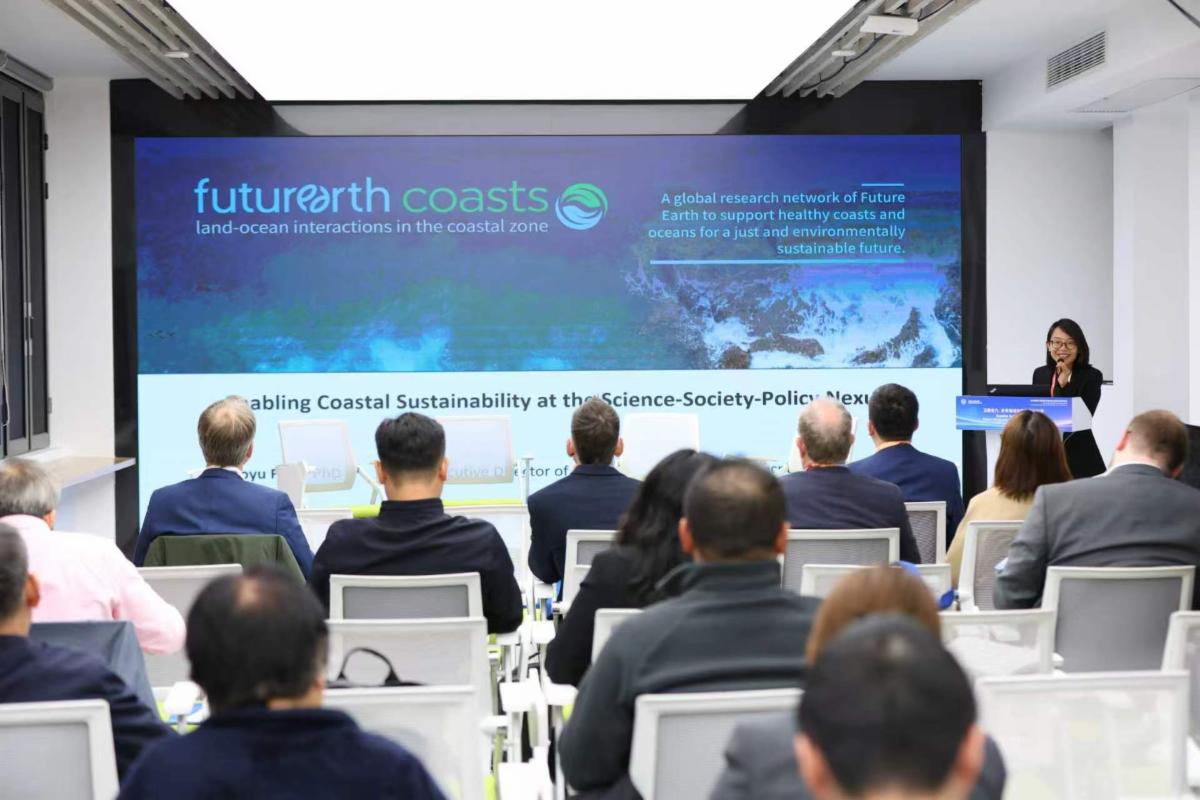
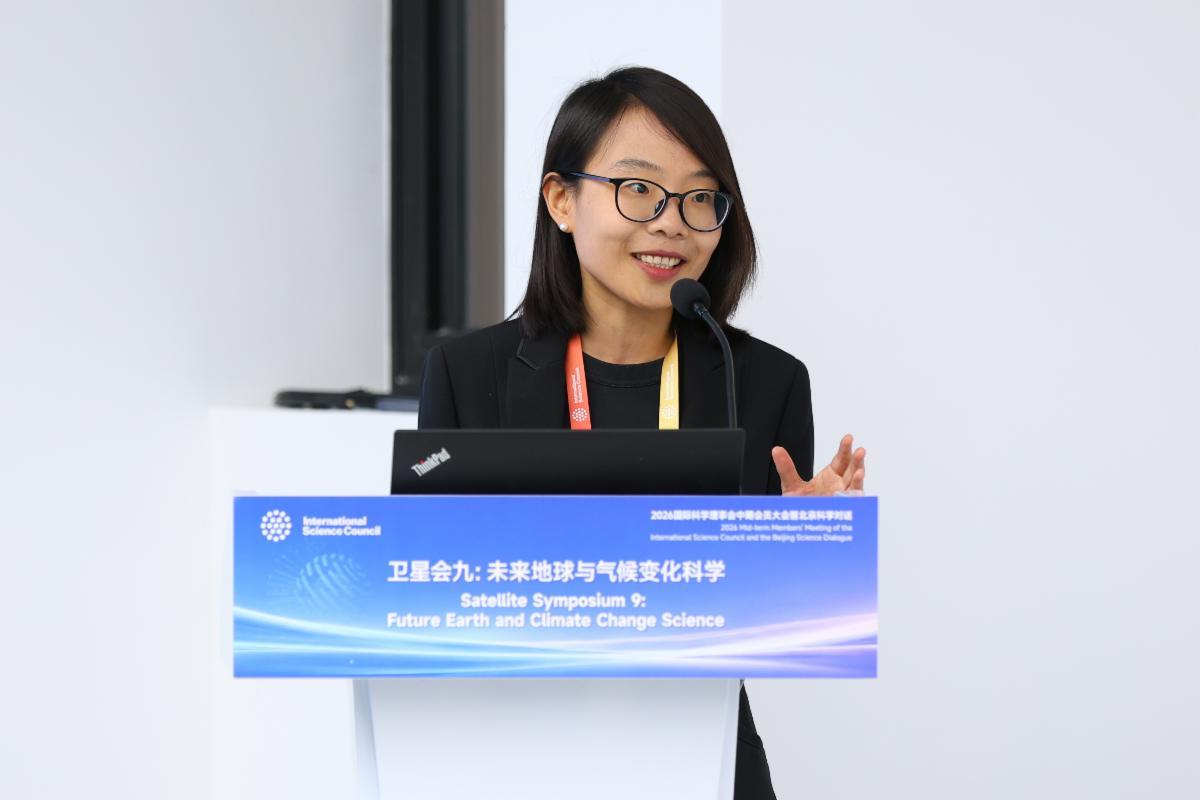
Future Earth Coasts (FEC) was represented at the International Science Council (ISC) 2026 Mid-term Members’ Meeting and Beijing Science Dialogue (October 19-23), with Dr. Xiaoyu Fang, Executive Director of FEC, serving as a speaker and co-moderator of the panel discussions at Satellite Symposium: “Future Earth and Climate Change Science.”

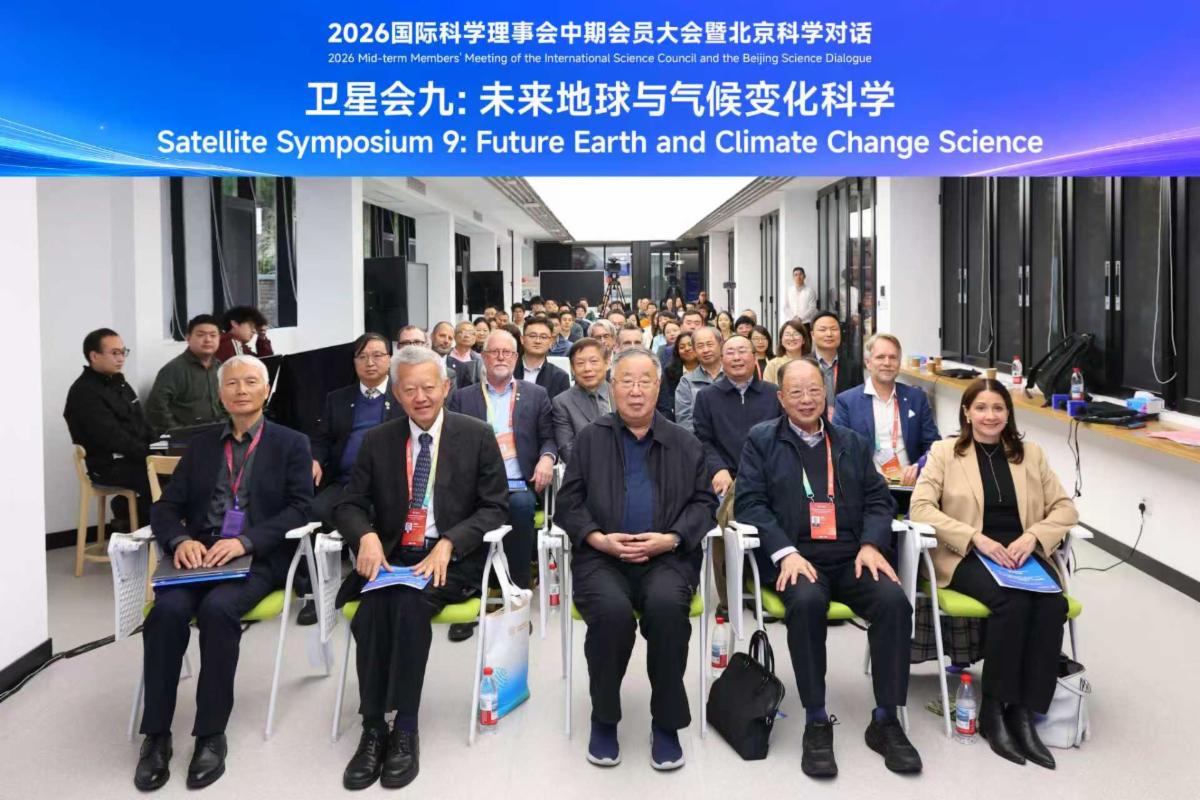
Participants of Satellite Symposium 9, “Future Earth and Climate Change Science”

Held at Tsinghua University’s Institute for Carbon Neutrality, Satellite Symposium 9 brought together representatives from ISC, Future Earth, the International Union of Geodesy and Geophysics (IUGG), the World Climate Research Programme (WCRP), and the IPCC, alongside leading researchers and early-career scientists. The symposium aligned with the overarching meeting theme, “Science in a Complex World: Science for a Better Future,” and focused on Earth system science, climate change, and the translation of frontier knowledge into sustainable governance solutions. The programme featured three dedicated panel discussions—on the Future Earth core programme, IUGG core programme, and IPCC climate change science—followed by a Young Scientists Forum and round-table dialogue designed to bridge disciplines and generations.

For FEC, the symposium was an opportunity to position coastal sustainability within the broader Earth system conversation. Dr. Fang delivered a presentation in the Young Scientists Forum titled “Future Earth Coasts: Enabling Coastal Sustainability at the Science–Society–Policy Nexus,” outlining FEC’s work at the interface of research, policy, and community practice. The symposium’s emphasis on interdisciplinarity and intergenerational dialogue resonates directly with FEC’s mandate to bridge coastal science and societal decision-making. The conversations in Beijing confirmed that coastal resilience is not a niche concern—it is where climate science, adaptation policy, and justice meet.


The ISC Mid-term Members’ Meeting and Beijing Science Dialogue convened international scientific unions, programmes, and partners around shared priorities for global science cooperation. FEC’s participation reflects its ongoing commitment to advancing coastal sustainability as an integral part of the Earth system science–policy landscape.


Global Scientists Gathered in Shanghai for the 5th UN Ocean Decade Conference on Mega Deltas and the UN Decade of Sciences Conference on Coastal Sustainability

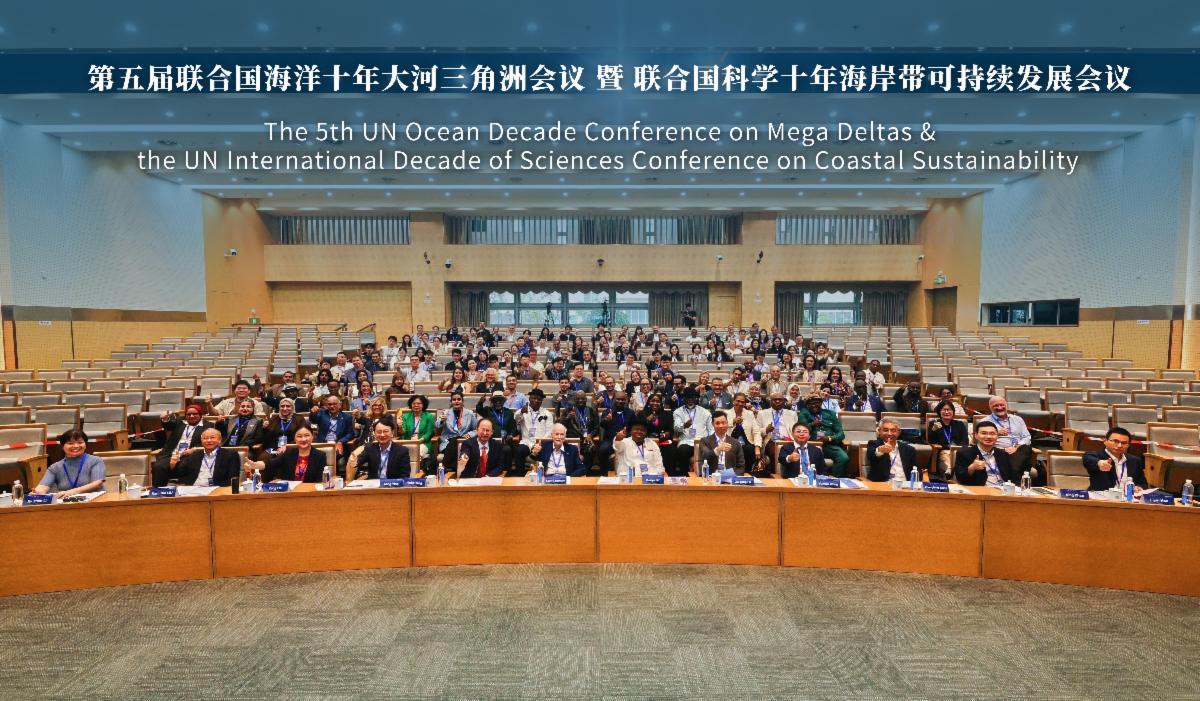
From October 18 to 21, 2026, FEC co-organized the 5th UN Ocean Decade Conference on Mega Deltas and the UN International Decade of Sciences Conference on Coastal Sustainability, hosted by the State Key Laboratory of Estuarine and Coastal Research, East China Normal University (ECNU) in Shanghai. Bringing together more than 200 participants from 27 countries, the conference provided an international platform for advancing scientific exchange and cooperation on the sustainable development of river basins, deltas, and coastal zones.

The opening ceremony was chaired by Hou Lijun, Director of the State Key Laboratory of Estuarine and Coastal Research, East China Normal University. The conference featured plenary keynote lectures by leading experts from China, France, and the Netherlands, highlighting recent advances in marine biogeochemistry, delta evolution, sediment management, and river-estuary-coastal dynamics.


Over two days, participants engaged in seven thematic sessions covering climate change impacts, integrated land-sea governance, ecosystem conservation and restoration, blue economy development, disaster risk reduction, sediment dynamics, navigation engineering, and China-Africa cooperation on sustainable development.


Under the frameworks of the UN Ocean Decade and the UN International Decade of Sciences for Sustainable Development, the conference fostered interdisciplinary and international dialogue, strengthened connections between science, policy, and practice, and promoted collaboration on the sustainable development of mega deltas and coastal regions. Participants emphasized the importance of science-based solutions and international cooperation in addressing global environmental challenges and advancing the Sustainable Development Goals.


Building Just and Sustainable Coastal Cities: Reflections from Session 4 on Urban Environments

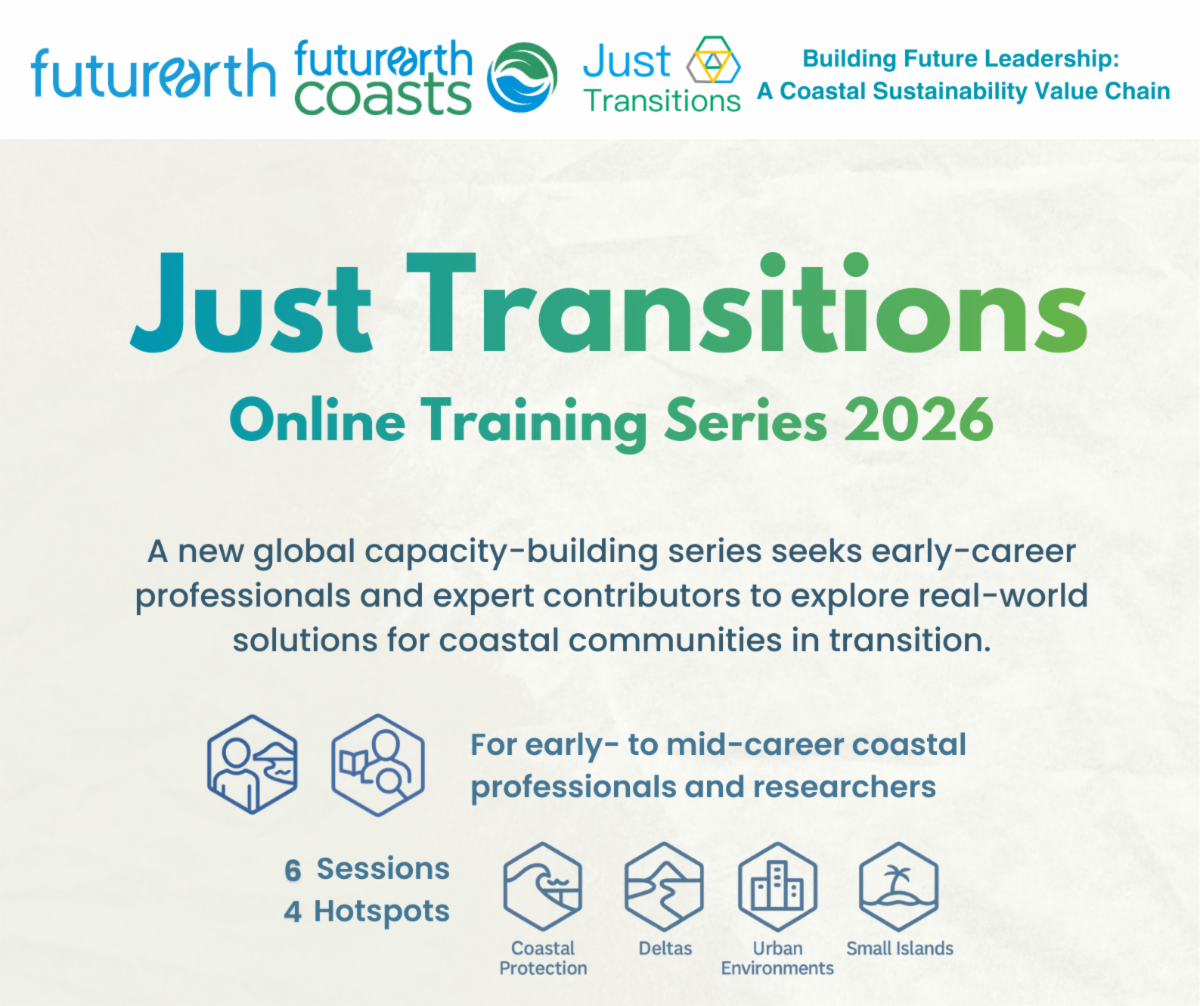
FEC hosted the fourth session of the Just Transitions Online Training Series, focusing on the challenges and opportunities of advancing just transitions in coastal urban environments. Bringing together researchers and practitioners from different regions, the session explored how climate action, urban development, and social inequalities intersect in coastal cities and towns, and how knowledge-sharing can support more equitable transition pathways.


Climate Justice, Inclusion, and International City Networks


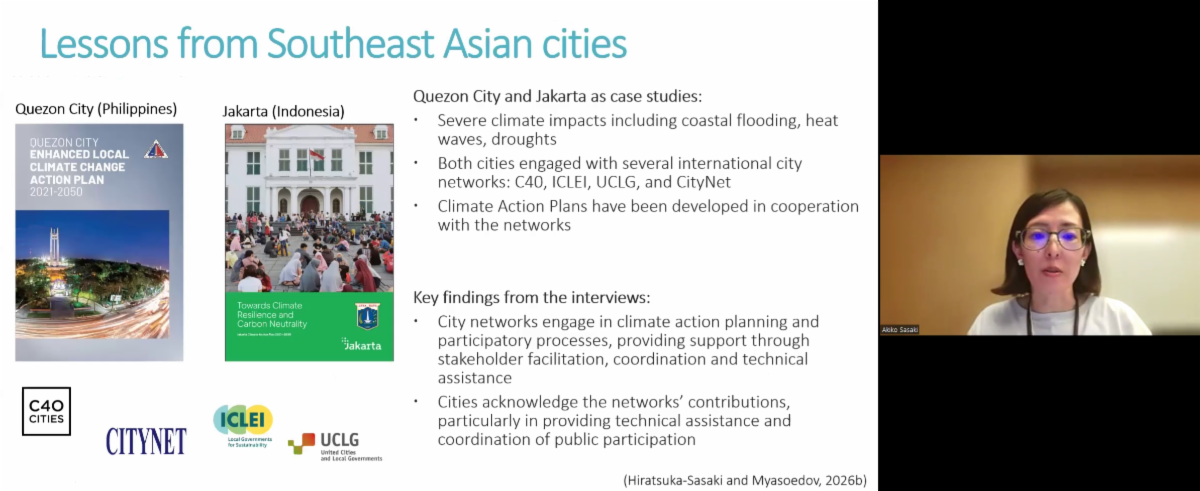
Akiko Hiratsuka-Sasaki, Research Management Officer at the Institute of Developing Economies, Japan External Trade Organization (IDE-JETRO), examined the role of international city networks in supporting climate justice in coastal cities. Drawing on research from Quezon City (Philippines) and Jakarta and Bandar Lampung (Indonesia), she highlighted how coastal cities face both increasing climate risks and existing social inequalities, making questions of fairness central to climate action.

Whose Knowledge Shapes a Just Transition?


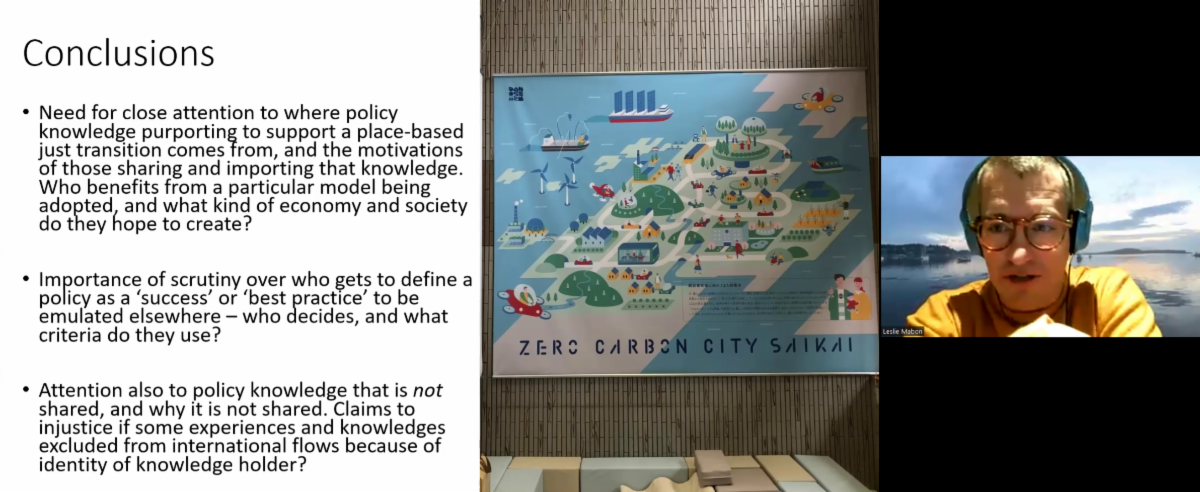
Dr. Leslie Mabon explored how ideas and examples of “successful” transitions circulate between places using offshore wind development in Nagasaki, Japan as a case study. He showed how governments, industry organizations, NGOs, and international partners influence local transition pathways and promote particular visions of success.

Roundtable Reflections: Connecting Global Networks and Local Realities


The discussion focused on the challenges of translating climate justice principles into real-world outcomes. Participants reflected on barriers faced by smaller cities in accessing international networks, including resource constraints, language barriers, and limited institutional capacity. Speakers noted that while networks can provide valuable support, local contexts and needs must remain central to decision-making.


A recurring theme was the importance of listening to affected communities. Discussion highlighted the experiences of informal settlements and other vulnerable groups, illustrating how climate action is often closely linked to broader issues such as housing, livelihoods, and access to services. Participants emphasized that a just transition requires more than climate policies alone; it also involves addressing the deeper social inequalities that shape vulnerability and resilience.


Click here to read more.


Scaling the Blue Carbon Puzzle: FEC’s Blue Carbon Modelling Webinar Recap

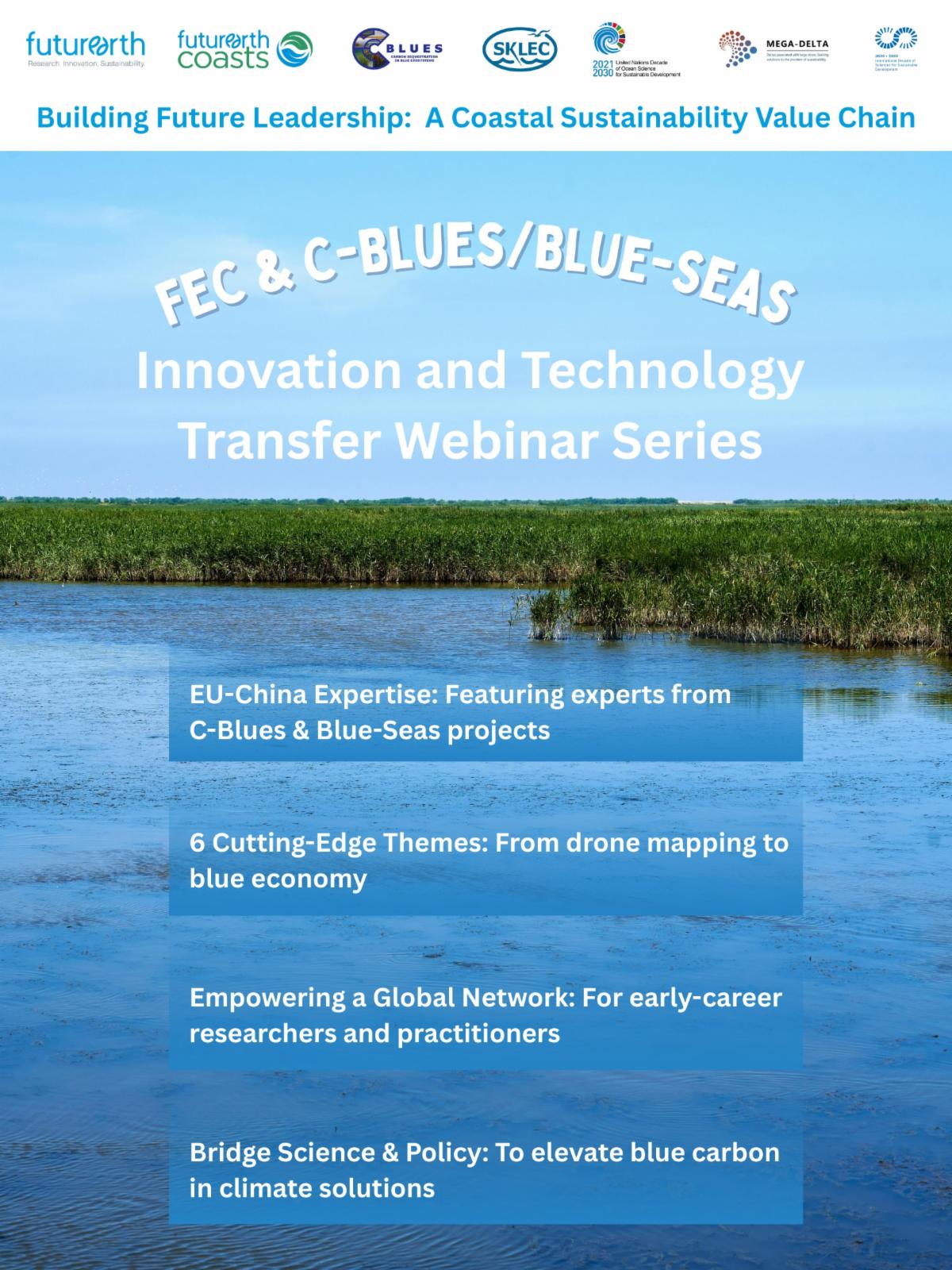
FEC, in collaboration with the C-BLUES and Blue-Seas initiatives, successfully hosted the fifth session of the Innovation & Technology Transfer Webinar Series on 12 October 2026. The session brought together researchers, practitioners, and early-career ocean professionals to explore how innovative modelling approaches can improve understanding of blue carbon dynamics across local, regional, and global scales.


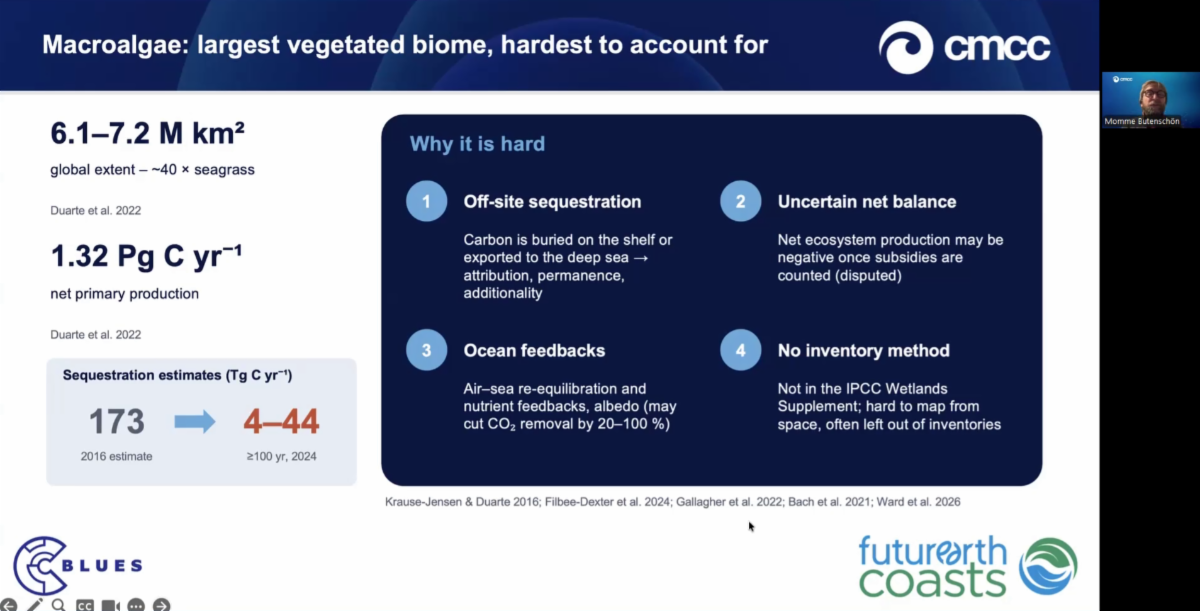
The first presentation, delivered by Dr. Momme Butenschön of CMCC, examined how process-based, data-driven, and hybrid modelling approaches can help bridge the gap between local observations and national greenhouse gas inventories. Highlighting examples from seagrass and macroalgal ecosystems, he discussed current uncertainties in carbon flux estimates and demonstrated how modelling can support more robust blue carbon accounting and policy development.

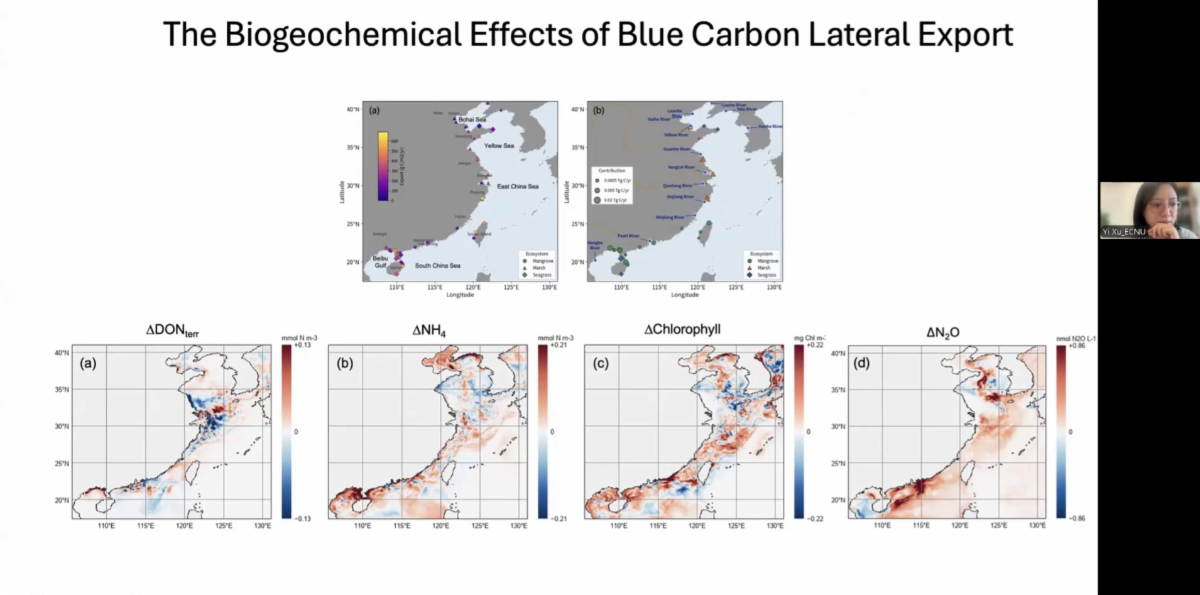
The second presentation, led by Dr. Yi Xu of East China Normal University, focused on modelling the lateral transport of blue carbon from coastal wetlands to adjacent marine waters. Using the East China Sea as a case study, she showed how regional ocean biogeochemical models can quantify carbon export pathways and evaluate their effects on nutrient cycling, primary production, and greenhouse gas emissions. Her findings highlighted that while riverine inputs dominate regional carbon supply, blue carbon exports can still influence local coastal biogeochemical processes.

During the Q&A session, participants discussed modelling uncertainties, ecosystem feedbacks, and the potential influence of storms and extreme events on carbon transport. The exchanges underscored the importance of integrating observations, experiments, and modelling to improve assessments of blue carbon ecosystems and their role in climate mitigation.


Building on the momentum of this session, FEC reaffirmed its commitment to advancing knowledge exchange and capacity building in blue carbon science. The webinar highlighted the growing importance of modelling tools for translating ecosystem-scale observations into policy-relevant information and supporting evidence-based climate action.

FEC New Publications

Ecohydrology Factors in the Environmental Degradation and Restoration of an Urbanised Lagoon on Magnetic Island (Yunbenun), a World Heritage Area Fringing the Great Barrier Reef


Chris Hopper, Natalie Dowling, Eric Wolanski

Abstract


The ecohydrology of Horseshoe Bay lagoon on Magnetic Island, a World Heritage Area off Townsville, was studied using aerial photography and maps (1892–2023); Landsat/Sentinel-2 imagery; LIDAR and RTK-GPS surveys; in situ water-level and salinity logging during the 2025 dry season and 2026 wet season; and hydrodynamic modelling. We suggest from that data that three cumulative human interventions, namely the diversion of Eastern Creek into the lagoon, the unmitigated catchment erosion delivering sand to the lagoon, and the progressive dredging of the Outflow Channel culminating in the removal of a natural shoal (“weir”) in November 2022, have altered the lagoon’s hydroperiod and allowed tidal seawater intrusion. This likely caused the salinisation of the lagoon, mass mortality of Weeping Paperbark (Melaleuca leucadendra L.), loss of Bulkuru Sedge (Eleocharis dulcis L.), and possible impacts on Magpie Geese (Anseranas semipalmata) and Agile Wallabies (Notamacropus agilis). Restoration measures are needed all over the watershed of the lagoon and its estuary. These include restoring the outflow weir, using one-way flap gates, and catchment erosion control, to be implemented under adaptive management principles. Long-term monitoring of the hydrodynamics and the ecology of the lagoon is needed to guide the implementation of ecohydrology-based solutions for the environmental implications of the dead trees in the upper lagoon, the new sand delta in the lower lagoon, and long-term sea level rise.


Click here to read more.


Coastal Radar

Updates from FEC Affiliated Projects

Novara One Planet

New Podcast episode – Navigating Climate Change: Stories from the Outer Hebrides


Brian Whittington – Climate Hebrides, Scotland

The latest conversation with Brian Whittington explores the profound impacts of climate change on the Outer Hebrides, highlighting community experiences, participatory mapping initiatives, and the importance of local voices in policy-making. Brian Whittington from Climate Hebrides shares insights on the challenges faced by coastal communities, adaptation strategies, and the need for collaboration and resilience in the face of climate threats. 


Click below to listen to the podcast.


Lagoons for Life

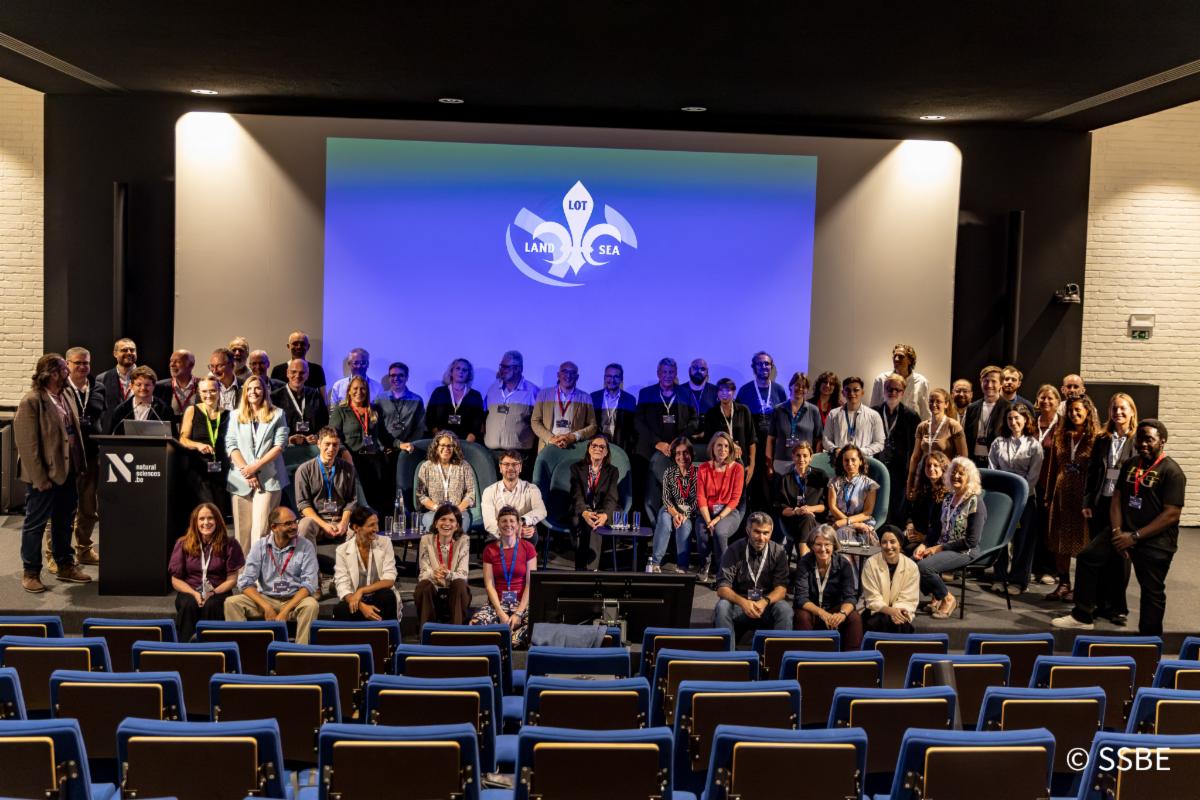
Lagoons for Life Representative Attended the Land-Sea 2026 Conference on September 30, 2026 in Brussels, Belgium


On Wednesday 30 September, the Land-Sea 2026 conference took place at the impressive Institute of Natural Sciences, Brussels, Belgium. The conference was entitled “Shaping an observation strategy together” and was organised by the LandSeaLot project, which is co-funded by the European Union and the United Kingdom’s Research and Innovation (UKRI) council.

The programme included speakers from the LandSeaLot consortium, as well as from European Commission’s DG MARE, DG RTD and DG DEFIS, European Environment Agency, European Space Agency, Ifremer, OSPAR, EuroGOOS, EMODnet, Copernicus Marine Service and HELCOM. The day started by setting the context with presentations on why observations at the land-sea interface are essential, what advancements have been achieved already by the scientific community, and what new solutions lie ahead. Discussions focused on policy needs towards a common observation strategy that integrates in-situ, modelling, remote sensing and citizen science data and how such strategy can be implemented throughout the value chain.


The day was busy with oral and poster presentations, panel discussions and lively Q&A sessions, showing the ecological importance and socioeconomic relevance of ecosystems at the land-sea interface.


For those who missed the event, the slides presented during the day are here and poster abstracts here.


Updates from FEC Supported Networks

Decade Collaborative Centre for Coastal Resilience (DCC-CR)

Ocean Decade Coastal Resilience Blueprint Workshop: Advancing Solutions Towards Rio 2027

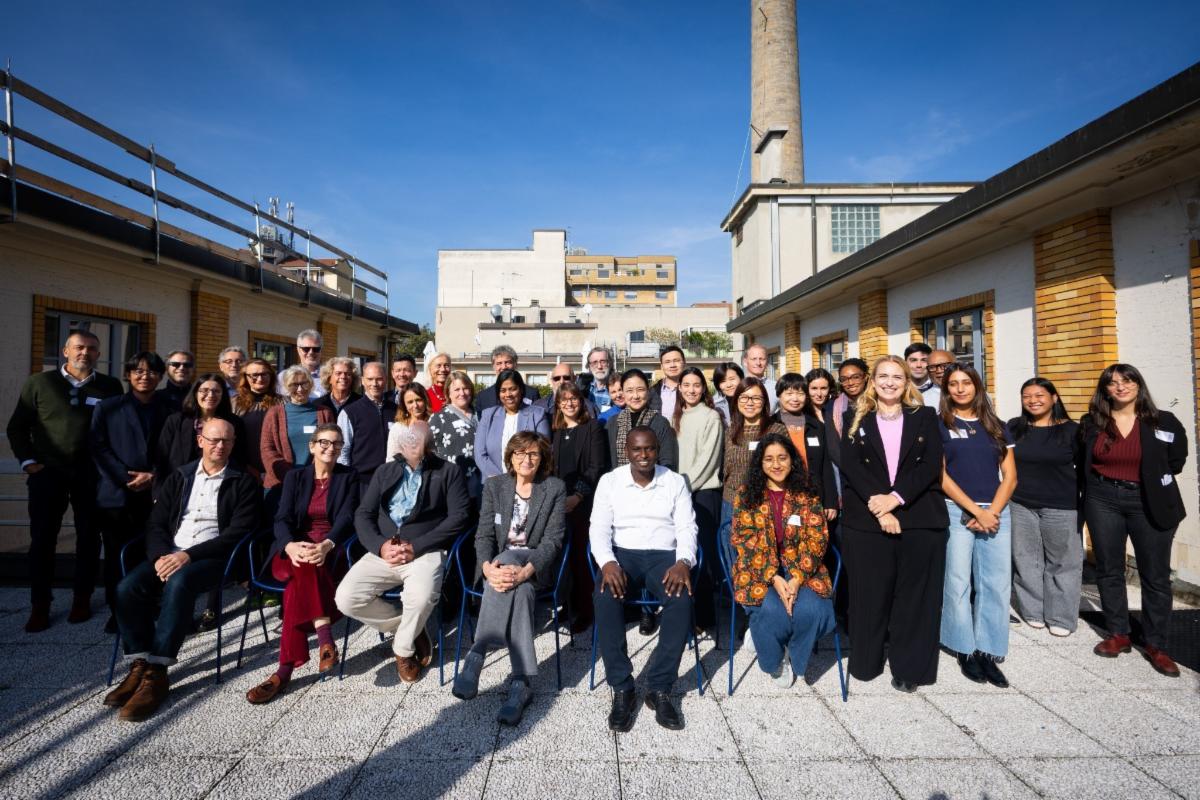
On 26–27 October 2026, the Ocean Decade Coastal Resilience Blueprint Workshop brought together international experts and stakeholders at the CMCC Foundation in Milan to advance the development of the Support Resilient Coastal Human Communities and Ecosystems Blueprint.

Over two days, participants worked together to identify priority needs, emerging solutions, barriers and milestones for advancing coastal resilience towards 2030 and beyond. Discussions focused on three Solution Pathways: People-Centred Multi-Hazard Early Warning Systems, Evidence-based Adaptation Planning, and Training & Awareness.


The workshop outcomes will inform the drafting of the Blueprint between November 2026 and March 2027, ahead of the 2027 Ocean Decade Conference in Rio de Janeiro (7–9 April 2027).


Click here to read more.


Updates from FEC IPO China

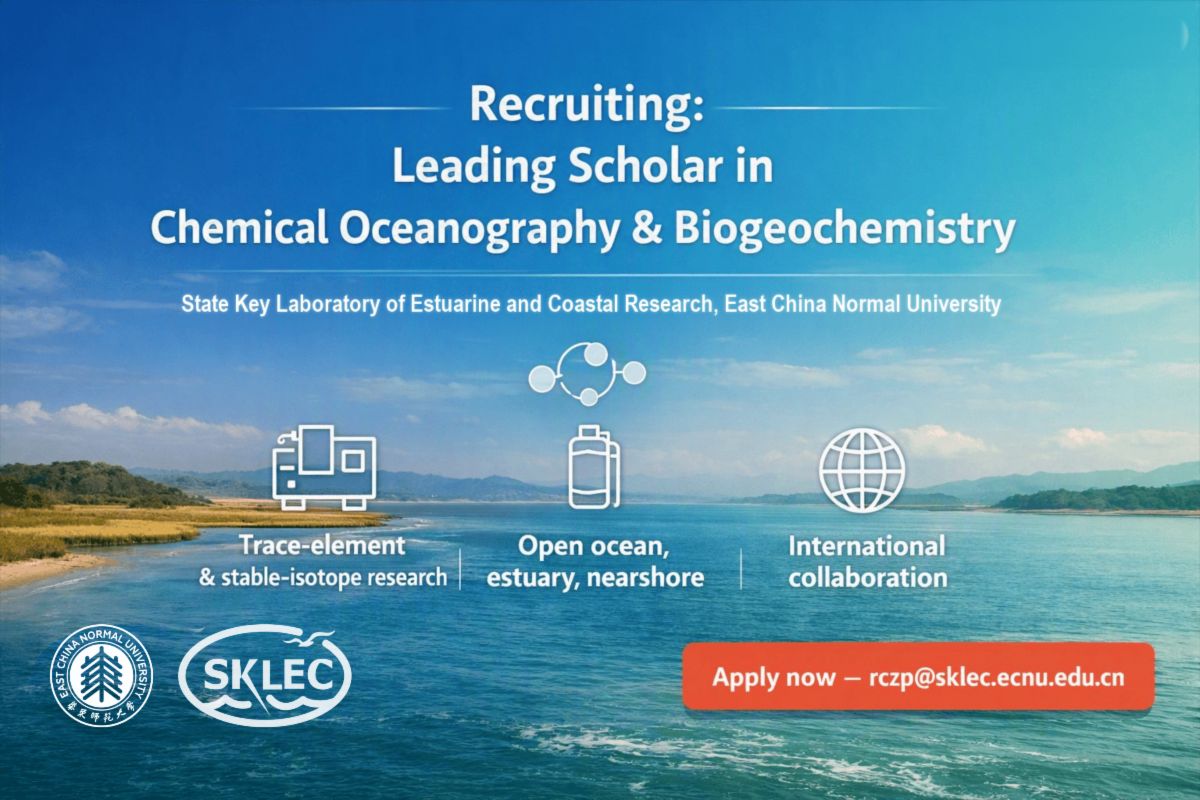
Hiring: Leading Scholar in Chemical Oceanography & Biogeochemistry — SKLEC, ECNU

The State Key Laboratory of Estuarine and Coastal Research (SKLEC) at East China Normal University is recruiting a Leading Scholar in Chemical Oceanography and Biogeochemistry. We seek an internationally recognized researcher with landmark contributions in trace‑element and stable‑isotope studies of seawater, extensive field experience in open‑ocean, estuarine and nearshore environments, and a strong track record of international collaboration (fieldwork in Belt & Road countries highly desirable).


Why join us: world‑class facilities (Element 2 HR‑ICP‑MS, Neptune MC‑ICP‑MS), Class‑1000/100 clean labs, established protocols for dissolved Fe, Pb, Se, Si, Ga and their isotopes, and deep‑ocean sampling systems (X‑Vane, Niskin‑X) with access to IOCAS MOTES clean containers. We offer competitive salary, generous start‑up funding, dedicated lab space, excellent graduate/postdoc talent, and relocation/housing support.


Responsibilities: lead the chemical oceanography & biogeochemistry program to international excellence, expand Belt & Road research networks, secure and lead national‑level projects, and mentor junior faculty and students.


Apply: send CV, up to 3 representative achievements, a research summary with a 5‑year plan, and 2–3 recommendation letters to rczp@sklec.ecnu.edu.cn. Subject line: “Leading Scholar Application + Chemical Oceanography + [Your Name]”.

Contact: Dr. Wang | +86‑21‑54836016 | www.sklec.ecnu.edu.cn


Please share this with colleagues who might be a great fit.


Click here to read more.

Online Resources

Explore FEC on YouTube

FEC Introduction Video

FEC 2025 Annual Recap


FEC Flagship Webinar Series


FEC Flagship Webinar Series


FEC Flagship Webinar Series


➡️ Visit the FEC YouTube Channel for the full collection of videos and recordings.

New FEC Publications (Since April 2026)

○ Alfonso MB, Scordo F, Seitz C, Arias AH, Ronda AC, Mavo Manstretta GM, Chandra S, Perillo GME and Piccolo MC (2026) Microplastic contamination in remote mountain lakes of the americas: a baseline assessment from Patagonia and Northern California. Front. Toxicol. 8:1851245.

doi: 10.3389/ftox.2026.1851245

○ Charuka, B., Angnureng, D. B., Adhiambo, R. T., Tutu, G. O., Ekumah, N. O., Grace, A. E., ... & Aheto, D. W. Adaptation in Coastal Areas of Ghana: Opportunities and Challenges for a Just Transition. Just Transition and Climate Justice in Sub-Saharan Africa, 133-153.

https://doi.org/10.4324/9781003669593-12

○ Conner, W. H., Day, J. W., Day, R. H., Duberstein, J. A., Hunter, R. G., Keim, R. F., ... & Wolfe, B. T. (2026). Sustainable Management of Coastal Freshwater Forested Wetlands in the Mississippi River Delta. Forests, 17(4), 514.

https://doi.org/10.3390/f17040514

○ Day, J. W., Mitsch, W. J., & Rybczyk, J. M. (2025). Integrating human and natural systems from a global systems perspective. Ecological Engineering, 210.

https://doi.org/10.1016/j.ecolmodel.2025.111351

○ Elrick-Barr, C., Pelling, M., Glavovic, B. C., Smith, T., & Brown, K. (2026). Reframing local empowerment for climate resilience through mutual aid. Environmental Research Letters.

http://doi.org/10.1088/1748-9326/ae9564

○ Hopper, C., Dowling, N., & Wolanski, E. (2026). Ecohydrology Factors in the Environmental Degradation and Restoration of an Urbanised Lagoon on Magnetic Island (Yunbenun), a World Heritage Area Fringing the Great Barrier Reef. Applied Sciences, 16(19), 9727.

https://doi.org/10.3390/app16199727

○ Kharwar, K., Nair, P., Vaishnav, D. K., Bansal, A., & Amoss, L. D. (2026). Films as a Tool for Climate Education: A Quasi-Experimental Intervention amongst Middle School Children from the Indian Himalayan Region. Australian Journal of Environmental Education, 1-26.

https://doi.org/10.1017/aee.2026.10187

○ Lane, R. R., Day, J. W., Day, J. N., Li, B., Moerschbaecher, M. K., & Twilley, R. R. (2026). Nutrient and sediment dynamics of the Breton Sound estuary: Insights from 114 sampling events over twelve years. Estuarine, Coastal and Shelf Science, 110034.

https://doi.org/10.1016/j.ecss.2026.110034

○ Lutalo, B., Matovu, B., Sarfo, I., Semakula, H. M., Mukwaya, P., Turyahabwe, N., & Mwangu, A. R. (2026). Sand mining in Africa: Value chains, sustainability dilemmas, and key lessons for extractive industries. The Extractive Industries and Society, 27, 101952.

https://doi.org/10.1016/j.exis.2026.101952

○ Matovu, B., Mammel, M., Lee, M. A., Beegum, S., Fatma, M., & Hsieh, Y. L. (2026). Co-creating a fisherwomen-led business empowerment model for sustainable seafood value chains and transformations: Takeaways from India. Cogent Food & Agriculture, 12(1), 2677229.

https://doi.org/10.1080/23311932.2026.2677229

○ Mwabvu, B., Matovu, B., & Viswanathan, P. K. (2026). Co-designing the future of smallholder farming amidst anthropogenic and environmental complexities: Critical options and narratives for sustainable agriculture practices in India. Sustainable Futures, 11, 101899.

https://doi.org/10.1016/j.sftr.2026.101899

○ Paul, S. (2026). Copepods of a creek and an inter-tidal beach: perspectives from Sagar Island of Ganges estuary, India. Community Ecology, 1-11.

https://doi.org/10.1007/s42974-026-00303-7

○ Paul, S. (2026). Ecology of the copepods in Ganges estuary of India. Aquatic Sciences, 88(4), 122.

https://doi.org/10.1007/s00027-026-01353-9

○ Roy, A., & Roy, P. (2026). Urban flood susceptibility modelling of Guwahati in India using GIS-based AHP-MCDM for sustainable disaster risk management. Progress in Disaster Science, 100649.

https://doi.org/10.1016/j.pdisas.2026.100649

○ Smith, T. F., Bell-James, J., Page, J., Scheffers, A., Cataldo, G., Corrin, J., ... & Wang, H. (2026). Beach law in the anthropocene. Ocean & Coastal Management, 278, 108213.

https://doi.org/10.1016/j.ocecoaman.2026.108213


FEC Publications (April, 2025 - March, 2026)

○ Adhiambo, R., Mensah, P. K., Koomson, A., & Acheampong, E. (2025). Navigating stress: Impacts of temperature, polycyclic aromatic hydrocarbons, and heavy metals on the diatom Thalassiosira weissflogii adapted to tropical waters of the Gulf of Guinea. Aquatic Toxicology, 107388.

https://doi.org/10.1016/j.aquatox.2025.107388

○ Celliers, L., Ferse, S., Bruns, A., Eisenack, K., Hornidge, A. K., Klepp, S., ... & Rölfer, L. New rationalities, inner logic, and hope for sustainable future coasts. Global Sustainability, 1-21.

https://doi.org/10.1017/sus.2025.10041

○ Cumming, G. S., Rogers, A. A., Collins, T. G., Cuttler, M. V., Elrick-Barr, C. E., Gliottone, I., ... & Wilson, S. K. (2025). Social-ecological contributions of protected areas to their surroundings. One Earth, 8(12).

https://www.cell.com/one-earth/abstract/S2590-3322(25)00288-X

○ Cunha, J., Elliott, M., Villasante, S., Balbi, S., Cabecinha, E., & Ramos, S. (2025). Assessing cumulative risks to coastal and marine habitats under management and climate change scenarios: The case of northern Portugal. Ocean & Coastal Management, 268, 107756.

https://doi.org/10.1016/j.ocecoaman.2025.107756

○ Davies-Vollum, K. S., Puttick, S., Agyekhumene, A., Amolegbe, T., Aneyo, I., Boateng, I., ... & Sohou, Z. (2025). A stakeholder-informed framework for the sustainable management of coastal lagoons in West Africa. Anthropocene Coasts, 8(1), 1-11.

https://link.springer.com/article/10.1007/s44218-025-00093-x

○ Day, J. W., Conner, W. H., Ewel, K. C., Hunter, R., Kemp, G. P., Lane, R., ... & Rybczyk, J. (2025). Integrating human and natural systems from a global systems perspective. Ecological Modelling, 510, 111351.

https://doi.org/10.1016/j.ecolmodel.2025.111351

○ Defeo, O., Corte, G., Barboza, C. A., Debiasi, P., Costa, L. L., Elliott, M., ... & McLachlan, A. (2025). Sandy beaches within meta-social-ecological systems: An integrated framework for ecology, management, and conservation. Estuarine, Coastal and Shelf Science, 109350.

https://doi.org/10.1016/j.ecss.2025.109350

○ Duan, Y., Sanchez-Azofeifa, A., Chen, C., Tian, B., Li, X., Sengupta, D., & Zhou, Y. (2026). S2Coast-2023: The first global 10-meter resolution coastline dataset derived from enhanced Sentinel-2 composite imagery using Google Earth Engine. Remote Sensing of Environment, 334, 115186.

https://doi.org/10.1016/j.rse.2025.115186

○ Dutta, S., Al Balushi, M., Al Harbi, F., & Paul, S. (2025). Fisheries management of the Arabian Peninsula region with special emphasis to the Sultanate of Oman: perspectives of climate change adaptations. Anthropocene Coasts, 8(1), 1-14.

https://doi.org/10.1007/s44218-025-00088-8

○ Elliott, M., Borja, Á., & Cormier, R. (2025). Managing marine resources sustainably–But how do we know when marine management has been successful?. Ocean & Coastal Management, 265, 107623.

https://doi.org/10.1016/j.ocecoaman.2025.107623

○ Elliott, M., Cormier, R., & Borja, Á. (2025). Making sense of marine management–The ten-tenets revisited. Marine Pollution Bulletin, 221, 118580.

https://doi.org/10.1016/j.marpolbul.2025.118580

○ Elrick-Barr, C. E., Smith, T. F., & Thomsen, D. C. (2025). Practitioner perspectives of wellbeing in rapidly changing Australian coastal communities. Ocean & Coastal Management, 266, 107668.

https://doi.org/10.1016/j.ocecoaman.2025.107668

○ Galparsoro, I., Montero, N., Mandiola, G., Menchaca, I., Borja, Á., Flannery, W., ... & Stelzenmüller, V. (2025). Assessment tool addresses implementation challenges of ecosystem-based management principles in marine spatial planning processes. Communications Earth & Environment, 6(1), 55.

https://doi.org/10.1038/s43247-024-01975-7

○ Genchi, S. A., Vitale, A. J., & Perillo, G. M. (2025). Coastal cliff erosion: a bibliometric analysis and literature review. Anthropocene Coasts, 8(1), 1-18.

https://doi.org/10.1007/s44218-025-00072-2

○ Gutierrez, D., Calado, H., Toor, F. v., Moreira, M., Paramio, M. L., Martins, F., Santos, N., Melo, N., & Newton, A. (2025). Empowering Maritime Spatial Planning and Marine Conservation Efforts Through Digital Engagement: The Role of Online Platforms. Sustainability, 17(14), 6371.

https://doi.org/10.3390/su17146371

○ Herrera-Silveira, J. A., Pech-Cárdenas, M., Cinco-Castro, S. G., Pech-Poot, E., Árcega-Cabrera, F., Iturria-Dawn, R., ... & Teutli-Hernández, C. (2025). Mangrove blue carbon in Laguna de Términos, México, a protected area: spatial variability, sources and factors related. Regional Studies in Marine Science, 104390.

https://doi.org/10.1016/j.rsma.2025.104390

○ Jiang, W., Huang, Z., Dai, Z., Luo, J., Zeng, W., & Liang, X. (2025). Attenuation of hydro‐sediment dynamics progradation over mangrove wetland. Journal of Geophysical Research: Oceans, 130(2), e2024JC021531.

https://doi.org/10.1029/2024JC021531

○ Li, Y., Donnelly, J. P., Gao, S., Gao, J., Bramante, J. F., & Kotra, K. K. (2026). Reconstructing 3100 years of extreme coastal flooding events from Emau Island, Vanuatu. Quaternary Science Reviews, 373, 109733.

https://doi.org/10.1016/j.quascirev.2025.109733

○ Li, Y., Robinson, S. V., Nguyen, L. H., & Liu, J. (2023). Satellite prediction of coastal hypoxia in the northern Gulf of Mexico. Remote Sensing of Environment, 284, 113346.

https://doi.org/10.1016/j.rse.2022.113346

○ Li, Y., Xia, Z., Nguyen, L., Wan, H. Y., Wan, L., Wang, M., ... & Liu, J. (2025). Spatiotemporal dynamics of coastal dead zones in the Gulf of Mexico over 20 years using remote sensing. Science of The Total Environment, 979, 179461.

https://doi.org/10.1016/j.scitotenv.2025.179461

○ Liang, X., Dai, Z., Mei, X., Wang, R., Zeng, W., & Fagherazzi, S. (2025). Hurricanes induced irreversible large‐scale loss of mangrove forests. Geophysical Research Letters, 52(9), e2025GL115692.

https://doi.org/10.1029/2025GL115692

○ Matovu, B., Bleischwitz, R., Lukambagire, I., Alkoyak-Yildiz, M., Tarek, R., Etta, L., ... & Hsieh, Y. L. (2025). Examining the perceptions and attitudes toward Women's employment and leadership in the blue economy: A case study of India. Social Sciences & Humanities Open, 11, 101537.

https://doi.org/10.1016/j.ssaho.2025.101537

○ Matovu, B., Mim, T. A., & Lutalo, B. (2025). Where and how can Africa and India leverage the blue economy opportunities of the Indian Ocean region as a driver for sustainable development and partnerships?. Sustainable Futures, 10, 101218.

https://doi.org/10.1016/j.sftr.2025.101218

○ Niu, D., Tan, Y., Ma, C., Qi, Y., Li, Y., Li, Y., & Tang, J. (2025). Reservoir artificial flood discharge is a critical driver for the compositional and functional shifts of dissolved organic matter in river mouth. Communications Earth & Environment, 6(1), 996.

https://doi.org/10.1038/s43247-025-02920-y

○ Niu, D., Li, Y., Tan, Y., Ma, C., Qi, Y., Li, Y., & Tang, J. (2025). The impact of water-sediment regulation scheme (WSRS) on the chemistry of dissolved organic matter in the Yellow River estuary and adjacent waters. Water Research, 123669.

○ Nogueira, S. F., Vitale, A. J., Genchi, S. A., Roth, A., Vargas, S. M., Siben, A., ... & Perillo, G. M. (2025). Design and development of a cost-effective buoy using 3D printing for coastal monitoring. HardwareX, e00657.

https://doi.org/10.1016/j.ohx.2025.e00657

○ Ogier, E. M., Pecl, G. T., Hughes, T., Lawless, S., Layton, C., Nash, K. L., & Morrison, T. H. (2025). Novel marine-climate interventions hampered by low consensus and governance preparedness. Nature Climate Change, 1-10.

https://doi.org/10.1038/s41558-025-02291-4

○ Ogier, E. M., Pecl, G. T., Hughes, T., Lawless, S., Layton, C., Nash, K. L., & Morrison, T. H. (2025). Enhance responsible governance to match the scale and pace of marine–climate interventions. Nature Climate Change, 1-2.

https://doi.org/10.1038/s41558-025-02292-3

○ Onwubiko, C. C., & Aheto, D. W. (2025). Assessing the Role of Coastal Habitats in Flood Reduction in Selected Communities of Rivers State. Coasts, 5(2), 17.

https://doi.org/10.3390/coasts5020017

○ Paul, S., Karan, S., & Bhattacharya, B. D. (2026). Short-term impact of cyclone Yass on the copepod community of Muriganga estuary of India. Discover Ecology, 2(1), 7.

https://doi.org/10.1007/s44396-026-00024-1

○ Salazar, Y. C. A., Genchi, S. A., Nuciari, L., Perillo, V. L., Piccolo, M. C., & Perillo, G. M. (2025). MiSMoS (MicroScale Morphology System): an inexpensive new method to survey 3D surface micromorphology. Latin American Journal of Sedimentology and Basin Analysis.

https://lajsba.sedimentologia.org.ar/lajsba/article/view/264

○ Valiela, I., Chenoweth, K., & Day, J. (2025). Meta-analysis of vegetation responses to experimental nitrogen enrichments done in salt marshes under different sea level rise regimes reveal interaction of N supply and sea level rise. Science of The Total Environment, 975, 179198.

https://doi.org/10.1016/j.scitotenv.2025.179198

○ Vivian, C., Boettcher, M., Elliot, M., Mengis, N., Merk, C., Oschlies, A., ... & Gupta, A. (2025). The State of the Science for Marine Carbon Dioxide Removal (mCDR)–A Scientific Summary for Policy-Makers.

https://doi.org/10.5281/zenodo.15490407

○ Wu, S., Hu, Y., Zhao, W., Gong, L., Song, Y., Li, C., ... & He, Q. (2025). Human flood adaptation characteristics: A comparative study of three global river deltas. Journal of Hydrology, 133531.

https://doi.org/10.1016/j.jhydrol.2025.133531

○ Yang, J., Dai, Z., Mei, X., Lou, Y., & Fagherazzi, S. (2025). Wetland gain and loss in the Mississippi River bird‐foot delta. Earth's Future, 13(6), e2024EF005003.

https://doi.org/10.1029/2024EF005003

○ Zhao, X., Kaniewski, D., Wang, Y., Marriner, N., Salem, A., Alassal, S. E., ... & Chen, Z. (2025). On the long and winding road: unravelling the late emergence of Neolithic agriculture in the Nile Delta. Quaternary Science Reviews, 359, 109368.

https://doi.org/10.1016/j.quascirev.2025.109368

○ Zhao, X., Kaniewski, D., Wang, Y., Marriner, N., Salem, A., Liu, Y., ... & Chen, Z. (2025). Holocene trends in Nile Delta fire regimes driven by cropland expansion and reduced precipitation. Quaternary Science Reviews, 361, 109412.

https://doi.org/10.1016/j.quascirev.2025.109412

FEC Official Journal

Anthropocene Coasts

special column

Anthropocene Coasts, the official journal supported by Future Earth Coasts, is archived by 17 databases, such as Emerging Sources Citation Index (ESCI), SCOPUS, Google Scholar, Catalogue of Chinese High-Quality Sci-Tech Journals (Geosciences), CLOCKSS, CNKI, Wanfang, CNPIEC, Dimensions, EBSCO Discovery Service, Naver, EBSCO Discovery Service, OCLC WorldCat Discovery Service, Portico, ProQuest-ExLibris Primo, ProQuest-ExLibris Summon, TD Net Discovery Service.


Official Website:

https://www.springer.com/journal/44218

Submission system:

https://www.editorialmanager.com/anth/default1.aspx

Most of our subscribers are coasts-related researchers. If you would like to put some recruitment information or share some latest news about coastal research in FEC monthly newsletter, please feel free to contact us through fecchina@ecnu.edu.cn.

FEC IPO is supported by:
 
Follow us on Wechat !
「FEC微信公众号」


FEC IPO-China

联系方式:


FEC 国际项目办公室(中国)| 河口海岸全国重点实验室

华东师范大学

东川路500号 上海 | 200241


邮箱 | fecchina@ecnu.edu.cn

Contact details:

FEC IPO (China)
State Key Laboratory of Estuarine and Coastal Research
East China Normal University
No.500, Dong Chuan Rd. Shanghai | 200241

Email | fecchina@ecnu.edu.cn
 
 
Facebook  Twitter  Linkedin