|
New Report Sheds Light on America’s Affordable Housing Crisis: A Look at Missouri
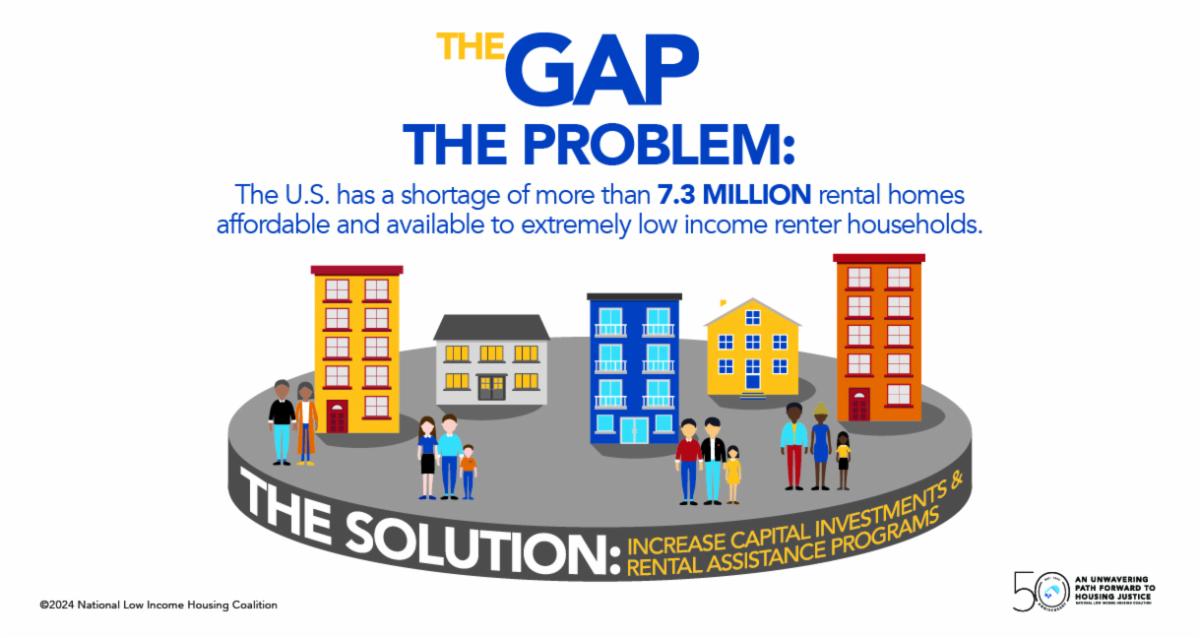
The 2024 Gap Report by the National Low Income Housing Coalition highlights a persistent and severe shortage of affordable rental housing in the United States, particularly affecting renters with the lowest incomes. This systemic failure primarily impacts disproportionately people of color, seniors, and individuals living with disabilities. The report emphasizes that without public subsidies, the rents that the lowest-income households can afford do not cover the costs of developing and maintaining new or existing housing, leading to a shortage of 7.3 million affordable and available rental homes for extremely low-income renters.
The shortage is more acute than before the pandemic, with over 480,000 additional affordable and available rental homes needed for extremely low-income renters since 2019. The crisis affects all states and the 50 largest metropolitan areas, none of which have an adequate supply of affordable homes for the lowest-income renters. This shortage contributes significantly to housing instability, with many extremely low-income renters spending a large portion of their income on rent, making them cost-burdened and at risk of homelessness.
Here are some notable points:
- Severe Shortage of Affordable Homes: The United States faces a significant shortage of 7.3 million affordable and available rental homes for extremely low-income renters, underscoring a systemic national issue.
- Disproportionate Impact on Vulnerable Populations: Extremely low-income renters, who are disproportionately people of color, seniors, and individuals with disabilities, are the most affected by the housing crisis.
- Increased Shortage Post-Pandemic: The shortage of affordable housing has worsened in recent years, exacerbated by rising rent prices and economic instability caused by the pandemic.
- High Rates of Cost Burden: Extremely low-income renters are more likely than other income groups to spend a large share of their income on rent, with 87% being cost-burdened and 74% severely cost-burdened.
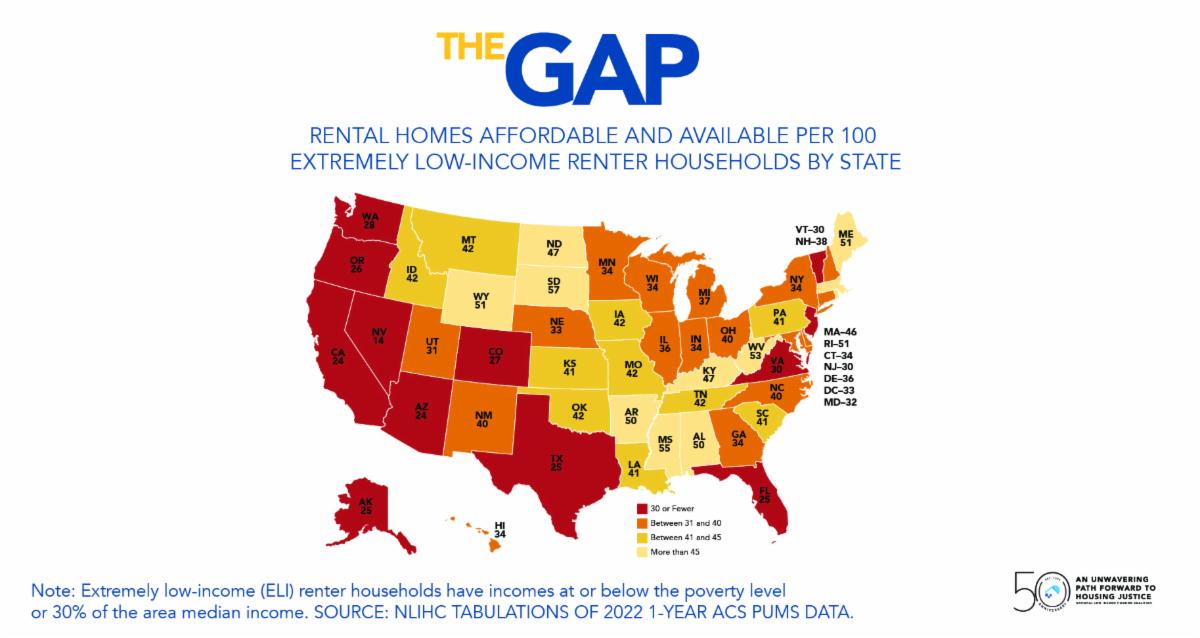
- Geographical Disparities: Every state and the 50 largest metropolitan areas experience a shortage of affordable and available homes for the lowest-income renters, with none having an adequate supply.
- Insufficient Federal Assistance: Currently, three out of four households eligible for federal housing assistance do not receive it, highlighting the need for increased funding and support.
The information from the Gap Report regarding Missouri reveals specific challenges faced by extremely low-income renter households within the state. With 205,433 extremely low-income renter households and the relatively low availability of affordable and available rental homes (42 for every 100 households in need) indicates a significant gap in the housing market for the state's most vulnerable populations. The high percentage of extremely low-income renter households experiencing severe cost burdens (70%) further underscores the urgent need for targeted interventions to increase the supply of affordable housing and provide financial assistance to reduce the burden on these households.
This data reflects the broader national crisis but provides a clearer picture of how the affordable housing shortage specifically impacts Missouri.
In response to these challenges, Missouri, like other states, requires comprehensive policy solutions and investments to address the shortage of affordable housing for extremely low-income households. Addressing these issues is crucial for improving housing stability among the state's lowest-income residents, thereby contributing to broader social and economic stability within Missouri. Here are some of our recommendations for the State of Missouri:
- Expand State and Local Funding for Affordable Housing: Increase allocations to the Missouri Housing Development Commission and local housing trusts to finance the development and preservation of affordable housing units.
- Leverage Federal Programs More Effectively: Utilize federal funding sources more effectively, including HUD programs and the LIHTC, to support the development and rehabilitation of affordable housing.
- Strengthen Tenant Protections: Enact state-wide legislation to protect tenants from excessive rent increases, unjust evictions, and discrimination. Consider implementing rent control measures in high-cost areas.
- Enhance Rental Assistance Programs: Increase funding for state and local rental assistance programs to help more extremely low-income households afford housing. Support the expansion of the Housing Choice Voucher program within the state.
- Reform Zoning and Land Use Policies: Encourage municipalities to reform zoning laws to allow for higher-density and mixed-income developments, particularly near transit hubs and job centers.
- Support Affordable Housing Preservation: Implement policies and programs to preserve the affordability of existing rental units, including those at risk of being converted to market-rate housing.
- Address Racial and Ethnic Disparities: Develop targeted strategies to address the disproportionate impact of the housing crisis on people of color, ensuring equitable access to affordable housing and homeownership opportunities.
- Invest in Homelessness Prevention and Rapid Rehousing: Allocate more resources to programs that prevent homelessness and provide rapid rehousing services to those who are homeless or at risk of homelessness.
- Promote Innovative Housing Models: Encourage the development of community land trusts, cooperative housing, and other innovative models that can provide long-term affordable housing solutions.
For more detailed information on the state of affordable housing in Missouri, including specific data points, analysis, and recommendations made by the National Low Income Housing Coalition (NLIHC), please visit https://nlihc.org/gap/state/mo. This resource provides an in-depth look at the challenges faced by extremely low-income renter households in Missouri, including the availability of affordable and accessible housing, rates of severe cost burden, and policy solutions to address these issues.
This link-https://nlihc.org/gap- provides direct access to the NLIHC's 2024 Gap Report, offering valuable resources for understanding and tackling the challenges of affordable housing across the United States.
|