North Plains Water News

November 2025

Important Information Regarding Your 2025 Production Reports

(Access link will be sent by December 1, 2025)


Your 2025 production reports will be available online. You will receive a text message and/or an email containing a link to access these reports. Additionally, you will have the option to download blank reports from the link. If you require them, the District can also send reports via mail or email, provided you have not already made a request.


Please make sure to notify us if your contact information has changed or if you bought or sold water rights in 2025. We kindly ask that you call the office at the phone number listed below.

2025 Joining or Changing GPUs


(Approved and filed by December 31, 2025)


To request changes for joining sections in Groundwater Production Units (GPUs), please complete the form and send it to the designated email.


For the changes to be effective for the 2025 production year:

- The request and GPU document must comply with all District GPU regulations.

- They must be submitted to the District by December 31, 2025.


Please allow two weeks for the District Administrative Staff to review and process the requested GPU document.


Notification and Contact information for Production Reporting:

productionreporting@northplainsgcd.org

(806)-935-6401 ext 200

Surviving Winter: How Small Mammals Thrive in the Texas Panhandle

Odell Ward, PG

1. Winter Recharge and Soil Moisture Storage

Even minimal winter precipitation—be it snow, sleet, or rain—plays a role in enhancing soil moisture and shallow recharge. Crop residue and grassy cover serve as natural mulch, effectively trapping

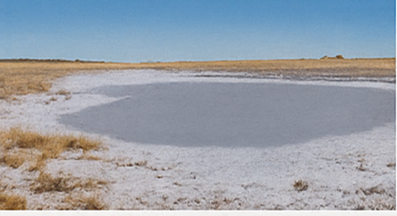
snow and minimizing evaporation. As thawing occurs, this moisture seeps downward, potentially raising the water table in local recharge zones. In playa basins and depressional areas typical of the High Plains, frozen soils create a temporary seal during severe freezes, allowing snowmelt and runoff to accumulate. Once the soil thaws, the collected water can gradually infiltrate, generating crucial recharge pulses for the Ogallala system.

2. Managing Winter Irrigation

While winter irrigation tends to be limited, farmers cultivating winter wheat or cover crops may occasionally apply light watering to sustain plant vigor. Effective scheduling is crucial—utilizing soil-moisture sensors and

evapotranspiration (ET) data can help assess the actual need for irrigation. Since evaporation losses are minimal in colder weather, these practices can be efficient, but should be used judiciously. Each unnecessary hour of pumping contributes to a long-term decline.

3. Infrastructure and Monitoring

The off-season presents the perfect opportunity for equipment inspection, flow-meter calibration, and well maintenance. Addressing minor leaks, testing pressure systems, and accurately recording meter data

are crucial for effective conservation reporting and efficiency planning. Groundwater districts, like the North Plains Groundwater Conservation District (NPGCD) in Dumas, Texas, advocate for winter maintenance and meter verification. These proactive measures ensure that when irrigation begins again, systems function efficiently—conserving both water and energy.

4. Land Stewardship and Long-Term Gains

Winter offers an excellent opportunity for thoughtful conservation planning. Producers can take this time to:  

- Review water-use records  


- Enroll in EQIP or state-based conservation programs  

- Assess innovative water-saving technologies, such as variable-rate pivots or soil-moisture automation  


Additionally, maintaining surface cover through reduced tillage or no-till systems can enhance infiltration by up to 20%, which directly supports aquifer sustainability.

Summary

Conserving resources during winter doesn’t solely rely on strict pumping restrictions; rather, it emphasizes preparation and prevention. By safeguarding soil cover, monitoring wells, and implementing minor management choices, we can collectively conserve millions of gallons of groundwater throughout the Texas High Plains. Each season of thoughtful planning brings the Ogallala Aquifer closer to achieving long-term sustainability.

Important Links...


Facebook  Twitter  Instagram