|
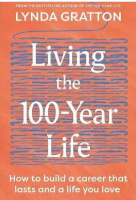
Her book The 100 Year Life has just been updated after ten years with a second volume Living the 100-Year Life: How to Build a Career that Lasts and a Life You Love. The premise is that more of us should begin thinking about what life looks like if we live to be 90, or even 100.
According to Gallop Research, the average age people retire in the United States is 61. That means you will be NOT working for almost 30 or 40 years.
This concept raises all sorts of interesting questions. How long should we work? Should volunteerism be a more prominent transition from working life; how much should we save? How do careers change over such a long lifetime? How do we remain healthy, engaged and purposeful? The books advice: plan for this, and it’ll make for a happier outcome.
Remaining vibrant past 80, 90 or 100 involves planning. Getting there and saying, “now what?” is not a path towards longevity.
Living in the Dash
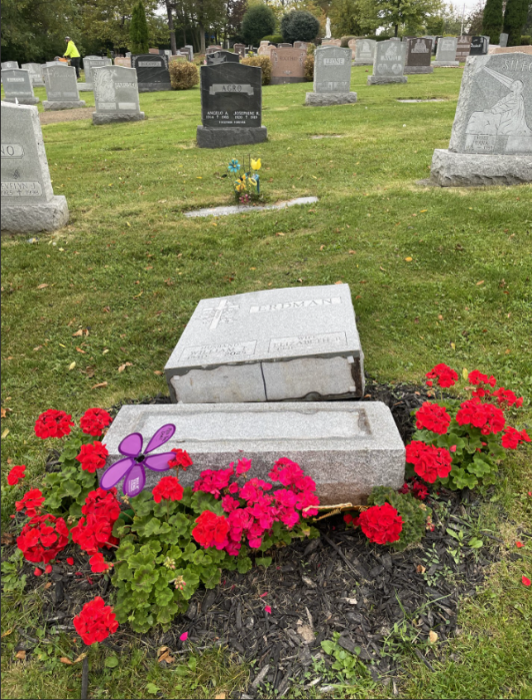
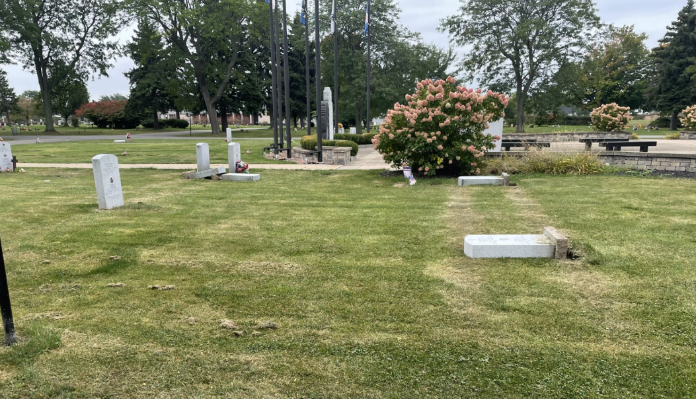
Walk through any cemetery and you’ll notice something remarkable. An entire human life is represented on a monument by two dates separated by a very small dash.
1926 — 2026. One hundred years.
But those two dates tell us almost nothing.
The first tells us when someone arrived. The second tells us when they transitioned.
Everything that mattered happened in the dash.
A childhood. A first job. Falling in love. Marriage. Children. Friendships. Mistakes. Forgiveness. Sunday dinners. Faith. Loss. Laughter. Work. Sacrifice. Perhaps grandchildren and great-grandchildren. A hundred years of ordinary days that, taken together, became a human life.
The Bible tells us that long life is a blessing. But the more important question isn't simply how many years we are given. It is what we do with them.
Length of life is a blessing. The life we put into those years is the gift we leave behind.
That's one reason I've come to think that our work at Catholic Cemeteries really isn't about death nearly as much as people assume. It’s about helping you plan.
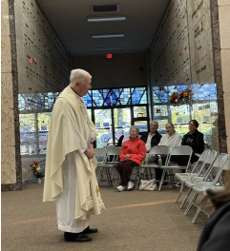
We are involved with life at nearly every stage surrounding death. We help people prepare. We help families make decisions. We help them say goodbye. We provide a sacred place to bury someone they love. And then we care for that place so children, grandchildren and generations not yet born have somewhere to return, remember and pray.
And as Catholics, even that isn't the end of the story.
Our faith tells us that the second date carved into the stone does not mark the end of life. It marks the end of this life.
Maybe that's the most interesting thing about planning for a 100-year life.
Plan for the hundred years. Live every one of them as fully as you can.
Thank you for allowing us to serve you and your family. It is our privilege to care for these sacred places and accompany you on your journey of remembrance and faith.
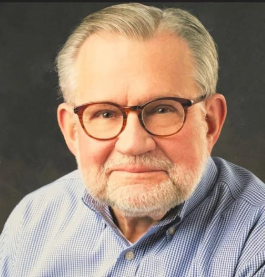
Thomas Christy
Director of Cemeteries
|