|
Greetings from your team at Iowa Weight Loss Specialists – we hope you enjoyed the last weeks of summer and Labor Day weekend celebrations! While we mourn the gone-too-soon sunny days of summer, the beginning of fall often brings a sense of return to routine (back to school!) and predictability, which can be helpful with reframing or renewing health goals after a busy season.
Ahead in this month’s newsletter:
👟 A word from IWLS dietitian and podcast host Anthony Kinley on VO2 Max just in time for Healthy Aging Month
💡 So you’ve reached goal weight with a GLP-1 – what now?
🍇 “Better Bites” shares what to include for school meal prep for kids (OK, adults too)
🧠 Thinking about the concept of self-efficacy to build confidence and a routine that sticks
⁉ Did You Know:
-
Are you ready for some football? The Iowa vs Iowa State game is this Saturday the 12th at Kinnick Stadium in Iowa City (airing on NBC/Peacock)
-
Feeling nostalgic for the 90s? Blues Traveler, Gin Blossoms, and Spin Doctors perform Thursday the 10th at Water Works Park in Des Moines
-
Still feeling nostalgic for the 90s? Kick off spooky season with a witchy sequel to 1998’s “Practical Magic” (September 11) and the zombie-centric “Resident Evil” (September 18)
-
Shiver me timbers! “International Talk Like a Pirate Day” is September 19, matey!
| | |
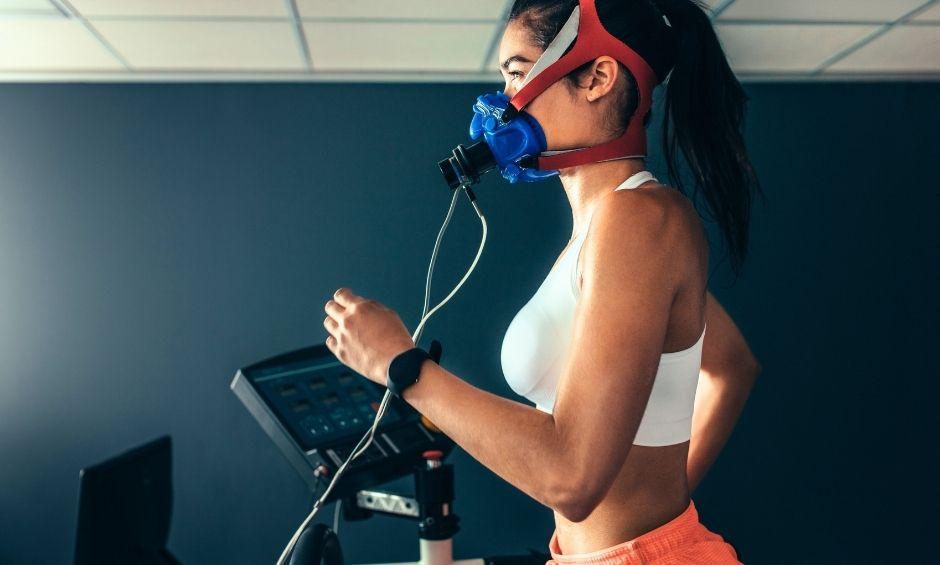
Why VO₂ Max Matters for Healthy Aging
Anthony Kinley, MS RDN LD
| | |
When you imagine your future, what do you want to be able to do—travel, play with grandchildren, climb stairs, hike, garden, live independently?
While maintaining a healthy weight can support those goals, the number on the scale doesn’t tell the full story. Another key factor is cardiorespiratory fitness—how well your heart, lungs, blood vessels, and muscles work together. VO₂ max is one way to measure this capacity.
What is VO₂ max?
VO₂ max reflects the maximum amount of oxygen your body can use during exercise. It shows how efficiently your body delivers and uses oxygen to produce energy. A higher VO₂ max means your body can handle physical demands more effectively, whether that’s running a race or simply climbing stairs without stopping.
Why it matters with age
Cardiorespiratory fitness naturally declines over time, especially with inactivity. As fitness decreases, everyday tasks begin to require more effort. Improving fitness builds a “reserve,” making daily activities like walking or carrying groceries feel easier and helping to preserve independence.
Higher fitness levels are also linked to lower risk of cardiovascular disease and earlier death. Even modest improvements—moving out of a low-fitness range—can be meaningful.
Fitness vs. weight loss
Weight loss and fitness often occur together but are not the same. You can lose weight without improving fitness, and you can become fitter without major weight loss. Because VO₂ max is often measured relative to body weight, changes on the scale can influence the number—but true improvement comes from training the heart, lungs, and muscles.
Building fitness
You do not need extreme workouts. Regular walking, cycling, swimming, or similar activities can improve VO₂ max. Over time, adding short intervals or resistance training can further enhance fitness.
The bigger picture
Progress is not only seen on the scale. Walking farther, climbing stairs more easily, and recovering faster are all signs of improved health. The goal is not just to weigh less, but to build a body that supports the life you want to live.
| | | |
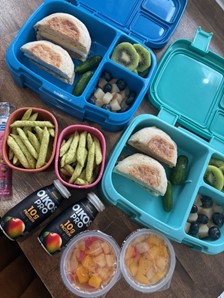
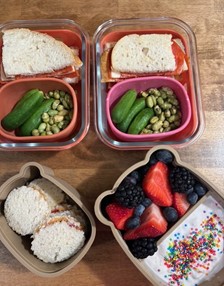
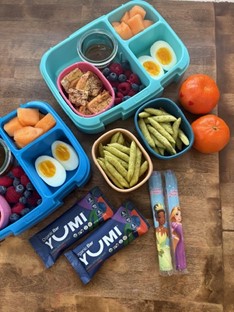
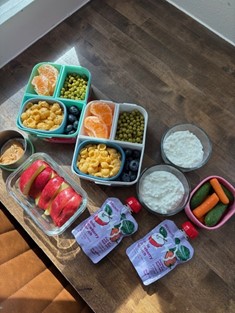
When making meals for my kids’ school lunches, I aim for the same things I would include on my own plate: a protein, a carb, and fruits/vegetables. I also try to limit added sugars.
First, I look for a source of protein. Children’s needs are lower than adults, but still important for growth, development, and helping to stay full through the busy day. For ages 4–8, around 15–25 grams protein per day is generally sufficient. Sources include eggs, Greek yogurt, edamame, nut butters, plant-based pastas, and, of course, meat.
The second item I include is a source of carbohydrates. Whenever possible, go for whole-grain carb sources. Children ages 4–8 have a surprisingly high fiber need of about 25 grams per day. When looking at food labels, a “good” source provides at least 3 grams, while an “excellent” source provides at least 6 grams.
I also strive to include a variety of fruits and vegetables. As frustrating as it can be, and as wasteful as it may sometimes seem, continuing to serve these foods to your children—even when they don’t eat them—counts as exposure. Repeated exposure helps children become more comfortable and may increase their willingness to eat these foods in the future.
You can use dressings, sauces, and dips to make fruits and veggies more appealing. Cutting them into fun shapes or pairing with a fun utensil can make kids more willing to try them. Giving foods fun names or encouraging your kids to pretend to be an animal while eating them (for example, “Pretend you’re a bunny and nibble on the carrot!”) can also make mealtimes more entertaining and less stressful.
Finally, I try to limit added sugars. Focusing on balanced meals with protein, whole-grain carbohydrates, fruits, and vegetables helps provide children with the nutrients and energy they need to stay fueled throughout the day.
| | |
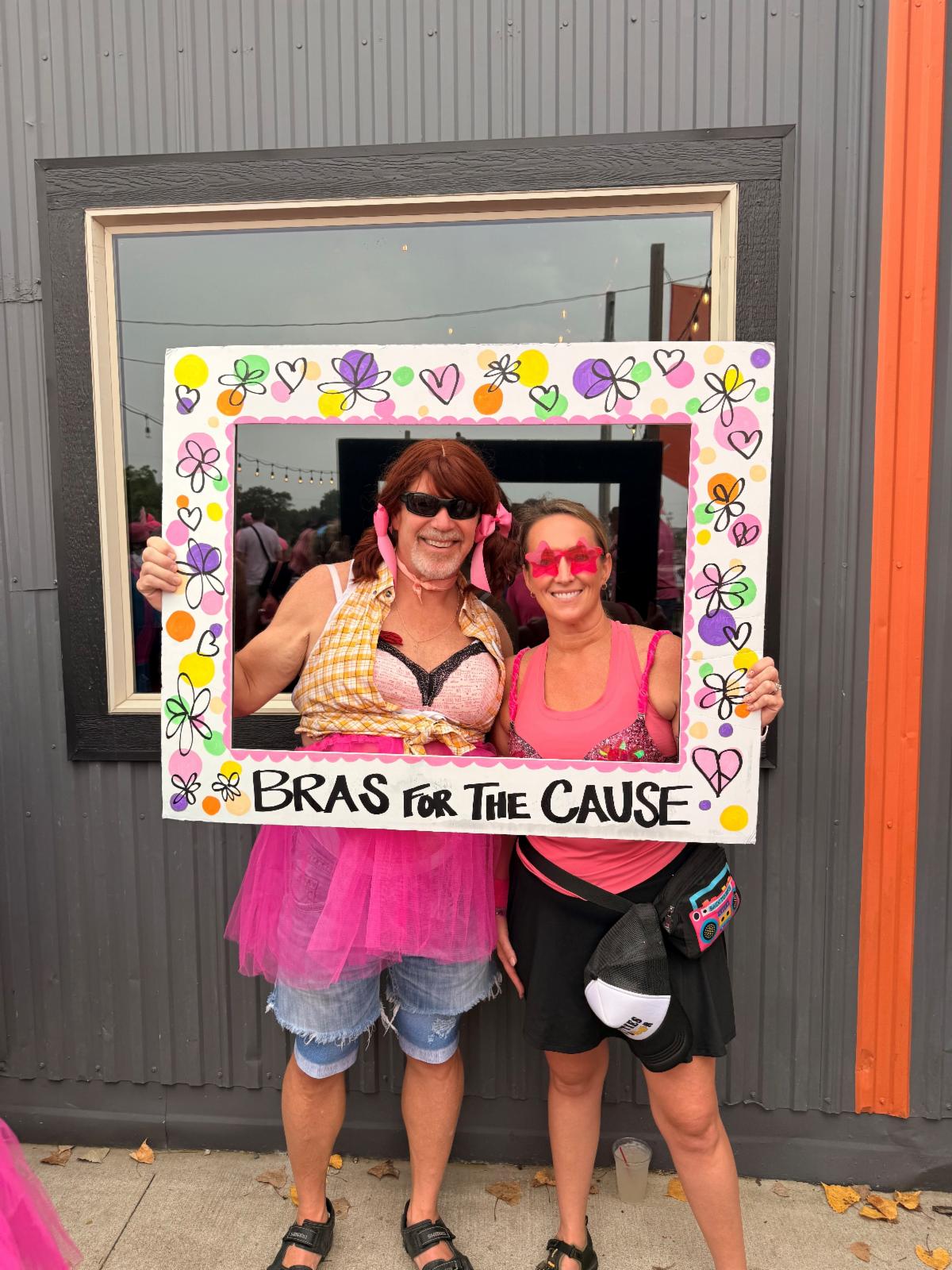
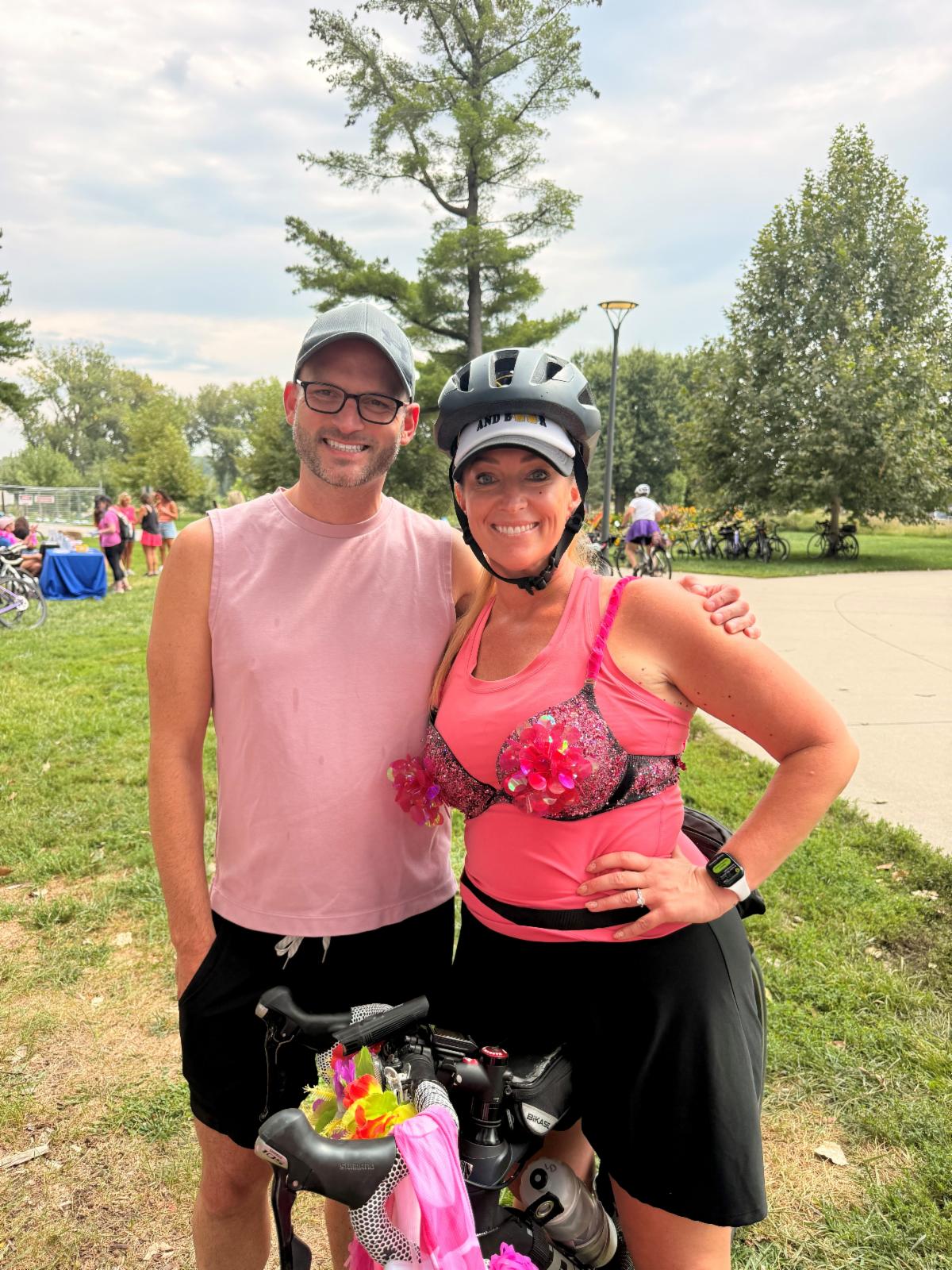
💕 Bras for the Cause B4 Ride: Iowa Specialty Hospital President & CEO Steve Simonin and DSM clinic provider Lynzy Devary were among ISH employees participating in the Bras for the Cause Sixth Annual B4 Ride: Bras, Bikes, Bars & Beers. And as you can see here, wacky, wild, and celebratory costumes are highly encouraged!
Since 2007, the non-profit organization has worked across the state to ensure uninsured and underinsured Iowans have access to mammograms and cervical cancer screenings. Bras for the Cause raises funds, provides grants, spreads awareness and education on the importance of early detection, and builds partnerships through events like the annual bike ride, golf outings, and other community activities. They help make life-saving screenings accessible to more Iowans.
Iowa Specialty Hospitals & Clinics is a proud partner of Bras for the Cause. Check out their website for ways to get involved!
| | |
🙌 Support Group: Connect with others on a weight loss journey in our virtual support group moderated by dietitian Kathryn Flynn. Email connections@iowaweightloss.com to sign up for reminders. Upcoming sessions via Zoom:
-
Wednesday, September 9th @ 5:00 (Open Discussion)
-
Thursday, September 17th @ Noon (Q&A)
| |
|
💬 Podcast:
In the most recent episode of the Well-ISH Podcast, Anthony Kinley sits down with Dr. Samuel Memmelaar, new Foot and Ankle Surgeon at Iowa Specialty Hospitals & Clinics.
Available via YouTube or your favorite podcast app!
| | | | |
What’s Next After Hitting Goal Weight
with GLP-1’s?
| | |
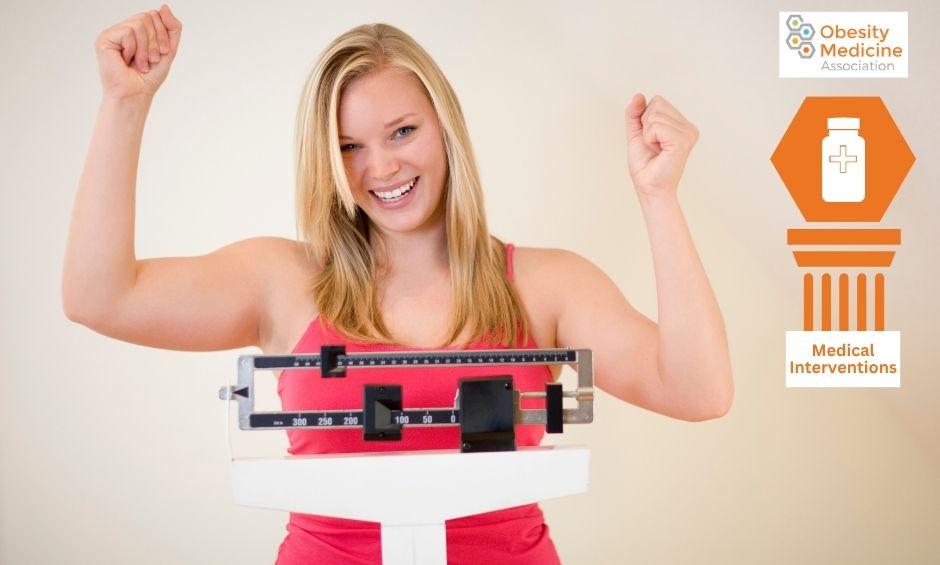
One common question people have after reaching their goal or maintenance weight using a GLP-1 medication is – what now?
The most important thing to remember is that obesity is considered a chronic disease. That means ongoing, lifelong treatment. It is normal to experience weight regain if you discontinue a medication. That doesn’t necessarily mean taking a medication forever, but it does mean having a long-term plan to support your health if you do decide to stop. It is also normal for people to stay on medications long-term, just like we do for things like high blood pressure or anxiety.
There is no one-size-fits-all approach, and that’s why it is vital you have the conversation with your provider about your options. With proper direction and guidance, you will be more likely to maintain your progress.
A maintenance plan requires continuing habits that have helped you reach your goal. That might include a healthy eating pattern with protein and fiber-rich foods, regular physical activity including strength training, mindful eating behaviors, and effective stress management.
If you are thinking about coming off or adjusting the dose of your GLP-1, talk with your care team at IWLS. We are here to help you not only to navigate active weight loss but to ensure you have a plan for maintenance.
| | |
Build Confidence, Build Routine:
The Power of Self-Efficacy
| | |
When it comes to weight loss, knowing what to do is often not the problem. We already know we should eat our veggies, get our steps in, stay hydrated, etc.
The part people struggle with is following through on healthy behaviors and having faith in the ability to do it. That’s where self-efficacy comes in.
Self-efficacy is the belief you are capable of overcoming challenges and taking action to reach your goals. We often tell ourselves things like “diet starts Monday” or “time to buckle down and give 100% effort” but then struggle and give up when barriers arise. As a result, self-efficacy and confidence is diminished.
Self-efficacy is not about believing everything will be easy. There is never a “perfect time” to pursue weight loss. Rather, self-efficacy is about trusting yourself to navigate the process. It’s about having faith to keep going, adjust the strategy when obstacles come up, and try again when things don’t go as planned.
A great way to strengthen self-efficacy is to build a consistent routine. Consistent, not perfect. Instead of deciding you will overhaul your entire lifestyle overnight, choose a couple specific habits. Maybe it’s a 10-minute walk after dinner, going to bed the same time each night, or drinking a certain amount of water each day.
When a goal for your routine is clear and simple, it’s easier to follow through, and you create evidence to show “I can do this!” You become more resilient, or in other words, your self-efficacy increases.
Remember: a successful routine isn’t “perfect.” It’s realistic, clearly defined, flexible. Start small and keep showing up even if you fall a bit short. Over time, your confidence and self-efficacy will grow, healthy habits will compound, and you will identify as someone who doesn’t give up.
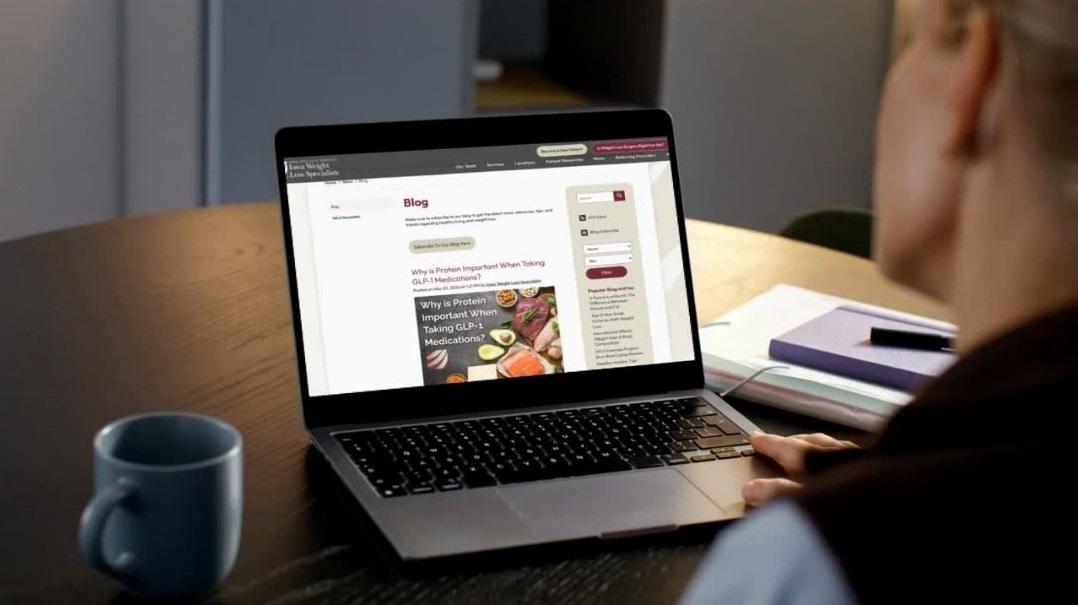
| | Want to catch up on the latest topics on weight loss, nutrition, exercise, and more? Visit our website and read our blogs for even more helpful tips and information. | | |
IowaWeightLoss.com
515-327-2000
| | |
Let’s Stay Connected!
Follow Us On Social Media...
| | | | |