April 30, 2025

Good morning, and welcome back to The Ship Show!


Ladies and gentlemen, NSYNC said it best. In less than 24 hours, it's gonna be May.


Also, I feel compelled to give my take on this: 100 humans are not defeating one gorilla.


They would run away after seeing human #3 get impaled by human #2's femur as the upper half of human #1's torso attempts to drag themselves away.


And if by chance they didn't run away, then the gorilla would brutally and systematically murder 99 of them, but keep one of them alive to tell the rest of the humans what happened here today.


Anyway, enjoy today's newsletter!


- Greyson Harris

The Headlines...

Image: Robert Handfield / NC State University

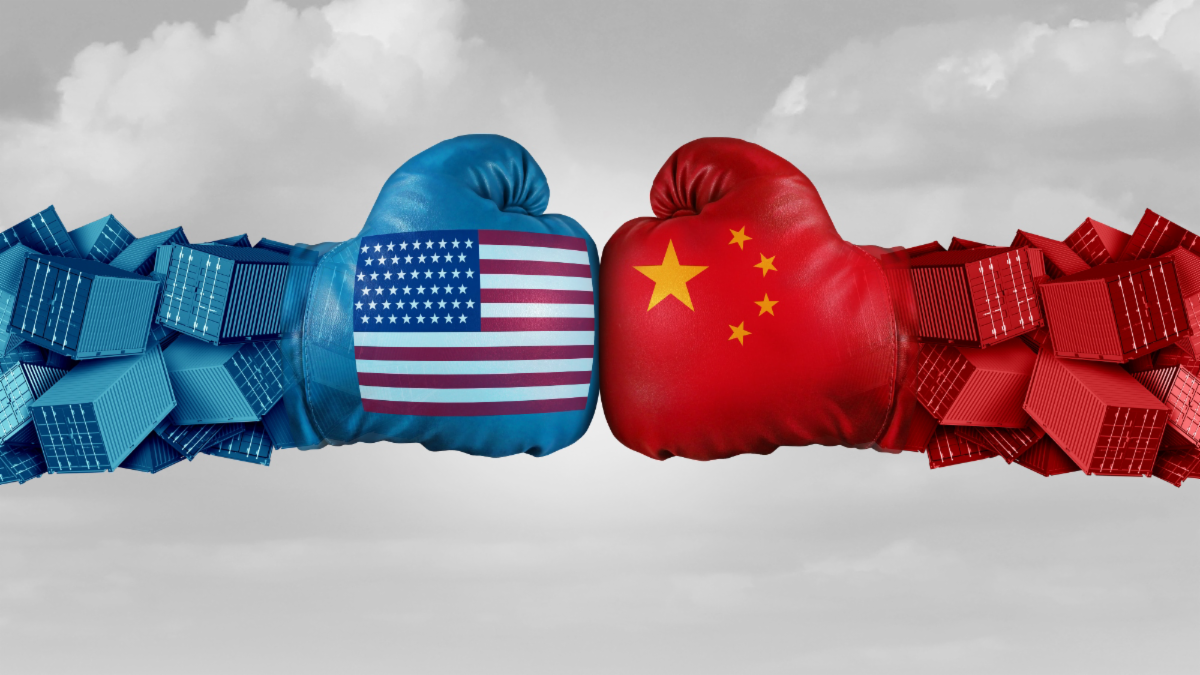
Trade Wars: Revenge of the Tariffs


If I had a dollar for every time I talked about tariffs in this newsletter, I would be rich enough to no longer care about tariffs.


Luckily for you all, I don't. I do this for the love of the game.


Retailers, logistics companies, and consumers have all been scrambling to get a grip on the new trade landscape since Trump's April 2nd announcement, but some experts warn that it may be too late to avoid higher prices and empty shelves.


A sea of cancellations.


Since the tariffs took effect in early April, trans-Pacific shipping has been falling faster than Shadeur Sanders in the NFL Draft:


  • Ocean carriers have canceled approximately 80 voyages from China to the U.S. this month alone, a 60% increase in cancellations compared to the peak of COVID-19 disruptions in May 2020.


  • The Port of Los Angeles, America's primary gateway for Chinese goods, anticipates a one-third drop in arrivals next week compared to the same period last year .


  • Flexport reports a 50% cancellation rate on shipments from China to North America, with major ports like Yantian, Ningbo, and Shanghai experiencing significant disruptions.


  • The National Retail Federation (NRF) predicts U.S. import cargo volumes will sink by at least 20% year-over-year in the second half of 2025.


Maritime analyst Drewry projects a 1% drop in global container port volume this year thanks to Trump’s trade war reboot. That may not sound like much, but it's only the third time since 1979 that global shipping demand has taken a dive.


For context, the only other two dips came during the 2009 financial crisis (down 8.4%) and the early days of the COVID pandemic (just under 1%).


Consumer vibes are officially in the dumps.


U.S. consumer confidence took its biggest dive in years, with the Conference Board’s index dropping nearly eight points in April to its lowest level since May 2020.


The expectations index, which gauges how folks feel about the next six months, fell even harder, hitting a 13-year low. For context: when this number drops below 80, it’s historically been a red flag for a looming recession.


April’s reading? 54. 


In the words of the famous wordsmith, Scooby Doo: "ruh-roh."


The tariffs that stole Christmas.


Thanks to higher prices and shipping cancellations, store shelves could soon be more barren than my Instagram DMs after posting a thirst trap.


Some of the first products to vanish from shelves could include budget-friendly shoes, clothes, toys, and electronics, which are all categories deeply rooted in Chinese manufacturing.


“Think toilet paper during COVID — now expand that to half your shopping list,” said Sean Stein, president of the U.S.-China Business Council. “In just a few weeks, shelves could start looking eerily empty. And if the administration waits until panic buying sets in, it’s already too late.”


According to sources close to the Trump administration, the possibility of widespread product shortages (especially around key holidays like July 4th and Christmas) has sparked more concern in the White House than prolonged warnings about inflation or rising retail costs.


In other words, if you really want the government's attention, tell them that Santa isn't real.


Shippers and retailers are straight up not having a good time.


Retail giants that rely heavily on Chinese-made goods (which is basically all of them) are bracing for impact as Trump's tariff policies collide with a global shipping slowdown.


So far this April:


  • Amazon stock has dipped about 1.4%.


  • Target stock has fallen by a whopping 7.7%.


  • Walmart, on the other hand, seems to be doing just fine, boasting an 8% surge in stock price.


Over in logistics land, the pain runs even deeper:


  • XPO Logistics saw their shares slip 9.4%.


  • Old Dominion Freight Line dropped 10% in April, with its execs warning of a 6% year-over-year revenue decline for the month.


  • J.B. Hunt is down 11.5% this month.


  • ArcBest has fared even worse, sliding 16.3%


Apollo Global Management's chief economist, Torsten Sløk, predicts that by late May, domestic freight demand will "come to a halt," leading to layoffs in trucking and retail industries and potentially triggering a recession this summer.


An uncertain road ahead...


Even if the administration rolls back tariffs, the damage to supply chains and consumer confidence could take months to repair.


Experts warn that the volatility introduced by these trade policies could have long-lasting effects on the economy, potentially leading to a "stagflation shock" reminiscent of past economic crises.

Image: Canva Stock

Extreme Makeover: Air Traffic Control Edition


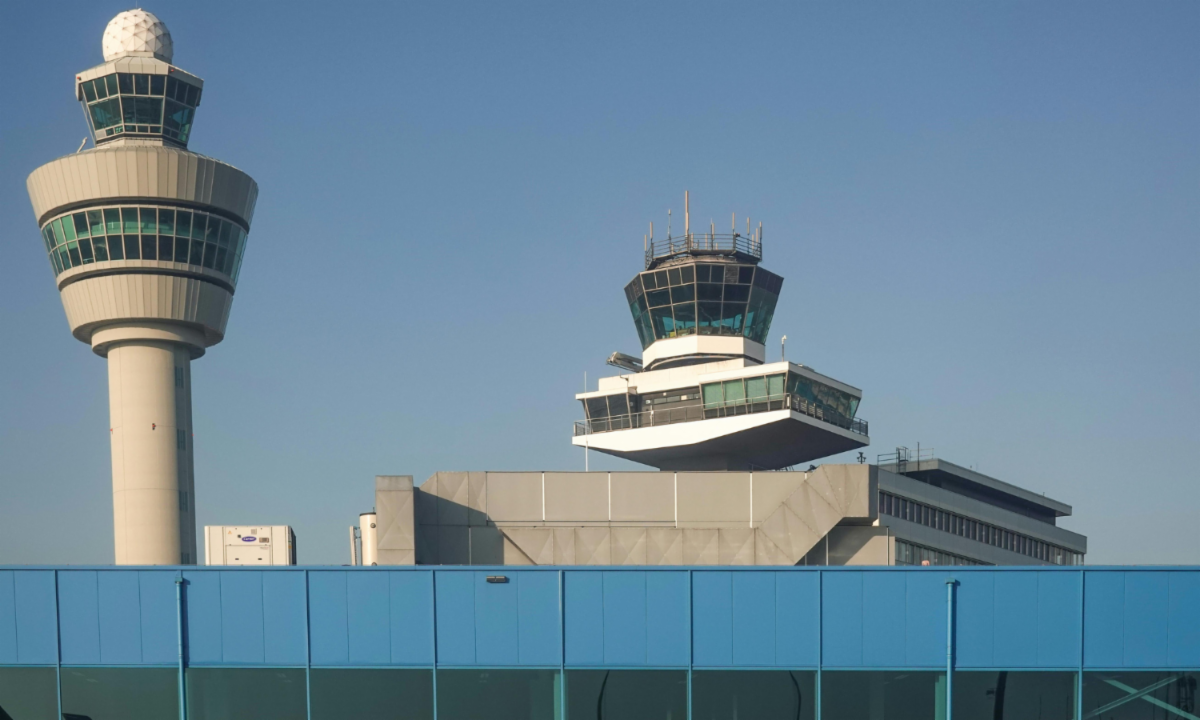
After decades of warnings, near-misses, and a tragic midair collision in January, House Republicans are hoping that their $15 billion plan to update the nation’s creaky air traffic control system gets cleared for takeoff.


What's the plan?


The proposal, which is still being finalized, aims to drag the Federal Aviation Administration (FAA) into the 21st century whether it wants to or not.


Here's the breakdown of the key points:


  • $4.7B to replace the FAA’s JFK-era telecom systems.


  • $3B to overhaul outdated radar, shifting toward satellite-based tracking.


  • Infrastructure upgrades for aging towers. By the way, the average age of those towers is 40. That means most of the towers are as old as LeBron James.


  • Staffing and safety improvements to boost controller recruitment and adopt better collision-avoidance tech


The House Transportation Committee is set to discuss the plan on April 30 (today). Meanwhile, the Trump administration is working on its own version, and the FAA is already experimenting with Elon Musk’s Starlink.


Why now?


The system’s been teetering on the edge for years, but things hit crisis mode in January when a military helicopter and an American Airlines regional jet collided near D.C. That was the first commercial airline crash in the U.S. since 2009.


A December GAO report warned that 76% of the FAA’s critical systems are "unsustainable or potentially unsustainable."


It’s honestly a miracle that any flight lands on time.


Broken systems = broken budgets


Outdated infrastructure isn’t just a safety issue; it’s expensive.


Flight delays and cancellations in 2024 alone cost airlines an estimated $11 billion. Industry analysts say a full tech overhaul could reduce delays by 30% and shrink carbon emissions by optimizing routes.


That's great and all, but who's gonna run it?


Even if Congress green-lights the cash, modernization won’t take off without people to run the show. The FAA is short more than 1,200 air traffic controllers.


Enter the Air Traffic Control Workforce Development Act (S. 697), which proposes:


  • $20M per year for simulator-based training programs.


  • Retention bonuses and mental health support for controllers under intense stress.


That bill is still stalled in committee, but its goals are critical. Even the best tech can’t fix a staffing crisis.

What Else is Happening?

Image: Getty

🚚 Trump reinstates English proficiency rule for truck drivers


Now we might have a REAL driver shortage...


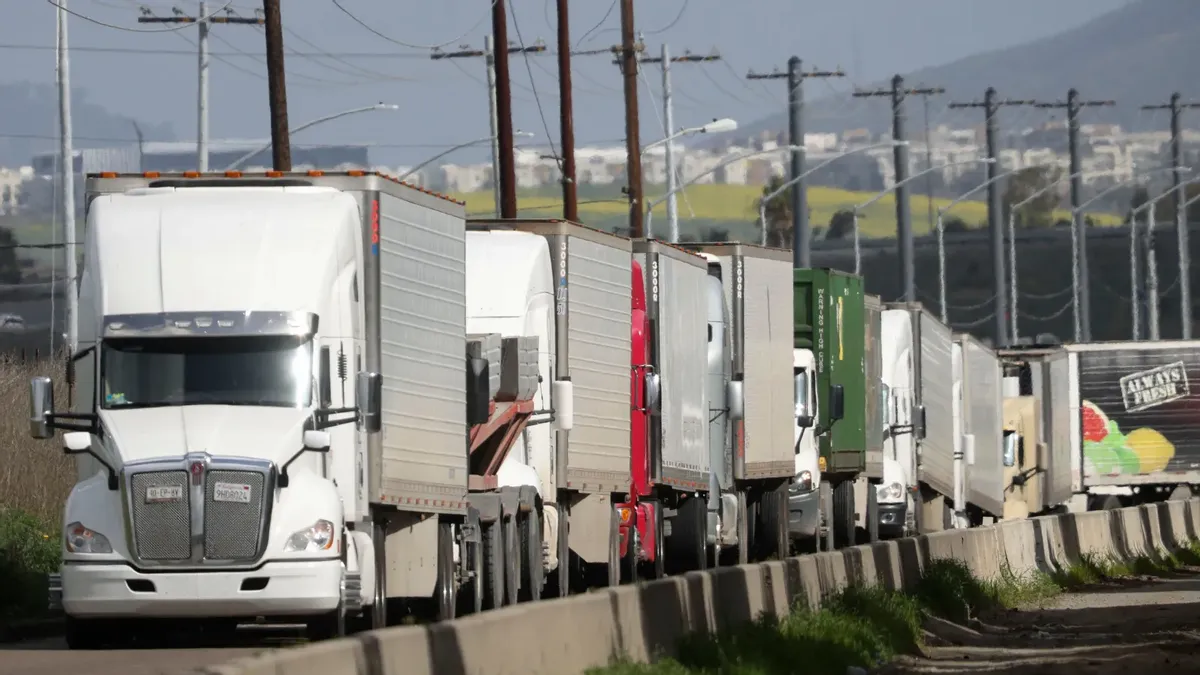
On Monday, President Trump signed an executive order reinstating the requirement that commercial truck drivers must demonstrate English proficiency or risk being placed out of service. The administration argues this change will enhance public safety on U.S. highways.


This action reverses a 2016 policy under the Obama administration, which allowed non-English-proficient drivers to remain on the road despite federal rules requiring language fluency.


Federal law already mandates that commercial drivers be able to read and speak English well enough to understand traffic signs, communicate with law enforcement, and fill out necessary reports. However, enforcement of that standard has been inconsistent in recent years.

📦 DHL resumes high-value shipments to the U.S.


I take back what I said last week. Go ahead and order that 5-in-1 air fryer/grill/oven/microwave/toaster from that sketchy Instagram ad. You deserve it.


DHL is back in business for pricier U.S. deliveries. The logistics giant has lifted its pause on shipments over $800 after hashing things out with the U.S. government.


Earlier this month, new customs rules kicked in that lowered the threshold for formal import paperwork from $2,500 to $800. That created a paperwork pileup, prompting DHL to temporarily stop those higher-value shipments “until further notice.”


Now, following what DHL called a “constructive dialogue” with federal officials, the company says it’s game on again. As of April 28, packages worth between $800 and $2,500 can once again breeze through customs using the simplified informal entry process.


In a statement, DHL said the U.S. government was quick to respond and showed “a strong willingness to understand our operational and technical challenges,” adding that moving fast was “imperative to protect U.S. consumers.”

🚂 Rail traffic continues to grow


U.S. railroads are chugging ahead of last year’s pace, with both carload and intermodal traffic gaining steam.


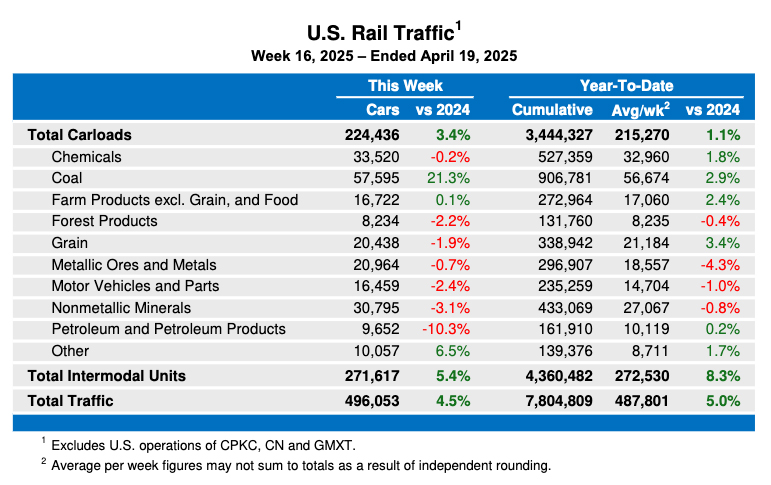
According to the Association of American Railroads, total U.S. rail traffic hit 496,053 carloads and intermodal units, up 4.5% from the same week in 2024. That includes a 3.4% increase in carloads (224,436) and a 5.4% jump in intermodal containers and trailers (271,617).


Through the first 16 weeks of 2025, U.S. rail traffic has totaled 7.8 million units, a 5% rise over the same stretch last year. Carloads are up a modest 1.1%, while intermodal traffic is pulling ahead with an 8.3% boost.

Image: Association of American Railroads

Fuel Update

⛽️ Diesel prices:


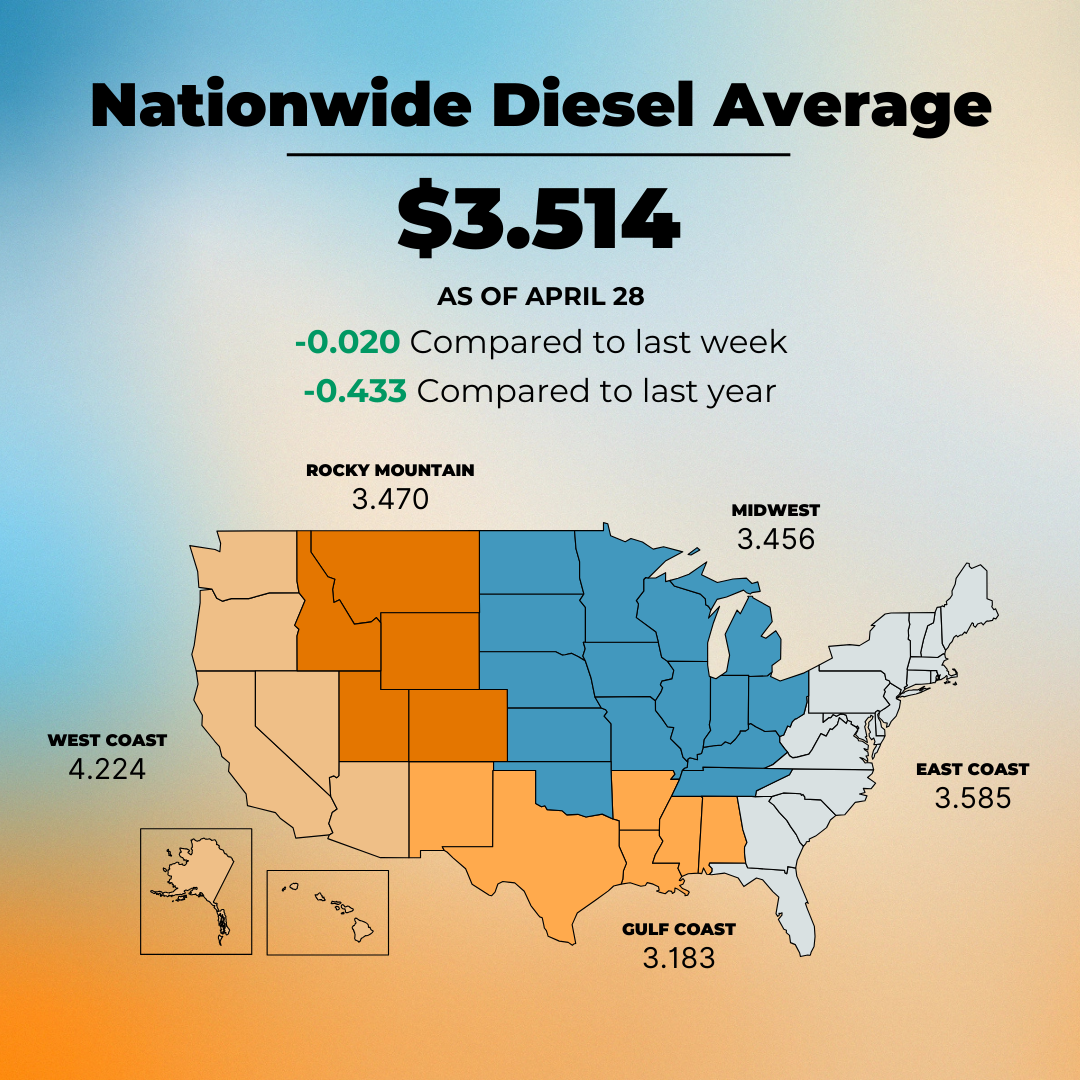
Diesel prices just hit a new low for 2025. The Department of Energy’s weekly benchmark dropped another 2 cents on Monday, landing at $3.514 per gallon, the lowest since December 30, when it wrapped up 2024 at $3.503. This marks the third consecutive weekly decline, with prices sliding a total of 12.5 cents over that stretch.

In Other News...

Image: Daniel Bartel / Imagn Images

Pizza and jelly: inside the superstitious nature of NHL players


We can all agree that hockey players are a different breed of human, right?


  • Most of them haven't real front teeth since middle school.


  • Their idea of a good nickname is just adding "-y" to the end of their first or last name.


  • They skate on swords.


But there's one thing about them that I can relate to: NHL players and coaches are creatures of intense habit.


Fuel up.


Food is a frequent anchor of a player's pre-game routine:


  • Legendary Hall-of-Famer Wayne Gretzky dominated on a pre-game meal consisting of Snickers, hot dogs, and Diet Coke, just like our founding fathers intended (I know he's Canadien).


  • Minnesota Wild goalie Filip Gustavsson used to swear by 13 meatballs (yes, exactly 13) with lingonberry sauce, but he's since given up the practice and opted for restaurants instead.


  • Capitals forward Alexander Ovechkin has Italian food delivered to him from a local restaurant named Mamma Lucia. He can often be heard yelling "Mama Lucia! Mama Lucia!" in his thick Russian accent when his meal arrives.


Coaches get in on the act, too. Stars head coach Pete DeBoer takes a game-day walk through the city, sometimes stopping for an absolutely diabolical pre-game meal: jalapeño-popper pizza with grape jelly.


“Sounds crazy,” he says, “but may be the best thing I’ve ever tasted.”


Somewhere, an Italian person is seething with the rage of a thousand Roman legionaries.


Dress codes, nap rituals & pet time.


How you get dressed matters, too:


  • Tomas Hertl suits up left side first (left skate, shin pad, elbow pad).


  • Vegas defenseman Ben Hutton kisses the inside of his jersey as he puts it on.


Pregame naps are sacred, if not completely necessary for some. “I nap around the same time. It’s more routine than ritual,” says Golden Knights defenseman Alex Pietrangelo. As you can imagine, having four kids, including triplets, has forced him to adapt.


Carolina forward Mark Jankowski walks his golden retriever Lucy after morning skates, then slips into compression boots before a 90-minute nap. “Just trying to get the legs moving,” he says. This is easily the most wholesome routine so far.


This stick is mine. There are many like it, but this one is mine.


The twig. The lumber. The hockey stick. Whatever you want to call it, hockey players go out of their way to make sure theirs is exactly how they want it:


  • Avalanche wing Jonathan Drouin spray-paints his for added weight.


  • Dallas forward Matt Duchene writes "Jim Bob" (a song by Hardy) on his stick before every game.


  • Some players use the same stick until it breaks, believing a "hot stick" has momentum.


Just keep it loose.


Routine is totally acceptable - but overthinking? Not in this locker room.


“When you overthink too much, that’s when issues happen,” says Washington goalie Logan Thompson, who used to avoid sidewalk cracks, but now just focuses on feeling good and playing loose.


No matter what they do to stay prepared, the objective is always the same:


“My biggest thing is you do what you do to get prepared, and then you just throw the gear on and go play,” he added. “That’s the most pure form of playing hockey. That’s how you do it your whole life. You don’t need to do ‘A-through-Z’ to get ready.”

KCH Corner

KCH x Sola: Automating the Future of Freight


We’re excited to announce a game-changing partnership! KCH has teamed up with Sola, a next-gen AI-powered RPA platform, to automate and elevate the way we work.


Sola’s platform is built to deliver speed and simplicity. By allowing users to record and customize their own workflows without writing a single line of code, Sola empowers teams to automate repetitive, high-volume tasks across both browser and desktop platforms.


It's just like a human would do it, but without the errors and having to go to the bathroom.


What does this mean for our shippers and carriers?


From load building to invoicing to accounts payable, Sola’s already reshaping the way we work behind the scenes. And we’re just getting started:


  • Critical load and payment details are now delivered faster than ever, meaning quicker decisions and fewer delays.


  • Our teams now have more bandwidth to deliver high-touch, personalized service at every step of the journey.


  • We’re building operational momentum that scales with your business.


Powered by Sola. Delivered by KCH.

LinkedIn  Instagram  Facebook  TikTok
Merch Store
Get a Freight Quote
Contact our Carrier Sales Team
Subscribe to The Ship Show Newsletter
Career Spotlight - Sales Development Rep (Nashville, TN & Atlanta, GA)

Memes of the Week

Image: FreightCaviar

Image: ThinkFreight