Issue 3

Trending this week...

Google Gemini's Mandarin Service – Political Bias?

In the rapidly evolving landscape of artificial intelligence, Google Gemini stands out as a formidable player.


This advanced AI model, developed by Google, is designed to understand and generate human-like text, catering to a multitude of languages and cultural contexts.


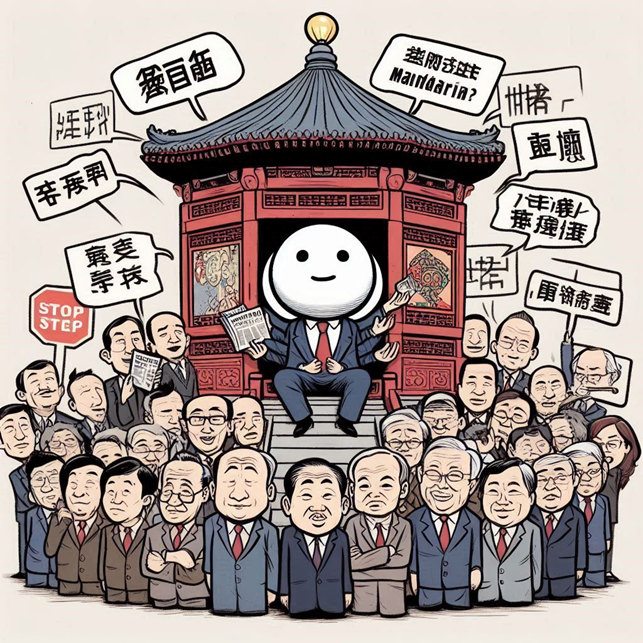
One of the more recent and noteworthy developments is Gemini's Mandarin service, which has garnered significant attention for its potential to influence political discourse.


However, this potential is not without controversy, as there are growing concerns about the model's biased political views and the broader implications for global leaders and societies.


The Rise of Google Gemini's Mandarin Service


Google Gemini's Mandarin service was launched to cater to the vast Mandarin-speaking population worldwide, particularly in China.


The goal was to provide a sophisticated AI tool capable of handling complex queries, generating nuanced responses, and facilitating smoother communication in Mandarin.


This service is not just a translation tool; it embodies a deep understanding of cultural contexts, idiomatic expressions, and regional dialects, making it an invaluable resource for businesses, educators, and individuals.


However, as with any powerful technology, the capabilities of Google Gemini's Mandarin service come with significant responsibilities and challenges. One of the most pressing concerns is the issue of political bias.


Evidence of Political Bias


Several independent studies and analyses have pointed out that Google Gemini's Mandarin service exhibits biased political views.


These biases are not merely occasional or anecdotal but appear to be systematically embedded within the model's responses. Here are a few key areas where this bias has been observed:


1.  Censorship and Sensitive Topics: When asked about sensitive political topics, such as the Tiananmen Square protests or the status of Taiwan, Google Gemini's responses often align closely with the Chinese government's official stance. This includes downplaying, avoiding, or outright censoring information that is critical of the Chinese government.


2.  Promotion of Government Narratives: The AI tends to promote narratives that are favorable to the Chinese Communist Party (CCP). For instance, it often frames economic and social policies of the CCP in a positive light, while being dismissive of criticisms or alternative viewpoints.


3.  Disparity in Treatment of Political Figures:

There is a noticeable disparity in how political figures are treated. Chinese leaders are frequently portrayed positively, while leaders from other countries, particularly those with adversarial relationships with China, are often depicted negatively or with less nuance.

Implications for Global Leaders


The implications of these biases are profound and multifaceted, affecting political discourse, public opinion, and international relations. Here are some of the key considerations for global leaders:


1.  Influence on Public Opinion:

AI models like Google Gemini have the power to shape public opinion subtly and pervasively. When a significant portion of the population relies on these tools for information, the inherent biases can skew perceptions and reinforce governmental propaganda. This can lead to a more polarized and less informed public.


2.  Diplomatic Relations:

The biased portrayal of political issues and figures can exacerbate tensions between countries. Leaders need to be aware of how AI-generated content might influence diplomatic relations and public sentiment, potentially undermining efforts to foster mutual understanding and cooperation.


3.  Regulatory Challenges:

There is a growing need for regulatory frameworks to ensure AI models are transparent and accountable. Leaders must navigate the complexities of regulating AI in a way that balances innovation with ethical considerations, including the prevention of biased information dissemination.


4.  Educational Impact:

For educational institutions, the reliance on biased AI tools can impact the quality of education and critical thinking. It is essential for educators and policymakers to integrate checks and balances to ensure students receive a balanced and accurate understanding of global political issues.


5.  Corporate Responsibility:

Companies like Google have a significant role to play in addressing these biases. Leaders in the tech industry must prioritize ethical AI development and be proactive in identifying and mitigating biases in their models.


The introduction of Google Gemini's Mandarin service is a testament to the advancements in AI and natural language processing. However, the evidence of biased political views highlights the need for vigilance and accountability in the development and deployment of such powerful technologies.


Global leaders must recognize the potential for AI to influence public opinion and international relations and take proactive steps to ensure these tools are used responsibly and ethically. Only through concerted efforts can we harness the full potential of AI while safeguarding the principles of fairness and impartiality in our global society.


X Share This Email
LinkedIn Share This Email
 

How C'ynergy can help


Accelerate your understanding of AI, the benefits to be gained, and the risks to be managed during your AI transformation speak with us today.

Visit our Website

Enjoyed this week's news? Share it with a colleague and help them stay informed too!


Don't miss out on future updates—subscribe now!

Subscribe to  Compasss


C'ynergy | Cynergylearn.com