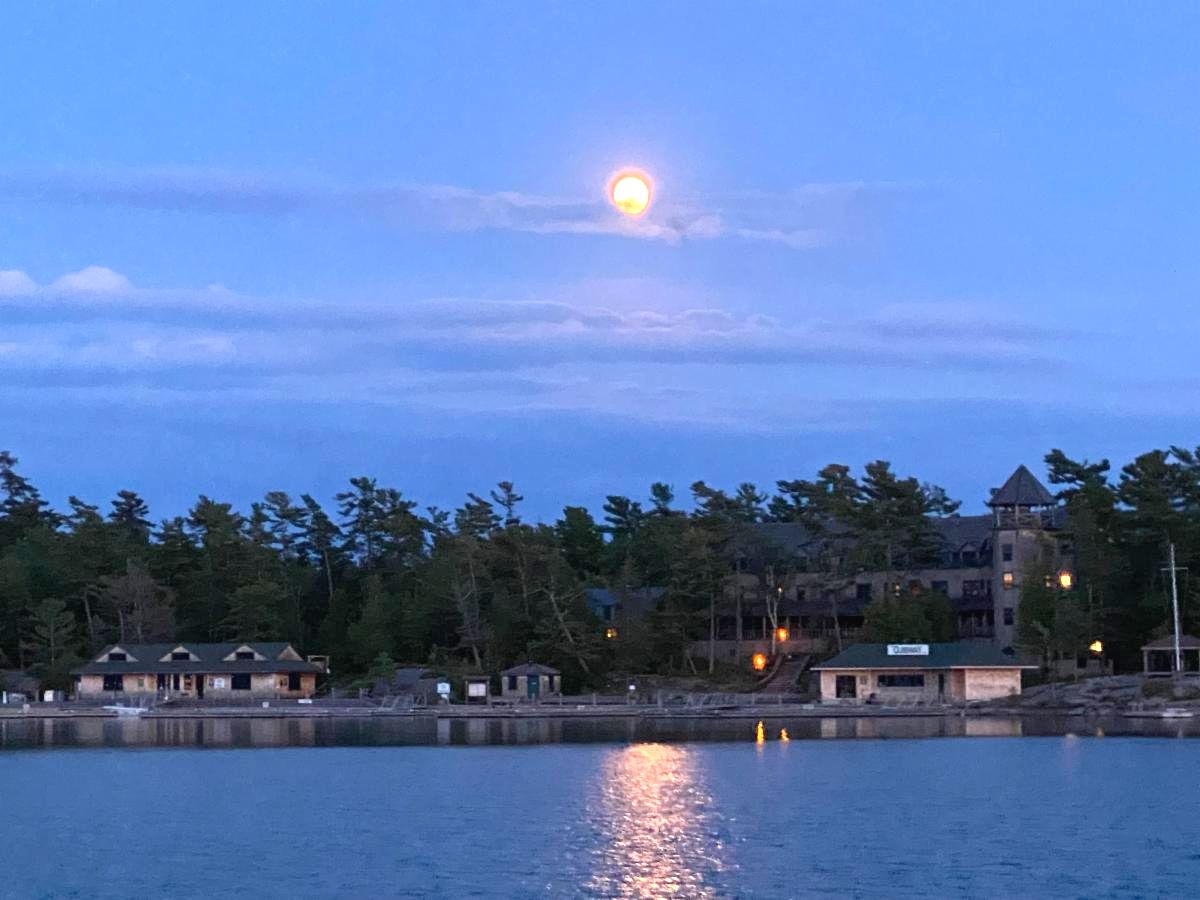
Ojibway Club June 24th - Full "Strawberry" Moon
Photo thanks to Peter Watson!
The Strawberry Moon has been used by "Algonquin, Ojibwe, Dakota, and Lakota peoples, among others, to mark the ripening of 'June-bearing' strawberries that are ready to be gathered." Farmers' Almanac
|
|
PaBIA's Vision: To Preserve This Unique Natural Habitat for Generations to Come
|
|
Greetings!
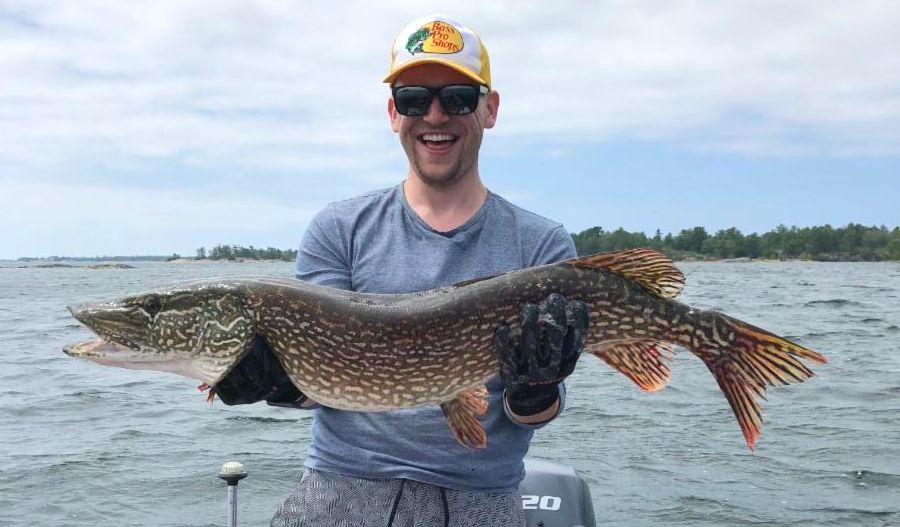
So, after a weekend of a 'supersized helping' of rain and more this week, PaB is finally getting a good and much-needed soaker. Let's hope it clears out for Canada Day tomorrow! It also means the fire danger has lessened all the way down to low! But in the meantime, while it may be raining, the fishing is great as noted by the smile on Harrison Wyatt's face below - perhaps a 12+-pound pike! Three cheers for that!
Happy Canada Day (Tomorrow)!
|
|
|
|
We also want everyone to be on the lookout for the gypsy moths that have returned. If you want or need a refresher as to the steps to take, take a look at the May 5th eBlast and/or check out more information on PaBIA's website! Additionally, Sandy Boeckh has provided helpful information below!
Dave Anderson is working hard to keep all the pertinent information on the web current and informative! Thanks, Dave!
And as Ontario begins to re-open, please check with your marinas and the Ojibway Club for the requirements re masks and physical distancing.
|
|
In this eBlast:
-
Happy Canada Day 2021 by Erica Allen, PaBIA Board President
- PaBIA's Marine Patrol is On the Water
-
Spirit Animal: The Chipmunk by Trudy Irvine, Education Committee
-
Gypsy Moths - Protecting with Burlap! by Sandy Boeckh
- Lake Partner Plan - Water Testing June 2021
-
Speeding Boats and the BIG WAKE Problem by Ann Doritty, Education Committee
-
Literally, on the Bay by Janet Irving, Education Committee
- The Ojibway Club Reshuffling Events and Protocols
- PaBIA EdCom brings you “Learning with Oshkinigig” at the Ojibway
- PaBIA's Sailing Race - July 3 @ 2 p.m. Middle Reach Course
-
GBF - Lunchtime Webinars - Tackling Plastic Pollution July 7 @ noon
- WHPHC PS RIDE Fundraiser for Vital Signs Machines: July 1 - August 31
- GBB Lessons from an Ontario Biosphere in Phragmites Management July 14
- Lake Michigan-Huron Water Levels - June 28, 2021
- Yearbook Update 2021 from June 28th!
- In Memoriam - Jim Rambeau
|
|
Happy Canada Day 2021!
by Erica Allen, President PaBIA
I wish all of you the very best on this 154th birthday of Canada’s confederation.
|
|
I know that, like me, you are all immensely grateful for the good fortune that allows us to have a second (or first) home in the exquisite beauty of Georgian Bay.
But while some of us celebrate, others cannot. On this day we must remember our American and International friends who, for a second summer, are not yet able to access their cottages. On this day, we share a common desire that we will (very) soon be reunited, hopefully, so that they can enjoy at least part of the summer with us.
|
|
Additionally, for many in this country, this is not a day of happiness or pride but one of grief and anger. The recent revelations of unmarked graves at former residential schools in British Columbia and Saskatchewan remind us of one of the great shames of our country, the legacy of residential schools and discrimination against Canada’s indigenous peoples. |
|
And while our government has apologized for the governmental policies that led to these tragedies, the Prime Minister has also noted that apologies alone are only a start to genuine reconciliation. In fact, a fellow Georgian Bay cottager, John Raulston Saul, has written that Canada cannot fulfill its true potential until Canadians appreciate that aboriginal ideas and values have shaped our country, as much or more than European or American ones.
Every Canadian can be a part in reconciliation. As PaBIA, we believe we could play a role in our part of Georgian Bay by remembering that our cottage properties are on traditional First Nations territories and that Indigenous peoples have been instrumental in our cottage life since the founding of the Ojibway Club in the early 1900s. So we will try to strengthen our relationship with our neighbours.
Soon you will start to see more content in our e-blasts that promote a better understanding of the Shawanaga First Nation (SFN) and aboriginal issues in general. And PaBIA will pursue cooperation with SFN in a number of areas (water sampling, phragmites busting) where our interests meet.
Once again, Happy Canada Day.
|
|
PaBIA’s Marine Patrol is on the Water
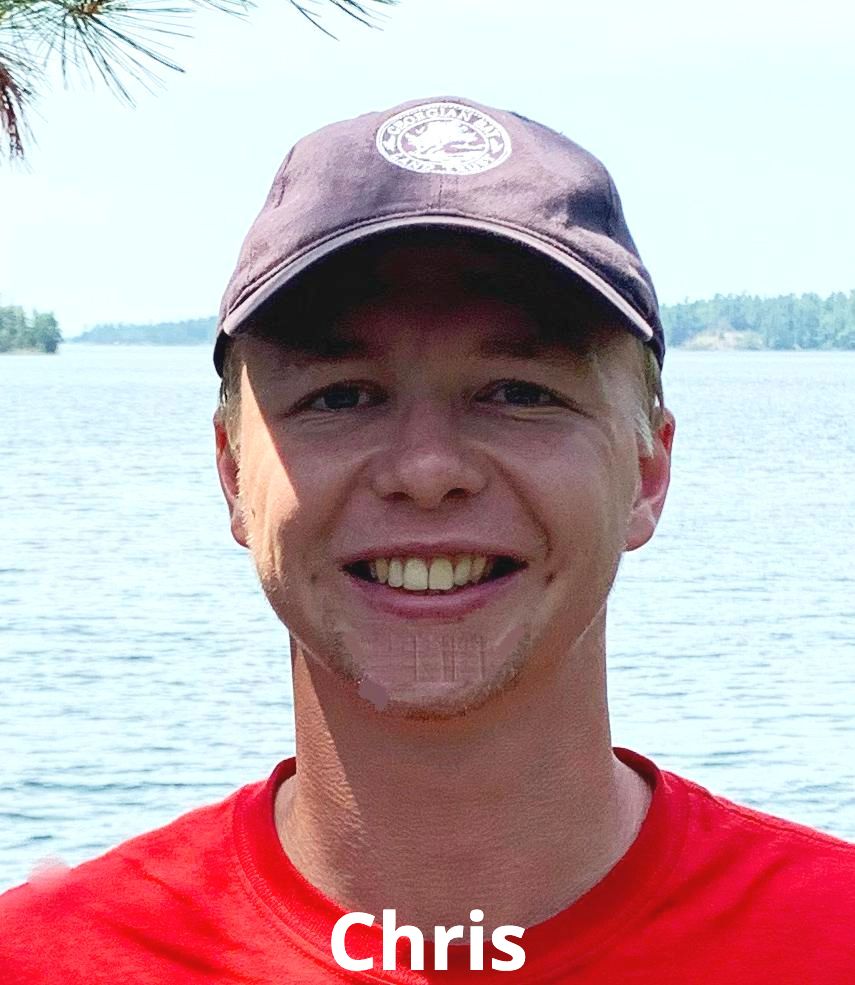
PaBIA’s returning Marine Patrollers, Tom Wunderlich and Chris Lusty, began their condensed one week “Refresher Training” program on Sunday, June 27th. You will see them on the water patrolling and/or training to commence on Canada Day, Thursday, July 1st.
|
|
That said, Tom & Chris have already logged their first “assistance” this season to a boater in distress. On Tuesday afternoon while returning to the Ojibway from a training session at the EMS Base, they came across a boater without power and towed him to Payne Marine.
- Marine Patroller training is provided by representatives of a wide variety of organizations including the BRITT Coast Guard,
- EMS Staff stationed in at the Nursing Station as well as
- PaBIA Directors,
- Georgian Bay Land Trust (GBLT)
- Georgian Bay Biosphere Reserve (GBB / formerly GBBR), and
- Georgian Bay Forever (GBF).
|
|
PaBIA training will include operation and maintenance of the four PaBIA fire pumps, navigational marker recording/reporting and, of course, the history, purpose, and mission of PaBIA.
The new Patrollers will also train with our partner sponsor – The Georgian Bay Land Trust - to familiarize the team on the responsibilities and duties associated with our work on their behalf to monitor the habitat and use of GBLT’s fourteen local protected islands.
The GBB is providing training on water testing in Sturgeon Bay to continue measuring temperature and dissolved oxygen profiles while also performing Rattlesnake gestation surveys which were added to the Marine Patrol portfolio in 2018.
GBF will be training the Marine Patrol on when and how to manage the nine major phragmites sites we have in our area. This summer, phragmites cuts will be conducted based on Government-issued social distancing regulations at the time. GBF recommends that family groups volunteer together for sites near their cottages and communicate with the Marine Patrol for information and training on timing and cutting.
The Britt Coast Guard will be training the patrollers on the necessary boat safety equipment, towing practices, water rescues, and finally search patterns. It is also good to know that the MP can rely on and could call them should the situation arise. Don’t be alarmed if you see our MP boat under tow with Britt Coast Guard on Friday, July 2nd. This is a planned training session.
While all our patrollers have up-to-date safety and first aid training, a refresher training session was provided by Guy Harris, Supervisor, Emergency Medical Services (EMS), to review practical first aid and rattlesnake bites procedures.
If you would like to get in contact with the Marine Patrol, email or call 647-545-9283 (Cell).
|
|
Spirit Animal: The Chipmunk
by Trudy Irvine, Member Education Committee
Over the last year have you:
• Observed social distancing?
• Stockpiled “supplies” (raised eyebrow) for an upcoming period of enforced isolation?
• Spent the winter in your burrow, emerging from a state of torpor only to raid your larder?
|
|
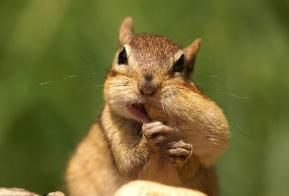
Well then, you and the species Tamias have a few things in common. A rodent with a much better public image than the deer mouse (or the red squirrel), the presence of chipmunks is celebrated by most cottagers.
It is surprising that these little animals, so quick to befriend humans bearing handouts, prefer to remain solitary. Each chipmunk has its own burrow, and ignores its fellows except during mating, caring for young, or when others trespass too close to the entrances of those burrows. However, they are not territorial beyond the dominance area immediately outside the burrow and their home ranges overlap broadly, varying from 1/2 to 1 acre.
Chipmunks dig two types of burrows: shallow burrows in which they seek refuge while foraging during the day, and deeper, more complex burrows where they nest, store food and spend most of the winter months.
In spring, chipmunks can be observed searching the ground for any seeds that remain from the previous summer. As these are usually scarce, the small rodents eat young leaves and shoots until new fruit and seeds become available. Throughout the spring, summer, and autumn, the chipmunk’s diet is supplemented with insects, earthworms, flowers, berries, and mushrooms. Although most species of chipmunks usually forage on the ground, they all easily climb trees and shrubs.
As summer wears on, chipmunks spend much of their day collecting and storing nuts and seeds, which are their most important winter food source. Food is carried back to the burrow in the chipmunk’s prodigious cheek pouches, which increase in size as the chipmunk ages.
With the onset of winter in November, chipmunks disappear below ground. They survive the cold in their burrow by entering periods of torpor- a state in which their body temperatures, rate of breathing, and heart rates drop to very low levels, reducing the amount of energy they require. Periods of torpor last from one to eight days, and perhaps longer. Between periods of torpor, they rouse themselves to consume part of their food supply. (Does any of this sound familiar?)
It has been a delight to see the chipmunks busy again this year. The chirping and purposeful scurrying of these industrious charmers is a pleasure to witness. Here is more information on chipmunks.
|
|
Gypsy Moth Infestation - Protecting with Burlap By Sandy Boeckh
|
|
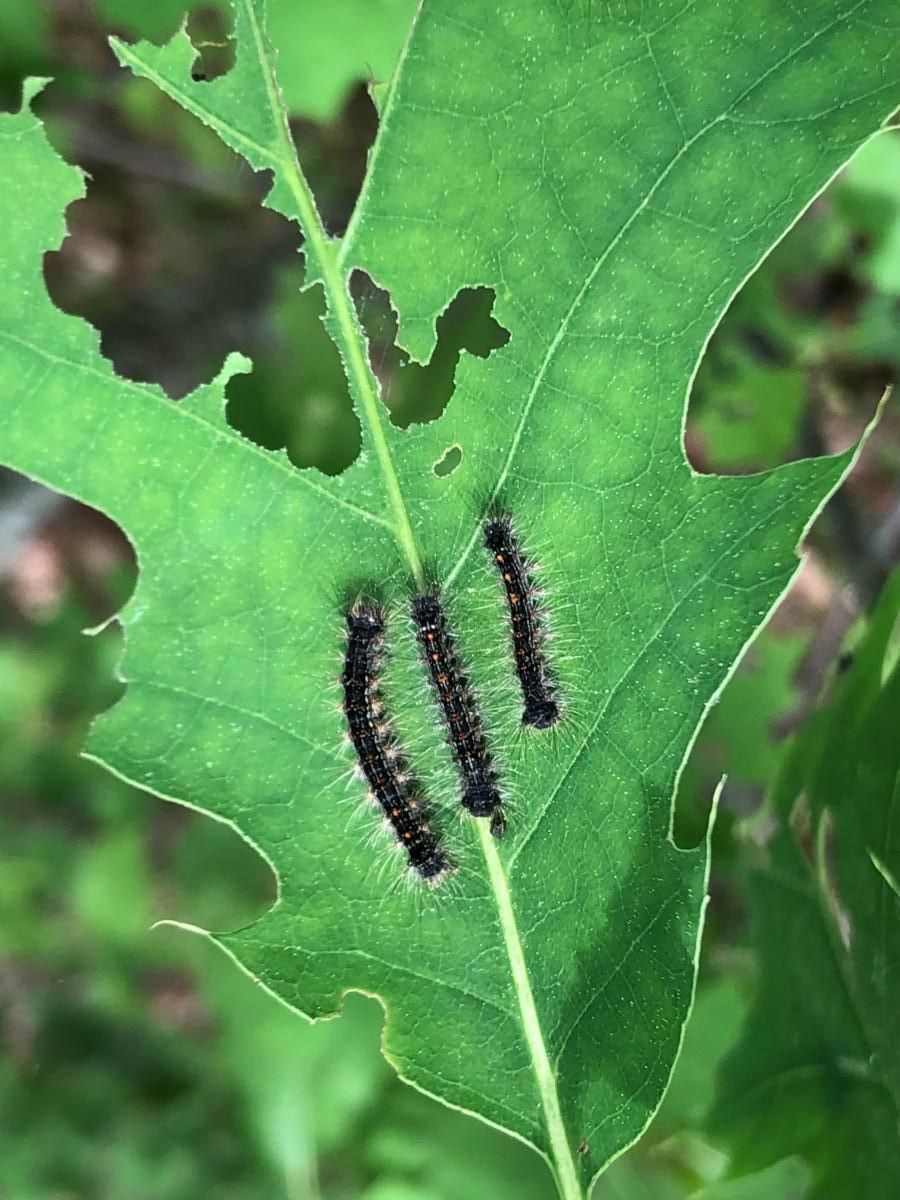
2021 has materialized as the summer of the European Gypsy Moth. Many Cottagers have found these caterpillars defoliating hardwood trees, particularly oak trees.
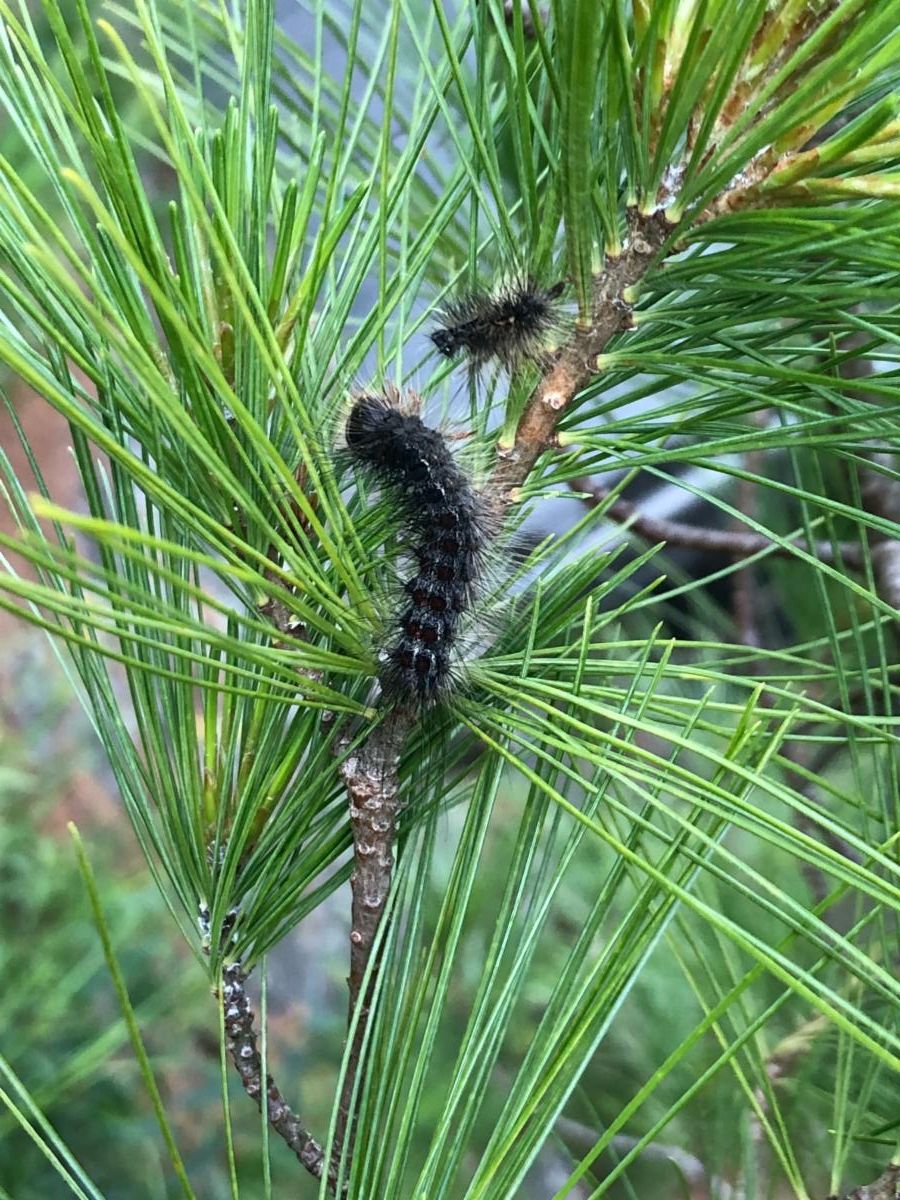
Strangely, they don’t seem to be on every property! While they favour hardwoods, they have been found on pines, spruce, and even low-lying blueberry bushes. Many communities throughout Ontario, including Toronto, are experiencing an infestation of gypsy moth caterpillars. While some municipalities are planning for aerial spray programs next spring with a biological pesticide called Btk, this is difficult in an island community. It isn’t always effective, does not eradicate the pests, can negatively impact other species of butterflies and moths and would be very expensive.
Furthermore, neighbouring landowners on the same island might not agree to spraying and then conflict can arise over “drift” of the spray onto adjoining lands. What can be done by property owners?
|
|
Caterpillars feeding on a pine tree. While they prefer oak and other hardwoods, they will also feast upon pine and spruce trees! |
|
How to Combat Gypsy Moth During Various Life Stages
There are various DIY methods of mitigating the population explosion of these pests.
|
|
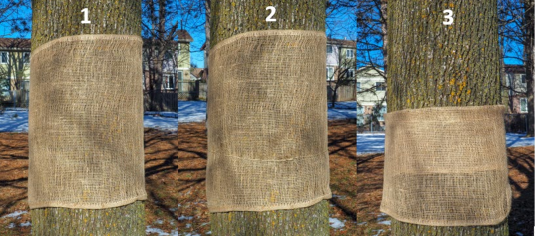
During the current caterpillar stage, one can do “burlap banding” around trunks of trees to capture caterpillars. Then you must collect the caterpillars hiding in the fold of the burlap and destroy them as described in this info sheet on burlap banding from the City of Toronto. BE SURE TO WEAR GLOVES WHEN HANDLING THE CATERPILLARS! Their long hairs can cause an allergic reaction. When picking them off the burlap, you can either drown them in a bucket of soapy water or squish them underfoot. (The former method is tidier!) You can also pick the caterpillars directly off low lying tree branches, the sides of cabins, off walkways and railings and deposit them in soapy water. Once you are finished, the contents can be dumped in the woods. Rolls of burlap can be purchased at any hardware store but are in short supply this year due to the infestation.
|
|
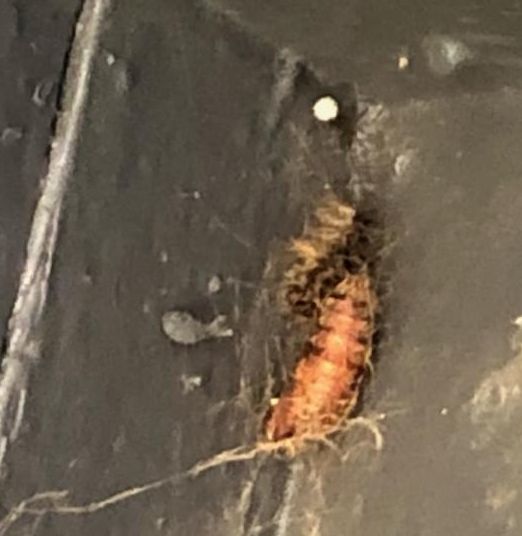
This photo shows both gypsy moth pupae and egg masses on the side of a ridge beam on a porch in June. Note the size and colour of the pupae. |
|
3 caterpillars on an oak leaf that has been partially eaten. |
|
After the caterpillar stage comes the pupae or cocoon stage. These can be harder to find than caterpillars because they are stationary but can be found in trees, crevices, and protected areas on sides and roof overhangs of cottages. This stage will start after the large caterpillar stage in July and these, too, can be tossed into a bucket of soapy water. They appear as a dark brown cocoon up to 2 inches long. (See picture of cocoon with egg masses on roof rafter.)
In late July and August, you will notice the adult moth stage. The females are whiteish in colour and the males are brown. Although females have wings, only males can fly. For this stage, you can crush any females you come across on the sides of buildings and trees but it is difficult to capture males as they “flit” about in the air. Some folks have had luck with pheromone traps over the years. These attract the male moths into thinking they are nearing a female, they fly into the traps, and they die. I have ordered some traps from an urban garden store and will report on their efficacy later in the summer. The attached video shows you how to make a pheromone trap on your own (and it looks easy) but you will still need to order pheromone baits to put inside. (Michael Phippen, PaBIA's Environment Director, has secured some for sale in PaB so stay tuned for further information as there is a tight window of opportunity to effectively use these traps). Please note it is recommended that you keep these baits in your refrigerator until you place them in the traps. The traps should not be put outside until you see the moths “flitting” around your property. They won’t be hard to miss this year given the huge number of caterpillars we are seeing right now!
Finally, comes the egg mass stage as the female moth lays eggs in egg sacs. This happens in late August and these can be destroyed from then until late April of the following year. (Yes, they will survive the winter.) These egg masses are tan coloured and appear a bit fuzzy. Egg masses range from the size of a dime to larger than a quarter. They can be found individually or in small or large masses. Each one contains between 100 and 1,000 eggs. If you do the math, destroying these can prevent a lot of caterpillars from hatching the following spring! Egg masses are often found on tree trunks, from the base to very high up in the canopy but can also be found on structures and objects offering a bit of shelter. These can include soffits, the underside of railings and outdoor furniture, the sides of fences, and even on the underside of leaves. To destroy egg masses, you need a scraper (a paint scraper works well), a container to catch them in, gloves (the fuzzy masses can cause skin irritation), and a bucket of soapy water. Simply scrape and collect the egg masses into the container, dump them into the soapy water and leave them for 48 hours to thoroughly destroy.
Finally, biologists report that the infestation is more distressing and gross than harmful, particularly the caterpillar stage. Most of the trees being defoliate are robust and have evolved to handle outbreaks. During the moth stage, many will die off naturally from viruses and predators. This morning, I actually saw a grackle in a pine tree eating a caterpillar!
|
|
Speeding Boats and the BIG WAKE Problem
by Ann Doritty, Member of the Education Committee
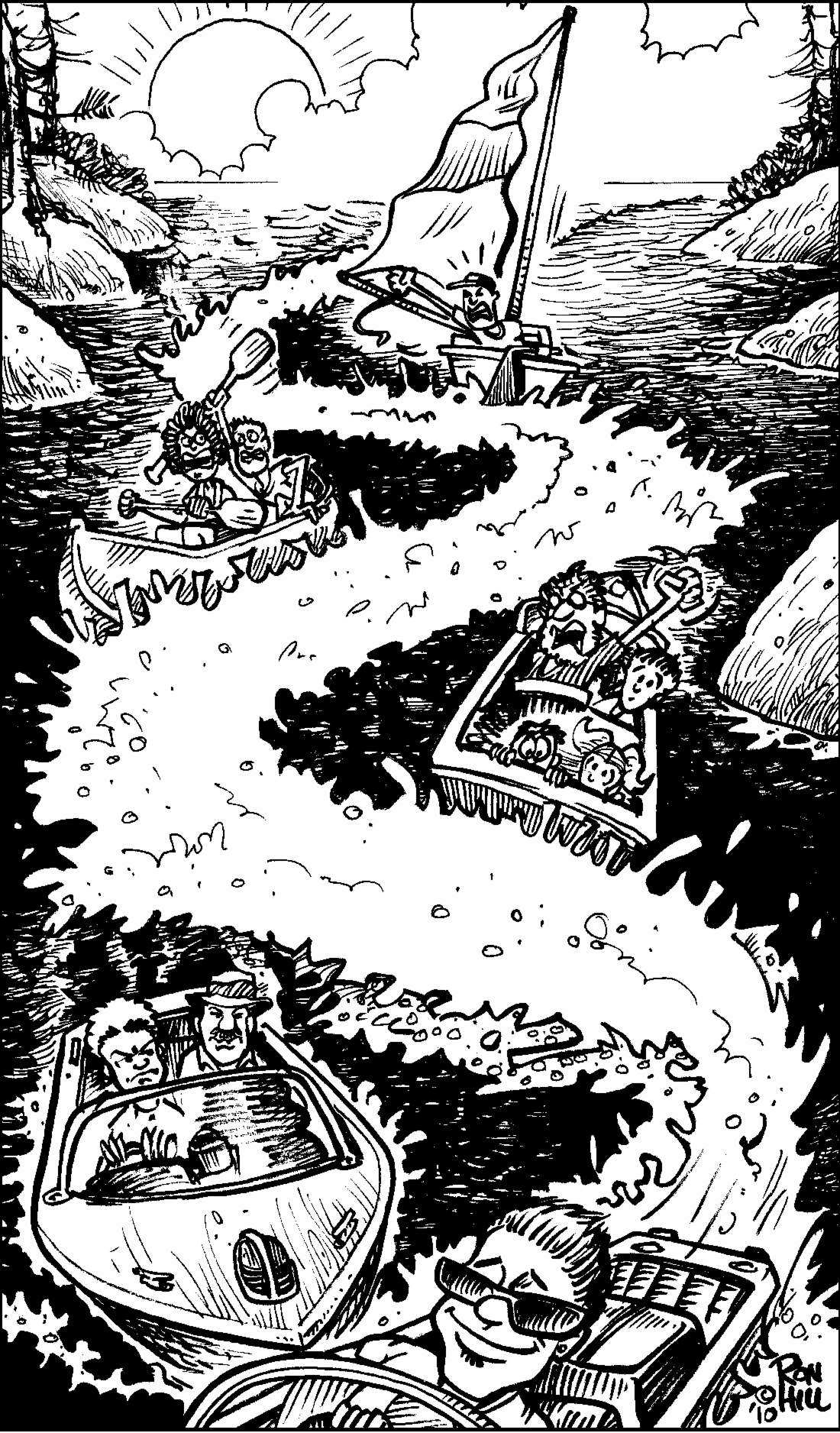
Speeding boats have become a major problem on all lakes. There is a group in Muskoka called “Safe Quiet Lakes” that has banded together to promote the value of S L O W Boating. They are asking people to be more aware of their wake. Not just for safety reasons but for peace and quiet and the protection of loon’s nests, wildlife habitats, and shorelines. It is all about changing the perception of boaters.
|
|
DID YOU KNOW there is a Speeding Law?
The legal speed limit is 10 km/hour (6m/hour) when 30 meters from shore.
It is called the “Universal Shoreline Speed Restriction 10/30 Rule”. At present, the OPP does not have a big presence in Pointe au Baril. However, there are moves afoot to increase their presence particularly because of unsafe boating and BIG WAKES.
Responsible boating requires attention, not only to your safety equipment but to the impact your boat and its wake are having on others, shorelines, and property. Charges can be laid by police to the operator responsible for property damage due to wakes. We all want safe and quiet lakes, so let’s spread the word and “throttle back” when necessary.
- Operate your boat as far away as possible from shore, docks, and other boats.
- Look behind you to see and understand the impact of your wake.
- Adjust your speed to minimize the impact on other boats both in narrow channels and on the shoreline.
Andy Adams wrote this article in Cottage Life in August 2019 and here are excerpts from it.
Here are 5 things you can be fined for when driving your boat.
- Life jackets are the first thing that police officers will look for. They have to be readily available if not worn. In Ontario, typically, the fine for not having the right life jacket is $240.
- Having open liquor or cannabis on board. These substances must be sealed, stowed, and out of sight. The operator, as well as the passengers, can be fined $215. The only time it is legal to consume alcohol on your boat is when you are moored or anchored and have a permanent washroom and cooking and sleeping accommodations on board.
- You must have a “spotter” when using a boat for towed sports. If using personal watercraft, it needs to be a three-seater (for the driver, the spotter, and the person being towed), and you can only tow one person at a time. Fine: $305.
- The operator must have their valid Pleasure Craft Operator’s Card (PCOC) with them in the boat and the fine is $305 for not having the card onboard (even if you have one at home). It’s also best to have your other ID with you too. The PCOC card does not have a photo and the other ID can help establish that you are the person who holds that PCOC card. Fine: $305.
- Powered vessels require a Pleasure Craft License and the Transport Canada vessel license numbers are to be properly displayed on the bow of the vessel. You are also required to have the registration—on board—and the vessel’s ownership (or copies) too. Not having the license registration earns you a fine of $305.
|
|
Literally, on the Bay
Edited by Janet Irving, Education Committee.
There is nothing – absolutely nothing - like reading a book on a summer’s day on Georgian Bay! This summer we suggest some books that are literally set on the Bay – or feel so much so that we just had to include them.
|
|
The Orenda
is Joseph Boyden’s Georgian Bay novel, about which he said, “It was difficult to capture the beauty of the place … this is where my heart is”. This novel takes place in the 1600s, on the land along the shoreline between Midland and the French River – the Sweet Water Sea that was the route of the native people, and the early explorers and settlers who came after.
|
|
100 Plants to Feed the Monarch
from the Xerces Society, a book that encourages creating healthy and sustainable habitats. We all watch for the Monarch butterfly migration through the islands, and this is an excellent book about the many plants we can grow that will encourage you to restore the habitat by planting the native wildflowers, shrubs and trees that monarchs depend on.
|
|
Big Water
by Andrea Curtis is a novel for teens by a writer who knows the Bay well. She tells the story of the wreck of the steamship Asia from the perspective of the two teenage passengers who were the sole survivors of this shipwreck.
|
|
Lake Partner Plan - WATER TESTING - June 2021
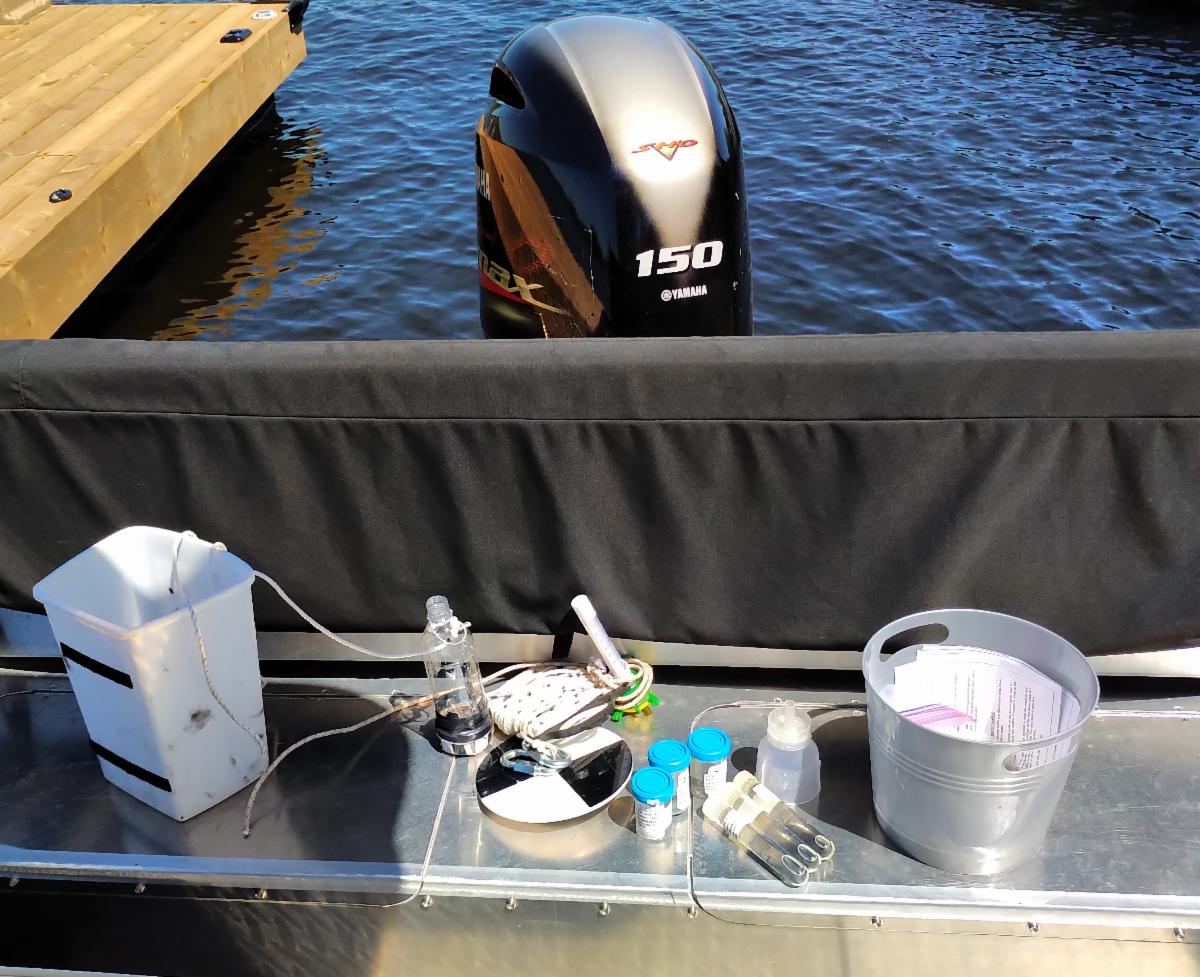
In 2018 PaBIA registered with the Lake Partner Plan (LPP), which includes Phosphorus sampling at the Pointe au Baril Station in May.
In 2019 PaBIA registered for 2 additional locations. The site locations as established via GPS coordinates are:
- Pointe au Baril Station, just off the Florence Church dock
- Middle Reach, open water just off Pym Rock
- Open Water, south of Doran Rock, west of Kishkadena Island
The May phosphorus sampling includes water temperature and clarity readings which will continue to be monitored throughout the summer months by the Marine Patrol.
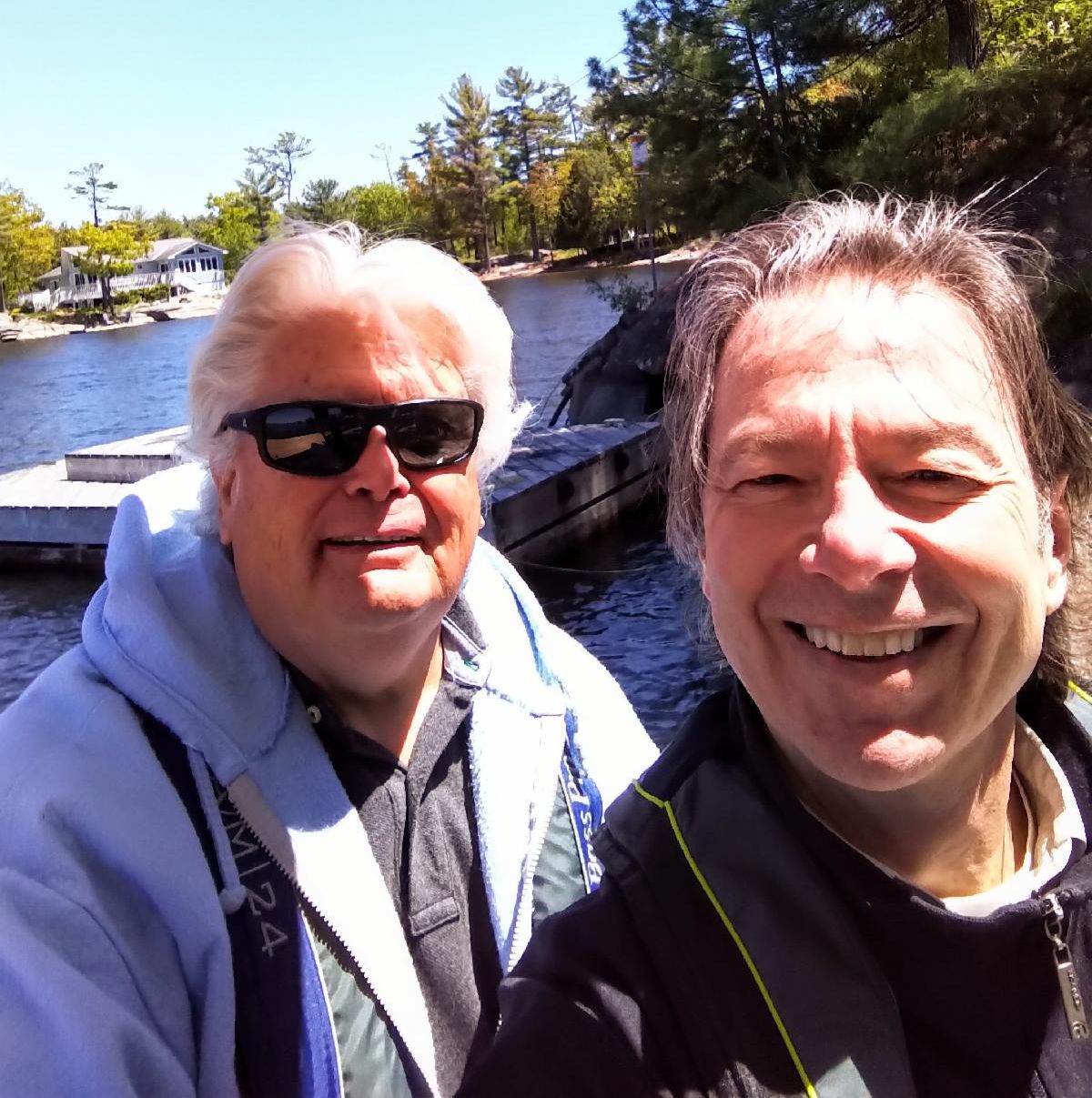
This phosphorus sampling collection must be done in May. In 2019, my first year on the Board and the LPP's first-year monitoring these open water locations, I called on Scott Sheard to help me, particularly in navigating out to Doran Rock. In 2020 the program was postponed due to COVID.
So when it came time to head out on the Bay this year, I again called on Scott. He was happy to come up to PaB for the “adventure” (his words). And an adventure it was. Our first attempt on Sunday, May 23rd was aborted due to 1.2 metre (4 ft) swells, forceful winds, and strong currents near the Black Bill islands. We did manage to find shelter on Jim & Nancy Rogers' dock to enjoy our lunch.
On our second attempt a week later, we were successful. Many thanks to Scott for his ongoing assistance with this program. I hope to have him back in May 2022!
Thankfully the Marine Patrol will continue this program over the summer. They can pick fair weather days to get this important task done.
|
|
|
|
Scott Sheard was thrilled to again be invited to join Tom Lundy on a two-day excursion to test the PaB waters. Scott would just about anything to be on the PaB waters |
|
Township of the Archipelago
The Ministry of the Solicitor General has mandated that every Municipal Council will need to prepare and adopt a Community Safety and Well Being (CSWB) Plan.
The rationale for the CSWB Planning regime as stated by the Ministry is as follows:
- Police are often called upon to respond to complex situations that are non-criminal in nature as they operate on a 24/7 basis. We also know that many of these situations, such as an individual experiencing a mental health crisis, would be more appropriately managed through a collaborative service delivery model that leverages the strengths of partners in the community.
The goal of the CSWB is:
- to achieve sustainable communities where everyone is safe, has a sense of belonging, opportunities to participate, and where individuals and families are able to meet their needs for education, health care, food, housing, income, and social and cultural expression. The success of society is linked to the well-being of each and every individual.
In order to move this process forward in our municipality and region, the West Parry Sound Area CAO's have asked the Fire Chiefs/Community Fire Safety Staff to coordinate the planning process. Part of this process is community engagement. We need to hear from you. Everyone has a role to play in community safety and well-being.
Please take some time to complete the West Parry Sound Community Safety and Well-Being Plan Survey linked below. By taking this survey you are providing valuable information that will be used to shape services in a meaningful way. The Community Safety and Well-Being Plan will outline strategies and actions for agencies and municipalities to implement. This is your opportunity to communicate your priorities. The survey will be available until July 23, 2021.
|
|
Corrections to “The Boat Safety Checklist”
- A valid Pleasure Craft Operator Card is required on hand at all times. A photocopy is not appropriate. The fine for not having the card onboard is $305.00. Just like your driver’s license - don’t leave home without it.
- Boats 6 metres (19.7 feet) in length or less require EITHER a waterproof working flashlight OR 3 type A, B, or C Canadian approved flares.
- Boats over 6 meters (19.7 feet) in length require a watertight working flashlight AND 6 type A, B or C Canadian approved flares.
|
|
PaBIA Sailing Race -
Saturday, July 3 @ 2 p.m.
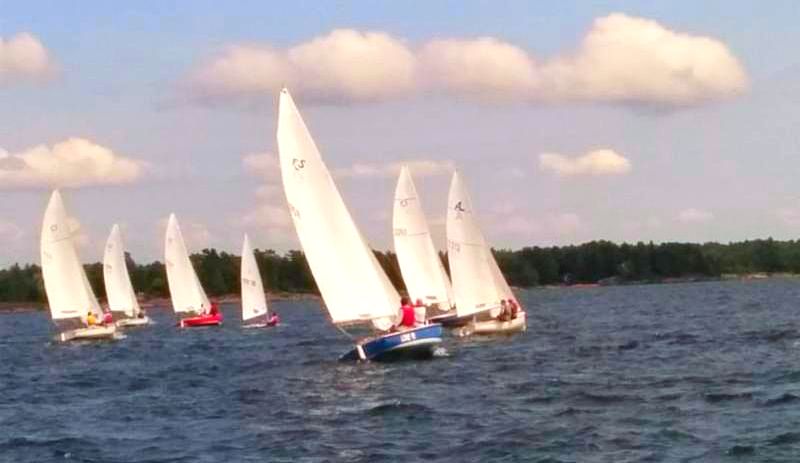
Everyone is encouraged that, as of June 30th, we are moving into Step 2 of the Provincial Reopening Plan. What that means for sailing is that our race season can begin this Saturday, July 3! For now, we will use the Middle Reach course just east of Ojibway Bay. The race starts at 2 p.m.
Unfortunately, we will not yet be having rendezvous after the races, but, don’t worry, we will keep track of the results and have a comprehensive review of the races when we are allowed to safely hold larger gatherings. Feel free to arrange small outdoor gatherings on your own to celebrate the first race.
Please see the Sailing eBlast that will come out later this week with a bit more information and a review of the starting sequence for the race to help you prepare. And if you wish to be added to the Sailing eBlast, please contact Margie Wheler!
|
|
|
|
PaBIA EdCom brings you
“Learning with Oshkinigig”
Wednesday, July 14th, Rain date July 15th.
Location on Ojibway Island to be Confirmed by Email
|
|
Oshkinigig is a birch bark canoe (wiigwaas jiimaan) handcrafted in Parry Sound in 2019 by the Georgian Bay Anishinaabek Youth (GBAY), with support from the Georgian Bay Biosphere.
The Learning with Oshkinigig event will combine Indigenous science and western science within an environmental context. In a small group setting, participants will have the opportunity to visit and experience the story of Oshkinigig: from harvesting materials to construction, cultural significance, and future opportunities. Groups will experience local stories and knowledge of Anishinaabe culture and practices. Learning with Oshkinigig is one of a kind!
This event will be led by the Georgian Bay Biosphere (GBB) and GBAY, an Indigenous youth-led initiative that works to support Indigenous youth along the rivers and eastern shore of Mnidoo Gamii (Georgian Bay).
|
|
Participation in this cross-cultural learning opportunity is
BY REGISTRATION ONLY as explained below.
Please contact Helen by clicking on her name with:
- your preferred time slot and
- the number of attendees.
Pick one 30-minute time slot from these options:
-
10:00 a.m., (only 2 spots left at this time!)
- 10:30 a.m.,
- 11:00 a.m.,
- 11:30 a.m.,
- 12:00 p.m., or
- 12:30 p. m.
The event ends at 1:00 pm with each time slot is restricted to 10 people.
|
|
This event is offered in partnership with the Township of the Archipelago.
Donations to GBB will be welcome at the time of the event.
Learn more about Oshikinigig, GBAY, and the Biosphere at gbbr.ca.
|
|
Join GBF's Lunchtime Webinar on Tackling Plastic Pollution
Georgian Bay Forever’s Tackling Plastic Pollution Webinar Series is a collection of one hour webinars aimed at raising awareness about the abundance of plastic litter entering our local and global waterways. Each webinar will end with descriptions of programs GBF has put in place to combat each issue and ways and alternatives you can implement in your life to reduce plastic waste.
|
|
GBF is inviting you to its lunch-time Tackling Plastic Pollution webinar series. The series includes 3 one-hour webinars focused on:
- raising awareness about the abundance of plastic litter entering our local and global waterways and
- providing ways for all of us to help reduce its build-up in the environment.
GBF’s environmental students will be speaking about
- how plastic woven into our clothing ends up in our water,
- how recycling in its current state is not enough, and
- the effects to our water environment of not doing more to curb plastic.
Each webinar will end with
- alternatives you can implement in your life and
- descriptions of programs GBF has put in place to combat each issue.
The lunch-time webinars are:
Is Recycling Plastic Working? Thursday, July 29th @ 12 - 1 pm
Plastic Waters: Thursday, August 26th @ 12 - 1 pm
|
|
Wednesday, July 7th - The Effects of Wearing Plastic. The 2020 Preferred Fiber and Materials Market Report reveals that global fiber production has doubled in the last 20 years. It reached a record amount of 111 million metric tons of fiber produced in 2019. Globally dominating the fiber industry are synthetic polyester, spun polyester fibers that are essentially plastic.
In this first webinar, we will explore synthetic, natural, and semi-synthetic fibers and their impacts on environmental and human health. We will also speak about the Divert and Capture project headed by GBF to capture fibres in your washing machine, and some tips you can do to reduce fiber pollution.
|
|
Ride to help buy 12 new Vital Signs Machines at our hospital. For $3,500 each, the machines are essential equipment for front-line staff. Vital Signs Machines provide a quick measurement of blood pressure, heart rate, and oxygen levels in a patient’s blood. Your ride gets us closer to buying the 12 urgently needed!
in Honour of co-founder, John Offutt
July 1 – August 30th, 2021
John Offutt was an avid supporter of the Parry Sound Hospital. When cycling enthusiast Dr. Harold Fisher sent an email to fellow cyclists proposing a fundraiser, John jumped in with both feet. Aleesha Clark at Parry Sound Bikes joined them and the fundraising team was formed. Despite the pandemic, the first fundraiser peddled ahead in 2020.
In August of 2018, while completing a ride around Lake Joseph, John suffered a cardiac arrest. Thankfully, his cycling friend Connor Mangan was able to perform CPR breathing life back into John. Life saved; John was ambulanced to the Parry Sound Health Centre where medical teams stabilized him. Ever grateful for the care he received, John began expending some of his considerable energy fundraising for the worthy cause of hospital care close to the cottage.
Though John beat death in 2018, the second time he lost. Tragically, on November 20, 2020, while John was out for a bike ride in Toronto, he was struck and killed by a cement truck driver.
|
|
Constant Reshufflling of Events
The Ojibway Club is now open but as the province decides stages for re-opening, the Ojibway Club is constantly re-evaluating, rescheduling, and updating its website to provide everyone with their hours of operation and changes that are needed to fully comply!
You will always find the Ojibway Club link at the bottom of the eBlasts.
|
|
Lessons from an Ontario Biosphere in Phragmites Management
Wednesday, July 14 @ 10:00 am EST
In this exciting webinar, we’re joined by Heather Braun from Environment and Climate Change Canada as she shares her work on the management of Phragmites and the recovery of native species in the Long Point region of Ontario. Phragmites is an invasive aquatic plant that spreads very quickly and has damaged Ontario’s shoreline ecosystems for decades. Learn how to spot phragmites and what you can do to control the spread. Register here for this webinar!
|
|
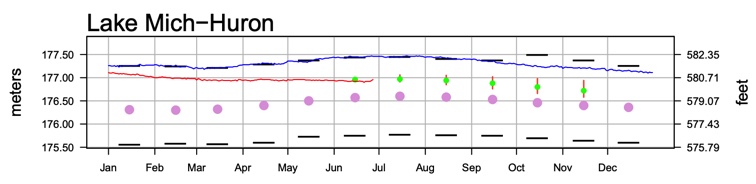
Lakes Michigan/Huron Water Levels June 28, 2021 To better read the charts, please click on the chart for the Daily or Six Month Forecast Water level chart and the corresponding websites
|
|
Yearbook Update! (as of June 28th)
With each eBlast, we will provide you a list of names for those members who have provided updated contact information. The details of all the changes since the 2021 yearbook came out in late April are provided in THIS printable format for you to print out and insert into your own Yearbook!
|
|
Earl and Val Manners (address change)
Emma Manners (address change)
|
|
Monger, John & Soriano, Odette (new members)
Neal, Peter (new member)
|
|
In Memoriam
James 'Jim' Rambeau, A96 - 28 ‘Rowallen’ on Champlain Monument Is., husband of Christy Muir Rambeau, father of Elizabeth, grandfather of Sophie, Ben and Ellie Peterson, brother-in-law of Rob (Patti) Muir, Duncan Muir, and Marny Muir, son-in-law of the late Tom and Kay Muir, June 2021.
|
|
Please support
PaBIA's Yearbook's
This site's advertising feature was created to provide assistance for special local information & events for existing Yearbook advertisers only.
Please click the logo on the left to go to Ad's website.
|
|
Emergency
• Search and Rescue
• 800-267-7270
|
|
|
|
|
|
PaBIA Bulletin Board
For all Messages, email requests to Webmaster
|
|
|
|
Marine Patrol
(647) 545-9283
July 2- Sept 4
|
|
|
PaBIA reserves all rights regarding decisions
on communications to its members
in accordance with the
|
|
PaBIA's MIssion is to unite our island and coastal community while preserving and protecting
its unique natural environment, supporting community recreation involvement and safety. and
engaging with relevant organizations to help us achieve the vision of the Association
|
|
|
|
|
|
|