Friends,


Q1 2026 saw a steady uptick in hiring demand at the upper levels of management, and the recently released job numbers for March confirmed what is happening on the ground. Employers continue to add to their payrolls with PE representing a large part of this demand. On the flip side, the F100 is more likely to be scaling back employment largely in the mid-level ranks, believing that A.I. can make two people just as productive as three [1+1 x AI = 3]. For many tactical and administrative roles, this will likely be the case. See additional thoughts on how companies are using AI below in Heard on the Street. 


Although consumer confidence is relatively high, talent mobility remains cautious. There is a higher degree of uncertainty for businesses and the workforce alike; hence, we expect the hiring outlook for Q2 and Q3 will be “bumpy” as companies continue to adapt to geopolitical, economic, and technological inputs; and talent assesses the risk of making a move. For employers, it will take “more” to get someone to move. Both sides of this buy/sell trade are assessing their risks. 


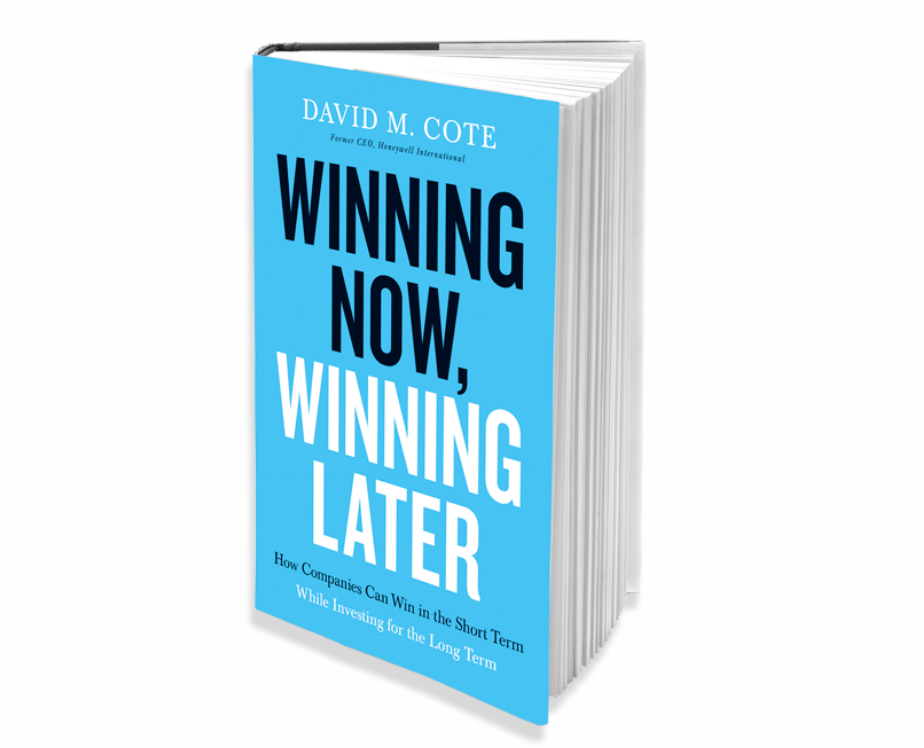
Part of that “more” is building a culture that attracts and retains talent. Compensation is a starter, but perhaps even more important is building a reputation and culture that challenges and develops, is a good corporate citizen, provides opportunity for growth, and invests in the future, not just in meeting the quarterly numbers. Dave Cote, former CEO of Honeywell, recaps how he and his CHRO created a culture to attract, reward, and retain a high-performing workforce. HR leaders will love Chapter 6 of his book Winning Now Winning Later [see below]. 


Q2 hiring activity is starting out strong. The unknown, of course, is the duration of Middle East military action and its implications on energy costs and availability.  


Keep your seat belts on -  


Brad & Alex 

What We're Reading

In the better late than never category, we were referred to Dave Cote’s 2020 business book, Winning Now, Winning Later. It’s a fascinating review of his 15-year stewardship of Honeywell and how he systematically addressed deeply entrenched business practices, cultures, leadership styles, compensation practices, lackluster financial performance, and customer and new product malaise. There is no arguing about Honeywell’s financial and product turnaround during his 16 years at the helm. 

Of note, Chapter 6 is all about leading, inspiring, retaining, attracting, and building compensation plans that aligned management teams and drove decades of growth. Chapter 9 is all about managing through a recession and how to maintain a competitive advantage in the marketplace, managing costs, retaining talent, and coming out on the back end stronger than before the recession. 

The book is engrossing, but Chapters 6 & 9 are invaluable insights for CEOs and Human Resource executives. 

Hearing From You

We've started asking candidates and clients about how they used AI in their roles.

The answers have been all over the board. The one universal finding is that there's a lot of uncertainty about how to use it and what the implications are for employment. We’ll keep sharing these comments over the coming newsletters: 

  • “As AI eliminates layers of middle management, I don’t think governments at any level have considered the implications on income tax revenue. I suspect we’ll see a VAT tax at some point to offset revenue decline,” noted a Partner in one of the largest public accounting firms. 
  • “As a board member, I see the C-Suite wanting to implement AI fast. The only thing slowing them down is the risk and governance teams,” noted a F 500 board member. 
  • One client noted that they’ve had several instances where candidates have gotten through to later-stage interviews by using AI to tailor their resumes to the job posting, only to be discovered in interviews that the candidates clearly did not have the skills they claimed. It’s forced HR to scrutinize applicants and adjust how they screen candidates. HR leadership has been fighting for AI to be integrated into their ATS to help them screen applicants before scheduling an interview, but they’re not making much progress.  
  • Applications for A.I. run the gamut - from FP&A analytics, legal drafting, contract terms & conditions, and supply chain analytics, among many other applications. 
  • "It's something new every day. One day it's 'AI is going to take your job'. The next it's 'AI will create more jobs', I'm anxiously waiting for the dust to settle" said a marketing executive.
We'd love to hear from you directly; how have you been using AI?

Recent Executive Placements:

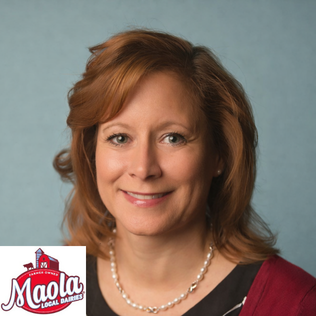
Kathrina Reed joined Maola Local Dairies as Executive Vice President of Food Safety, Quality, and Regulatory and leads the company’s food safety, quality, and regulatory programs. She has vast experience in these disciplines in highly regulated manufacturing environments. Prior to Maola, she held senior leadership roles at several leading food companies. She holds a BS in Food Science from Purdue University. 

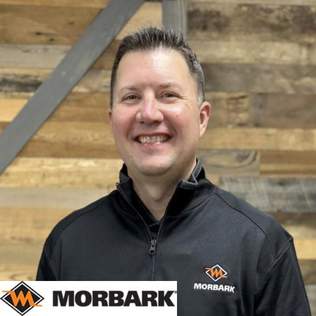
Doug Adrian joined Morbark, LLC [Alamo Group] as President. Prior to Morbark, he served in senior operations leadership roles with Polaris and Brunswick, among other manufacturers. Doug earned both his BS and MS in Industrial and Manufacturing Engineering from the University of Wisconsin. 

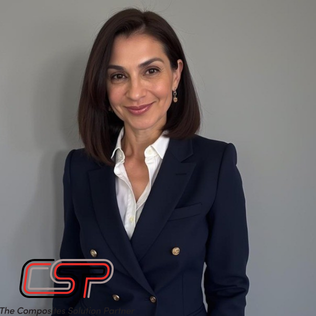
Daniela Riera joined CSP Innovations, Inc. as Vice President of Supply Chain and leads the company’s global sourcing, procurement, and supply chain strategies. Daniela brings a wealth of purchasing and supplier management experience from the automotive and manufacturing sectors. Prior to CSP, she served in senior leadership roles with Autoneum and Meritor. She holds an MS degree from Universidad Anáhuac and a BS from Universidad Nacional Autónoma de México. 

Anand Srinivasan joined Davis-Standard as Vice President, Information Technology. He most recently served as Senior IT Director at CONMED Corporation and previously spent 17 years with Rogers Corporation, where he served as IT Director of Enterprise Applications. Anand holds a BS in Marine Engineering from the Indian Maritime University and an MS ME from the University of Akron. 

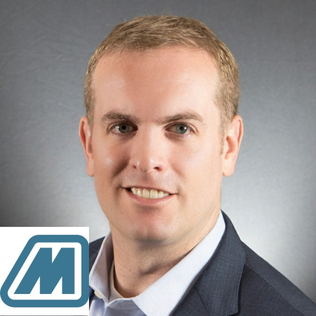
Matthew Weil joins Methode Electronics as General Manager of the Power Delivery Systems business. He joins Methode after 13 years with Vertiv where he most recently served as Vice President of Infrastructure Solutions. Matthew holds a BS in Civil Engineering from Northwestern University, and advanced degrees from the University of California, Berkeley, and the Kellogg School of Management. 

About Us


Our Team


Contact Us

LinkedIn

101 N Wacker Drive | Chicago, IL 60606 US