Charcoal Rot: A Disease That Thrives in Hot, Dry Weather
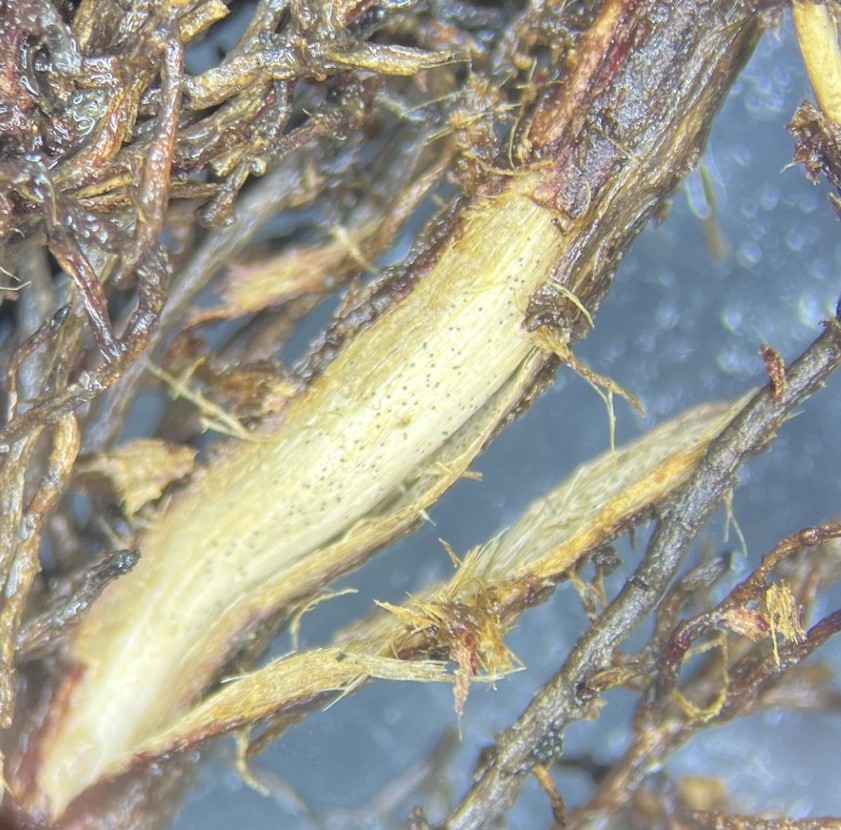
Charcoal rot is a soilborne disease that we commonly see in soybean during hot, dry growing seasons. With the extreme heat and drought conditions we have experienced this year, we have seen it again in soybean. However, charcoal rot can affect many other plants, too! This year, we also identified the fungus in the roots of an arborvitae, demonstrating how extreme environmental conditions can contribute to unexpected disease issues in landscape plants.
Charcoal rot is caused by the fungus Macrophomina phaseolina, which has an extremely broad host range. In addition to soybean, the fungus can infect crops such as corn, sorghum, strawberry, potato, and sunflower. Although charcoal rot is much more common in soybeans, it can also affect landscape trees and shrubs. All conifers are susceptible to varying degrees, and the disease tends to be more problematic on small plants and nursery-grown seedlings, although larger landscape plants can also be affected.
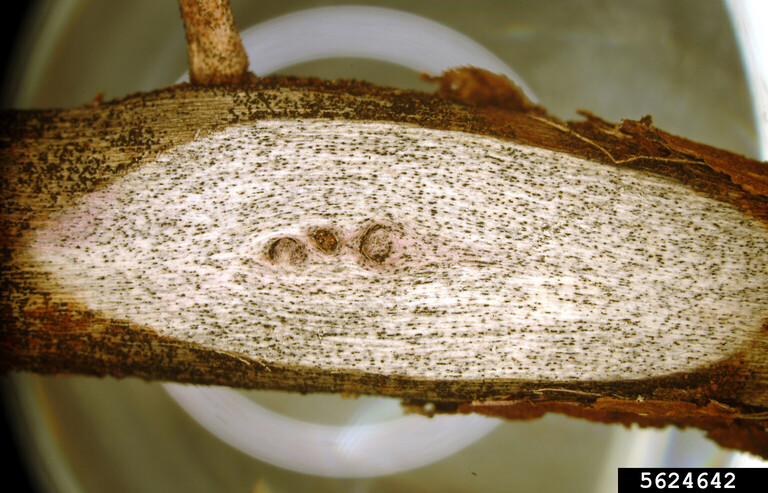
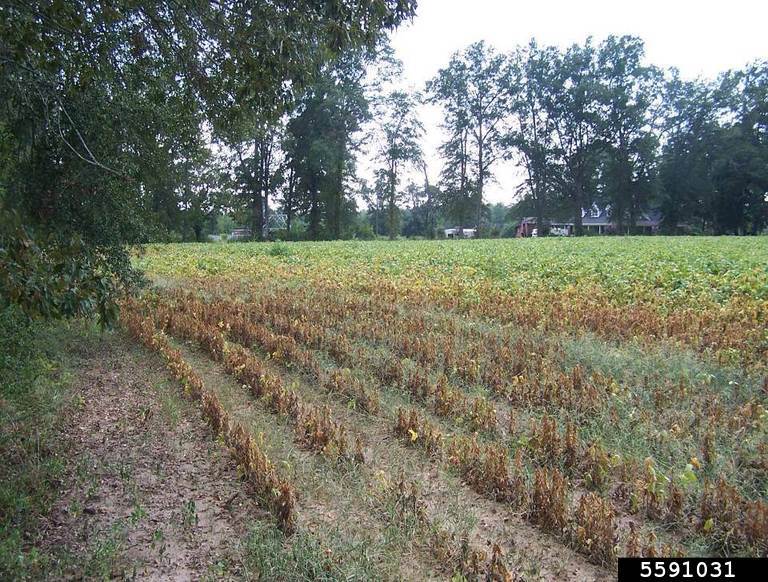
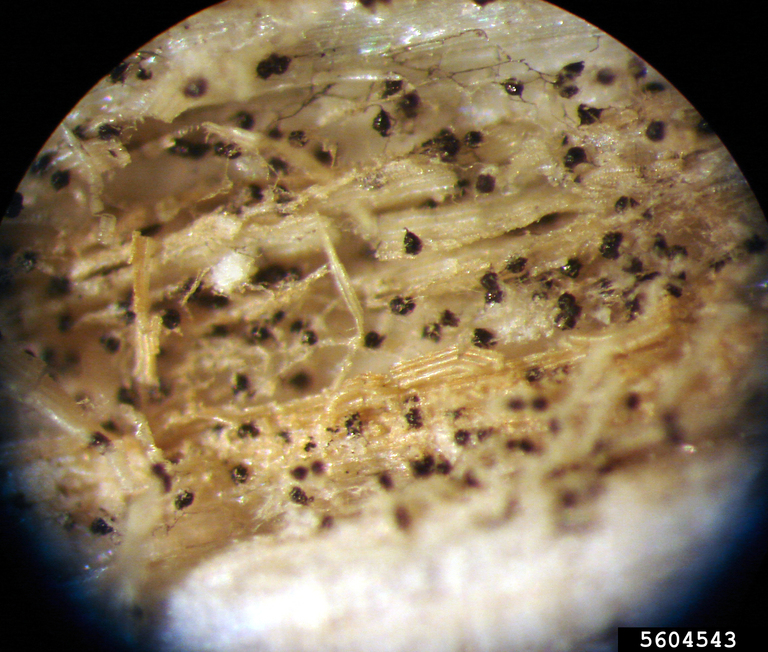
The hottest, driest part of the growing season provides the perfect conditions for charcoal rot to thrive. The fungus produces tiny black structures called microsclerotia beneath the epidermis/bark of infected roots and/or crown. These structures allow the fungus to survive in soil for long periods, even when a host plant is not present. Infected plants may experience root decay, wilting, decline, and, in severe cases, death. Symptoms can worsen when plants are already stressed by prolonged heat and drought.
Management recommendations vary depending on the host plant. In soybean, management focuses on reducing drought stress through irrigation when available, avoiding excessive planting populations to reduce plant stress, using no-till production, maintaining appropriate soil fertility, and selecting less susceptible varieties when available. Crop rotation can also help, but the fungus has a broad host range, so rotation crops must be selected carefully. Rotating to wheat or other cereal grains is a good option. Fungicides, including fungicide seed treatments, are not considered effective management tools for charcoal rot.
In landscape settings, there is no treatment to eliminate charcoal rot from an infected plant or eradicate the fungus from the soil. Providing adequate water during hot, dry periods may help reduce additional stress and limit worsening symptoms. Maintaining appropriate soil fertility can also help reduce disease impact. Because the pathogen can persist in soil for a long time, avoid purchasing diseased nursery stock. If an arborvitae is affected by charcoal rot, we do not recommend replanting another arborvitae in the same location. Instead, consider a tree or shrub known to be less susceptible to the disease. Keep in mind that choosing a different plant does not eliminate the fungus from the soil.
What to look for:
Plants declining during periods of extreme heat and drought
Root decay and discoloration associated with plant decline
Tiny black microsclerotia beneath the epidermis/bark of infected roots and/or crown
Symptoms that worsen during prolonged hot, dry weather
A soybean crown showing off how charcoal rot got its name
Photo by Tristan Mueller, Bugwood.org
Symptoms of charcoal rot
in a soybean field
Photo by Edward Sikora, Auburn University, Bugwood.org
Close up of Macrophomina phaseolina microsclerotia in a soybean
Photo by Tristan Mueller, Bugwood.org
Macrophomina phaseolina microsclerotia in arborvitae roots
Photo by Taylor Klass, University of Arkansas Cooperative Extension Service
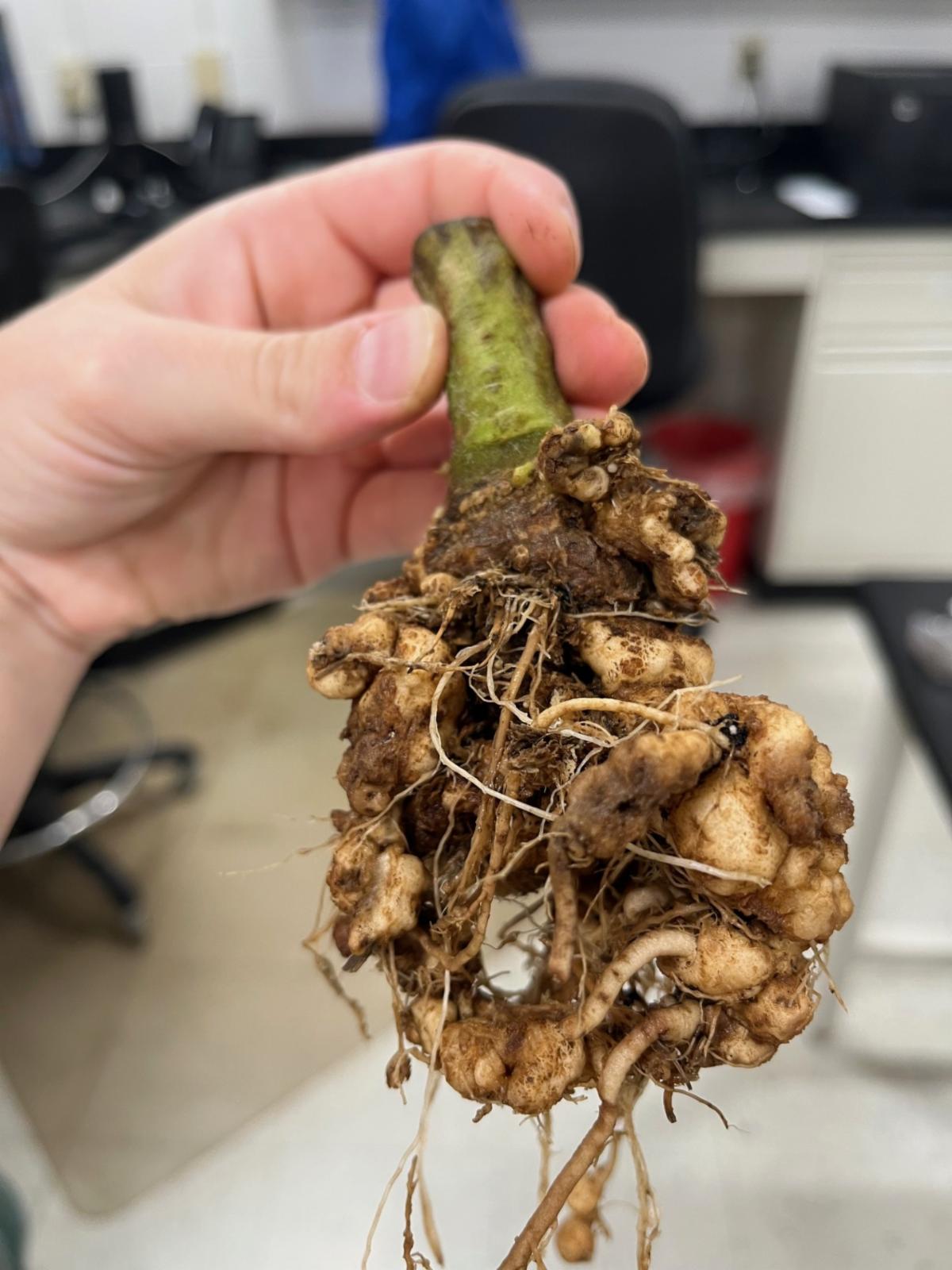
Root-knot nematodes (RKN) are microscopic, plant-parasitic roundworms in the Meloidogyne genus that feed on plant roots and can affect a wide variety of ornamental plants, vegetables, and other crops. We recently diagnosed a butterfly bush and a tomato plant with root-knot nematode infestations. The roots had visible galls (knots), and under the microscope, we observed female nematodes and their egg masses within the galls, along with numerous juvenile plant-parasitic nematodes.
RKN feed within plant roots, causing the formation of galls that interfere with normal root function and water and nutrient uptake. Aboveground symptoms may include stunted growth, yellowing, wilting, and general decline, especially during hot weather when plants are under additional stress. These symptoms can resemble other root diseases or environmental problems, making examination of the roots important for diagnosis. It is also very important to know what the roots normally look like for specific plants, as it can be easy to confuse normal root tubers or nodules with RKN galls. RKN are favored by warm soil temperatures, and their development and reproduction generally occur more quickly under favorable warm conditions.
Management can be challenging because root-knot nematodes can persist in infested soil and may spread through contaminated soil, plant material, pots, tools, and equipment. Remove and discard heavily infected plants and avoid moving infested soil or plant debris to other areas. Review the soil or potting mix being used, and thoroughly sanitize pots, tools, equipment, and footwear to reduce the risk of spreading nematodes. Ensure you are using transplants that are free of plant-parasitic nematodes. Control nearby weeds as root-knot nematodes can multiply on the roots of many weed species. Practice crop rotation with plants that are non-hosts for RKN. Plant varieties that have some level of resistance to RKN, but be aware that resistance can be nematode species specific. Soil solarization, which uses clear plastic to heat moist soil in the sun, may help reduce nematode populations when done properly. Maintaining good growing conditions and minimizing plant stress can also help plants tolerate root damage, although these practices will not eliminate an infestation.
What to look for:
Swollen roots with distinct galls or knots
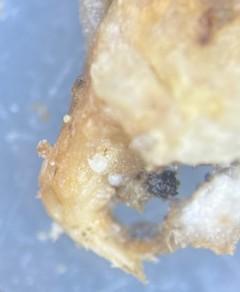
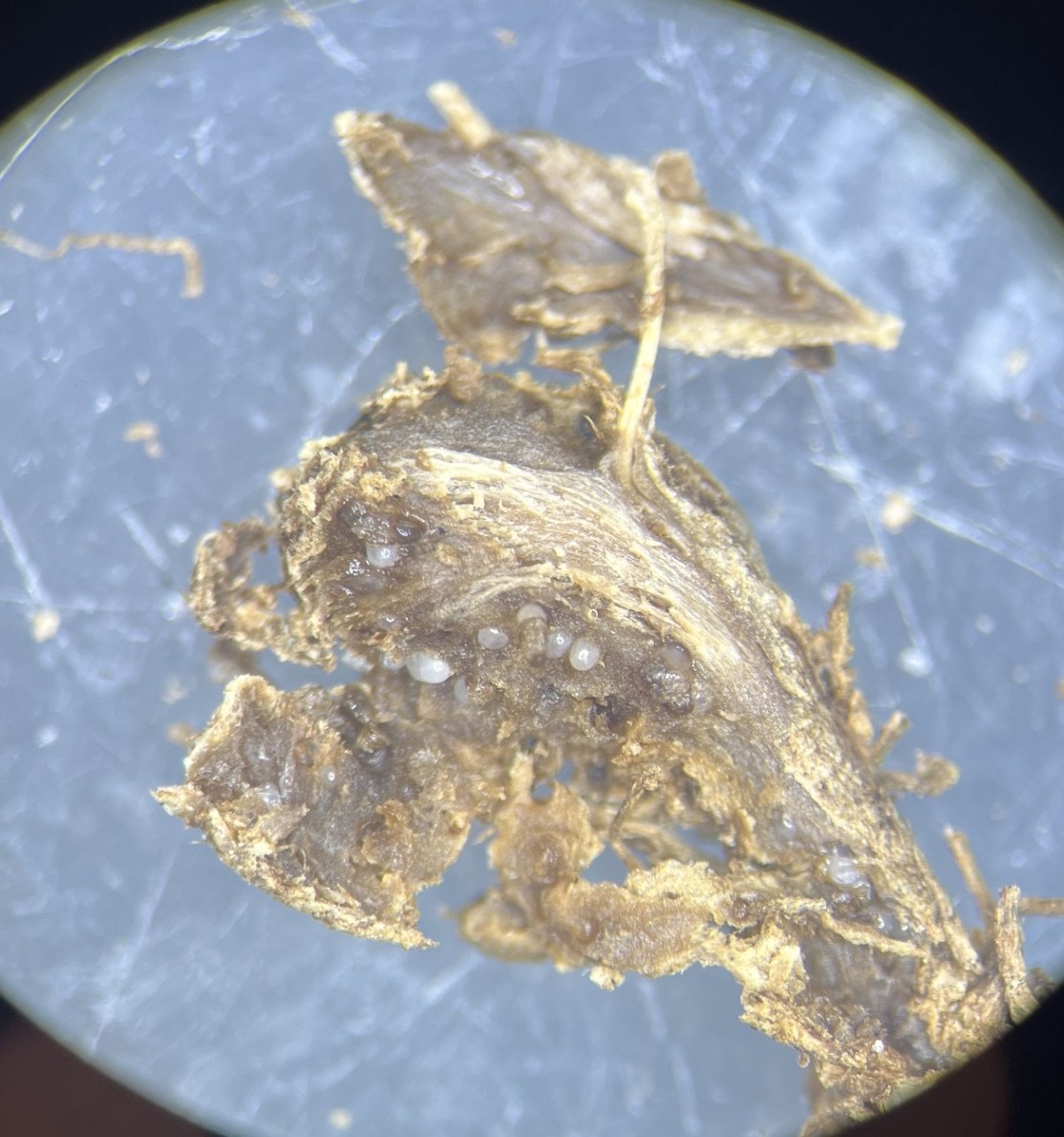
White RKN females within the galls or knots
Stunted growth, yellowing, or wilting despite adequate watering
Poor plant vigor and symptoms that worsen during hot weather
Root abnormalities that cannot be explained by normal root growth or other visible damage
RKN root galls on tomato
Photo by Taylor Klass, University of Arkansas Cooperative Extension Service
RKN females embedded in the
roots of a tomato
Photo by Taylor Klass, University of Arkansas Cooperative Extension Service
RKN females embedded in the
roots of a butterfly bush
Photo by Taylor Klass, University of Arkansas Cooperative Extension Service
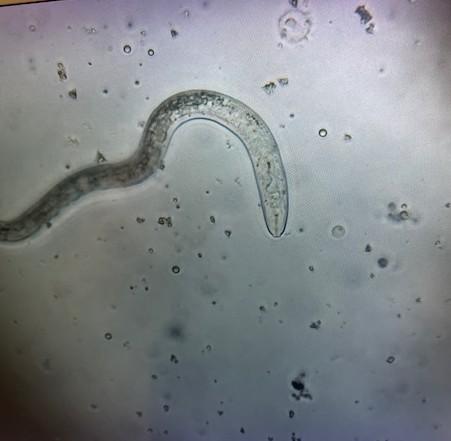
Plant parasitic nematode with its diagnostic stylet mouthpart that enables it to pierce into plant tissue
Photo by Taylor Klass, University of Arkansas Cooperative Extension Service
Stink Bugs: More Than Just a Household Nuisance!
As temperatures begin to cool this time of year, stink bugs often start making their way into homes and other buildings in search of a warm place to spend the winter. Many people are familiar with the frustration of finding these insects indoors and looking for ways to keep them out. However, stink bugs are more than just a household nuisance! Some stink bugs are also plant pests that can feed on a wide variety of plants, including vegetables, fruit trees, ornamental plants, and field crops.
Both adults and immature stink bugs (nymphs) feed by inserting their piercing-sucking mouthparts into plant tissues and removing fluids. Their feeding can damage leaves, stems, flowers, and developing fruits and seeds, depending on the plant species and the stink bug involved.
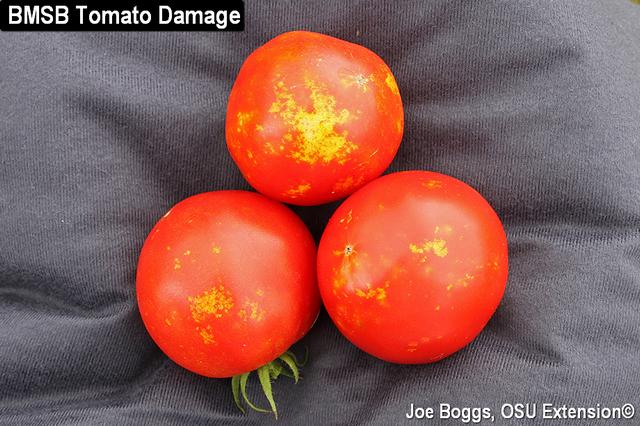
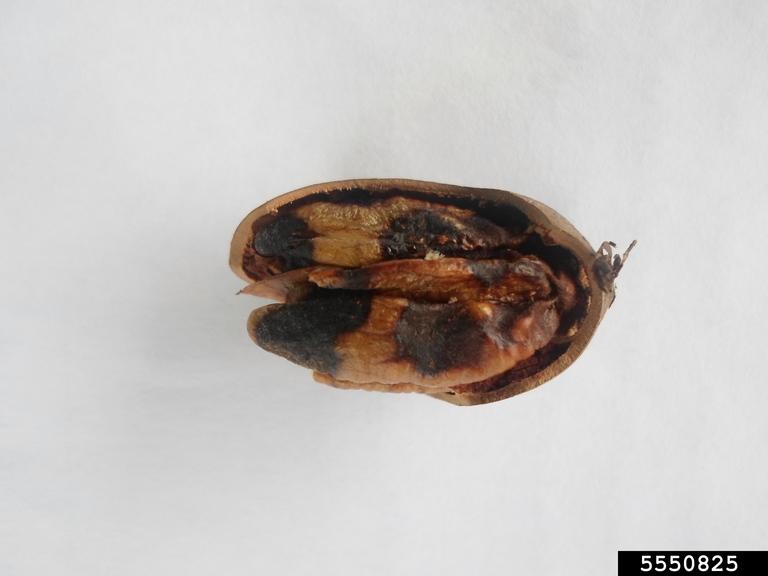
Feeding damage can vary widely between plants. On fruit, stink bugs may cause small, discolored or sunken spots, scarring, deformities, and damaged or discolored tissue beneath the skin. On vegetables, feeding can affect developing fruits and pods, reducing quality and marketability. On ornamental plants, feeding may result in stippling, distorted growth, or localized dead spots. Heavy feeding can cause more noticeable damage, particularly on young or developing plant tissues.
Not all the species of stink bugs in Arkansas are plant pests. Some species feed on other insects and can be beneficial in gardens and landscapes. Proper identification is important before deciding whether management is necessary. When stink bugs are causing damage, inspect plants regularly, paying particular attention to developing fruits, seed pods, and tender growth. Removing weeds and other nearby host plants may help reduce some sources of stink bugs, although this will not eliminate them. If insecticides are considered, select a product labeled for the plant and pest involved, and follow all label directions. Remember, identifying the insect responsible for the damage is important because different stink bug species have different feeding habits. Finding a stink bug on a plant does not automatically mean it is causing the damage!
What to look for:
Pinpointfeeding wounds that develop into brown, corky, or sunken spots
Dimpled, misshapen, or scarredfruit as it develops
Discolored or shriveled seeds and damagedseed pods
Yellowing, stippling, or dead spotson leaves following feeding
Distorted or stunted growth when feeding occurs on young plant tissues
Stink bug feeding damage
on tomato fruit
Photo by Joe Boggs, The Ohio State University Extension
Stink bug feeding damage on pecan
Photo by Jonas Janner Hamann, Universidade Federal de Santa Maria (UFSM), Bugwood.org
This bulletin from the Cooperative Extension Plant Health Clinic (Plant Disease Clinic) is an electronic update about diseases and other problems observed in our lab each month. Input from everybody interested in plants is welcome and appreciated.
DR. TAYLOR KLASS is a plant pathologist/instructor and JASON PAVEL is a plant pathologist, both with the University of Arkansas System Division of Agriculture. They are located at the Plant Health Clinic, 2601 N. Young
Avenue, Fayetteville, Arkansas.
Acknowledgements: Gratitude is due to Sherrie Smith, the originator of the Plant Health Clinic newsletters. Her works are a vital source of reference for the information provided herein.
"This work is supported by the Crop Protection and Pest Management Program [grant no. 2017-70006- 27279/project accession no. 1013890] from the USDA National Institute of Food and Agriculture."
University of Arkansas, United States Department of Agriculture and County Governments Cooperating
Pursuant to 7 CFR § 15.3, the University of Arkansas System Division of Agriculture offers all its Extension and Research programs and services (including employment) without regard to race, color, sex, national origin, religion, age, disability, marital or veteran status, genetic information, sexual preference, pregnancy, or any other legally protected status and is an equal opportunity institution.
Arkansas Plant Health Clinic | 2601 N. Young Avenue | Fayetteville, AR 72204 US