| | News from Laguna Beach Unified School District, its teachers, students, staff and Board of Education. | | School board receives update on LBUSD special education services | | |
During a special session of the school board meeting on Thursday, November 13, district staff provided an informational report on the district’s comprehensive special education program. This update included information about legal compliance, service delivery models, dispute resolution processes, and specialized educational settings. LBUSD is committed to ensuring that all students with disabilities have access to a Free Appropriate Public Education (FAPE) in the Least Restrictive Environment (LRE), as required by the Individuals with Disabilities Education Act (IDEA) and California law.
The presentation began with an overview of these key laws governing special education, as well as Individualized Education Programs (IEPs), Parent and Student Participation, and Procedural Safeguards. According to Mrs. Jennifer Moss, Interim Director of Special Education for the district, LBUSD offers a full continuum of services to support student needs, ranging from general education with accommodations and consultation to specialized district and regional programs, non-public school placements, and residential treatment centers when necessary.
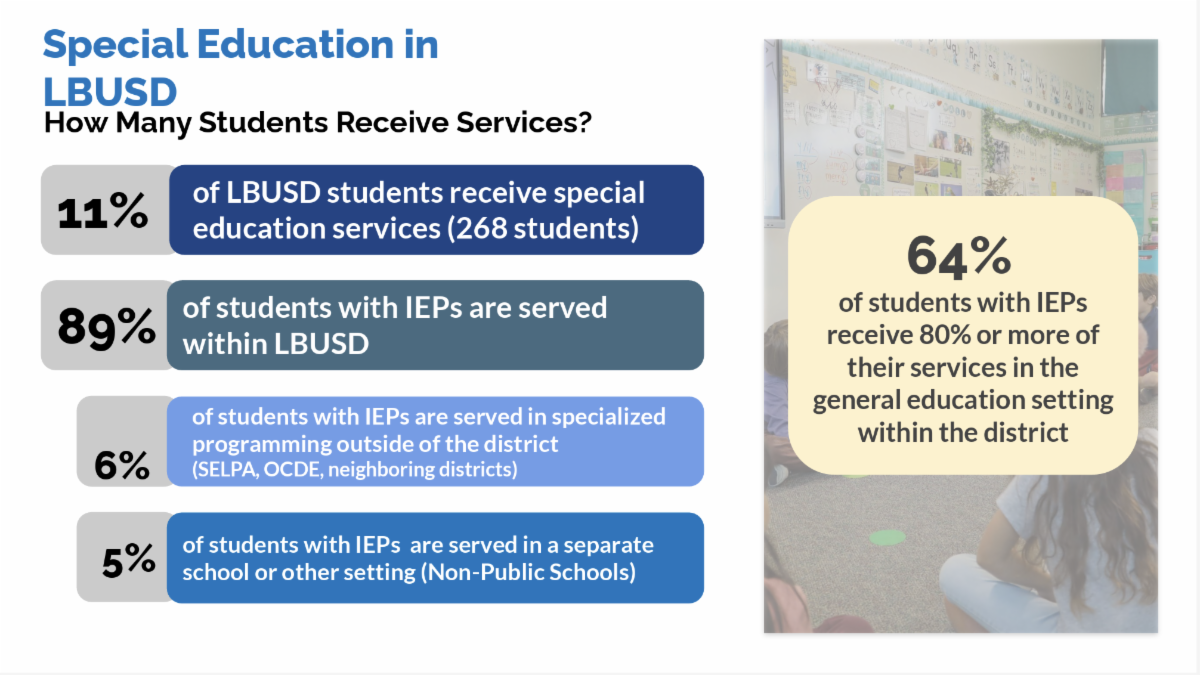
Moss stated the district is currently serving 268 students with IEPs equating to 11% of LBUSD students receiving special education services under an IEP, with 64% of those students accessing 80% or more of their instruction in the general education setting. She explained how the district employs a collaborative, team-based approach to develop individualized services tailored to each student’s individual present levels of performance and educational needs.
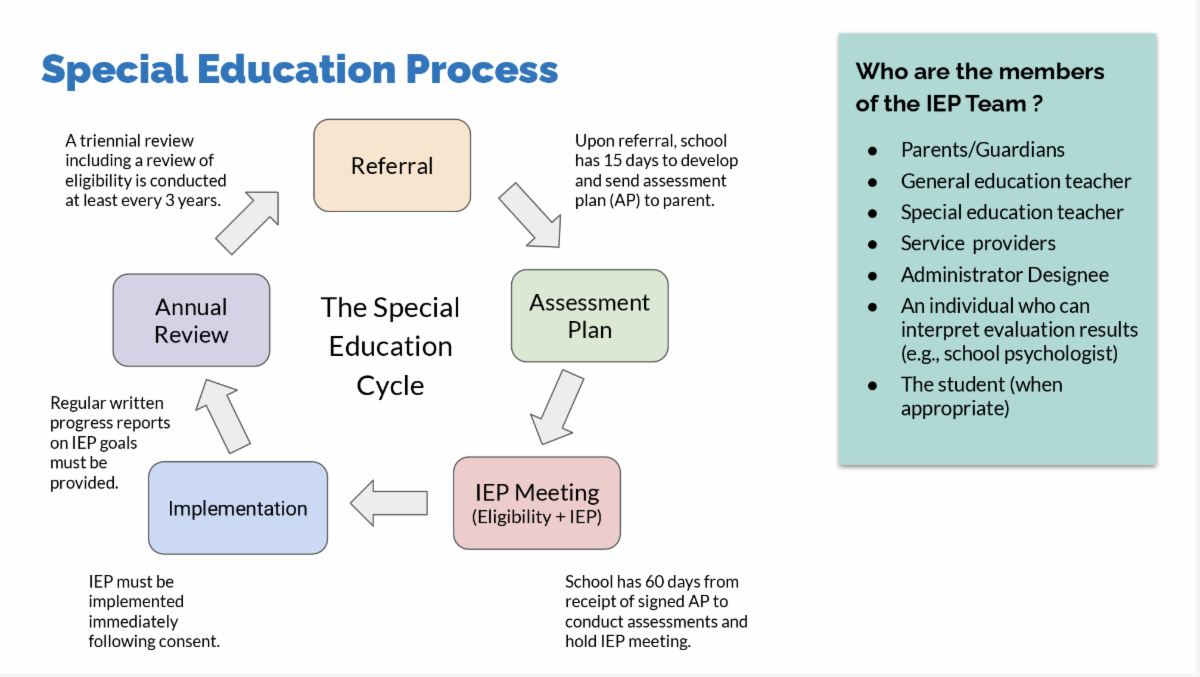
| The district’s process for deploying special education services was explained by Mrs. Jaye Lynn Thompson, program specialist within the special education department. Thompson explained how the district utilizes a defined process when determining if an IEP is appropriate and necessary for a student. This process includes multiple individuals, including the student’s parents, teachers, special education specialists, school psychologist, the student, and others. | | |
Under the IDEA, students qualify for special education services if they meet the eligibility criteria under one of 13 disability categories, which include:
- Autism
- Deaf-Blindness
- Deafness
- Emotional Disabilities
- Hearing Impairment
- Intellectual Disability
- Multiple Disabilities
- Orthopedic Impairment
- Other Health Impairment
- Specific Learning Disability
- Speech or Language Impairment
- Traumatic Brain Injury
- Visual Impairment (including Blindness)
In order for a student to qualify for special education services, they must be assessed by a qualified assessor and be identified as an individual with one or more of the disabilities listed above, must have an adverse impact on their educational progress, and must require special education to benefit from their instruction. Both Thomson and Moss reinforced how the IEP process is not static, but rather it is a responsive framework that adapts to a student’s development, ensuring that they continue to make meaningful progress in both academic and functional areas. IEPs can be implemented and re-evaluated throughout the year to address a student’s needs and progress.
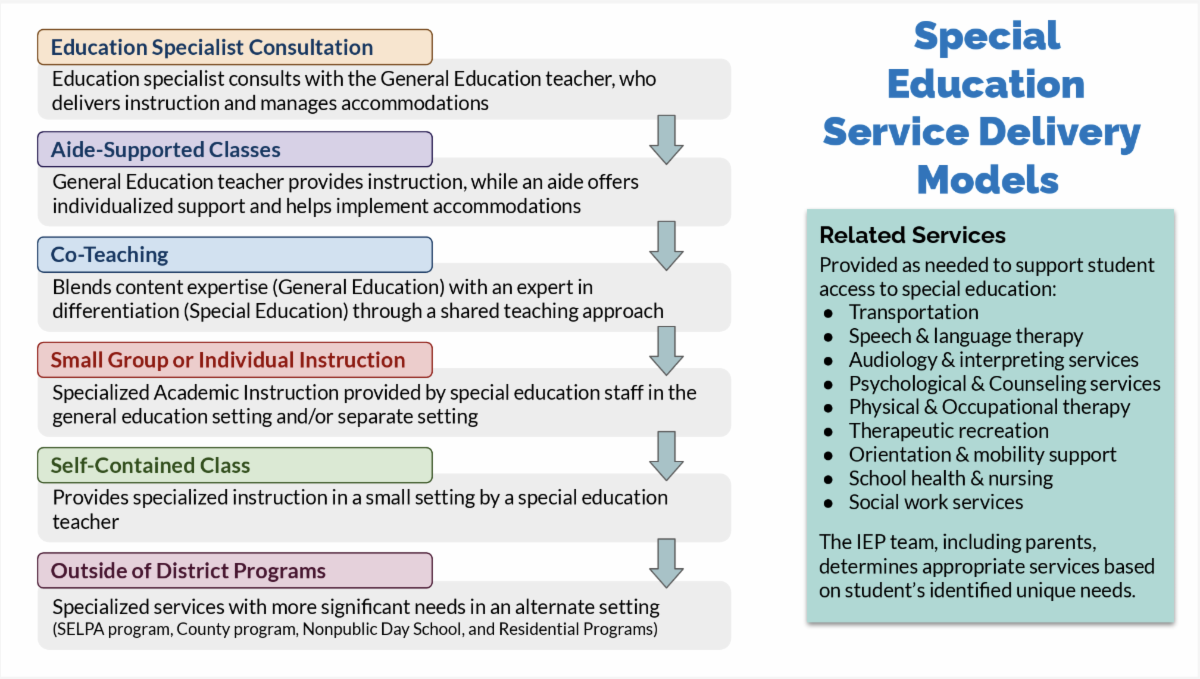
There are multiple ways or models through which special education services are provided to students. These were explained in detail during the presentation:
- Education Specialist Consultation (All School Levels) - Support Through Ongoing Collaboration
- Co-Teach (Middle and High School) - Collaboration Between Special and General Education Teachers
- Instructional Aide (IA) Supported Classes (All School Levels)- General Education with IA Assistance
- Small Group or Individual Instruction (All School Levels) - Targeted, Research-Based Instruction
- Self-Contained Classes (Elementary Only) - Instruction by a Special Education Teacher
- Outside of District Specialized Educational Programs - Specialized Instruction in an Alternative Setting
| |
In addition to the above instructional models, related services are available as needed by the IEP team to help students benefit from special education.
At times, a student’s needs are best served in an educational setting outside of those provided by district services. Educational setting decisions are guided by a student's present levels of performance, identified unique needs, and proposed goals. When a student's needs require a more restrictive setting or a specialized program, the IEP team may consider specialized environments, including non-public schools or regionalized programs. These non-district specialized educational programs offer tailored instruction and advanced therapeutic services.
“At the heart of LBUSD’s Special Education program is a strong commitment to partnering with parents as essential collaborators in their child’s educational journey,” Moss explained. “The district recognizes that families bring critical insight into their child’s strengths, challenges, and needs, and actively involves them in every step of the special education process, from evaluation and goal setting to service planning and progress monitoring,” she added.
The district is proud of its award-winning Parent Partner program that connects families new to special education with experienced mentors who offer guidance, emotional support, and early resolution strategies, helping prevent disputes and building long-term collaboration. Through personalized communication, the Parent Partner program, and ongoing opportunities for learning and collaboration, LBUSD strives to foster trusting relationships that empower parents, value their voices, and ensure that each student receives the individualized support necessary for success.
“At LBUSD, we believe that every student with special needs deserves the opportunity to reach their full potential through high-quality, individualized support tailored to their unique circumstances,” said Board President Dee Perry after hearing the update. “As a board, we are fully supportive of the ongoing special education services and innovative work, especially in the areas of parent partnership and dyslexia, that we’ve heard about today. It is clear LBUSD is dedicated to building on student strengths, fostering meaningful relationships, and personalizing learning experiences that promote independence, confidence, and long-term success for our students,” added Perry.
| | |
Health Care Insurance Costs Update | |
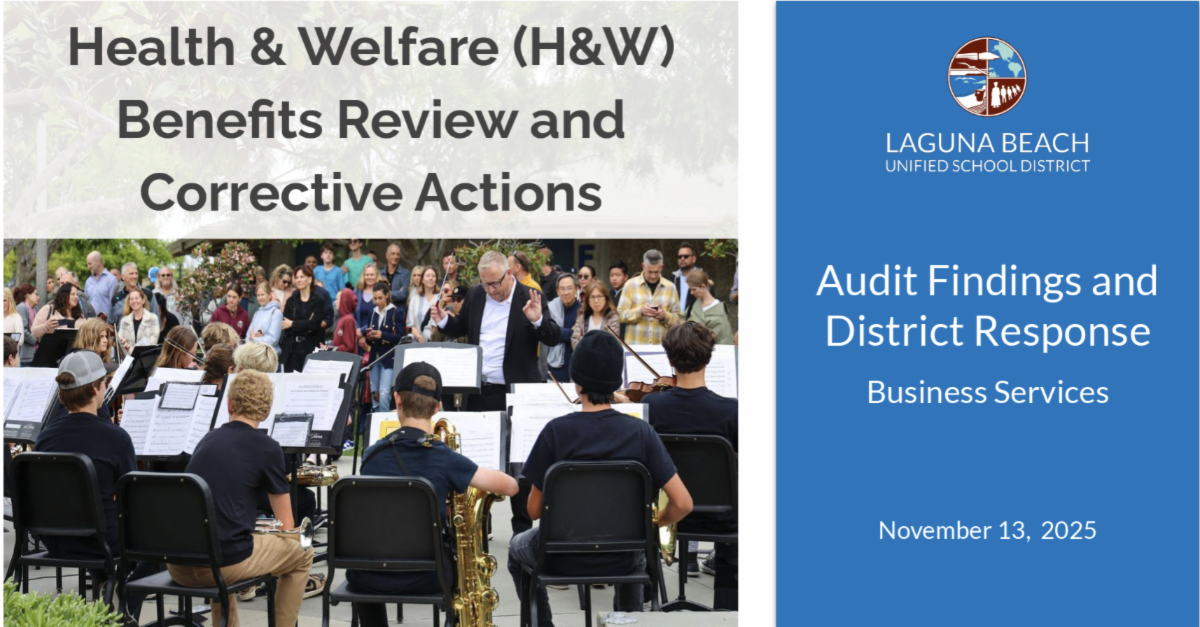
During its November 13 board meeting, the School Board received an update on the findings from an independent audit of employee health and welfare benefits, along with the district’s proposed corrective actions and financial implications. Assistant Superintendent Manoj Roychowdhury presented background information to explain the district’s three-year cumulative overpayments in employee health benefits. He also outlined corrective strategies and presented financial options to restore compliance and sustainability.
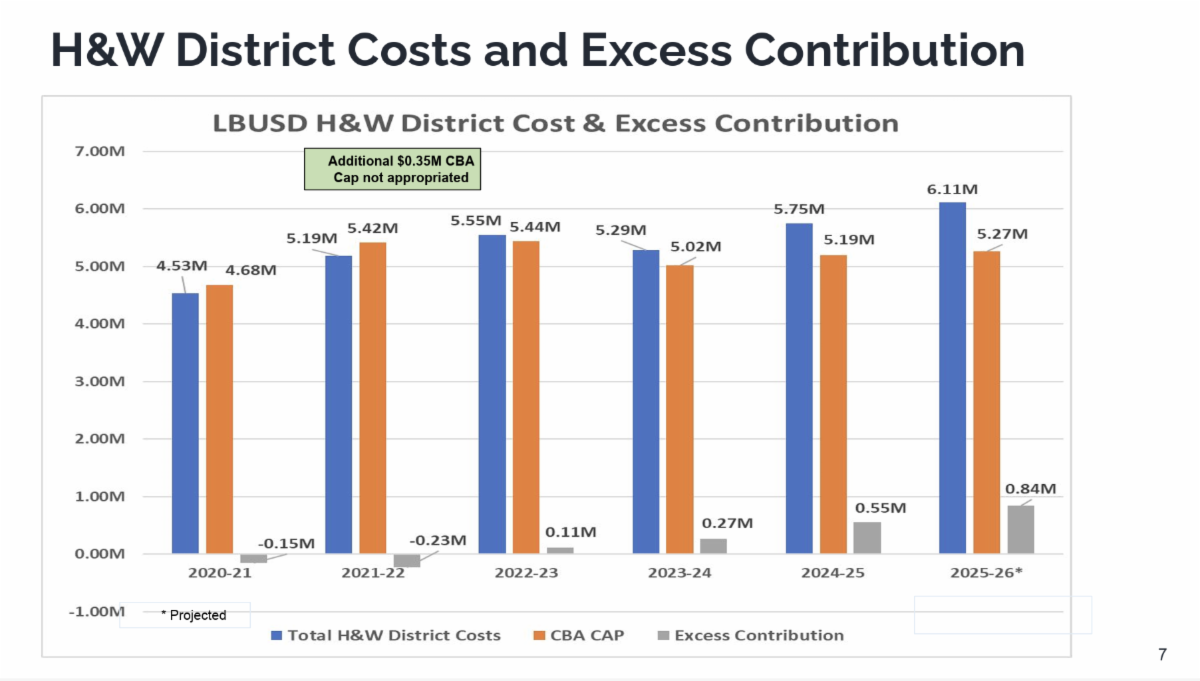
This latest update follows direction given by the Board during its July 24 board meeting to the Superintendent and staff to retain an independent audit service to investigate overpayments by the District for employee healthcare insurance premiums. The auditors’ report presented at the September 25 board meeting found that for multiple years, the District mistakenly paid amounts exceeding the required contribution stipulated in the Collective Bargaining Agreements (CBA) for the employer’s share of health insurance costs.
During this latest update, the review confirmed that for three fiscal years beginning in 2022-23 through 2025-26, the District exceeded its contractual cap on employer health benefit contributions, resulting in overpayments on behalf of employees. The largest variances occurred in the 2024–25 and 2025–26 plan years. Assistant Superintendent Roychowdhury explained that the net effect of this excess spending is $1.04 million.
The District’s collective bargaining agreements (CBA) provide that employees pay for health care premiums above employer contribution caps. The results of the external audit found weaknesses in internal controls, communications gaps between business services and human resources, mismatched fiscal and plan year calendars, and a lack of systematic reconciliation each year.
In response to the auditor’s report, Superintendent Dr. Jason Glass initiated a comprehensive review of health benefits management and internal fiscal controls. This task was undertaken by Assistant Superintendent Roychowdhury, and he reported on his assessment during the November 13 meeting.
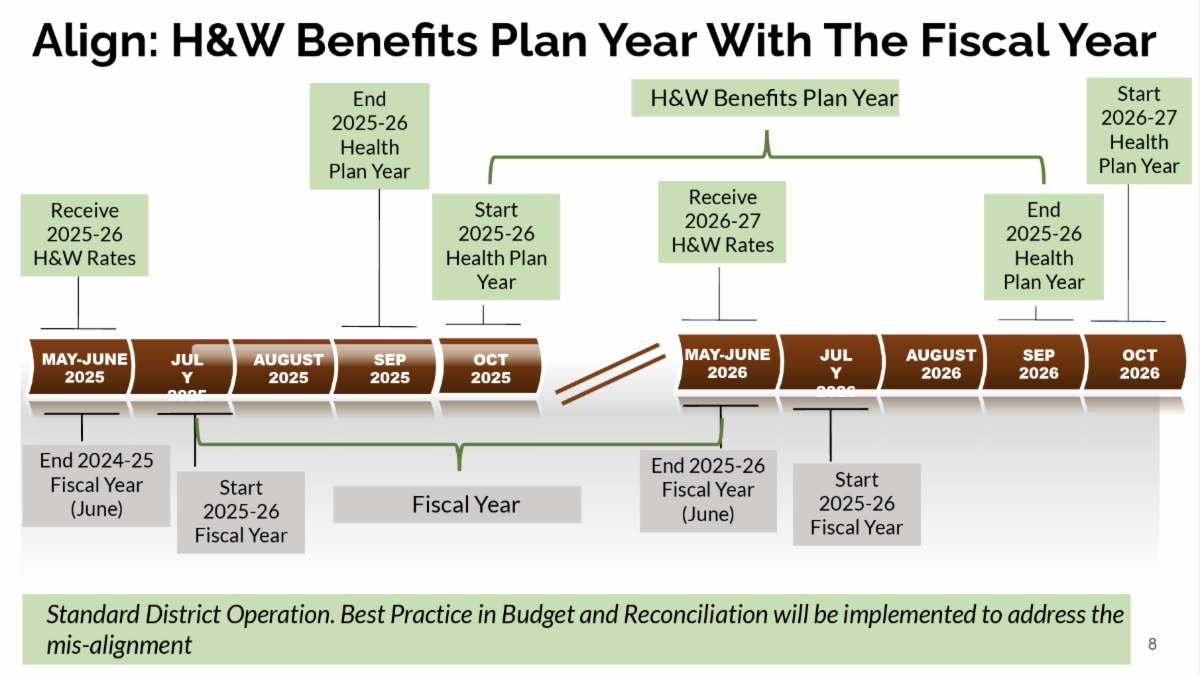
In his update, Roychowdhury reviewed the multiple years where overpayments by the district were made in error and the four pillars recommended by the auditors as necessary steps to take corrective action: align the health and welfare (H&W) benefits Plan Year with the Fiscal Year; enhance communication between the Human Resources and Business Services departments; simplify H&W caps and plan structure; and assess staffing levels.
Roychowdhury provided a detailed historic and current overview of the various H&W plans available to employees for their health care coverage, current participation in the four available employee healthcare plans, as well as the actual compared to the district cap on its contributions to each plan. There are several factors that contribute to employee health care coverage costs, including the market rates for health care, negotiated agreements with insurance providers, and participation trends. Roychowdhury’s summary explained the rate-setting process, employee communications about annual rates, and how the cumulative excess contributions made by the district for employee health coverage occurred. According to Roychowdhury, there was a mistake in the publication of the rates in the Employee Benefits Guide, which incorrectly specified lower rates than what employees should have paid for their insurance costs.
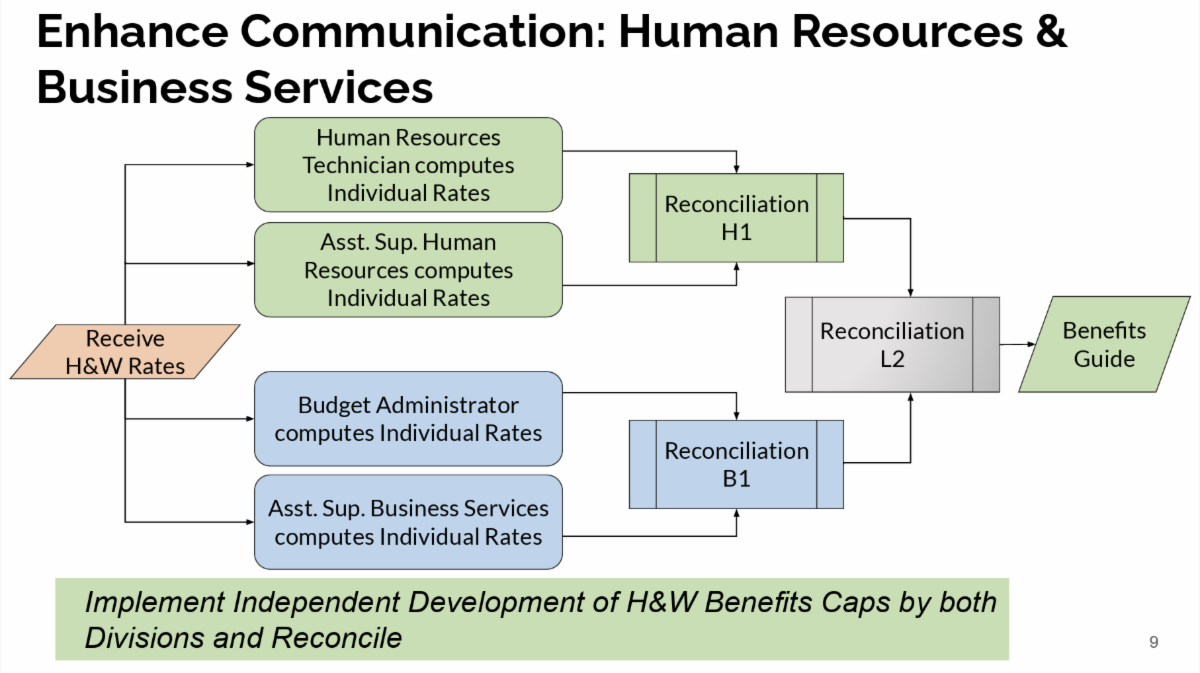
| When addressing the recommendations from the external audit, Roychowdhury showed how the health plan years and fiscal years are misaligned due to state requirements on district financial years and when insurance companies determine the start of their rates for each plan year. Aligning the two calendars, he said, is not possible. | Roychowdhury addressed planned improvements in the district’s business process to avoid any mistakes in determining individual employee insurance rates and their later publication in the benefits guide going forward. A reconciliation process will be implemented to ensure accuracy and consistency. | |
According to Roychowdhury, the simplification of H&W caps and plan structure will be accomplished through a collaborative process with the employee associations and additional support of a specialized consulting firm. The district will also survey peer school districts and present the proposed new structure to the board for approval.
Although Roychowdhury said that additional staff was not currently needed, he will institute specific staff training on internal controls and continue to monitor staffing levels to support plan participation needs.
Roychowdhury concluded his update by outlining four potential options for the board to consider as a means to address the cumulative excess contribution. While no decision was expected during this meeting, he said these options are presented for discussion along with any potential modifications to the options in order for the district to reach a conclusion on the matter. “We appreciate Mr. Roychowdhury’s explanation of the confusing and concerning insurance payments,” said Board President Dee Perry. “Our employees should not have to pay for these errors, and I’m certain we can find a way to handle this without burdening our wonderful staff.”
Roychowdhury's presentation focused on identifying and understanding how the overpayment situation occurred and the steps the district will be taking to correct the contributing issues going forward. “We have recognized the error and now we should move forward, close the error to make us whole, and move ahead with improved processes,” Roychowdhury said. “We want our employees to have accurate information about the plans and rates for their health care coverage on an individual level so that they can make their individual decisions,” he said.
| | First-Generation stories inspire LBHS students | |
Last week, Laguna Beach High School (LBHS) welcomed Irvin Garcia Real and Alexis Aleman, founders of Foos in Medicine, a social media platform that follows two first-generation students as they navigate their journey through medical school.
The event began with LBHS first-generation student leaders introducing the guests and participating in a “get to know you” session, followed by an evening Q&A & discussion. Afterward, Alexis and Irvin held a meet-and-greet, giving students the opportunity to connect with them directly and ask questions face-to-face.
The evening centered on the first-generation experience and the challenges students face at every level of their educational journey. Garcia Real and Aleman shared their stories of perseverance, resilience, and determination, encouraging students to dream big and pursue their goals despite the obstacles they may encounter.
The event provided students and families with insight into the complexities of being a first-generation learner, while reinforcing the message that every challenge can serve as motivation to keep moving forward.
Thank you to SchoolPower for their generous support. Through SchoolPower’s grant funding and partnership with LBUSD, students were able to connect with individuals who have walked similar paths before them.
| Coast Film and Music Festival expands partnership with LBUSD to inspire environmental stewardship | |
The Coast Film and Music Festival (CFF) made a lasting impact across the Laguna Beach Unified School District (LBUSD) in November. What began years ago as a collaboration with Laguna Beach High School (LBHS) for the Fire, Land, Ocean, and Water (FLOW) program has now expanded to include all school sites.
Throughout the week, students from 3rd through 12th grade welcomed guest speakers who shared their experiences in land stewardship and environmental awareness. Speakers discussed their careers and how the natural world has shaped their lives, emphasizing the shared responsibility to preserve and protect the land for future generations.
At LBHS, students also participated in the annual FLOW Fair, which featured trivia, interactive games, and hands-on activities centered on environmental education. The event was a student favorite, encouraging collaboration, conversation, and learning through fun. Additionally, the LBHS Student Support Collective participated in a panel discussion at the Rivian Theater during the Coast Summit, tying in their theme, “Happy People, Happy Planet.” The discussion focused on the connection between mental health and environmental stewardship.
For the first time, Thurston Middle School students joined CFF by attending the Festival of the Arts activities. Students explored animal migration patterns, discussed environmental challenges, and created art projects using reusable materials to design postcards inspired by sustainability.
To close the week, three LBUSD student films were showcased on Saturday, Nov. 8, 2025, during the CFF Emerging Filmmakers Showcase at the Festival of the Arts. The promotion of environmental stewardship through creativity continues to make a meaningful impact across the district.
The Coast Film and Music Festival’s partnership with LBUSD continues to spark important conversations about environmental stewardship, creativity, and awareness. By engaging students from an early age, the district and festival are helping young people recognize the importance of their role in protecting the environment and their community.
| The next regularly scheduled board meeting is scheduled for Thursday, December 11, 2025, at 6 p.m. Visit lbusd.org/board for more information. | | | | | |