Greetings!

Here’s an opportunity to own a collection of turnings from one of the great, contemporary complex turners. 

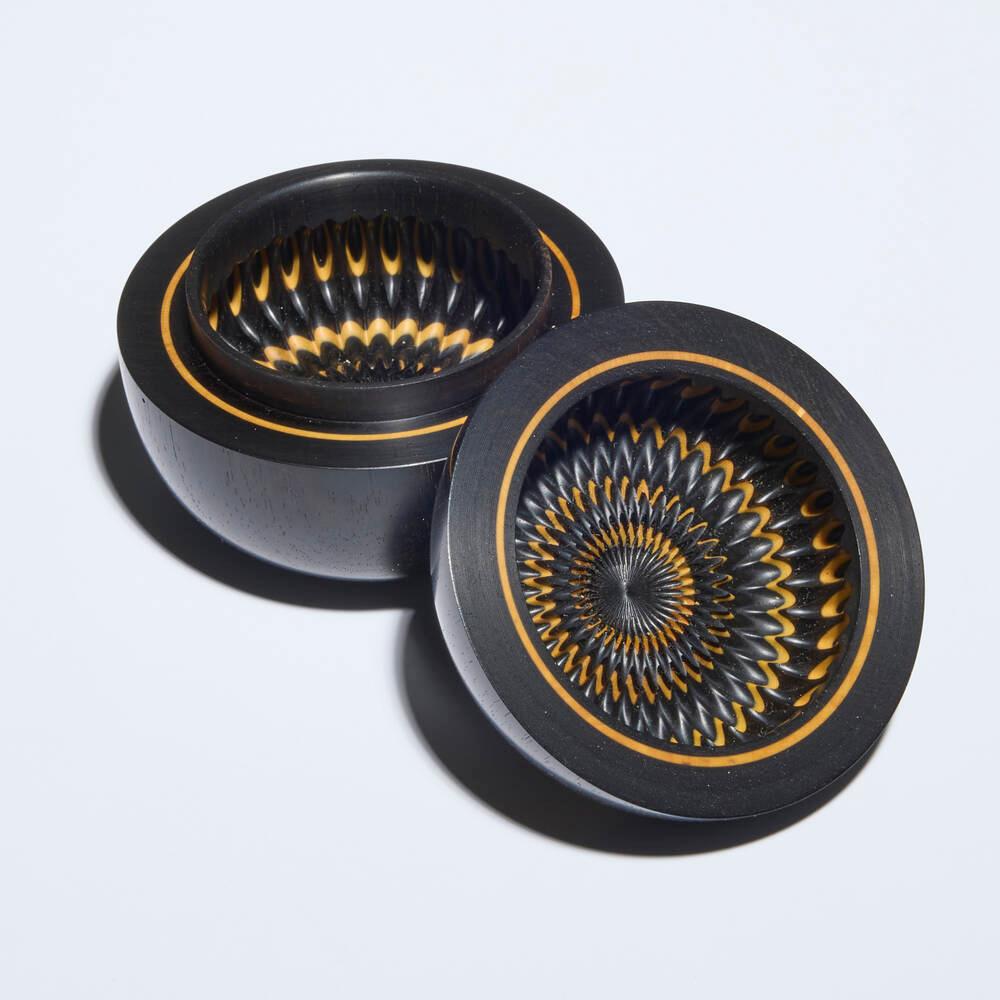
Dale Chase (1934-2007) was a vascular surgeon who took up woodturning as a hobby in 1972. He made the leap to complex turning with the purchase of a Holtzapffel lathe in 1974, pursuing the craft studiously. In 1991, he retired from medicine and pursued turning full-time for a number of years before a long hiatus and eventual return in 2004. Dale developed particular skill in making layered wood boxes with deceptively simple exteriors and strikingly beautiful patterns hidden within. He also explored small engine-turned boxes to brilliant effect. Both of these styles remain strong inspirations for complex turners today, though few if any have matched the execution of his best work. His turnings reside in the collections of several museums, including the Los Angeles County Museum of Art, the Smithsonian American Art Museum, the Yale University Art Gallery, and the Museum for Art in Wood. 

You can read more about Dale on the Museum for Art in Wood website. 


You can also read his artist statement for his solo exhibit at the former del Mano Gallery in Los Angeles in 2005. In it, Dale shares the moment he first saw himself as an artist, and gives much credit for his advancement in the craft to his partnership with Walter Balliet. 


The Museum for Art in Wood has put up three lots of Dale Chase’s work for auction. Proceeds from the sale of these turnings will benefit both the museum and the Plumier Foundation to support our mission of furthering complex turning. 

Lot 201

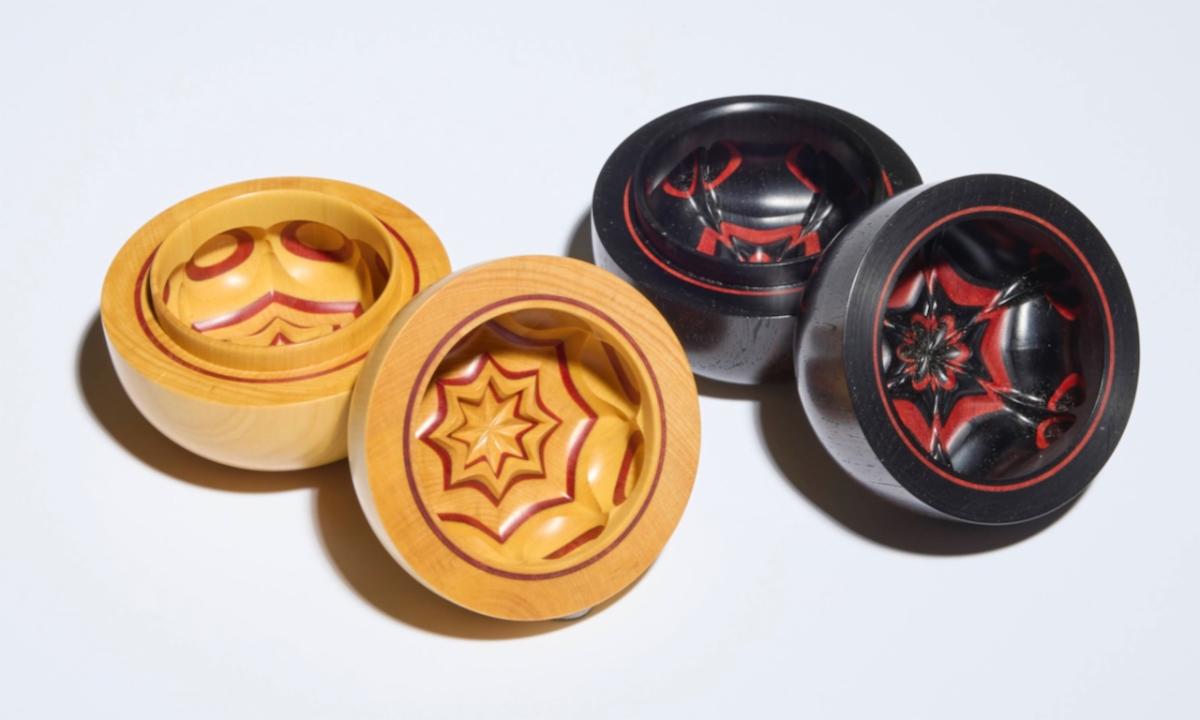
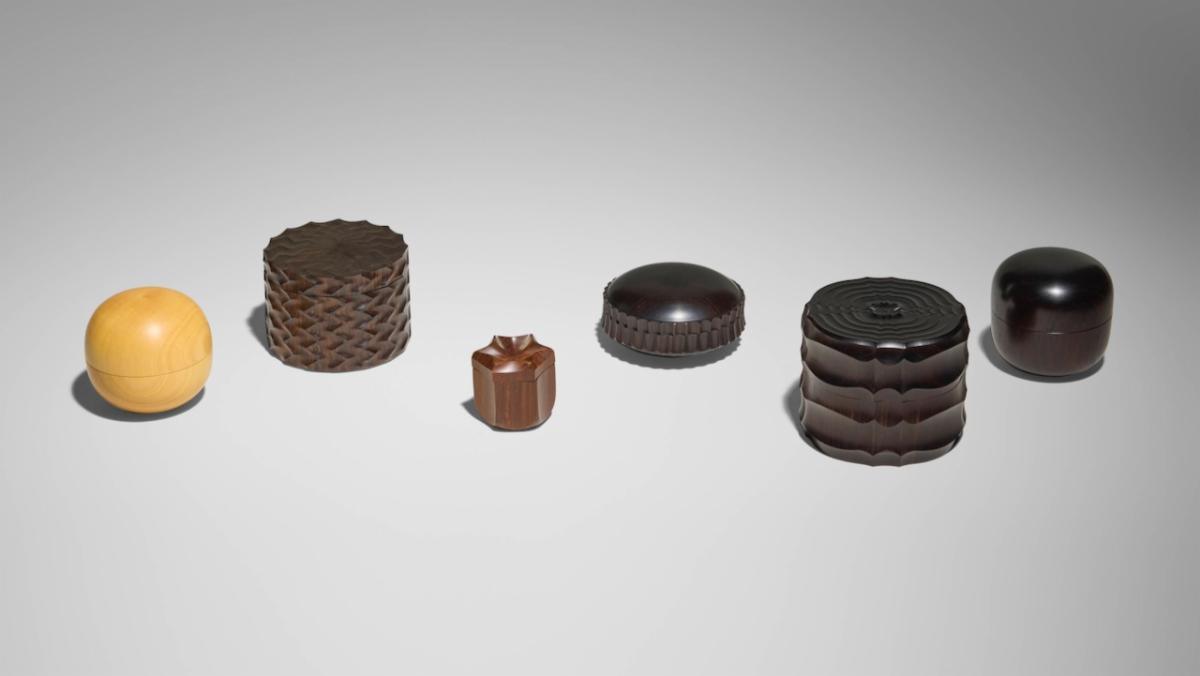
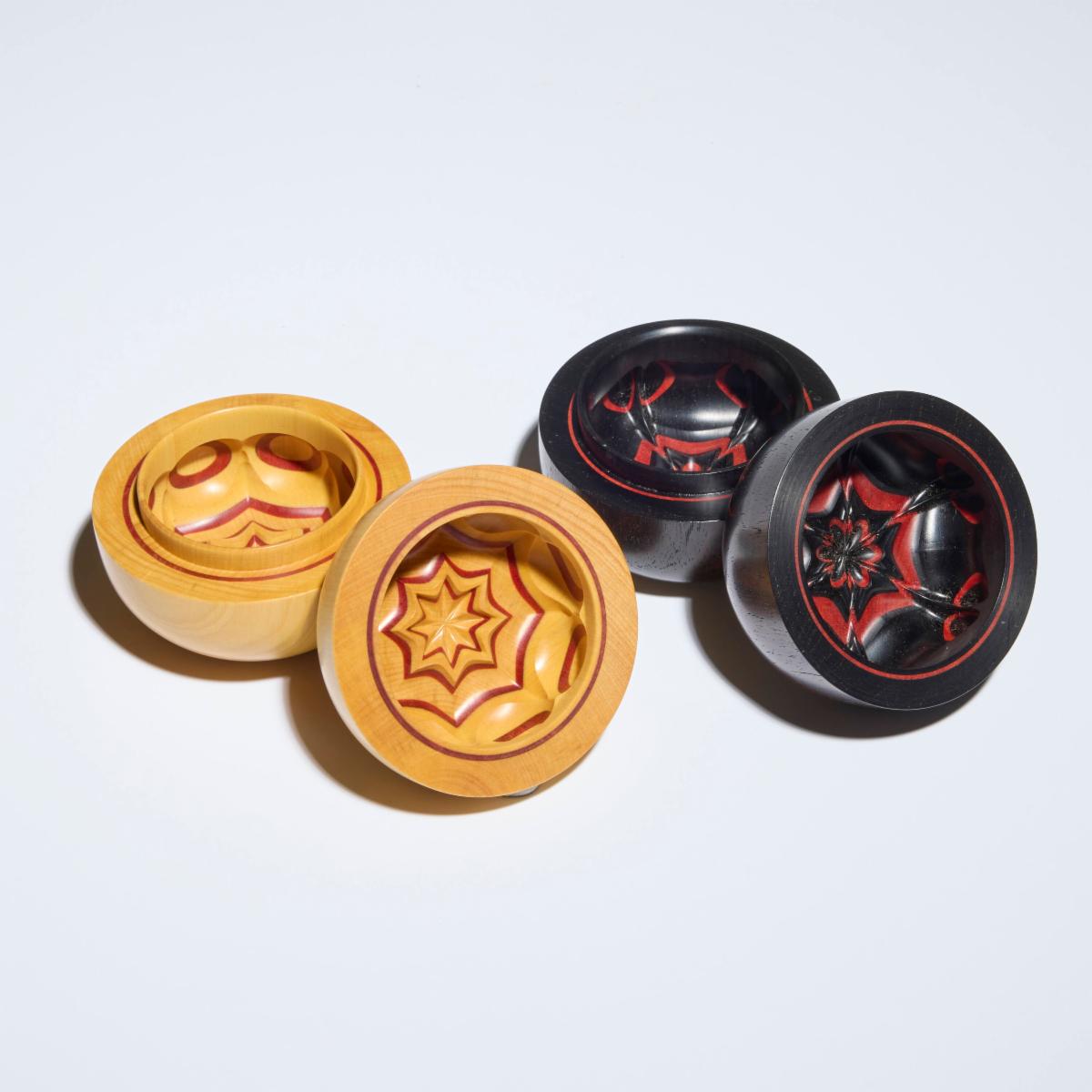
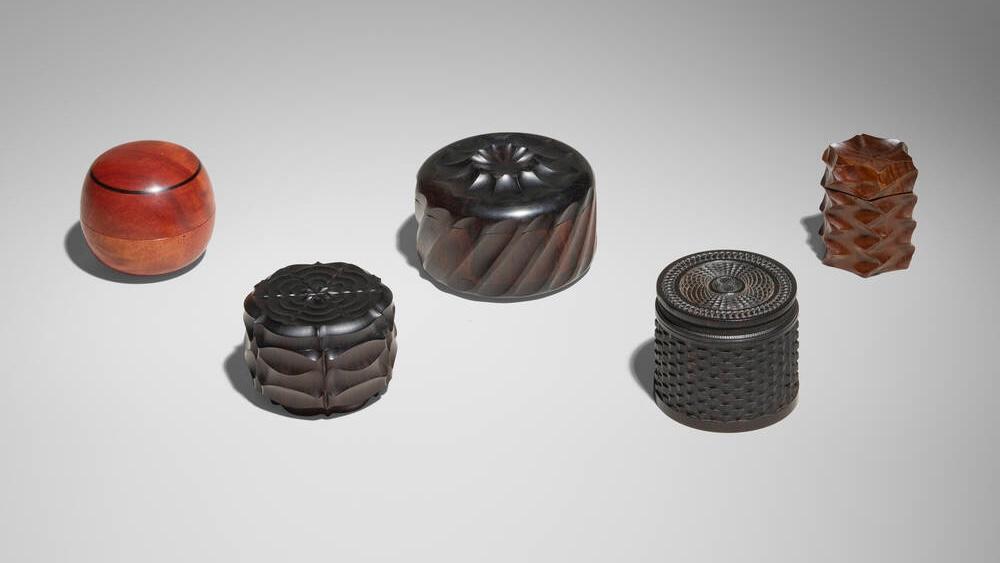
This lot of six ornamental boxes represent nearly the full length of Dale Chase’s career as a turner. The small hexagonal, rose engine turned box in lignum vitae is marked 1979, demonstrating an early aesthetic restraint in Dale’s use of ornamentation that can be seen throughout his work. The lot includes two of his classic layered boxes, one in boxwood and one in African blackwood, both with contrasting red layers in the interior rose engine designs. The “zig-zag” pattern box, either in mopane or a rosewood, displays a classic curvilinear pattern that transitions cleverly across the face of the lid into a sun ray pattern. There is also a smaller, compact-shaped blackwood box with deep flutes and a larger blackwood box with the rose profile that is marked 2005, making it a late example of his work after his return to turning in 2004.


Lot 204

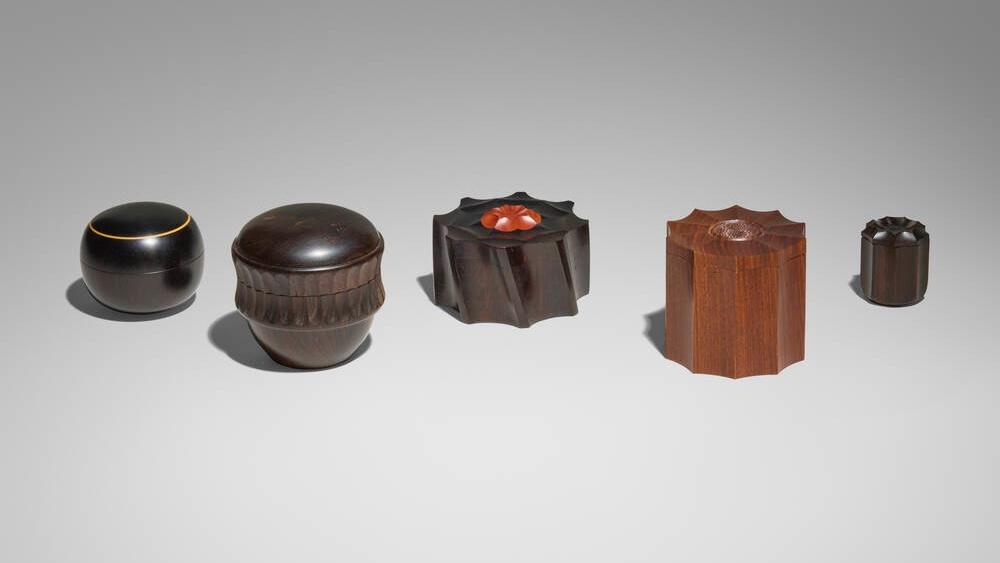
This lot of five boxes includes a fine example of Dale’s signature layered boxes in blackwood with an simple contrasting ring on the exterior that subtly alludes to the ornamentation hidden within. This interior does not disappoint with a double layer core cut into a high frequency rosettere pattern in blackwood and creamy boxwood. Another blackwood box has an eight-fluted spiral form that beautifully presents the contrasting center of the top in red. Another is a ten-fluted box, probably mopane, that is dated 1979 along with a smaller, nine-fluted box of a similar design out of ebony. The final box in a rosewood with a deep-fluted band contains a striking scalloped dome hidden on the inside of the lid. 


Lot 207

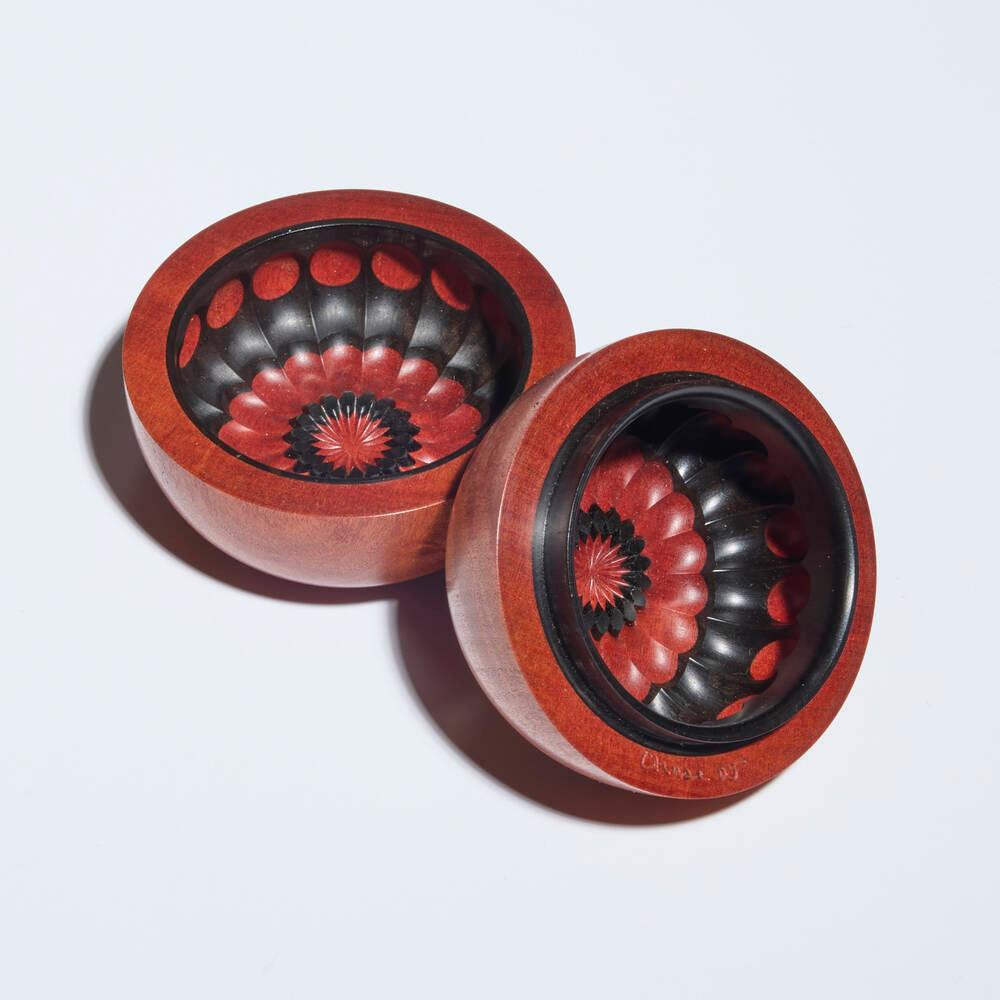
This lot of five boxes also gives a timeline of Dale’s career. It includes another early box in a more traditionally ornamental style than is typical of Dale’s work. It’s inscription on the bottom tells a full story. The box is African blackwood and was made by Dale and Charlene Chase in 1977 on Holtzapffel no. 1993, attesting to a laborsome indexing process shared between the couple. There is also a fine example of his layered boxes, this one in pink ivory with a contrasting blackwood core also made in 2005. The rose engine pattern is impressive enough, but the perfect circles cut into each flute take it to another level. It also includes a blackwood box in a rose profile, a segmented box with spiral flutes, and a small rosewood or mopane box with six-sided, sine-wave profile. 


Bidding is open now and closes April 21 at 11AM ET. Register today and get your bids in! 


Sincerely,


David Lindow


Support craft, support Plumier.


The best way to support is by joining us as a member today. 


One-time contributions can also be made through our website or GoFundMe. Also, consider making a targeted contribution to our Scholarship Fund. 


A check sent to the address below is also a welcomed form of donation.


Facebook  Instagram  Youtube