|
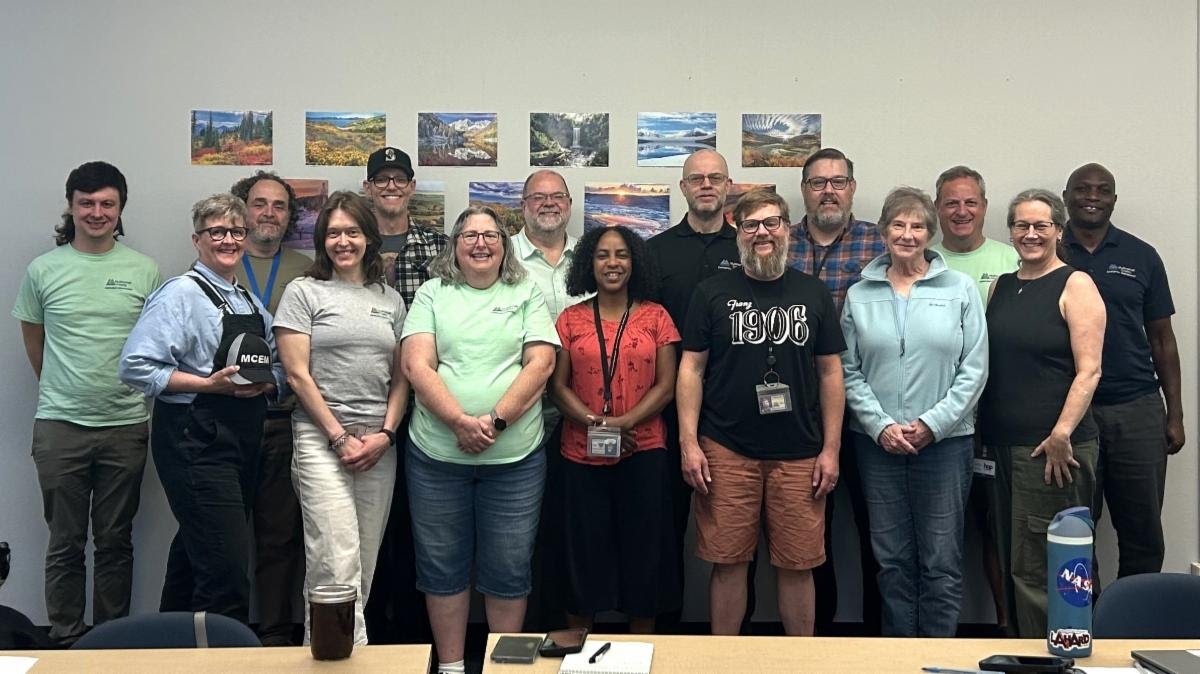
Pictured Right: MCEM Training and
Exercise Officer Jim Merten
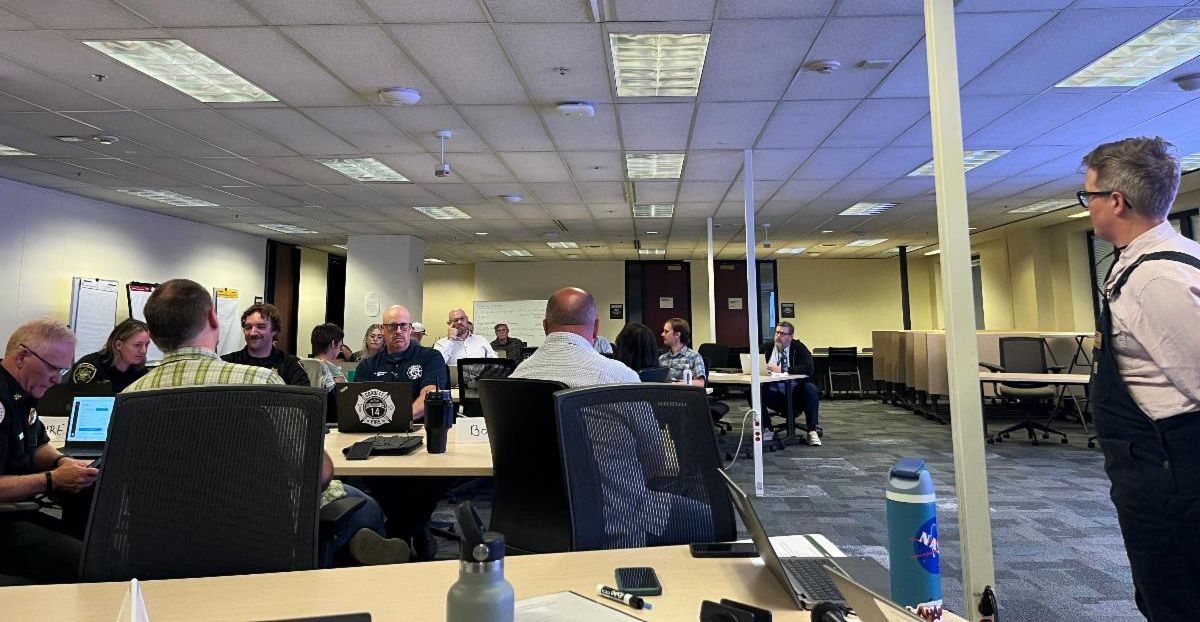
Let’s talk about your annual Emergency Operations Center (EOC) exercise.
You know the one. Someone spent three weeks crafting a movie-level scenario involving a Category 5 hurricane, a simultaneous cyberattack, a rogue sinkhole, and if the budget allowed, a chemical spill. It’s high-stakes, high-adrenaline, and deeply satisfying to draft.
It’s also completely useless if your team doesn't actually know how to use the satellite phone.
Welcome to the world of exercise design, where the most dangerous trap isn't a lack of imagination, it's Over-Scenario-ing.
In the emergency management universe, we love a good crisis. But when designing a training exercise, the scenario is just the wrapper; the capabilities are the actual gift. If your objectives focus on whether people can survive a solar flare, but your real-world staff still struggles to log into the mass-notification system under normal conditions, you’ve built a Hollywood blockbuster, not a training event.
The core principle to remember this month is Objective-Driven Design.
Before you write a single line of incident background, ask yourself: What specific muscle are we trying to build today?
-
If the goal is Resource Requesting, a localized power outage tests the exact same logistics pipeline as an alien invasion without the unnecessary distraction of UFOs.
-
If the goal is Inter-agency Communication, test the radio bridges during a routine water main break, not a multi-county apocalypse.
Keep the scenario lean, plausible, and tightly anchored to 2–3 measurable capabilities. Save the dramatic plot twists for your screenplays. In emergency management, boring exercises build brilliant responses and when the real storm hits, brilliant beats dramatic every single time.
Now, go scrub that sinkhole from your draft.
See you next month! Have questions in the meantime? Drop by the office, email me at james.merten@multco.us or catch me at our next drill. Stay trained and stay prepared!
|