REMINDER: YOUR SUBMISSIONS ARE ENCOURAGED AND WELCOMED | |
|
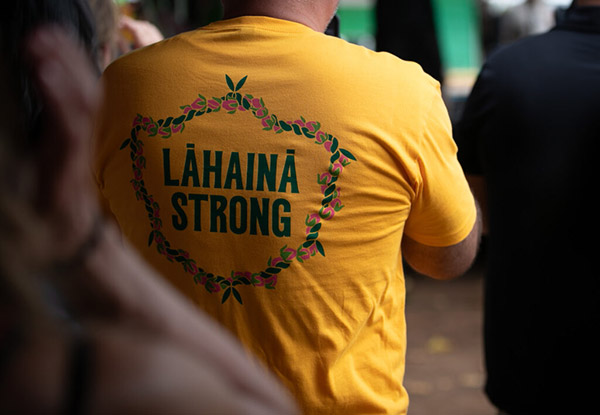
Paris 2024 Paralympics
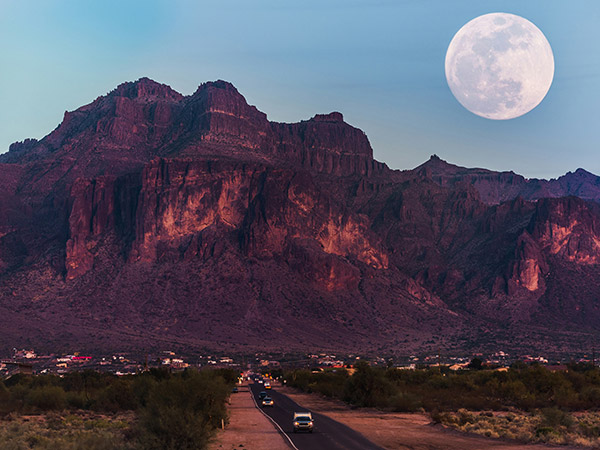
August 28th, 2024 -– September 8th, 2024
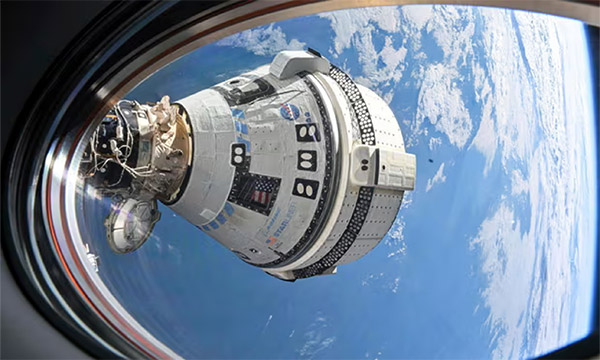
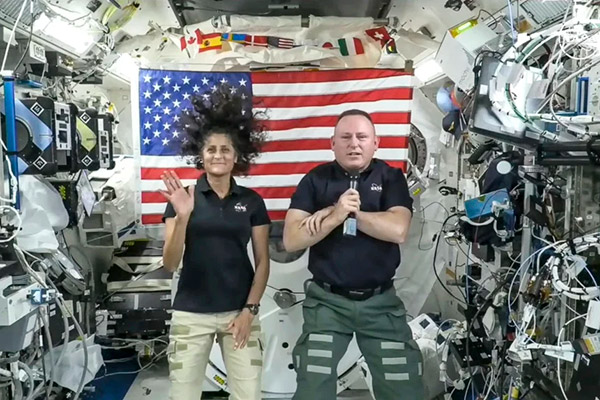
| |
|
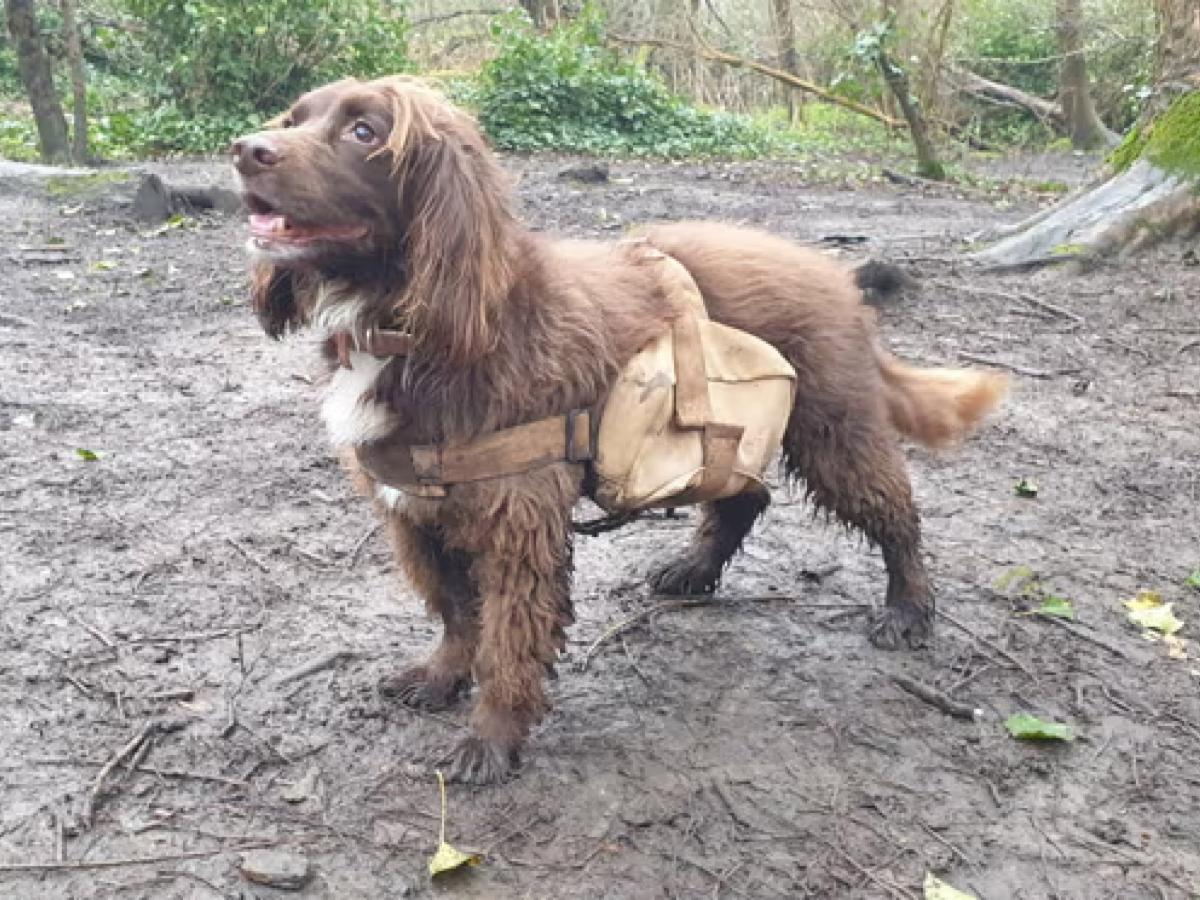
1. The Paris 2024 Olympic Games were spectacular, and expectations are high for the Paris 2024 Paralympics as well. I'm starting off this week with a primer on the games including how and where to watch them, the events the athletes will be competing in, and a brief history of the Paralympics.
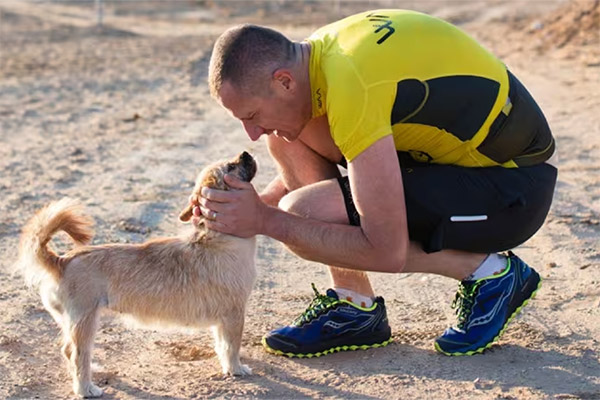
2. It's been one year since the Maui wildfire devastated the historic town of Lahaina. Residents from around the island gathered at Hanakao'o Beach Park forming a flotilla to commemorate the event and to grieve for those lost to the fire.
3.This coming Monday is August's full moon, the Sturgeon Moon. It will also be both a supermoon and a blue moon.
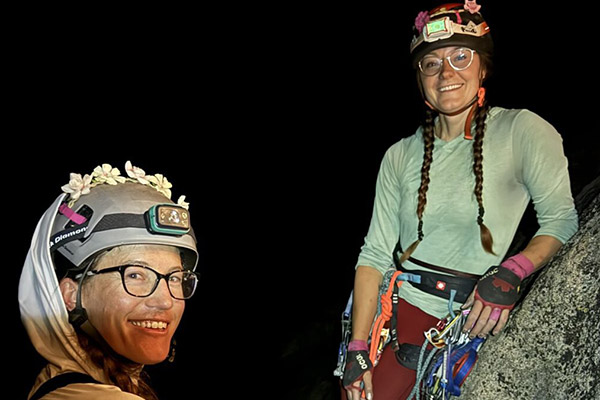
4. The last mission to the International Space Station has experienced some technical difficulties with the Boeing Starliner spacecraft that delivered the crewmembers, leaving two astronauts stranded on the ISS until NASA can find another way to get them home. NASA announced this week that they will have a plan of action by the end of the month, but the astronauts may not be coming home until February.
5. I have an update on Flock Next Genner William George this week. William was interviewed by the Tucson NBC affiliate for his comments on a train derailment outside of Tucson last Thursday.
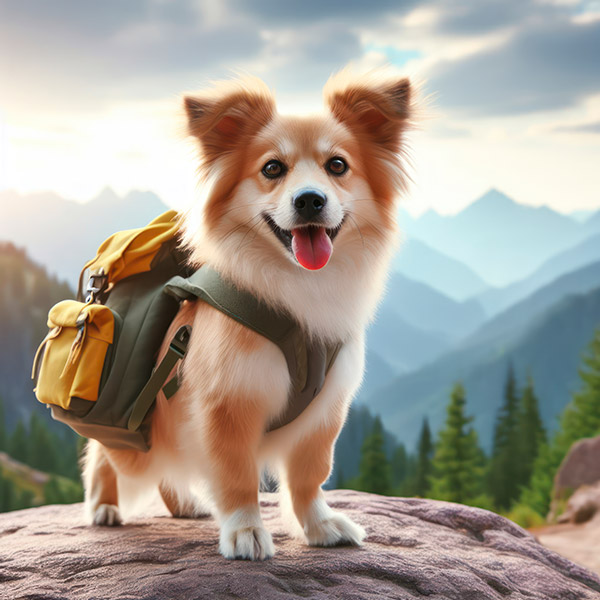
6. A community in the UK is enlisting dogs to spread native seeds via special backpacks in an effort to rehabilitate and rewild an overused area of parkland.
7. Next, I have the heartwarming story of an ultramarathoner who adopted a stray dog that followed him through the Gobi Desert.
8. In the Book Corner, I have two titles by the ultramarathoner, Dion Leonard, where he tells the story of finding, losing and then finding the persistent little dog that has changed his life. The first is a New York Times bestseller, and the second a children's picture book adaptation of his story.
9. In Reaching High, two climbers from Yosemite Valley have become only the second team of female climbers to climb El Capitan twice in a 24-hour period. It has been 10 years since the first successful pair.
10. There has been a new issue released of the scholarly medical newsletter Sensitive & Specific: The Testing Newsletter with some promising information on new testing methods that can help identify the best antibiotics to fight bacterial infections like sepsis.
| |
Now, to this week's Flock. | |
1. Paris 2024 Paralympic Games | |
Now that the Paris 2024 Olympics have come to a close, it’s time to get ready for the Paris 2024 Paralympic Games. The Paralympic Games will begin in one-and-a half-week on Wednesday, August 28th and run through September 8th. Athletes will compete in 22 sports, click or tap here for a full list of Paralympic sports from the International Paralympic Committee. This year, NBC, CNBC, and USA Network will air live coverage of the Games. Streaming will be available through the Peacock app, the official Paralympics YouTube channel, and the International Paralympic Committee website. I look forward to catching as many events as I can. | |
Everything You Need to Know About the 2024 Paralympics | |
|
Good news, sports fans—there’s more international competition in store following the close of the Paris 2024 Olympics. While those Games ended on August 11, they’ll be followed closely by the 2024 Paralympics, which are also taking place in Paris.
Featuring 22 sports and 4,400 athletes from around the world, the 2024 Games will see Paralympians battling for gold in individual and team events, beginning on August 28 and lasting through September 8.
This is the first Paralympic Summer Games ever to take place in the City of Light, and you won’t want to miss it. Ahead, find out everything we know about the 2024 Paralympics, from how to watch to which sports will be included, and more.
| |
The Paralympic Games originated 76 years ago following World War II | |
|
Prior to the birth of the Paralympics, disabled athletes took part in the Olympics beginning in the early 20th century. However, all of this changed during the London 1948 Olympics.
In the aftermath of World War II, there was an effort to honor the veterans who had been injured during the war, and in 1944, the British government tapped Dr. Ludwig Guttmann to open a spinal injuries center for these veterans.
Four years later, on the day of the Olympics opening ceremony in London, Dr. Guttmann decided to organize a recreational competition at his center, which featured 16 wheelchair athletes. He named it the Stoke Mandeville Games. Eventually, this would become the Paralympic Games, which debuted in Rome in 1960.
Since then, the Games have taken place every four years, coinciding with the Summer Olympics; in 1976, Winter Paralympics began as well. Since 1988, it has become tradition for both Paralympics to take place in the same cities as their Olympic counterparts, thanks to an agreement between the International Paralympic Committee (founded in 1989) and the International Olympic Committee.
| |
2. Maui Wildfire Update: One-Year Anniversary | |
Last Thursday, August 8th, marked the one-year anniversary of the Maui wildfire that devastated the historic town of Lahaina. The greater Maui community gathered together at Hanakao’o Beach Park for a ceremonial flotilla to grieve for residents lost in the fire and show support for the surviving community as Lahaina transitions from survival to rebuilding. | |
‘Never Give Up Hope’: Maui Residents Reflect On A Year In The Wildfires’ Aftermath | |
Community members came together to process their emotions as Hawaii's leaders push to build more temporary, stable housing options on the Valley Isle. | |
|
One year after deadly wildfires upended life on Maui, several thousand people gathered across the island Thursday to grieve the lives that were lost, reflect on all they’ve endured and affirm their resolve to keep their communities intact as the difficult work to rebuild continues.
At Hanakao’o Park in West Maui, chants of “Lahaina strong!” echoed across the water as hundreds of those residents paddled out on surfboards just offshore from the beach park. They cheered and splashed as crews aboard the Hawaiian voyaging canoes Hokule’a and Mo’okiha O Pi’ilani looked on in support.
Thousands of flower petals rained down on the paddlers from a helicopter overhead.
| |
|
“The first year was about survival. The second year will be about rebuilding”
– Hawaii Governor Josh Green
| |
3. The Heavens: The Sturgeon Moon | |
This month's full moon will be a rarity as it will be both a supermoon and a blue moon. A supermoon appears larger than normal because it's at its closest approach, or perigee, to the Earth. Monday's full moon is a blue moon because it is the third out of four summer moons. Full moons that are the second out of two in one month are also called blue moons. | |
The Next Full Moon is a Supermoon Blue Moon | |
The Next Full Moon is a Supermoon, a Blue Moon; the Sturgeon Moon; the Red, Corn, Green Corn, Barley, Herb, Grain, or Dog Moon; Raksha Bandhan or Rakhi Purnima; and Tu B'Av. | |
|
The full Moon will be Monday afternoon, August 19, 2024, at 2:26 PM EDT. This will be Tuesday morning from Nepal Standard Time eastward across the rest of Asia and Australia to the International Date Line. The Moon will appear full for three days, from Sunday morning through early Wednesday morning.
This will be a supermoon. The term "supermoon" was coined by astrologer Richard Nolle in 1979 as either a new or full Moon that occurs when the Moon is within 90% of its closest approach to Earth. Since we don't really see new Moons, what has caught the public's attention are full supermoons as they are the biggest and brightest full Moons of the year. This will be the first of four consecutive supermoons this year (with the full Moons in September and October virtually tied for the closest of the year).
| |
|
Although it will not look blue, as the third full Moon in a season with four full Moons, this will be a Blue Moon. The first recorded use of "Blue Moon" in English dates from 1528.
– Gordon Johnston
Retired NASA Program Executive
| |
The Maine Farmer's Almanac began publishing "Indian" names for full Moons in the 1930s and these names have become widely known and used. According to this almanac, as the full Moon in August the Algonquin tribes in what is now the northeastern USA called this the Sturgeon Moon after the large fish that were more easily caught this time of year in the Great Lakes and other major bodies of water. Other names reported for this Moon include the Red Moon, the Corn or Green Corn Moon, the Barley Moon, the Herb Moon, the Grain Moon, and the Dog Moon. | |
4. International Space Station: Extended Stay | |
Two astronauts have been stuck on the International Space Station (ISS) for two months now. Their original mission was supposed to last eight days, but it now looks like they may have to remain in space until next February. NASA is expected to finalize their plan and timeline for bringing the pair home by the end of the month. | |
NASA offers few answers on astronauts stuck in space, says decision will come in 2 weeks | |
Butch Wilmore and Suni Williams launched on the first crewed flight of Boeing's Starliner spaceship in June. Problems with the capsule have forced them to stay in orbit since then. | |
From: NBC News, By: Denise Chow, August 14, 2024 | |
|
NASA is expecting to make a final decision before the end of the month as to when and how to bring home two astronauts who have been stuck at the International Space Station for more than two months.
Astronauts Butch Wilmore and Suni Williams launched on Boeing's Starliner spacecraft in early June, on a journey that was meant to last just over a week. But several issues were detected as the vehicle traveled to the orbiting outpost, forcing the pair to stay in space far longer than anticipated.
NASA officials said Wednesday that engineers and technical experts are combing through weeks of data from tests and weighing different options for how to return the astronauts to Earth.
Ken Bowersox, associate administrator of NASA’s Space Operations Mission Directorate, said they will likely complete their analysis next week, after which a formal review will be conducted "around the end of next week, potentially beginning of the following week."
NASA is deciding whether to fly Wilmore and Williams back aboard the beleaguered Starliner or use one of SpaceX’s Dragon capsules to bring them home instead.
| |
Astronauts Suni Williams, left, and Butch Wilmore give a news conference aboard the International Space Station on July 10. | |
|
If the agency opts to call on SpaceX for the return flight, Wilmore and Williams would need to remain on the space station for six more months.
A SpaceX Dragon capsule is scheduled to launch new crew members to the orbiting outpost in September on a mission known as Crew-9. NASA has said it could alter those plans to send up two astronauts instead of the originally planned four, and then use the empty seats to bring Wilmore and Williams home at the end of the Crew-9 mission in February.
| |
5. Next Gen: William George Update | |
We've featured the Flock's favorite roving reporter and Import Genius data researcher, William George, in our Next Gen section numerous times over the past year.It has been fun for me to see his contributions to journalists ever since we first featured him in April of last year. This last week, William popped up on the nightly news here in Tucson. We had a train derail on the west side of Tucson on August 8th and the local NBC affiliate called on William's shipping knowledge and interviewed him about the train's contents for their report on the accident. | |
Train derails near Grant Road and Miracle Mile | |
From: KVOA.com, By: Zachary Jackson, August 8, 2024 | |
|
Union Pacific workers have confirmed a train derailment near the frontage road between Grant Road and Miracle Mile.
Images from the scene, taken closer to the Miracle Mile off-ramp and facing north, show several train cars off the tracks.
Initial assessments suggest that both northbound and southbound rail lines remain open, although this has yet to be officially verified.
According to Union Pacific, at 9 p.m. on Wednesday, five Union Pacific train cars derailed in the upright position in northwest Tucson.
The derailment happened near the intersection of North Casa Grande Highway and the North Freeway Industrial Loop.
| |
Train derails near Grant Road and Miracle Mile | |
6. Nature: Rewilding while you walk your dog
| |
The project attaches seed-filled backpacks with tiny holes to local dogs to help reseed the landscape. | Rewilding is a term describing the process of rehabilitating landscapes to a wilder state, but not necessarily a pristine state of wilderness. The process often involves the reintroduction of native flora and fauna to an area with the goal of restoring a self-sustaining level of biodiversity. The practice is gaining popularity around the globe, and has seen many successes across the UK. | |
Backpack-wearing dogs enlisted to rewild urban nature reserve in Lewes | |
Organisers hope dogs will mimic behaviour of wolves that in past would have helped disperse wildflower seeds | |
|
Backpack-wearing dogs are being enlisted to “act like wolves” to help rewild an urban nature reserve in the East Sussex town of Lewes.
Before wolves were persecuted to extinction in the UK in about 1760, they were known to roam large areas, typically covering 12 miles (20km) or more each night.
In doing so, wolves would inadvertently pick up wildflower and grass seeds in their fur, dispersing them many miles away and helping establish new colonies of plants, which is vital for biodiversity and for ecosystems to thrive.
The project by the Railway Land Wildlife Trust in Lewes, funded by Ouse Valley Climate Action, aims to recreate this ecological benefit by equipping local dogs with seed-filled backpacks to help reseed the landscape. The project is thought to be the first of its kind in the UK.
Dylan Walker, the manager behind the scheme, said: “We’re really interested in rewilding processes, but they often involve reintroducing big herbivores like bison or wild horses. In a smaller urban nature reserve it’s really hard to do those things. So, to replicate the effect that those animals have on the ecosystem we aimed to utilise the vast number of dog walkers that are visiting the nature reserve daily.”
...As dogs are able to cover more ground than humans and can better reach harder to access areas, the wildflower seeds are spread more widely across the landscape and germination is likely to be more effective.
| |
7. Dogs: Dion Leonard & Gobi
| |
The following is the story of ultra runner Dion Leonard and his dog Gobi, a stray that decided to tag along one day during an ultramarathon in the Gobi Desert. During the race, the two developed an unbreakable bond. The two were separated on his return to Scotland from China which led Dion on a six-month odyssey back to China to find Gobi and return to Scotland with her. | |
How a little dog named Gobi changed an ultramarathoner's life | |
|
When Dion Leonard lined up at the start of the Gobi March last June, he was there to win.
The gruelling ultramarathon takes racers across the Gobi Desert in Asia in extreme heat. The runners carry their own food and water on the six-stage race, which has competitors running about 40 kilometres each day with the final leg being twice that far.
After the first day of the race, Leonard noticed a little dog begging from the racers around the campfire.
"I didn't think much of it but I thought there is no way I'm going to feed her," he tells The Current's Anna Maria Tremonti.
The next morning Leonard sees the dog again. This time she's hanging around the start line.
He started running near the front of the pack, and the dog that he would later name Gobi started running beside him.
Leonard kept expecting she'd drop back but instead, she ran with him for the whole stage of the race.
That's when he says he realized what the dog must have been through that day.
When he got to the finish line that day, people were cheering. But he quickly realized that they were cheering for the dog running right behind him.
"That's when the bond started to form. She came into the tent with me and I started giving her food because obviously she didn't have any of her own," says Leonard.
| |
Guy Adopts Stray Dog Who Followed Him On Race | |
8. Book Corner: Finding Gobi
| |
Ultra Runner Dion Leonard has authored a best selling book telling hte story of the chance encounter and later efforts to reconnect with a stray dog that changd his life. | |
Finding Gobi:
A Little Dog with a Very Big Heart | |
By Dion Leonard & Craig Borlase | |
Finding Gobi is the heartwarming true tale of Dion Leonard, an ultramarathon runner who forms an unlikely bond with a stray dog during a race in China. Their incredible journey will inspire and touch your heart. | |
Gobi: A Little Dog with a Big Heart
(picture book) | |
By Dion Leonard
Illustrated by Lisa Manuzak
| |
Cross the finish line with Gobi and Dion, the little pup who never quit and the ultramarathon runner who loves her. This amazing true story sparked international attention, and the New York Times bestselling author will continue to inspire readers as they enjoy this fun picture book perfect for children. | |
9. Reaching High: El Cap Twice in 24 Hours
| |
A female team has climbed El Capitan in Yosemite National Park twice in one 24-hour period. This is only the second time that this feat has been accomplished, with the first successful attempt happening ten years ago. | |
Female Team Climbs El Cap Twice in a Day, Marking Second Time in History | |
They passed several parties, rescued two others, and overcame giant spiders guarding the finish line | |
From: Gripped, By: Chris Van Leuven, August 15, 2024 | |
|
3:50 am, June 3 – Yosemite Valley. Under the yellow light of their headlamps, with wreaths of flowers on their helmets, Yosemite locals Kate Kelleghan and Michelle Pellette started up The Nose on El Cap. Eight hours and fifty-four minutes later, they topped out. From there, they descended via the east ledges, re-racked, and headed back to El Cap to climb Lurking Fear. They began at 3:30 pm and topped out at 1:15 am, completing Lurking Fear in 9 hours and 45 minutes. Their total time was 21 hours and 35 minutes, marking them as the second female team to climb El Cap twice in a day.
The first female team to climb El Cap twice in a day was Libby Sauter and Quinn Brett on October 28, 2014. According to Climbing, they completed The Nose in 8:25 and Lurking Fear in 9:07, finishing in a total of 21:17, 18 minutes faster than Kelleghan and Pellette.
| |
10. Wellness: Sensitive & Specific Newsletter
| |
I've been reading through the latest issue of Sensitive & Specific: The Testing Newsletter by Mara G. Aspinall and Liz Ruark. In this issue I've learned about a new method for quickly matching the correct antibiotic to a bacterial infection called antibiotic susceptibility testing (AST) that can be performed to quickly test the bacterium's level of resistance to common antibiotics. | |
Can this test find the right antibiotic in time to cure sepsis? | |
|
Three weeks ago, we covered a urine test that can diagnose a bacterial urinary tract infection (UTI) in 15 minutes and evaluate the bacterium's level of resistance to five common antibiotics within 45 minutes. That second step is called antibiotic susceptibility testing (AST). AST is finding the most effective antibiotic for an individual infection - the key to fighting antibiotic resistance.
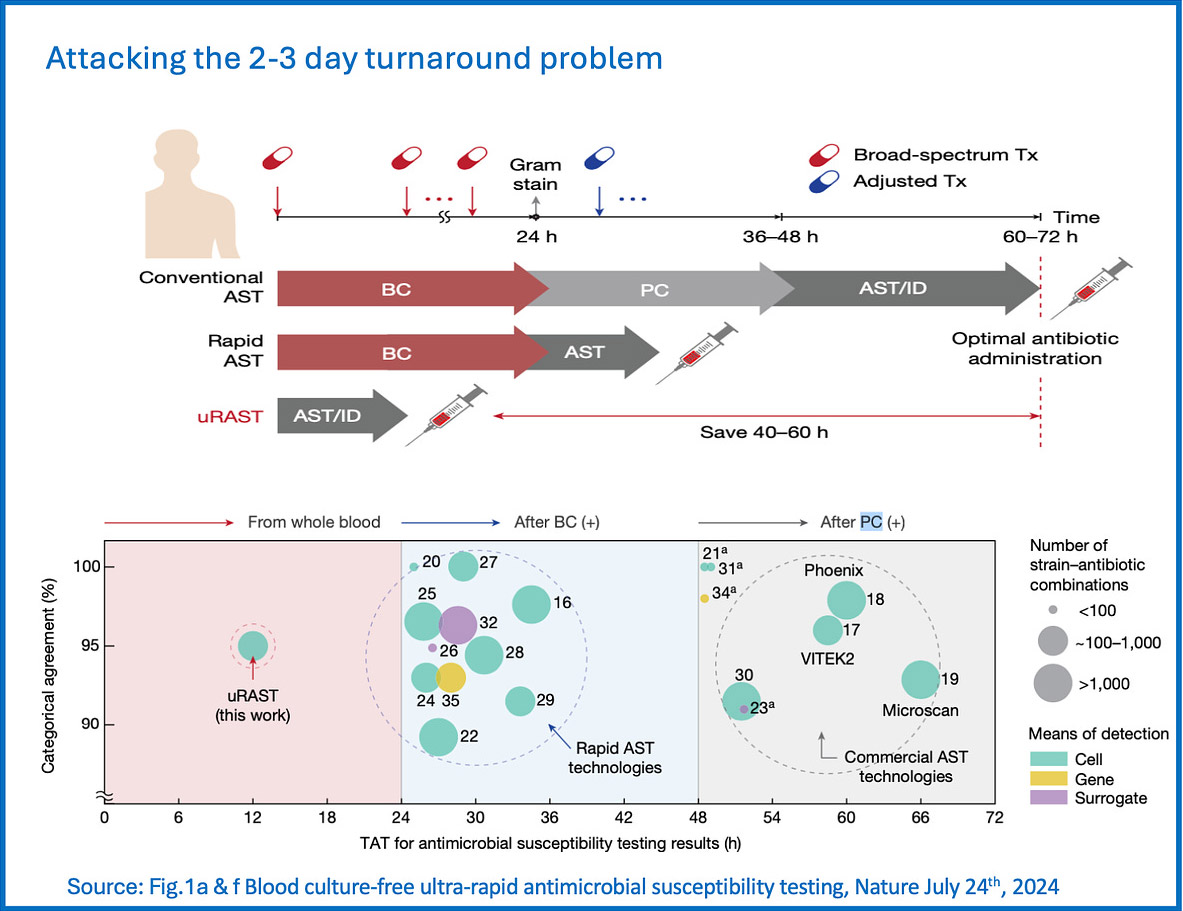
Last week a study in Nature presented a technique named ultra-rapid AST (uRAST) in blood for sepsis - a life threatening fast moving systemic infection. By comparison with the UTI technique, uRAST doesn't seem exactly "ultra-rapid," as it takes somewhere between 11 and 15 hours. But that's a vast improvement from the two to three days that conventional culture AST usually takes. The challenge in sepsis is that blood contains few bacteria to test, so you have to spend a lot of time growing more bacteria in order to then test how those bacteria respond to various antibiotics. This uRAST test uses an array of techniques to render blood and pure bacterial culture (BC and PC, respectively) unnecessary (See Figure 1a below).
Commentary: Many commercially available diagnostics exist to address the 2-3 day turnaround problem, but adoption has been disappointing. This Nature paper provides an interesting competitive overview in its Fig.1f. Which option will provide the most appealing combination of completeness, speed, and cost is yet to be clear.
| |
These Flock regulars are always here for you: | |
In coming weeks: we'll be sharing more investigative articles from our roving reporter William George, original writing from Flock favorite Dino DeConcini, and an update on the Marolt brothers' coming expedition to Argentina. | |
Don't Be Shy: Share Your Stories! | |
I'm looking forward to sharing more of your personal stories - oral, written, or otherwise, as we enter our third year. I'd so love to present them to The Flock, hit a mailbox below to share your story. | |
Subscriptions & Idea Submissions
Reminder: Your submissions are always welcomed. | |
|
Feel free to forward this email to a friend. If this was forwarded to you and you would like to receive your very own Flock Newsletter, you can sign up here. If you have any questions or suggestions for future Flock resources, don't hesitate to contact me.
Your fan and friend,
Beth
| | |
The information and materials contained or referenced in this newsletter are for informational purposes only and not intended to be a substitute for professional medical advice, diagnosis, or treatment. Always consult a physician or other qualified medical professional with any questions you may have regarding a medical condition or treatment and before beginning a new health care regimen. Do not disregard professional medical advice or delay seeking medical advice or care based on anything contained in this newsletter. | | | | |