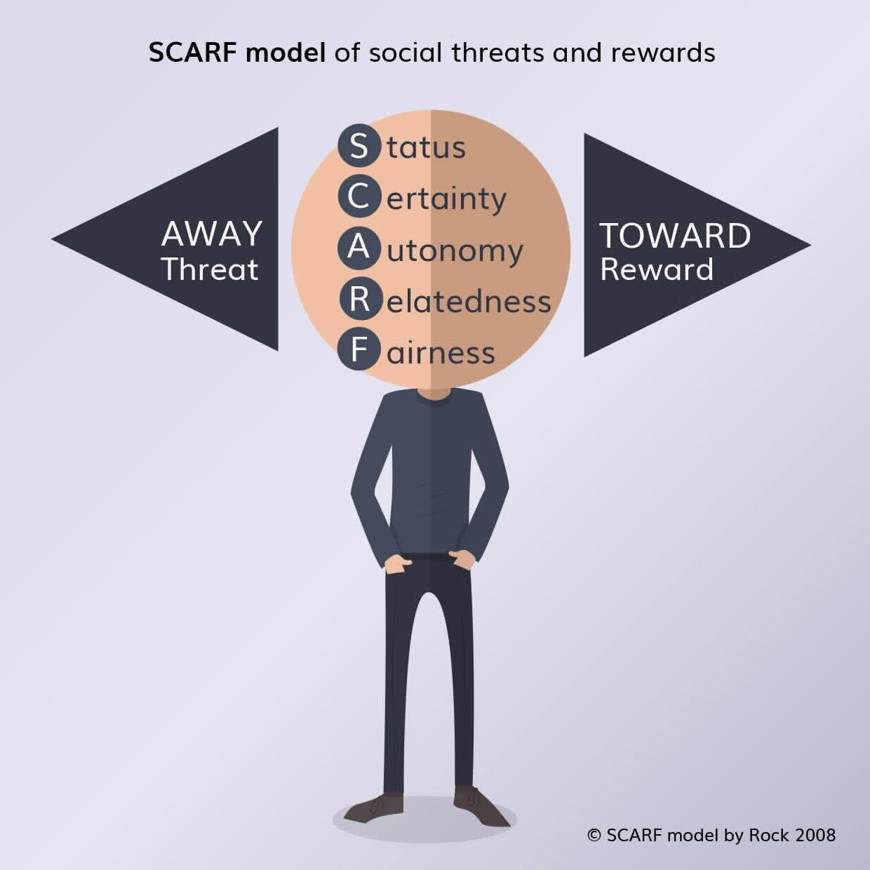
In my previous e-newsletters, I've been exploring David Rock's SCARF Model which is a way to understand how and why we perceive things as threats or rewards. So far, we've covered how threats and rewards to our Status, Certainty, Autonomy, and Relatedness can impact our responses to situations. This month I saved the best for last (LOL), partly because it is listed as the last aspect of David Rock’s model, but also because I see this as the most threat-triggering of the aspects of SCARF.
This month I'll look at the "F," which stands for Fairness.
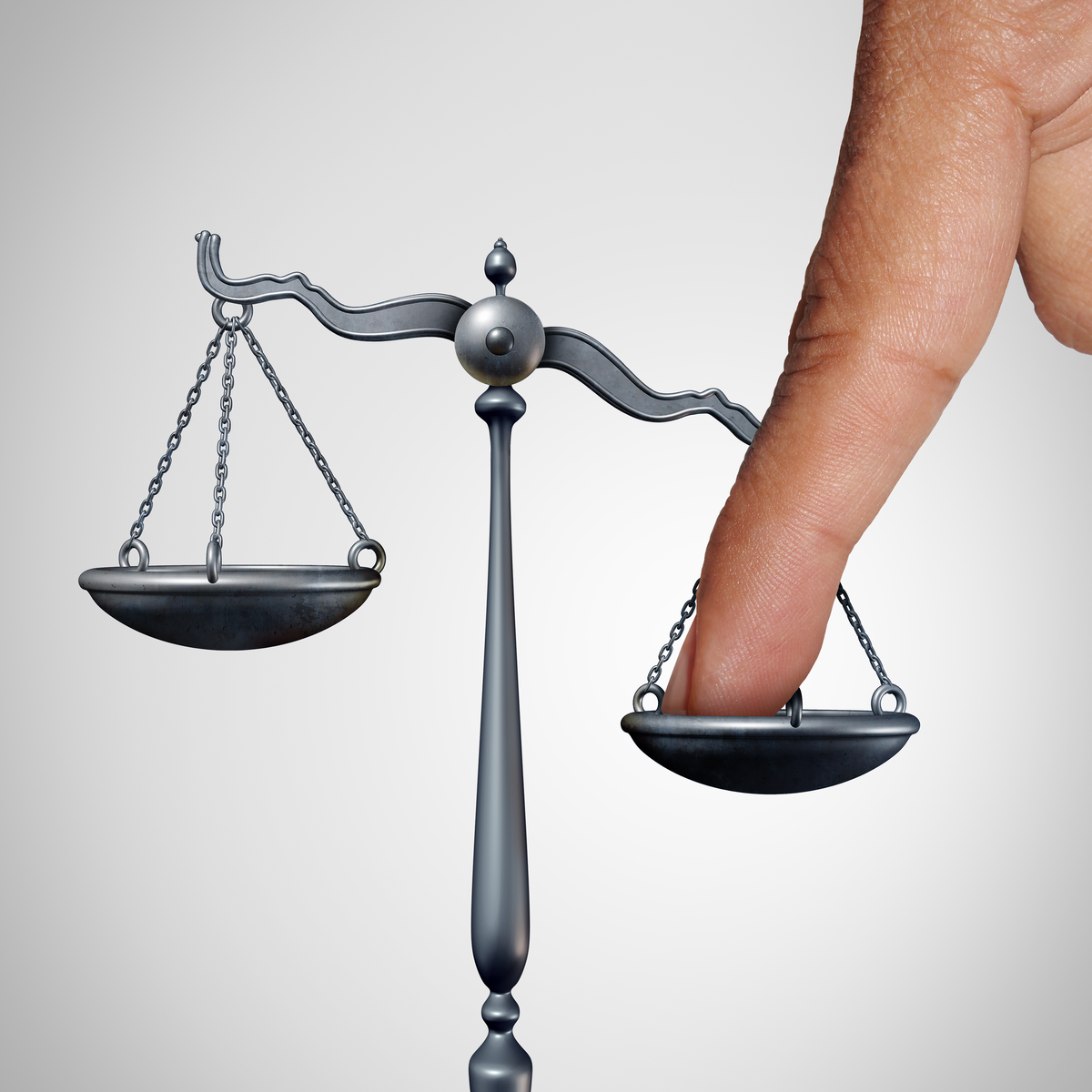
David Rock describes the Fairness aspect of the SCARF Model as "our sense of justice and right and wrong. It's our perception of whether we have been dealt with fairly." Wow. I'd say a lot of brains are in threat mode these days due to their sense of fairness being triggered.
As the youngest of five children in my family, I can attest to the fact that at any given point in time, the topic of fairness was front and center in some way. My older siblings were convinced that I always had the advantage because I was the youngest and they often felt that my parents gave me preferential treatment. But I also saw it among the four of them as well. This belief stayed well into adulthood and has definitely impacted our sibling relationships.
From a young age, we begin to identify situations as fair or unfair primarily based on whether we feel others are benefiting from an action more than we are. “It’s not fair” is the battle cry of kids everywhere when they believe others to be getting something better. And oftentimes the inequity is real - so the concern can't be cast aside without some exploration of what's going on.
If you want to get to the heart of a conflict, particularly in the workplace, the first place I recommend exploring is whether the parties involved are feeling a threat to their fairness. If the conflict has been triggered around fairness, discipline is not going to resolve the issue because their brains are already in “fight or flight” mode. Discipline will actually exacerbate the issue in this instance.
As with the other aspects of the SCARF model, when a threat to fairness is triggered, the emotional system in our brain takes over. This emotional response can overpower our thinking brain and makes rationalizing the situation practically impossible.
“Results from a meta-analysis showed that perceptions of unfairness in the workplace can negatively affect employees’ physical and mental health (Robbins, Ford, & Tetrick, 2012).
So how can you diffuse the situation when someone’s sense of fairness has triggered them into threat mode?
- Whether you are the person who is tasked with managing conflict between two people or you are involved in the conflict, it is vital to be able to facilitate the conversation to allow those involved in the conflict to recognize what is triggering them. This is probably one of the most difficult things to do in managing conflict because often people don't have the language to truly understand why they are upset so they just will say “I’m mad” instead of identifying the action that has triggered their fairness threat. Expressing what they are feeling can make some people feel vulnerable, which will prevent them from truly identifying what the core issue is. “Increasing the perception of fairness and reducing unfairness will promote satisfaction and wellbeing, especially in social situations in which sensitivity to interpersonal equality and inequality is heightened.” (Rock & Cox, 2012).
-
Understand that perception of unfairness is real to the person experiencing it. It can be easy to disenfranchise someone who makes claims of unfairness because you aren't experiencing it. When you ignore someone who feels they are losing something – especially if they perceive someone else is unfairly gaining something – the threat response of that person increases. Instead, use Appreciative Inquiry to ask questions and learn more about why the person feels they have been treated unfairly. Sometimes, just feeling heard is enough to lower a person’s threat response in their brain which then allows their “thinking brain” to engage and have a conversation about the situation.
Remember that social threats can trigger a similar response in the brain as a physical threat.
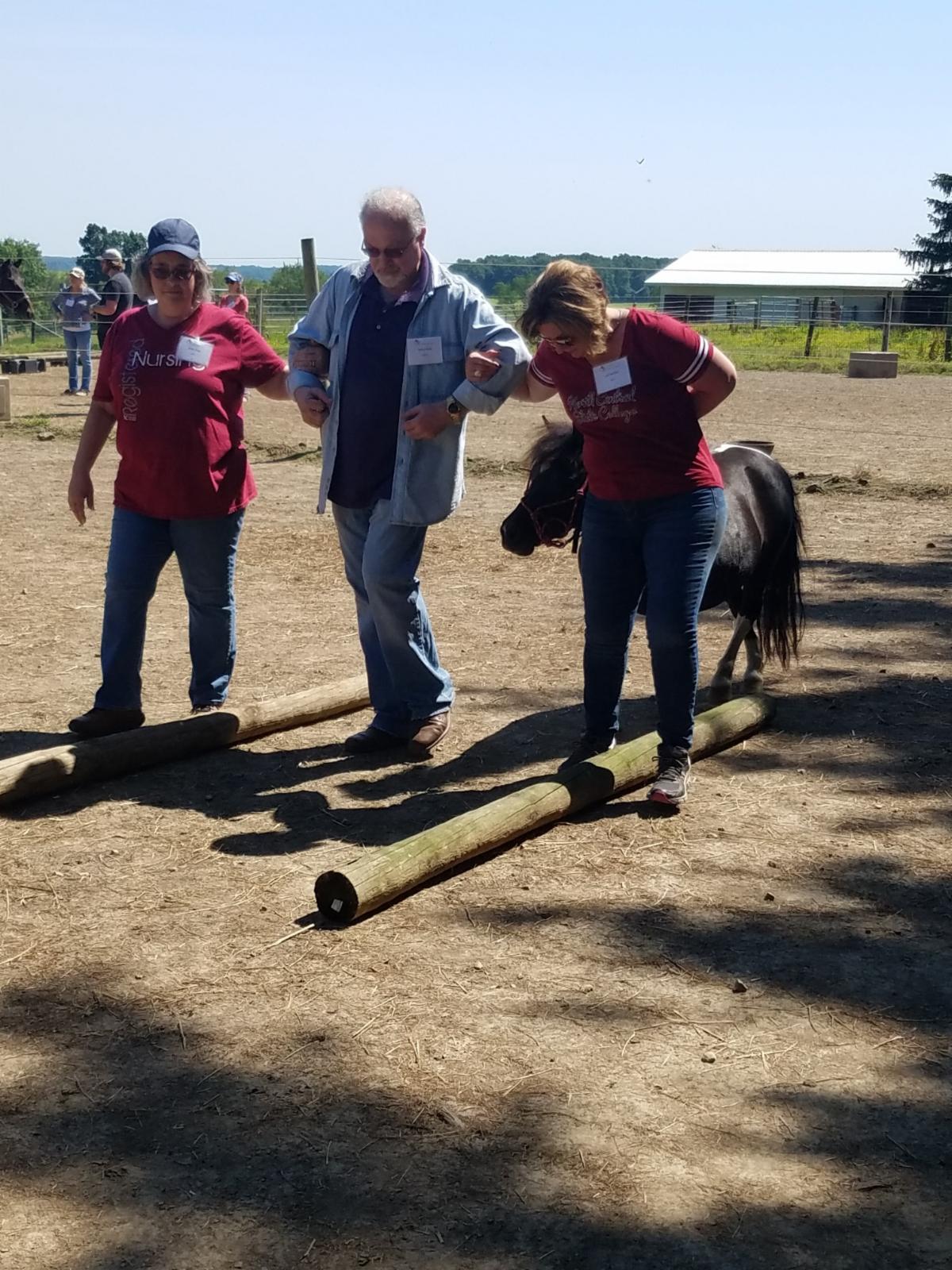
Organizational teams that understand this are more likely to overcome chaos and return to working as a unified group that performs at a high level.
Stay safe and keep moving forward!
Ginny, Wager, Dolly, Gia, Cookie & Carmel