Top of Mind


Bridging the Gap: Why Increasing Black Representation in Medicine Matters for Health Equity

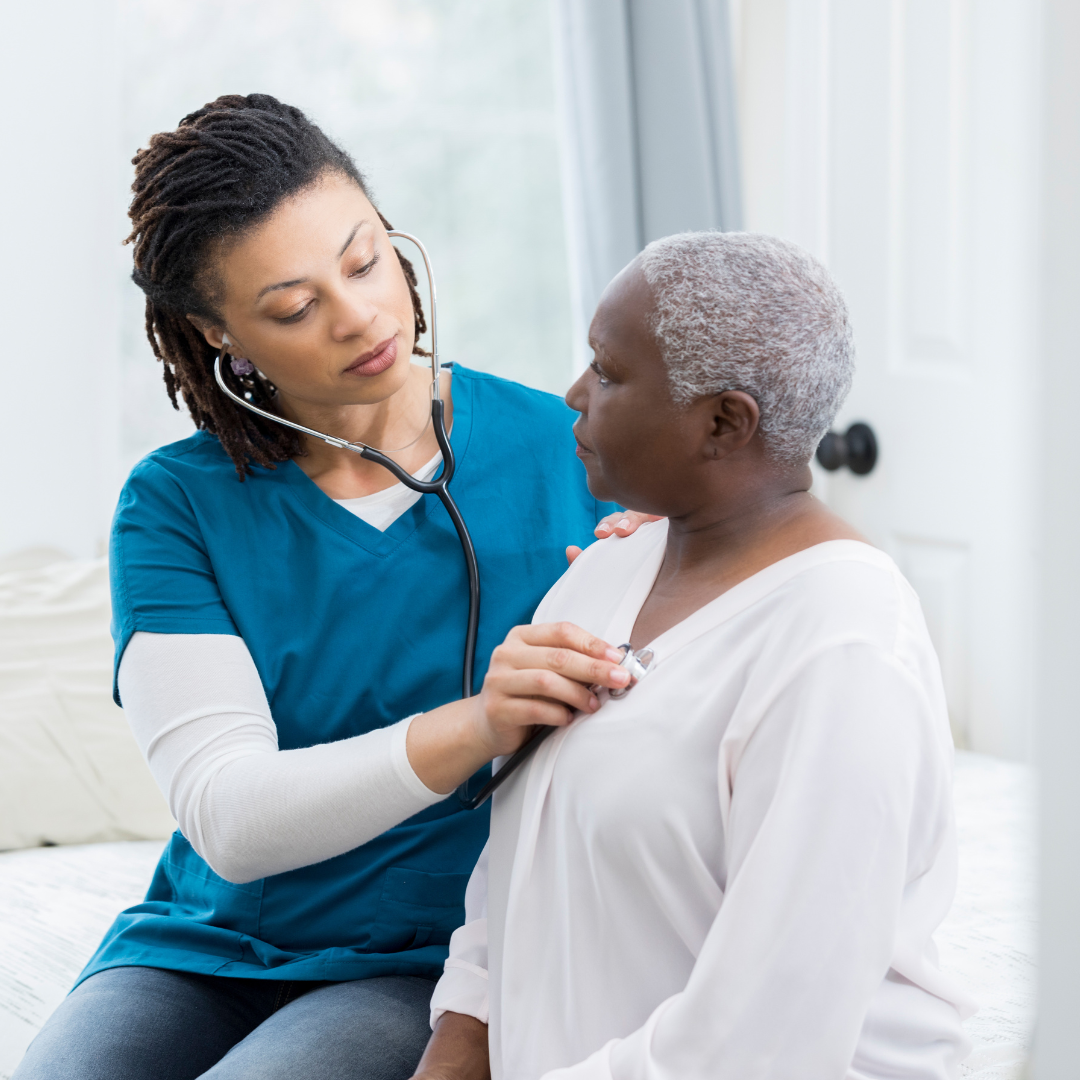
You might be surprised to find out that the percentage of African American physicians today is the same as it was 100 years ago. Why does this matter? Well, understanding cultural nuances is super important for health outcomes, and for Black patients, having providers who look like them is key to building trust and effective communication. Studies show that when a Black Community has a Black Doctor the health outcomes are better.


Organizations like the National Medical Association (NMA) are working hard to raise awareness about this issue. Even though medical schools have tried different initiatives to tackle the problem, progress has been pretty slow and often not enough. For example, there is still a noticeable lack of Black faculty outside of historically Black medical schools, which limits mentorship for aspiring Black medical students. 


On top of that, we have not seen a significant rise in the number of medical students, especially among Black males, in recent years. This stagnation is not just about numbers; it affects the diversity of thought and experience in medicine, impacting the overall quality of care for Black patients. To be effective, we need a united effort from medical schools, healthcare organizations, and policymakers to create a more inclusive environment that encourages a diverse new generation of healthcare professionals. You might not think this situation affects you until one of your children says, “I want to be a medical doctor.”

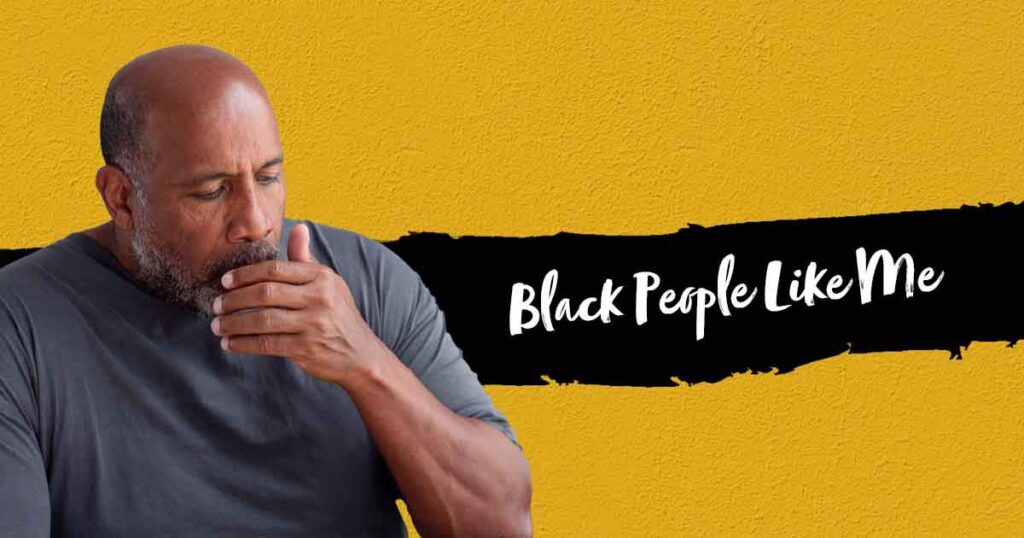
Join the Allergy & Asthma Network’s 2024 Black People Like Me Virtual Conference Series!

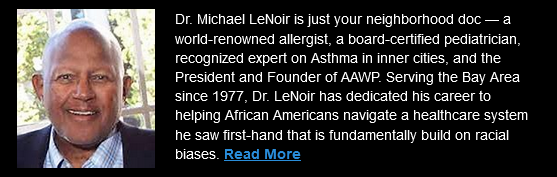
Dr. Michael LeNoir and the African American Wellness Project (AAWP) invite you to participate in the Black People Like Me virtual conference series throughout 2024, designed to tackle ongoing disparities in care for the Black community living with allergic, respiratory, and skin diseases.


Next Up: Session 3 – Addressing COPD in the Black Community: Risks, Resources, and Health Equity


Chronic Obstructive Pulmonary Disease (COPD) disproportionately impacts the Black community, with individuals less likely to receive a formal diagnosis and facing higher hospitalization rates. Why do these disparities exist, and how can we change the narrative for better health outcomes? In this critical session, we’ll explore the risks, challenges, and actionable steps toward achieving health equity in COPD care.


This is your opportunity to learn, engage, and advocate for better representation and research in respiratory health for the Black community.


🗓️ Event Details:


Let’s work together to bridge the gaps in healthcare and make a real difference!

AND BLACK AMERICA

Black Americans Often Denied MRI in Workup for Prostate Cancer


Any Black male who is being worked up for Prostate Cancer needs to have an MRI before the biopsy. While it may not be better at identifying real Prostate Cancer, it does seem to be better at ruling out non-cancers. This is a much more comfortable process for most men than a systemic biopsy.


This is but one test but as I review the literature it becomes much clearer to me that people of color are often missing, for whatever reason, the necessary screening and follow-up exams that result in poor outcomes for many diseases. Of course, we must consider that many of the screens and treatments that we need are not ordered as frequently for Black people. But if they are working you up for Prostate Cancer. GET THAT MRI!

You Think We Have a Great Health Care System, Think Again


The United States faces a critical challenge in meeting a fundamental duty of any nation: preventing unnecessary suffering and death. When it comes to individual health and overall well-being, the U.S. is falling behind. This was highlighted in the Mirror 2024 report, the Commonwealth Fund’s latest assessment of health systems in ten high-income countries, which examined the impact of the COVID-19 pandemic.

READ MORE

How to Manage Chronic Spontaneous Hives


Chronic spontaneous urticaria is an inflammatory skin disease associated with medical and psychiatric comorbidities and impaired quality of life. It is the most frequent problem I see as an allergist. Many doctors ignore it, but it has a tremendous impact on quality of life. African Americans often face disparities in diagnosis and treatment for this condition. These differences can stem from several factors, including access to healthcare, cultural perceptions of symptoms, and a lack of representation in medical research, which can lead to variations in the quality of care received.

READ MORE

COVID Update


On June 27, 2024, the Advisory Committee on Immunization Practices recommended 2024–2025 COVID-19 vaccination with a Food and Drug Administration (FDA)–authorized or approved vaccine for all persons aged ≥6 months. In August 2024, the FDA approved and authorized the Omicron JN.1 lineage (JN.1 and KP.2), 2024–2025 COVID-19 vaccines by Moderna and Pfizer-BioNTech (KP.2 strain) and Novavax (JN.1 strain).

Boosting brain power starts with smart food choices! Research shows that certain foods can support memory, focus, and overall cognitive health. Leafy vegetables, such as spinach and kale, are rich in vitamins and antioxidants that promote brain health. Omega-3-rich fish like salmon and trout support mental clarity and may even lower the risk of cognitive decline. Beans provide steady energy to the brain through a good dose of fiber and protein, while berries—especially blueberries and strawberries—are packed with antioxidants that fight oxidative stress in the brain. Adding these foods to your diet is a simple way to help keep your mind sharp and focused!

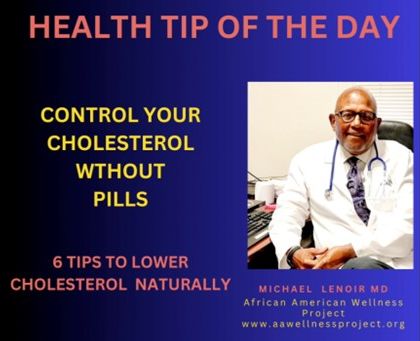
Lowering cholesterol naturally is possible with a few lifestyle changes that can make a big difference. Here are six tips to help reduce cholesterol without medication:

  1. Eat Heart-Healthy Fats
  2. Boost Fiber Intake
  3. Stay Active
  4. Eat Omega-3 Fatty Acids
  5. Reduce Saturated Fats
  6. Limit Sugar Intake


Implementing these changes can support healthier cholesterol levels naturally.

For more information, go to our website at www.aawellnessproject.org. or listen to our podcast at Blackdoctorsspeak.org on any podcast platform.

Please consider donating to help fund programs like the Ethnic Health Report, the Black Doctors Speak Podcast, and the FB Lives & panels.

$31.25 = 1 EHR Email | $500 = 1 BDS Podcast | $5,000 = 1 FB Live/Panel

HELP FUND THE ETHNIC HEALTH REPORT

DR. MIKE'S ETHNIC HEALTH REPORT

SUBSCRIBE TO THE ETHNIC HEALTH REPORT
ABOUT THE EDITOR
X Share This Email
LinkedIn Share This Email


The African American Wellness Project

Website

Facebook  Instagram  X  LinkedIn  YouTube

This Newsletter is Sponsored in Part by 7 Teepees