|
Islamic State’s Global Strategy: November 2024 Analysis
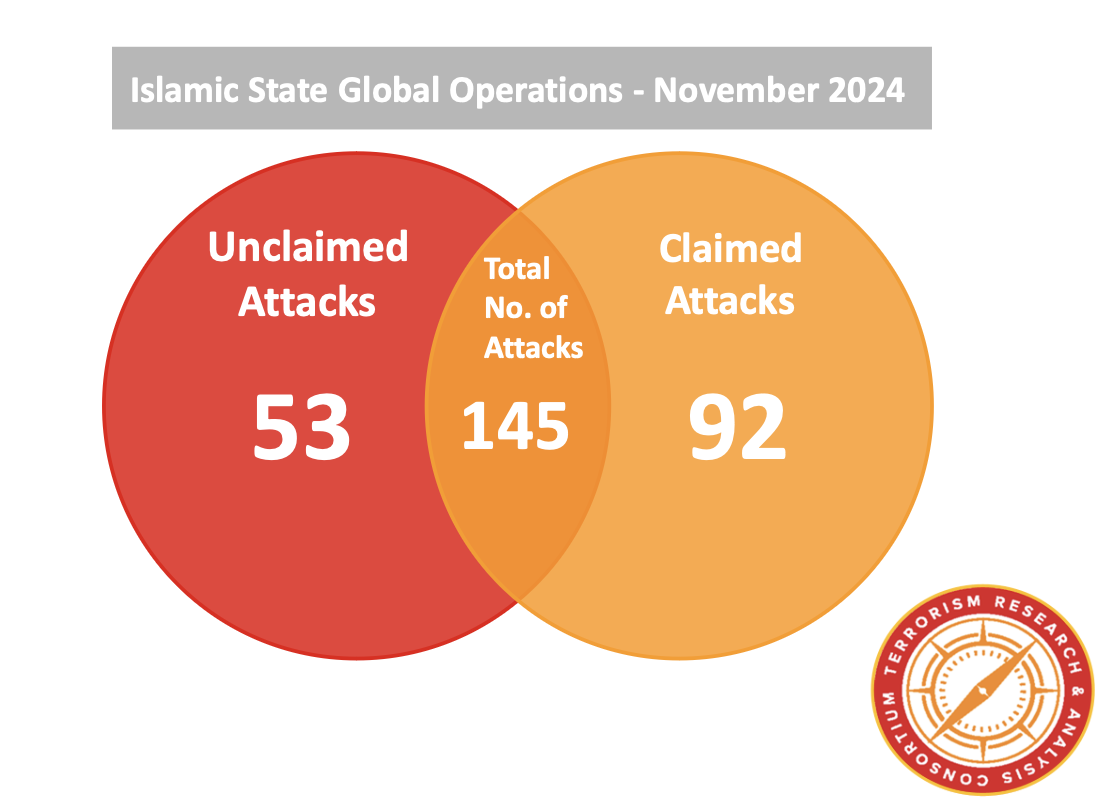
In November 2024, Islamic State (IS) demonstrated a calculated balance between operational resilience and strategic discretion, reflecting a nuanced adaptation to counter-terrorism pressures across its active theatres. Although IS reported a slight decrease in claimed operations—92 compared to 103 in October—this reduction does not indicate weakening. Instead, it underscores IS’ tactical use of “deliberate silence” to obscure its activities and intentions. By doing so, IS protects its operational cells, conserves resources for high-impact attacks, and maintains an aura of latent threat that sustains psychological dominance over adversaries.
Key Operational Trends
Global Activity
IS’ deliberate silence is complemented by a rise in unclaimed attacks, increasing from 47 in October to 53 in November. This highlights its enduring capacity to execute operations while strategically minimising public exposure. Selective attack claims, particularly in Afghanistan, where only one operation was officially reported this month, are designed to confuse adversaries, complicate intelligence gathering, and conceal IS’ actual strength and priorities.
Iraq and Syria
Syria: IS displayed tactical flexibility by leveraging the redeployment of adversary forces, such as the Syrian Arab Army (SAA) and allied militias, to Aleppo. This shift created security vacuums in central Syria, enabling IS to escalate ambushes and infrastructure sabotage along strategic routes, including the M7 highway. The apparent relocation of IS bases from Homs to ar-Rusafah highlights its ability to redistribute resources without relinquishing core territories like Deir Ezzor and Homs.
Iraq: IS sustained a low-intensity insurgency through opportunistic tactics, such as IED bombings targeting security forces along key roads. This restrained approach suggests Iraq remains a secondary theatre for IS while its primary resources and focus remain concentrated in Syria.
Regional Updates
West Africa: ISWA
Islamic State West Africa (ISWA) escalated its insurgency by conducting more complex, large-scale assaults in Nigeria, signalling a shift from its traditional reliance on smaller ambushes and IED attacks. Notable incidents, such as the burning of an oil tank in Munguno, represent ISWA’s alignment with IS’ broader strategy of targeting critical economic assets. These high-profile operations undermine Nigerian security forces’ morale and operational effectiveness while bolstering ISWA’s visibility and recruitment efforts. This operational feedback loop—acquiring weapons and resources during such attacks—positions ISWA for more destructive engagements in the future.
Mozambique: ISM
Islamic State Mozambique (ISM) intensified its operations with 17 attacks in November, strategically targeting Christian communities south of the R760 highway while sparing Muslim populations. This dual strategy of terror and outreach embeds ISM within local Muslim communities through material support and religious indoctrination. Concurrently, ISM exploits the sparse security presence along key highways to maintain mobility and logistical superiority. Its focus on isolating administrative hubs like Pemba underscores a long-term objective to consolidate its grip on Cabo Delgado, which could dramatically escalate the insurgency if successful.
Strategic Implications
IS’ global strategy reflects a sophisticated balance between regional adaptability and overarching goals of destabilisation and state capacity erosion. Key observations include:
Selective Attack Claims: By selectively claiming operations, IS minimises exposure to counter-terrorism efforts while preserving its operational capacity and maintaining the perception of unpredictability.
Economic Disruption: Targeting critical infrastructure, particularly in Syria and Nigeria, aligns with IS’ broader goal of economic warfare to destabilise governments and undermine public confidence.
Tactical Adaptability: IS consistently demonstrates an ability to redistribute resources, shift operational hubs, and exploit adversary weaknesses, as seen in Syria’s security vacuums and Mozambique’s political unrest.
Forecast
In the coming months, TRAC expects the following IS activities in its different theatres:
Syria: Intensify ambushes and infrastructure sabotage, particularly in areas weakened by the redeployment of SAA forces.
Iraq: Maintain its low-intensity insurgency, preserve its networks, and wait for more favourable conditions to escalate.
West Africa: Balance high-profile assaults with traditional tactics like bombings while escalating attacks on economic assets such as oil infrastructure.
Mozambique: Focus on isolating and potentially seizing Pemba, leveraging political instability to expand its influence southward into neighbouring provinces like Nampula.
| | |
TRAC Incident Report: Hayy’at Tahrir al-Sham (HTS) Advances in Syria & Receives Congratulations from al-Qaeda Francises Across the Globe
| |
|
In just nine days, rebel forces led by Hayy’at Tahrir al-Sham (HTS) captured Syria’s second and fourth-largest cities, Aleppo and Hama, in a rapid and coordinated offensive. Aleppo fell in three days, with HTS securing most of the city by November 29, 2024. By November 30, HTS forces had reached the outskirts of Hama without encountering serious resistance. A brief defence by the Syrian Arab Army (SAA) at Qimhanah, a stronghold on the M5 Highway north of Hama, on December 1-2, included counteroffensives at Tayyibat al-Imam and al-Buwaydah. However, HTS avoided confrontation on the M5 and instead encircled Hama by December 3-4, securing strategic positions like Kafraa mountain and cutting off critical routes, including highways 45, 56, and 35. On December 5, HTS launched a multi-pronged assault, and by evening, it announced complete control of Hama, its airport, and nearby high-value targets such as the Zain al-Abidin mountain.
Collapse of SAA Resistance
The SAA withdrew from Hama with minimal resistance, a pattern reminiscent of its earlier retreat from Aleppo. Combat footage from Hama was scarce, with HTS triumphantly parading through government buildings, the city’s iconic norias, and prisons. HTS leader Abu Muhammad al-Joulani made high-profile visits to Aleppo and Hama within days, disproving all rumours around his alleged death, underscoring SAA’s failure to target HTS command. Meanwhile, HTS drone operations, likely supported by Turkish expertise and intelligence, targeted SAA operational hubs effectively. HTS also secured the Ismaili-majority city of Sulaymiyah through negotiated agreements, avoiding direct conflict.
Unlike the prolonged urban sieges seen earlier in the Syrian conflict, such as in Aleppo (2012-2016) and Eastern Ghouta (2013-2018), HTS has employed a swift and calculated approach. The fall of Hama, a city with symbolic significance as the centre of the 1982 Muslim Brotherhood revolt, marks a significant victory for Sunni Islamist movements.
Strategic Focus on Homs and Beyond
Even before entirely securing Hama, HTS declared its intentions to advance on Homs, reaching areas near Rastan on the Orontes River before Russian airstrikes targeted the town’s bridge to delay their progress. Homs is pivotal; its capture would sever the coastal governorates from the rest of government-controlled Syria and create a direct route to Damascus. The coastal region, predominantly Alawite and hosting Russian military bases at Hmeimim and Tartous, may become a final stronghold for the SAA if HTS continues its advance.
The SAA’s decision not to reinforce Hama suggests a strategic prioritisation of Homs, indicating that it plans to stand there. However, given its repeated withdrawals, whether the SAA can effectively regroup remains uncertain. HTS appears intent on maintaining its momentum, likely securing a bridgehead across the Orontes to enable further advances.
HTS's al-Qaeda Connections
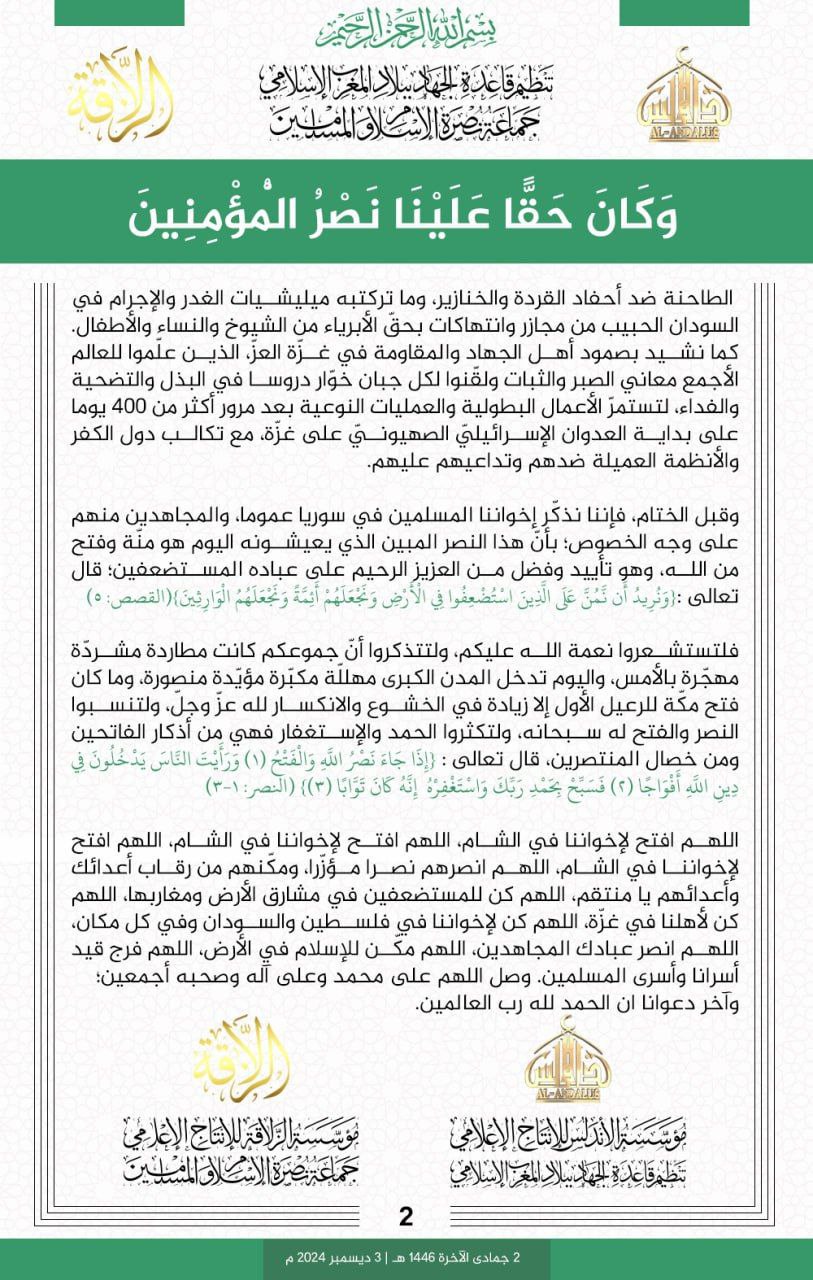
While HTS projects itself as a legitimate political and military entity, it has received public congratulations from various al-Qaeda franchises, including AQIS, JNIM, and AQIM, underscoring its enduring ties to global jihadist networks. Even though HTS continues to present itself as a legitimate governing agency, the people of Idlib have been completely unhappy under Joulani's rule. The fact that most major al Qaeda franchises issued formal letters of congratulations, only confirms that HTS has never dropped its jihadist's roots and continues with the same ideology. The same mistakes were made with the Taliban in Afghanistan and we should all be well aware of what HTS is hiding.
Implications of HTS Advances for Islamic State (IS) in Syria
The rapid advances of HTS and the SAA’s corresponding losses provide a strategic opening for Islamic State (IS) to reassert itself in Syria. With HTS capturing Aleppo and Hama and advancing toward Homs, the SAA is overstretched, leaving peripheral regions under-defended. This vacuum creates ideal conditions for IS, which thrives in chaotic environments. The group can now leverage its sleeper cells and insurgent tactics to infiltrate and destabilise areas previously contested by the SAA or other forces. Homs’s strategic and symbolic importance makes it a particularly enticing target for IS, as gaining influence there would highlight its resilience and ability to exploit shifting battle lines.
IS will likely focus on peripheral and under-guarded zones, avoiding confrontations with HTS or concentrated SAA defences. IS can weaken its opponents by conducting hit-and-run attacks, ambushes, and targeting rival factions while consolidating control with minimal resource expenditure. Additionally, sectarian tensions in central Syria, particularly around Homs, offer IS opportunities for recruitment and incite further instability. These dynamics enhance IS’ operational capabilities and strengthen its propaganda narrative as a group that thrives amid chaos. With international attention focused on HTS and no coordinated campaign targeting IS in these regions, the group has a rare chance to regroup, rebuild networks, and expand its influence, potentially complicating future stabilisation efforts in Syria.
| |
TRAC Incident Report: Bandits Plant Explosives and Destroy Bridge, Killing One in Retribution for Killing of Leader Sani Black, Maru LGA, Unguwar Galadima, Nigeria | |
|
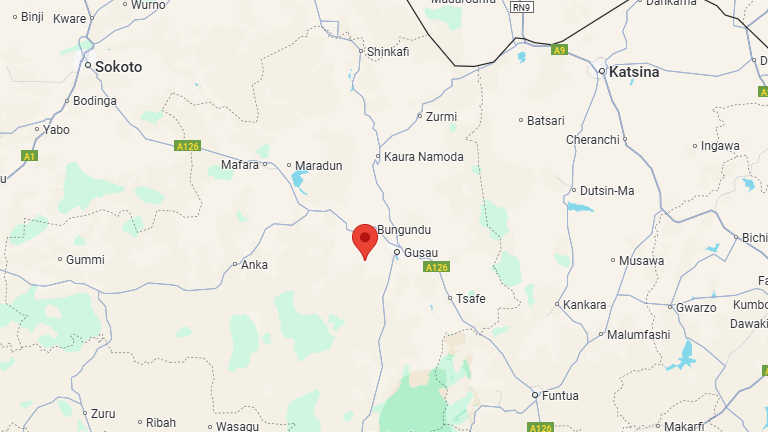
On 01 December 2024, suspected Sani Black loyalists (Bandits) detonated an explosive device, destroying a bridge in Maru LGA during a failed attack on Unguwar Galadima. The blast, intended to obstruct military access, killed an unidentified driver crossing the bridge, incinerating the vehicle and its occupant. This incident underscores the alarming evolution of bandit groups in northern Nigeria, who are now deploying improvised explosive devices (IEDs)—a significant escalation in their operational capabilities.
The use of IEDs by bandit groups marks a dramatic shift, reflecting their growing sophistication and access to advanced weaponry. Historically, these groups relied on rudimentary methods and small arms for raids and kidnappings. The introduction of explosives signals not only their increasing financial resources, likely bolstered by ransom payments and illicit trade, but also access to international arms trafficking networks. The ability to destroy a large bridge requires technical expertise and sufficient resources—factors beyond the reach of such groups just a few years ago.
This development has critical implications for regional security. IEDs are typically associated with groups like Islamic State West Africa (ISWA) and Boko Haram; their adoption by bandits signifies a dangerous convergence of tactics that can further destabilise northern Nigeria. As seen in Maru, the strategic use of such devices allows these groups to block military reinforcements, expand their territorial control, and disrupt critical infrastructure, amplifying their threat.
The emergence of IED use among bandit groups, possibly sourced from Sahel-based arms traffickers or conflict zones like Libya and Sudan, marks a troubling escalation in their capabilities. This development not only complicates counter-banditry efforts but also threatens regional stability by introducing sophisticated and lethal tactics. A second bombing occurred just days after the first, with authorities attributing it to the newly formed Lakurawa Group, though TRAC has reasons to doubt this attribution.
| |
TRAC Insight: Azawadi Militants Reform Once Again, Pivoting From Strategic Framework for the Defense of the People of Azawad (CSP-PSD) to Azawad Liberation Front (FLA) in Tinzaouatine, Kidal Region, Mali | |
|
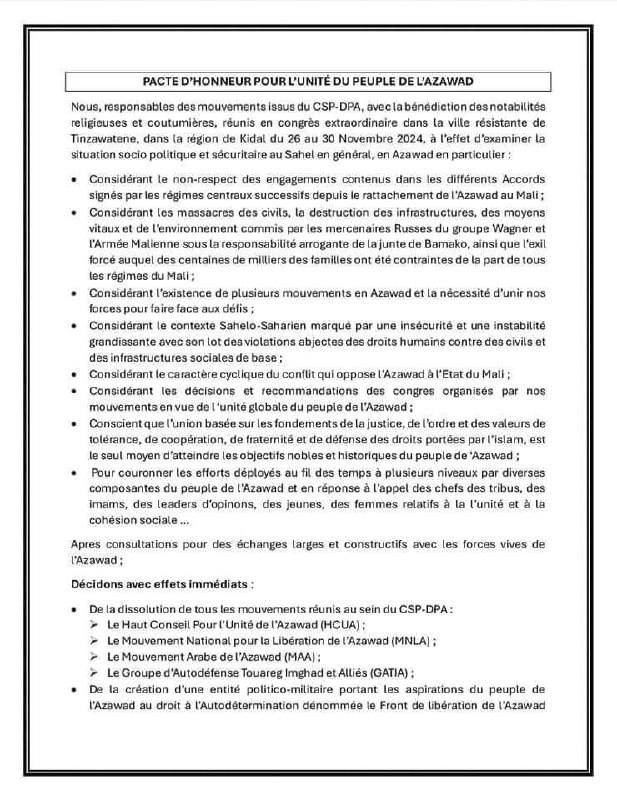
This marks the second time in approximately a year that Azawadi militants have undergone a reformation. They transitioned from their previous banner under CAM/CMA, which was abandoned after their defeat in Kidal, to the CSP-PSD framework. This rebranding underscores the adaptive nature of the Azawadi militant movement, which functions much like a chameleon—shifting its colours to suit its immediate strategic needs while maintaining its core structure largely intact.
Despite these periodic restructurings, the leadership and organisational makeup remain fundamentally unchanged. The shift in name and flag serves primarily as a propaganda tool rather than indicating significant internal transformation. This rebranding strategy is designed to project resilience and renew legitimacy, but it does little to alter the group’s inherent capabilities or the threat it poses to the Malian government.
Importantly, while the movement has been weakened and remains a shadow of its former self, its defining trait persists in extraordinary resilience. The Azawadi militants’ commitment to self-determination is unwavering, with Tuareg rebel groups having participated in over half a dozen conflicts over the last century. This persistence strongly suggests that the reformed movement is likely to carry out a high-profile attack soon to reassert its relevance, signalling a probable escalation in the conflict over the coming months.
The fragmented nature of the Azawadi movement is expected to persist, with individual sub-groups maintaining their autonomy to preserve flexibility. For instance, factions like GATIA have aligned with the Malian government to combat jihadist extremists, while others, such as the MNLA, continue to champion the vision of an independent Azawadi state. This coexistence of diverging agendas within the broader Azawadi Congress illustrates the intricate and evolving dynamics characterising the movement. While reflective of their strategic adaptability, the latest re-alignment underscores the enduring complexities of the Azawadi struggle, which will likely remain a significant factor in Mali.
| |
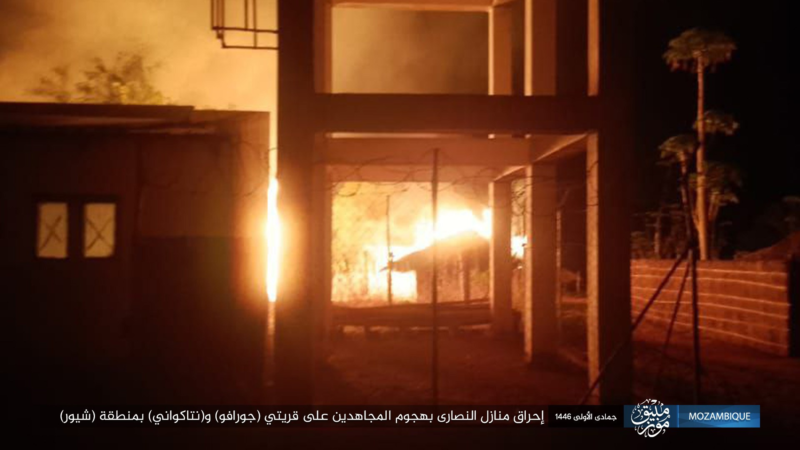
TRAC Incident Report: Islamic State Mozambique (IS-M/Shabaab Cult/Wilayat Muzinbik) Militants Led an Armed & Arson Assault on Christians in Juravo and Ntakwani, Chiure District, Cabo Delgado Province, Mozambique | |
|
On 27 November 2024, Islamic State Mozambique (IS-M) militants carried out an armed assault on Christians in Juravo and Ntakwani, Chiure District, Cabo Delgado Province. During the attack, militants reportedly burned four churches and 16 houses, escalating their campaign of terror in the region. This incident came just five days after IS-M militants captured and executed a Christian near Magaia, underscoring their persistent and targeted efforts to instil fear and destabilise communities along the southern border of Cabo Delgado.
Chiure District remains a hotspot for IS-M activity, particularly given its strategic significance. The district serves as a gateway to Nampula Province, which militants briefly entered earlier this year in a concerning demonstration of their intent to expand southward. The timing of these attacks is especially troubling, as Mozambique continues to grapple with widespread civil unrest following contested elections. The ruling party, FRELIMO, which has held power since Mozambique's independence from Portugal in 1975, claimed an overwhelming victory of 195 out of 250 parliamentary seats—a result that has sparked protests and diverted the government’s attention from security challenges. This political instability creates a fertile environment for actors like IS-M to exploit gaps in governance and security, allowing them to consolidate power and extend their influence.
Geographically, the location of this latest assault along the R760 roadway heightens its significance. The R760 runs parallel to the Lurio River, serving as the last major roadway before entering Nampula Province. This corridor acts as a de facto buffer zone, yet its vulnerability to militant activity is well-documented. Earlier this year, IS-M demonstrated their ability to utilise the Lurio River for attacks, using boats to bypass traditional security checkpoints. The absence of an adequate security response along this critical stretch allows militants to operate with impunity, threatening not only local stability but also the broader security of Nampula Province.
IS-M’s continued activity along the southern border suggests a deliberate strategy to expand its operational theatre. By targeting Christians and burning houses of worship, the group aims to sow deep divisions among communities, undermining social cohesion and further destabilising the region. This also serves their broader propaganda objectives, reinforcing their ideological narrative and attracting recruits.
| |
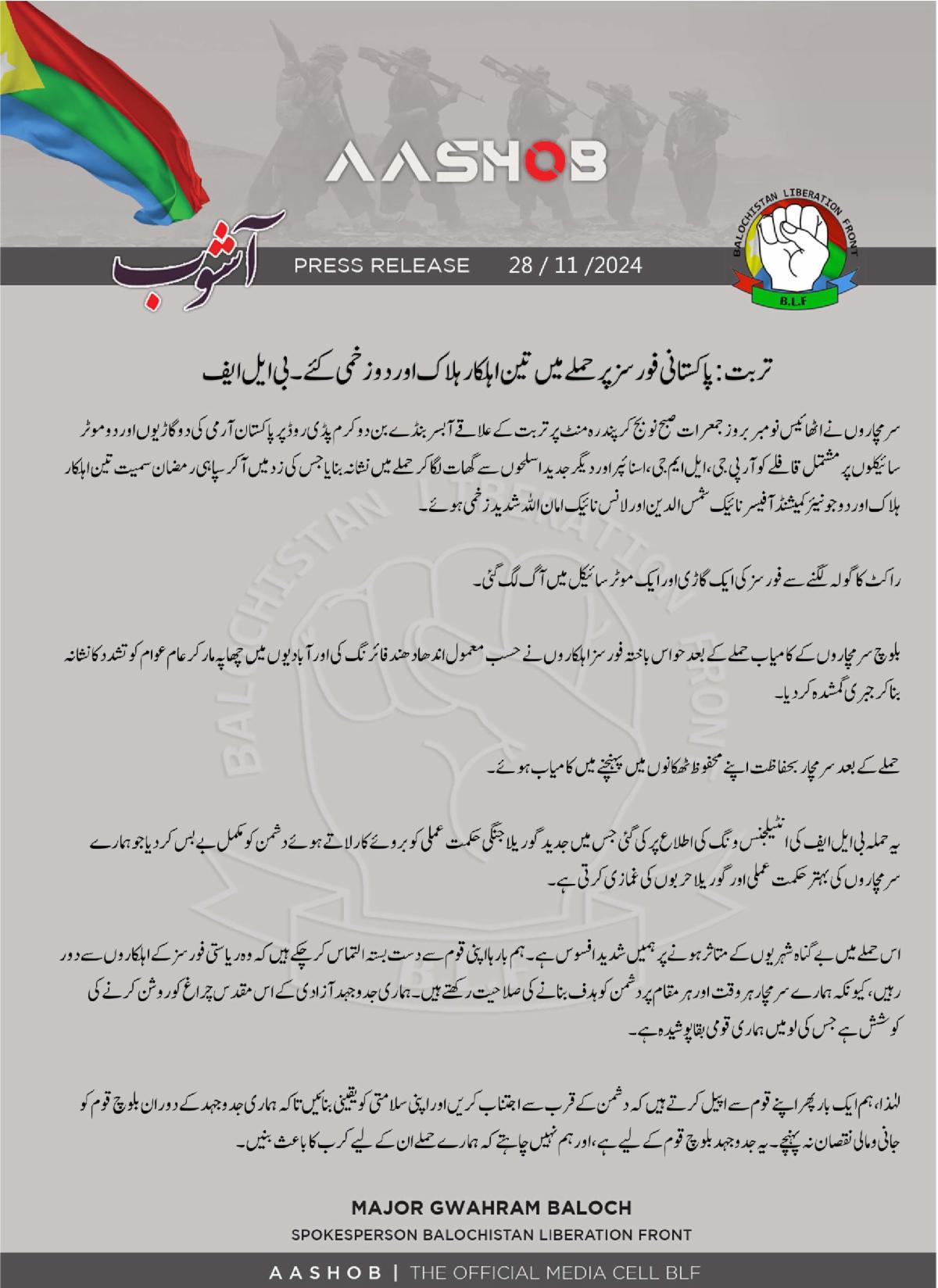
TRAC Incident Report: Baloch Liberation Front (BLF) Launch Complex Attack Using an IED & Rocket-Propelled Grenades (RPG) on Pakistani Forces in Absar Area of Turbat, Kech, Balochistan, Pakistan | |
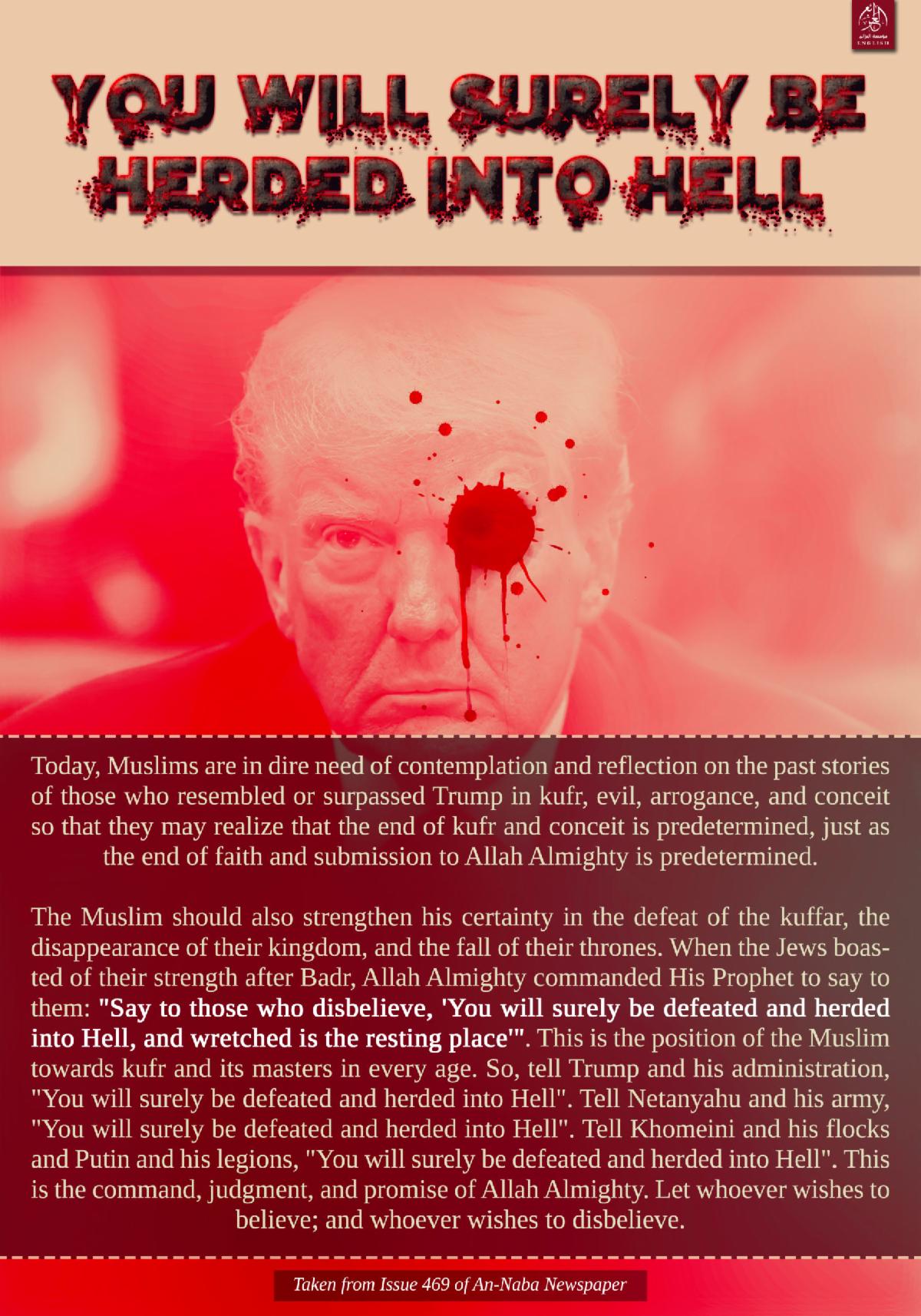
(Poster) al-Azaim Media (Unofficial Islamic State Khurasan/ISK): Al-Naba #469: ‘You Will Surely Be Herded Into Hell’ | |
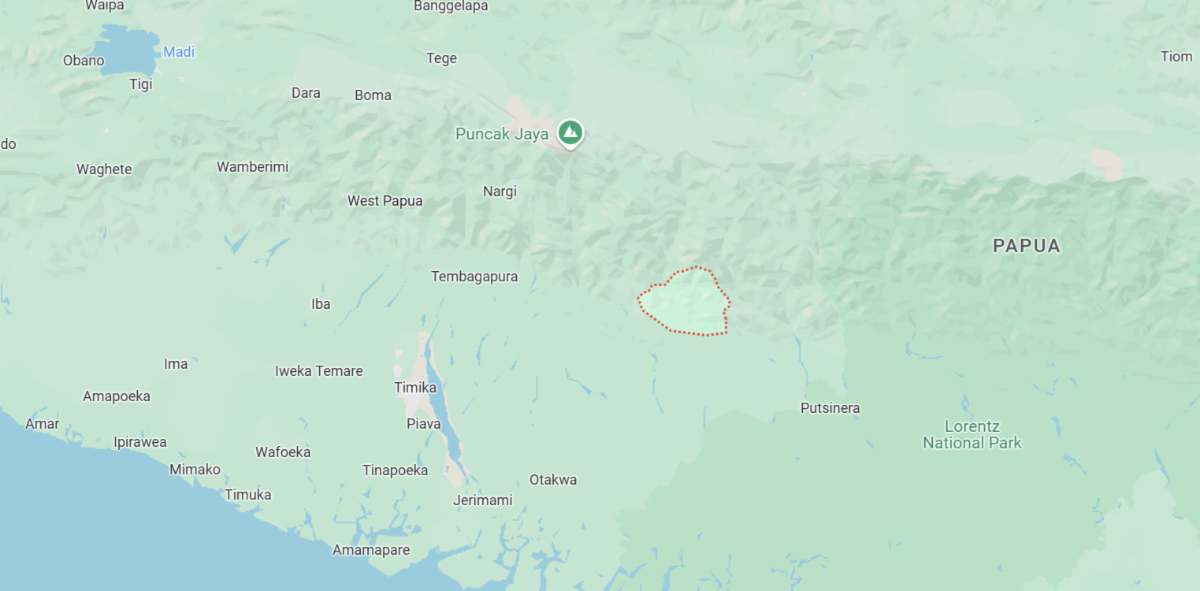
TRAC Incident Report: Indonesian Air Force Helicopter Shot Down by Suspected Free Papua Movement (OPM) Rebels in Hoya District, Mimika Regency, Central Papua, Indonesia | | | | |