Product Stewardship Updates |
|
Carpet EPR Gains Momentum - New York Bill Set to Pass |
|
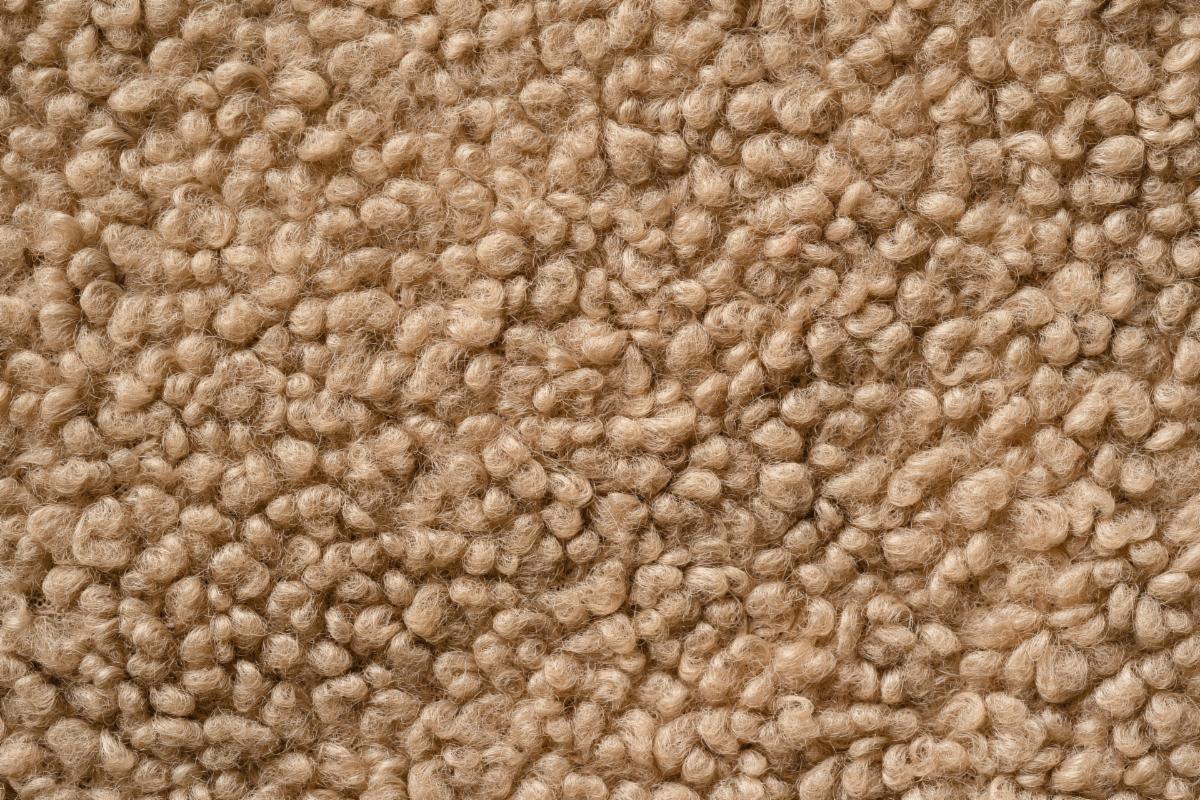
Americans discard about three million tons of carpet each year. Despite 20 years of voluntary industry initiatives to collect and recycle this product, only 9% of carpet is recycled nationwide. Carpet is a bulky waste item that takes up considerable landfill space, is costly for local governments to manage, and poses human health risks: It can release hazardous chemicals, including flame retardants and per- and polyfluoroalkyl substances (PFAS). However, carpet can be safely recycled into valuable materials used in a range of products, such as textiles, automotive parts, consumer packaging, composite lumber, and new carpet.
There is currently only one carpet EPR law in the United States: California’s law passed in 2010, and it was amended in 2017 and 2019. The law created more than 500 jobs and achieved an annual recycling rate of over 20%. This year, three state legislatures are considering carpet stewardship bills that draw on lessons learned from California’s program: Illinois (HB 4356 and SB 3040), Minnesota (HF 1426 and SF 1171; SF 4062), and New York (S 5027C and A 9279a); a reconciled New York bill is expected to be passed in both chambers and then sent to Governor Kathy Hochul for her signature. PSI's model carpet EPR bill, developed originally in 2014 and updated often, provided the basis for all three bills; PSI also supported their passage by providing expert testimony.
To advance EPR for carpet in the U.S., PSI also hosted a carpet recycling web symposium, facilitated a national multi-stakeholder carpet stewardship dialogue meeting, released a How-To Guide for Advancing Carpet Stewardship, developed a foundational Carpet Stewardship Briefing document, and produced several webinars. Suna Bayrakal, PSI’s Director of Policy and Programs, also sits on the California Carpet Stewardship Program Advisory Committee. If you are interested in learning more about PSI’s work on carpet EPR and legislative tracking, please reach out to Suna.
|
|
Ongoing Take-Back Programs Make Drugs Safer at End-of-Life |
|
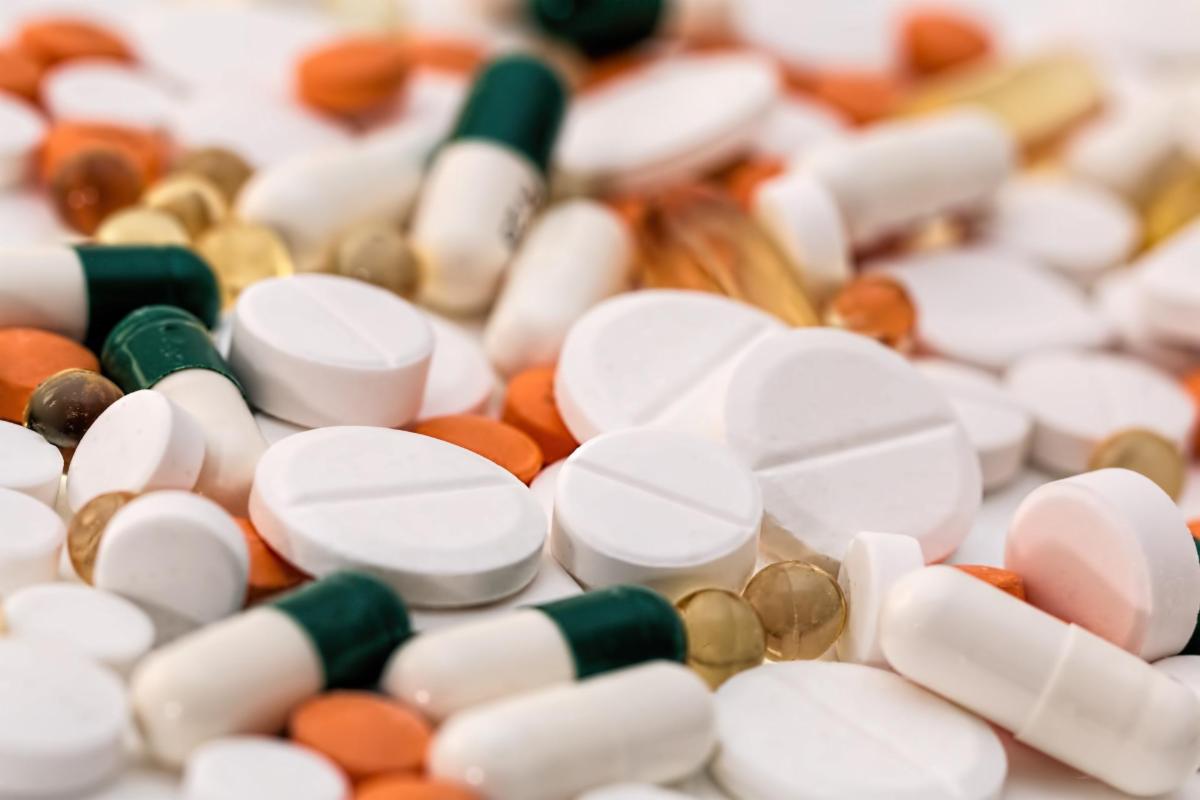
While the DEA’s twice yearly Take Back Day – which took place last Saturday nationwide – is a great way to support law enforcement’s ability to collect drugs, we know that many other locations, especially pharmacies, can be far more convenient for consumers. The Missouri Product Stewardship Council’s Pharmaceutical Take-Back and Safe Disposal Locations map makes it easy for state residents to safely dispose of medications any time of year. We hope to see a tool like this developed in Illinois, which recently joined seven U.S. states with a new law that requires drug manufacturers to pay for and manage a statewide take-back program. Together, we’re working to make drugs safer at end-of-life.
|
|
Connecticut is poised to become the first state to pass legislation that creates an EPR program for gas cylinders. HB 5142, which was championed by Connecticut State Representative Joe Gresko and Senator Christine Cohen, is now headed for signature by Governor Ned Lamont. The law will ensure that every community in Connecticut has free, convenient access to safe gas cylinder recovery; the program will be operational on January 1, 2024.
Colorado's EPR packaging bill passed the House and is now being considered by the Senate; if passed, HB22-1355 will be the first packaging EPR bill to become law this year. It is consistent with PSI's national EPR model in which producers would take a leading role in modernizing Colorado's recycling system; it also includes strong provisions to incentivize waste reduction and reuse. The bill has drawn widespread support from local governments, recyclers, environmental advocates, and even leading industry groups like the Consumer Goods Forum, the American Beverage Association, and The Recycling Partnership.
Track EPR bills and laws in our Legislation Library. This is an exclusive benefit for PSI Members and Partners.
|
|
EPR Masterclass Webinar: Packaging Redesign |
|
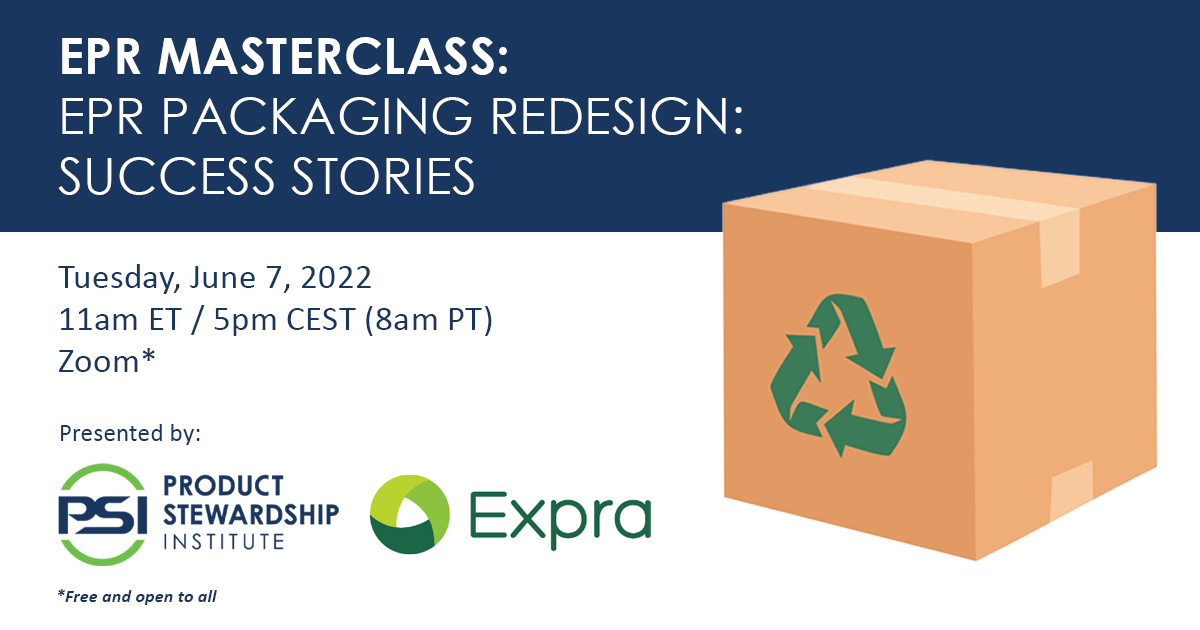
Extended producer responsibility (EPR) for packaging and paper products began 35 years ago in Europe and continues to gain momentum around the globe. EPR policies and laws have reduced waste, invigorated stagnant recycling rates to as much as 70%, increased consumer convenience, and saved municipalities significant funds. But one common critique of EPR programs is that they have not led to design changes in consumer packaging. This is changing: As policy tools like eco-modulated fees are implemented, consumer brands are beginning to redesign their packaging to be reusable, recyclable, non-toxic, made with recycled content, and circular.
Join us on Tuesday, June 7 at 11 EST (1700 CEST) for a webinar with global packaging EPR experts including Jürgen Dornheim (P&G), Feliks Bezati (MARS), Gloria Gabellini (PEPSICO) Karen van de Stadt (KIDV), and Joachim Quoden (EXPRA), moderated by Scott Cassel, PSI's CEO and Founder, with Sydney Harris, our Policy & Programs Manager, to discuss how EPR can help achieve packaging redesign and advance the circular economy. Space is limited; register today by clicking here.
|
|
Partner Spotlight: PaintCare |
|
Last weekend, PaintCare launched their 11th statewide program. Now, households and businesses in New York can recycle leftover paint, stain, and varnish conveniently and sustainably. A new law ensures that everyone who produces, sells, and uses paint collaborates to minimize, reuse, and recycle unwanted paint.
PaintCare makes it convenient to recycle leftover paint by establishing drop-off sites at local government facilities and paint retailers: Visit PaintCare.org for locations and a list of products accepted for recycling. The PaintCare fee is added to the sale of all architectural coatings and funds the entire program, including paint collection, transportation, processing and public education; more information about the fee can be found at PaintCare.org/States/NewYork. PaintCare also offers a Large Volume Pickup (LVP) service for painting contractors and others with 100 gallons or more of paint to recycle; visit PaintCare.org/Pickup for more information.
|
|
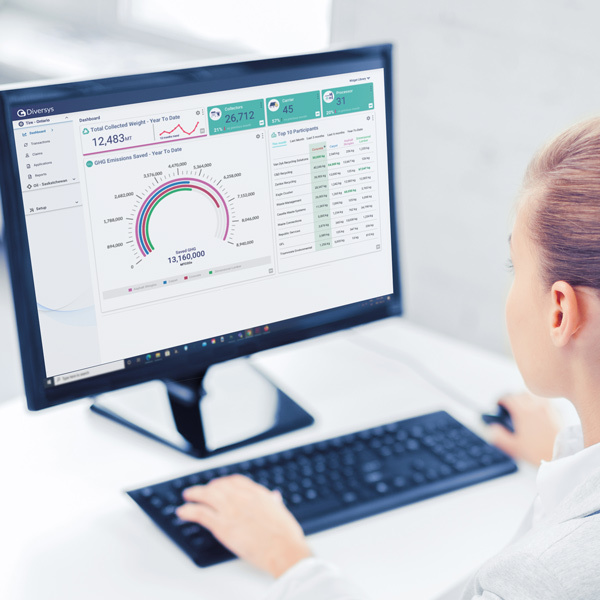
My Data is Good Enough: The Real Cost of Bad Data and Data Management for the Recycling & Waste Management Industry webinar, hosted by Diversys, will explore the true cost of bad data and identify how it can be converted into high-quality data – by eliminating paper to ensure that good data becomes the driving force of an organization, reducing costs in the process. Wednesday June 8 from 2:00-2:45 EST; register here.
Turning Trash Into California’s Next Innovation Boom: Join California Secretary for Environmental Protection Jared Blumenfeld and CalRecycle Director Rachel Machi Wagoner, among others, as they discuss plans to California’s circular, remanufacturing and reuse system to make sure products used in the state are recycled there, as well. Tuesday May 17 from 4:00-6:00 EST; register here.
|
|
Employment opportunities:
Vermont Department of Environmental Conservation is hiring a Materials Management Supervisor. Apply by May 8.
Cascadia Consulting is seeking an experienced Senior Associate - Recycling, Reuse & Circularity Emphasis to join their team in Seattle, WA or Oakland, CA and lead recycling, reuse, repair, and circular economy projects. Apply by May 20.
|
|
“To ensure a healthy planet for all, we can learn from those who plowed the ground on which we, as environmental stewards, now stand.” On Earth Day, PSI’s Scott Cassel was featured in a Governing profile on how environmental stewardship depends on public-sector leaders.
Scott also weighed in on the rare earths supply chain for Investment Monitor: “The real short-term gap may be the lack of processors outside of China. If prices continue to climb or stabilize at the high price, there will be a strong incentive for other nations with proven deposits to begin mining and processing.”
“If Rhode Island ended up with an EPR for packaging law that excludes beverage containers — as the bill is written — but does not have a bottle bill, beverage containers will, in effect, become ‘free riders’ in recycling systems.” Scott assessed Rhode Island's EPR packaging legislation for ecoRI News.
|
|
As the leading convening of professionals building the circular economy, Circularity 22 offers thought-provoking keynotes, informative breakouts, a solutions-oriented expo, and engaging networking opportunities. Sydney Harris, PSI's policy and programs manager, will speak in the "Policy Levers: EPR, DRS, and PCR minimums" breakout session on Wednesday, May 18 at 3 PM. Use code PSIC22PARTNER for a 15% discount at registration.
Amanda Nicholson, PSI’s COO, will present on EPR for solar panels and batteries as part of the "Progress on EPR for Specific Materials" panel discussion on Monday, May 23 at 2:30. Click here to register.
Suna Bayrakal, PhD, PSI's Director, Policy & Programs, will present on EPR for Household Hazardous Waste and Lelande Rehard, our Senior Associate, Policy & Programs, will present on Pharmaceuticals EPR. Register here.
|
|
If you're a Member or Partner, join us on Wednesday, June 8 from 12-1:15 EST for our Annual Meeting. Register here.
|
|
CNN: The Department of Energy recently finalized a new efficiency rule to phase out energy-intensive incandescent light bulbs.
New York Times: Plastic pollution feature recognizes that EPR laws in Oregon and Maine – modeled on PSI’s framework – can help scale solutions.
BusinessWire: In the first nine months of Washington’s paint recycling program, residents dropped off nearly 60,000 gallons of used paint – enough to fill nearly 50 swimming pools.
National Geographic: “As plastic waste proliferates around the world, an essential question remains unanswered: What harm, if any, does it cause to human health?”
The Hill: California’s Attorney General Bonta announces investigation into the fossil fuel and petrochemical industries for their role in causing and exacerbating the global plastic pollution crisis.
|
|
The Latest on 2022 EPR Legislation
PSI’s expert policy team provided an overview of this year’s EPR legislative progress, including bills on paint, batteries, electronics, pharmaceuticals, carpet, mattresses, household hazardous waste, gas cylinders — and, of course, packaging! Watch the recording. This event is a benefit exclusively for Full Members and Partners at the Supporter level and above.
|
|
The Product Stewardship Institute is a policy advocate and consulting 501(c)(3) nonprofit that powers the emerging circular economy. We rely on the generosity of our members, partners, and supporters to convene diverse stakeholders to build extended producer responsibility (EPR) policies, programs, and laws. Thank you! |
|
The Product Stewardship Institute, Inc. is an equal opportunity employer and provider. Persons with disabilities who require alternatively formatted materials to ensure effective communication should contact Amanda Nicholson at amanda@productstewardship.us or 617.236.4855, TTY: use 711 or 800-439-2730; MassRelay.
|
|
|
|
|
|
|