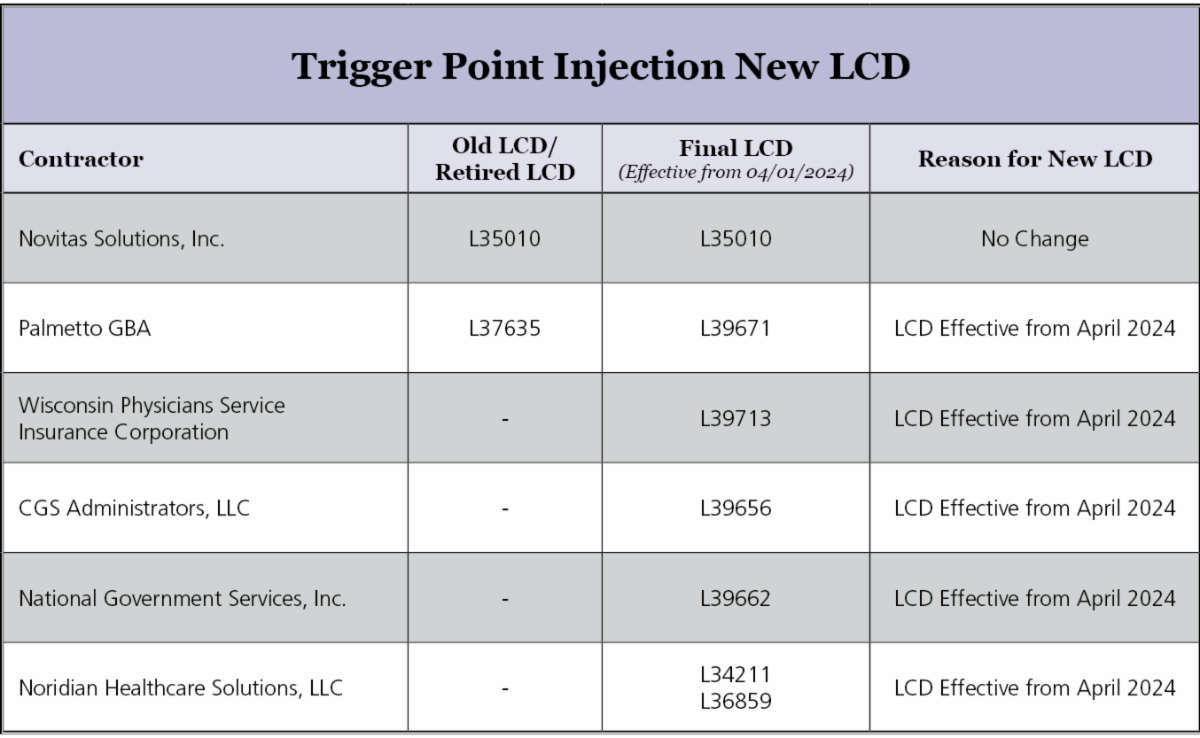
Effective from April 1st, the Majority
of MAC Will Follow Updated Guidelines
for Trigger Point Injections
| |
|
Set expectations up front, and explore alternative approaches when necessary
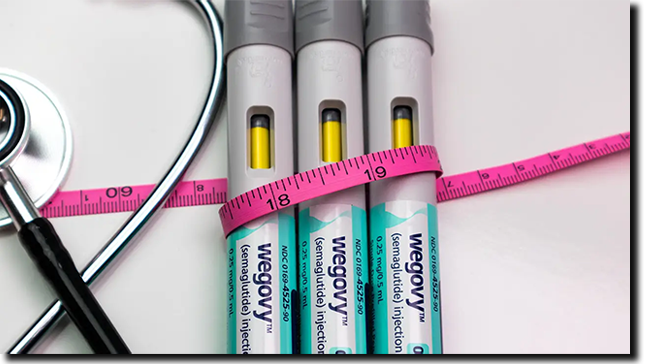
Drugs like semaglutide (Wegovy) and tirzepatide (Zepbound) are changing the game in obesity care. In clinical trials, they helped people lose as much as 15 to 20% of their body weight over the course of about a year -- and we've seen similar results in the real world since the drugs were approved for chronic weight management. That's great news considering the estimates that obesity will affect nearly half of the adult U.S. population by 2030. These drugs have the potential to significantly improve Americans' health -- but they're not without limitations.
People taking GLP-1s eventually tend to reach plateaus, points at which they can't seem to lose any more weight, even if they still carry excess fat. That shouldn't come as much of a surprise since plateaus commonly occur with all weight loss interventions, whether diets, surgery, or weight loss medications.
Plateaus aren't a problem of willpower -- they're intimately connected to brain chemistry and metabolism. Hunger hormones kick in to resist calorie restriction at the same time that a slower metabolism burns fewer calories.
Read More
| |
|
Move would not legalize marijuana for recreational use
The Drug Enforcement Administration (DEA) will move to reclassify marijuana as a less dangerous drug, a historic shift to generations of American drug policy that could have wide ripple effects across the country.
The DEA's proposal, which still must be reviewed by the White House Office of Management and Budget (OMB), would recognize the medical uses of cannabis and acknowledge it has less potential for abuse than some of the nation's most dangerous drugs. However, it would not legalize marijuana outright for recreational use.
The agency's move, confirmed to the AP on Tuesday by five people familiar with the matter who spoke on the condition of anonymity to discuss the sensitive regulatory review, clears the last significant regulatory hurdle before the agency's biggest policy change in more than 50 years can take effect.
Read More
| |
Join the AMA or Renew your Membership Today!
The American Medical Association (AMA) requires all societies to requalify for membership in the AMA House of Delegates (HOD) every five years. To keep and hopefully increase ASIPP's membership in these committees, we have to keep at a minimum 20% AMA membership, otherwise, ASIPP will lose the AMA membership with all the available advantages.
We encourage you to join or renew your membership in the AMA. Joining the AMA will further strengthen our specialty’s representation at the national level through the AMA House of Delegates, the AMA’s policymaking body, and strengthen our ability to meet the challenges in health care today with thoughtful, well-organized responses.
As a member of the AMA, you become part of the organization that unites physicians nationwide to tackle the major issues we all face: 47 million uninsured Americans, looming Medicare payment cuts, and the need for medical liability reform. Membership also gives you access to a broad range of practice management resources and award-winning publications such as the Journal of the American Medical Association, AMNews, AMA Morning Rounds, and the Archives journals.
Please take this opportunity to support the critical activities of ASIPP by joining the AMA today. To join or renew the AMA, we encourage you to visit www.ama-assn.org or call (800) 262-3211.
| |
More mergers and acquisitions are a key part of Molina Healthcare's future strategy, executives told investors.
On an April 25 call, transcribed by Seeking Alpha, CEO Joseph Zubretsky said the company has a pipeline with "many actionable" M&A opportunities.
In January, Molina Healthcare completed the acquisition of Bright Health's Medicare Advantage business for $500 million, adding 109,000 members. Mr. Zubretsky said the company has completed eight transactions amounting to $11 billion in revenue in the past four years.
In September, Molina closed the acquisition of My Choice Wisconsin, a Medicaid MCO with 44,000 members. In 2022, it acquired AgeWell New York's Medicaid managed long-term care business for $110 million.
Read More
| |
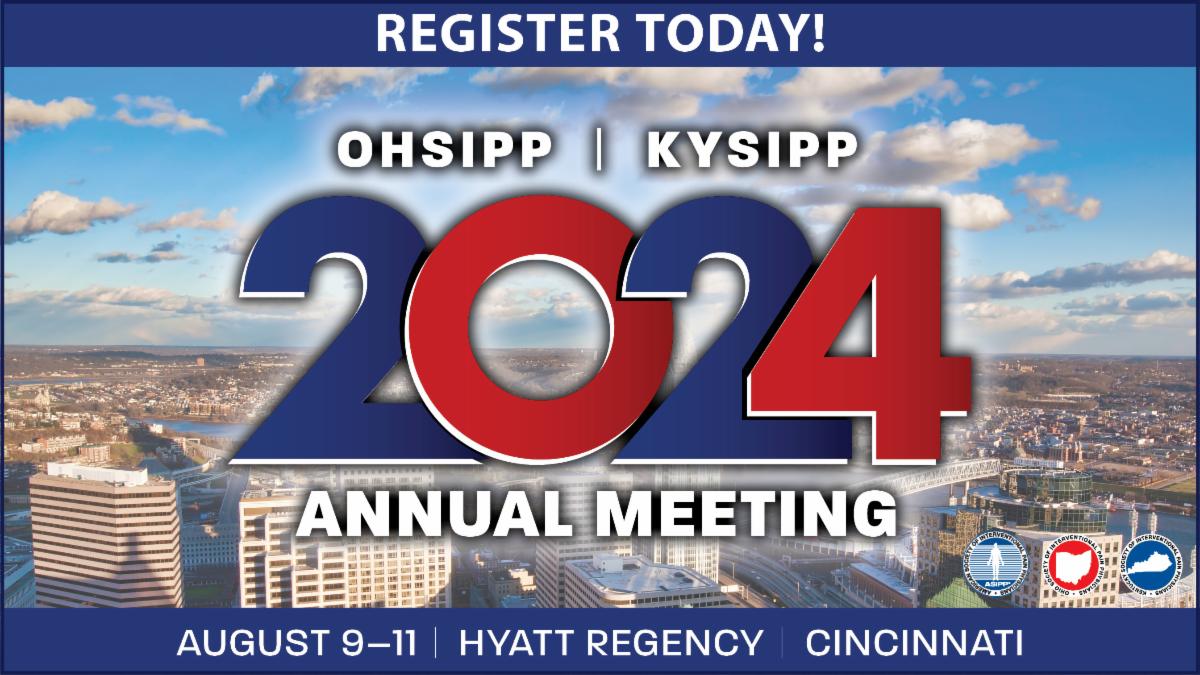
Registration is open for
ASIPP's 2025 Annual Meeting
We would love it if you would register and join us in Orlando!
| |
Centene reported first quarter profits of $1.1 billion as membership and premium revenue grew thanks to a big increase in Obamacare enrollment, the health insurer said Friday.
Centene, which sells an array of government subsidized health insurance including individual commercial coverage under the Affordable Care Act known as Obamacare, said total managed care membership held steady at 28.42 million at the end of the first quarter of this year, compared to 28.45 million at the end of the first quarter of 2023.
Centene’s enrollment in individual coverage under the Affordable Care Act, also known as Obamacare, grew what Centene calls its “commercial marketplace” business to 4.3 million members from 3 million a year-ago. That increase of more than one million health plan members helped overcome a decrease of three million enrollees in Centene’s Medicaid coverage for poor Americans.
Read More
| |
|
Virtual
May 25, June 29, July 27, & August 31
Click here for the complete list of upcoming exams.
ABIPP Part I; ABIPP Path - Combined DCCPM/CSM virtual exam;
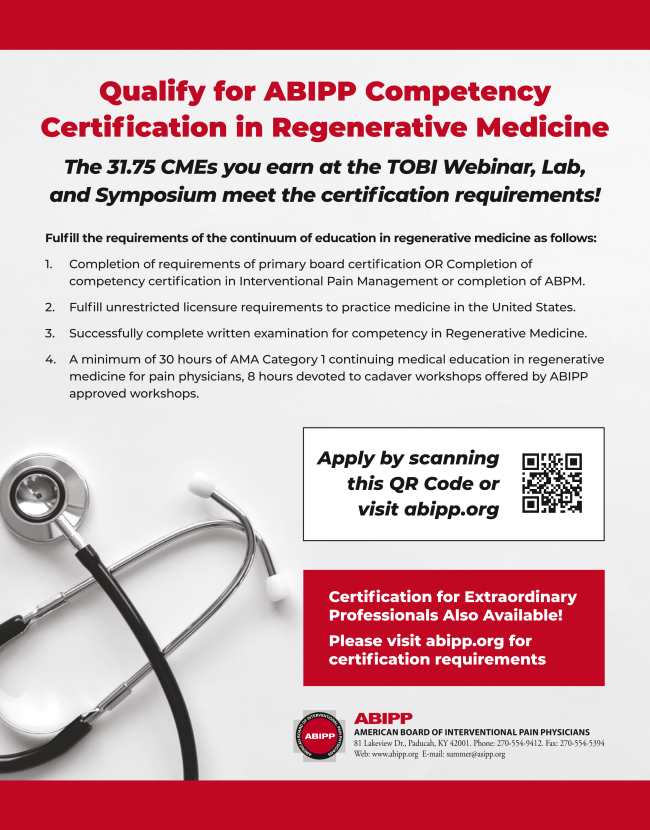
ABIPP Competency Exam in IPM; ABIPP Competency Exam in Regenerative Medicine;
CSM Competency Exam; DCCPM Competency Exam
In Person
October 18, 2024
ABIPP Part II - Practical Examination
Lab Venue: MERI, 44 S. Cleveland Street, Memphis, TN 38104
| |
|
The Federal Trade Commission (FTC) voted last week to ban noncompete agreements, possibly making it easier for doctors to switch employers without having to leave their communities and patients behind. But business groups have vowed to challenge the decision in court.
The proposed final rule passed on a 3-2 vote, with the dissenting commissioners disputing the FTC's authority to broadly ban noncompetes.
Tensions around noncompetes have been building for years. In 2021, President Biden issued an executive order supporting measures to improve economic competition, in which he urged the FTC to consider its rulemaking authority to address noncompete clauses that unfairly limit workers' mobility. In January 2023, per that directive, the agency proposed ending the restrictive covenants.
Read More
| |
ASIPP State Society Meetings | |
|
Infectious disease physicians weigh in
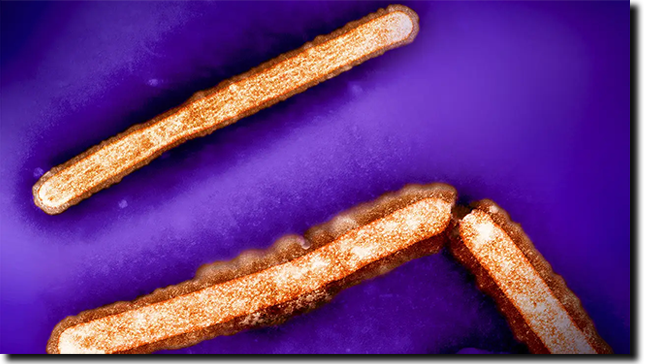
With avian influenza A (H5N1) infecting more mammals than ever before -- including U.S. dairy cattle -- infectious disease experts are paying close attention to whether current influenza antivirals would be effective should H5N1 adapt to humans.
All influenza viruses have extremely similar internal mechanisms for reproduction, William Schaffner, MD, of Vanderbilt University Medical Center in Nashville, Tennessee, and a spokesperson for the Infectious Diseases Society of America (IDSA), told MedPage Today. So if an antiviral works against one strain, it will also work on other strains, he said.
"Everything I've heard from the CDC and elsewhere ... is that the antivirals that we have available today will work against H5N1. And that's consistent with the effect of the antivirals against past avian influenza strains," Schaffner said.
Read More
| |
Getting a standard cholesterol screening may soon involve one more blood test that has been around for decades but is rarely used. Evidence continues to mount showing that the additional analysis can flag otherwise unknown risks of dangerous heart problems resulting from plaque buildup in arteries.
The test looks for a particle called lipoprotein(a), and it’s widely available for less than $100. Often referred to as Lp(a), an estimated 1 in 5 people have dangerously high levels of it, usually due to a genetic predisposition.
“It is not uncommon for someone to have elevations in Lp(a) despite a normal total or LDL cholesterol reading,” said Nathan D. Wong, PhD, lead author of a new study on Lp(a) in the Journal of the American College of Cardiology.
Read More
| |
- ASIPP Members Only Site Information - | |
-
To log in for the first time you will need to click “forgot password” at the bottom of the login window.
- Check your email and then log in as directed.
-
If you have problems logging into your account, click here.
| |
Pain Medicine Case Reports (PMCR) and Editor-in-Chief Alaa Abd-Elsayed, MD, PhD would like to invite you to submit case reports and case series to the PMCR journal. Your article will be published free of charge.
Open access journals are freely available online for immediate worldwide open access to the full text of published articles. There is no subscription fee for open access journals. Open access journals are no different from traditional subscription-based journals: they undergo the same peer-review and quality control as any other scholarly journal.
Interested in becoming a member of the PMCR Editorial Board?
Editorial board members are asked to review 2-6 manuscripts per year. Please submit your most up-to-date CV to sgold@asipp.org for consideration.
For more information or to submit your articles, click here.
| |
|
Bradley D. Vilims, MD, and Jon E. Block, PhD
Abstract
BACKGROUND: Radiofrequency neurotomy (RFN) can be an effective treatment for patients with chronic neck pain and cervicogenic headaches resistant to conservative care. However, the degree and duration of pain relief after RFN is dependent upon the thoroughness of target nerve coagulation.
CASE REPORT: This is a case of a 37-year-old patient with debilitating neck pain and headaches following a motor vehicle accident. Successful local anesthetic block of the third occipital nerve (TON) confirmed pain of C2-C3 facet joint origin. An initial RFN treatment of the TON, using standard 18G electrodes in bipolar mode, resulted in complete symptom amelioration for 8 months. Repeat RFN, using the same electrode configuration, was unsuccessful in alleviating the severe neck pain and headaches, and produced no demonstrable sensory loss in the distribution of the TON. RFN was then performed using the Nimbus® electrosurgical RF multitined expandable electrode, which provides a larger zone of coagulation in volume than standard RFN electrodes even when used in bipolar configuration.
CONCLUSIONS: The Nimbus procedure resulted in successful coagulation of the TON with sensory loss in the TON distribution and reinstatement of palliative relief.
KEY WORDS: Cervical pain, radiofrequency neurotomy, third occipital nerve, Nimbus, case report
Read More
| |
|
Yuzhi Ning, Ziyu Li, Jiahu Huang, MD, Shuang Xu, PhD, Qing Wang, MD, Jiyuan Yan, MD, and Song Wang, PhD
Abstract
BACKGROUND: Kummell’s disease (KD) and osteoporotic vertebral compression fracture (OVCF) are commonly found in patients with osteoporosis. Several studies have been conducted on bone cement distribution in OVCF or KD; a comparison between the 2 diseases is rarely reported.
OBJECTIVES: To compare the clinical efficacy and bone cement distribution difference between KD and OVCFs after percutaneous kyphoplasty (PKP).
STUDY DESIGN: This was a retrospective, nonrandomized controlled study.
SETTING: Department of Orthopedics from an affiliated hospital.
METHODS: From January 2018 to December 2020, 61 patients who underwent PKP surgery for single KD or OVCF and met the inclusion criteria were retrospectively reviewed. All patients were assigned to 2 groups: the KD group and the OVCF group. Clinical and radiologic characteristics, including the bone cement volume, leakage, bone cement dispersion scale, anterior vertebral height (AVH), median vertebral height (MVH), posterior vertebral height (PVH), Cobb angle and Visual Analog Scale (VAS) were analyzed and compared using Mimics three-dimensional (3D) reconstruction images and 3D reconstruction computed tomography, preoperatively, postoperatively, and 2 years after the operation, respectively. The correlations between the bone cement dispersion scale and the VH improvement rate (VHIR), VH change rate (VHCR), VAS improvement rate (VASIR), and follow-up VAS improvement rate (f-VASIR) were also evaluated.
RESULTS: The mean follow-up time was 24.0 months. Postoperative VH, Cobb angle, vertebra volume, and VAS score were significantly improved in the 2 groups (P < 0.05). There was no statistical difference in postoperative parameters between the 2 groups. While a strong positive correlation between VHIR and bone cement dispersion scale was observed in the OVCF group (P < 0.01), no significant correlation between VHIR and bone cement dispersion scale was found in the KD group. There was no correlation between VASIR and bone cement dispersion scale in both groups. Compared with postoperation, VH was lower in both groups in later follow-up, and the difference between the 2 groups was statistically significant (P < 0.05). VH, VAS, f-VASIR, and VHCR had a worse manifestation in the KD group than in the OVCF group. However, no significant correlation was found between VHCR, f-VASIR, and bone cement dispersion scale in the 2 groups.
LIMITATIONS: This study was limited by the non-randomized design, small sample size, and lack of a comprehensive follow-up period.
CONCLUSIONS: Although there was no significant difference in the bone cement distribution and early clinical efficacy between KD and OVCF patients under the same surgical plan and surgeon, OVCF patients exhibited better long-term radiologic and clinical outcomes.
KEY WORDS: Kummell’s disease, osteoporotic vertebral compression fractures, percutaneous kyphoplasty, bone cement distribution
Read More
| |
|
Ibrahim M. Umer, DO, Christopher Gharibo, MD, Sudhir Diwan, MD, and Steve M. Aydin, DO
Abstract
BACKGROUND: Vertebral compression fractures (VCFs) can affect the entire spinopelvic complex and cause unpredictable patterns of back pain due to their effects on spinal tensegrity and biomechanical compensation. They can lead to significant morbidity and mortality in the aging population and are difficult to diagnose. We aimed to establish a relationship between VCFs and sacroiliac (SI) joint pain.
OBJECTIVES: Demonstration of SI joint (SIJ) pain relief at up to 6 months after kyphoplasty (KP) in patients with VCFs and diagnosed SI dysfunction.
STUDY DESIGN: Retrospective study.
SETTING: All patients were from a private chronic pain and orthopedics practice in the northeastern United States.
METHODS: Fifty-one patients with VCFs diagnosed through imaging and SIJ dysfunction diagnosed through 2 diagnostic SIJ blocks who had failed conservative management were considered for KP. Numeric Rating Scale (NRS 11) scores were recorded at the baseline, after each SIJ block, and at 4 weeks and then 6 months after KP.
RESULTS: Forty-nine patients underwent KP. At 4 weeks after the procedure, there was an 84% average reduction in NRS scores from the baseline (P < 0.01). At 6 months after the procedure, there was an 80% reduction in NRS scores from the baseline (P < 0.01).
LIMITATIONS: Larger sample sizes and a randomized control trial would be important steps in furthering the relationship between VCFs and SIJ.
CONCLUSION: VCFs can cause a referred pain pattern to the SIJ that is best treated by KP for long-term management.
KEY WORDS: Vertebral compression fracture, sacroiliac joint, vertebral augmentation, kyphoplasty, referred pain, axial pain, spinal tensegrity, lower back pain
Read More
| |
|
ASIPP is now in collaboration with Curi Medical Liability Program
| |
|
Since this malpractice insurance program officially launched in November 2018, ASIPP has signed up hundreds of providers with an average savings of 30%. This is professional liability insurance tailored to our specialty and will stand up for us and defend our practices.
Curi is a full-service advisory firm that serves physicians and their practices. Their valued advice is grounded in your priorities and elevated in your outcomes. They are driven by a deep understanding of your specific circumstances in medicine, business, and life. To read a few important points to keep in mind about the program, including discounts, administrative defense, cyber coverage, aggressive claims handling, and complimentary risk management CME activities, visit our website.
| | |
|
Group Purchasing Organization Offer Better Pricing and Creates Added Value
ASIPP has formed a partnership with Henry Schein and PedsPal, a national GPO that has a successful history of negotiating better prices on medical supplies and creating value-added services for independent physicians. Working with MedAssets, PedsPal provides excellent pricing on products like contrast media that alleviate some of the financial pressures you experience today.
Learn More
| |  |
|
ASIPP, Fedora Billing,
and Revenue Cycle Management Partnership
ASIPP is now offering our members the benefit of a unique revenue cycle management/ billing service.
We have received a tremendous amount of interest in the ASIPP® billing and coding program.
Click here to learn more about the negotiated rate for practices and more!
| |
|
Like and follow ASIPP® on Facebook, X, and LinkedIn for the most
up-to-date news related to you, your practice, and your patients!
| | | | |