|
CMS issued the proposed rule CMS-1832-P on July 16, 2025, titled Medicare and Medicaid Programs; CY 2026 Payment Policies Under the Physician Fee Schedule and Other Changes to Part B Payment and Coverage Policies; Medicare Shared Savings Program Requirements; and Medicare Prescription Drug Inflation Rebate Program.
On September 11, 2025, ASIPP submitted a comment letter advocating for the following:
- Elimination of proposed efficiency adjustment, which is inappropriate, and efficiency is rather decreasing than increasing.
- Due to escalating costs, practice expense cuts applicable to independent physicians need to be addressed.
- Ambulatory Specialty Model (ASM) appears to be without any evidence and inappropriate, putting independent physicians at high risk for survival; consequently, this should be eliminated or conducted on a voluntary trial for five years.
-
Telehealth services must be made permanent.
Here are ASIPP’s detailed comment letter, Chairman Comer’s recent letter to CMS and OMB, and 3 published articles addressing this issue:
| | Stay up-to-date with news that impacts you - visit our website or follow us on these social media platforms: | | | |
A meta-analysis of more than 1.5 million participants has suggested that coffee and energy drinks have opposing effects on suicide risk. High coffee consumption — more than 60 cups per month — was linked to significantly reduced suicide attempts, probably because of its stimulating and mood-enhancing properties. In contrast, even a single can of an energy drink per month was observed to increase the risk for suicidal thoughts and attempts, with a dose-dependent effect that can triple the risk at higher consumption levels.
This difference may be explained by the presence of other psychoactive ingredients in energy drinks — such as taurine, guarana, and ginseng — along with their high sugar content, which can trigger anxiety and mood swings, particularly in young men, who are the primary consumers.
Medscape’s French edition spoke with Guillaume Davido, MD, a psychiatrist specializing in addiction studies at Bichat-Claude Bernard Hospital in Paris, about the findings of this study.
Click here to read the full article.
| | |
Bipartisan and bicameral bills have been introduced to extend telehealth access through fiscal year 2027.
Telehealth services have become a crucial part of modern medical practice, especially since the COVID-19 pandemic. They provide numerous benefits to patients, helping to address issues like transportation barriers, missed work for caregivers, and financial strains. Medicare has played a key role in expanding access to telehealth, benefiting not only rural Americans but also the broader population, as most insurers—except United Healthcare Commercial— have adopted these policies.
The Telehealth Modernization Act of 2025, led by Reps. Buddy Carter (R-GA) and Debbie Dingell (D-MI), ensures continued access to telehealth services for seniors and patients nationwide. A companion bill is being advanced in the Senate by Sens. Tim Scott (R-SC) and Brian Schatz (D-HI).
Lawmakers emphasized the critical role of telehealth in reducing barriers to care, improving access for rural and underserved patients, and modernizing healthcare delivery.
This legislation represents a major step toward securing long-term telehealth access for Medicare patients and strengthening its place in the U.S. healthcare system.
| | Stay up-to-date with news that impacts you - visit our website or follow us on these social media platforms: | | |
Join Us in New Orleans for ASIPP 2026
Earn CMEs, Expand Networks, and Explore the Future of Pain Management
| | JOIN or RENEW your ASIPP Membership for the best registration rates. | | |
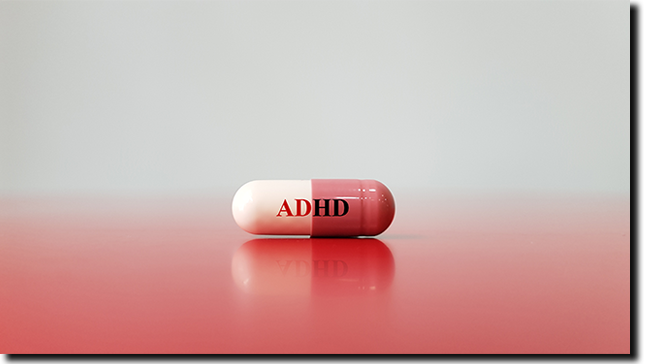
Attention-deficit/hyperactivity disorder (ADHD) medications appeared to reduce the risk for suicide, drug misuse, transport incidents, and criminal activity, a new study showed.
After adjusting for covariates, ADHD medications were associated with a 17% reduction in suicidal behavior, a 15% decrease in substance misuse, a 13% reduction in criminality, and a 12% decrease in transport accidents.
Although randomized clinical trials have shown that ADHD medication can help alleviate core symptoms of the disorder, “there is less evidence on whether these symptom improvements translate to meaningful benefits in daily life,” principal investigator, Zheng Chang, PhD, and principal researcher at the Department of Medical Epidemiology and Biostatistics, Karolinska Institute in Stockholm, Sweden, told Medscape Medical News.
Click here to read the full article.
| |
October and November
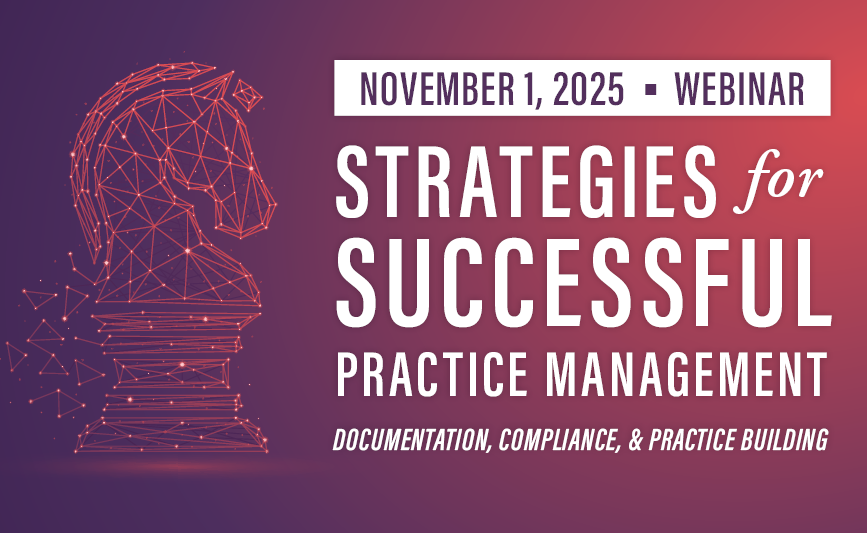
ASIPP Webinars Announced!
| | |
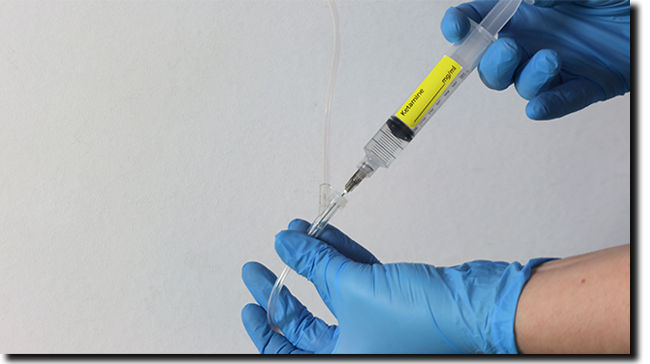
A new Cochrane review casts doubt on the value of ketamine and other N-methyl-D-aspartate (NMDA) receptor agonists to relieve chronic noncancer pain.
While ketamine and other NMDA receptor agonists are often prescribed off-label to manage chronic pain conditions such as fibromyalgia, nerve pain, and complex regional pain syndrome, researchers found little convincing evidence of a real benefit and identified an increased risk for side effects such as delusions, delirium, paranoia, nausea, and vomiting.
“Clinicians should know that there is currently no clear evidence supporting use of ketamine for chronic pain. Large-scale, definitive randomized trials are urgently needed to determine benefits, risks, and optimal dosing regimens,” first author Michael Ferraro BSc, BHSc, doctoral candidate at University of New South Wales Sydney and Neuroscience Research Australia, Sydney, Australia, told Medscape Medical News.
“We want to be clear — we’re not saying ketamine is ineffective, but there’s a lot of uncertainty,” Ferraro added in a news release.
Click here to read the full article.
| | |
How should American physicians be paid? On its face, the answer is simple: In dollars, and well.
After all, we contribute to society, in contrast to so many in the bloated byzantine healthcare industry whose role is to follow the money and squeeze out as much as possible. Fortunately for America’s physician class, the American Medical Association (AMA) has had our backs when it comes to money.
Whether it was repulsing encroachment by the homeopaths, naturopaths, chiropractors, and nurses, or manipulating the insurance companies or government, the AMA has over the past 178 years made sure that doctors here have been paid more than those in any other developed country. Using every political trick in the book, and inventing new ones as needed, the AMA protected and promoted the earning power of its members, and, parenthetically by proxy, even those US MDs who chose not to be members.
Click here to read the full article.
| | |
Mark your calendars - Apply today!
September 27, October 25,
November 15, & December 13
Four (4) hour virtual exam
- ABIPP Path – Combined CCPM/ CSM Exam
For those with subspecialty in Pain Medicine
Two (2) hour virtual exam
- ABIPP Competency Exam in IPM
For those without primary board certification
Two (2) hour virtual exam
- ABIPP Competency Exam in Regenerative Medicine
Two (2) hour virtual exam
- Controlled Substance Management Competency Exam
Two (2) hour virtual exam
- Documentation, Coding, Compliance, Practice Management Competency Exam
Two (2) hour virtual exam
| |
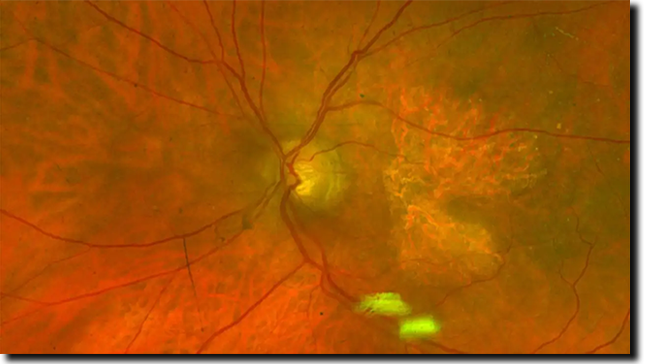
To treat or not to treat: Retina specialists seek answers for patients with both conditions
While pivotal research on therapies for neovascular age-related macular degeneration (nAMD) and geographic atrophy (GA) focused on one condition or the other, retina specialists commonly encounter both conditions in the same patient with only limited data to guide optimal treatment.
At the recent American Society of Retina Specialists (ASRS) meeting, an analysis of 13,000 eyes treated for GA showed that almost a fourth of the patients also had nAMD. The report created a stir in the audience, as much of the discussion centered on that study and others that addressed management of patients with GA plus nAMD.
"When I first received that part of the data, I knew it would create kind of a buzz," lead investigator Nimesh Patel, MD, of Massachusetts Eye and Ear in Boston, told MedPage Today. "The most interesting part is that these were not patients in a clinical trial. We're really in a new era that I don't think was foreseen by many retina specialists. That is, how to treat these patients."
Click here to read the full article.
| | | |
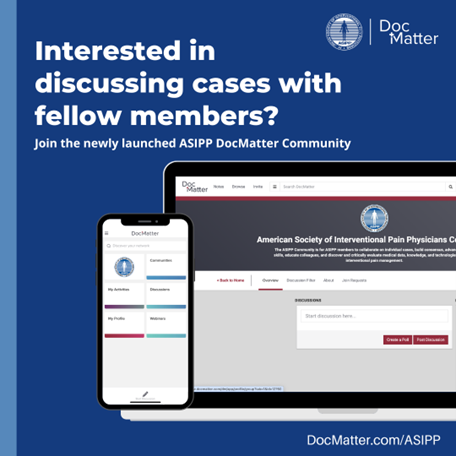
We're excited to let you know that the new ASIPP Community, hosted by DocMatter, is now live!
The ASIPP Community on DocMatter will serve as a place for members to collaborate around clinical and research topics to advance the care of their interventional pain patients.
Click here to be a part of the conversation!
| |
Feature expected to notify over 1 million people with undiagnosed hypertension in the first year
The FDA cleared the Apple Watch's hypertension detection feature, according to Bloomberg News.
The new feature, which will reportedly be rolled out as early as next week, is said to detect high blood pressure (BP) using the wearable device's optical heart sensor over a 30-day observation period. If chronic hypertension is detected, the user is notified and encouraged to send results to their health provider.
Apple expects the feature to notify over 1 million people with undiagnosed hypertension within the first year.
Hypertension, a major risk factor for heart disease and stroke, is conventionally diagnosed after multiple BP measurements exceeding 130/80 mm Hg using cuffed devices.
Click here to read the full article.
| | |
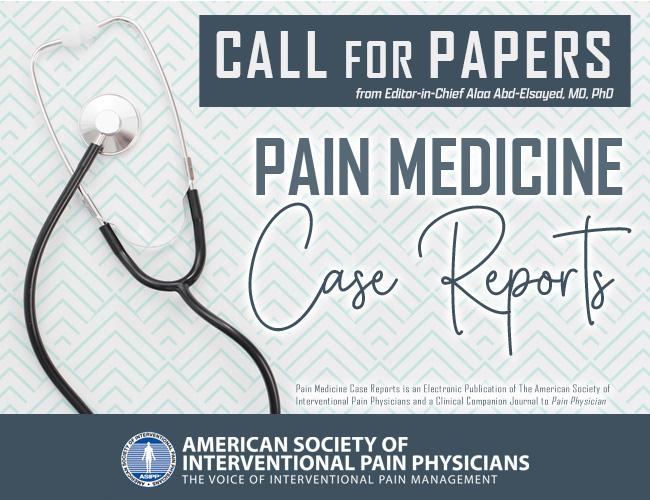
Pain Medicine Case Reports (PMCR) and Editor-in-Chief Alaa Abd-Elsayed, MD, PhD would like to invite you to submit case reports and case series to the PMCR journal. Your article will be published free of charge.
Open access journals are freely available online for immediate worldwide open access to the full text of published articles. There is no subscription fee for open access journals. Open access journals are no different from traditional subscription-based journals: they undergo the same peer review and quality control as any other scholarly journal.
Interested in becoming a member of the PMCR Editorial Board?
Editorial board members are asked to review 2-6 manuscripts per year. Please submit your most up-to-date CV to sgold@asipp.org for consideration.
For more information or to submit your articles, click here.
| | |
We are excited to announce that Pain Medicine Case Reports (PMCR) journal (eISSN 2768-5152) has been accepted for inclusion in MEDLINE and PubMed, the prestigious bibliographic database of the U.S. National Library of Medicine. PMCR, a companion publication to the prestigious Pain Physician journal by ASIPP, joins its counterpart in achieving indexing in both MEDLINE and PubMed, marking ASIPP’s dual presence in these renowned databases.
The inclusion of PMCR journal in MEDLINE signifies a higher level of selectivity, as MEDLINE consists of the top 5,200 biomedical journals. This indexing also means that articles from PMCR will be searchable using NLM Medical Subject Headings (MeSH terms) and other metadata.
The selection for MEDLINE follows a rigorous evaluation process by reviewers from the Literature Selection Technical Review Committee (LSTRC). According to their criteria, the scientific quality of a journal’s content is the primary factor considered for indexing.
We extend our congratulations to the Pain Medicine Case Reports Editor-in-Chief, Deputy Editor-in-Chief, Journal Team, and Editorial Board for this achievement, which underscores the significance and excellence of this esteemed journal.
| | | | |
|
Kevin Batti, MD, Adam Betcher, MD, Nimesha Mehta, DO, and Sayed Wahezi, MD
| | |
Nisha L. Busch, BS, Pauline R. Hoffman, BS, Dorian M. Kusyk, MD, Michael Patterson, MD, and Nestor D. Tomycz, MD
| | | | |
|
Christopher Gharibo, MD, Miles Day, MD, Steve M. Aydin, DO, Alan D. Kaye, MD, PhD, Salahadin Abdi, MD, PhD, Sudhir Diwan, MD, Lisa V. Doan, MD, Danielle Feng, MD, Kris Ferguson, MD, Kirolos Georges, MD, Andrew Kaufman, MD, Nebojsa Nick Knezevic, MD, PhD, Sean Li, MD, Franzes A. Liongson, MD, Devi Nampiaparampil, MD, Annu Navani, MD, Mahendra Sanapati, MD, Michael E. Schatman, PhD, Amol Soin, MD, Peter S. Staats, MD, Giustino Varrassi, MD, PhD, Jing Wang, MD, PhD, and Laxmaiah Manchikanti, MD
| | HEALTH POLICY PERSPECTIVE | | |
Laxmaiah Manchikanti, MD, Paul J. Hubbell, III, MD, Ramarao Pasupuleti, MD, Ann Conn, MD, and Mahendra Sanapati, MD
| | |
Ke Ma, MBBS, Zhiying Feng, PhD, Yongjin He, MD, Deshou Luo, MD, Jinfeng Liu, PhD, Shibao Lu, MD, Xiaoguang Liu, PhD, Xuewu Lin, MD, Longxi Ren, MD, Guangyun Sun, PhD, Tao Song, PhD, Hongpei Wang, MD, Jianshe Yu, PhD, Zhigang Zhuang, PhD, and Yanqing Liu, MD
| | | | |
|
ASIPP is in collaboration with Curi Medical Liability Program
Since this malpractice insurance program officially launched in November 2018, ASIPP has signed up hundreds of providers with an average savings of 30%. This is professional liability insurance tailored to our specialty and will stand up for us and defend our practices.
Curi is a full-service advisory firm that serves physicians and their practices. Their valued advice is grounded in your priorities and elevated in your outcomes. They are driven by a deep understanding of your specific circumstances in medicine, business, and life. To read a few important points to keep in mind about the program, including discounts, administrative defense, cyber coverage, aggressive claims handling, and complimentary risk management CME activities, visit our website.
| | |
IMPORTANT UPDATE
SPR is happy to announce an important update regarding Humana Medicare Advantage. As of May 1, Humana is now recognizing SPRINT as a PNS therapy. Previously, SPRINT was categorized as PNT (Percutaneous Nerve Stimulation), which allowed denials on the grounds that the therapy fell outside the NCD.
Additional details are as follows:
Payer: Humana Medicare Advantage (click here to view policy)
Policy Title: Peripheral Nerve Stimulators
Policy changes: SPRINT no longer misclassified as PNT and is now appropriately classified as PNS. Humana is applying the Noridian Medicare LCD criteria to ALL PNS devices – Including SPRINT PNS!
Effective Date: 5/1/2025
Click here to view a PDF of the official policy update.
| | |
|
Group Purchasing Organization Offer Better Pricing and Creates Added Value
ASIPP has formed a partnership with Henry Schein and PedsPal, a national GPO that has a successful history of negotiating better prices on medical supplies and creating value-added services for independent physicians. Working with MedAssets, PedsPal provides excellent pricing on products like contrast media that alleviate some of the financial pressures you experience today.
Learn More
For updated information concerning tariffs on products, click here.
| |  |
|
ASIPP, Fedora Healthcare Solutions Partnership
ASIPP offers our members the benefit of a unique revenue cycle management/ billing service.
We have received a tremendous amount of interest in the ASIPP billing and coding program.
Click here to learn more about the negotiated rate for practices and more!
| | |
Like and Follow ASIPP® on Facebook, X, LinkedIn,
and YouTube for the most up-to-date news
related to you, your practice, and your patients!
| | | | |