Sep 6th, 2024

 
  • PCA Video: Things to fix when they're not broken… yet | Porsche 996 Carrera +986/987/997 Boxster/Cayman/911
  • Comprehensive DIY Guide to Major Service on a Porsche 996: What You Need to Know

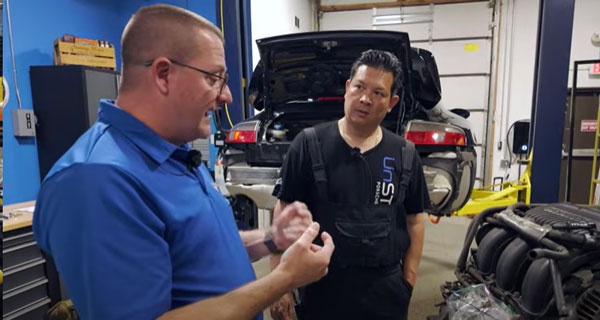
For owners of a Porsche 996, particularly those with early production models like a February 1998 build, regular maintenance eventually gives way to the need for a major service. After years of basic upkeep, such as oil changes, air filters, and minor adjustments, it becomes necessary to undertake a more comprehensive service. This article details the experience of the Executive Director of the Porsche Club of America, Vu Nguyen, as he embarked on this significant project for his 1999 996. The insights and tips shared here are invaluable for anyone looking to tackle a similar service on their 996.


Preparing for the Service: Tools and Tips


Before diving into the specifics of the service, it's essential to understand that removing the motor is not as daunting as it might seem. Nguyen experienced some anxiety over the process but successfully managed it using basic tools already in his garage. Here are a few essential tools that proved particularly useful:

  • Hose Clamp Pliers with Cable: Ideal for removing the spring type hose clamps on various hoses.
  • Power Ratchet: Speeds up the job and makes it easier.


The Main Task: Installing the IMS Solution


One of the primary reasons for pulling the motor was to install the IMS Solution, a crucial preventive maintenance step for Porsche 996 engines. 


If your car was fitted with an IMS Retrofit, please keep in mind the recommended service interval and consider upgrading to the IMS Solution which is the only permanent solution for intermediate shaft bearing failures.


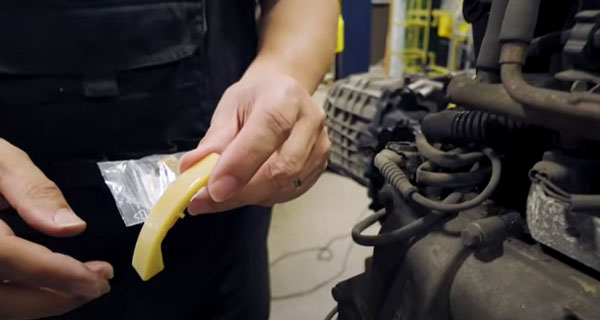
While some might argue that this upgrade can be performed with the engine in the car, removing the motor provides better access and allows for a more thorough job. Additionally, Nguyen's team decided to replace the chain ramps, a common wear item that can affect cam timing. This adds significant complexity, but most 5-chain Porsche Boxster and 911 996 engines at this point will need these replaced, if they haven’t been changed out already.


Why Pull the Motor?


Though some tasks could be completed with the engine in the car, removing it offers significant advantages:

  • Ease of Access: Avoid working in tight spaces and reduce the risk of mistakes.
  • Thorough Inspection: With the engine out, it's easier to inspect and address any issues that might go unnoticed otherwise.


Preventive Maintenance: Fixing What’s Not Broken Yet


The philosophy behind this service was preventive maintenance—fixing things before they break. With the engine out, several parts were replaced that, while not yet failed, were likely to cause problems down the road. Here’s a breakdown of what was addressed:

  • Chain Ramps: These wear items can affect cam timing. By replacing them now, the team ensured years of trouble-free motoring. By using a Durametric you can verify cam timing deviation – if it is out by more than 4 degrees, it’s time to replace the Variocam chain ramps.
  • AC Compressor: The decision was made to leave the AC compressor in the car, avoiding the need to deplete and recharge the refrigerant system. This approach is less invasive and reduces the risk of leaks.
  • Exhaust Clamps and Hose Clamps: Small parts like these are cheap to replace and can prevent headaches later. You should also visually inspect all the coolant hoses to make sure none are cracked, gummy, or otherwise in need of replacement.
  • Timing Chains: While not strictly necessary, replacing the 4th and 5th timing chains provided peace of mind.

Engine Components to Inspect and Replace


During the service, a detailed walk-around of the engine identified parts that needed attention:

  • Crankshaft Position Sensor: The crankshaft position sensor critical part that can leave a driver stranded if it fails. Symptoms include erratic tachometer behavior or the engine stalling when hot.
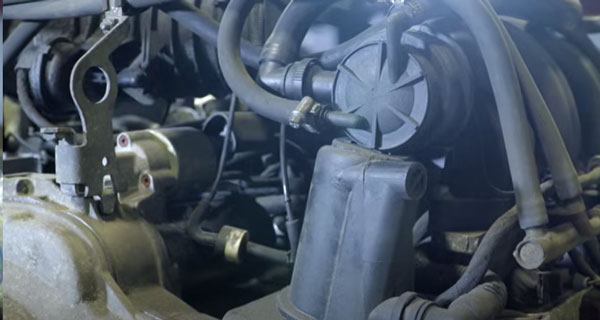
  • Air-Oil Separator (AOS): A known weak point in these engines, the Porsche AOS separates air from oil vapors. If it fails, it can lead to catastrophic engine damage. The team inspected it thoroughly to ensure proper function. You might want to consider purchasing a Notta Wrench – it makes disconnecting the AOS hoses much easier! The AOS (and associated AOS vent tubes) should be done every 4-6 years or 75,000 miles. If tracking the car, you might consider a Motorsports AOS or UAOS.
  • Oil Filler Tube: Often overlooked, this part can cause vacuum leaks if damaged. It’s a simple fix that can prevent more significant issues down the line. You can use the improved 997 oil filler neck.
  • Coil Packs: These were replaced a few years ago, but were checked again to ensure they were still in good condition. Porsche update the ignition coil packs with the 997 and can be fitted to your 996 when installed with the longer bolts (provided with the new coils). Might as well do the spark plugs and spark plug tubes as well.
  • Water Pump: If you don’t know if the water pump has been replaced, just go ahead and change it. It’s best to do so using a Genuine or OEM Porsche water pump with a composite impeller, along with a low temperature thermostat, every 4-6 years or 75,000 miles, just like the AOS. 
  • Flywheel/Clutch/Pressure Plate: When replacing the IMS bearing, you’ll also be putting in a new clutch. Be sure to also replace the Porsche dual mass flywheel, pressure plate, and throwout bearing. You might also want to consider putting in a new 997 clutch slave cylinder as well and bleed the brakes. You’ll need your preferred DOT 4 brake fluid. 


Common Issues and How to Address Them


Working on a 25-year-old car like the 996 means dealing with some age-related issues:

  • Corroded Ground Straps: These can cause electrical problems if not replaced. An additional ground strap was added for extra reliability. Again, you can use the upgraded 997 Porsche Ground Strap – Engine to Chassis to replace the original 996 one.
  • Engine Bay Temperature Sensor: This small part can cause the engine compartment fan to run continuously if it becomes dislodged or damaged. This includes the Air Temperature Sensor for Intake Manifold as well as the Outside Air Temperature Sensor.
  • Oil Pressure Sensor: A common failure point, this sensor was replaced. It's an easy job with the engine out of the car. If your oil pressure gauge doesn’t read zero with the car turned off or your gauge is plain erratic, just replace the sending unit for oil pressure gauge.
  • Coolant Expansion Tank: Again, if yours is over 10 years of age, best to replace it using a Genuine Porsche coolant expansion tank (available in conjunction with our Porsche water pump kits) along with a new Porsche expansion tank cap.


Final Thoughts: Should You Tackle This Yourself?


Performing a major service on a Porsche 996 is a significant undertaking, but it's manageable with the right tools and knowledge. By pulling the engine, access to all components is improved, allowing for a more thorough and reliable repair. This approach also enables the address of potential issues before they become serious problems, ensuring the 996 remains a joy to drive for years to come.


Whether you're a seasoned DIYer or tackling this type of project for the first time, staying organized, taking your time, and seeking help when needed are key. The satisfaction of knowing your Porsche is in top condition is well worth the effort.


For more Porsche content, tips, and tutorials, be sure to subscribe to the Porsche Club of America's YouTube channel and click the notification bell to stay updated on future videos, including the next installment in this series.

Helpful Articles and Categories from LN Store


Shop by Brand