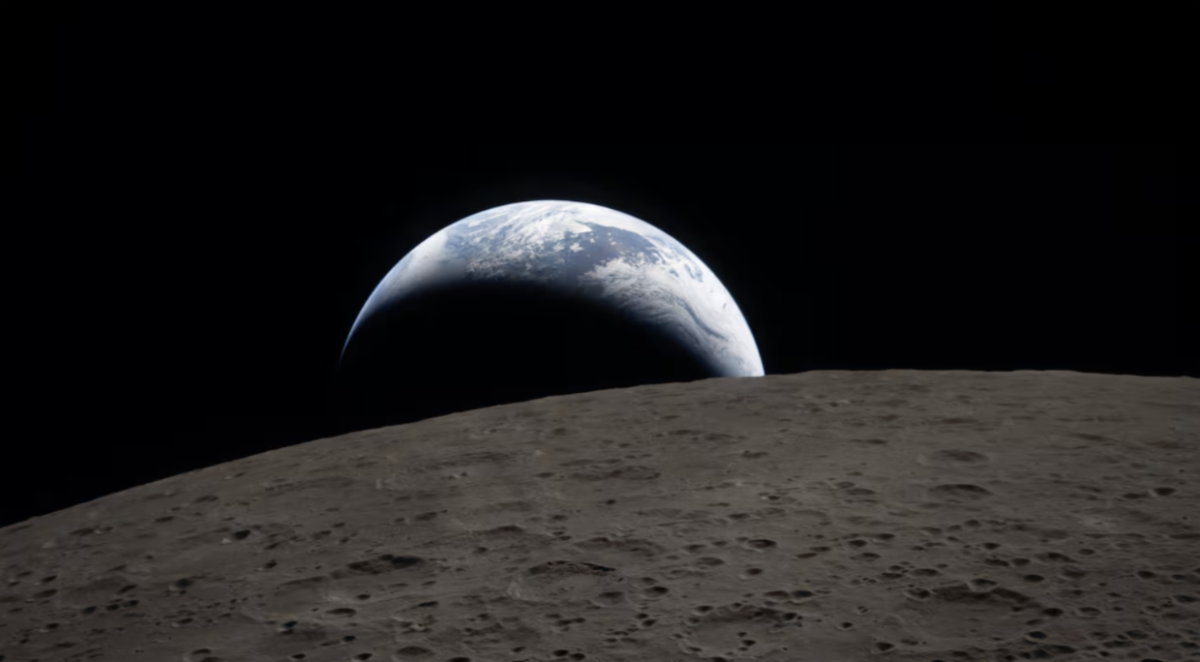
Image: NASA, Artemis II mission | |
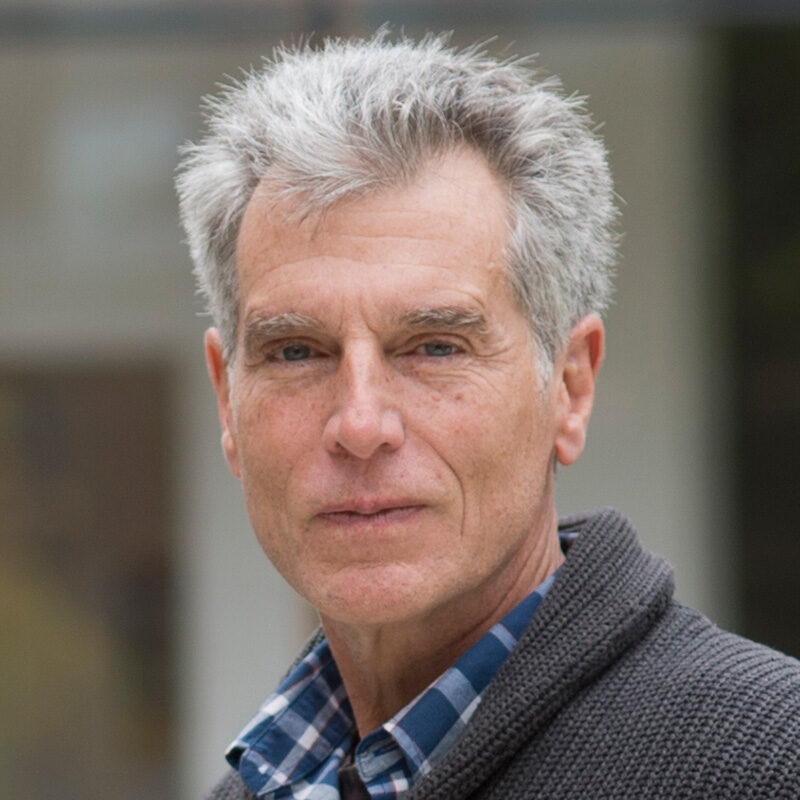
Thomas Homer-Dixon:
Reflections on hope, catagenesis, and cascades
| | | The world isn't ending; it is being reborn | |
A lot has changed since my last newsletter, much of it reported daily in grim headlines.
Change seems to be the only constant in contemporary life, and the complexity of our fast-changing world can feel dizzying. I launched the Cascade Institute six years ago to scientifically study this deepening global polycrisis and discover real interventions we can make today to build a better tomorrow.
I’m excited to share some of the recent research and insights that, together with my brilliant Cascade colleagues, I believe can help nudge humanity in the right direction.
At the Cascade Institute, we believe breakdown is not collapse; it is catagenesis, the change that makes new combinations possible. Hope is not mere wishful thinking; it is an emotional technology when it is honest, astute, and powerful.
The future we are working toward at Cascade is not an aspiration — it is a real coordinate in the data, but getting there will require the collective effort of many. I hope you’ll see in this newsletter what keeps me hopeful, even amid these tumultuous times. I’m grateful that you’re part of the mission.
~Tad, April 2026
|
Reflections on a career – and the work ahead
I recently sat down for a video interview with the Canada School of Public Service to reflect on my academic journey through environmental stress and conflict, complexity theory, the concept of polycrisis, and how they all tie together in the research we’re doing at Cascade Institute.
| Notes from Cascade’s spring gathering | |
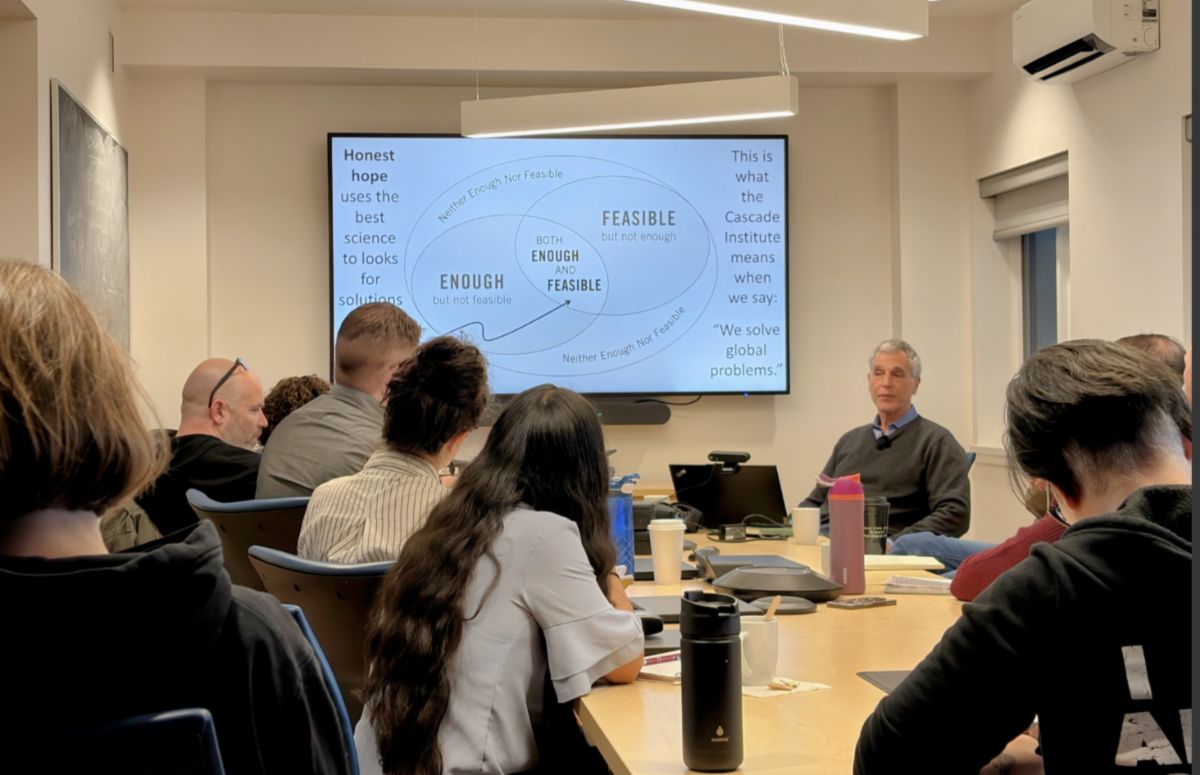
The entire Cascade team — geothermal scientists, polycrisis theorists, democracy researchers, experts in neuroscience and global commerce — recently gathered in Victoria for our spring retreat. It was one of the most clarifying weeks I have ever spent with a group of colleagues.
What I saw was a team of researchers working on very different problems and arriving at the same architecture. Rebecca Pearce is mapping Canada's subsurface heat. Shandell Houlden is studying the ideological terrain of democracies. Kasra Motlaghzadeh is computationally formalizing the conditions under which virtuous cascades can kick in. Simone Philpot is tracing the push-and-pull between port communities the shipping industry. Megan Shipman is studying the emotional and cognitive effects of the polycrisis. Christopher Collins is tracking the enormous socio-economic ramifications of the artificial intelligence boom.
As a team, all our research channels toward the common goal of steering humanity toward what we call the Hope Attractor — a stable future built for human and planetary wellbeing.
| | | Cascade voices in the media | | | |
Amid escalating global crises, the Cascade team provides practical, factual and solution-centred commentary. Here are some recent pieces the team and I have published in national and international media:
- On going from bad to worse: In a piece for The New Republic, Cascade Polycrisis Fellow Christoper Collins and I argue that sky-high oil prices, a fertilizer shortage, and a coming super El Niño are not discrete events. These represent a true polycrisis — tightly entangled shocks that could strain global food systems and spark wider instability unless coordinated action is taken now.
- On the Iran oil shock — and Canada's unique leverage: Writing in The Globe and Mail, Cascade's Peter Massie and Emily Smejkal argue that Canada can respond to global oil shocks not just defensively but strategically, by accelerating next-generation geothermal development. Peter and Emily explain that Canada has the resources and the expertise to lead but lacks a coordinated strategy.
- On the unthinkable — can the U.S. coerce Canada? In a Globe and Mail op-ed, Adam Gordon and I argue that Canada needs to prepare for a neighbour that can no longer be assumed benign. "The world is wildly non-linear now, so little can be predicted with confidence," we write. "But whatever surprises are in store, one fact is certain: our neighbour's autocratic and avaricious leader is demonstrably eager to use his country's massive military power to advance his interests. We must get ready."
- On Canada's energy opportunity: Writing in The Tyee, Cascade's Rebecca Pearce writes that Canada has a competitive edge in geothermal energy — one that can truly make us an energy superpower. "By deploying our own expertise towards geothermal innovation across our broad spectrum of geological settings, we can unlock vast resources of clean, firm, renewable heat and power," she writes.
- On Europe's rearmament — and a better way to pay for it: Writing in Barron's, Christopher Collins and Mike O'Sullivan (author of The Levelling) make the case that Europe needs to take full responsibility for its own defence — and that the proposed Defence, Security and Resilience Bank (DSRB) is the mechanism for doing so. Canada, under Prime Minister Mark Carney, has emerged as a champion of the bank. As Collins and O'Sullivan put it: "Letting Canada solve [Europe's problems] isn't a viable strategy."
For more news like this, please subscribe to the Cascade Institute newsletter.
|
New research on the transformative potential of geothermal
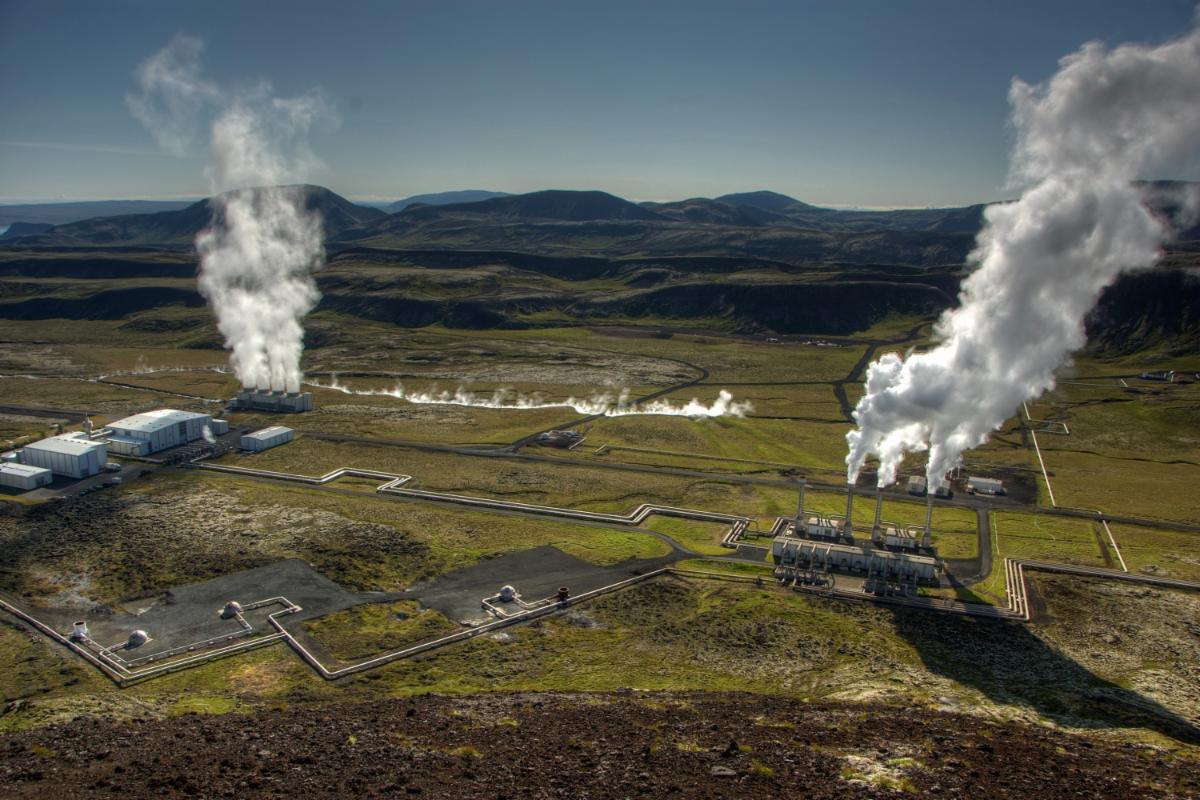
In a new Cascade Institute report, Geothermal Prospects in Baker Lake, Nunavut, Cascade Affiliate Researcher Ysaline Bacon demonstrates Arctic geothermal potential, drawing on fresh borehole data and subsurface modelling that reveal higher-than-expected underground temperatures in Qamani'tuaq, and challenging the conventional wisdom that geothermal isn't feasible in the North.
Coming to Canada: World Geothermal Congress
From June 8 to 11, Canada hosts the triennial World Geothermal Congress in Calgary — the most significant gathering of geothermal scientists, policymakers, industry leaders, and innovators in the world. The Cascade team will be deeply involved, with Peter Massie, Emily Smejkal, Rebecca Pearce, and others presenting and chairing panel discussions on Canada's potential.
Learn more and register at wgc2026.com
| | |
Thank you for being part of this journey.
I hope you will also subscribe to the Cascade Institute's own newsletter, which share an even fuller picture of our work, including the researchers and projects I did not have room to feature here.
With gratitude and hope,
Tad, April 2026
| | | | |