Sweeping out Scotch broom for the Fender's blue butterfly |
|
Our vision is a world where all people and wildlands are healthy and interact positively, biological diversity flourishes, and environmental challenges are met with a social commitment to solving problems with scientific principles. |
|
"We must be free not because we claim freedom, but because we practice it." - William Faulkner |
|
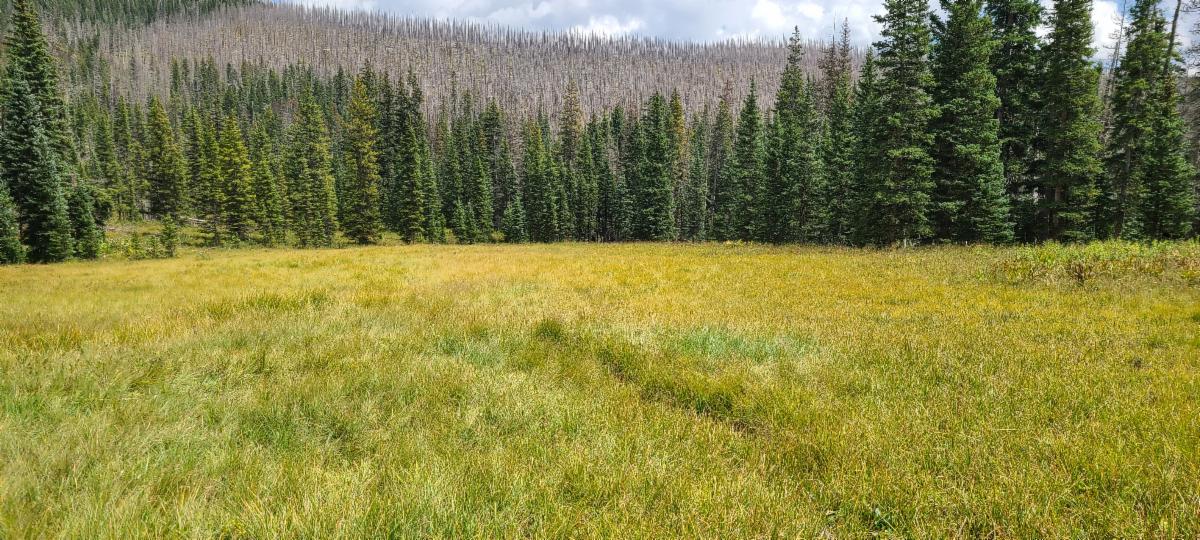
Hope for the Arizona Willow |
My first season of on-the-ground rare plant conservation came full circle last summer, when I visited our final target population of Arizona willow (Salix arizonica). It was the second day of a backpacking trip in the Pecos Wilderness in the Santa Fe National Forest, and we were exploring historical locations of the species along Jack’s Creek. Read More
|
|
|
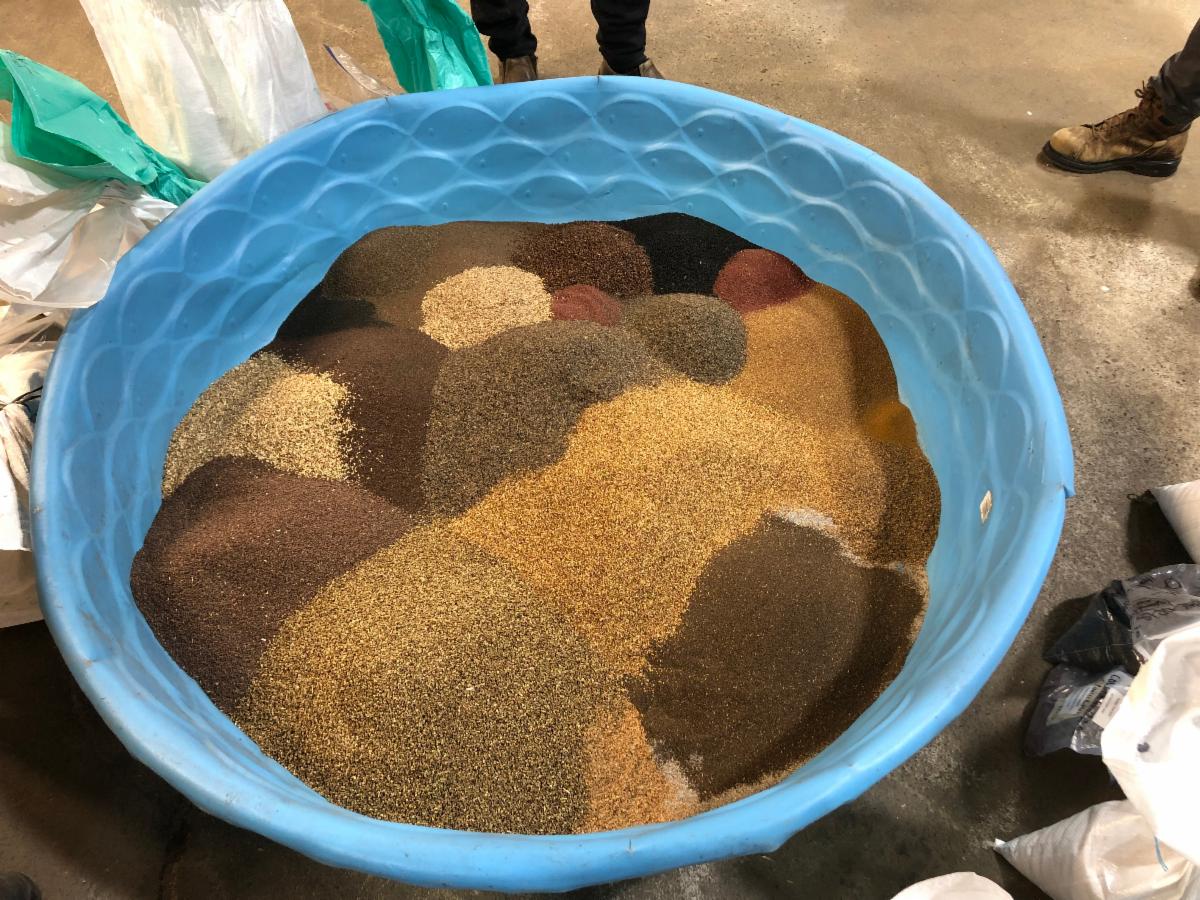
The Need for Seed: Our Seed Procurement and Mixing Process |
The need for native seed is ever increasing. As climate change accelerates, so does the demand for native seed. But before ecologists can sow the seeds to heal the land, they need access to the right seed mix. That's where we come in. Read More
|
|
|
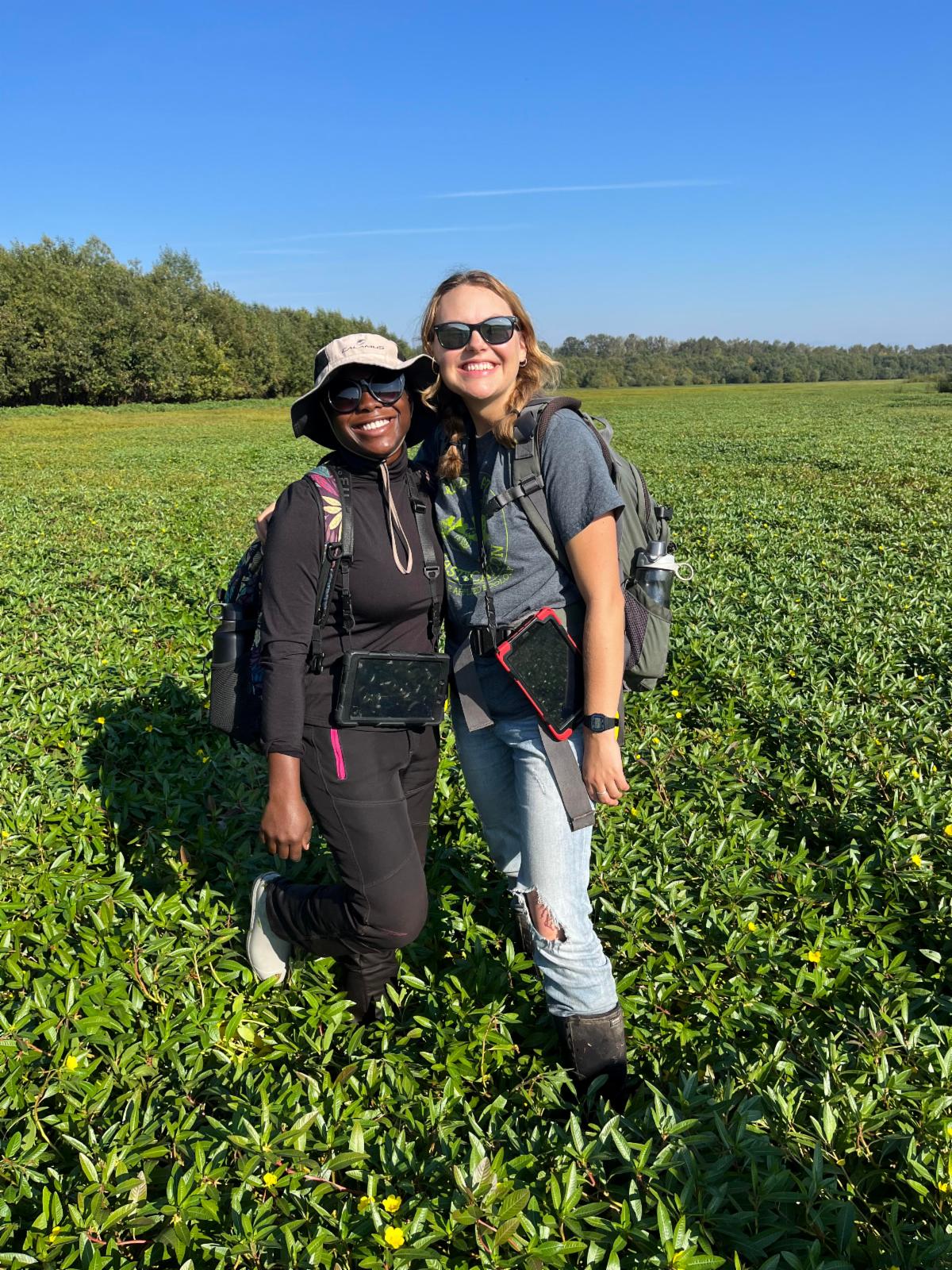
Internship Highlight: An Interview with Cierra Dawson & Brooke Morrow |
By IAE Staff
Cierra Dawson and Brooke Morrow are interns with IAE, and soon conclude their yearlong internship experience working with us. To highlight their involvement with IAE and accomplishments over the last year, we’ve asked them a few questions about their work with IAE—and what comes next! Read More
|
|
|
Using Art to Enrich Learning with Sagebrush in Prisons |
By Alyson Singer, Project Manager, Idaho and Eastern Oregon Sagebrush in Prisons Program
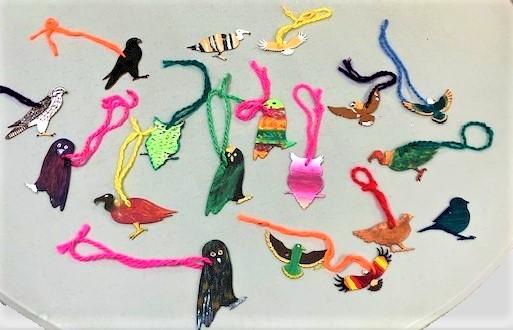
Just before the holiday season, we decided to conduct an educational workshop in two of the three prisons we manage for the Sagebrush in Prisons Project. Our goal was to provide valuable information on bird ecology, and incorporate art into our educational program—to help the residents learn, and try a new approach to ecological education. Read More
|
|
|
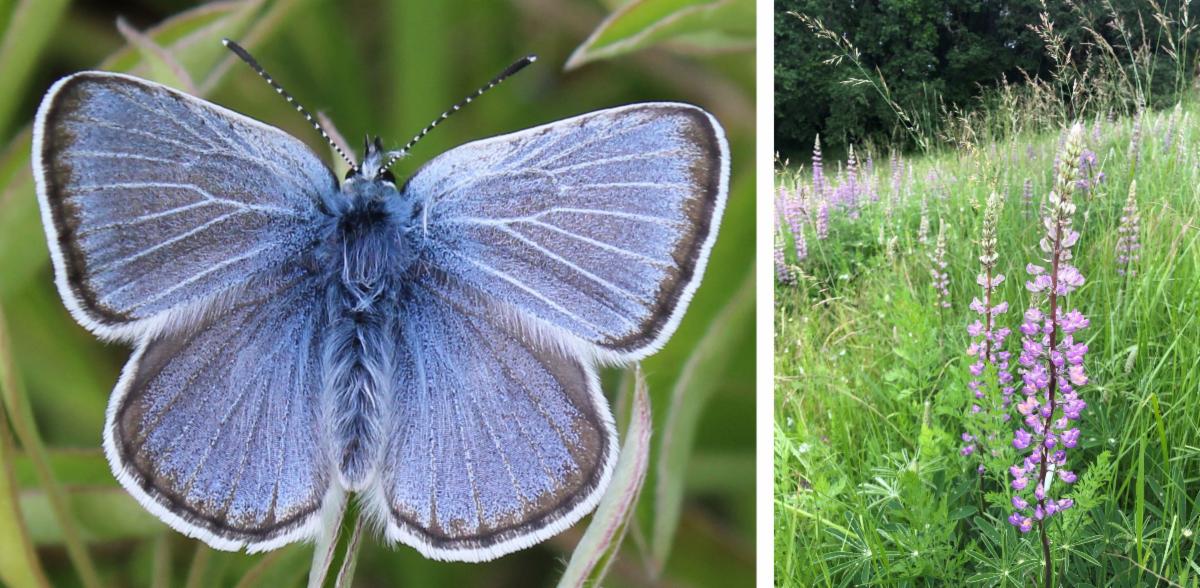
Sweeping out Scotch broom for the Fender’s blue butterfly |
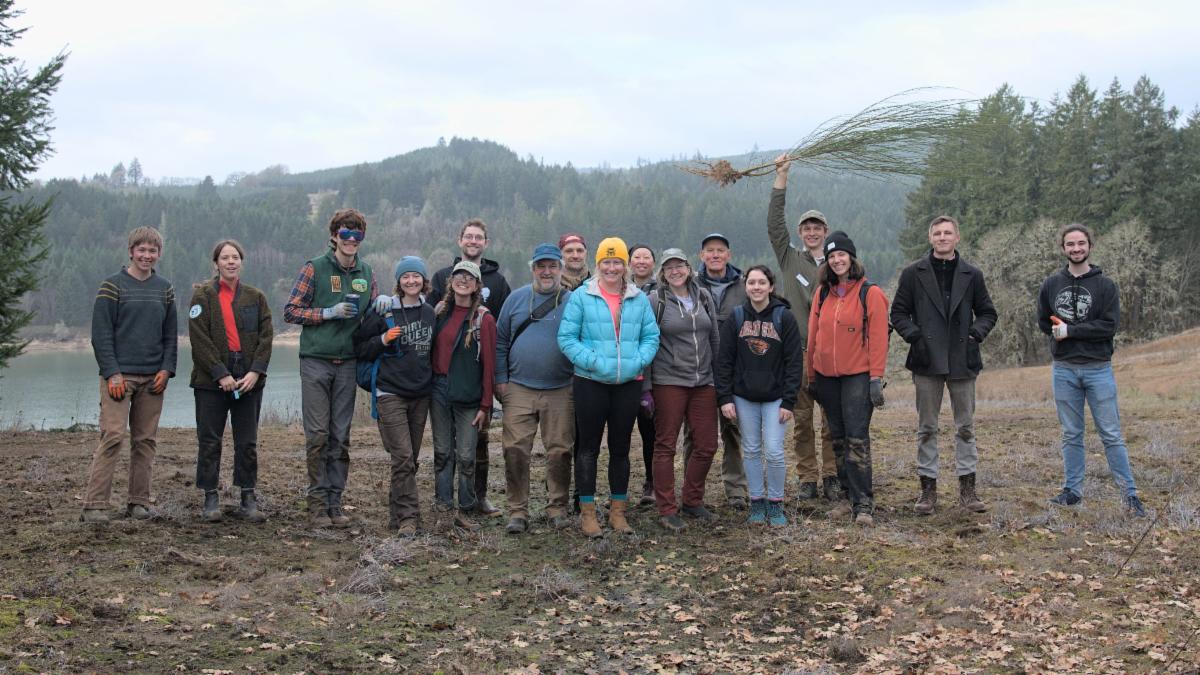
On Sunday, February 19, twenty-two amazing volunteers joined IAE staff for a morning of weed pulling at Henry Hagg Lake, just southwest of Forest Grove, Oregon. Read More
|
|
|
Staff Highlight: Tyler Turk |
|
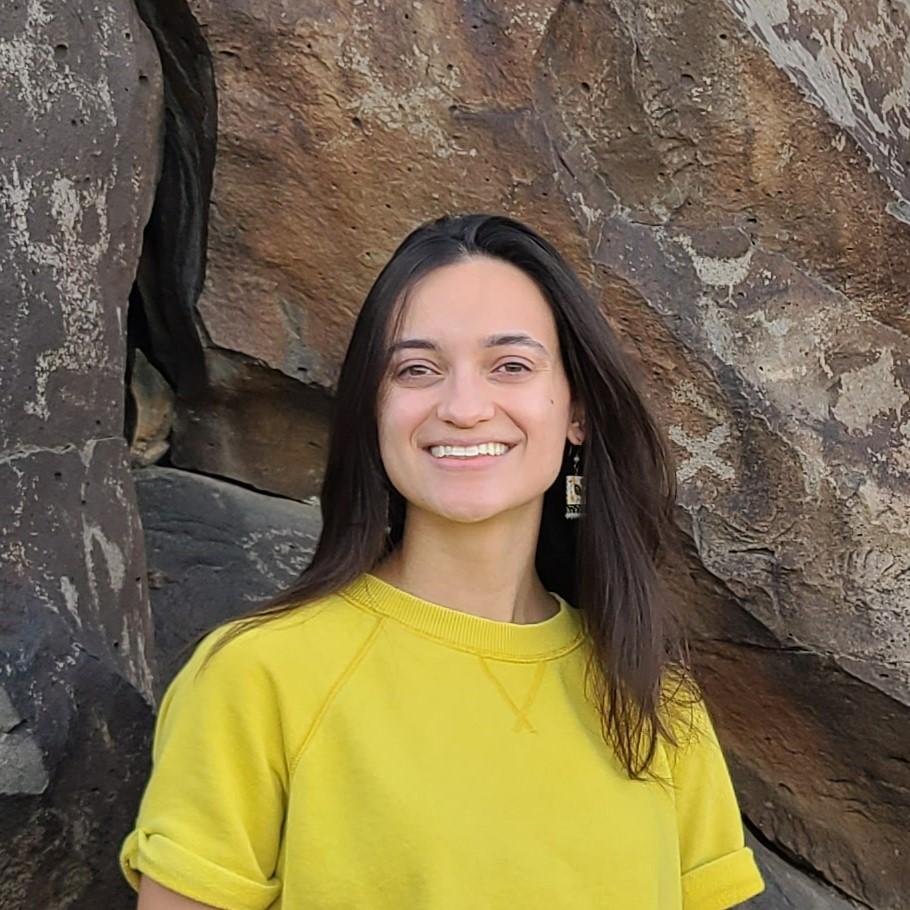
Tyler Turk is an Ecologist with the Southwest Office of IAE. To highlight her contributions to IAE, we asked her a few questions.
IAE: Was there an experience or memory that helped steer your career into conservation?
Tyler: While I’ve always cherished outdoor spaces, I was someone who came into the world of ecology relatively late. I didn’t even know this could be a career until my junior year of college (just one reason why education programs are such a critical part of what IAE does!). I was hooked when I took my first ecology course, and my love for the field was reinforced exponentially when I took my first job out of college and got to experience practicing ecology in the beautiful, open lands of the west in southeast Utah.
|
|
IAE: What do you love about working at IAE?
Tyler: I love how collaborative IAE is. It’s exciting to work with a huge diversity of partners, including federal and state agencies, universities, and tribal entities. Having IAE be a link between these partners means we get to benefit from the expertise of each of them and implement restoration and conservation across political boundaries. Read More
Thank you for all you do, Tyler!
|
|
Announcements & Brief Updates |
|
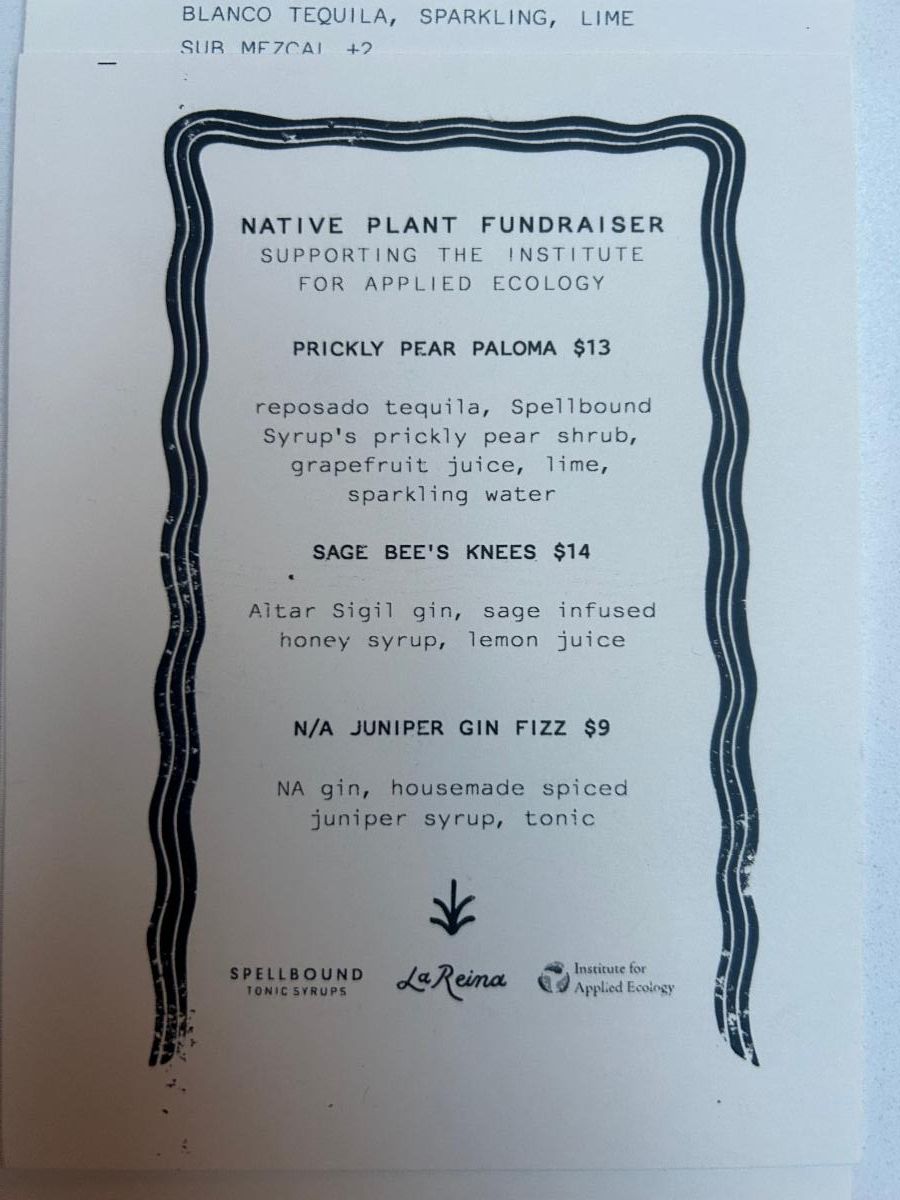
Southwest Native Plant Cocktail Party Raises Funds for Youth Program |
|
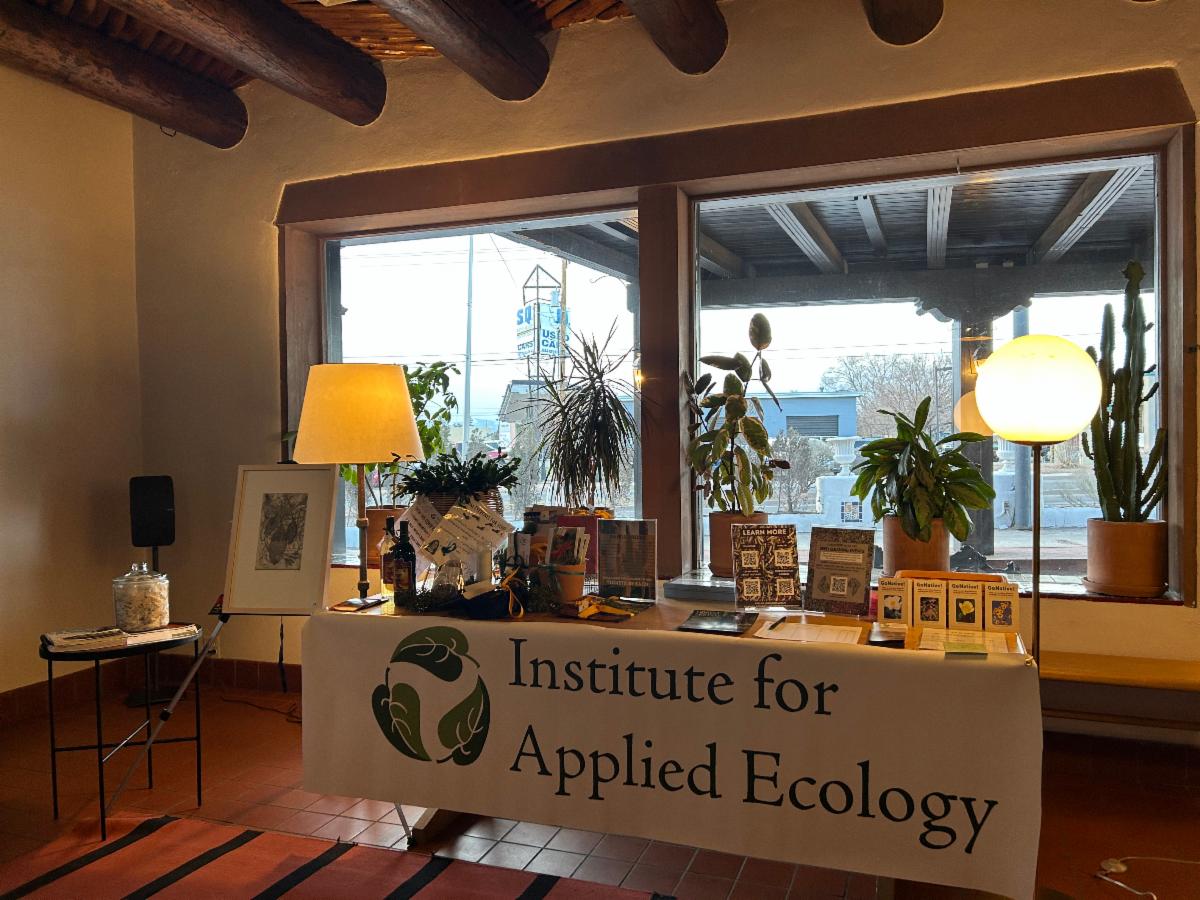
The calm before the storm—IAE's raffle table at El Rey. Photo credit: María Leonor Rodríguez
|
|
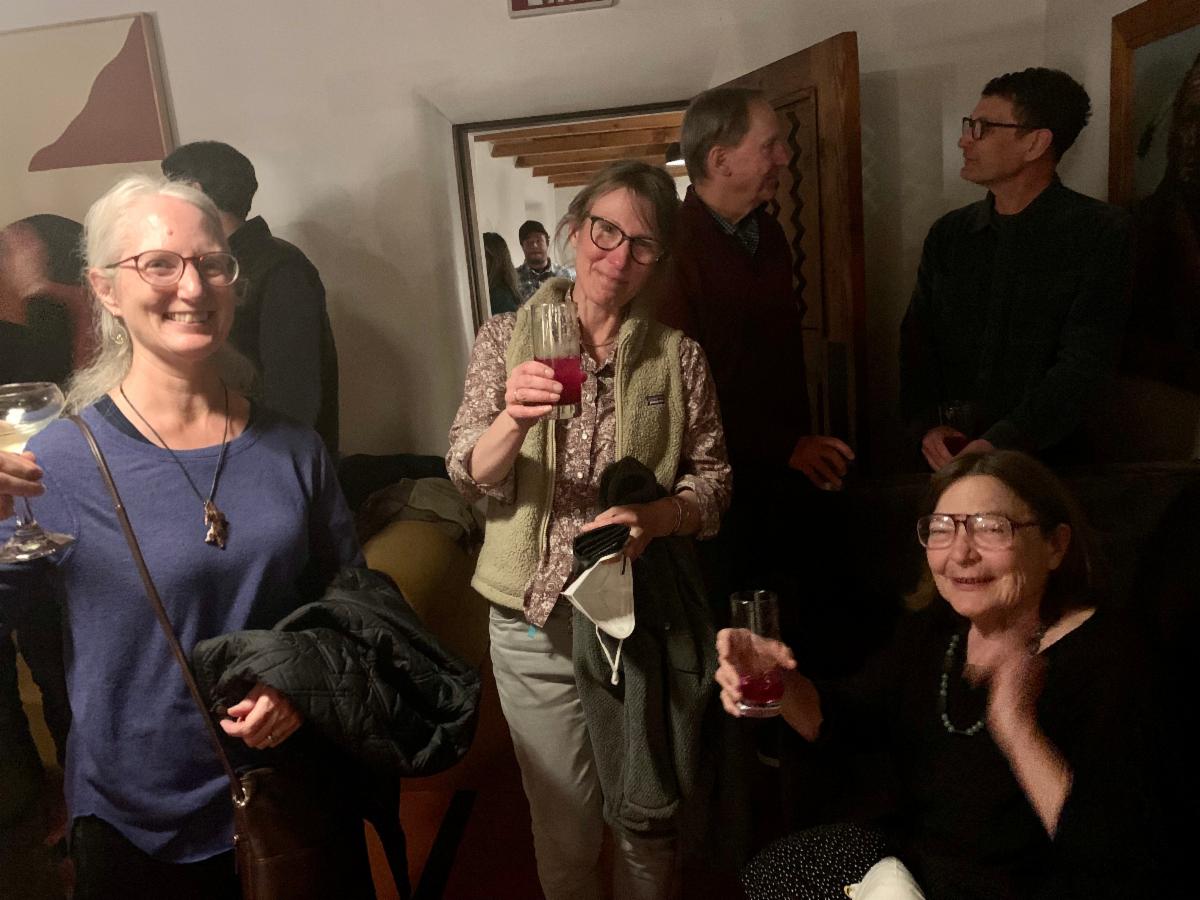
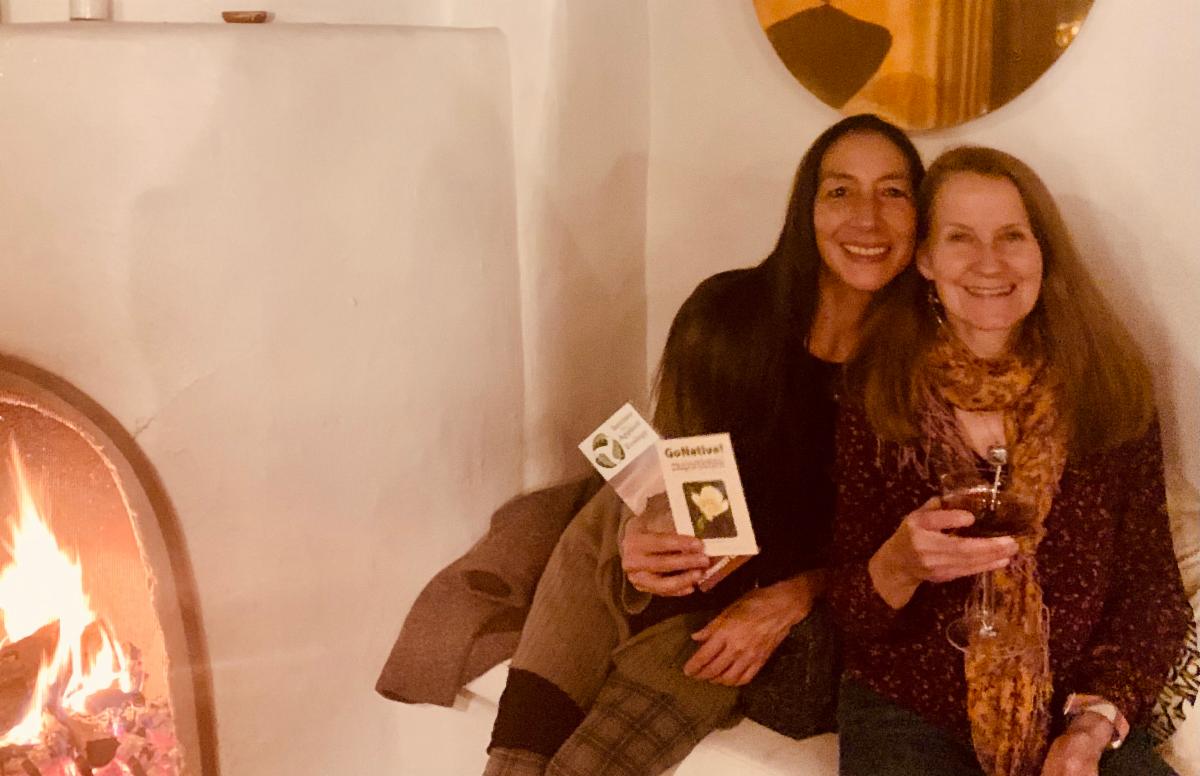
On March 7th, the Southwest Office of IAE held our first fundraising event of the year at El Rey Court in Sante Fe, New Mexico! The event featured a native plant themed cocktail special, live music from The Jenkins Twin, and a raffle with some awesome prizes which were generously donated to us by a variety of businesses and partners in the Santa Fe community. We had a great turnout for the event, and it was lovely to see many familiar and new faces alike.
|
|
The purpose of this fundraiser was to raise money to be able to provide lunches to students enrolled in our immersive education program Forest Bound—and thanks to all the people that bought raffle tickets and drinks, we were able to reach our goal!
|
|
|
Ecological Education Program Spring Update |
|
As spring arrives, the seven person Ecological Education (EE) team is busy connecting with partners, educating adults in custody, and acquiring materials for 2023 growing season. In the 11 prisons and 5 states where we work, EE team members are preparing and delivering lessons to adults in custody about the growing requirements and ecology of the plants that are grown inside prison fences. This includes sagebrush, bitterbrush, violets, plantain, Kincaid’s lupine, golden paintbrush, and a handful of Mojave Desert plants.
In some prisons, our efforts result in the production of plant plugs, others to produce seeds and a smaller amount focused on leaf production in support of endangered butterflies. In all, our most meaningful efforts are focused on person-to-person interactions—educating crews on the knowledge needed to do the work, helping them to develop eyes to ‘see’ the growing process and connecting them to why their efforts matter to the landscapes and peoples in areas where they live—now and post-incarceration.
|
|
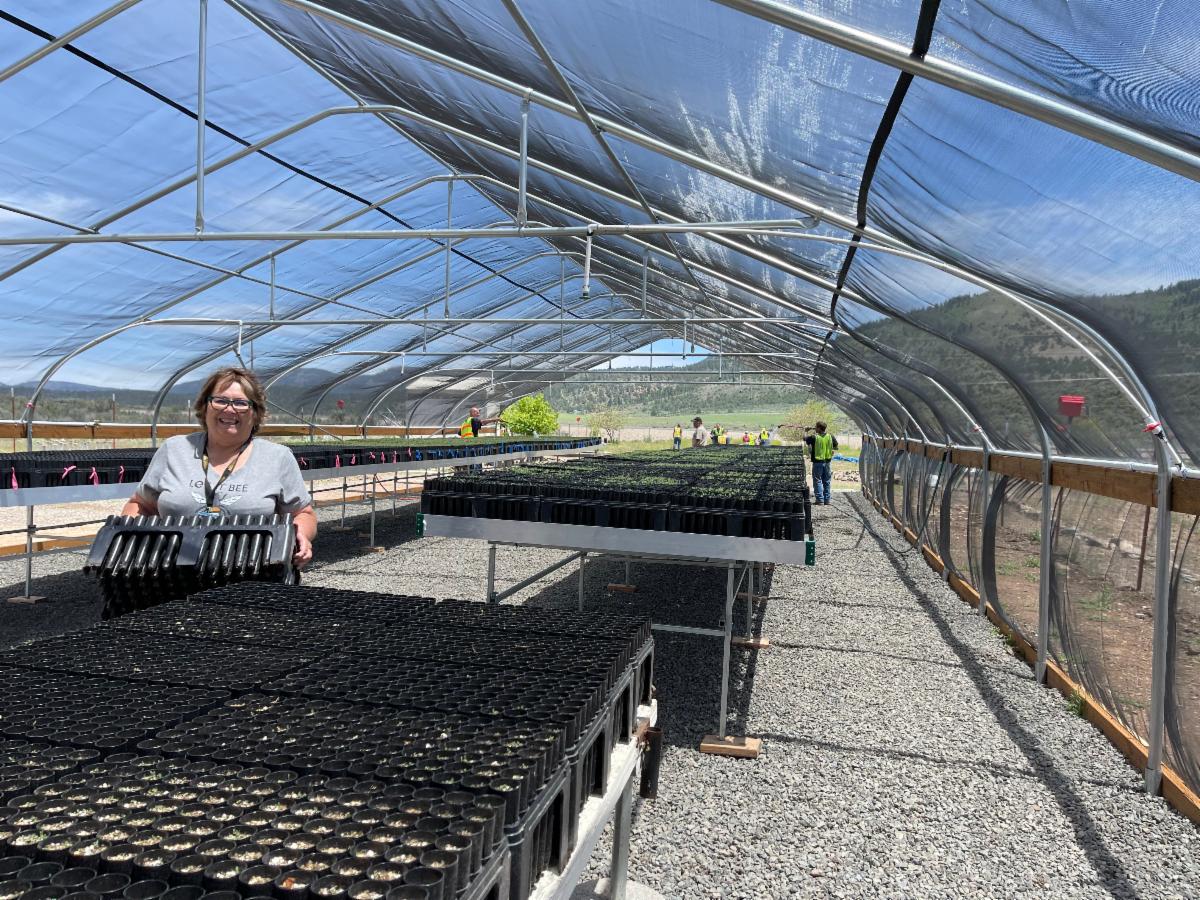
Kenda Fuhriman, IAE contractor at the Warner Creek Correctional Institute, prepares a tray of containers for sagebrush seeds. Photo credit: Karen Hall
|
|
Right now, plants crews of incarcerated adults are busy sterilizing containers and prepping the space needed for sowing. As soon as soil arrives, containers will be filled and tiny seeds dispersed within. This sounds easy enough until you add the scale of this work. The incarcerated plant crews will be planting almost a half a million plants in the next few months! After that, they’ll water, feed and care for these seedlings and yet other crews will be harvesting hundreds of cupfuls of leaf material for the hungry larvae of endangered butterflies.
These dedicated adults in custody are indeed impacting tens of thousands of acres of land – not to mention the organisms inherent to those landscapes! It may be easier for us to talk about the benefits of this program to nature. But, we believe in its value to all of nature – human and non-human alike. Hardly a day goes by without us hearing how impactful the program is to the adults in custody who choose to participate.
In addition to this work within prisons, the EE team continues to teach at two juvenile detention facilities near Corvallis, Oregon, and take on occasional other teaching opportunities, such as the training of high school students to mentor 3rd graders in environmental education.
Last year throughout all of our efforts, we delivered 78 lessons to 909 people and that doesn’t include the many teachable moments that we had while helping people learn to grow plants. At the end of March 2023, we’ll be presenting at the National Native Seed Conference, hoping to influence others to develop their own “Conservation Programs in Prisons”. What a good way to heal people and the planet!
|
|
Idaho Wildlife Society awards Sagebrush in Prisons Project! |
|
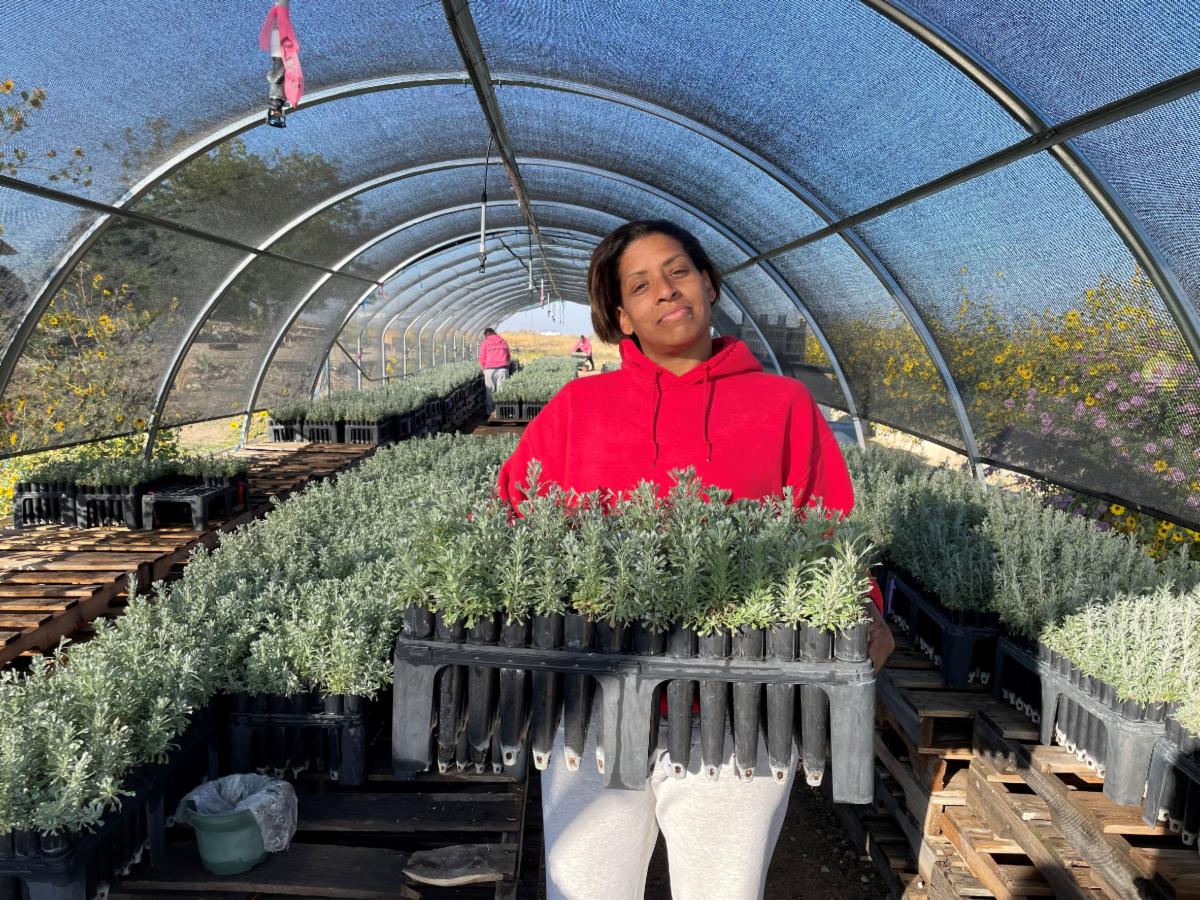
An SBWCC resident prepares sagebrush plugs at the Sagebrush Hoophouse in summer 2022. Photo credit: Nancy DeWitt
|
|
We received some exciting news for the Sagebrush in Prisons Project! We were recently awarded the 2022 Special Recognition Award from the Idaho Chapter of the Wildlife Society. The Special Recognition Award is intended to honor any person or group who has made an outstanding contribution within the state of Idaho to wildlife conservation, management, science, or conservation education; or the wildlife profession; or to a specific area of endeavor, species, community, ecosystem, or region.
Every year, we grow a total of approximately 75,000 sagebrush plants in two Idaho prisons: South Boise Women’s Correctional Center (SBWCC) and Idaho State Correctional Center (ISCC). Our thanks go to the combined efforts of our partners—the Bureau of Land Management (BLM), Idaho Fish and Game, Idaho Department of Corrections, and IAE staff and contractors. Thanks especially to the BLM for supportive funding!
We are currently in the process of preparing for our 2023 season. Sowing will begin in late April to early May. Looking forward to another successful season in Idaho!
|
|
Sparing and Sharing in Working Forests |
|
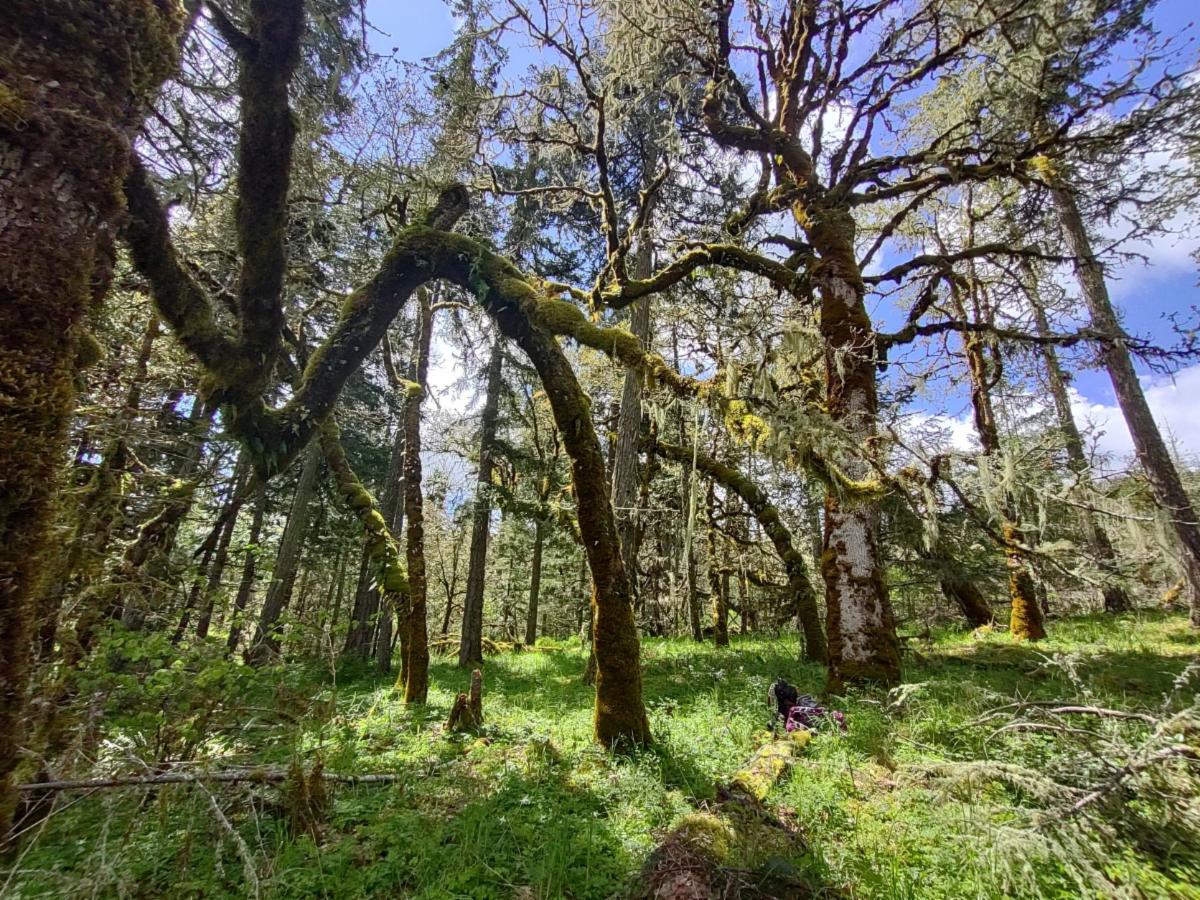
We were recently published in the Journal of Applied Ecology—under a research article, "Selecting among land sparing, sharing and Triad in a temperate rainforest depends on biodiversity and timber production targets" by our own Scott H. Harris (Director of Conservation Research) and Matthew G. Betts.
The article poses the question: for forests, how do we get our cake and eat it too?
- This study explores ways to conserve the flora and fauna that are found in forests, while also provide for wood production
- We applied the land sparing-sharing paradigm, which has been discussed in agricultural circles for decades, to working forests
- We found that there is no ideal management scenario to balance all values. In other words, tradeoffs are necessary and society will need to prioritize what to conserve
- We also found that when species dependent on old-growth forests are the priority, a sparing scenario is ideal. Sparing dictates for strict conservation reserves while relegating a portion of the land to tree plantations
To read more, check out the abstract available online here. |
|
5 Common Misconceptions About Biodiversity |
|
As an EarthShare Nonprofit Partner, our organization (IAE) works alongside hundreds of environmental groups, sharing ideas and collaborating on innovative new work. This partnership with EarthShare allows us to amplify our own unique mission and vision throughout the environmental movement — building deeper support and maximizing our impact. EarthShare provides individuals, businesses, and environmental nonprofits the inspiration and tools to create a more just and sustainable planet. |
|
Biodiversity is something we humans frequently take for granted. How many times have you found yourself awed at the number of species of fish in the ocean or the numerous types of mosses clinging to the trees in your neighborhood?
Chances are, you don’t spend a lot of your day pondering the wonders of the phylum Arthropoda—at least, probably not any more than the next guy. And most of us aren’t particularly knowledgeable about the ins and outs of weeds.
And yet, all of these species (or classifications of species) play an integral role in the world we live in. One that would not easily be made up for should they one day disappear.
Even with modern technology, humans don’t have the capacity to make up for all of the species that will be lost if we don’t start fighting for biodiversity right now.
But where do we start? We’ve compiled a list of five of the most common environmental misconceptions involving biodiversity, and we’re disproving them right here and now. Read more
|
|
We are currently hiring for a Full Time Executive Director as part of the planned transition of our Founder, Tom Kaye, into his new role with IAE: Chief Science Officer.
We are also hiring for two Rare Plant Survey positions based in Idaho. Full job descriptions and application details can be found in the links on our website at www.appliedeco.org/jobs.
|
|
Volunteer, Become an IAE Member! |
|
Thank you to recent IAE Business Sponsors! |
|
If you'd like to show your business's support for our work, please get in touch:
|
|
Ken Bierly, President; Brandy Humphreys, Vice President; Cary Stephens, Secretary; Jack Halsey, Treasurer; Jason Bradford, Anne Bradley, Shinji Kawai, Judy Li, John Savage, Sunia Yang
|
|
|
|
|
|
|