Dear Colleagues:
Last month, I had the unique opportunity to share emerging research about Student Parents with more than 160 faculty, staff, administrators and college trustees as a keynote speaker at Bellwether College Consortium in San Antonio, Texas. As I shared the nuanced challenges that Student Parents experience in two-year colleges and how institutions struggle to meet those needs adequately, many audience members nodded in agreement. Asking the audience, “How much did (or do?) you pay for childcare for your children?” I heard answers ranging from $500 to $2200 a month to meet the needs of their families. Here’s a sobering statistic: 68% of the respondents to my Student-Parent survey reported monthly incomes of less than $1499 per month.
How can Student Parents pay for college, childcare, rent and daily living if colleges don’t reevaluate their strategies in financial aid and become more creative with meeting the needs of entire families? If not, community colleges will lose their chance to truly engage Student Parents and promote college persistence and degree completion.
This conversation comes at a critical time in our society: recent national reports highlight that colleges are predicting drastic enrollment dips. Factors contributing to this include: society questioning the value of a college degree, and people gradually losing faith in higher education as tuition continues to rise, state investment continues to fall, and degrees aren’t matching local economies. As colleges across the country begin to refine academic offerings through programs for “adult learners,” they should tailor resources to Student Parents who naturally fall into the category of adult learners.
In this issue, we’ll explore how two projects, the Long Beach City College Phoenix Scholars and the California Community Colleges Baccalaureate Program study, are hoping to transform the lives of adult learners, provide accessibility and ensure equity.
Warmly,
|
|
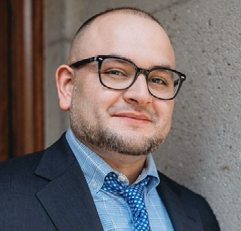
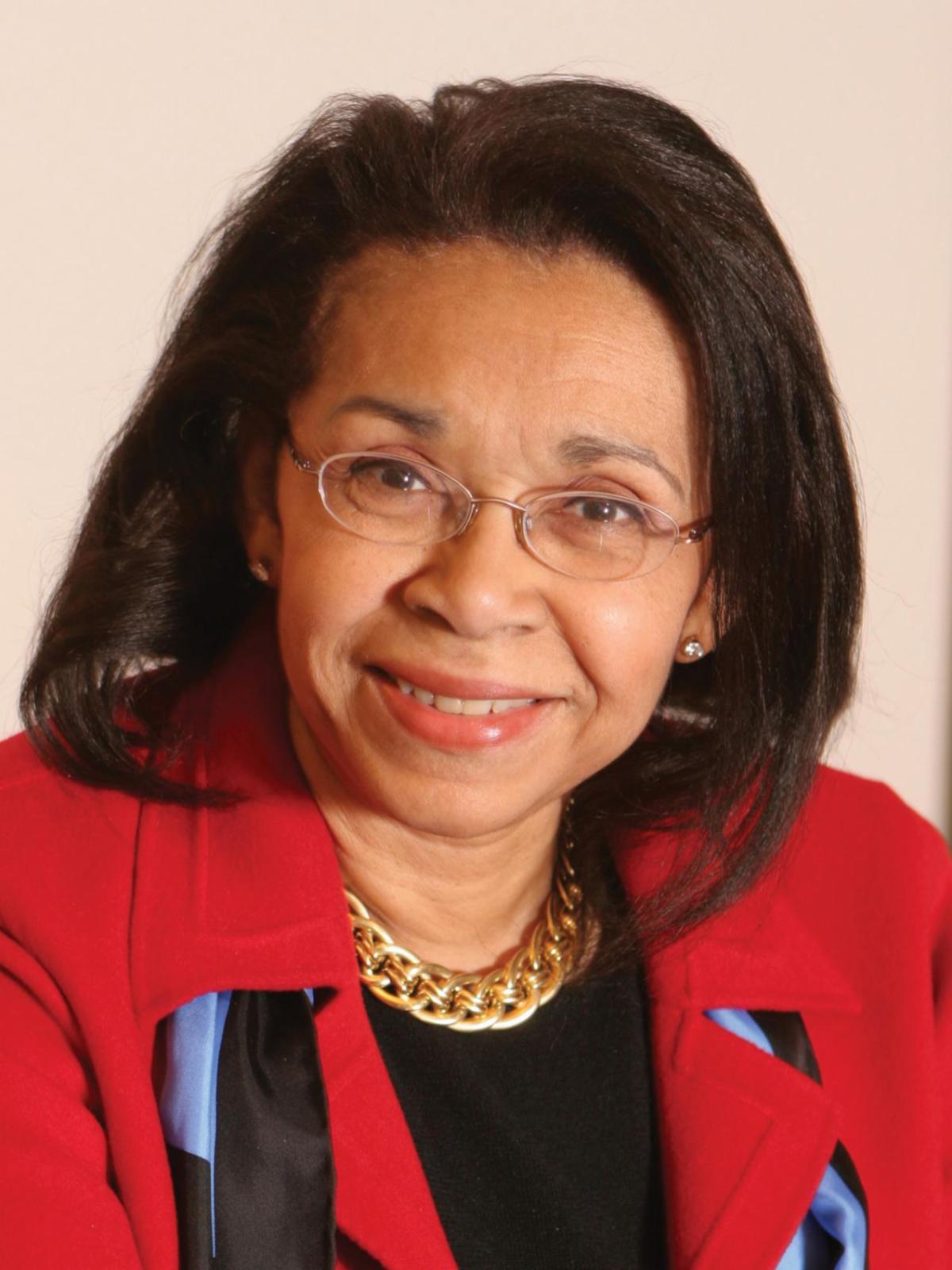
Assistant Professor of Education, USC Rossier School of Education and the Pullias Center for Higher Education
|
|
Gangs, College and Research-to-Practice |
In 2019, Adrian H. Huerta started a bold new project: Explore the educational pathways for former gang members and how they achieved college success. Starting with in-depth interviews with 37 former gang members who have completed associate to doctoral degrees, this work is helping to uncover the potential of a community — gang-affiliated youth — that is often deemed unworthy of investment even to consider college as a possibility.
Collectively, he learned how K-12 systems often discarded gang youth from schools through multiple practices that led to dropping- or push-out, and how some children as young as 13 years old knew that school was not meant for them due to aggressive tactics from school personnel. Eventually, they accept life on the streets with their gang as their fate.
|
|
|
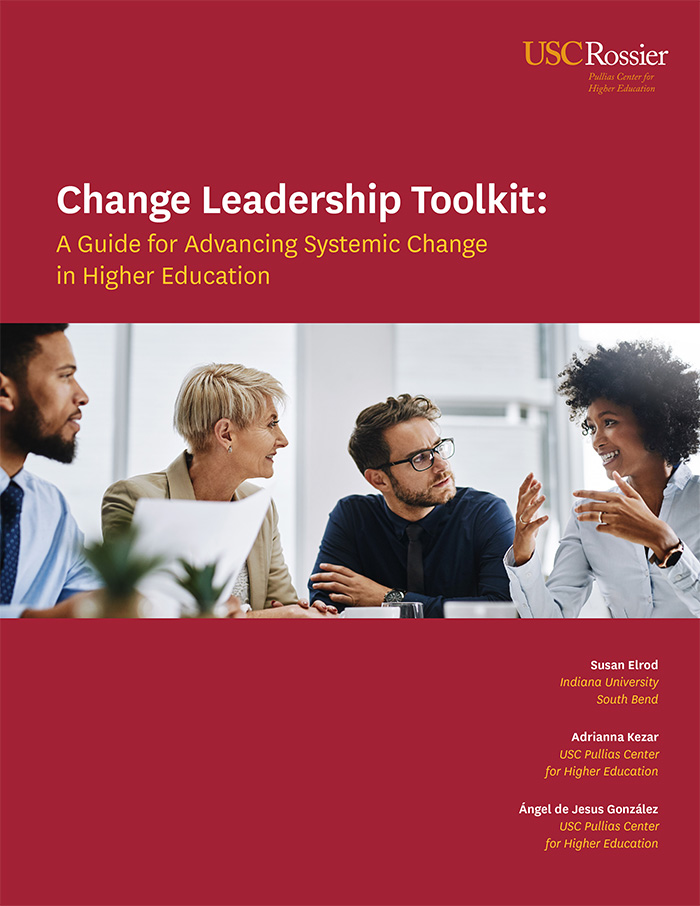
Change Leadership Toolkit Now Available
This research-based model of change focuses on leader roles, moves (or actions), and competencies that are accessible and user-friendly.
The Change Leadership Toolkit provides a comprehensive set of tools that starts with leadership context, analysis of change levers, leadership roles and agency, building leadership team and capacity, and details on how to lead in ways that connect leaders to the entire process of change.
|
|
Join Pullias Center Researchers at AERA, April 13-16
Join Pullias Center and USC researchers at this year's AERA conference in Chicago.
|
|
New SEL Report and Webinar Now Available:
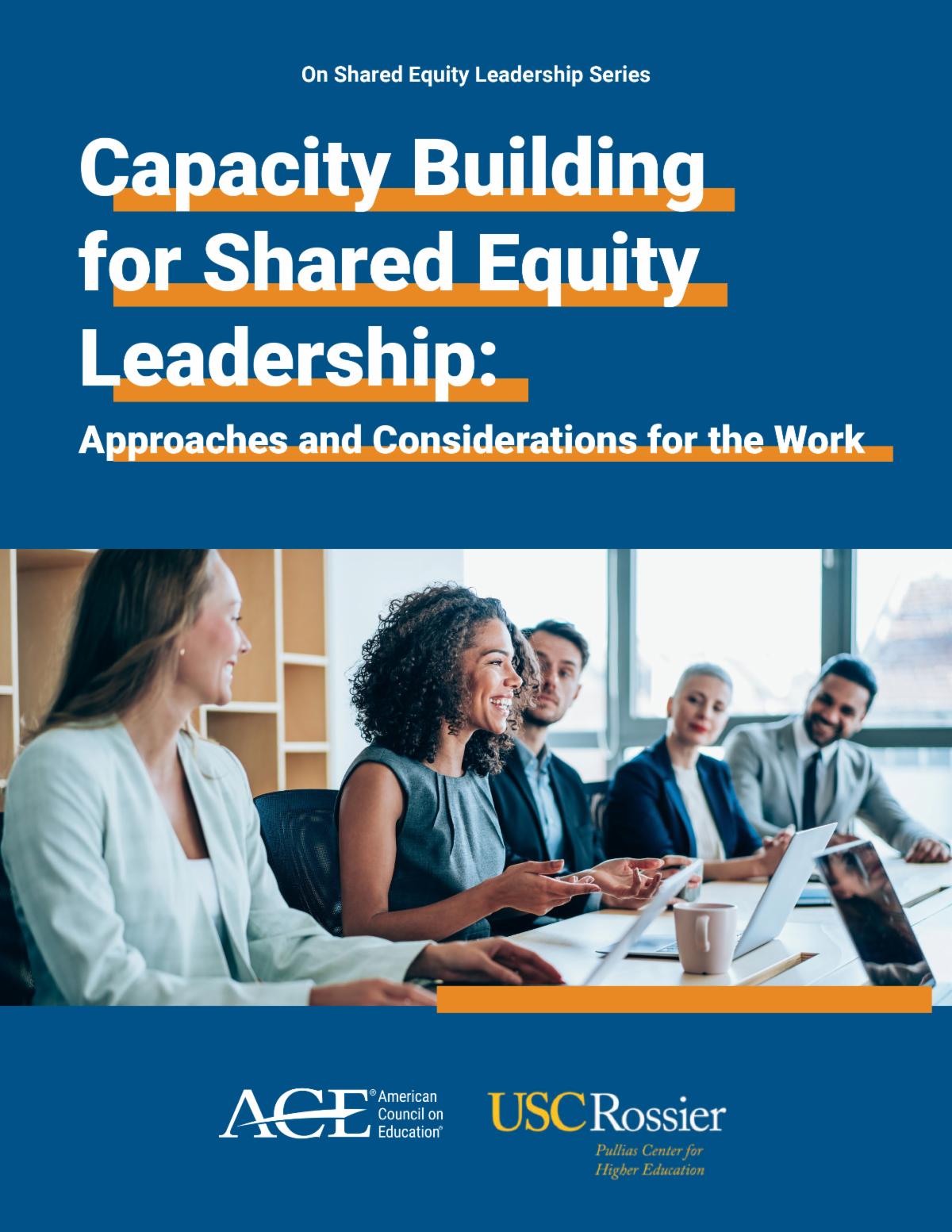
Capacity-Building for Shared Equity Leadership
How can you build capacity at your institution for equity-minded leadership?
Check out our complete library of reports, blog posts and resources that can help you on your Shared Equity Leadership journey, here.
|
|
The annual Delphi Award, now in its sixth year, presents a $15,000 cash award to two universities annually that support non-tenure-track, contingent and/or adjunct faculty in pursuing strategic priorities such as student learning and community engagement.
Want to learn more about what makes a winning Delphi Award application? Save the date for our April 5 webinar (with AAC&U) featuring the 2022 Award winners, Dominican University of California and Montgomery College. Registration for this webinar opens soon!
|
|
MORE NEWS
- Ángel González will be joining Fresno State University in the Higher Education Administration and Leadership (HEAL) Program as a tenure-track Assistant Professor.
-
Ángel Gonzalez was a featured speaker on Beyond Papel Picado: Disrupting Traditional Notions of LatinX Community College Leadership at the American Association of Hispanics in Higher Education (AAHHE) National Conference.
-
Mariama Nagbe was an invited speaker for a doctoral course on organizational theory at the University of Utah. Her lecture was entitled, "Hidden in Plane Sight: On Racism and the Business of Knowledge Production, an OrgCrit Primer."
-
Elif Yücel was selected as a semi-finalist for the NAEd/Spencer Dissertation Fellowship, and her research on college re-entry programs was cited in an article by The Nation on formerly incarcerated students.
- The PASS research team recently made numerous presentations at the University of South Carolina's Annual Conference on the First-Year Experience in Los Angeles.
|
|
THE PULLIAS CENTER FOR
HIGHER EDUCATION
Promoting Equity in Higher Education
|
|
The World's Leading Research Center on Student Access and Success in Higher Education |
|
|
|
|
|
|