|
Inside this quarterly newsletter: 'Tis the Season to Spawn!
- Salmon Habitat Projects In San Geronimo Valley
- Lagunitas Creek and Salmon Survival
- Celebrating Sarah Phillips and Maya Gomez
- Where to View Salmon Spawning
- Marin Water Installing 13 Fisheries Projects
- Apply for Stewardship Projects!
- Free Biotechnical Engineering Workshop
| |
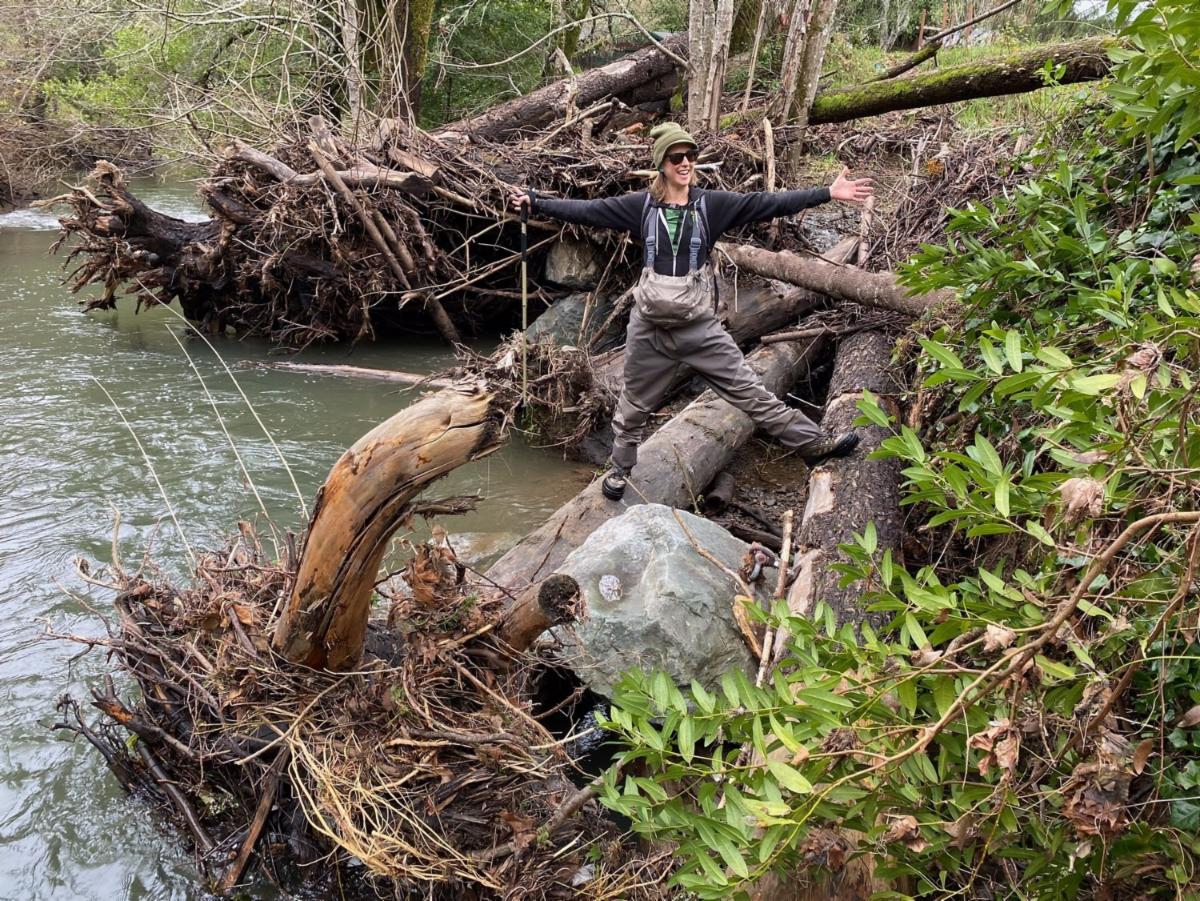
Marin RCD's Sarah Phillips stands on a large woody debris structure which has been placed in San Geronimo Creek to provide salmon habitat. The mixture of logs and boulders are anchored down along the streambank to ensure they remain stable. The structure provides an important ecological component, leading to improvements in physical habitat characteristics such as increased pools, cover, and habitat complexity. | |
|
San Geronimo Projects
Provide New Habitat!
From time to time, it’s important to pause in order to celebrate the victories we all achieve in the field of restoration and the roles we play improving habitat for other species. 2024 marked the completion of two significant Marin RCD projects in the San Geronimo Valley (SGV) Landowner Assistance Program, implemented to enhance salmonid habitat. These are the first projects in the SGV where significant large wood clusters were installed in the creek to provide salmon with habitat refuge areas on private properties. The goal of working with the SGV landowners in creating instream habitat has been achieved, as fish are now using both sites!
| | |
Lagunitas Creek & Salmon Survival | |
|
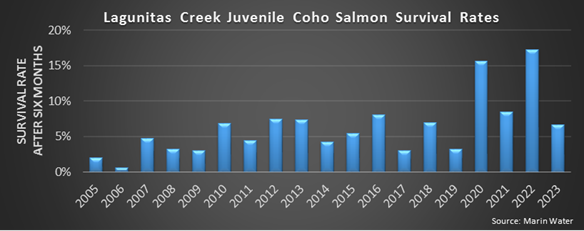
Since 2016, Marin RCD has been partnering up with Marin Water to support their salmon lifecycle monitoring program in Lagunitas Creek. Marin RCD’s Urban Streams Program Manager, Sarah Phillips, joins the Marin Water fisheries team to monitor salmon smolts, juveniles and adults at different times of the year to better understand their life stages and to determine if salmon are thriving or declining:
- March – May: During this time, the monitoring team looks at the outmigration of smolts by capturing them in a Rotary Screw Trap after they have spent the winter in the stream and are about to head out to the Pacific Ocean through Tomales Bay. They also give each fish a unique transponder tag that allows them to identify the fish when it returns as an adult.
- September – October: Overwintering juvenile salmonids, that were born in the early spring and ready to spend their winter in the stream channel, are monitored before they outmigrate the following spring. They are either captured with seining nets or through electrofishing which sends an electrical current that helps the team capture the fish for tagging.
- November – February: Finally, the adults that are returning to spawn are observed. The team walks the stream to observe salmon redds (nests) where salmon reproduce and then die, leaving behind enriched nutrients along the floodplains and upland areas as scavengers carry their carcasses upland to eat.
As you can see in the chart above, juvenile numbers were exceptional in the years of 2020 and 2022. We hope this is just the beginning of an ongoing upward trend in the population and a result of many years of watershed improvements made by landowners and partners!
| |
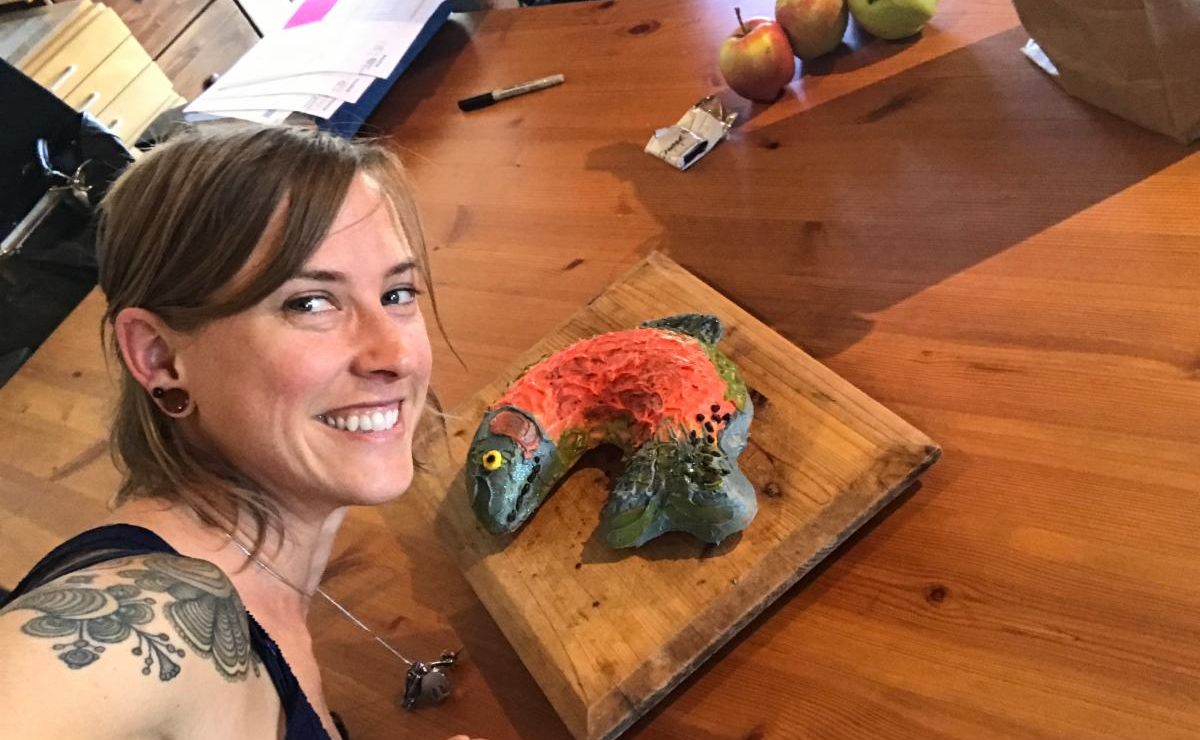
Marin RCD's Sarah Phillips celebrating with a coho salmon (Oncorhynchus kisutch) | |
Marin RCD's Urban Streams Program Manager, Sarah Phillips | |
A big thank you to Sarah Phillips for joining us 10 years ago! Sarah came onboard to initiate a new County-RCD partnership to provide confidential, non-regulatory assistance to landowners in dealing with the Marin County Stream Conservation Ordinance. Since that time, she has provided invaluable assistance to hundreds of streamside homeowners, created creek-friendly resources, held educational workshops and implemented complex coho restoration projects in San Geronimo Valley and beyond. She has also led the revered Lagunitas Technical Advisory Group as President and Vice President for nearly ten years and is currently serving as the Vice President of the CA Salmon Restoration Federation in her spare time. We could not have found a more dedicated and passionate person for the job! | |
Thank you Maya!
The Board and Staff wish to give a big thanks to Maya Gomez, who interned with us over the summer. Maya helped organize our maps, engineering plans and translated our web pages into Spanish! We already miss you, your positive attitude and your great big smiles! We wish you the very best in your pursuit of a degree in Environmental Engineering.
Maya received the very first Richard L. Plant - Marin RCD Scholarship award over the summer. Richard Plant was a tireless educator and advocate for the enhancement of salmon fisheries. He was also a treasured Marin RCD Board member for many years.
For more information about the scholarship, please go to our webpage. Applications are accepted in the Spring.
| |
(photo credit: @Richard James - Coastodian.org) | |
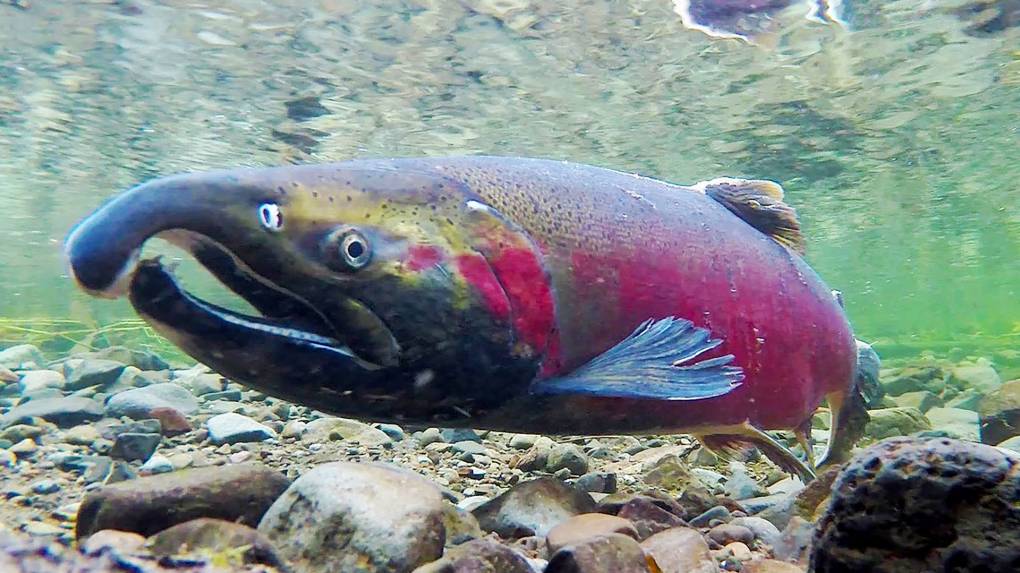
Coho salmon on its way to spawn (photo credit: US Geological Survey) | |
|
Wondering what to do with the family over the holidays? Why not take a look at a local endangered species in action? You can view salmon at the following locations through February. (Information sourced from the Point Reyes National Seashore)
-
Leo T. Cronin Fish Viewing Area at the Shafter Bridge on Sir Francis Drake Boulevard, located at the eastern boundary of Samuel P. Taylor State Park, a half-mile west of the town of Lagunitas. There is a small parking area next to the bridge to facilitate fish viewing with easy access. For more information, call the Marin Municipal Water District Sky Oaks Watershed Headquarters at 415-945-1193.
-
Camp Taylor in Samuel P. Taylor State Park. At the entrance station to Camp Taylor just off Sir Francis Drake Boulevard, there is a short, steep access trail to the creek's edge where one may see the fish as they swim upstream. For more information, call Samuel P. Taylor State Park's ranger station at 415-488-9897.
-
Devil's Gulch in Samuel P. Taylor State Park. A few miles west of Camp Taylor is the Devil's Gulch tributary of Lagunitas Creek. The trail begins on the north side of the road, across from a pullout on Sir Francis Drake Boulevard. A flat walk takes you along the creek, providing several spots from which to view the fish. For more information, call Samuel P. Taylor State Park's ranger station at 415-488-9897.
| |
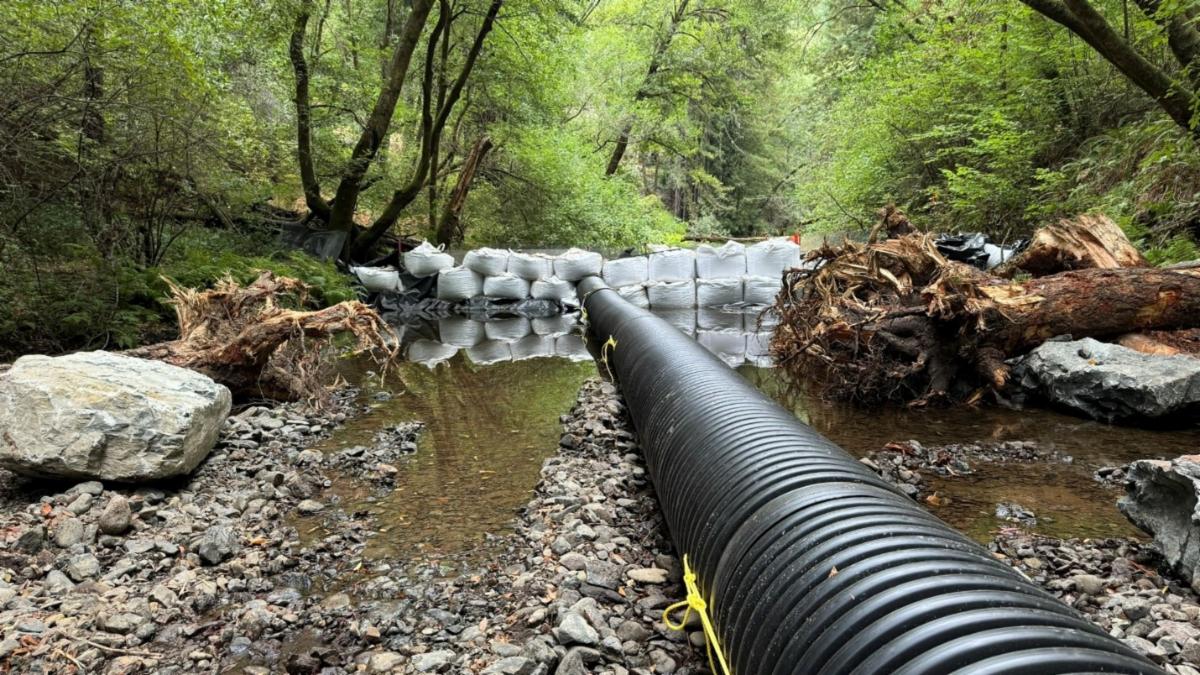
A cofferdam and bypass culvert were placed in the stream to temporarily divert the flow of water in Lagunitas Creek, clearing the site for construction. (photo credit: Marin Water) | |
Marin Water to Install 13 Fisheries Projects
Marin Water (formerly Marin Municipal Water District) has begun construction on several projects to support endangered species in Lagunitas Creek. Construction was completed in November for Phase 1A of Marin Water’s Lagunitas Creek Watershed Enhancement Project which will improve habitat for endangered coho salmon, California freshwater shrimp and threatened steelhead trout populations. The restoration work will occur in three phases over multiple years, with seasonal pauses for weather and environmental factors. This first phase involved work at 3 of 13 sites identified for enhancement. The full project will cover 4,550 linear feet of stream channel from Peters Dam at Kent Lake through Samuel P. Taylor State Park, where over 270 logs and approximately 11,000 tons of gravel will be added to create favorable habitat for salmon spawning and rearing.
| | | |
Apply!
Stewardship Projects
| | |
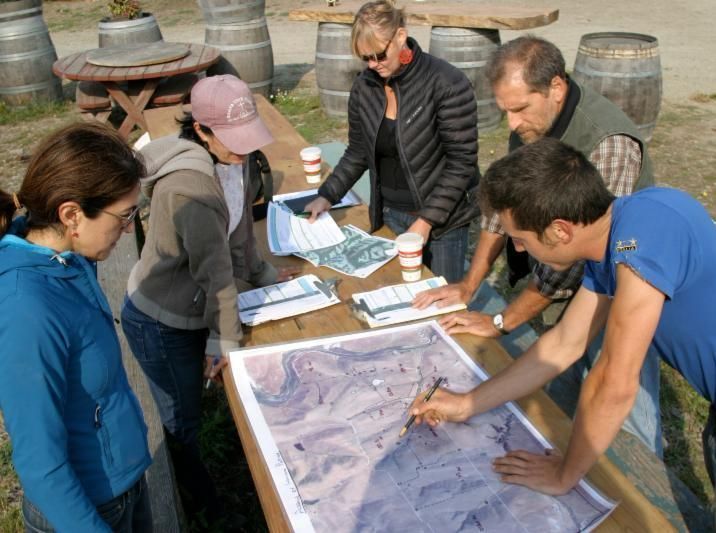
The Marin RCD has grant funding for agricultural projects that mitigate climate change and improve water quality. Funding is available to design and implement practices.
This is a rolling application process where any Marin agricultural producer can apply at any time, and we will match projects with funding. Our next round of projects applications are due January 31st. Marin RCD staff are available to support you over the phone if needed. We hope to review your application soon!
| | |
|
Free Soil Bioengineering Workshop!
Saturday, January 11th
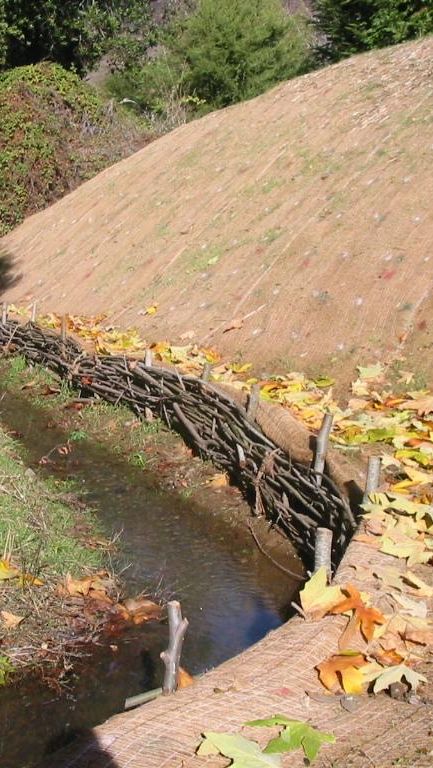
The Marin RCD is offering an exciting hands-on opportunity to learn about fundamental soil bioengineering and how it can be used in a variety of ways to improve water quality, reduce erosion and support creek bank stabilization. Participants will learn how to use Marin’s native willows, which techniques to use and when, and what tools are needed to do the work.
Space is limited!
| | |
|
Learn
Marin RCD has several programs based on the needs of our District. The purpose and impact of each program is described on our website.
| |
|
Support
Make a tax deductible donation to support stewardship projects that protect water quality, improve soil health, sequester atmospheric carbon and enhance wildlife habitat.
| |
|
Connect
Did someone forward this email to you and you want to stay in touch? Subscribe to this newsletter by clicking the button below.
| | | | |