The Mobile Authority

Vol.12.2026


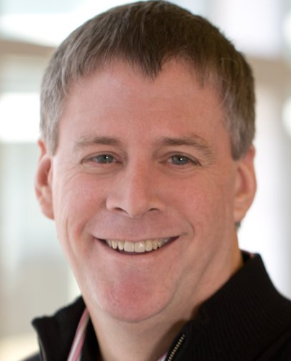
An Interview with Don Blanchon, Driving Health Forward


The following is an interview conducted by The Authority with Don Blanchon, Strategic Advisor to Driving Health Forward. DHF is a national campaign working to advance mobile healthcare through policy, partnerships, research, and collaboration across the healthcare sector. Their work focuses on addressing barriers to the growth and integration of mobile care and helping establish mobile healthcare as a sustainable component of the broader healthcare delivery system. We are pleased to share Don’s perspective on the opportunities, challenges, and future of mobile healthcare.

Q: What, in your view, is the single most significant structural barrier preventing mobile care from becoming an integrated component of the healthcare delivery system rather than an adjunct?

A: The single biggest structural barrier is the persistent misconception that mobile healthcare is not a financially sustainable service. Many healthcare leaders and policymakers hold an outdated view that mobile clinics are solely a charity care or community/public relations initiative and not a mission-critical program of an integrated service delivery model. These leaders believe that mobile clinics cannot generate demonstrable increases in new patients, more facility-based service volume, and healthcare payments to the local health system and therefore do not warrant investment over time. In their professional experience, the underlying business model for mobile clinics fails the basic return on investment (ROI) test that informs leaders' decision-making for every new health care program or major expansion. This misconception is then amplified by stories of shuttered mobile programs in the marketplace--especially those clinics serving Medicaid beneficiaries and un/underinsured communities which did not generate sufficient cash flow from grants, donations, and health plan payments to cover ongoing operating costs. 


In our view, this misconception must be addressed head-on by sector and program leaders if mobile healthcare is to be truly integrated within the healthcare system. One tangible step forward is for each and every mobile program to develop a multi-year strategic business roadmap that identifies diversified funding streams to support ongoing operations over time. Wherever possible, the core funding model should be built around 4 major revenue streams--government grants, community donations, cost-based reimbursement from health plans, and quality of care/performance payments related to specific health outcomes. Another impactful approach is for sector leaders to advocate for cost-based payments from public and private payers--especially as a long-term sustainability strategy to leverage individual states' investments in mobile clinics via the Rural Health Transformation Program.  

Q: What do you believe are the most important factors in ensuring that a mobile healthcare

program remains operationally sound and financially sustainable over the long term?

A: The most important factors for mobile clinics' long-term sustainability are community connection, operational excellence, and cost-based funding. First and foremost, mobile programs should offer accessible, culturally affirming services that the community wants in a trust-based manner that helps build meaningful relationships with individuals and families over time. These clinics should create human connection by meeting community members where they live, work, and gather. But that connection alone will not lead to long-term sustainability. Mobile programs should also strive for operational excellence--both in terms of overall quality of experience and overall impact on individuals' health and well-being--regardless of the actual scope of prevention, primary care, and other services offered to the community. This commitment to excellence is a tangible sign of respect to the community and can help attract more individuals to seek services from the mobile clinic over time. Last and equally important, the path to long-term sustainability must include cost-based funding to support a mobile clinic's ongoing operations--especially for those programs that predominantly serve Medicaid beneficiaries and un/underinsured populations. Wherever possible, mobile clinics should strive to secure reasonable, cost-based payments from public and private payers to supplement a mobile clinic's discretionary grants and donations. 


Click Here for more information about how your organization can become engaged in the DHF campaign .

Or contact The Authority at ... (207) 350-2036 or mobileclinicsquinn@gmail.com


MHCA Annual Conference: Meeting the Moment

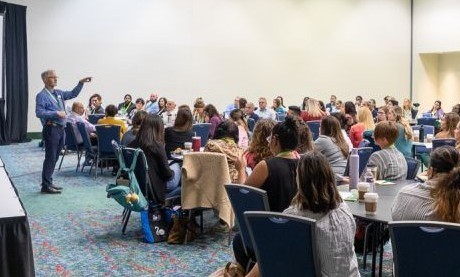
The 22nd Annual Mobile Healthcare Conference brings together mobile program operators, healthcare leaders, manufacturers, funders, and industry partners from across the country to examine the changing mobile healthcare landscape and the opportunities ahead. This year’s theme addresses an important period of growth and transformation of the mobile health care sector.


September 26 - 28, 2026, Kansas City, MO. Join The Authority as the mobile healthcare community comes together to exchange ideas, strengthen partnerships, and develops strategic plans to impact the future of mobile care.

Please visit The Authority exhibit booth at the conference to discuss purchasing a brand new or pre-owned mobile clinic.


Learn More & Register: Mobile Healthcare Association Annual Conference

National Dental Association: Architects of Change

The Authority exhibited at the 113th National Dental Association Annual Convention in Richmond, VA, meeting with dental professionals from across the country to discuss new and pre-owned mobile dental clinics and the development and expansion of community-based programs.

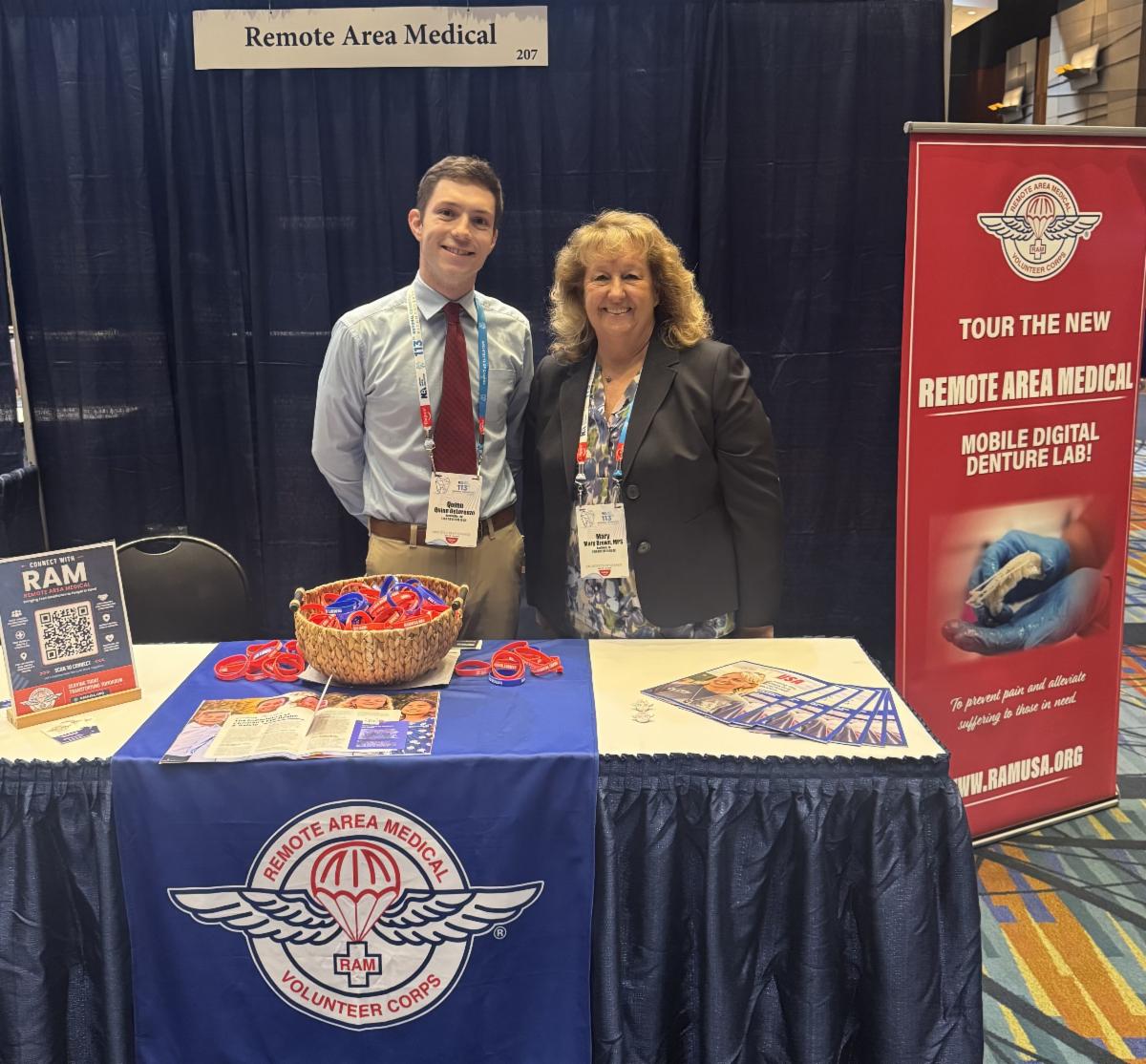
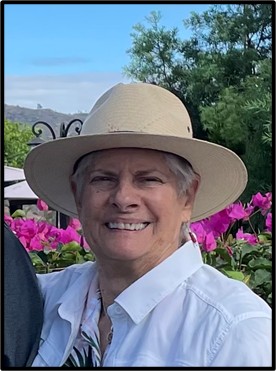
Quinn DeLorenzo of The Authority met with Mary Brown (pictured left) of Remote Area Medical (RAM) and discussed the organization’s work delivering free dental and other essential health services to communities across the country with limited access to healthcare.

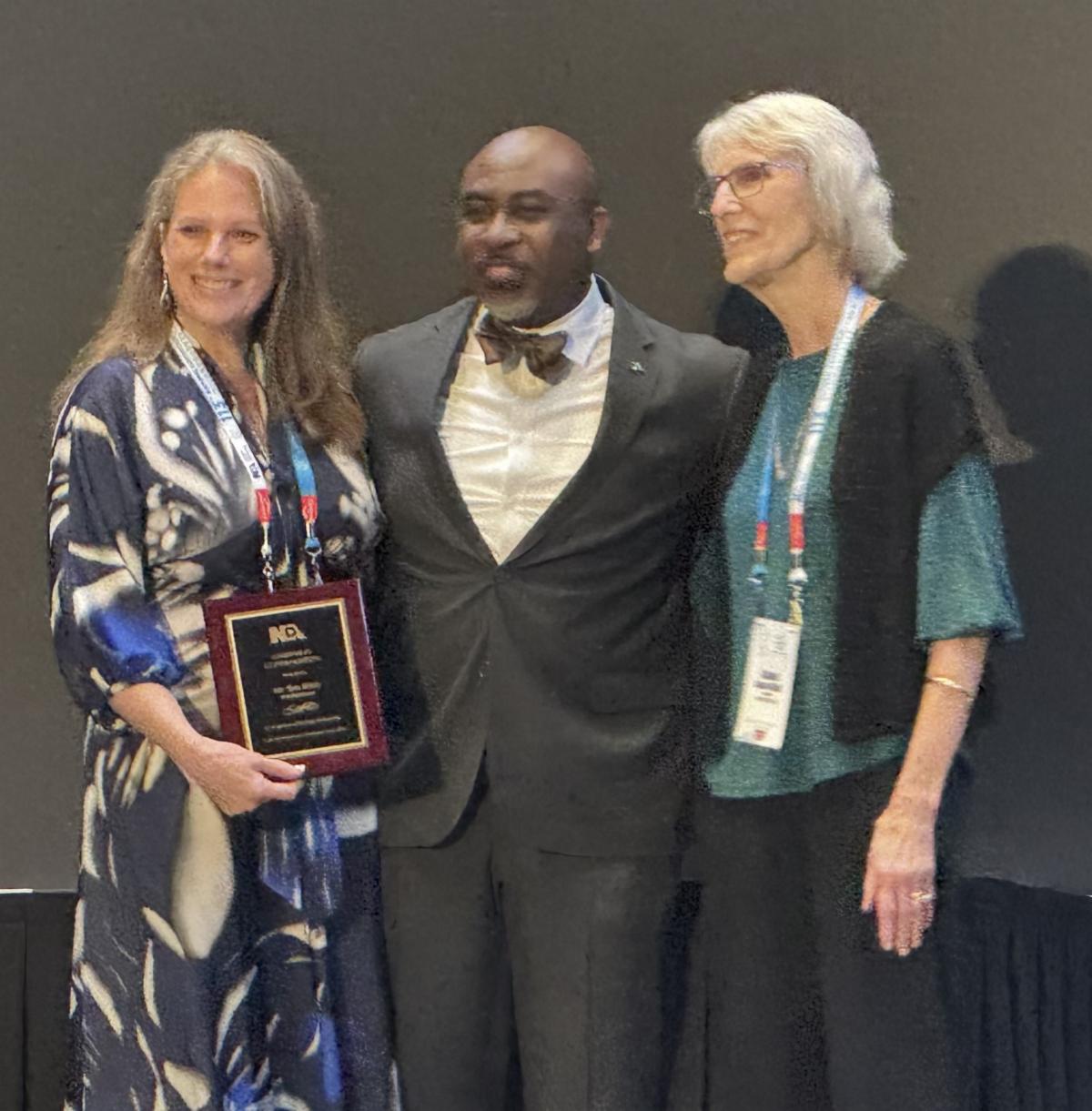
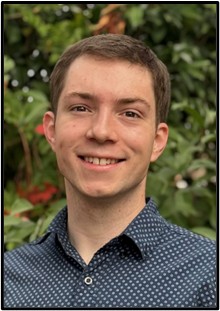
Among the convention’s more meaningful moments was the posthumous recognition of Tim Kitch, founder of ADI Mobile Health, for his contributions to advancing mobile dentistry. It was a fitting acknowledgment of Tim's work and the legacy he leaves within the mobile healthcare sector. (Pictured left are Amy and Sue Kitch with Marcus Ware, NDA Executive Director)

Click Here to talk with a mobile dental clinic specialist.

Vendor Partner Highlights

Farber Specialty Vehicles (Columbus, OH) manufactures custom mobile medical and dental clinics for providers and community-based programs combining purpose-built clinical environments with specialized equipment, accessibility, supporting infrastructure for a wide range of medical, dental, and specialty applications.

Matthews Specialty Vehicles (Greensboro, NC) builds custom specialty vehicles for mobile healthcare applications. Their projects range from compact clinics to larger, multi-room vehicles designed around specific clinical and operational requirements.

Mobile Specialty Vehicles (Wakarusa, IN) builds custom mobile clinics from medical and dental environments to diagnostic and specialty applications, MSV offers a range of vehicles, floorplans, equipment configurations, and accessibility for mobile care delivered in the field.

Click Here to learn more about our vendor partners.

Mobile Clinic Funding Opportunities

Health Plans across the country frequently provide grants for the acquisition of mobile clinics. Following are several to contact for current grant opportunities:


Delta Dental Community Care Foundation


HealthNet Community Resources

United Healthcare Community Plans


CareSource Foundation


Rural Health Transformation Program (RHTP) — With $50 billion being distributed to states over five years, healthcare providers are encouraged to review their state’s implementation plan and emerging opportunities for projects that expand and modernize rural access to care. Learn More


Click Here for more information about financing and available funding options.


Program Spotlights: Expanding Mobile Care

Recent Pre-Owned Acquisitions from The Authority

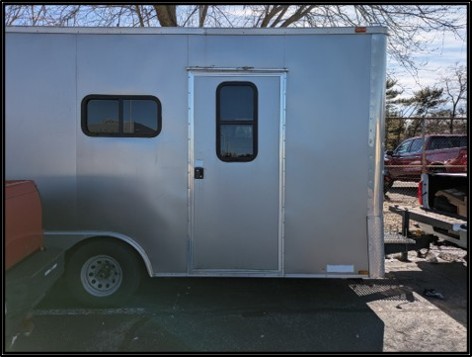
OnSite Audiology (Cedar City, UT) acquired a mobile trailer to expand the delivery of hearing services throughout rural Utah. The new platform will provide OnSite with greater flexibility to bring testing and related services directly to the communities and organizations they serve.


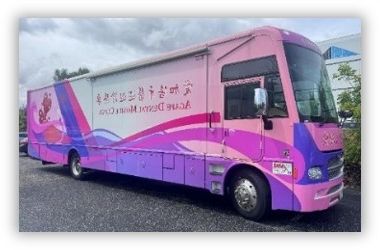
Little Acorn Pediatric Dentistry (St. Robert, MO) acquired a mobile dental clinic to extend pediatric dental services into the community. The clinic will provide a dedicated mobile environment for reaching children and families beyond the traditional dental office.


Purchasing Mobile Clinics

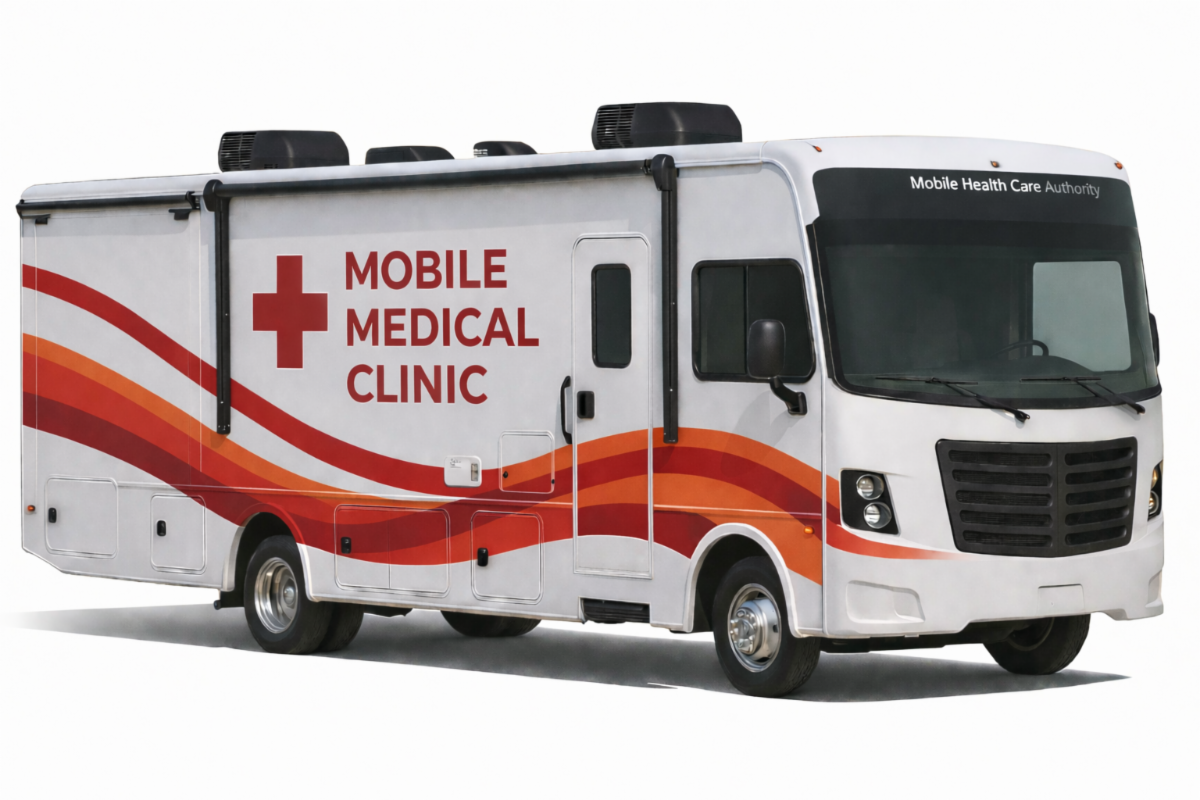
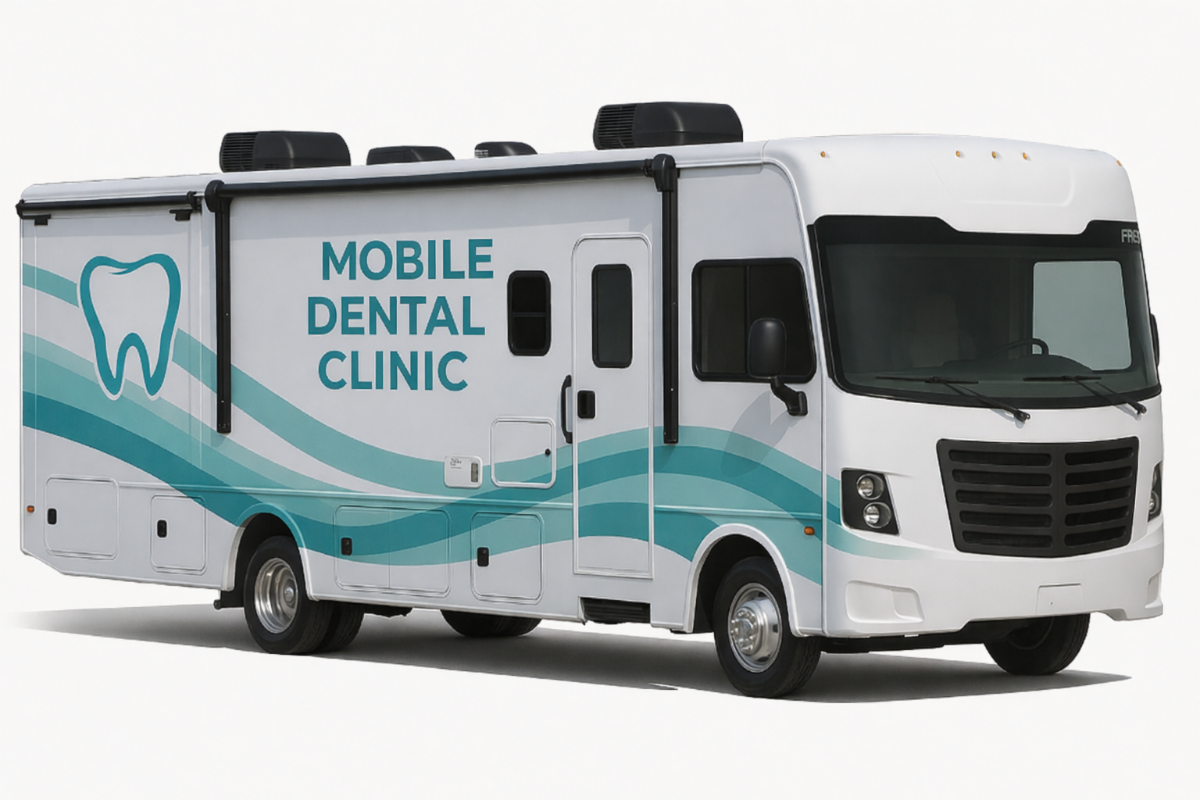
See Our Current Inventory of Pre-Owned Mobile Clinics For Sale, Click Below

Medical

Dental

Need a quote for a brand-new mobile clinic? Click Below

Medical

Dental

Click Here to talk with a mobile clinic specialist.

Contact Information

Mobile Health Care Authority

Darien DeLorenzo ... Profile

CEO & President

(619) 795-9604

mobileclinics@aol.com


Quinn DeLorenzo ... Profile

VP Marketing & Client Services

(207) 350-2036

mobileclinicsquinn@gmail.com


619-795-9604

Email us

Visit our Website

Linkedin


Facebook