|
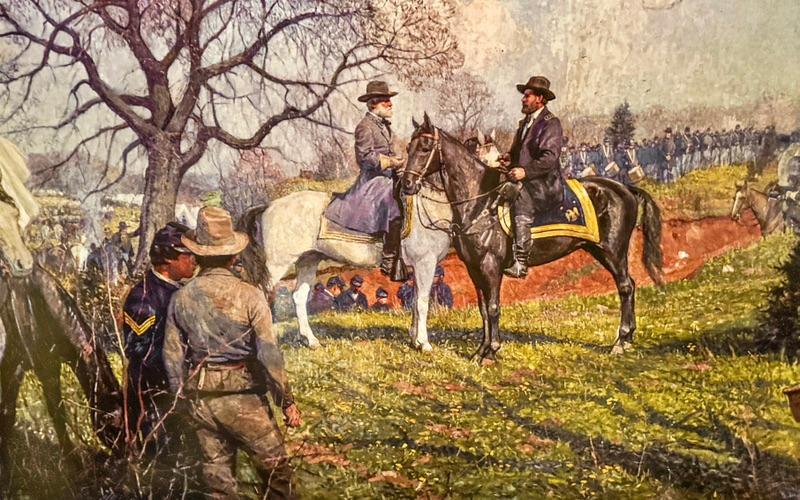
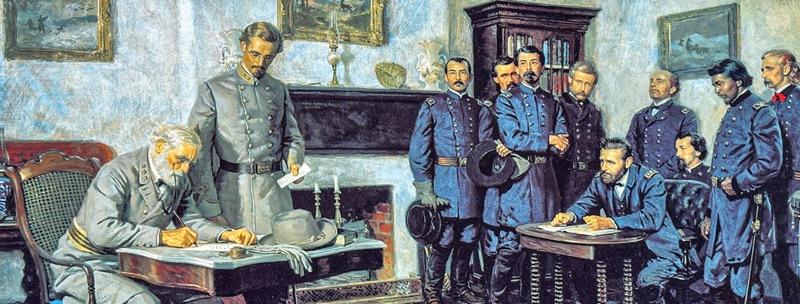
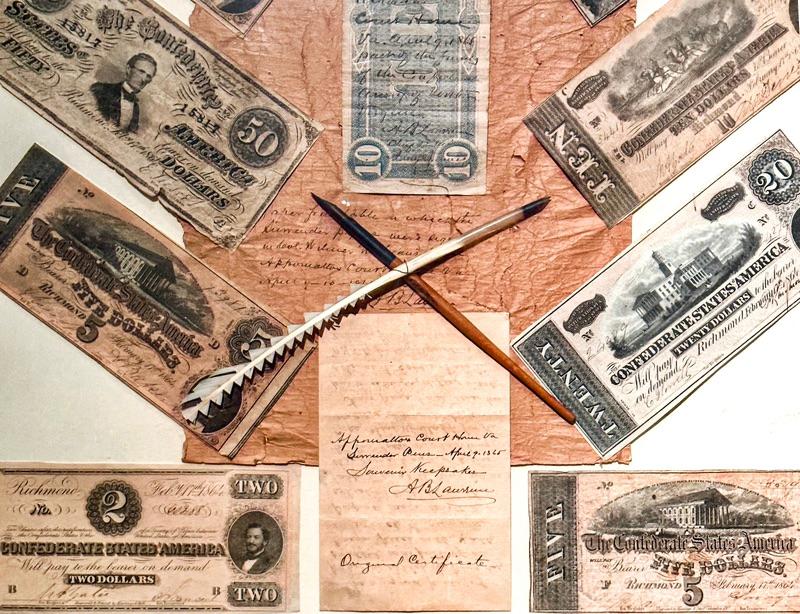
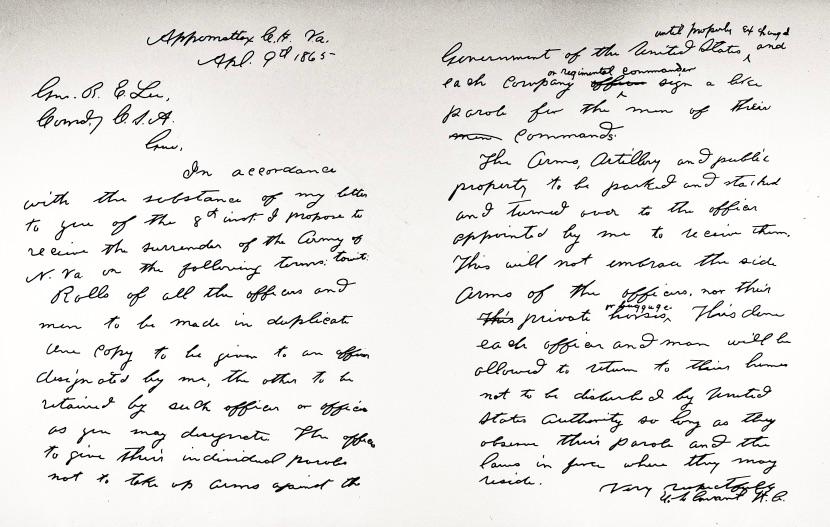
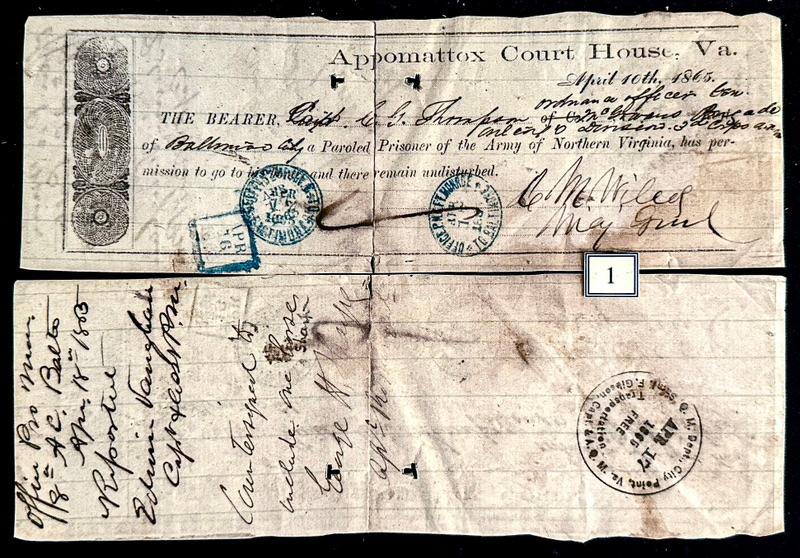
APPOMATTOX! April 9, 1865. Lee surrenders the Army of Northern Virginia to Grant.
Today, we enter the Civil War portion of our trip. Over the course of the next five days, we will visit the heart of where a major chunk of the War took place. From Appomattox to the Wilderness, Fredericksburg, Chancelorsville, Spotsylvania, and Petersburg, central Virginia took the brunt of the conflict. From the the time that my friend, Kevin, took me to Gettysburg, I have visited many important and revered battle sites scattered throughout the region, but no place has such a concentration of clashes as in this area of Virginia.
The Civil War can be divided into four theaters: 1) Western Theater - between the Appalachians and the Mississippi River. 2) Transcontinental Theater - everything west of the Mississippi River. 3) Naval Blockade - the entire waterway around the South including the Atlantic coast, the Gulf coast, and the Mississippi River. This was called the Anaconda Plan. Like an Anaconda snake, the navy was to squeeze the economic life out of the Confederacy by blocking all shipping in and out of the South. 4) Eastern Theater - with the northern capital, Washington DC, and the southern capital, Richmond, laying only 90 miles apart, all eyes were on this theater of the war.
Much of the war west of the Mississippi took place in Missouri and was limited. The North eventually took control. When the war started, the Union navy was pathetic. It took nearly the whole war for the Anaconda Plan to come to fruition. However, there were early successes. New Orleans fell into Union hands by May 1, 1862. Eventually, the South was starved economically from the blockade. It was in the West that the Union experienced its most consistent success. General Grant appeared to be unstoppable. It helped that Confederate leadership in the West was badly lacking.
However, it was in the East that gave the Union fits. Saddled with poor leadership, the Union suffered defeat after defeat, mainly at the hands of General Lee’s Army of Northern Virginia. From the time Lee took over the Army of Northern Virginia in June 1862 to his defeat at Gettysburg in July 1863, Lee garnered a string of audacious and spectacular victories that made him a legend.
After Grant essentially took over the Union Army of the Potomac in the Spring of 1864, Lee was slowly pushed to his ultimate surrender at Appomattox. It took a year of bloody battles to break Lee’s brilliant defensive strategies, but Grant’s incessant tactics wore Lee’s Army down.
We spent a half-day at the Appomattox Court House National Historical Park and surrounding area. Although not a true battlefield, it still held a great reverence to me, as it was here that the Civil War effectively ended. What a moment of relief that must have been - much like the end of World War II, at least for the Union troops. I am sure the Confederate troops had mixed feelings - glad it was over, but heartbroken that they lost. I think General Grant summed it up well in his memoirs, “I felt like anything rather than rejoicing at the downfall of a foe who had fought so long and valiantly, and had suffered so much for a cause, though that cause was, I believe, one of the worst for which a people ever fought, and one for which there was the least excuse.” Fighting for the right to own people as property is the worst cause to fight for.
Lee’s retreat from Petersburg and Richmond, and Grant’s dogged pursuit was documented in detail at the park. We have been impressed by the documentary films shown at these National Civil War parks. The film shown at this park was of equal quality.
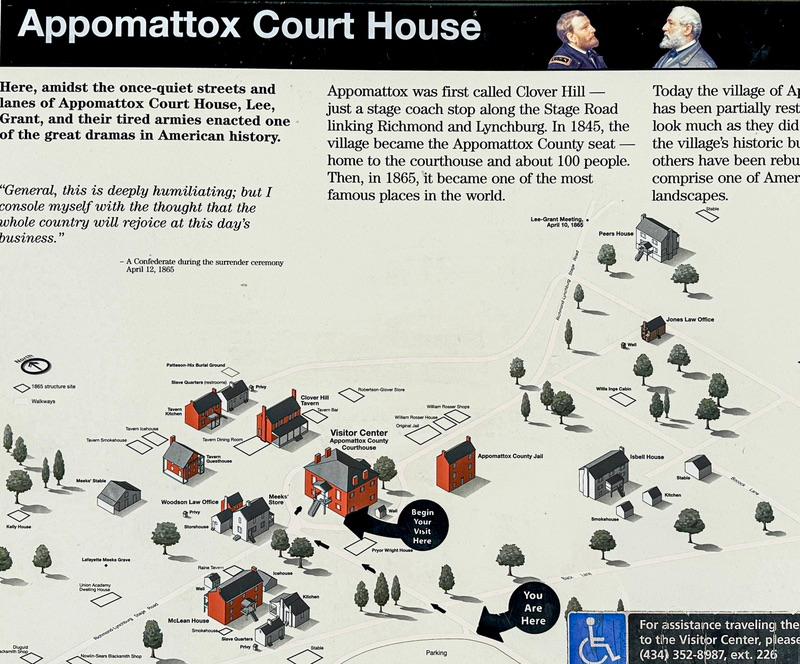
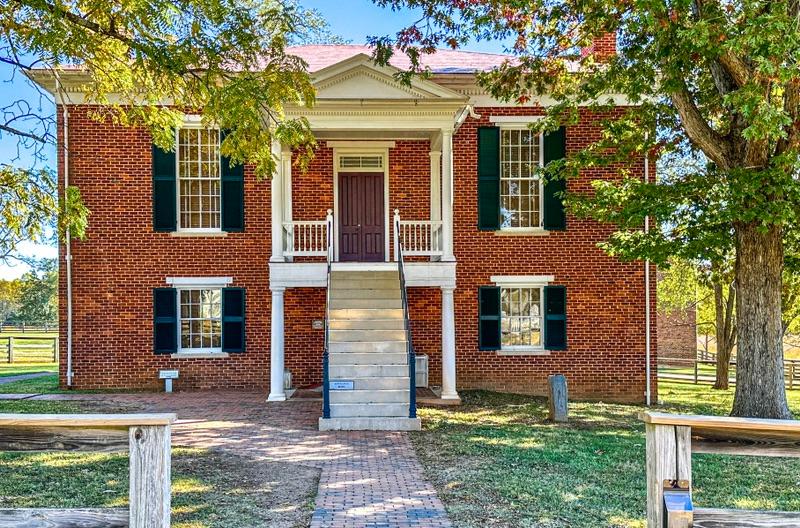
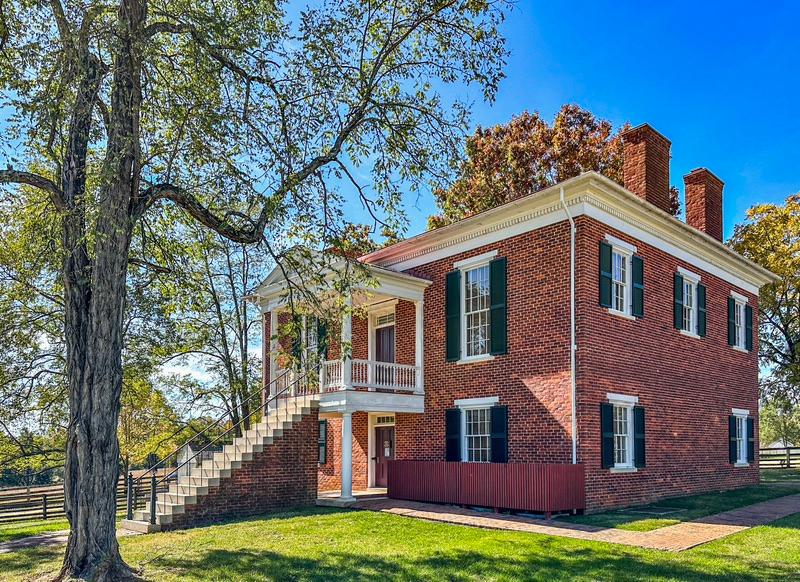
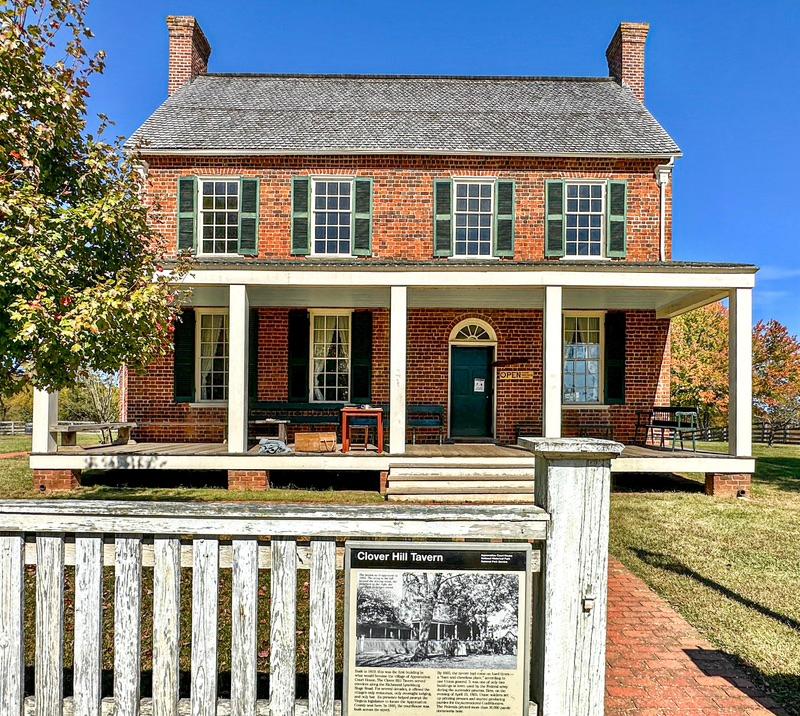
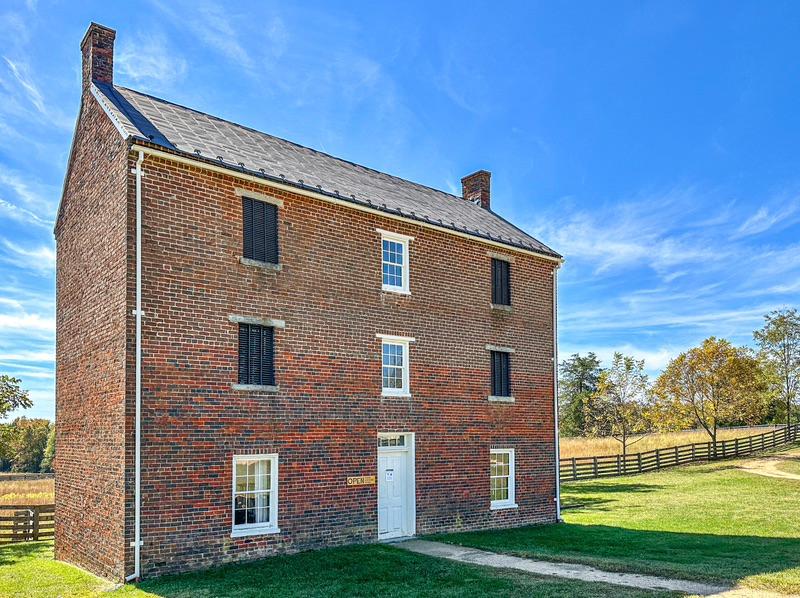
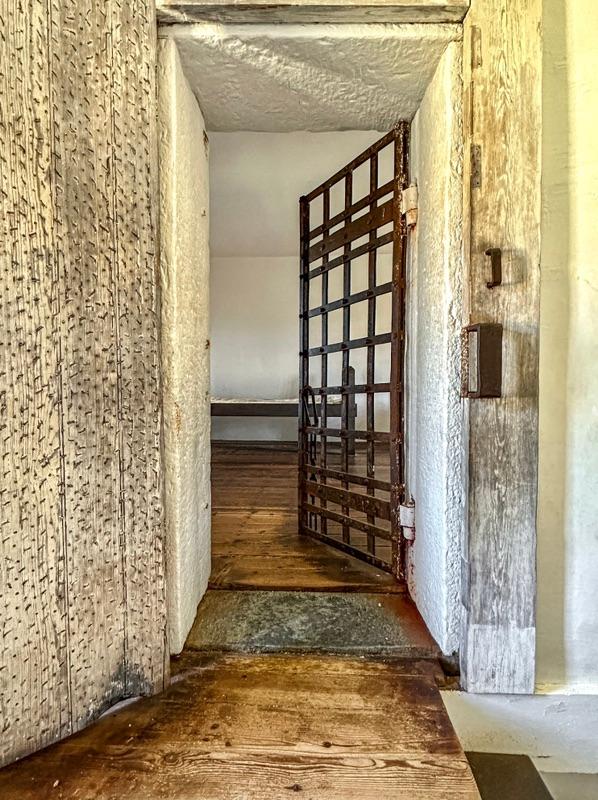
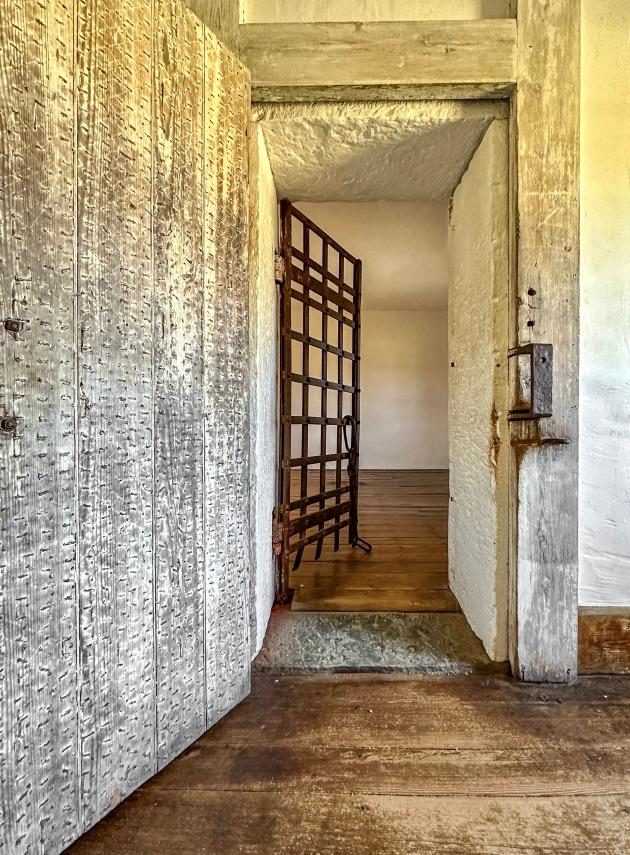
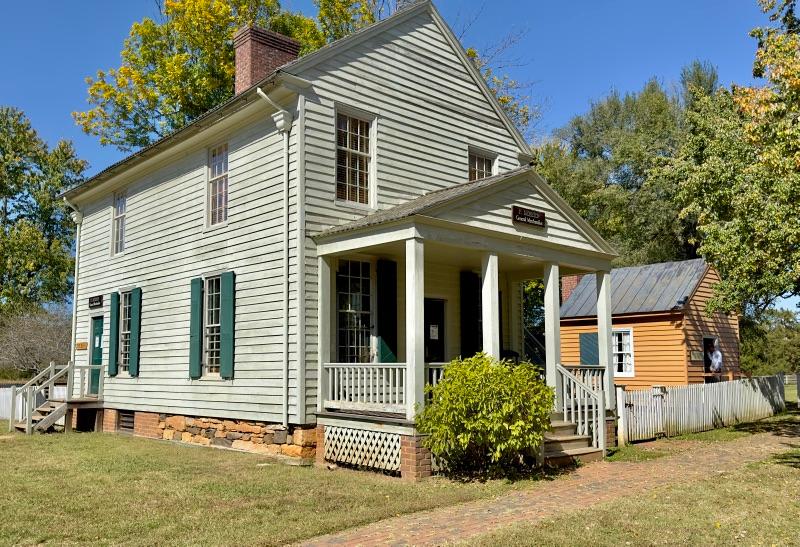
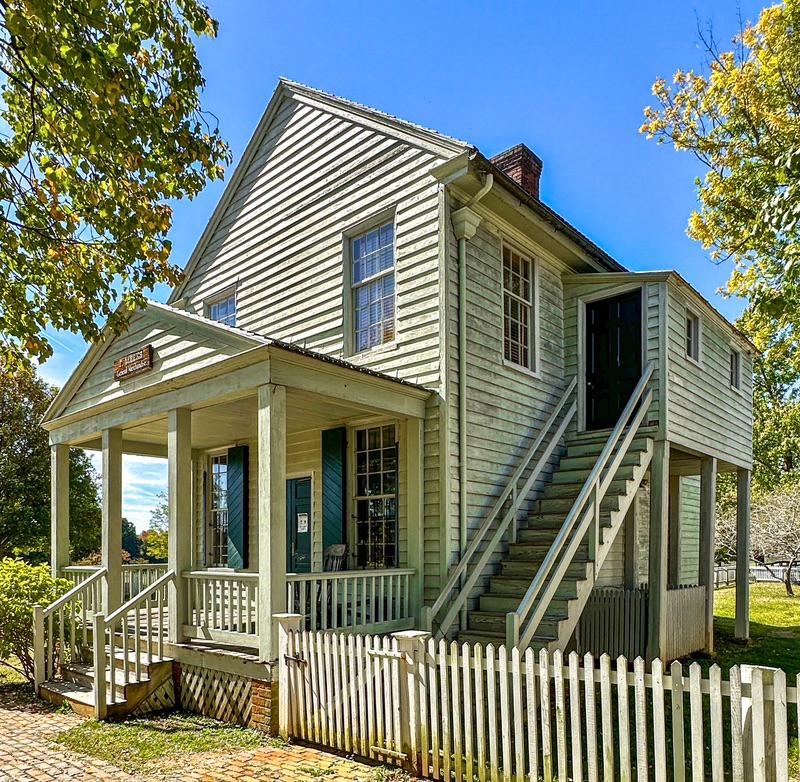
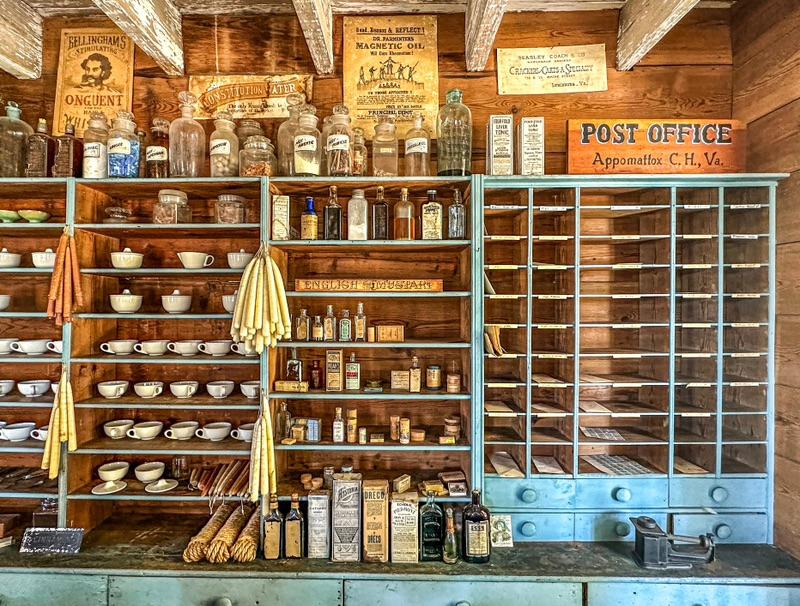
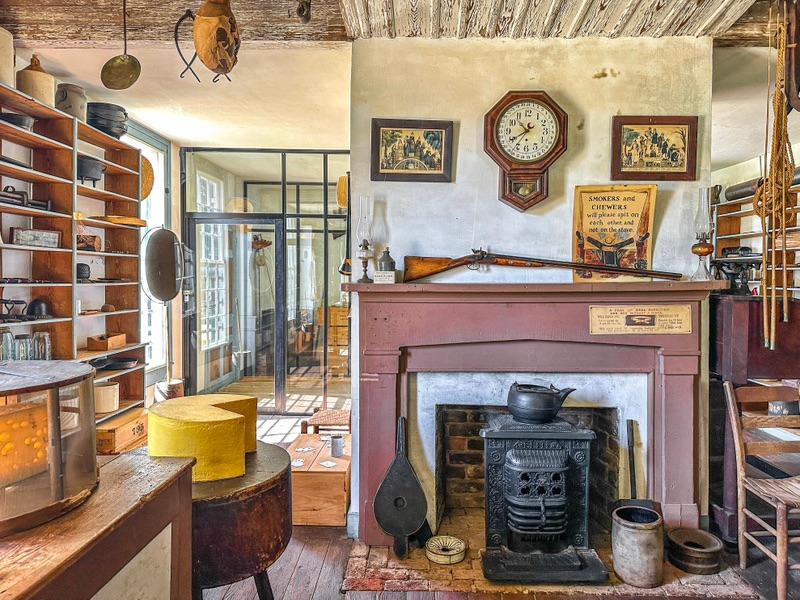
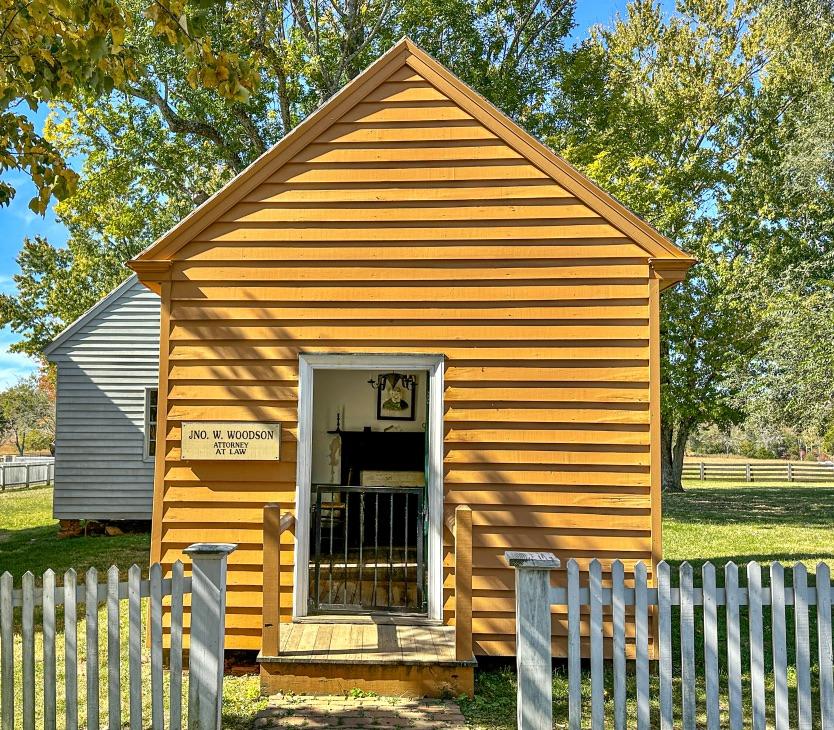
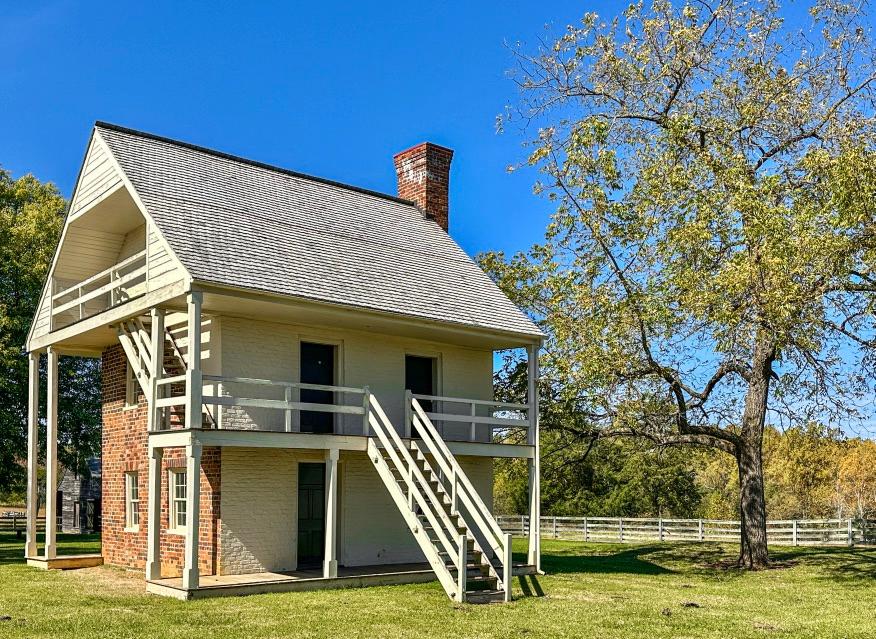
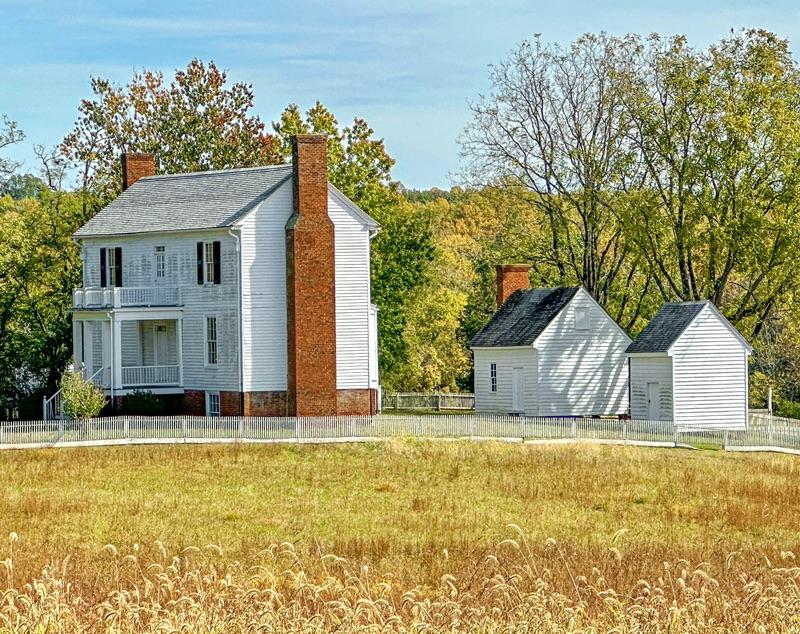
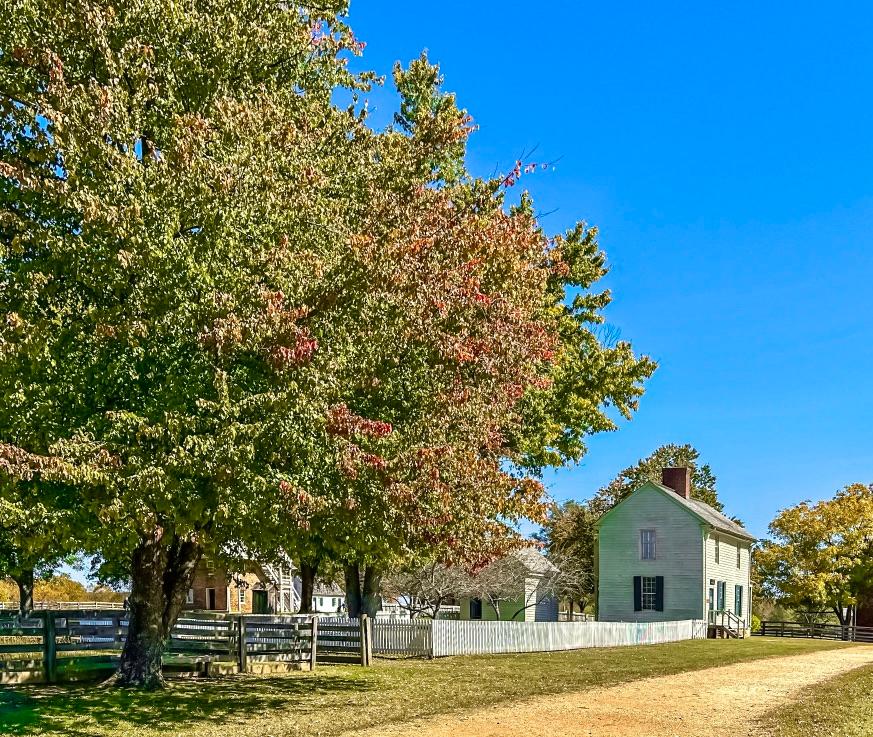
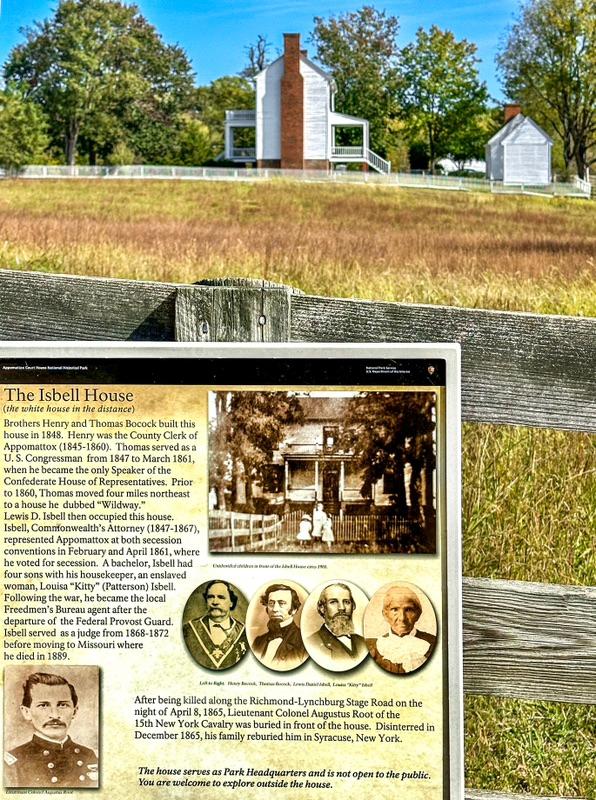
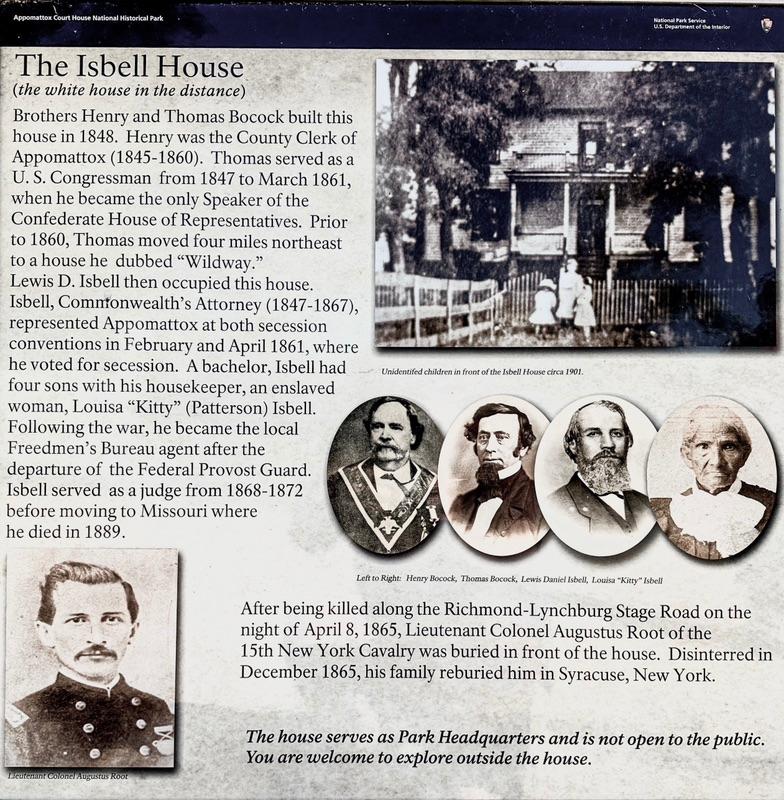
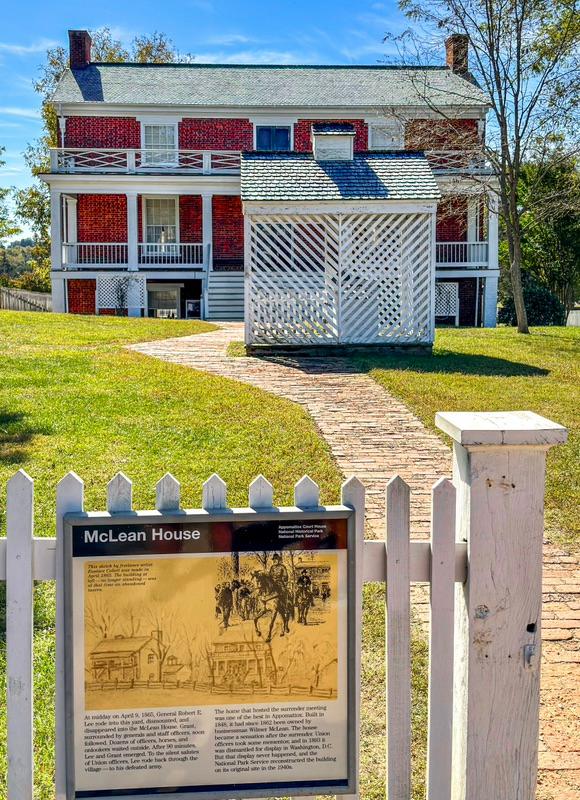
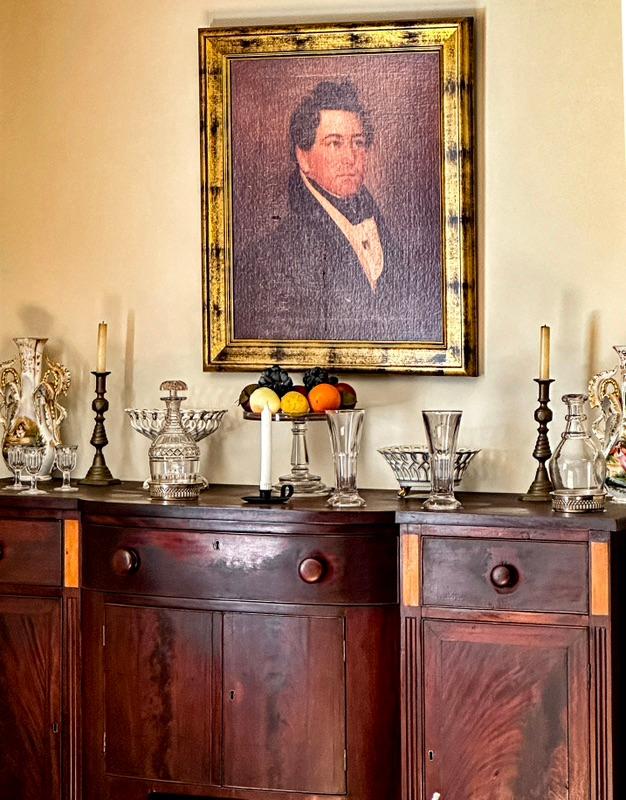
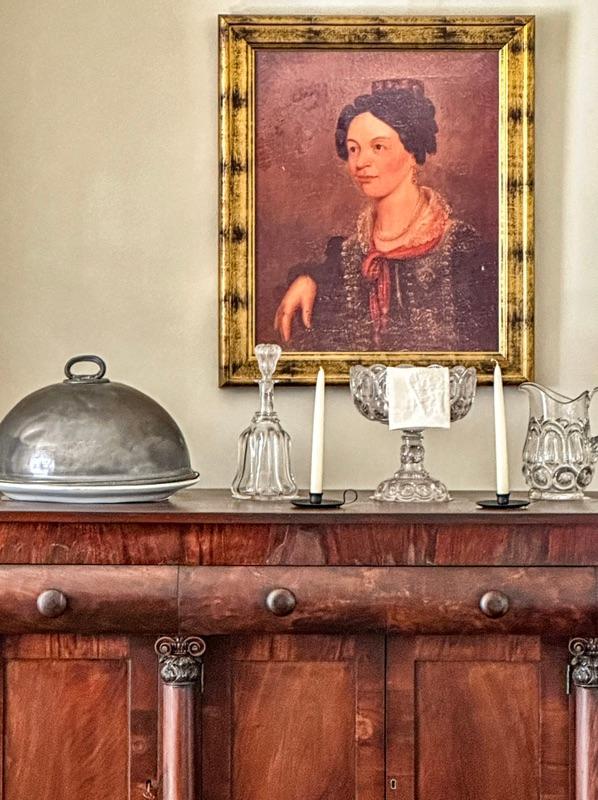
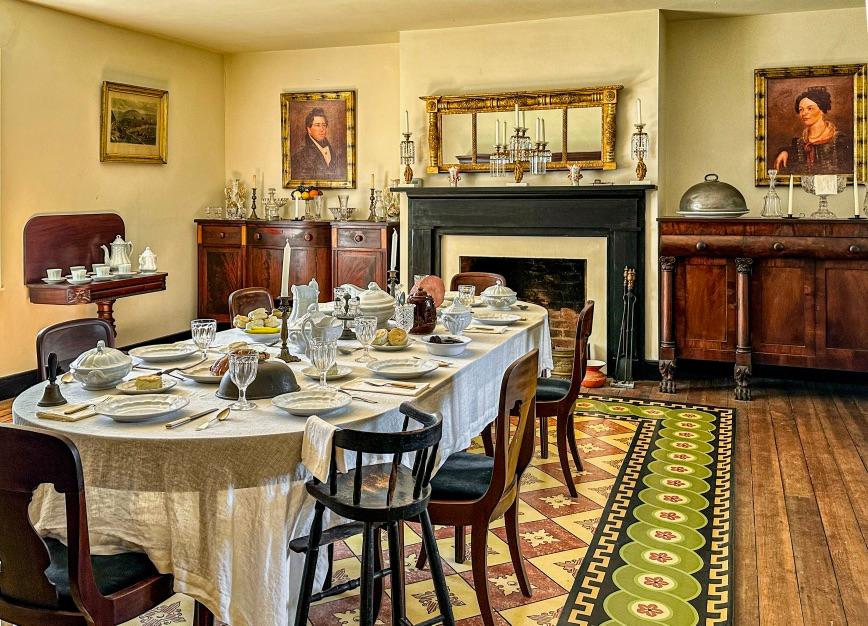
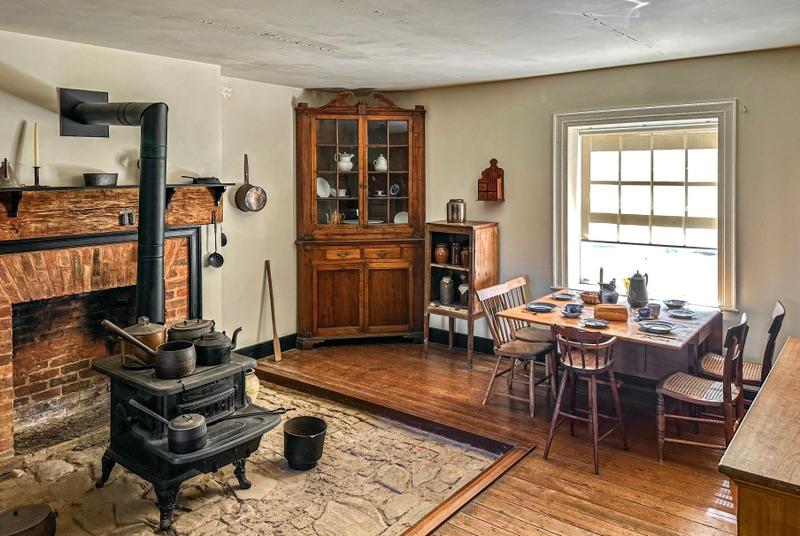
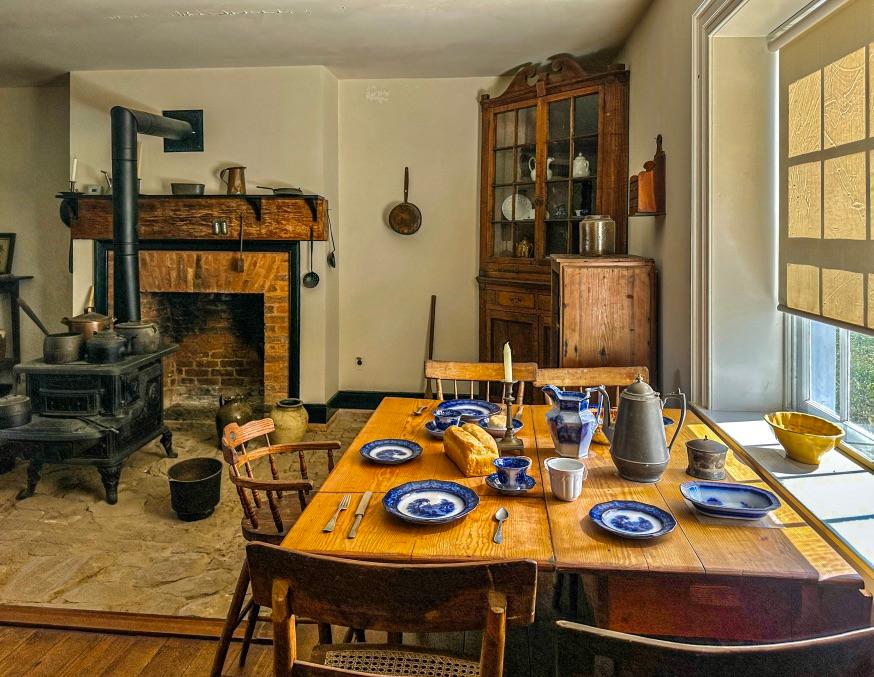
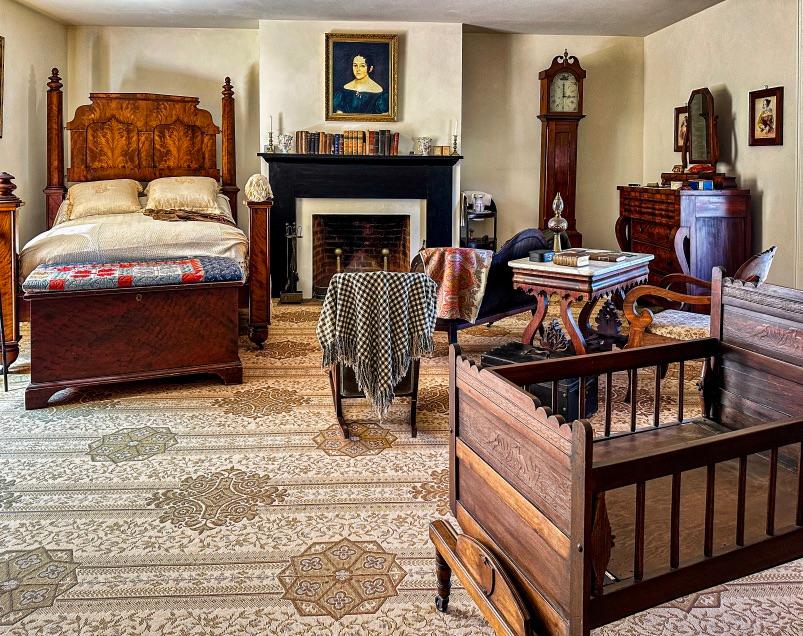
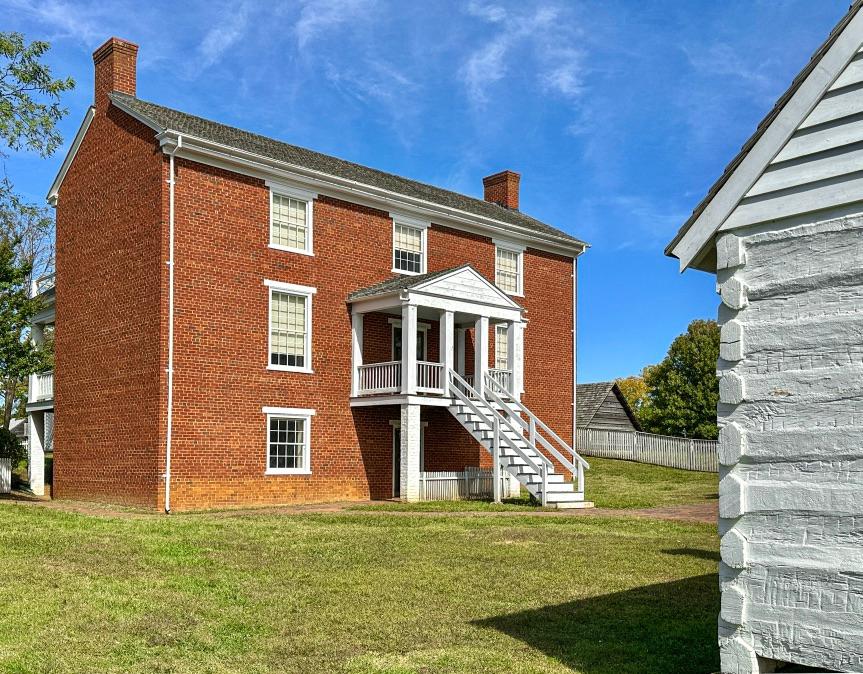
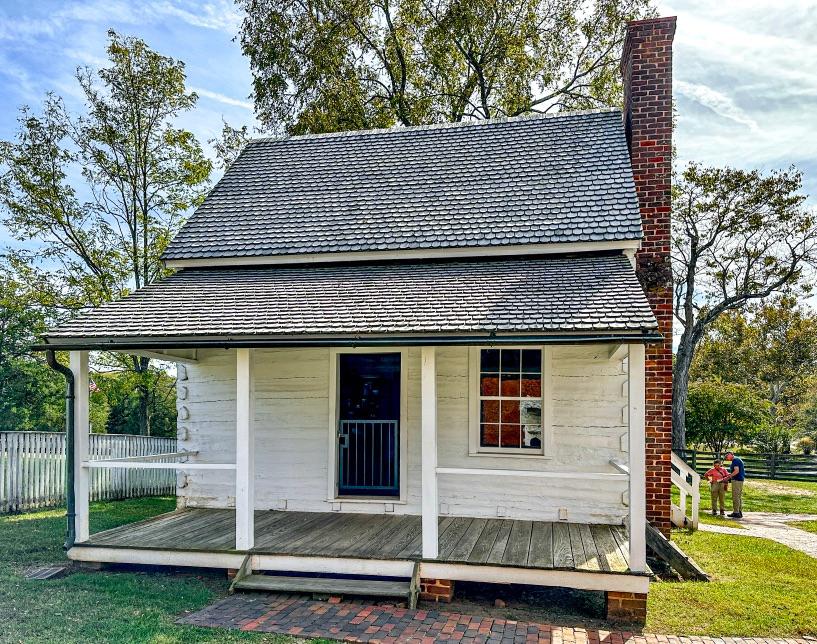
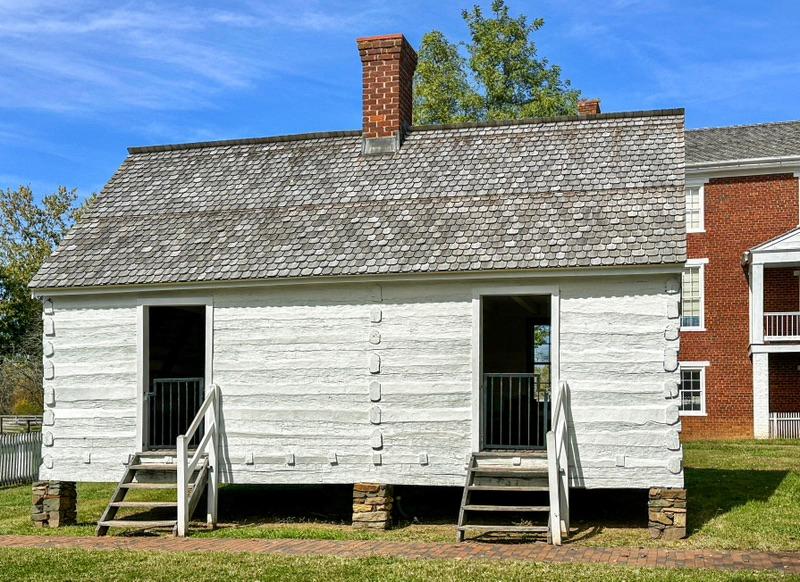
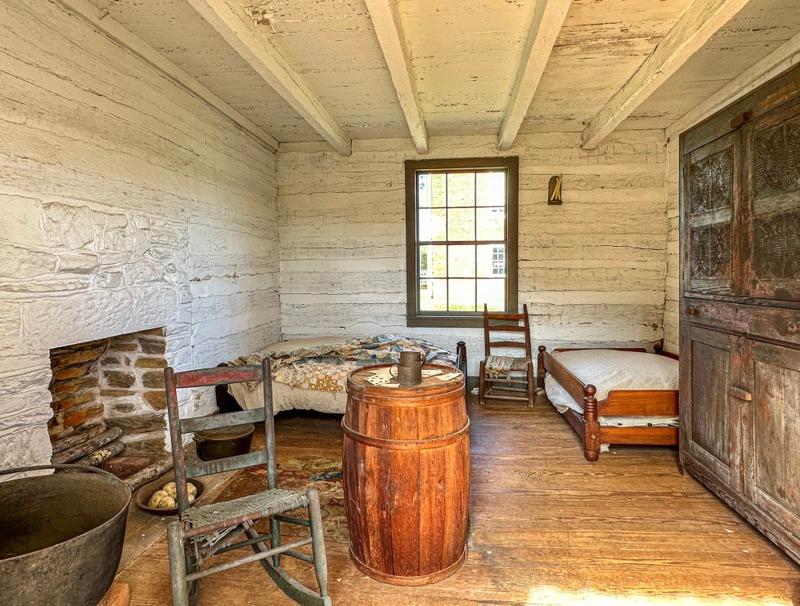
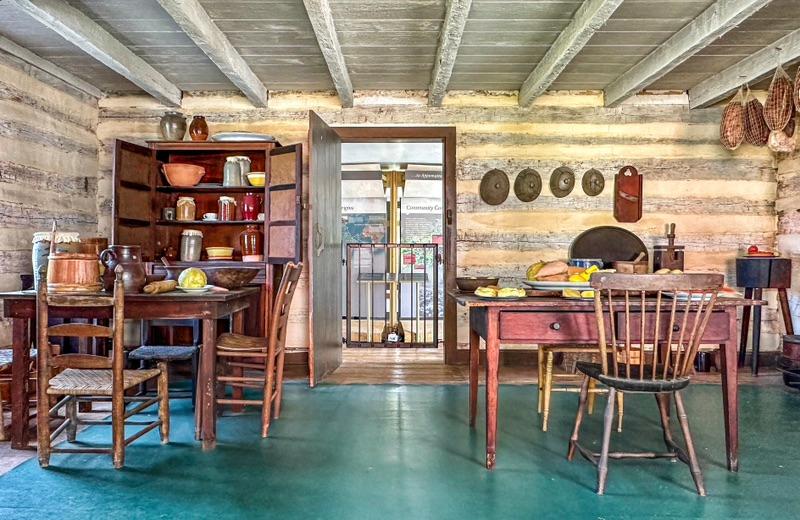
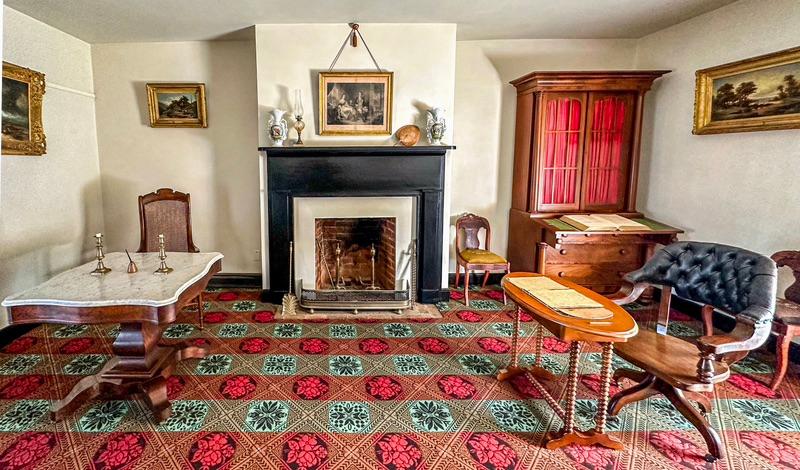
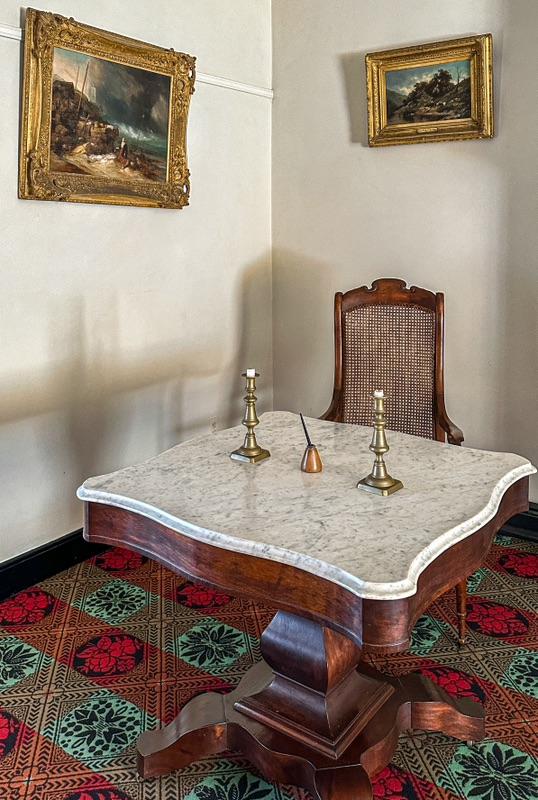
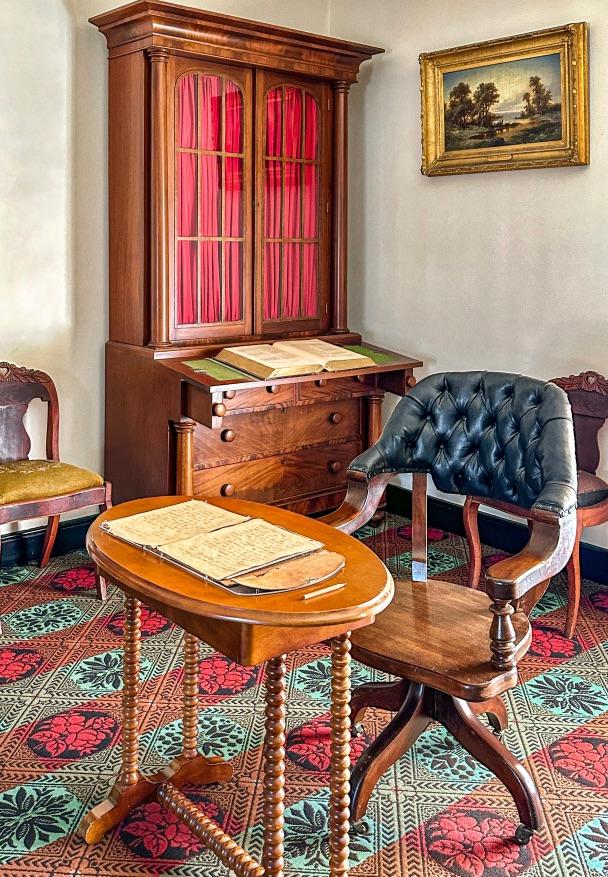
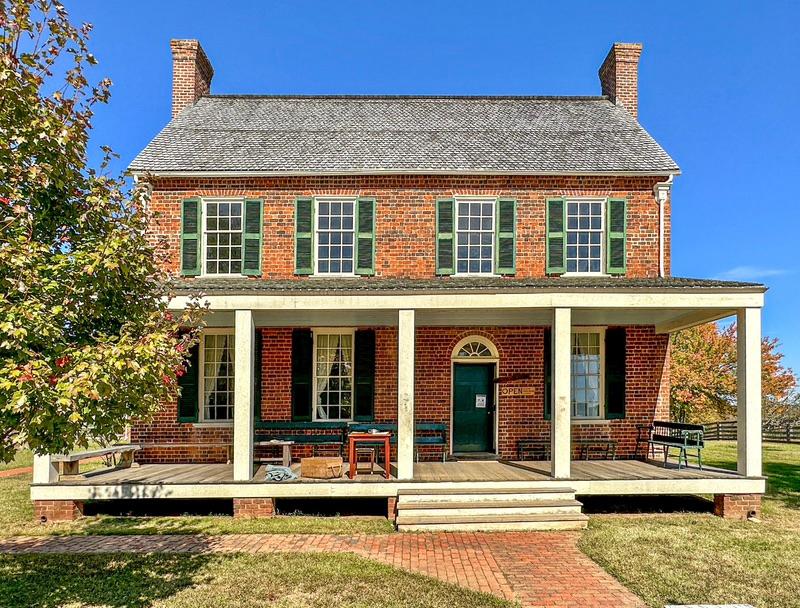
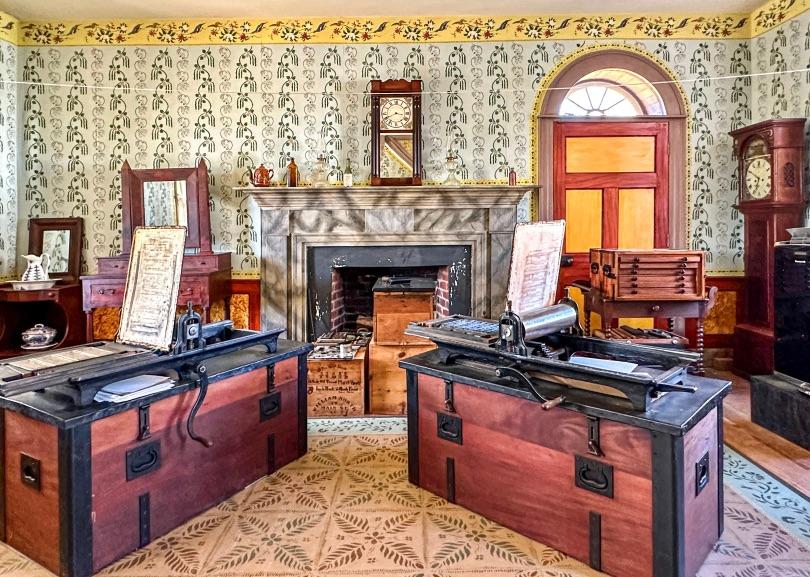
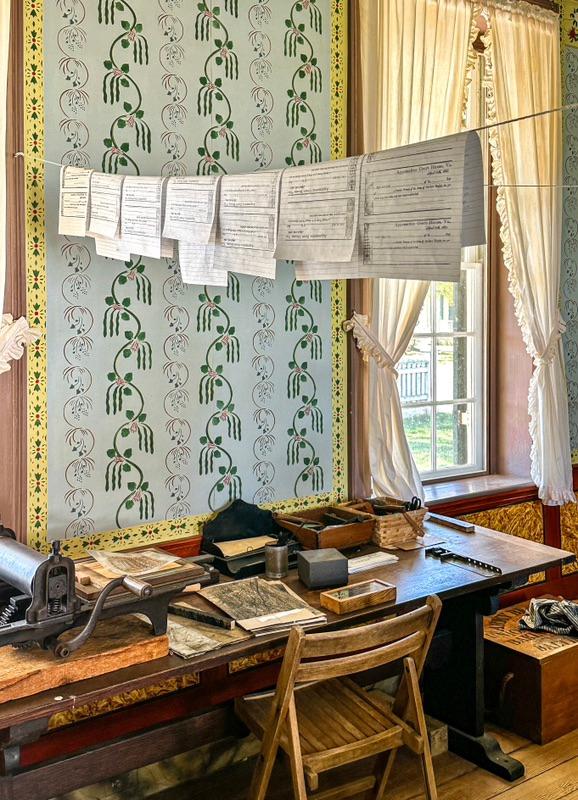
The most impressive thing, was the re-creation of the entire town of Appomattox Court House. The site badly deteriorated in the years after the surrender. Using the ruins and extensive photographic evidence, the town was authentically rebuilt, down to the furnishings in the buildings.
An actor dressed as a Union soldier, told tales of his entire war history, including ending up here at the final surrender. Apparently, his story was based on an actual soldier’s experience. I was skeptical when he first started, but he pulled it off and we thoroughly enjoyed it.
|