|
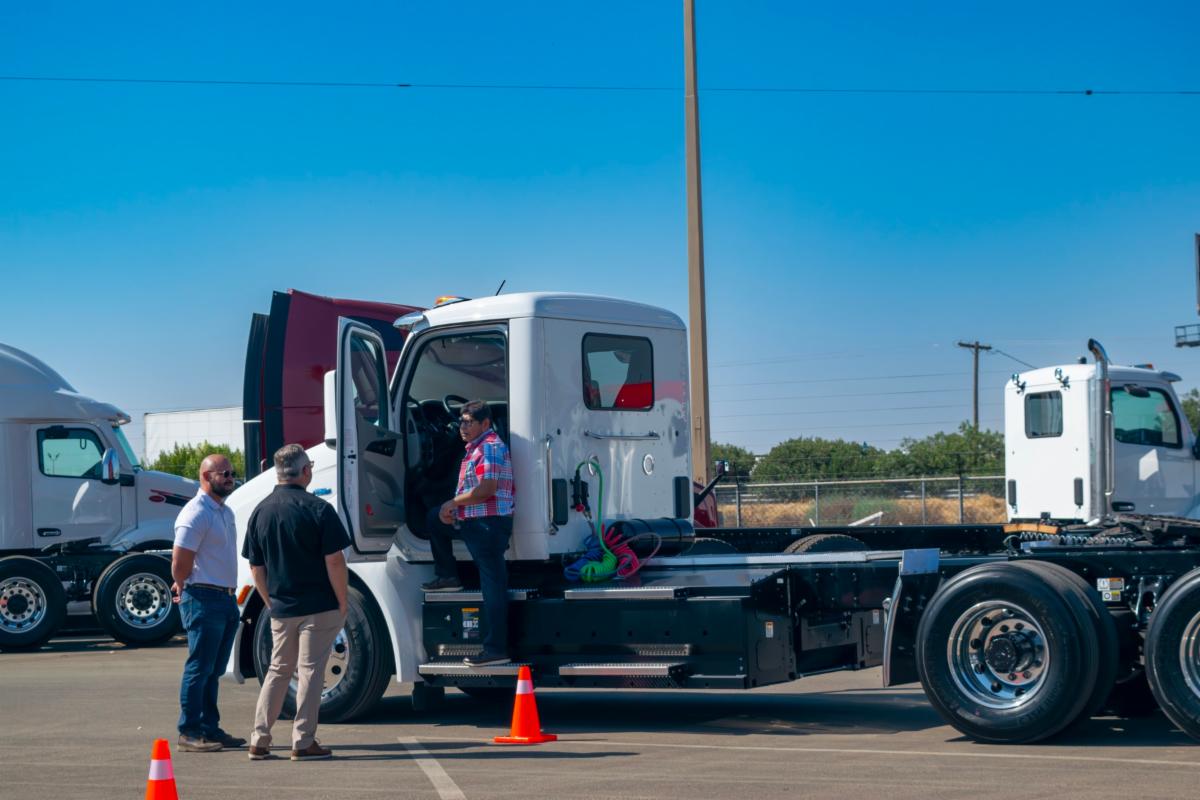
On June 6, 2024, Project Clean Air and San Joaquin Valley Clean Cities & Communities hosted a groundbreaking symposium on the future of transportation in Central California. The event, aptly named “Transitions,” was held at Kern County High School’s Career and Technology Center. Despite the soaring temperature of 105 degrees, the venue provided a comfortable and spacious setting for the gathering.
The symposium brought together 44 transportation managers, exceeding the initial goal of 40 attendees. The discussions focused on the future of transportation in California, with a spotlight on alternative fuel incentives and charging solutions. Rob Ball kicked off the event with an insightful presentation on the future of transportation in Kern County and California, followed by contributions from Craig Castro of PG&E, Stephen Amstutz and Chris James on hydrogen advancements, and Kevin Christopher on EV fleet management software.
One of the primary objectives of the event was to educate public agencies and local fleets about achievable emissions reductions and available incentives for fleet turnover. Speakers Collette Kincaid, Jocelyn Mejia-Talamantes, Kat Aldohaish from the San Joaquin Valley Air Pollution Control District, and Valerie Thorsen from Calstart provided valuable information on this topic.
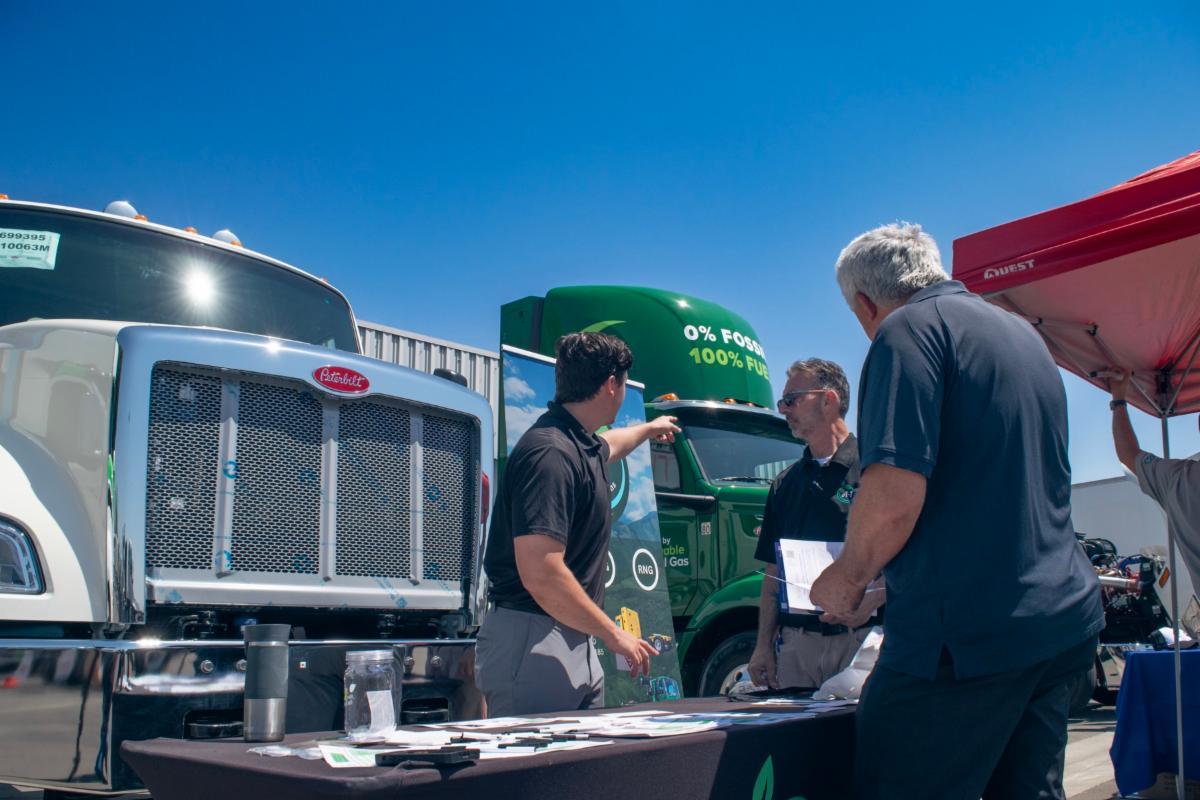
The symposium also aimed to create networking opportunities for business owners, fleet managers, local agencies, and developers. The event featured exhibitors from PG&E, Orbital, Joaquin Valley Air Pollution Control Board, Clean Fuels, Kern Council of Governments, Mercury Performance, and ZeroMission, providing attendees with ample opportunities to connect and discuss collaborative projects.
The success of the Transitions symposium, marked by engaging discussions and fruitful networking, highlights Project Clean Air's ongoing commitment to finding innovative, voluntary solutions to improve air quality in the region. The event not only met but exceeded its goals, further demonstrating the effectiveness of collective action in addressing transportation-related air quality issues.
|