GCBA News
News from the Department of Genetics, Cell Biology and Anatomy
| | |
Leadership Message
Andrew Dudley, PhD
| | |
“AI literacy” is a defining buzz phrase of the current decade. Curious how it is understood across contexts, I recently attended a National Academy of Sciences (@theNASciences) virtual meeting on AI in education and workforce development, with participants from academia and industry. AI literacy is increasingly viewed as a core competency in the workforce and therefore must become integral to the training of future scientific leaders.
A central theme was how higher education must evolve to prepare students for an AI-driven world. Participants broadly agreed that future success with AI depends on curiosity and a learning mindset, deep domain expertise, analytical and ethical insight, and strong communication and leadership skills. Radical insights? Hardly—these qualities have anchored scientific training for centuries.
Why do these skills still matter when AI can synthesize literature, write code, and analyze complex data from brief prompts? AI excels at efficiency, but most real-world problems demand value-based judgment, not simple determinations of right or wrong answers. AI can inform decisions, yet humans remain essential to frame the right questions and critically assess outputs—especially when data are noisy, incomplete, or ambiguous as in most complex problems. AI literacy, then, is not about mastering tools, but about strengthening the human judgment required to work effectively with AI models.
In practice, this means moving beyond using AI merely to polish emails, write meeting minutes, or proofread manuscripts in a single pass. Instead, we should learn to engage AI as a collaborator in iterative journeys of decision-making. As with any collaboration, trust develops through trial and error, including knowing when to disagree. In this sense, working with AI should resemble how we work in the lab—continually questioning assumptions, testing results, and analyzing outcomes in the framework of current knowledge and defined relationships.
I am a strong proponent of broad AI adoption in research and education. While challenges remain—hallucinations, data inequities, and workforce disruption—I am optimistic that shifting effort from routine tasks to creative discovery will lower barriers to entrepreneurship and expand the job market. Still, we must resist the temptation to use AI uncritically or simply to check a box on our task list, as the most significant long-term risk lies not in incorrect answers, but in unexamined dependence.
[For transparency: I wrote the first draft of the article and all ideas presented are mine. I collaborated with ChatGPT and Copilot to polish the narrative, shift the tone, and reduce the number of words - which involved six rounds of revision.]
| | |
Profile of the Month
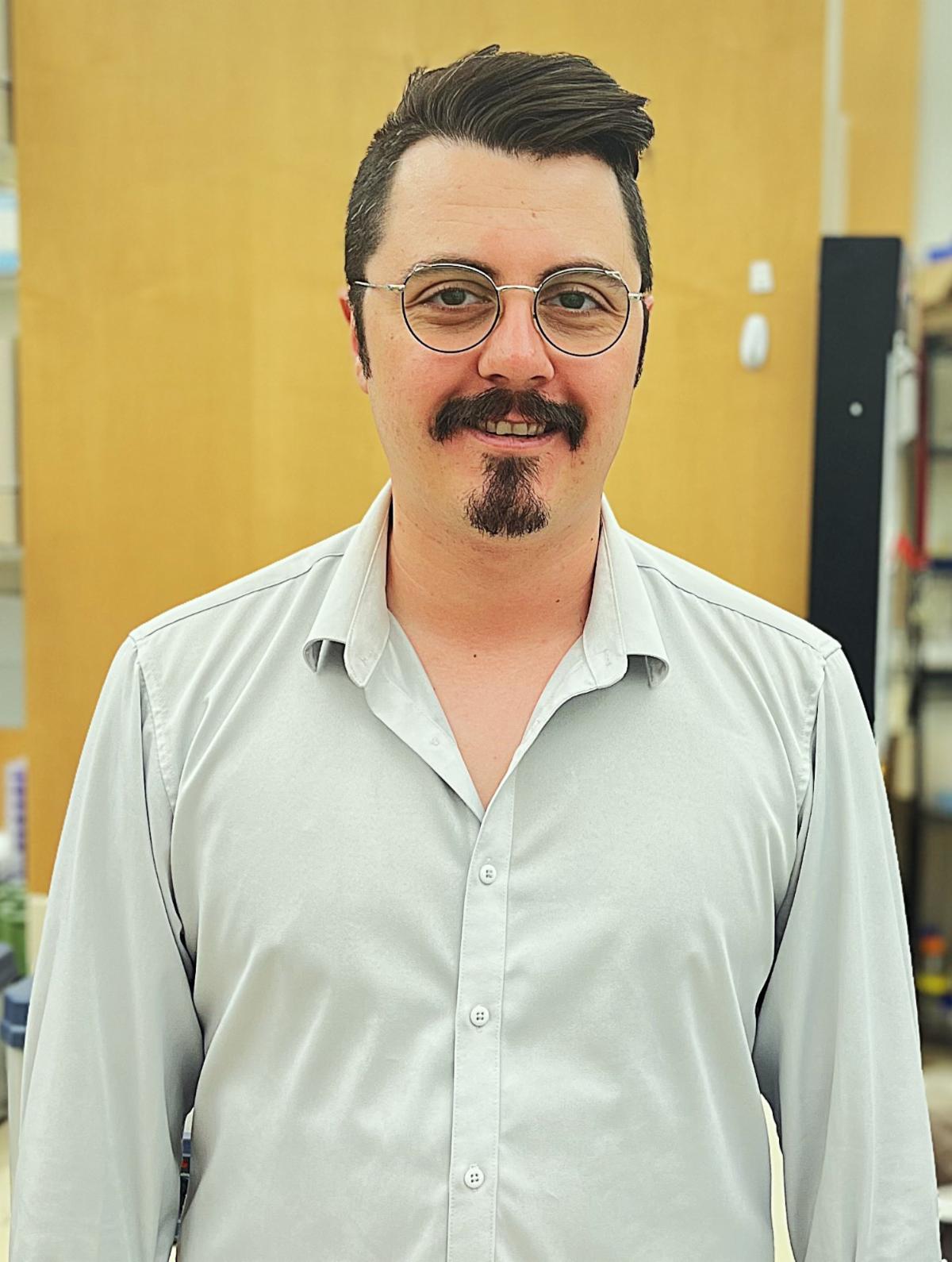
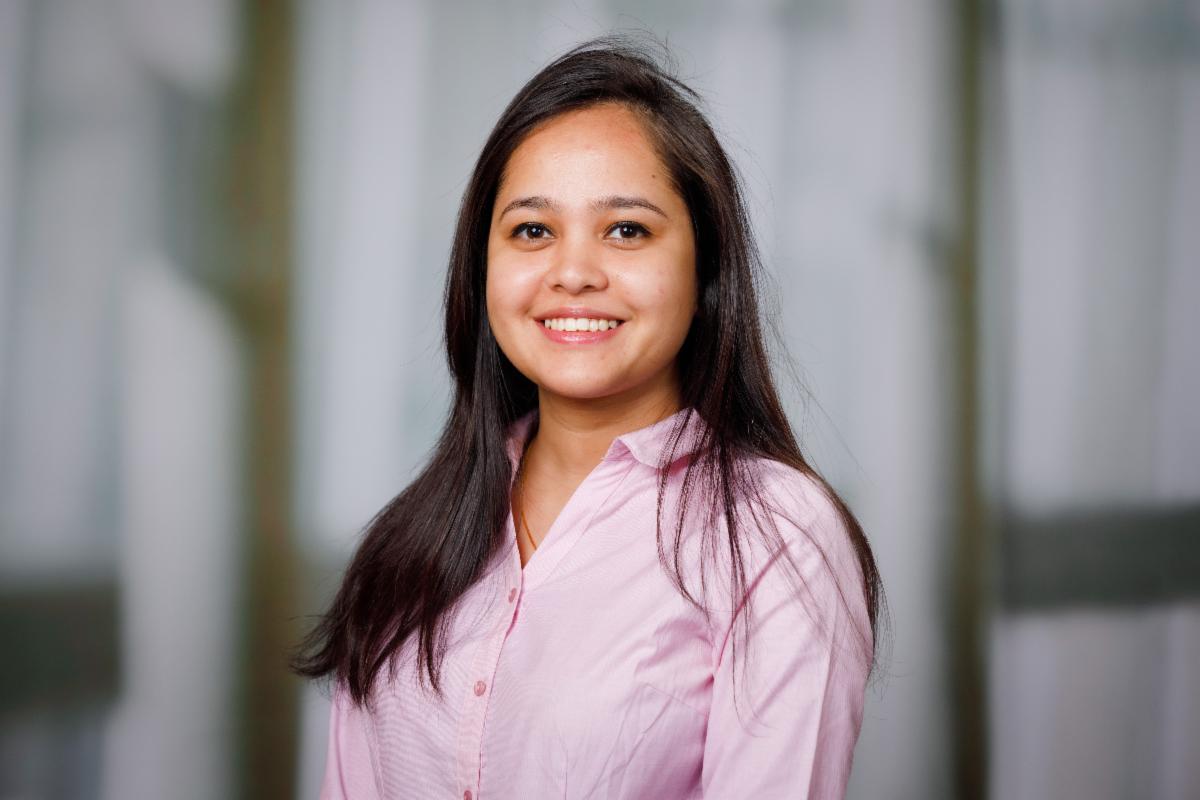
Farshid Oruji, MGCB PhD Student - V. Band Lab
| |
Preferred Name:
Whis your scientific expertise?
- My research focuses on the molecular mechanisms of cancer, with an emphasis on breast cancer biology. I study how hormonal signaling pathways regulate gene expression and tumor progression. In particular, I investigate the role of Ecdysoneless (ECD) protein in ER-positive breast cancer development.
Hometown:
What is your graduate program?
What is the best part of your graduate program?
- The most valuable aspect of my graduate program is the opportunity to address meaningful scientific questions while developing independent research skills. I also appreciate the collaborative and intellectually stimulating environment. Working with faculty and colleagues in our department has significantly contributed to my scientific growth.
When do you plan to finish graduate school and what do you plan to do after graduate school?
- I plan to complete my PhD within the next couple of years. After graduation, I aim to continue in biomedical research, with a focus on cancer biology and translational applications. My long-term goal is to contribute to the development of more effective therapeutic strategies.
What is the best piece of advice you've received or what is your favorite quote?
- “Science knows no country, because knowledge belongs to humanity, and is the torch which illuminates the world.” – Louis Pasteur
Favorite food:
- I like traditional Persian cuisine, especially kebabs and a variety of stews (such as Ghormeh Sabzi and Fesenjan) served with rice.
Favorite place to vacation or favorite activity outside of work:
- I enjoy traveling and exploring new environments. In my free time, I like hiking, listening to music, and spending time with friends.
| | |
CONGRATULATIONS! Promotions awarded.
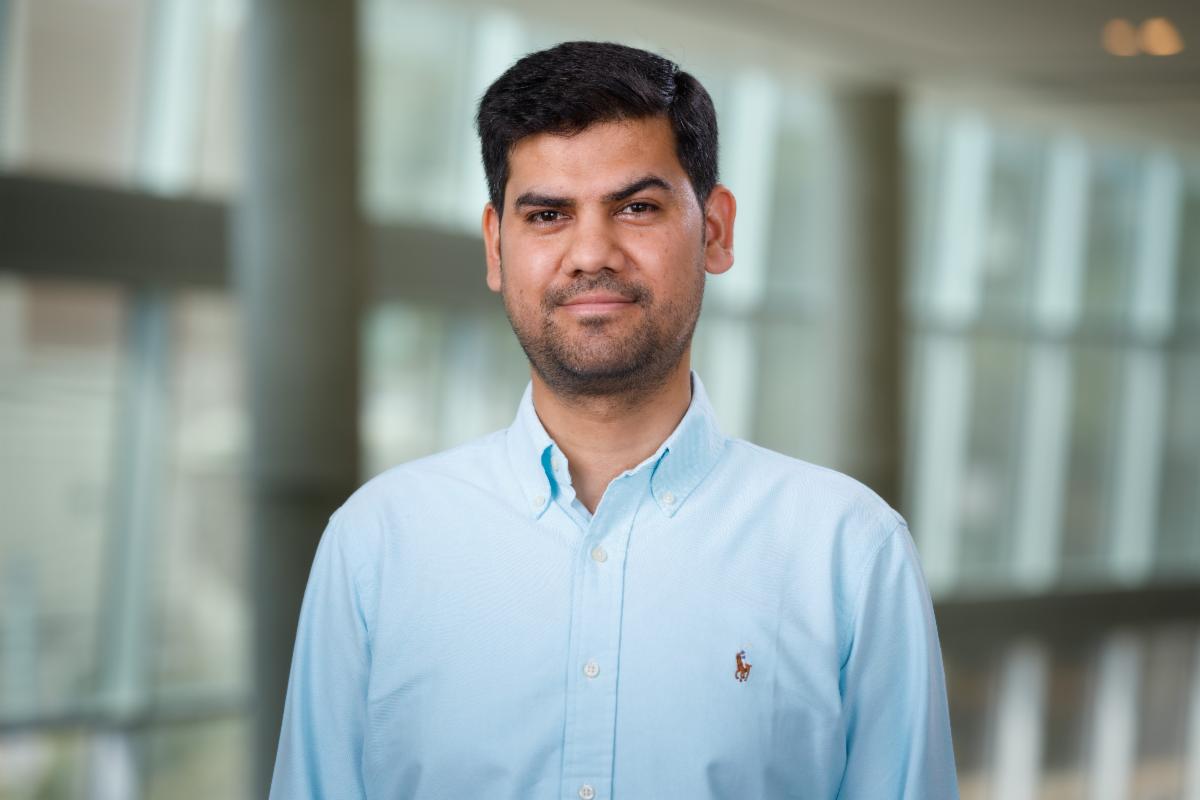
As of July 1st, the following faculty will be promoted: Andrew Dudley to Tenured Professor, Kimberly Latacha to Tenured Professor, and Mohsin Raza to Assistant Professor
| | | |
NIH/NCI-funded Transdisciplinary Research on Energetics and Cancer (TREC) Training Workshop
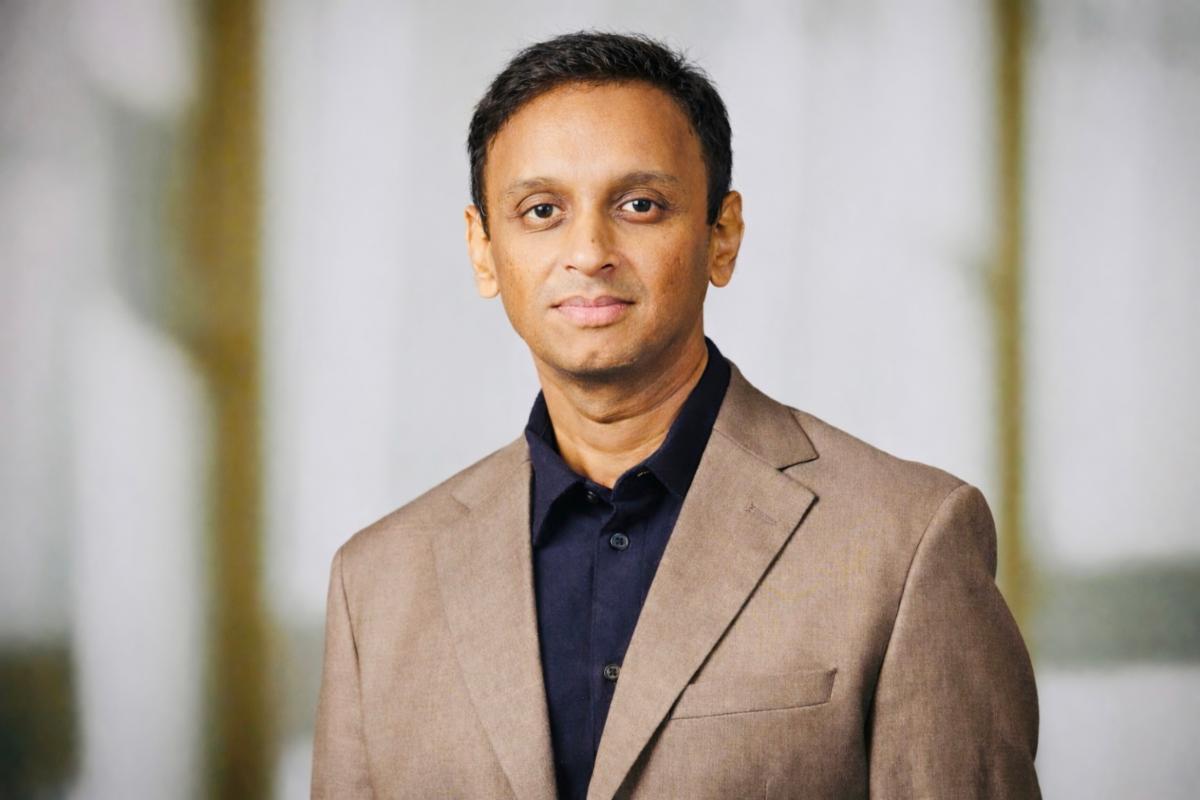
Avinash Veerappa, PhD, from the Babu Guda, PhD lab, has been selected as a 2026 TREC Fellow. The workshop will be held in June in Westbrook, Connecticut and is hosted by the Yale Cancer Center - School of Public Health
| | | | |
|
Student Achievements
NIH-funded MONET Workshop
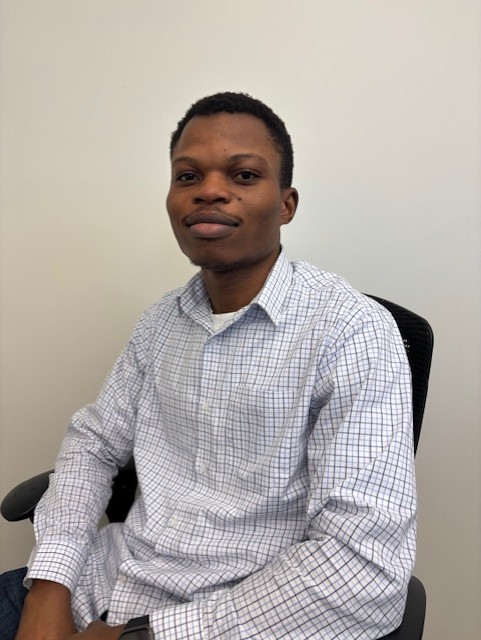
BISB student Kayode Raheem, from the Babu Guda, PhD lab, has been selected for the Multi Omics NEtwork Analysis (MONET) Workshop, a competitive one-week program at the University of Colorado Anschutz Medical Campus. This opportunity will strengthen his skills in multi-omics data analysis and advance his growing contributions to biomedical research.
| Pooja Roy, MGCB PhD student will be graduating this semester. At the Graduate Studies Honors Convocation Ceremony on May 7th, she will receive the Thomas H. Rosenquist Graduate Student Award. Pooja's mentor is Kyle Hewitt, PhD. | | |
Department Community Enhancement
| | | | Building Bridges - Not Walls within GCBA | | |
In the day-to-day pace of our work, it can be easy to stay within our own spaces — our labs, our offices, our roles, and our routines. Yet, the strength of the Department of Genetics, Cell Biology & Anatomy is not found in what we do individually, but in how we come together as a community.
“Building bridges, not walls” is more than a phrase — it is a mindset. It calls us to be intentional about connection, collaboration, and understanding. It reminds us that while our work may differ — across research, teaching, and service — our purpose is shared.
Bridging Across Research
Our research spans diverse disciplines, methodologies, and areas of focus. When we take time to understand the work happening beyond our own lab or project, we open the door to new ideas, collaborations, and innovation. A conversation in the hallway, a shared resource, or a willingness to explain our work to others can become the bridge that leads to the next breakthrough.
Bridging in Teaching & Learning
Teaching is not limited to the classroom. Every interaction — with students, colleagues, and staff — is an opportunity to build understanding. When we listen, ask questions, and share knowledge across roles, we create a learning environment that is inclusive, supportive, and dynamic. Strong bridges in teaching help students see not just information, but connection.
Bridging Through Service & Support
Behind every successful department is a network of individuals working together to make things happen. Administrative staff, faculty, students, and postdocs all play vital roles. Building bridges means recognizing the value of each contribution, communicating clearly, and approaching one another with respect and appreciation. It means asking, “How can I help?” and being willing to meet others where they are.
Bridging Through Understanding
At its heart, building bridges requires curiosity and empathy. It means stretching beyond our own perspectives, seeking to understand before being understood, and valuing the diverse experiences each person brings to our department. When we do this, we create a culture where people feel seen, heard, and supported.
A Simple Invitation
As we move forward together, consider one small way you can build a bridge this week:
- Introduce yourself to someone new
- Learn about another lab or role
- Offer help or appreciation
- Listen with intention
These small actions, when multiplied across our department, create a stronger, more connected community.
Final Thought
Great work happens in strong communities. When we choose to build bridges — across roles, ideas, and perspectives — we strengthen not only our department, but the impact of everything we do in research, teaching, and service.
Let’s continue to build those bridges together.
| | |
Arrivals and Departures
Arrivals:
Alexander Ethell - BISB MD/PHD Graduate Student - M. Jordan Rowley, PhD lab
Gautham Chetti - Non-Faculty Volunteer - Kyle Hewitt, PhD, lab
Departures:
None
| | |
March Publications for GCBA Faculty, Students, Post Docs and Staff.
Peer Reviewed:
-
Zhou Y, Dogiparthi VR, Ray S, Schaefer MA, Harris HL, Rowley MJ, Hewitt KJ. Defining a cohort of anemia-activated cis elements reveals a mechanism promoting erythroid precursor function. Blood Adv. 2023 Oct 24;7(20):6325-6338. doi: 10.1182/bloodadvances.2022009163. PMID: 36809789; PMCID: PMC10587717.
-
Liu B, Alimi OA, Stearnes B, Romanova S, Sillman BJ, Krishnan MA, Bailey K, Edagwa BJ, Chen HJ, Wang HJ, Duan B. Engineering Resatorvid-Loaded Sub-Microgels of Epigallocatechin-3-gallate/Hyaluronic Acid to Treat Acute Lung Injury. Adv Healthc Mater. 2026 Mar 24:e05916. doi: 10.1002/adhm.202505916. Epub ahead of print. PMID: 41873501.
-
Bergdolt L, Anding A, Alshaqi O, Arbabi Z, Douchey M, Eldridge E, Hoffman K, Reid A, Sapkota K, Monaghan D, Taraschenko O, Padmashri R, Dunaevsky A. Contribution of astrocytic calcium signaling to auditory hypersensitivity in a mouse model of fragile X syndrome. Neurobiol Dis. 2026 Mar 17;222:107355. doi: 10.1016/j.nbd.2026.107355. Epub ahead of print. PMID: 41850340.
-
Patel JC, Veerappa A, Guda C. An explainable-AI framework reveals novel lncRNAs specific for breast cancer subtypes. Front Bioinform. 2026 Mar 10;6:1760987. doi: 10.3389/fbinf.2026.1760987. PMID: 41884707; PMCID: PMC13008977.
-
Huang Y, Hoagstrom KV, Mundry CS, Hu T, Jensen-Smith HC, Wragge J, Le P, Baniya A, McAndrews KL, Caffrey TC, O'Connell KA, Singh PK, Triplett AA, Grandgenett PM, Hollingsworth MA. A MUC1-ALIX complex regulates extracellular vesicle cargo loading with activated SRC to enhance pancreatic cancer progression. Cancer Lett. 2026 May 28;646:218411. doi: 10.1016/j.canlet.2026.218411. Epub 2026 Mar 7. PMID: 41802536.
-
He Z, Alimi OA, Pan T, Kuss M, Hackfort BT, Krishnan MA, Li Y, Liu B, Duan B. Ultrasound-guided nanocomposite hydrogel injection to enhance nerve repair via temporal delivery of a colony-stimulating factor 1 receptor inhibitor. J Control Release. 2026 May 10;393:114797. doi: 10.1016/j.jconrel.2026.114797. Epub 2026 Mar 5. PMID: 41794361.
-
Chen Y, Mohapatra B, Pramanik S, Tarpley M, Kalluchi A, Ray S, Hewitt K, Rowley MJ, Band V, Bhakat KK. Endogenous promoter G-quadruplexes scaffold apurinic/apyrimidinic endonuclease (APE1) to drive gene expression. Nucleic Acids Res. 2026 Mar 19;54(6):gkag284. doi: 10.1093/nar/gkag284. PMID: 41925230; PMCID: PMC13044932.
-
Lam C, Dhir A, Mitro A, Jogdeo CM, Panda S, Kapoor E, Tang S, Rivero VJ, McIntyre EM, Coulter DW, Xiao P, Black AR, Hewitt K, Romanova S, Swenson SA, Oupicky D, Hyde RK. PAMD-Ch17, a Polymeric Analog of Plerixafor, Induces Mitochondrial Dysfunction in T-ALL Cells Independent of CXCR4. Mol Cancer Ther. 2026 Mar 27. doi: 10.1158/1535-7163.MCT-25-1004. Epub ahead of print. PMID: 41893624.
-
Veerappa A, Guda C. Transcriptomic signatures in tetrapartite brain region identifies shared and unique gene signatures for substance-use. Front Cell Neurosci. 2026 Mar 18;20:1770214. doi: 10.3389/fncel.2026.1770214. PMID: 41929436; PMCID: PMC13038532.
Non-Peer Reviewed:
-
Ugwueke EC, Azzam M, Zhou M, Teply BA, Bergan RC, Wan S, Fojo AT, Leuva H, Wang J. Early treatment outcome prediction in metastatic castration-resistant prostate cancer utilizing 3-month tumor growth rate (g-rate) based machine learning model. medRxiv [Preprint]. 2026 Mar 3:2026.02.26.26346987. doi: 10.64898/2026.02.26.26346987. PMID: 41867178; PMCID: PMC13004149.
| |
Department of Genetics, Cell Biology and Anatomy
985805 Nebraska Medical Center
Omaha, NE 68198-5805
402-559-8325
https://www.unmc.edu/genetics/
| | | | | |