Quality Corner

To many, August is all about getting ready for school to start. Families rush out to buy clothes, shoes, and supplies. In reality, though, school readiness starts at birth. School readiness includes all the skills that develop from a child’s birth through the time they enter Kindergarten.


School readiness includes the areas of social/emotional, cognitive, language/literacy, and physical development. School readiness also includes a child’s ability to stay on task, maintain focus, and show curiosity in learning. In addition, the interactions children have, their developmental history, and their environments all influence the development of school readiness skills.


Social and Emotional Development includes developing self-control, learning problem-solving skills, forming relationships with others, and identifying feelings and emotions. When children develop strong social and emotional skills, they are better equipped to form and maintain friendships and focus on learning. 

Cognitive Development includes building thinking skills, reasoning skills, problem solving skills and memory skills. Developing cognitive skills forms a foundation for all learning. 


Language and Literacy Development includes building language skills, vocabulary skills, comprehension skills, and letter knowledge. Building strong language and literacy skills supports growth in other developmental domains, and is related to later school success. 


Physical Development includes building large motor skills (big muscles in the arms, legs, and trunk) and fine motor skills (small muscles in the hands and fingers). Building large motor skills is important for physical growth and development. Developing fine motor skills is important for successful completion of small motor tasks. 


For more information on how to support these skills, please visit:


https://extension.psu.edu/programs/betterkidcare/early-care/tip-pages/all/school-readiness

Social Emotional Activity Center

As many children move up into Preschool, Kindergarten, or even Upper Elementary, we are also taking in new children to fill their spot.


This is a big change for all involved, with a lot of emotions flowing, so we want to ensure the children are able to make a smooth transition.


Check out this Blog Post from the National Association for the Education of Young Children about The Comfort of Familiar Routines for some great tips on how to help children during this transition time!


https://www.naeyc.org/resources/blog/comfort-familiar-routines

Regulation Reminder

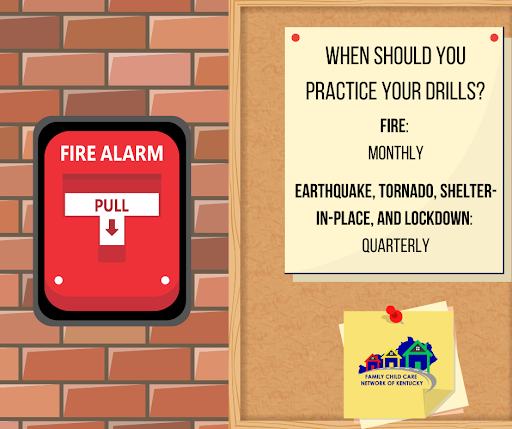
With August comes new beginnings for some children and new goals for all. But we want to make sure that all children are prepared for an emergency. Make sure you know when you need to practice your Emergency Drills and what system you will use in case of an emergency.


Here are some resources from the U.S. Fire Administration and Sesame Street on preparing children and Families for emergencies:


https://www.usfa.fema.gov/prevention/fire-officials/public-educators/sesame-street/

Save the Date!

Professional Development Training

View the WKU FCCN Training Calendar for more information and to register. 

Personalized training based on YOUR needs!


The WKU FCCN offers customized and affordable training on a variety of topics.


Contact us to find out more information.


Training Request Form

FREE TRAINING

The Family Child Care Network will be offering a 4-part training series focusing on strengthening business practices. The purpose of this training is to strengthen childcare providers’ foundational knowledge of fiscal terms, concepts, and practices. It encourages providers to realize the importance of financial planning to the sustainability of their business. It provides tips and best practices to help break down fiscal processes into manageable steps.


This training is intended to be one part of the learning process to build providers’ understanding of good business practices.  


Whenever possible, it is recommended that this training be supplemented with technical assistance and ongoing peer-to-peer sharing opportunities such as communities of practice. During this training, you will be introduced to financial reports that can help you better manage your center’s finances. We will also be helping you understand the concept of internal controls and how they can strengthen your program's fiscal health.


Each month the WKU FCCN provides independent studies. Independent studies are online and work at your own pace. They are available for registration until the 15th of each month. Independent studies must be completed within two weeks. 


Topics include:


  • Being Prepared for Emergencies
  • Caring For Infants In a Mixed-age Setting
  • Curriculum-based Assessment
  • Developmental Screening
  • Evaluating Your Services
  • Family Engagement
  • Family Engagement: Literacy Bags
  • Health, Safety, and Nutrition
  • Infant and Toddler Development
  • Early Childhood Environments: Learning through Routines and Rituals
  • Language and Communication for Infant and Toddlers
  • Let’s Get Appy
  • Parent Handbooks
  • Preventing Burnout
  • Recognizing and Reporting Child Abuse Neglect and Safe Sleep
  • Science in an Early Learning Classroom
  • Social Studies in an Early Learning Classroom
  • The Stressed Child
  • The Value of Play
 
 
Training Calendar
 

Funded through Family Childcare Support Award SC 7362100001482

www.wku.edu/fccn

Facebook  Instagram
Sign Up For Our Monthly Newsletter