|
Sean M. Healey & AMG Center for ALS
Spring 2026 newsletter: Preclinical research
| | | At the Healey & AMG Center for ALS and the Kathy Garrett Research Center for ALS, people living with ALS are at the heart of all we do. Our researchers and clinicians work together with people living with ALS and their families to accelerate global discovery and innovation, expand access to research opportunities, and provide exceptional care. To support our work, please visit our website. | | |
|
Thank you for joining us during ALS Awareness Month! Your enthusiasm, participation, and continued support of the Sean M. Healey & AMG Center for ALS inspire all our efforts and help us move ever closer to a cure.
This week, our newsletter focuses on preclinical research — the critical first step in advancing understanding of ALS and developing new treatments. Across the Healey & AMG Center, affiliated labs such as those in our Consortium of ALS Research Laboratories collaborate closely to propel scientific discovery.
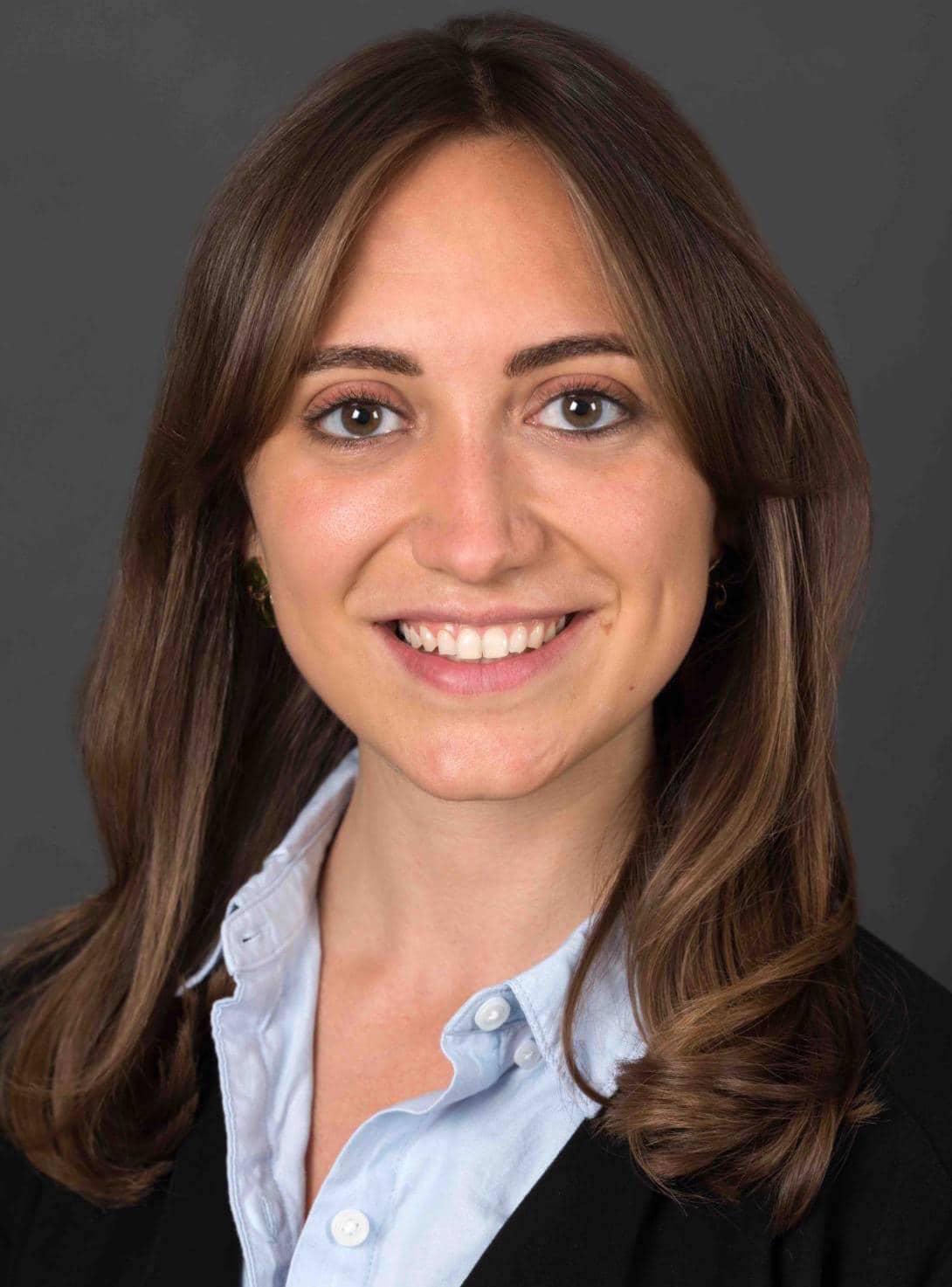
We are proud to highlight the publication of one of those discoveries, made by Laura E. König and team in the Albers Lab: a novel drug target for treating ALS and Alzheimer’s disease that may halt the toxic inflammation that leads to neurodegeneration.
We also provide updates on two programs that strengthen our commitment to supporting the next generation of ALS researchers — the ALS Scholars in Therapeutics Program and the Wood Family Award. These initiatives help us attract new investigators and new ideas that could lead to our next breakthroughs, while ensuring a pipeline of experts dedicated to enhancing care for people living with ALS.
We hope you enjoy reading about the advances you make possible. We are so grateful for your partnership.
Warmly,
Merit Cudkowicz, MD, MSc and James Berry, MD, MPH
| | New study finds key drug target for ALS and AD | |
New research has identified the protein TYK2 as an important novel target for treatment in both ALS and Alzheimer’s disease (AD). Laura E. König, MS, a lead author of the study published in Nature Communications, explains, “We see a lot of potential and indication in the literature that TYK2 is probably a very powerful player and drug target.”
König says researchers found that a specific type of genetic "clutter" builds up in the brains of people with AD and ALS, which triggers toxic inflammation that kills nerve cells. This process is tied to a protein called TDP-43 that has gone awry. This immune response is essentially a biological false alarm that leads to neurodegeneration.
To turn off this false alarm, König and the research team at the Albers Lab, focused on TYK2, which acts as a "master switch" in the cell's immune alarm system, regulating certain converging immune pathways. By shutting off this switch, they can stop the toxic self-destructing sequence and rescue the neurons from dying.
The team tested various FDA-approved drugs and found they could successfully block TYK2 by repurposing the drug deucravacitinib – a medicine used to treat psoriatic arthritis. König says that while the drug worked to block TYK2, it cannot reach the brain, so the team is working with chemists to tweak the drug and find a way for it to cross the blood-brain barrier.
König says this discovery was a team effort, “We’re very lucky here at the Laboratory of Systems Pharmacology that we have a lot of different experts from different fields, so we were able to tap into proteomics experts or into computational approaches that otherwise would never have been possible.”
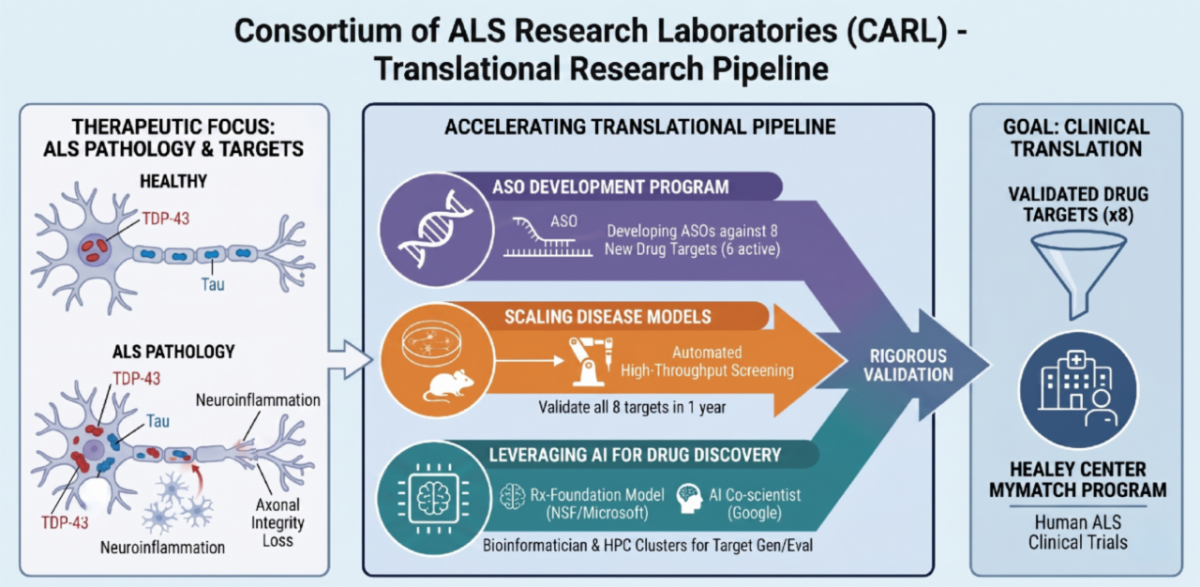
| | Consortium of ALS Research Laboratories | The Consortium of ALS Research Laboratories (Albers, Lagier-Tourenne, Sadri-Vakili, Song, and Wainger labs) is elucidating the mechanism of disease, including the mislocalization of an RNA-binding protein, TDP-43, within motor neurons in the spinal cord and within neural cells in the motor regions of the brain in people living with ALS. Through this work, eight different drug targets have emerged. Each new drug target has the potential to restore the natural function of TDP-43 by correcting this mislocalization or by compensating for downstream consequences of TDP-43 mislocalization. In addition, tau is a protein that is mislocalized in some cases of ALS, particularly in the context of rearrangements of the genomes in motor neurons. Together, the labs are accelerating ALS translational research by rigorously validating and moving therapeutic agents to the Healey ALS MyMatch program for clinical testing in people living with ALS with rapid readouts. Some current activities include anti-sense oligonucleotides (ASO) development against novel drug targets for ALS, scaling ALS disease models, including new human neural cell and mouse models, to test new therapeutic hypotheses and ASO and small molecules, and leveraging AI for drug discovery through the Rx-FM foundational model, which leverages support from the NSF, Microsoft, and the Google Co-Scientist for ALS. Together, these efforts aim to transform ALS Therapeutic Science with the goal of bringing therapies to patients as quickly and safely as possible. | | |
In this new paper published in Molecular Neurodegeneration by Argueti-Ostrovsky, S., Lim, S.M., Arogundade, O.A. et al., Healey & AMG Center team members and collaborators studied the effects of the ALS SOD1 gene mutation on impaired nucleocytoplasmic transport (NCT). When NCT is impaired, the movement of molecules in and out of the nucleus is disrupted, leading to damage. The researchers' findings support targeting NCT disruption for future therapeutic strategies.
| | |
Phosphorylated Tau at Threonine 181 Is Elevated in Amyotrophic Lateral Sclerosis Plasma
In this new paper published in Muscle & Nerve by T. Petrozziello, E. Mizerak, A. Krishnamoorthy, et al., Healey & AMG Center researchers and collaborators measured tau levels in ALS and healthy control plasma samples. They found that plasma pTau-T181 levels are consistently elevated in ALS, supporting future studies to define its potential utility as an ALS biomarker.
| | |
Research access
Our research programs are dedicated to advancing ALS science, uncovering its underlying causes, and ultimately discovering effective treatments for this disease. If you would like to learn more about how to stay connected to ALS research, please reach out to our research access nurses, Kiersten Pease or Judi Carey at mghalsresearch@mgb.org. You can also visit our clinical trials page here. We are deeply grateful to all past, current, and future participants who are helping to accelerate research and drive the search for life-saving therapies.
| | |
Upcoming Healey & AMG Center webinars
Thursday, May 21, 5:00 pm ET: Social Connectedness in ALS
Thursday, May 28, 5:00 pm ET: HEALEY ALS Platform Trial Update
| | Buffalo Marathon for Team Jimmer | On Sunday, May 24, Bryan Lynch will be running the Buffalo Marathon to raise awareness and funding for the Sean M. Healey & AMG Center for ALS in honor of one of his best college friends, Jimmer. Bryan is running and raising funds to contribute towards finding a cure for ALS. To read more about Bryan's reason for running, you can visit his fundraising page: Team Jimmer for ALS Research - Campaign | | 5th Annual Rick Wilson Invitational | | |
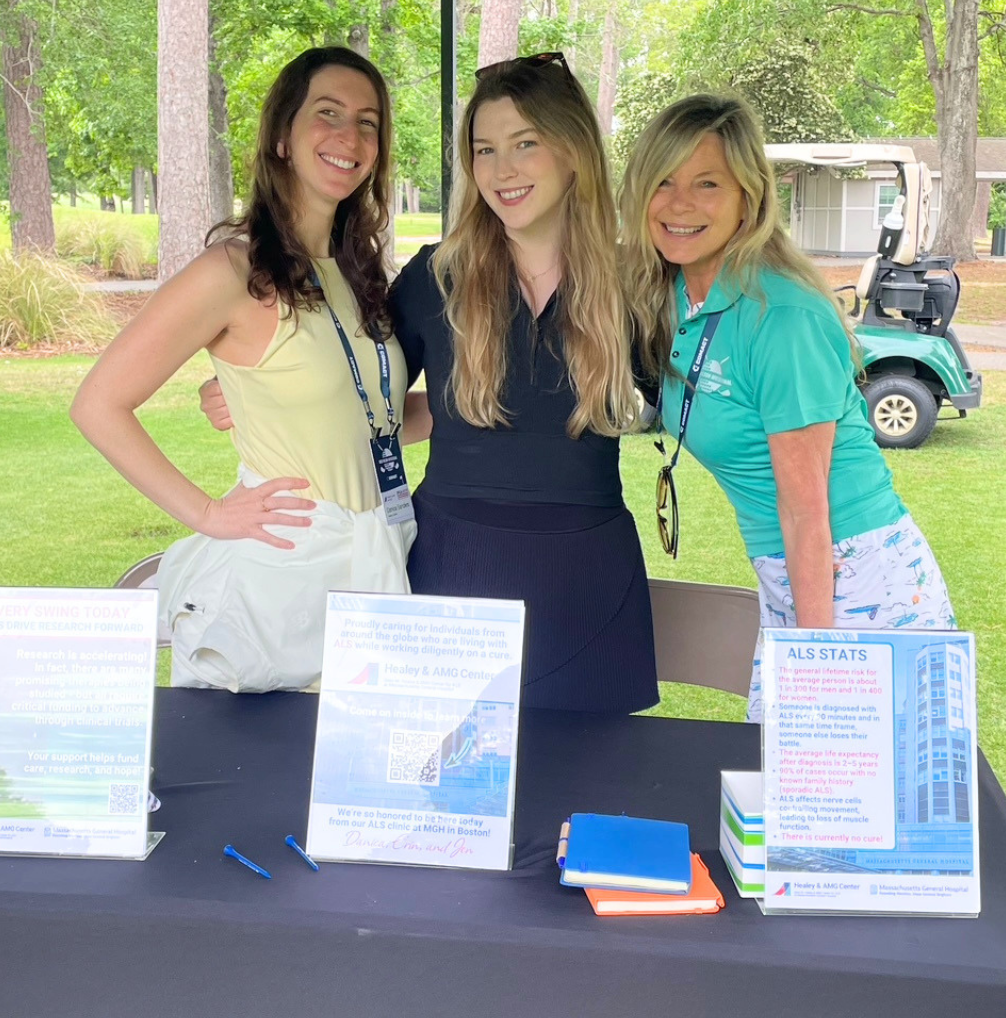
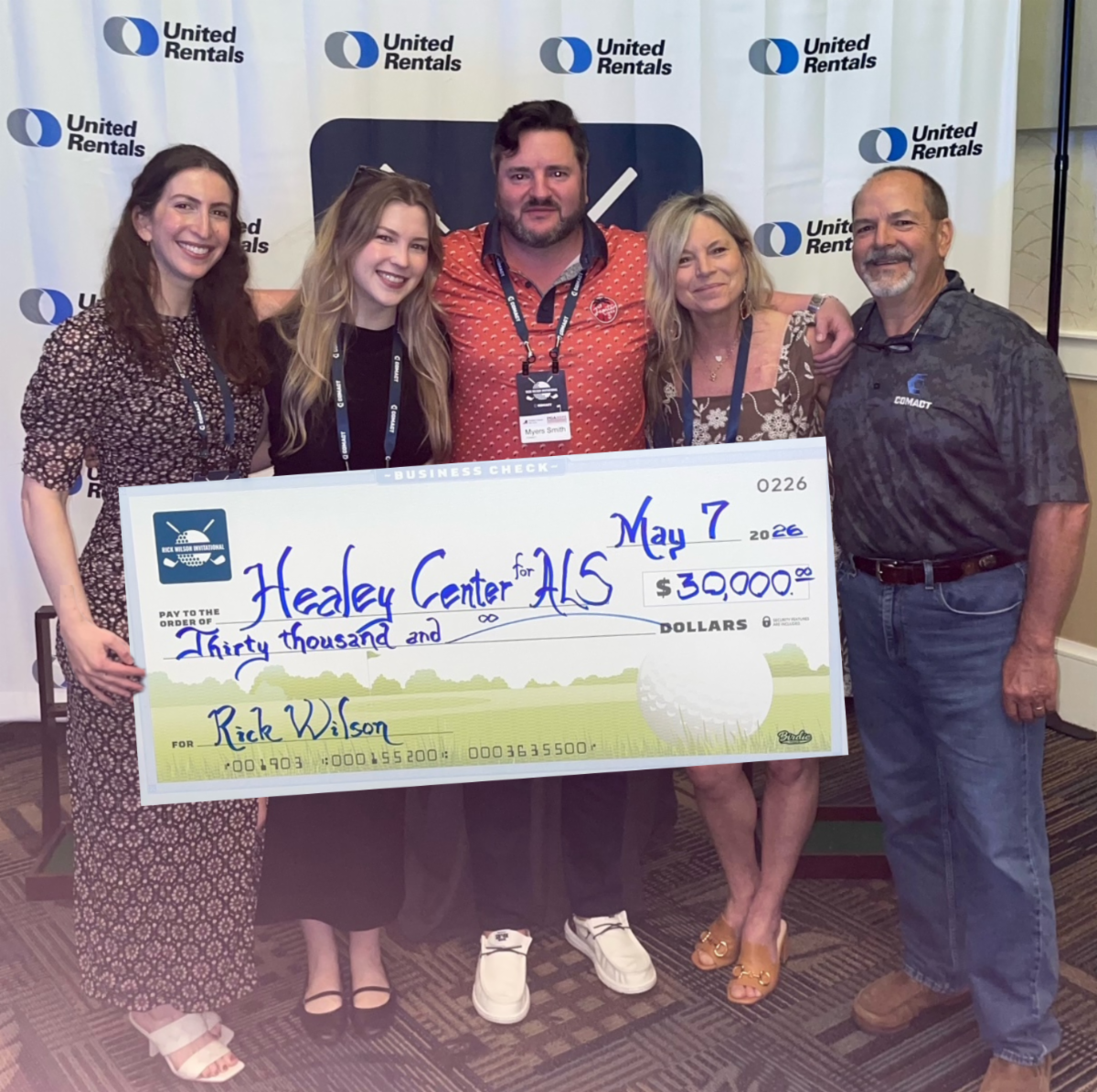
On May 6–7, the 5th Annual Rick Wilson Invitational was held in Myrtle Beach, South Carolina. Organized by Comact, this golf tournament honors their former colleague, Rick Wilson, who was cared for at the Healey & AMG Center for ALS.
The Healey & AMG Center is a benefactor of this meaningful annual event which brings together their industry colleagues in support of ALS research and clinical care. The event featured a silent auction, golf tournament, and awards dinner.
Representing the Healey & AMG Center at the event were Jen DiMartino, Danica Sanders, and Erin Clampffer, who spoke about the importance of multidisciplinary ALS care, research, and the powerful impact of community support.
| | |
Congratulations, Dr. Lagier-Tourenne
Clotilde Lagier-Tourenne, MD, PhD, Araminta Broch-Healey Endowed Chair in ALS, has been appointed to Full Professor at Harvard Medical School. Congratulations, Dr. Lagier-Tourenne!
| | Formerly known as the Annual Gala, this event celebrates over three decades of impact and community, raising vital funds to support the McCourt Foundation's mission to cure neurological diseases while empowering communities to build a healthier world. This year, Dr. Cudkowicz was presented with the inaugural Hope Award, which honors an extraordinary leader whose vision, compassion, and unwavering commitment move the needle toward a healthier world for all. | | |
ALS Scholars in Therapeutics
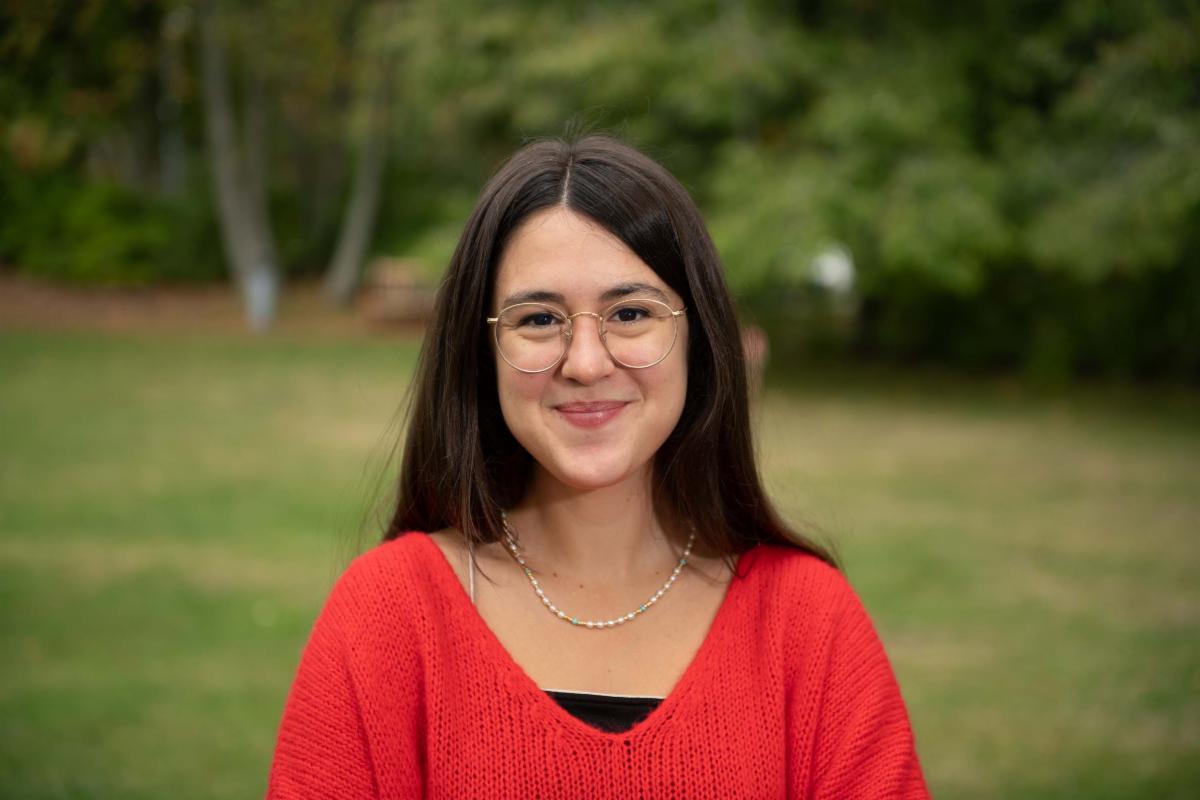
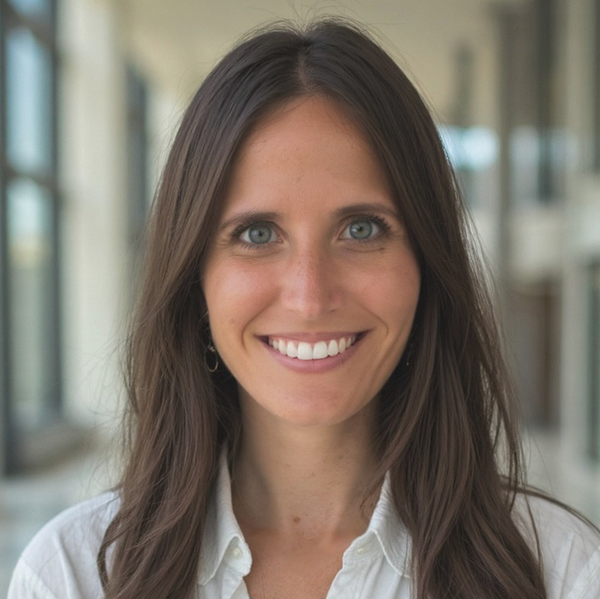
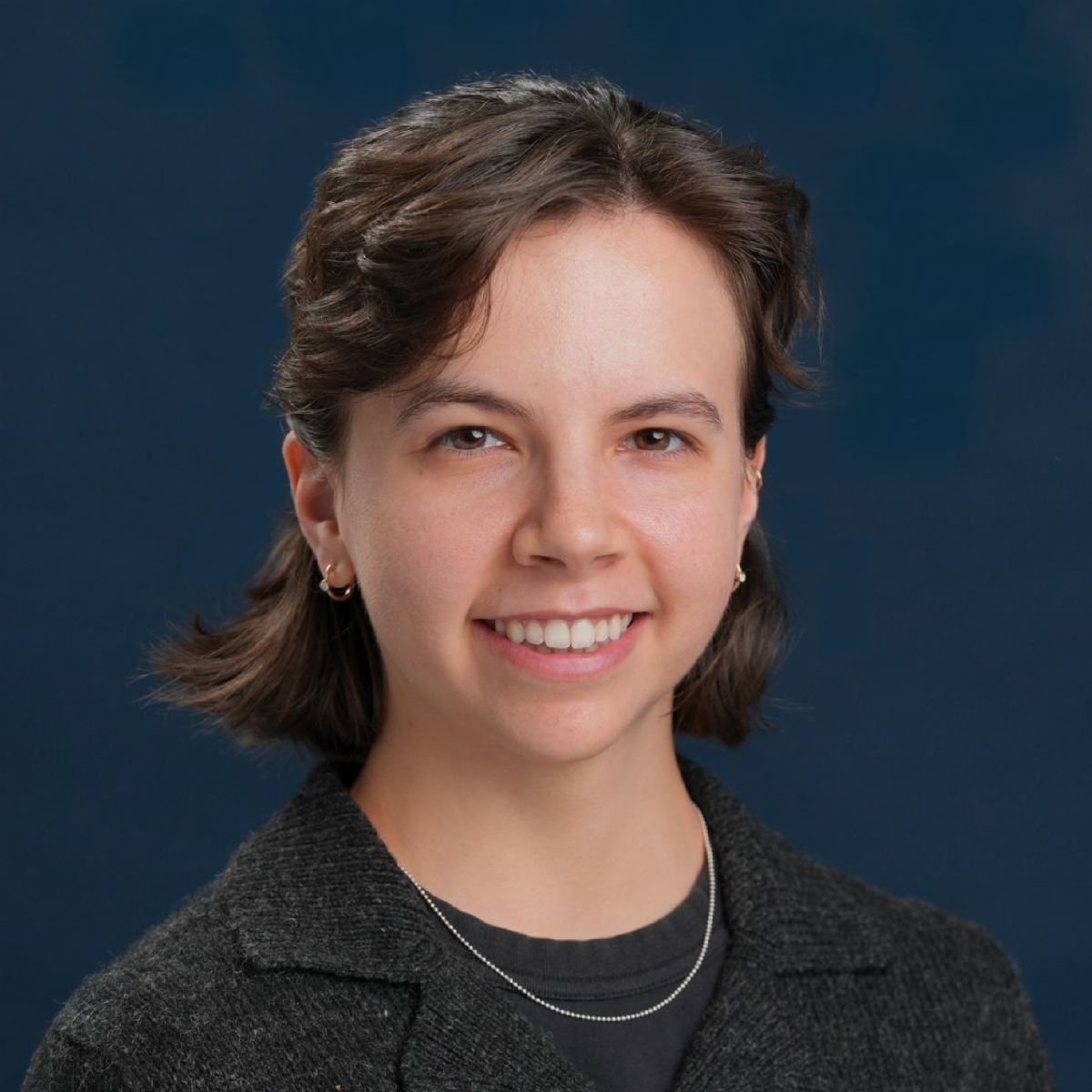
The Healey & AMG Center, ALS Finding a Cure®, and FightMND selected three recipients for their global two-year ALS Scholars in Therapeutics program. The program is designed to engage clinician-scientists and post-doctoral fellows to gain training and experience in therapy development for ALS at their home institution. Learn more here: The ALS Scholars in Therapeutics Program
This year’s selected recipients are Juliette Foucher, PhD, of Karolinska Institutet, Jennifer Morganroth, MD, MBA, of Mass General Hospital, and Olivia Rifai, PhD, of Columbia University.
| |
 | | Juliette Foucher, PhD, has been awarded for her work on Multimodal Subtyping of Newly Diagnosed ALS Patients Using Integrated Proteomics, Neuroimaging, and Neuropsychological Profiling. She received a BSc in Cellular Biology and Physiology from the University of Nantes (France) in 2014, a MSc in Neurological Sciences from the University of Montreal (Canada) in 2017, and a PhD from the Karolinska Institutet (Sweden) in 2025. She currently works as a Postdoctoral Researcher in the lab of Caroline Ingre, MD, PhD, at the Karolinska Institutet and is affiliated with the Karolinska University Hospital. Her research focuses on neuropsychology and neuroimaging in ALS, and advocates for neurocognitive characterization of people living with ALS specifically in clinical trial settings. This project aims to classify newly diagnosed ALS patients into biologically and clinically meaningful subgroups by integrating cognitive testing, brain imaging, and proteomics with clinical assessments. The goal is to better understand why ALS progresses differently between individuals and to create a foundation for personalized, biomarker-driven clinical trials and treatments.
| |
| | | Jennifer Morganroth, MD, MBA, has been awarded for her work on Ultra-sensitive Proteomic Analysis of Presymptomatic ALS Gene Carriers to Enable Biomarker-Guided Prevention. She earned her MD and MBA from the Perelman School of Medicine and The Wharton School at the University of Pennsylvania. She currently works as a neurologist and clinician-investigator at the Sean M. Healey & AMG Center for ALS at Mass General Brigham, where she founded the Clinic for Motor Neuron Health, dedicated to individuals who carry ALS-causative gene variants but remain asymptomatic. Under the mentorship of James Berry, MD, her research focuses on identifying protein biomarkers that define the biological onset of ALS, with the goal of designing and leading biomarker-guided prevention trials. For her project, she will use an ultra-sensitive proteomic platform to detect early biological signals of disease in this at-risk population, informing the design and timing of future ALS prevention trials and gene-targeted therapies.
| |
| | | Olivia Rifai, PhD, has been awarded for her work on biomarker-guided identification and monitoring of "FUS-Like" ALS for therapeutic targeting. She received a BA in Biochemistry and MS in Chemistry in 2018 from the University of Pennsylvania, after which she earned her PhD in Translational Neuroscience in 2023 from the University of Edinburgh. Since 2023, Dr. Rifai has been a Postdoctoral Fellow in the laboratories of Prof. Neil Shneider MD, PhD, and Wassim Elyaman, PhD, at Columbia University Irving Medical Center. Her research focuses on developing biomarker-based methods to understand the molecular dynamics of ALS progression and treatment response, as well as the overlap between ALS subtypes, to improve precision medicine approaches. Under the mentorship of Prof. Shneider, her project will assess the extent of FUS pathology in people with ALS without a FUS mutation (i.e., “FUS-like” ALS) and develop methods to identify individuals during life who may be candidates for FUS-targeting therapies.
| | We are pleased to share that the 2026 Wood Family Award recipients are Adel Boudi, PhD and S. Pinar Uysal, MD. This award provides support for young laboratory based scientists focused on advancing ALS research. Congratulations! | | |
Our work at the Sean M. Healey & AMG Center for ALS is accelerating therapeutic breakthroughs and improving the holistic care we deliver to our patients and their families. Your philanthropic support allows our clinicians and researchers to be nimble, pursuing the most promising research and care pathways that make a meaningful difference to individuals with ALS. Together, we will find the cures. Thank you for your consideration.
If you have questions or would like to learn more about how you can support the Sean M. Healey & AMG Center for ALS, please contact Emily Monteiro at emonteiro7@mgh.harvard.edu or visit https://www.massgeneral.org/neurology/als/support/.
| | |
Follow Mass General Neurology on social media to stay up to date with the
Sean M. Healey & AMG Center for ALS.
| | |
Massachusetts General Hospital
55 Fruit Street
Boston, MA 02114
| | | | |