Tennessee, 11/17/21: Death Knell | |
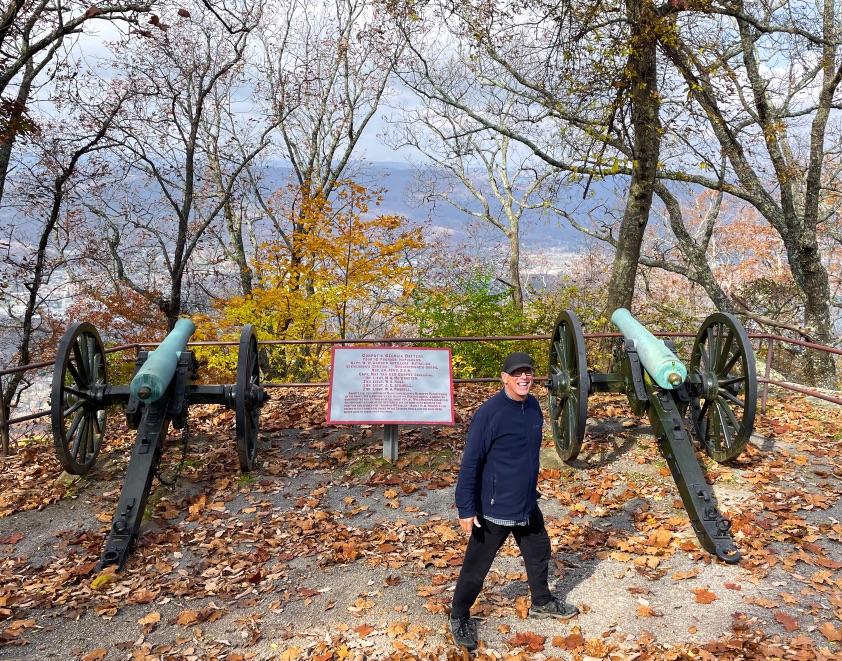
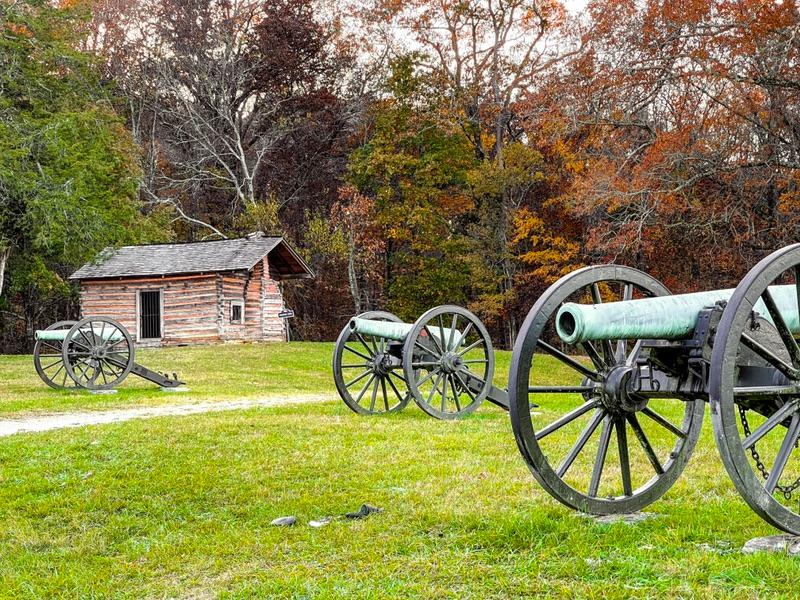
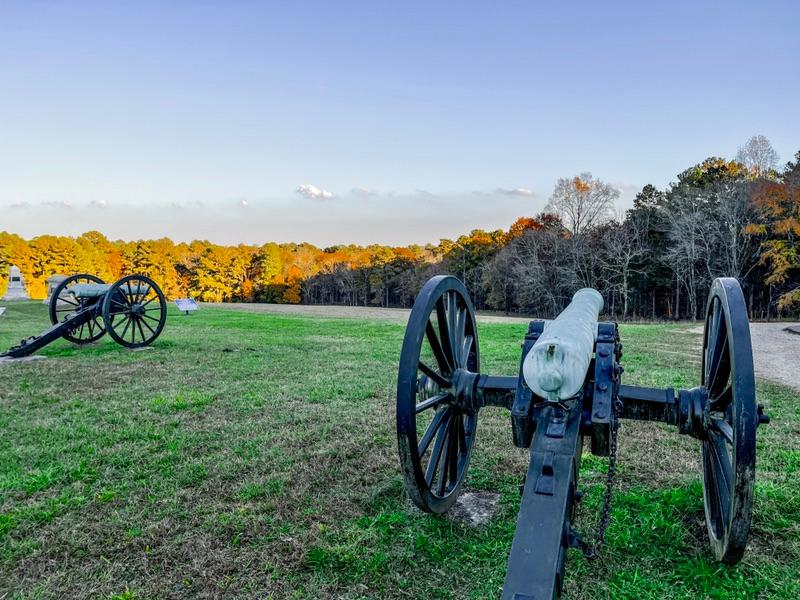
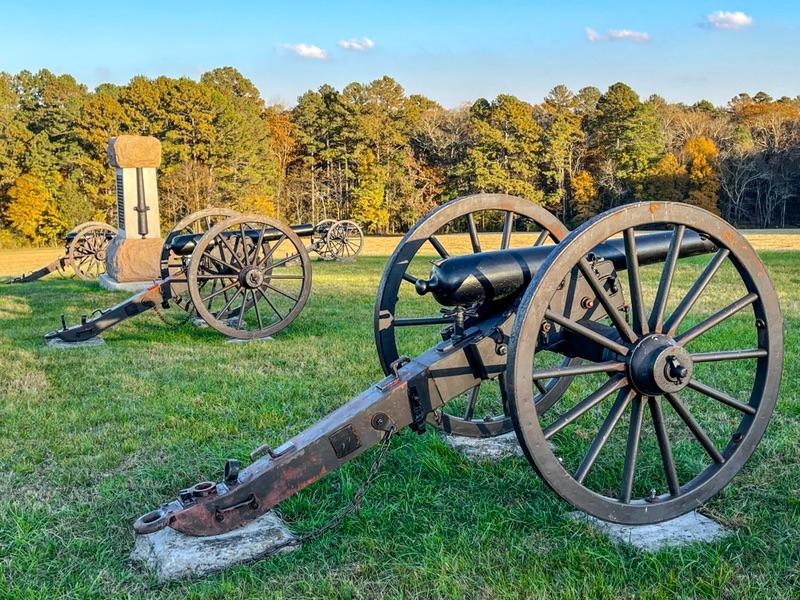
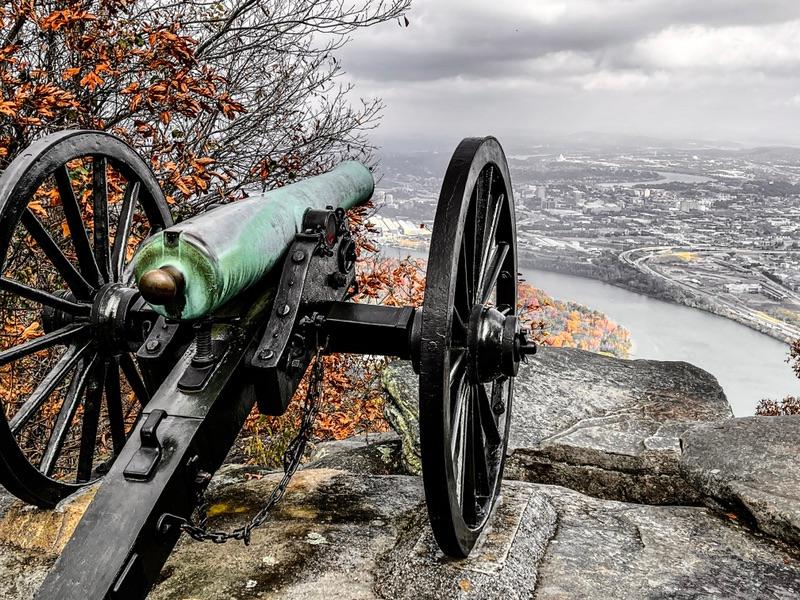
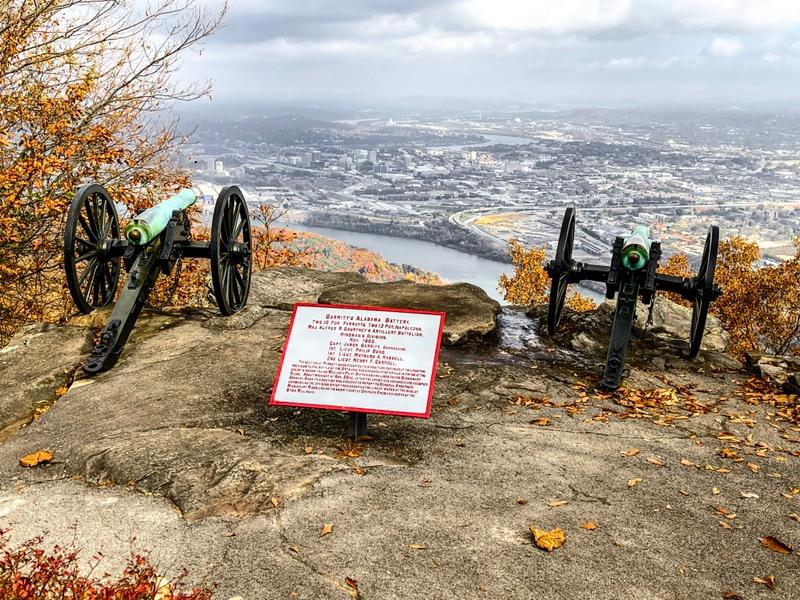
Manning the guns on top of Lookout Mountain. | |
|
Today was Civil War battlefields day. We visited Lookout Mountain and Chickamauga. We walked the grounds. We listened to a park ranger meticulously explain the events from Fall of 1863. We watched a near-Hollywood quality documentary. As well-versed a Civil War buff as I am, I learned so much more.
Due to geography, Chattanooga was the prize of Tennessee during the Civil War. The Tennessee River cuts a gap through the Appalachian Mountains that funneled roads, railroads, and river traffic through. Chattanooga grew up right in the hub of the gap. Whoever controlled Chattanooga, controlled access to the deep southeast.
In the Summer of 1863, Grant commanded the Union Army of Tennessee. He operated from western Tennessee to Vicksburg, Mississippi. Rosecrans, hero of the Battle of Stones River, commanded the Union Army of the Cumberland in east Tennessee. It was Rosecrans’ task to capture Chattanooga. It was the hapless Confederate General Bragg’s job to defend it.
With barely firing a shot, Rosecrans cleverly maneuvered his Army in such a strategic manner that Bragg couldn't engage without incurring catastrophic losses. He could only retreat. In this manner, Rosecrans drove from Northeast Tennessee to Southeast Tennessee, capturing Chattanooga.
After these brilliant maneuvers, Rosecrans made a fatal mistake. He divided his forces into three widely dispersed units, weakening the Army of the Cumberland. Bragg pounced.
| |
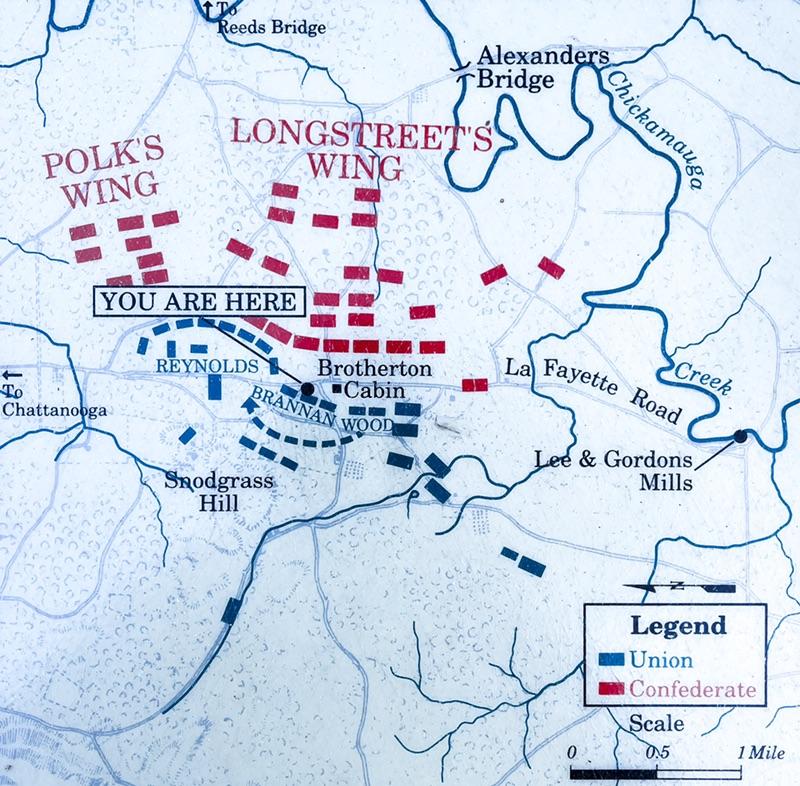
The two month long Chattanooga campaign started at Chickamauga Creek, then Lookout Mountain, and finally, Missionary Ridge. The battle map below shows the battle lines at Chickamauga. Note where General Brannan and General Wood were situated along the blue Union line. | |
|
From September 18-20, 1863, Bragg engaged Rosecrans at Chickamauga Creek, a few miles south of Chattanooga. There, Bragg’s forces badly routed the Union, mainly due to a communication error and luck.
1) The communication error. Rosecrans’ line was holding but under severe strain on his left flank. Confederate General Polk was pressing Union General Reynolds hard. Rosecrans’ dilemma was to reinforce his left without opening up a gap somewhere else. Just as he was under pressure to solve his dilemma, he received word that General Brannan’s Division, anchoring a section of the Union center, was missing, leaving a gap in the center. Rosecrans ordered General Wood’s Division to cover where Brannan was supposed to be. The problem was, Brannon’s Division was right where it was supposed to be and moving Wood’s troops really did open up a gap in the center.
2) The luck. Confederate General Longstreet, on loan to Bragg from Lee’s Army of Virginia, just happened to attack the center, right at the moment General Wood’s unit moved out. The Union line collapsed. Like Stones River, Rosecrans’ troops fled back in retreat. This time, it was General Thomas that saved the day. His troops held long enough for Rosecrans to get the rest of the fleeing troops back to Chattanooga. Thomas earned the nickname “Rock of Chickamauga”.
Between the two forces, 125,000 soldiers fought at Chickamauga Creek, Cherokee for the River of Death (that’s the legend - I have also heard it means “big water”). The result was a total of 34,000 casualties, including 4,000 dead. It was the second bloodiest battle of the war, second only to Gettysburg. It was a resounding victory for Bragg. However, remember that Bragg has that knack for “snatching defeat from the jaws of victory”.
As Rosecrans limped back to Chattanooga, Bragg siezed all the high ground surrounding Chattanooga, allowing him to choke off all supplies entering the city. Instead of attacking Rosecrans, he was going to starve them into submission.
Rosecrans was indeed trapped, and his forces evenutally were reduced to 1/4 rations. They were starving.
| |
When General Wood moved his Division left, it opened up a gap for Longstreet's troops to pour in. Also, look where Snodgrass Hill is located. That is where General Thomas held out, giving the rest of Rosecrans’ army time to flee back to Chattanooga. Confederate General Bragg gained a decisive victory, but at a bloody price. | |
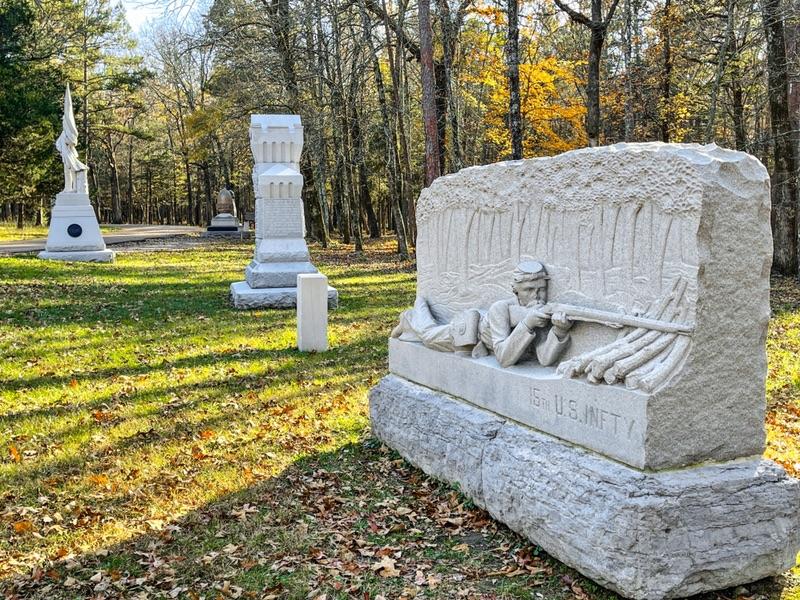
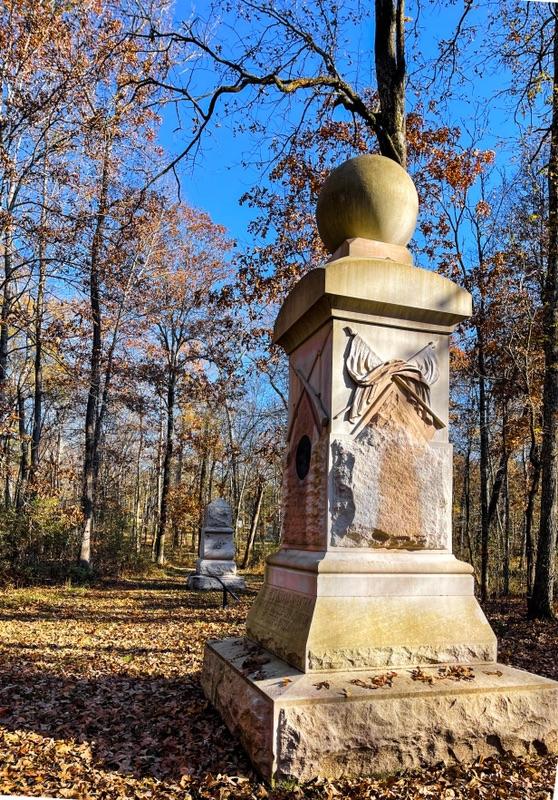
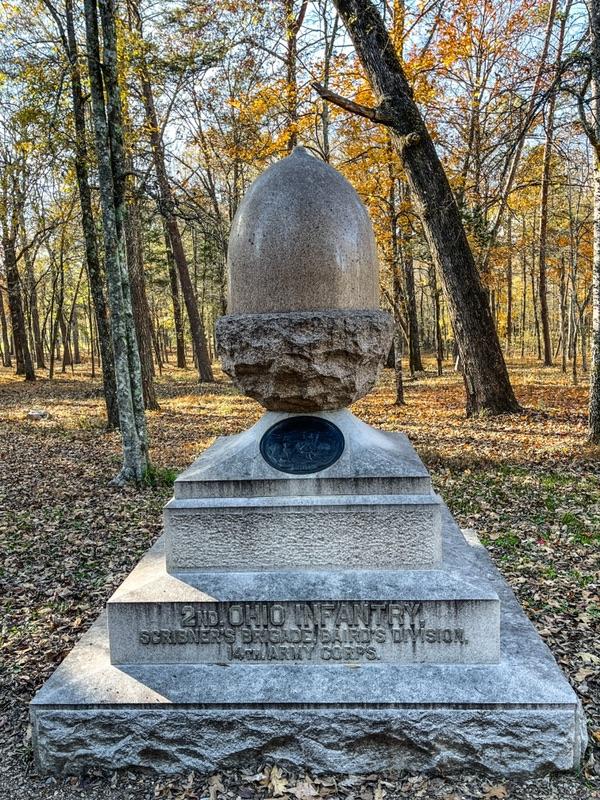
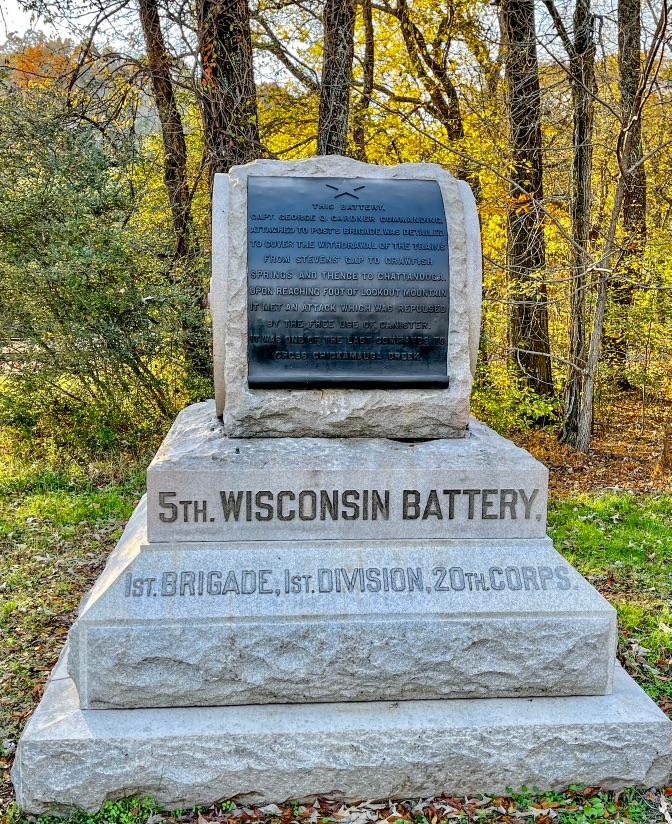
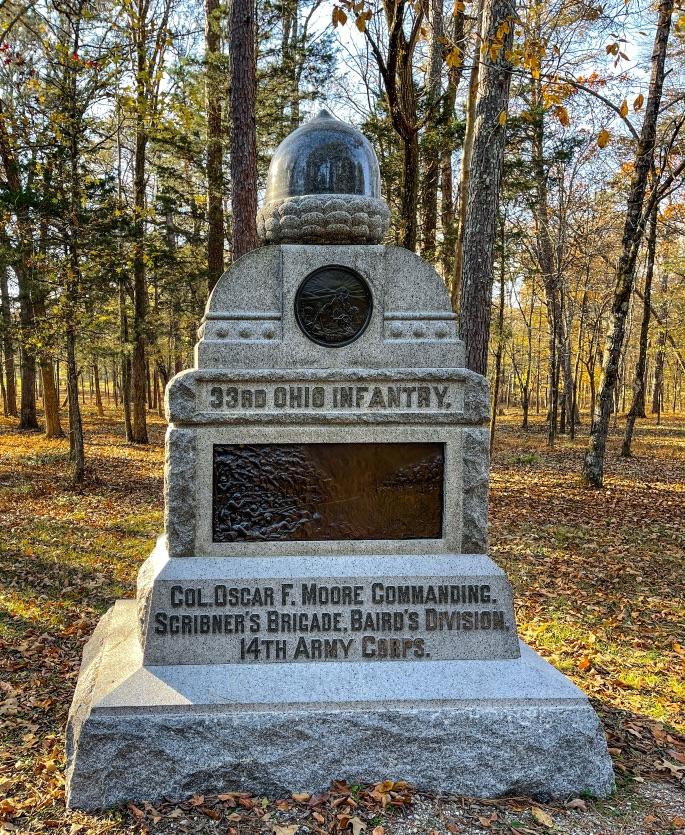
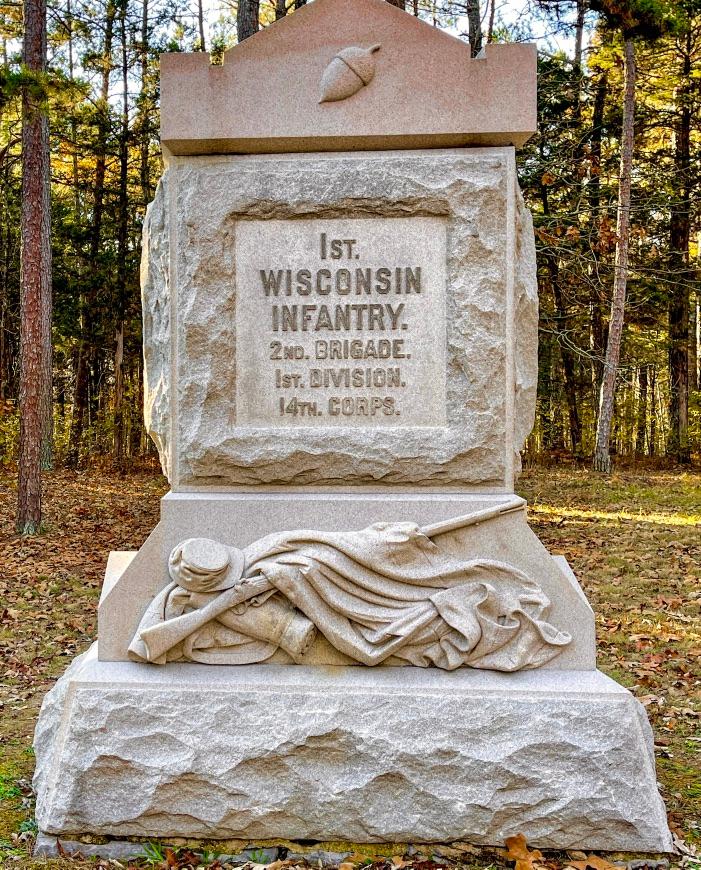
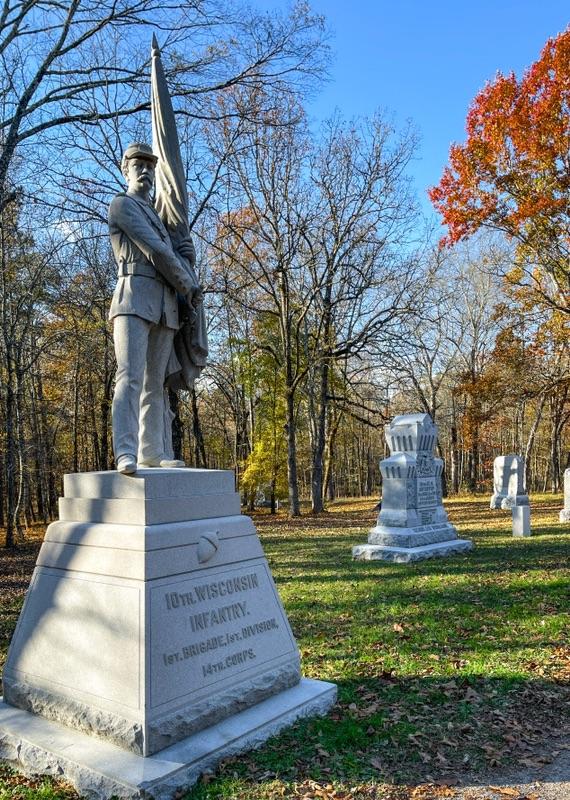
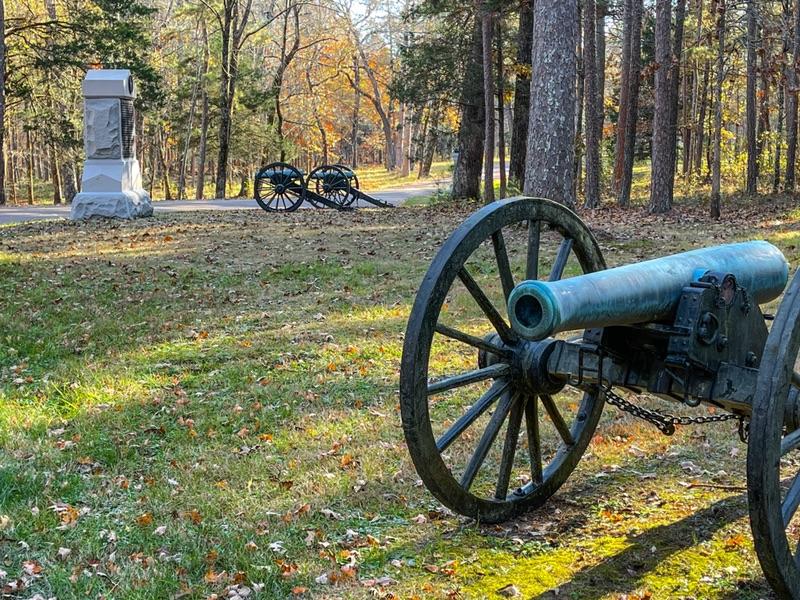
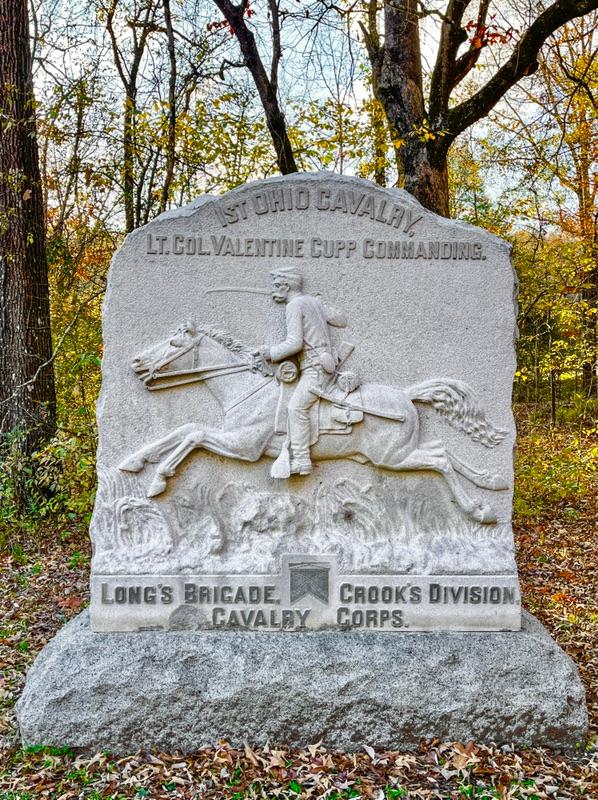
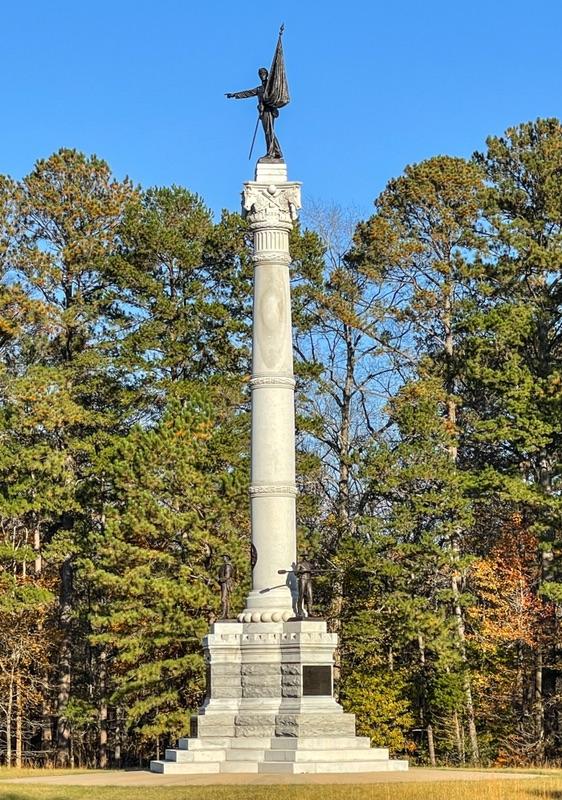
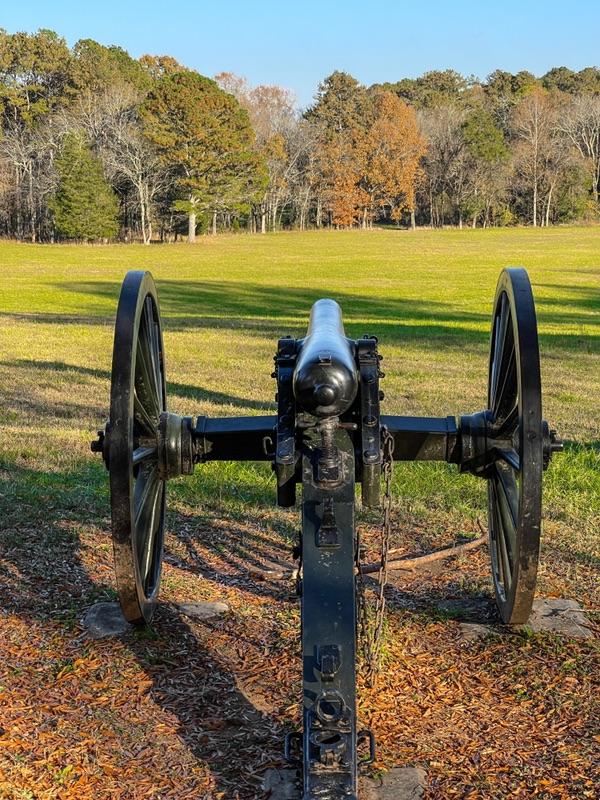
All along the battle line, monuments depict where regiments were stationed during the battle of Chickamauga. Each monument is unique and artfully beautiful. | |
The acorn symbolized the steadfastness of a unit - they stood strong like an oak tree. | |
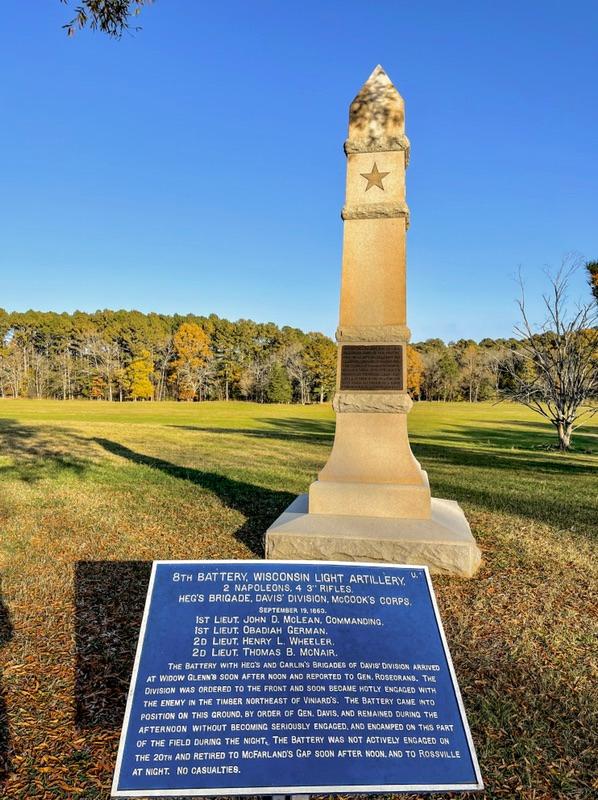
Wisconsin boys were well represented at Chickamauga. | |
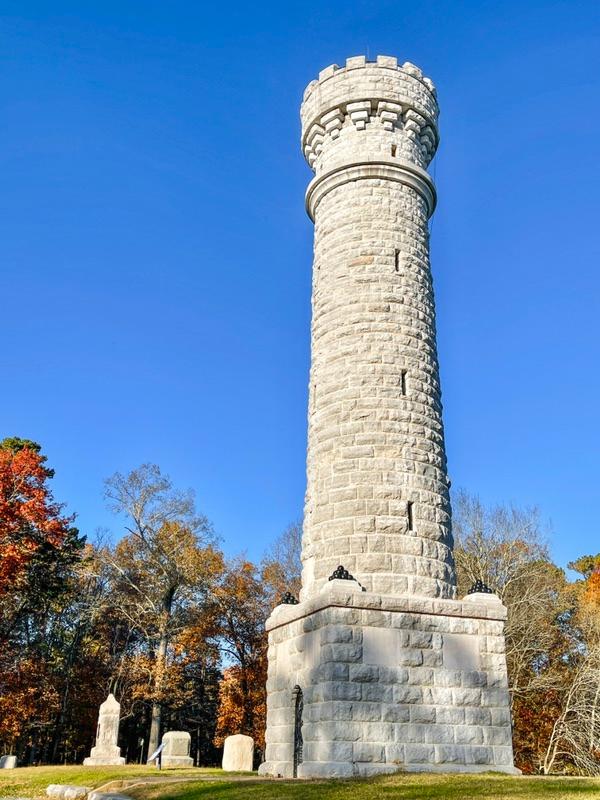
This tall monument represented Georgia, where the battle took place. | |
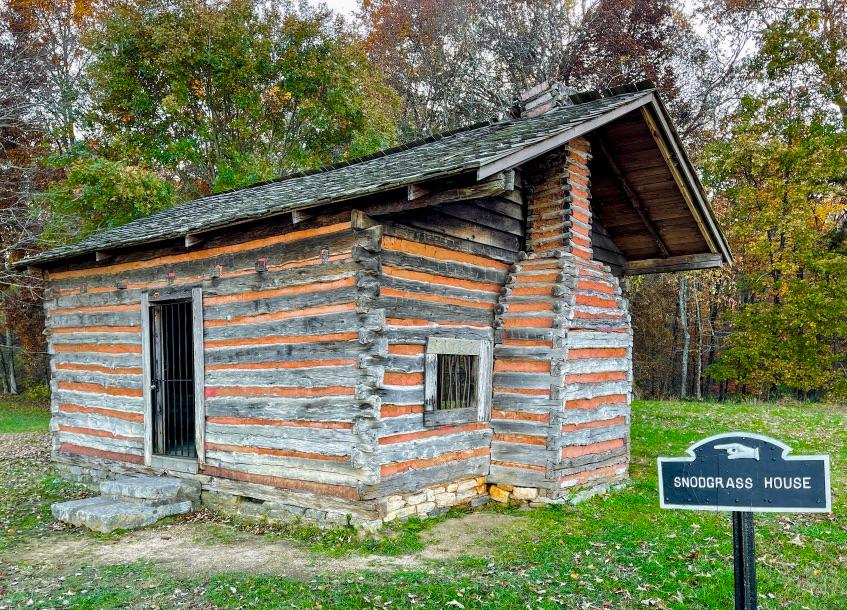
The Snodgrass house on Snodgrass Hill is where General Thomas, “The Rock of Chickamauga” made his stand. | |
Looking out over the hill where Thomas held off Bragg long enough to keep the debacle from turning into a total disaster. The hill is barely perceptible. It is more like a gentle sloping field. | |
|
Bragg’s tactic to lay siege on Chattanooga gave the Union two valuable months to figure out how to save the Army of the Cumberland. General Grant was called in to figure it out. Grant methodically did so.
First, he opened up a supply line to the beleaguered Army by taking a strategic river ferry and building a pontoon bridge. This was nicknamed the “Cracker Line” as much of the army’s rations consisted of hardtack, a cracker-like wafer.
With help from the Union’s Department of Defense, John Hooker’s Division from the Union’s eastern Army of the Potomac, was quickly sent to Grant over a series of railroads. This, in itself, was a logistical miracle at that time.
Hooker’s Division miraculously took the strategic Look Out Mountain directly above Chattanooga, in the Battle Above the Clouds. Fog and clouds helped Hooker’s forces fight straight up tall cliffs.
Finally, Grant’s forces took Missionary Ridge, Bragg’s last high ground, in a daring and crazy assault straight up yet another cliff.
This campaign resulted in a monumental shake up in command for both sides. Having completely lost Chattanooga and the surrounding territory, Bragg was replaced by the competent General Joe Johnston. Rosecrans was replaced by the Rock of Chickamauga, General Thomas. Grant was put in charge of all the forces in the western theater. Sherman was placed in command of the Union Army of Tennessee.
Losing Chattanooga is considered the deathnell of the war for the Confederacy. General Sherman used Chattanooga to launch his successful assault on Atlanta, and subsequently, his crippling March to the Sea campaign. Grant was soon put in command of all Union Forces, eventually forcing General Lee’s surrender at Appomattox.
| |
|
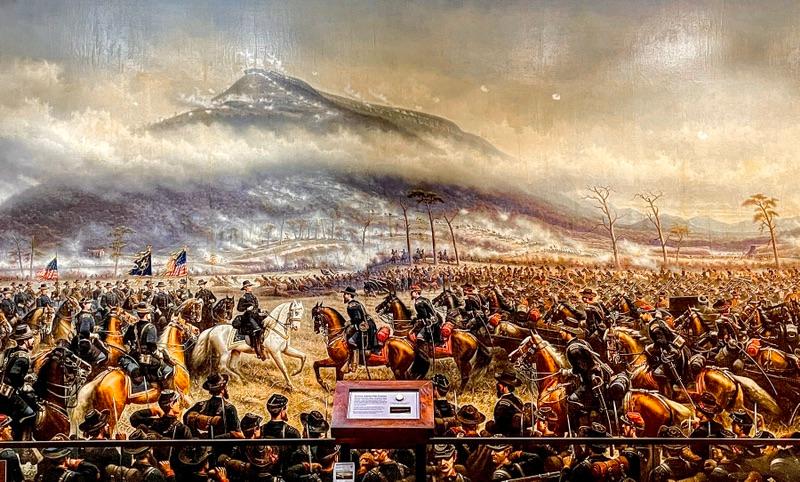
A painting glorifying Hooker getting ready to assault Lookout Mountain. Notice the clouds around the mountain top.
| |
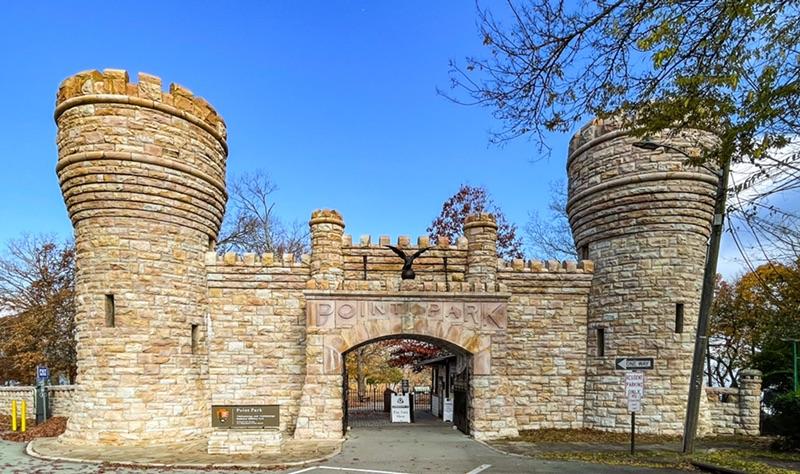
The gate to the Lookout Mountain Battle ground. | |
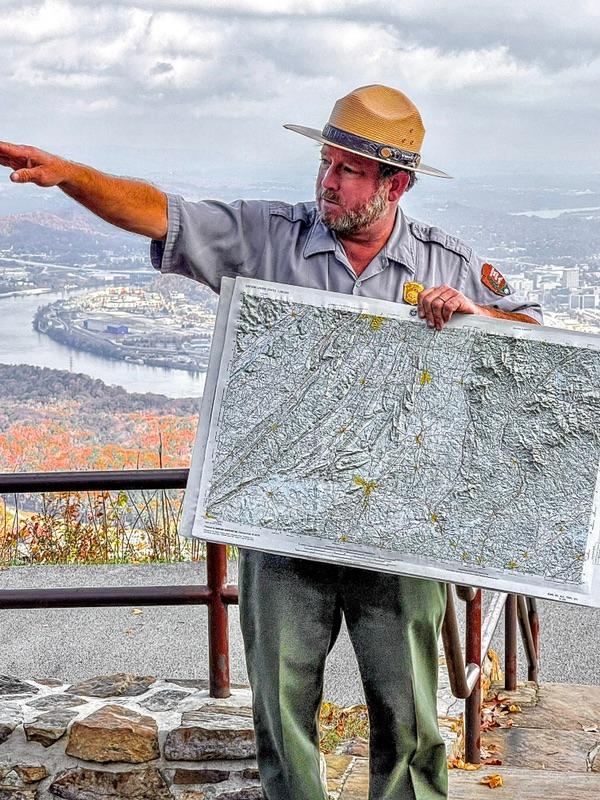
We we're fortunate to arrive when a high school class on a field trip was beginning a guided tour. We tagged along. The park ranger gave a thorough and insightful lecture on the entire campaign. I don't know about the students, but I hung onto every word. The park ranger knew his subject. | |
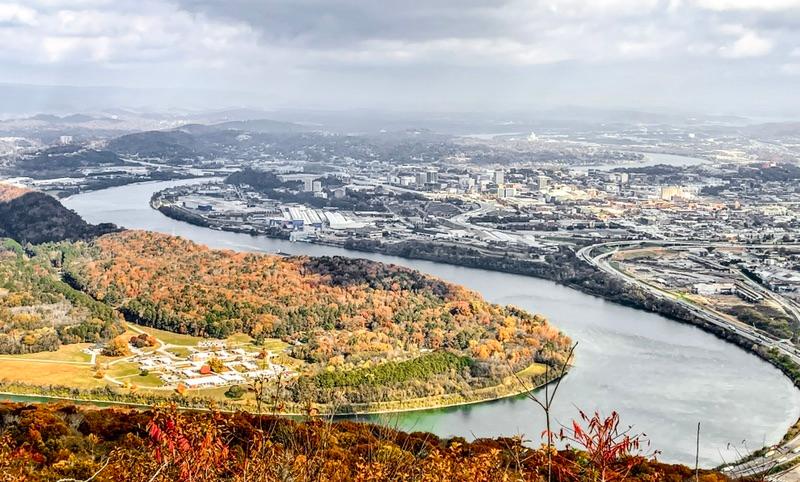
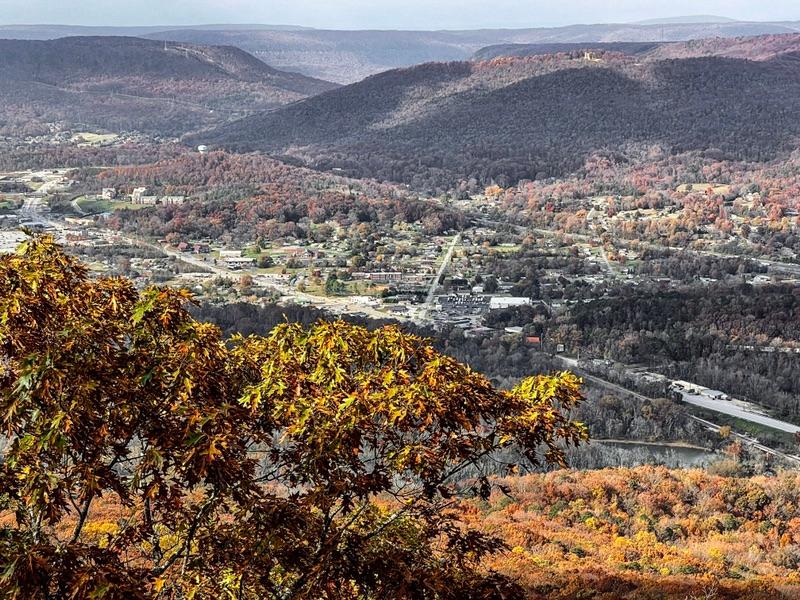
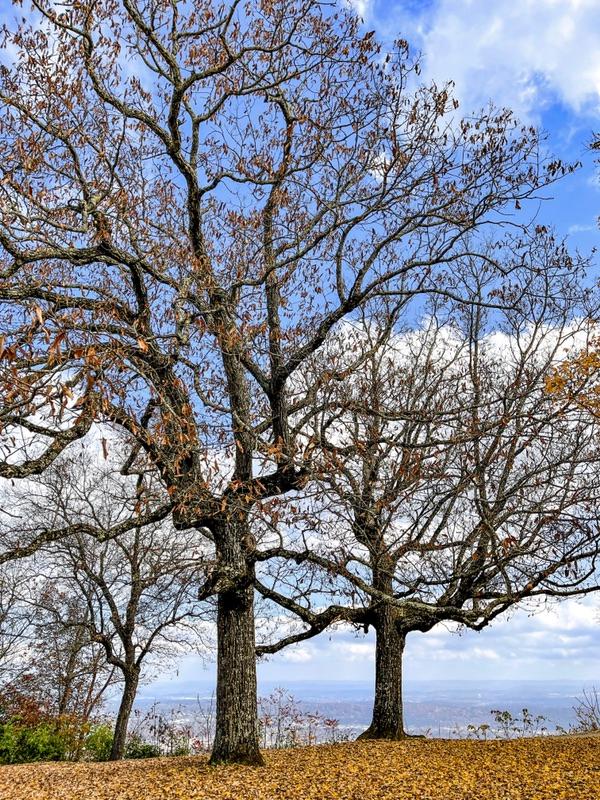
From the top of Lookout Mountain, the position seems impenetrable. | |
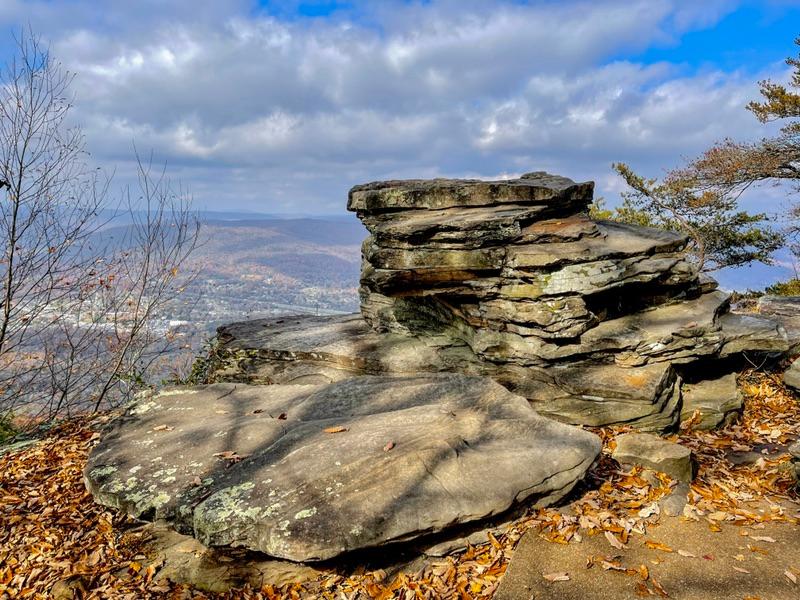
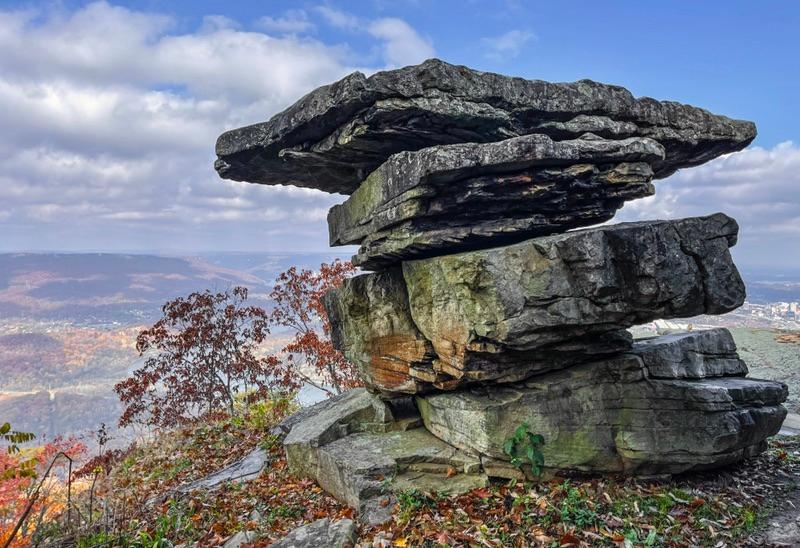
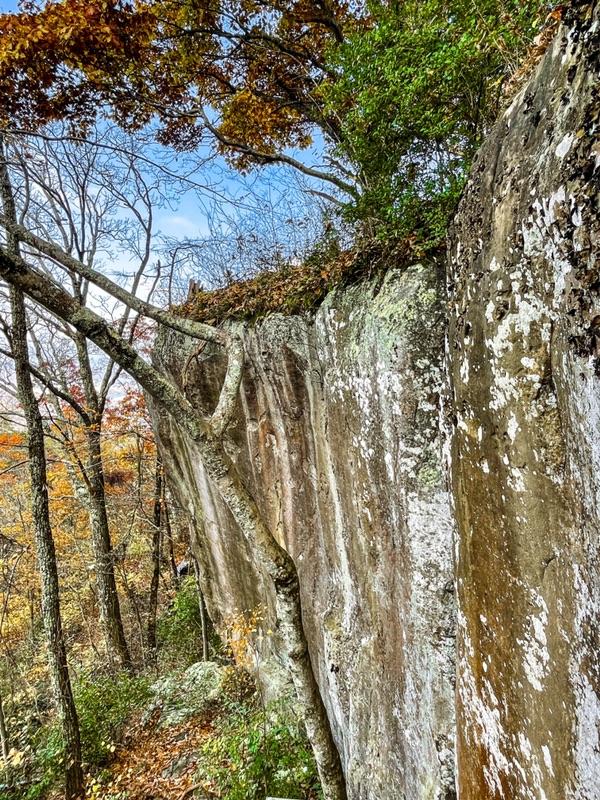
Some cool rock formations on top of Lookout Mountain. | |
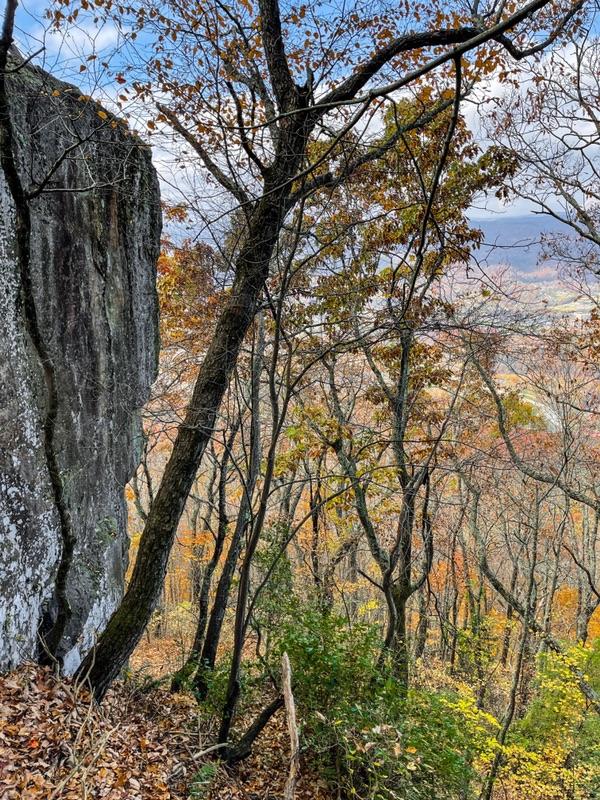
These are the cliffs or palisades that Hooker’s men had to climb. The fog and low clouds helped. Actually, once near the summit, Hooker’s men didn’t have to fight for the top. The Confederates just retreated. | |
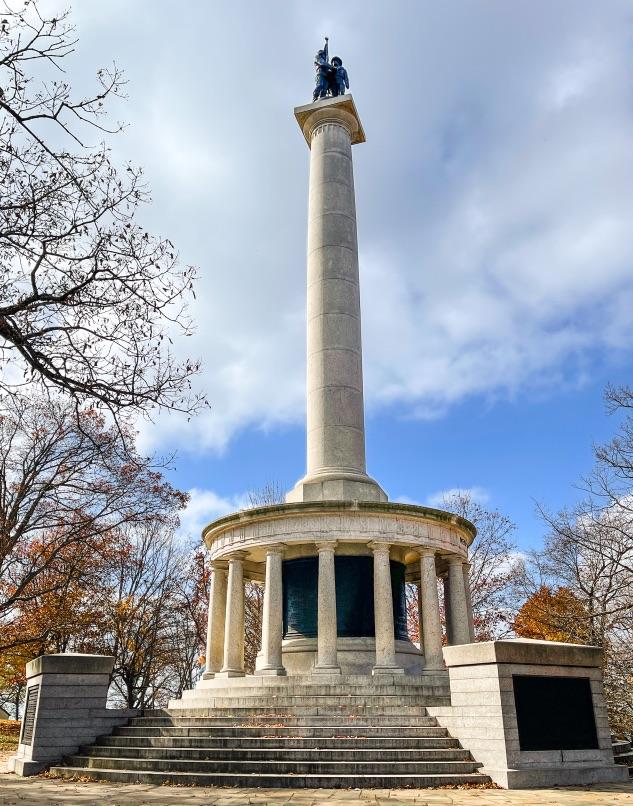
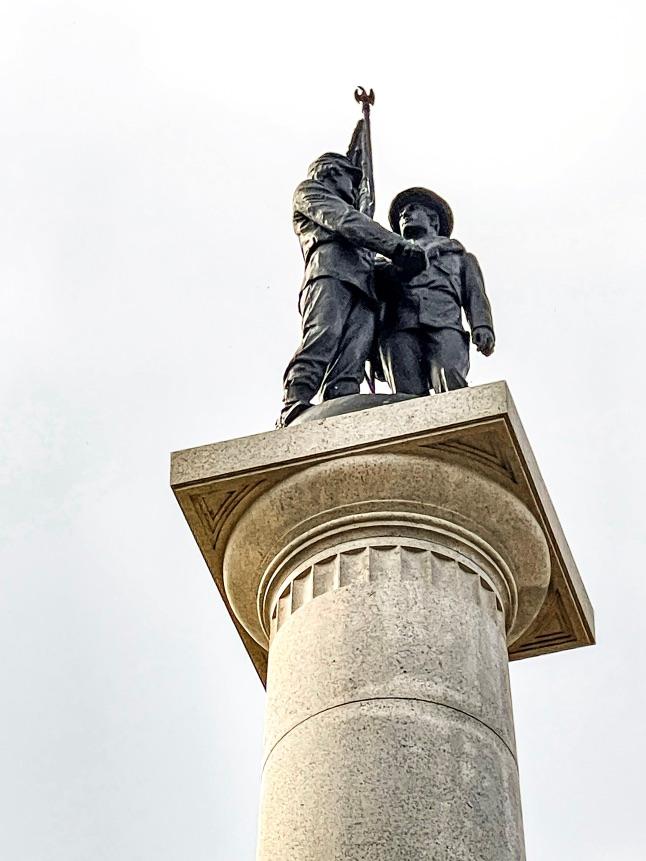
The New York Peace Monument on Lookout Mountain is dedicated to ALL combatants of the whole Chickamauga-Chattanooga campaign. | |
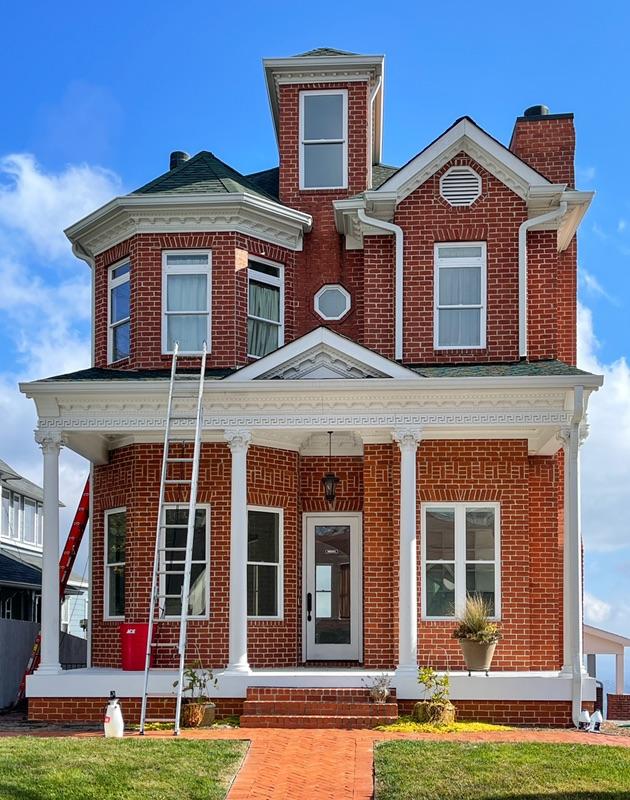
There are some beautiful private homes on Lookout Mountain. | |
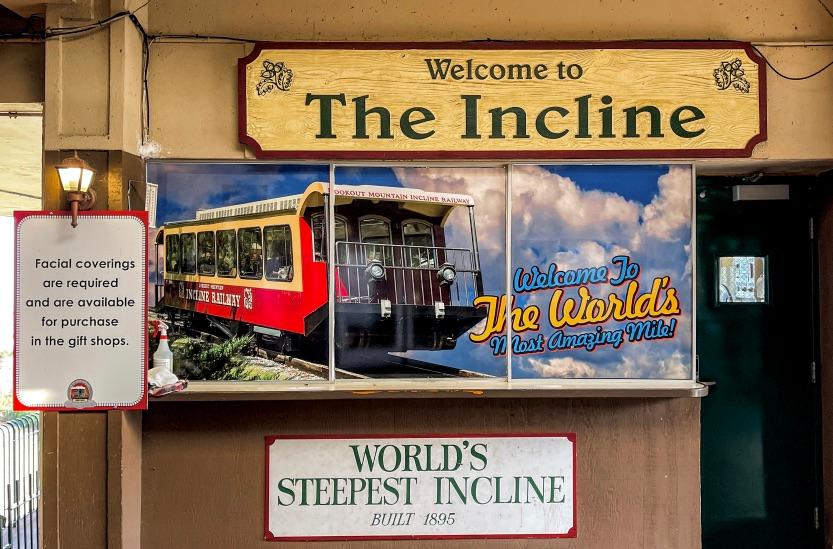
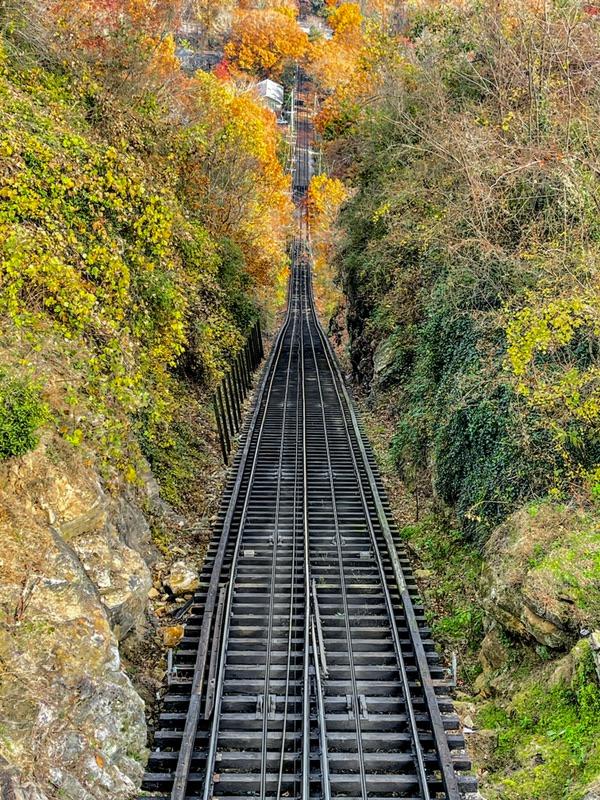
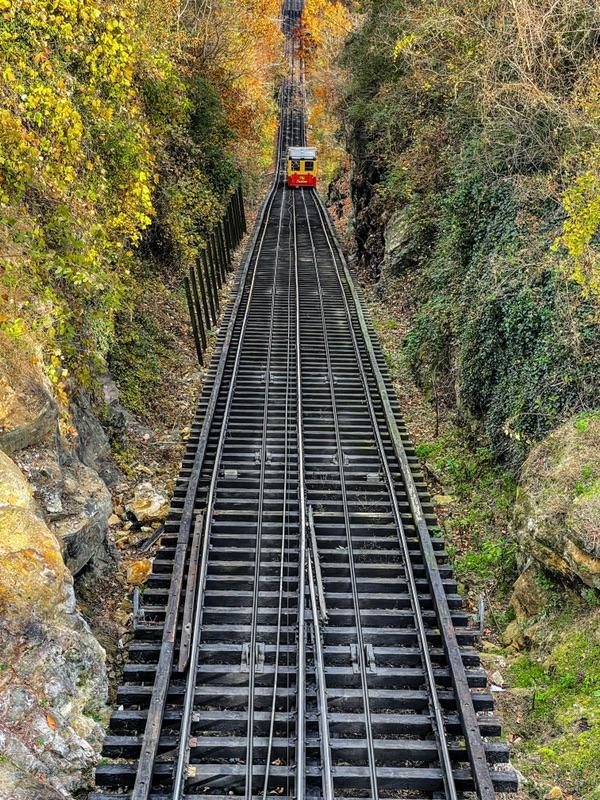
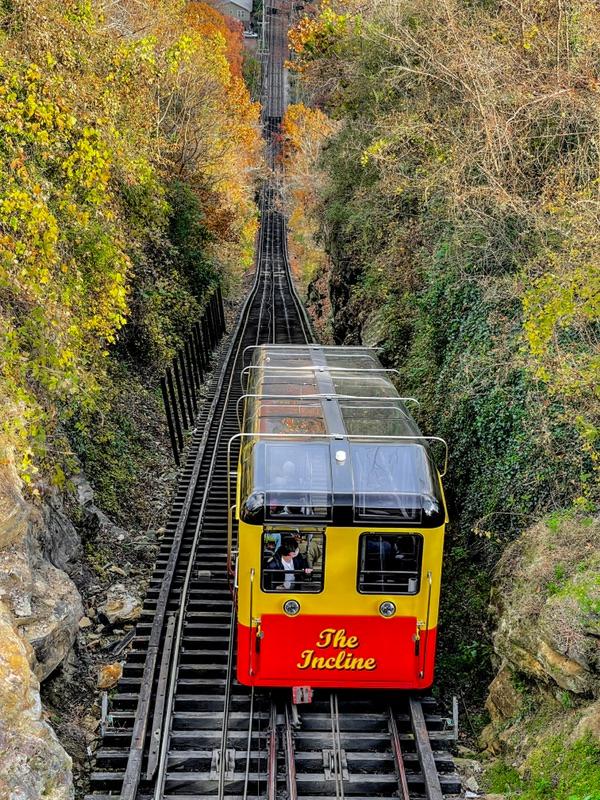
There are three ways of reaching the top of Lookout Mountain: 1) Driving. The switchback roads going up the mountain are fun to drive. 2) Hiking. The trails look difficult. 3) The Incline RR. | |
|
Unfortunately, I didn’t see any military parks along Missionary Ridge. Either I missed something, or a valuable piece of Civil War history has been neglected.
That said, it was an amazing day for me. It is one thing to read about a military campaign. But to see it, and walk it, is truly mystical. I learned the magic of visiting battlefields when my friend, Kevin, took me to see Gettysburg many years ago when I visited his family. The awe of “being there” surprised me. These battlefields are hallowed ground.
| |
Glossary of terms used for newcomers: 1) V-Jer. The name of our camper. 2) Saturn. The name of our Van. 3) Duende. Our mischievous gremlin that breaks things. 4) Tata. The good gremlin that helps us fix Duende’s dirty work. 5) The Black Hole. This is what we call Walmart because every time we go in for just a couple of items, we come out spending way more than we figured. 6) QT. Quaint Town. 7) Little Buddy. This is what we call our Dyson cordless stick vacuum. | | | | |