US Biochar Initiative Newsletter
June 2021
Having trouble viewing this newsletter?
Choose 'display all images' and 'view entire message' or download file.
|
|
US CARBON MARKETS CONTINUE TO DEVELOP
By Tom Miles, Executive Director
We are beginning to learn about the costs and benefits of carbon removal credits as more producers enter the markets. Oregon Biochar Solutions has joined Pacific Biochar and Carbo Culture in California for certification to sell carbon removal credits. Verra (VCS - Verifed Carbon Standard) is expected to develop a biochar methodology in a few months and California's Climate Action Reserve is not far behind. We hope that revenues from carbon removal credit sales can offset production costs to help make biochars more affordable to general markets.
|
|
UNIVERSITY OF NEBRASKA AND USBI RECEIVE USFS 120K EDUCATION GRANT
The U.S. Biochar Initiative (USBI) and the Nebraska Forest Service (NFS), part of the University of Nebraska, Lincoln (UNL), have received a nearly $120,000 grant through the U.S. Forest Service’s Wood Innovations Grant (WIG) program. The project will be led by USBI board member and NFS Forest Products Specialist Heather Norbert. Drawing upon the expertise of USBI's Board of Directors, UNL's educational and research capacity, and the NFS, the two-year project will develop educational resources that will promote biochar commercialization in key industry sectors. The targeted sectors include stormwater and manure management, animal feed, biochar amended compost, soil blends and growing media, landscape turf and trees, and viticulture. Funding will be used to produce and widely distribute application guidelines, fact sheets, and development roadmaps for these markets.
This is the third biochar grant awarded to the Nebraska Forest Service through the Wood Innovations program and the first in partnership with the USBI.
|
|
Seeking Education Grant Steering Committee Members
The USBI Education Committee is seeking your valuable experience as a researcher, biochar producer, or biochar user to help guide grant efforts. Steering Committee mem-bers will commit to provide advice on developing ma-terials, review publication drafts, and attend a series of
|
|
quarterly online meetings over the project's two-year period. If you have subject matter expertise in biochar production, applications and business |
|
development in stormwater or manure management, animal feed, biochar amended compost, soil blends and growing media, landscape turf and trees, or viticulture, please consider joining this exciting initiative to promote the biochar industry!
Send your letter of interest and qualifications to USBI Education Committee Chair Heather Nobert with "Steering Committee" in the subject line.
|
|
|
|
Congratulations to USBI Board Member Heather Norbert and her team for winning the USBI WIG grant! Winning grants like these requires matching funds so we still need you to step up and show your support! |
|
|
MEET A BIOCHAR PRACTITIONER
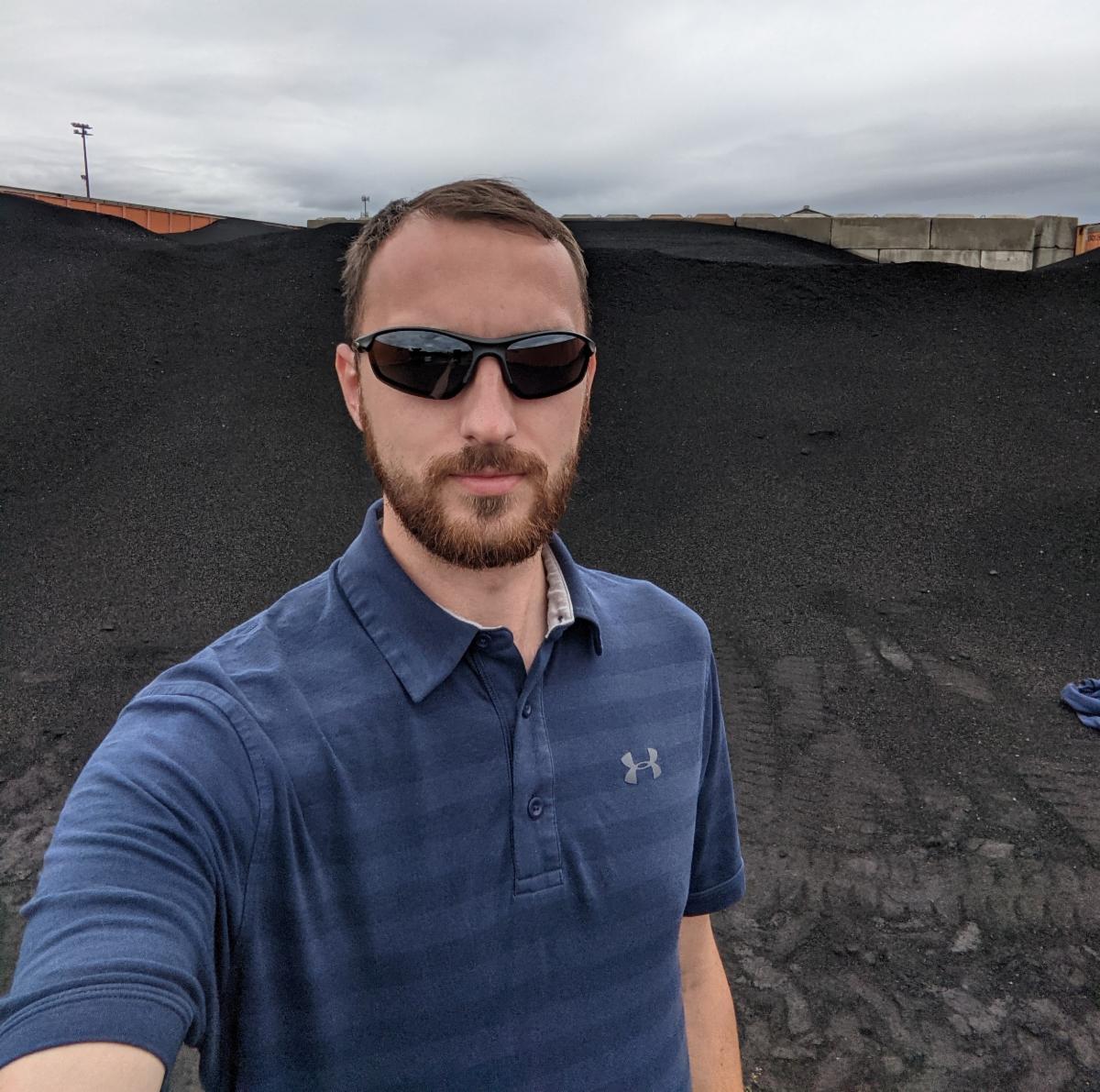
Karl Strahl, VP
Biochar Business Development
Oregon Biochar Solutions
|
|
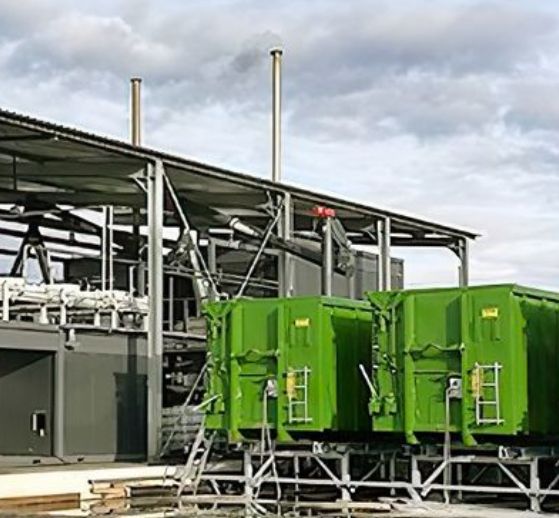
Oregon Biochar Solutions (OBS) is a subsidiary of Biomass One, a 30 MW biomass power plant in White City, Oregon, that produces biochar and electric power.
Q You are early in your career. How did you choose biochar as your focus?
A Karl – I had originally planned to get a degree in business, but I had a great professor in college who encouraged me to pursue environmental science, and I found that I really enjoyed it. After graduating with a degree in environmental science and communications, I worked for Solar City in New York selling solar panels. We saturated the market, covering 15% of the roof space, so it was time to take on another challenge. A family mem-
|
|
Karl Strahl, VP Biochar Business Development |
|
ber recommended Oregon Biochar Solutions. I could quickly see that, unlike solar, there was no real market yet for biochar, so it was risky, but I like a challenge.
Q What are you doing to develop markets for biochar?
A Currently, I'm looking at biochar as a substitute for products that already have a market, such as activated carbon for water filtration, or various soil conditioners used in growing media. We can make granular and powdered biochar that work as well as or better than other materials in these applica-tions and compete on price. We can produce 3500-4000 tons of biochar year, so we are looking at bulk commodity markets.
Q What about carbon markets? Do you see any potential there?
A We are in the process of getting our biochar listed on the Puro Earth carbon removal trading platform. It’s a complicated process and we are very happy to be getting help from GECA Environnement in Canada. There are lots of details to address and they specialize in this.
Q How does Biomass One balance the power output of the plant with biochar production? Is there a significant tradeoff? And does the company
|
|
make most of its income as a power plant or as a biochar production plant?
A Producing biochar with our plant has no impact on the power output of the plant. It requires a very slight increase in the amount of biomass fuel we
use. The largest share of our revenue comes from electricity sales, followed by tipping fees for our greenwaste drop-off service. Biochar and our soil blending yard make up the last piece of the reve- nue stream. But even though we make money selling electricity, it makes more sense to think of Biomass One as a wood waste recycling plant that recovers value from waste in the form of electricity and biochar.
Q What is one change to existing business conditions that would help significantly grow biochar markets?
A To really move biochar to where it needs to go, we need incentives to help farmers repair the land and rebuild their soil. We are experiencing extreme land degradation and losing topsoil. Environmental science tells us we need to help farmers implement regenerative practices, including biochar. A federal-scale incentive will be required to make this happen. Above all, it’s a matter of food security now and for the future.
Visit chardirect.com to purchase Oregon Biochar Solutions' bulk biochar or to order a sample.
|
|
USBI YouTube Channel
Find free educational videos on a ton of topics including current articles, books, podcasts, and more. Click below and share the link with your fellow practitioners!
|
|
USBI Learning Center
All resources on the Biochar Learning Center are tagged and searchable by topic and media type. Click below.
|
|
ANNOUNCEMENTS AND OPPORTUNITIES |
|
----- Microsoft $1 Billion Dollar Climate Innovation Funding
|
|
----- NRCS State Conservation Innovation Grants Available -----
Due June 2021
|
|
Check here to see if there are Natural Resource Conservation Service Conservation Innovation Grants available in your state and get contact information. Grant size ranges from $100K TO $317M.
|
|
----- New, Enhanced USBI North American Biochar Directory -----
|
|
Join the Directory - Get your free biochar listing now!
● Help customers find your business.
● Find out who needs your services.
● Discover organizations that are working on biochar solutions.
Join the directory and use it to connect with the North American biochar network.
Make it easier for others to find out about your biochar company or project. Be sure to fill out as much as you can about your sector, products, applications, technology, and the scale of your operations.
Together we are putting the world's carbon budget back in the black and building the most comprehensive biochar directory for the US market!
Once you enter your information, you will be taken to a donation page. We ask for a suggested contribution of $25 annually for your directory listing. Please give more if you can afford it. Your contribution helps to keep the USBI website alive and growing!
Add your USBI listing - HERE. After review, your listing will be published in the USBI Biochar Directory.
|
|
ROLLING OUT THE GREEN CARPET FOR
NEW USBI DIRECTORY MEMBERS
Welcome to USBI'S newest directory members - Soil Reef, LLC, Aries Clean Technologies, and Renewable Biochar, LLC! We are glad that others in the biochar community now know about you!
|
|
● - ● - ●
BIOCHAR EVENTS CALENDAR
● - ● - ●
|
|
|
Send your events to cgribley@biochar-us.org
|
|
➤ Boulder Receives Grant for Biochar Work. The City of Boulder obtained a $100,000 grant from the Carbon Neutral Cities Alliance Game Changer Fund to support its bioenergy-biochar work. Boulder must pay to dispose of more than 1,000 tons of woody biomass "waste" that the city generates. The project aims to capture and convert this material into biochar which can be used in urban forestry expansion and storm water treatment objectives. The heat emitted in production can be used to displace natural gas use.
|
|
|
|
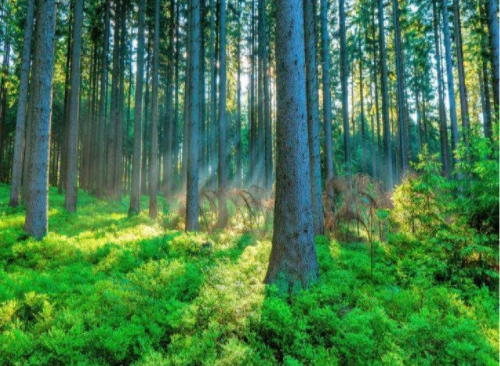
“Thinning of forests, conversion of the removed wood to biochar and burial of the biochar in forest soils is a way to bring new jobs to forested rural areas while allowing forests to play a bigger role in keeping carbon out of the atmosphere and thus fighting climate change,” said Jonathan Overpeck, dean of the University of Michigan School for Environment and Sustainability.
and pumping the gas into underground storage. Bipartisan
|
|
support for nature-based strategies will be needed.
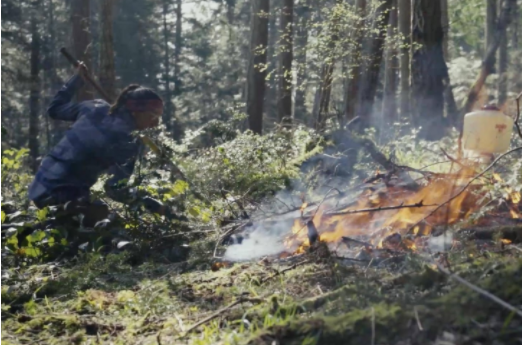
➤ Utility Clears Power Lines for Fire Prevention and Forest Health. While clearing trees away from power lines is a routine mainte- nance practice, Washington's Orcas Power & Light Cooperative is now working with the CCC to turn the woody debris into biochar. The biochar created is used on-site as a soil amendment for greater forest health.
|
|
|
➤ Biochar to Treat Island Wastewater. Ridge to Reefs is partnering with Sunshine Vetiver Solutions on three strategies for purifying the wastewater — planting vetiver grass and native plants, using bioreactor and biochar filtration technology and testing a modified soil aquifer treatment basin that also uses biochar.
➤ Biochar Takes On Another Algae-Filled Pond. Almy Pond in Newport has recorded some of the highest measured phosphorus levels of any pond in Rhode Island. Almy Watershed Protectors has plans to run a filtration pilot project on the pond using biochar socks placed on the pond’s edge to help eliminate incoming contaminants.
➤ Wyoming Startup Accelerator Gives Boost to Biochar Business. Laramie’s High Plains Biochar is getting some business strategy help to develop its carbon-negative biotech technology. The company is a few months out from the fundraising phase, and they are looking for partners to help put carbon back in the ground.
➤ Frontline Bioenergy’s Iowa Pyrolysis Project Progresses. The Stine pyrolysis project, a collaboration between Stine Seed Farms and Frontline BioEnergy, will transform biomass into biochar and bio-oil. Stine Seed Farms is currently installing the 9-module pyrolysis plant equipment at its site. “This project will bolster Iowa’s farming industry by creating a value-added market for corn stover and other unused biomass,” said Harry Stine, Stine’s CEO.
|
|
➤ East Millinocket Biochar Production Plant Gets $800K Leg-Up. Maine's Finance Authority has approved an $800,000 FAME Direct Loan to Standard Biocarbon Corp. to help pay for equipment for the company's biochar operation at the former East Millinocket mill, pending approval of financing from other agencies.
|
|
--------------------- promotional section ---------------------
|
|
Proceeds go to the International Biochar Initiative
|
|
|
|
|
|
|