Weekly Regional Business Intelligence |
|
“I have no use for bodyguards, but I have very specific use for two highly trained certified public accountants.” — Elvis Presley
|
|
 |
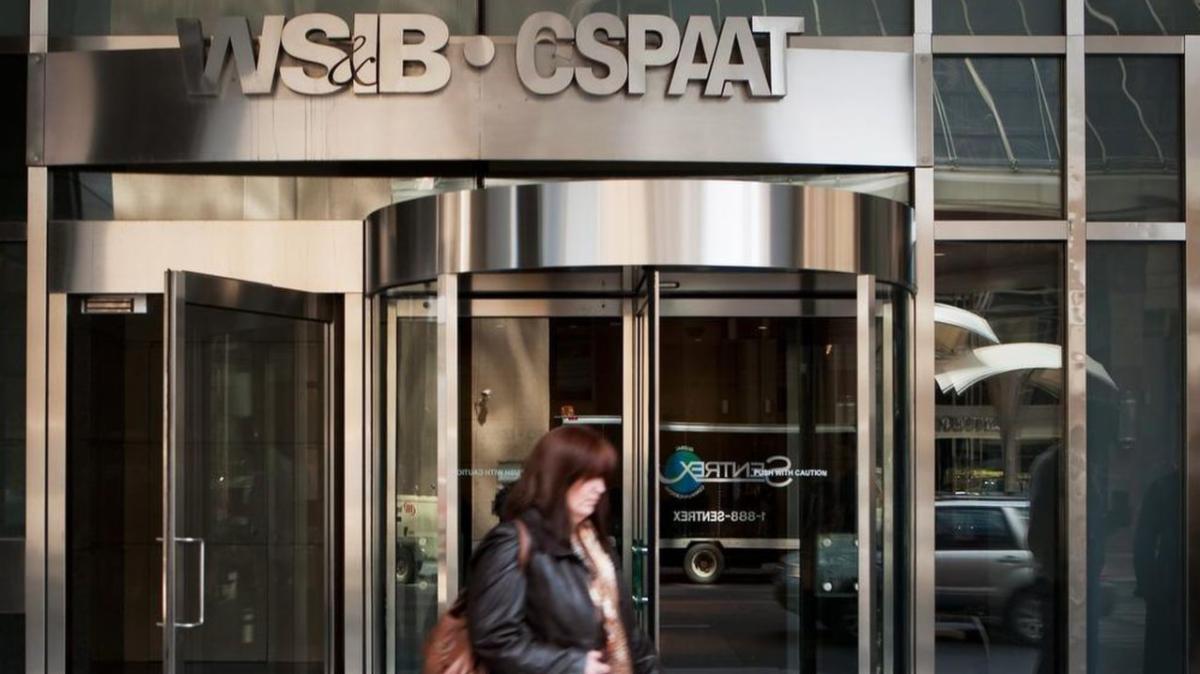
Province announces plan to move WSIB headquarters ― and thousands of jobs ― to London
The provincial government announced this week that, if re-elected, it plans to relocated the Workplace Safety and Insurance Board (WSIB) head office to London from its current home in downtown Toronto. The move, said labour minister Monte McNaughton, will “save money by moving the WSIB off one of the most expensive real estate blocks in Canada,” and will leverage “London’s historic position as a hub for insurance, legal and financial services.” It could mean up to 3,000 jobs coming to the London region, either through relocation or job creation.
The upshot: With a 28 per cent vacancy rate in commercial real estate downtown, the move could be a boost for the struggling core. But the move will hinge on the results of June’s provincial election, as moving the HQ will require a legislative change. The announcement came as a complete surprise to the public sector union, who said that if the government does go through with the move, that relocation expense and severance obligations could make this a more expensive move than expected.
|
|
|
|
|
Medicom bringing $140-million manufacturing facility to Innovation Park
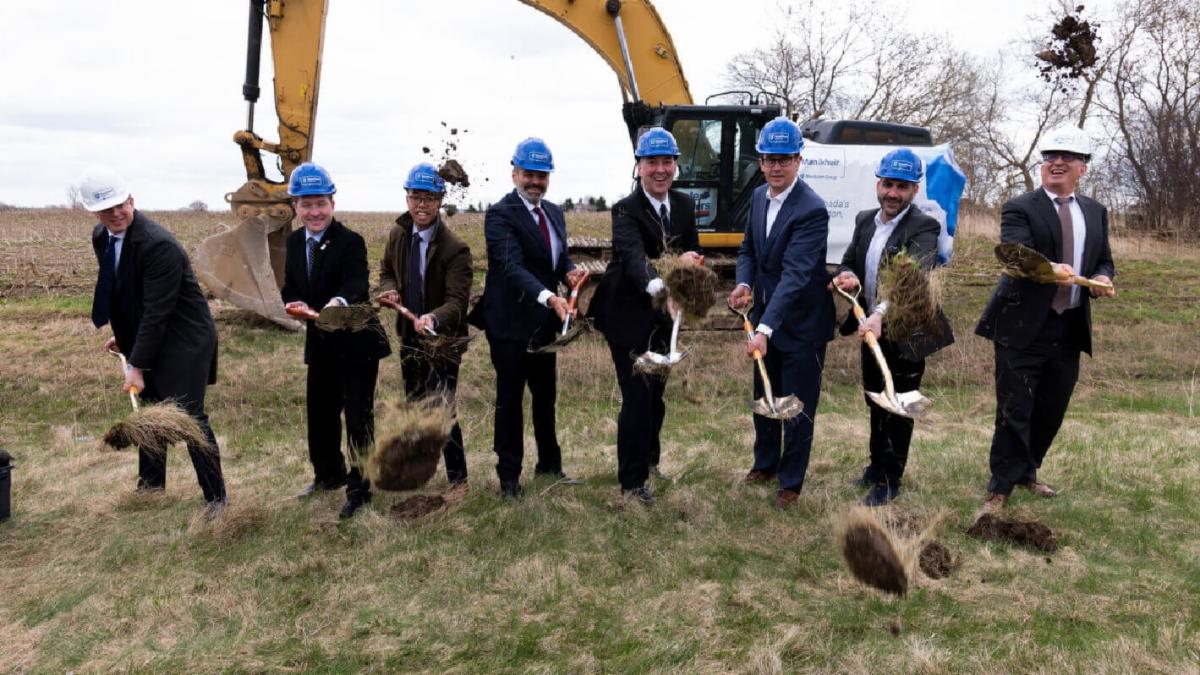
The first factory producing nitrile gloves outside of Asia is coming to London. Executives from Montreal-based Medicom and government officials were on hand to break ground for a new $140-million, 120,000-square-foot facility at 2555 Bonder Road in the city’s Innovation Park, which is expected to bring around 145 jobs to the area. Medicom has already struck a deal to supply Ontario’s healthcare system with 500 million gloves each year, once operational. “This move will help secure the supply of this critical medical resource for hospitals in Ontario and the rest of Canada,” said Medicom CEO, Ronald Reuben.
The upshot: The pandemic exposed Canada’s reliance on imports to supply our medical systems, and amid constant supply chain issues, shoring up domestic production capacity is seen as a better insurance policy against the next crisis. Medicom has also opened a surgical mask and respirator plant in Quebec, and local politicians will be happy to see that replicated here in Ontario. (A thousand or so construction jobs won’t hurt, either.)
|
|
|
|
|
Western University team wins Governor General medal for hearing-aid tech
A team of researchers from Western University's National Centre for Audiology have been awarded a Governor General’s Innovation award for their work developing the world’s first paediatric hearing aid prescription software. Their technology ― dubbed Desired Sensation Level (DSL) software ― helps doctors understand how to implement and adjust hearing aids for babies, who they note are not the most helpful when you ask for feedback. Their technology allows for the software to be embedded within the hearing aids and helps customize their operation to the patient’s specific needs.
The upshot: DSL software has helped clinicians worldwide provide infants and children with access to sound by helping clinicians assess, treat and properly fit and tune hearing aids to patient’s specific needs; improving hearing outcomes, while improving long-term educational and social potential for children with permanent hearing loss.
|
|
|
|
|
|
PRESENTED BY: THE ACHIEVEMENT CENTRE
From objection to objective: The art of reframing
|
The practice of re-framing is one of the most powerful tools available to a sales professional ― and one that all salespeople must master. |
|
|
|
Indiva quietly rolls along
Local cannabis producer Indiva continues to lead the country’s edibles sector and reported another strong quarterly performance with the release of their Q4 2021 financial results this week. The company recorded record revenues of $10.4 million last quarter, a 35 per cent increase over the last quarter of 2020. The vast majority of that income was derived from its edibles lineup, which drew revenues of over $8 million. Indiva's two flagship products — Wana Sour Gummies and Bhang Chocolates — are selling as strong as ever, which are the top-sellers in the gummies and chocolates categories, respectively. “This is important progress for Indiva,” said CEO Neil Marotta on the earnings call. “It’s made Indiva one of the largest and most important licensed producers in the country.”
The upshot: Positive financial news is a rarity in Canada’s cannabis industry these days, especially for the larger companies, and while Indiva does not get the attention of the large-scale Canadian licensed producers, the business has been executing on a multi-faceted growth strategy and through new licensing partnerships.
|
|
|
|
|
Western Film shuts down permanently
Cinephiles, film students and those who just like cheap movie tickets, are in mourning this week after Western Film, the country's only full-service campus theatre, announced that it was closing its doors for good, and the staff member who was running it will retire. “During the pandemic, the landscape of film production and consumption changed,” said student council finance VP Nathan Szierer. “The decision to close Western Film is one that will make the space materially more available for our campus community.”
The upshot: It’s no secret that independent theatres have been struggling over the last decade, and in some sense the closure was a long-time coming ― the pandemic was probably just the final nail in the coffin. Still, it’s a cultural loss: Western Film was one of the only places regularly showing cult classics and classic films. (London film buffs can take some comfort in the fact that the Hyland Cinema on Wharncliffe Road is still going strong.)
|
|
|
|
|
Province hits pause on deficit-cutting in pre-election budget
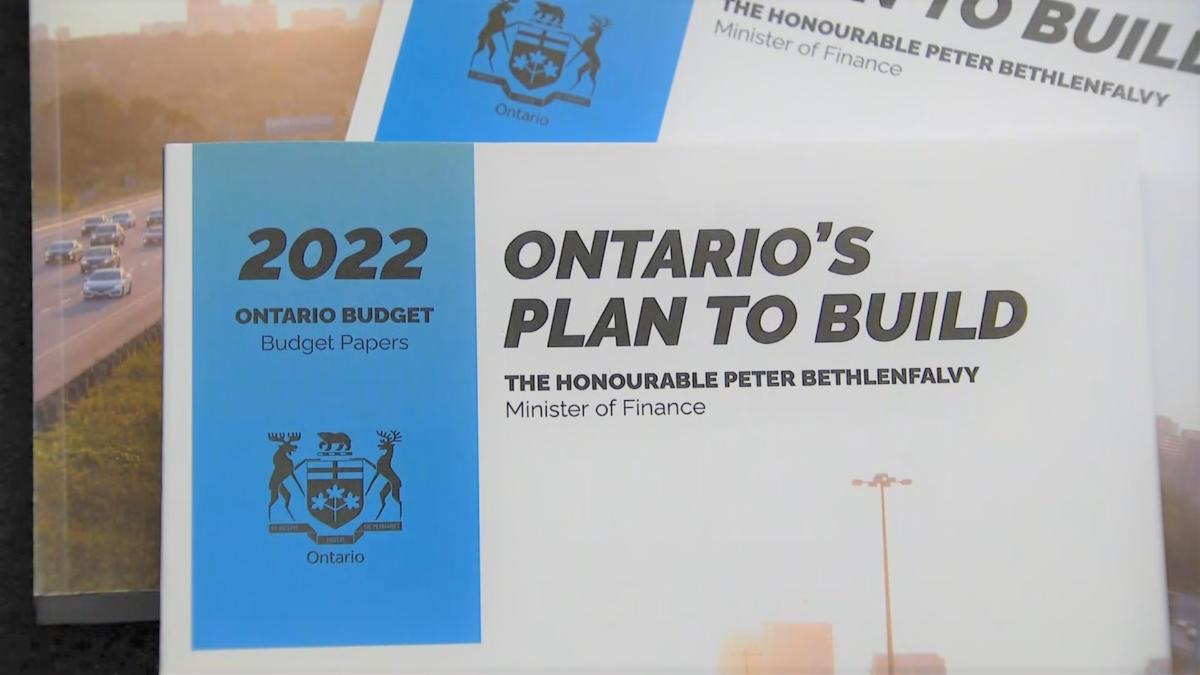
The Ontario government's final pre-election budget was released on Thursday, and, perhaps predictably, it was loaded with election-season goodies in the form of major planned infrastructure investments in subways, highways and hospitals. It’s a deficit spending budget, with just shy of $200 billion planned in investments, and characteristic of a pre-election budget, there's a bit of a something-for-everybody vibe to it: tax cuts for low-income earners; money to widen the 401 east of Toronto; tax credits for senior home care; and a re-vamp of arts and culture tax credits for the internet media age.
The upshot: All of this should be read as somewhat hypothetical. The government is widely expected to call an election in the next few days, and most of the big-ticket items in this budget have already been announced in one form or another over the last few weeks. Considering it will need to be passed again by MPs in the newly elected legislature, and when asked by reporters, finance minister Peter Bethlenfalvy reportedly skirted the question of whether they would introduce an identical budget, should the PC's win again.
|
|
|
|
|
Dispatch: April 29, 2022
A summary of recent business appointments and announcements, plus event listings for the upcoming week.
|
|
|
|
|
|
|
|
|