|
Prevention Insights
A South Southwest PTTC eNewsletter
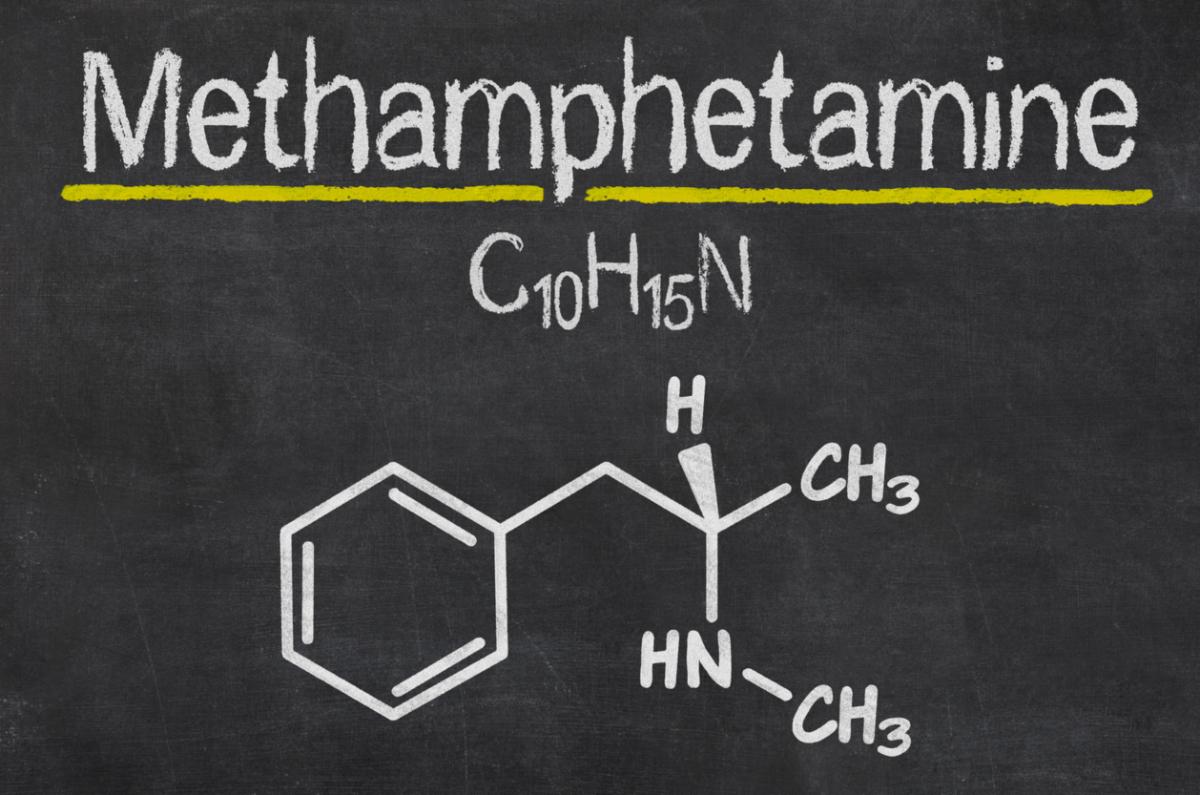
| | Exploring Methamphetamine Further | | | | This summer the SSW PTTC is hosting a webinar series to bring meth use in the South Southwest into focus – quantitatively and qualitatively. Also, being released this fall is our 2025 data brief, Meth In Focus: Leveraging Quantitative & Qualitative Data for Effective Prevention which will identify key trends in use and mortality data, address gaps in existing epidemiological data, and translate the data to implications for prevention practitioners in HHS Region VI. Register below to participate in these valuable opportunities! | | |
Meth Use in Focus: Leveraging Quantitative Data for Effective Prevention, Part 1
July 24, 9:30 – 11:00 a.m. MT / 10:30 a.m. – 12:00 p.m. CT / 11:30 a.m. – 1:00 p.m. ET
This session will highlight key quantitative data and emerging patterns in the Southwest region (Arkansas, Louisiana, Oklahoma, New Mexico, and Texas). In addition, part 1 will also critically examine the limitations of available data and what prevention professionals can do to fill in the gaps to reveal the full picture.
| | |
Meth Use in Focus: Leveraging Qualitative Data for Effective Prevention, Part 2
August 27, 12:00 – 1:30 p.m. MT / 1:00 – 2:30 p.m. CT / 2:00 – 3:30 p.m. ET
Join us for an engaging webinar on how to effectively collect and use qualitative data to strengthen decision-making. We'll explore best practices for gathering rich, meaningful insights through interviews, focus groups, and open-ended survey responses. Whether you're a community prevention provider, state administrator, or epidemiologist, this session will provide practical tools to elevate your work with the power of stories and lived experiences.
| | |
Meth Use in Focus: Lunch N Learn Product Release, Part 3
September 23, 10:30 – 11:30 a.m. MT / 11:30 a.m. – 12:30 p.m. CT / 12:30 – 1:30 p.m. ET
Part 3 of the Meth Use in Focus data series highlights the SSW PTTC's data brief on emerging trends and implications, shedding light on how both quantitative and qualitative data can be used at the state and local level to identify patterns of meth use for effective prevention planning.
| | |
Stimulant Versus Opioid Overdose
Key Symptoms to Watch For
To a bystander, a stimulant overdose may look very different from an opioid overdose.
Stimulant overdose is commonly characterized by dangerous overheating, and often the individual experiencing the overdose remains conscious and may be breathing quickly. They may need assistance in reducing overheating and overstimulation. Opioid overdose is typically characterized by severe difficulty breathing or not breathing at all; the person is nonresponsive and unconscious.
Both types of overdose can result in physical harms, neurological harms, or death. Stimulants and opioids both work on the body by speeding up or slowing down some of the body’s natural processes. These two classes of drugs induce different effects in people, because they interact with different body processes.
Will naloxone reverse a stimulant overdose?
Naloxone is an antidote to opioid overdose. It is an opioid antagonist that can reverse the effects of opioids. Naloxone is not effective in treating a stimulant “overdose”. However, if there is a potential that opioids have been consumed, no harms will be caused by naloxone if opioids are not involved.
Centers for Disease Control and Prevention. (Division of Overdose Prevention Stimulant Guide. https://www.cdc.gov/overdose-prevention/media/pdfs/2024/03/CDC-Stimulant-Guide.pdf
| | | |
"It always seems impossible until it's done."
-Nelson Mandela
|
| | | | |