SUMMER 2026 JUNE | JULY | AUGUST | | |
Randy Culpepper, Editor | Todd Williams, Rockwall County Extension Agent
NEWSLETTER CONTRIBUTORS: Lisa Behne, Michele Campbell, Laura Chaney,
Brian Cook, Randy Culpepper, Kim Townsend, Victoria Williams, Debora Zerneri
| | |
IN THIS EDITION
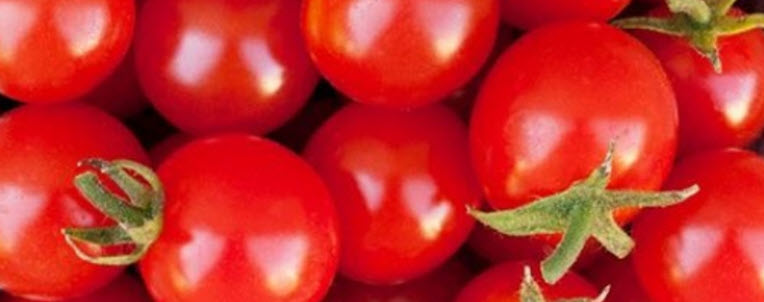
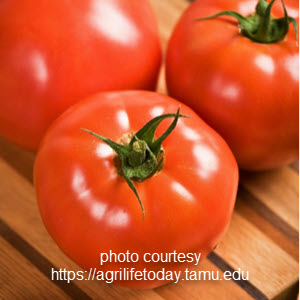
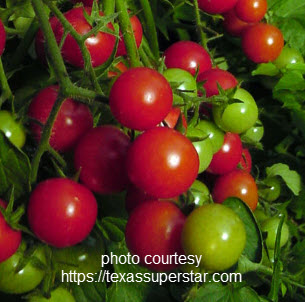
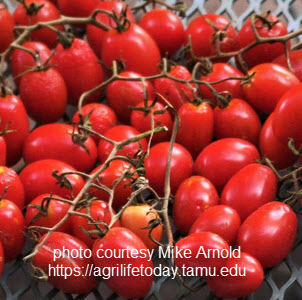
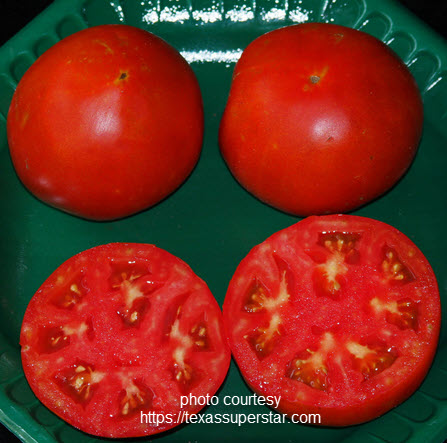
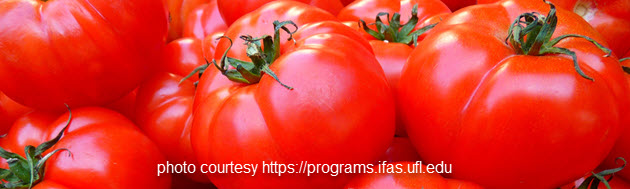
Summer is upon us. And with Summer, we think of TOMATOES. If you have tomatoes on your mind, you will enjoy this edition.
In this edition of Envirosmart, you will learn:
- Seasonal To-Do's
- We Love Bugs!
- Summer Vegetable Gardening
- Texas Superstar® Plants
- Earth-Kind® Soils
- Gardening From Scratch- Tomatoes
- Vegetable Gardening in Containers
- A Peek in the Garden
- MG's Around Town
- Pokey
| | |
MARK YOUR CALENDAR
Deadline June 5th - Junior Master Gardener
June 9th - Vegetable Gardening
June 18th - Heath Tacos & TexScape
Check back often as new classes are added frequently.
|
QUESTIONS?
Extension Master Gardeners are at the Rockwall County Library the 1st and 3rd Wednesdays of the month from 10am - noon.
Find us at the Rockwall Farmers Market on the square every Saturday through September.
Also, find us at the Extension Office every Wednesday from 10am - noon.
Call (972) 204-7660 or email us anytime at: rockwallmg@ag.tamu.edu
| | |
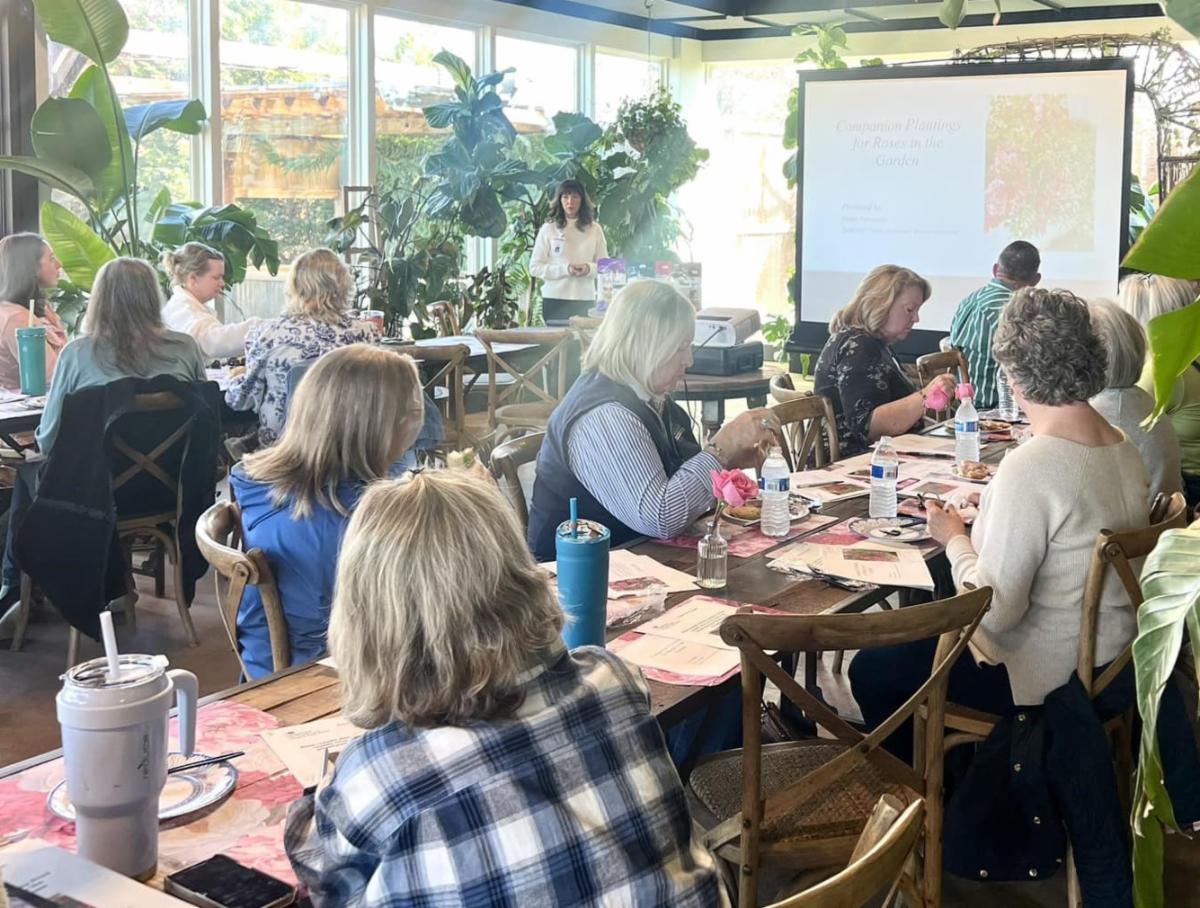
Introducing the Rockwall County Master Gardeners Speakers Bureau.
Our Speakers Bureau exists to connect our community with trusted, research-based horticulture education—bringing practical gardening knowledge straight to you. Whether you’re planning a formal presentation, a lunch-and-learn, or a fun, hands-on youth activity, our volunteers are passionate about sharing what they know.
Perfect for both small gatherings and large groups—we come to you! If you’re in Rockwall County, we’d love to connect! https://txmg.org/rockwall/speakers-bureau/
| | |
SEASONAL TO-DO LIST
Whether you're new to the area or need a refresher, check our list of seasonal gardening tasks.
AgriLife Today: Summer gardening.
Vegetable Planting Guide: When to seed and transplant.
Irrigation: Tips to get you through summer.
Mid-Summer Pruning: Prune perennials for a strong fall bloom.
Ticks: How to spot and avoid.
Be on the lookout for poison ivy and poison hemlock in our area. Poison hemlock is especially important to recognize because it closely resembles harmless wildflowers, including wild carrot (Queen Anne’s lace) and water hemlock.
| | |
Be smart. Water smart.
$$ Save Money $$
| Click here to learn more on how to save water AND money. | |
WE LOVE BUGS!
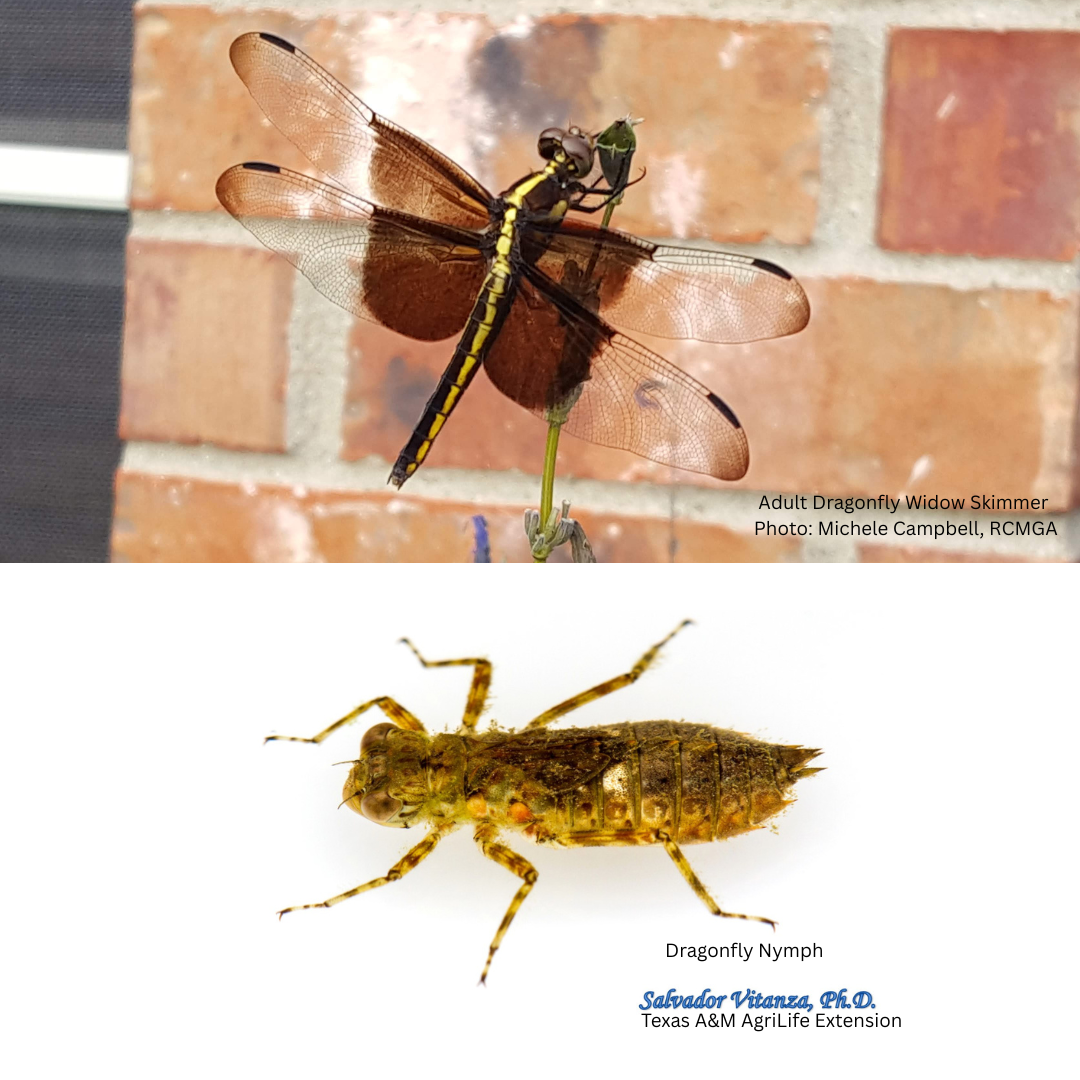
Dragonfly (Order: Odonata)
As temperatures rise, dragonflies will begin dancing across the Texas sky. About 70 species are native to Texas, and these beautiful insects are important garden allies. Adult dragonflies are beneficial predators that feed on flying insects like mosquitoes and flies, catching most of their prey in midair. Their aquatic young, called nymphs or naiads, also help by feeding on mosquito larvae, small aquatic insects, tadpoles, and even tiny fish. Dragonflies spend the winter as nymphs buried in pond mud or vegetation before emerging as adults in warmer weather. Want more dragonflies in your garden? Add a water feature and plant flowers like Black-eyed Susan, Swamp Milkweed, Meadow Sage, Yarrow, and Coneflower to attract insects and provide sunny resting places.
| | |
Summer Vegetable Gardening
with Laura!
| | | |
It has been a truly lovely Spring and now Texas is moving on to the preheating oven setting! There’s still lots to do in the garden and below I have some great tips to thwart some common issues to give you a successful summer.
*Start vegetables by seed indoors and you’ll be ready with transplants in the fall!
June
Seed – Black-eyed Peas, Cantaloupe, Cucumber, Corn, Okra, Squash, Watermelon, Zucchini
Transplant – Cucumber, Eggplant, Melons, Peppers, Okra, Squash, Tomatoes, Zucchini
*Indoors – Eggplant, Peppers, Tomatoes
July
Seed – Beans (pole, bush), Black-eyed Peas, Cantaloupe, Corn, Cucumber, Eggplant, Okra, Potatoes, Pumpkins, Southern Peas, Summer Squash, Watermelon, Winter Squash, Zucchini
Transplant – Cucumber, Eggplant, Okra, Peppers, Pumpkins, Tomatoes, Winter Squash
*Indoors – Broccoli, Brussels Sprouts, Cabbage, Cauliflower, Greens (Collard, Mustard), Spinach
August
Seed – Beans (pole, bush), Black-eyed Peas, Corn, Cucumber, Potatoes, Pumpkins, Southern Peas, Summer Squash, Winter Squash, Zucchini
Transplant – Cucumber, Okra, Pumpkins, Tomatoes, Winter Squash
*Indoors – Broccoli, Brussels Sprouts, Cabbage, Cauliflower, Greens (Collard, Mustard), Spinach
Herbs
Many herbs featured in the spring newsletter will continue to thrive in the heat of summer (be careful with mint – it may thrive too much!). Annual herbs, such as basil, can thrive to the point of bolting (flowering).
Tips (and a few fun tricks) for common issues
- Do your tomatoes rot and are black at the bottom?
This is called blossom end rot. While it’s technically caused by lack of calcium, hold the crushed Tums and whatever folklore you’ve heard, your soil probably has enough calcium. In the summer it’s usually caused by inconsistent watering that prevents a steady supply of calcium to the fruit. For example, one day getting a deluge of rain and then letting the soil completely dry out so the next watering doesn’t reach deeply for a few days will cause this.
- Fruit splitting open?
A common watering issue usually caused by watering when plants are at their most stressed, they go into survival mode and send that moisture straight to the fruit (seeds). The fruit can’t expand fast enough and starts to split. Stressing some plants (melons and peppers for example) can produce very flavorful fruit, if done correctly. I water only in the early mornings. The plant has had time to cool off overnight and will distribute water evenly. Early mornings are also the best time to harvest for optimal flavor, prune and work in the garden – for you and the plants.
- Did you go out of town a few days and now have pots of dead herbs?
Don’t throw them out just yet.They might just be playing dead! Herbs, especially those in the mint family like thyme, mint, oregano, have resilient roots. I move my pots into partial/afternoon shade and keep watering as if they are alive. One pot of orange mint took about 3 months – but she came back! This also happens in the winter.
- Finally, my favorite (and very cheap) tool recommendation: Blacklight flashlight.
Yes, I am that strange lady out in the garden at night like it’s a crime scene…But a blacklight illuminates many garden issues! If your tomatoes are being eaten and you can’t find the culprit? Tomato Hornworms are most likely the cause and they blend in well – but GLOW under blacklight!
When I put down granular fertilizer, get distracted and forget where I’ve treated? Certain Minerals in granular fertilizer also glow under blacklight. I can also see how evenly distributed it is - where instead of scratching it into the soil, I’ve just piled it up in one spot.
Powdery mildew also glows under blacklight and can help you catch it, before it gets serious. Normal plant damage like scraggly leaf ends will also glow, so not everything is serious or must be treated. I usually also carry a normal flashlight and/or tie a little flagging tape to inspect the area in the light of day.
Happy night gardening!
Click here for a full list of vegetable planting dates and visit the Texas vegetable gardening guide for more information.
| | |
Native and Adaptive Planting with Texas Superstars®
by Debora Zerneri
| | | |
You may have heard master gardeners speak about why you should favor planting native and adapted plants. These plants are drought tolerant, natural, useful to the habitat, and don’t need special pampering. One way to guarantee that you are spending your time and money on a plant that has proven its ability to survive the peculiar Texas conditions is to look for the Texas Superstar® brand. This label applies to a wide range of plants that are specially recognized by Texas A&M AgriLife Research and the Texas A&M AgriLife Extension Service for superior performance in tough growing conditions in Texas. Although most of the 90 plants which have qualified for this name are grown for their flowers, there is a smaller subset that is edible for human consumption.
In Texas we have a long growing season. You will want to grow vegetables that provide a good return for the effort and space they require. According to the Texas Superstar® website, there are only a few vegetable seed companies left in the world and they are eliminating the older, Texas-proven varieties in favor of new, “improved” hybrids. This elimination includes Texas Superstar® tomato varieties (‘Merced’ and ‘Surefire’) and ‘Green Comet’ broccoli. When you research seeds online, be careful to look at the year as older ones are no longer available. However, the most recent Superstar tomatoes and broccoli can be found.
Texas Superstar® Edibles fall in three groups: fruits, vegetables and culinary herbs.
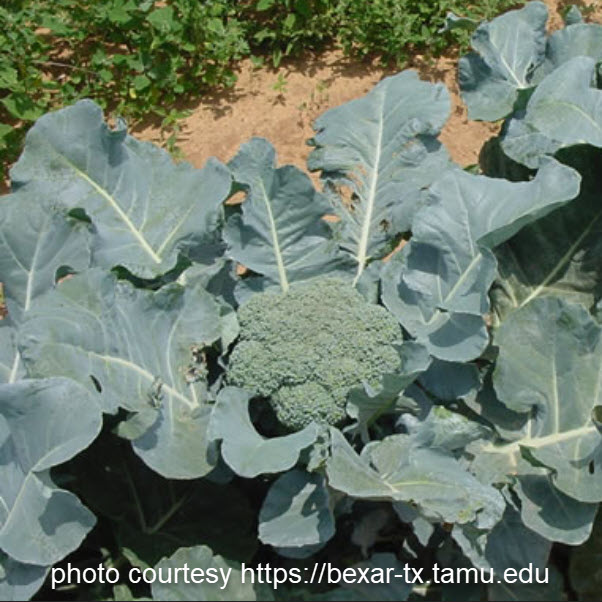
Raw broccoli from your home garden is rich in vitamins. It is also low in calories, fat, and sodium. Broccoli has two growing seasons in Texas: January to February and August to October.
Tomatoes are the most popular garden vegetable crop in Texas and are a good source of vitamins. They need 5-6 hrs of full sun, and 75 degrees or below at night to set fruit. Plant them in well-draining soils that are high in organic matter. Tomatoes can also be grown tomatoes in patio pots, as long as they’re large enough to allow normal root growth.
Herbs commonly used in cooking are referred to as culinary herbs. The ornamental value of herbs enables them to be grown in flower beds, in rock gardens as borders, or as corner plantings. Many gardeners establish a small herb garden near the home or in patio containers. Select a sunny, well-drained location for the best performance.
Cultivar selection, personal eating habits, and cold tolerance are among the important steps in successful fruit growing because a cultivar may perform very well in one area of Texas; yet, be a complete failure in another area. These Texas Superstar® fruits are hardy in zones 7 and 8.
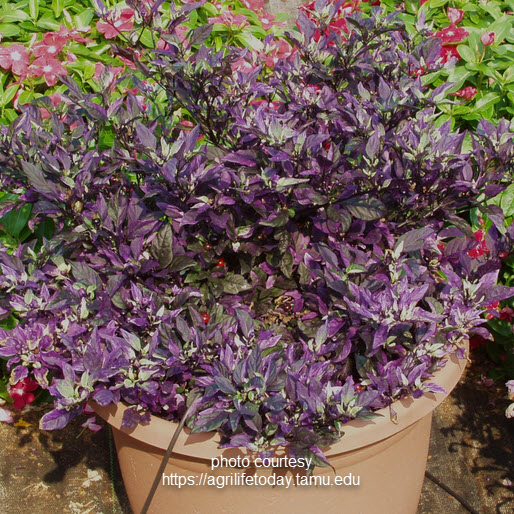
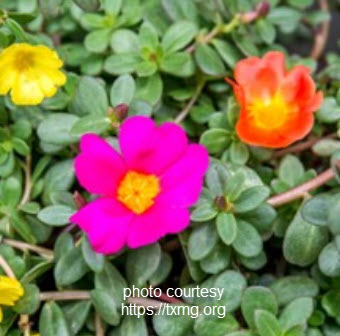
Want a splash of tasty color to compliment your garden? Ornamental peppers are technically edible but not typically grown for flavor. They are suitable for border or hanging pots. Purslane is a flowering groundcover as well as leafy edible succulent often used in salads.
| | 'Green Magic' Broccoli
(Brassica oleracea)
a hybrid that produces high quality, attractive smooth dome heads with tight green beads. | | 'Celebrity' Tomato
(Solanum lycopersicum 'Celebrity')
Celebrity tomatoes have been around for a long time. They produce very plump, robust fruit packed with vitamins. | | 'Dwarf Cherry Surprise' aka 'BHN 968' Tomato
(Solanum lycopersicum 'BHN 968') produces an abundant yield of super sweet cherry tomatoes | | 'Ruby Crush' Tomato
(Solanum lycopersicum 'Ruby Crush')
a determinate grape tomato variety recognized for its high yield and resistance to diseases common in Texas gardens. | | 'Tycoon' Tomato
(Solanum lycopersicum 'Tycoon')
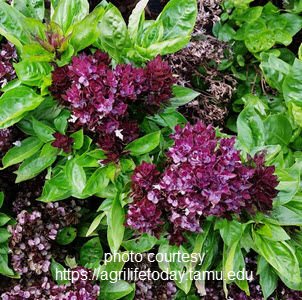
is an exceptionally large round tomato noted for being virus resistant. | | 'Balsamic Blooms' Basil
(Ocimum basilicum)
adaptable to multiple seasonal weather. It has attractive green foliage and deep purple blooms. Unlike most basils, the entire plant is edible. | | |
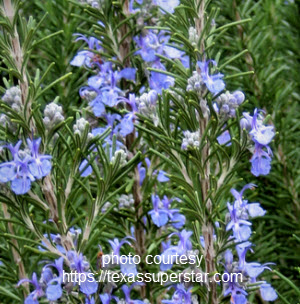
'BBQ Skewers' Rosemary,,
(Salvia rosmarinus ‘Gorizia’)
a herbaceous woody ornamental plant, a culinary herb, and an effective pollinator plant. With its upright growth habit, it is best suited for use as a ‘thriller’ in the ‘spiller-thriller-filler’ container arrangement. Can you envision barbecued meat on these scented skewers?
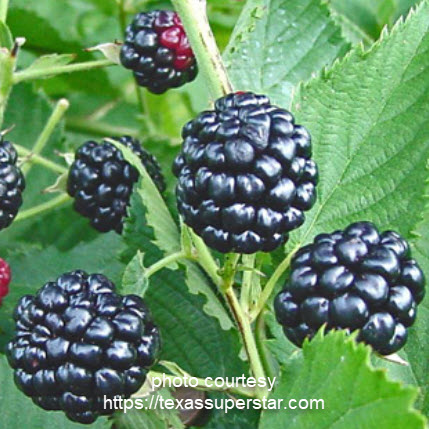
| | 'Natchez' Blackberry
(Rubus fruticosus 'Natchez')
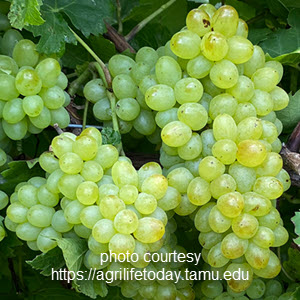
thornless, biennial trailing plant that produces an early abundance of large, elongated fruit. | | 'Southern Sensation Seedless' Grape
(Vitis 'Southern Sensation‘)
disease-tolerant clear seedless table grape known for its resistance to Pierce’s disease. The berries have a neutral, fruity flavor and crisp texture. The skin is thin, tender, and palatable. | | 'Victoria Red' Grapes
(Vitis ‘Victoria Red’)
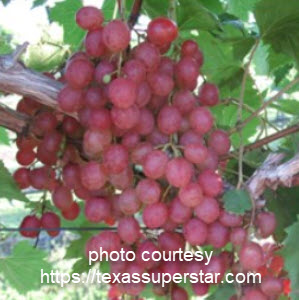
seeded table grape with bright red skin color and large attractive clusters. Clusters can reach “1 foot in length and berries are typically the size of 50-cent pieces.” | | 'Arctic Frost' Satsuma Mandarin
(Citrus reticulata ‘Arctic Frost’)
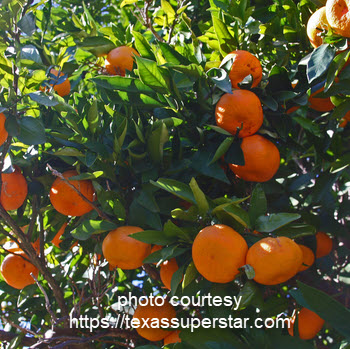
very sweet, easy to peel and only has one or two seeds per fruit. The tree has more cold hardiness than Satsuma and can be grown a bit further north. | | 'Basket of Fire' Peppers
(Capsicum annuum
‘Basket of Fire’)
cold tolerant ,edible ornamental pepper, bred especially for hanging baskets. Will thrive in extreme heat and low humidity. | | 'NuMex Twilight' Ornamental Pepper
(Capsicum frutescens
‘NuMex Twilight’)
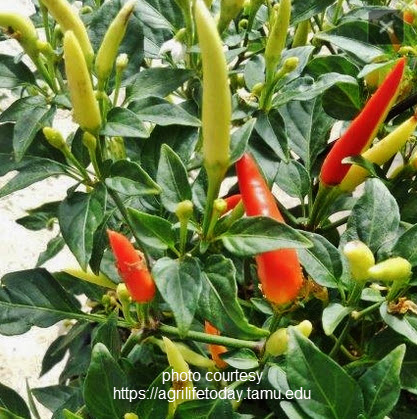
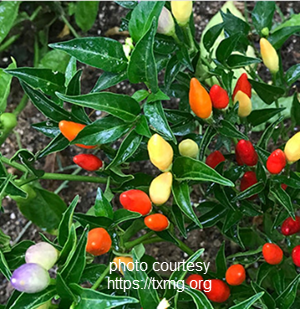
white star-shaped flowers dangle from the stems with showy purple and yellow peppers in mid summer that fade to red by early fall. They may look like Christmas tree lights but this pepper is spicy! | | 'Purple Flash' Ornamental Pepper
(Capsicum annuum
‘Purple Flash’)
extremely hot ornamental pepper with dark purple to almost black leaves that stand out in a border or container mix. | | Purslane
(Portulaca oleracea, P. umbraticola, or hybrids)
spreading groundcover with succulent leaves that are covered with flowers all summer long. They require full sun and a hot, dry location. The Cupcake, Muffin and Rio Grande series offer bright colors and interesting combinations. | | Whether it's vegetables, fruits, herbs or just color that you want for your garden, the Texas AgriLife team has done the basic research for you with the Texas Superstar® labels. | | |
Earth-Kind® : The Secret to a Healthier Garden Starts Underground
by Victoria Williams
| | | |
Summer is finally here, and after all those spring weekends spent planting, watering, and hauling bags of mulch, your garden should be giving you that big “ahhhh” moment. Instead, your plants are looking tired, dramatic, or flat-out refusing to thrive. So what gives? The answer usually starts below the surface — in the soil itself.
Before you focus on the plants, focus on the soil, because healthy soil grows healthy gardens. Take care of your soil, and your soil will take care of your plants. It sounds simple, but it’s true! Most gardeners focus on blooms, vegetables, or weeds, while the real work happens underground. Good soil should be alive and thriving with beneficial organisms, earthworms, fungi, and microbes all working together like a tiny garden support team.
Healthy soil is the foundation of an Earth-Kind® garden because strong soil grows stronger plants that need less water, less fertilizer, and have fewer pest problems. Texas A&M’s Earth-Kind® program focuses on working with nature instead of fighting it.
|
Build Better Soil
Think of soil like the kitchen pantry for your plants. If the shelves are empty, nobody’s making a good meal — and your plants are definitely going to complain about it. Adding compost and organic matter gives your soil what it needs to help plants thrive. It loosens stubborn clay soil, helps sandy soil hold moisture longer, and encourages stronger roots underground.
Texas A&M recommends mixing compost into garden beds because it slowly feeds the soil, improves water retention, and encourages beneficial microorganisms to move in and get to work. Read more here: Soil Improvement
|
Use Beneficial Organisms
Believe it or not, your garden can have its own tiny underground security team. Beneficial nematodes are microscopic organisms that live in the soil and help control pests like grubs and other unwanted troublemakers before they become bigger problems. You’ll never see them working, but they quietly handle business underground while you take the credit for the healthy garden.
.
One of the best parts of Earth-Kind® gardening is learning that nature already has solutions built in. Healthy soil isn’t just feeding your plants — it’s building a tiny army underneath them too. Read more here: Beneficials in the Garden
Feed the Soil Naturally
Healthy soil usually doesn’t need a constant energy drink of synthetic fertilizers. Earth-Kind® gardening focuses on feeding the soil slowly and naturally with compost, worm castings, mulch, fish emulsion, and organic matter. Over time, all that good stuff builds healthier soil — and healthier soil grows happier plants.
Too much fertilizer can create weak, fast-growing plants that become an all-you-can-eat buffet for pests and diseases. Read more here: Natural Nutrients
Use IPM: Garden Smarter, Not Harder
Now that you’re building healthy, living soil, you also want to be careful with chemicals that can harm all the beneficial life you’ve worked hard to create underground. Integrated Pest Management, or IPM, sounds complicated, but it’s really just a smarter, calmer way to garden.
Instead of reaching for the spray bottle the second you spot a suspicious leaf hole, Earth-Kind® gardening focuses on prevention, observation, and using the least harmful solution first.
Sometimes the garden just needs a little balance instead of the full “nuke the entire area” approach. In Earth-Kind® gardening, chemical treatments are the last resort — not the first thing grabbed off the garage shelf. Read more here: IPM
Healthy Soil Changes Everything
When you focus on building healthy soil, a lot of the other garden headaches start getting easier. Plants become tougher, watering becomes more efficient, and pest problems often calm down naturally instead of turning into a full backyard crisis.
Take care of your soil, and your soil really will take care of your plants!
| | |
Gardening from Scratch.
Growing Tomatoes in Rockwall County... by Brian Cook
| | | |
Rockwall County provides an amazing opportunity to grow tomatoes; be they in containers or in the ground allowing our Blackland Prairie soil to feed the plants and making super delicious fruit.
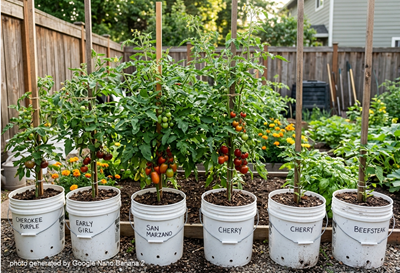
A good plan to start out is to first decide if you want to grow in containers or in the ground. Container gardening for tomatoes offers some advantages as you’re not having to break the soil in your yard and sacrifice any lawn space. The watering needs and feeding will be different than growing in ground. Also, keep in mind that harvest size (think weight of total fruit production) is a good indicator of the requirements the plant will need while developing and setting fruits. If you choose to grow in containers, make sure to use at least a 5 gal container so you have ample soil and water holding capacity for healthy plants.
The second step would be to decide what type of tomato you want to grow. Deciding which type(s) to grow is a matter of personal preference but choosing a variety that is well adapted to our climate is a major key to success. Determinate (bush type) vs Indeterminate (vine type) will play into this as well as one grows to a “determined” height and sets fruit generally about the same time. The other does not. Determinate tomatoes have smaller root systems because of their “determined” height, which makes them generally better suited for container gardening than their indeterminate cousins. Indeterminate type tomatoes, being more vine like, have a much more extensive root system making them better suited to in ground planting (which would include raised beds.) While some varieties of “cherry” tomatoes may be indeterminate, their overall harvest weight is relatively low compared to other types. The same could be understood for celebrity tomatoes being a “bush” type but can produce a massive harvest. Additionally, there are now some hybrids which are labeled as “semi-determinate” which are closer to indeterminate in how they set fruit but do not grow as tall.
If it’s your first venture into growing tomatoes, then start slow with only a few plants. If you’re more seasoned and want to try your luck, feel free to push your comfort level and share the wealth if you have a good crop (you can also feel free to keep it to yourself if you fail miserably. I have on more occasions than I care to divulge). One can also experiment with the same plant type in both container and in-ground. One may perform better than the other for your needs.
Here are some of my favorite (and most successful) types I’ve grown:
Determinate Types:
-
BHN 589 This is a hybrid bush type tomato developed by BHN Seed company that consistently puts out 1-2 lb fruit. I have only planted these in the ground, and the number of tomatoes has been very high. BHNSeed and TAMU have worked together on several trials to develop tomatoes that perform very well for Texas.
-
Patio Tomato These hybrid tomatoes were developed in the 1960’s specifically for containers and tight spaces. They come in several colors now.
-
Roma Tomato This tomato has been around since my grandfather it seems. Also known as “paste” tomatoes they have a low seed count and aren’t high in juice content making them ideal for cooking… or making tomato paste. They are a hybrid whose genes contain the famous Italian San Marzano fruit.
Indeterminate Types:
-
Sweet 100 “cherry” I am not usually a fan of the tiny tomatoes but I definitely have a sweet spot for these. They are quite small and once they get going there is a DAILY harvest of sweet goodness.
-
Mortgage Lifter Absolutely HUGE fruit and amazing slicing tomatoes. These do best in the ground.
-
Cherokee Purple Heirloom tomato with super sweet giant fruit that stay green near the stem, and turn a deep red towards the blossom end. Great slicer but can tend to crack like most heirloom types.
-
San Marzano as mentioned above with Romas, these “plum” tomatoes grow in clusters and are the tomato of choice in Italy. They make the most amazing sauces and are best suited for cooking vs eating raw on a sandwich or salad (I would never turn my nose up to eating them on a sandwich or in a salad BTW).
| | |
Containers Abound! Growing Veggies on a Balcony or Patio.
Randy's Seasonal Garden Care
| | | |
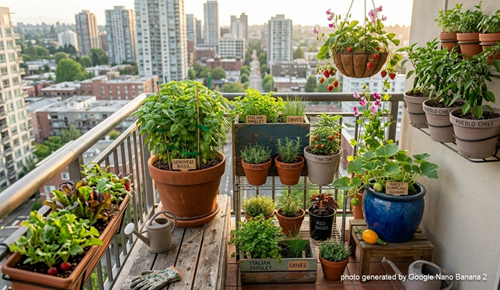
From May until September, I volunteer every other week at the Rockwall Farmer’s Market. One pattern that I have noticed at this time of year is the eagerness of many people to begin a vegetable garden. As I talk about building a raised bed or amending our clay soils for optimal success, I can sense that sometimes the thought of the effort overtakes the enthusiasm to grow. In other cases, some people have only a small patio or balcony with which to try and grow a garden. In these situations, I have to quickly pivot the conversation to container gardening.
| | |
Using containers for vegetable gardening is a simple and convenient way to grow your own food. I have grown different herbs, potatoes, garlic, onions, melons, squash, peppers, and of course, tomatoes in a container. In some cases, I didn’t have a bed prepared. In other cases, the vegetable bed was already occupied by other crops. And today, I use containers on the patio as a convenience point for those herbs and vegetables that are used frequently in cooking.
To begin, you’ll need two simple ingredients: 1) a pot, and 2) garden soil. And yes, I’ve oversimplified the situation. There are other factors that you should consider.
Firstly, you should research the type of crop that you wish to grow. Crops that are best suited for container gardening would be “bush” type varieties. This is particularly important to note for those plants that have both vining and bush options. Beans, peas, cucumbers, and tomatoes fall into this group. As I have grown both bush and vining crops in containers, I have a very large yard with plenty of room for vining crops to spread across the ground. But if space is limited, two sweet potatoes in a pot can overtake a balcony really quick.
This guide by the Texas A&M Agrilife Extension Service provides a list of vegetables that are ideal for container gardening.
| |
The second thing to consider is pot size. Herbs are a terrific plant to place in a small 6-to-9-inch pot. But not all herbs are alike. Rosemary is a semi-evergreen plant that lasts for years in a single pot. But left to flourish, it can outgrow its space far beyond the confines of its original home. Deep rooted plants will need plenty of depth or else the pot will become root-bound, and the plant will not survive without constant watering.
Here is a simple guide to follow:
| | | Pot Size / Type | Crop Type | | Small | Chives, green onions, greens, herbs, lettuce, radishes, spinach | | Medium | Beets, broccoli, cabbage, cauliflower, celery, eggplant, onions, peas | | Large / Deep | Beans, cucumbers, peppers, potatoes, determinate tomatoes, squash | | | |
And finally, water, water, water.
Our Texas sun is brutal when it comes to potted plants. Containers heat up soils at an accelerated rate. And depending on the type of pot (clay, plastic, ceramic) and soil used, the pot and soil can also aid in the drying process.
A good rule of thumb is to test your moisture levels in each pot every other day. Although commercial moisture meters are available, a cheap and inexpensive alternative is to simply poke your finger or a pencil an inch into the soil. If the soil is moist to the touch or sticks to the pencil, you can hold off another day. Eventually, you will get to know how often to water each pot.
Happy growing!!
| | |
Baby Blue is hard at work looking for tiny, tasty mealworms. And actually, Baby Blue, who fledged two years ago, is no longer a baby! He has grown into an adult bluebird and has his own family to feed now. His friends, brothers, and sisters still call him Baby Blue since he’s the youngest in his family. Baby Blue’s search for food for his chicks takes him exploring into many gardens. He keeps a keen eye out for worms and other small insects to feed them.
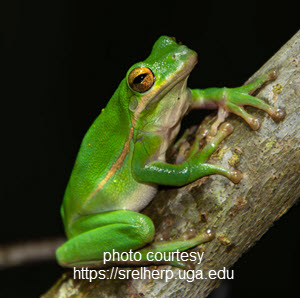
Finally, Baby Blue’s search leads him to a small flowerbed. The soil is loose and moist, so surely, he can find a worm or two here. He begins pecking around the tall leaves of an iris plant when something draws his attention up. Perched in the crook of a tall iris leaf is a small, glistening green frog.
“Hello,” Baby Blue says. “I’m Baby Blue. What’s your name?”
| | |
And suddenly, Baby Blue sees a balloon-like bubble extend from the tiny frog’s chin! The balloon is followed by a strange (and loud) raspy “creeenk”, and the frog responds, “I’m Bugeye. I’m a green tree frog.”
Baby Blue tilts his head questioningly and says, “Bugeye? That is a strange name for a frog.”
“Well,” Bugeye says, “At night, I perch in trees, or on windows near lights, to catch bugs for my dinner. My eyes are large, and bulging, so I can see in the darkness. Because of this, the geckos and other night-time feeders call me Bugeye.”
As Baby Blue continues to study his new friend, he notices something even more unique than bis croak: his toes! Bugeye’s toes have round pads! “What are those?” Baby Blue asks nodding at Bugeye’s toes.
“Those are my toepads,” Bugeye says. Baby Blue looks confused, so Bugeye explains this unusual part of his anatomy. “These toepads are made of tiny cells, and between the cells, there are channels that ooze a sticky, glue-like substance. This holds me in place when I need to climb a tree branch or perch on a window at night to catch bugs.”
Baby Blue started thinking maybe he needs some toepads. But then again, worms are usually available without having to walk on a window! Baby Blue has one more question for his new friend. “I see lots of frogs around the pond in our yard. Do tree frogs spend time in the water?”
“We’re just like other frogs,” Bugeye responds, “we lay our eggs on or near water and we start out as tadpoles. However, we perch in trees and other green foliage sometimes because they camouflage our green bodies.”
Baby Blue thinks of his hungry chicks and remembers his worm-hunting duties. He quickly says “Good-bye” to his new friend, nuzzles his beak deep into the soft earth, and comes up with two tasty worms.
“Good job,” Bugeye says, and he “creenks” a loud good-bye to Baby Blue. Baby Blue heads back to his nest, and after feeding the chicks, they fall asleep listening to the story of the green tree frog with the sticky feet.
Learning Questions
How did Bugeye get his name?
Name another creature that feeds at night.
How does Bugeye climb up windows?
Try these Crafty Ideas!
| | | | |
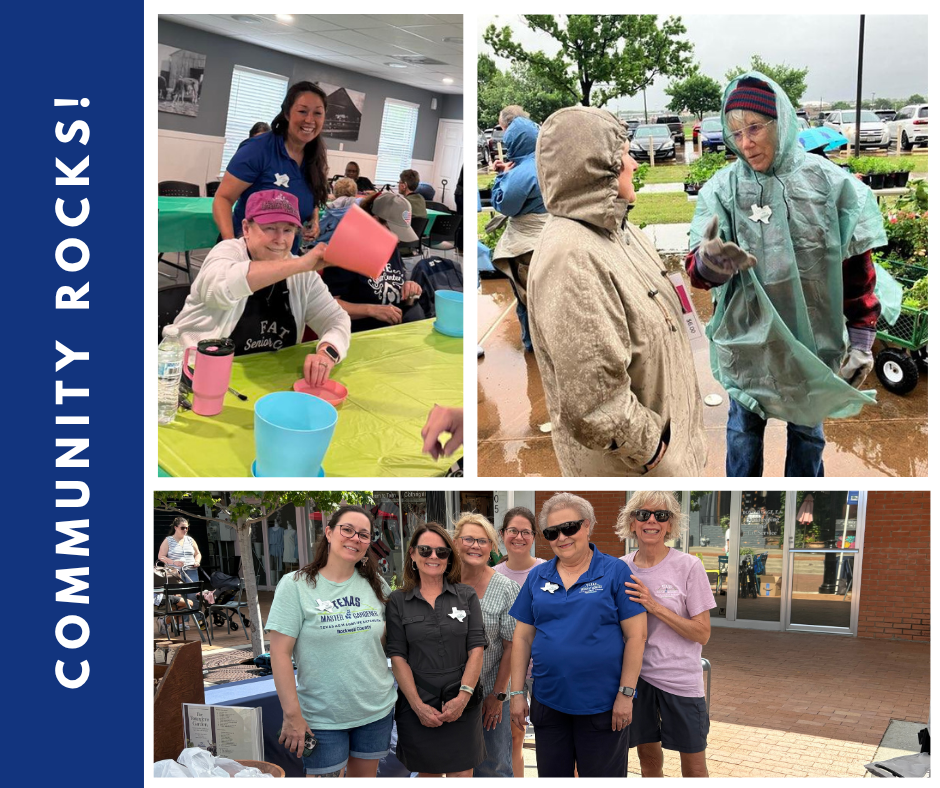
Sharing science-based horticultural education with Rockwall’s youth, adults, and seniors.
Ask a Master Gardener & Library Help Desk
Rockwall Area Retired Teachers Association
Herbs, Soil, Natives, Bees - Adult Education
NTMWD Landscaping Summit
Spring Plant Sale
Roots and Shoots, Fairy Gardens - Youth
Oshibana - Pressed Flower Class
Heath "Tacos & TexScape" Workshop
SOAR and Life Skills Project LIFE
Fate Community Center, Highland Meadows
Meals on Wheels
Heath Area Terrific Seniors
Royse City ISD Ag Days
Rockwall Founders Day
Rockwall Farmers Market
Blue Ribbon News Publication: Here We Grow
| | |
Master SNAPS!
Photos from Rockwall County Extension Master Gardeners
| | |
Ziggy the Farmer's Market Mascot
-Mary G.
| | | |
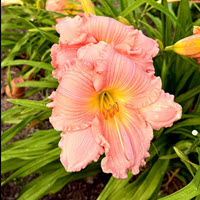
Daylilly Season
-Donna F.
| | Please take our short survey to help improve our educational outreach. | | EnviroSmart is published by: Rockwall County Master Gardener Association part of Texas A&M AgriLife Extension Service, the Texas A&M University System. The information given herein is for education purposes only. Reference to commercial products or trade names is made with the understanding that no discrimination is intended and no endorsement by Texas A&M AgriLife Extension is implied. | |  | |
Todd Williams - County Extension Agent
Ag/ Natural Resources
972-204-7660
tk-williams@tamu.edu
Texas A&M AgriLife Extension provides equal opportunities in its programs and employment to all persons, regardless of race, color, sex, religion, national origin, disability, age, genetic information, veteran status, sexual orientation or gender identity. The Texas A&M University System, U.S. Department of Agriculture, and the County of Commissioners Courts of Texas Cooperating.
| | | | |