Fall Turkey Season is Back (with some limitations)

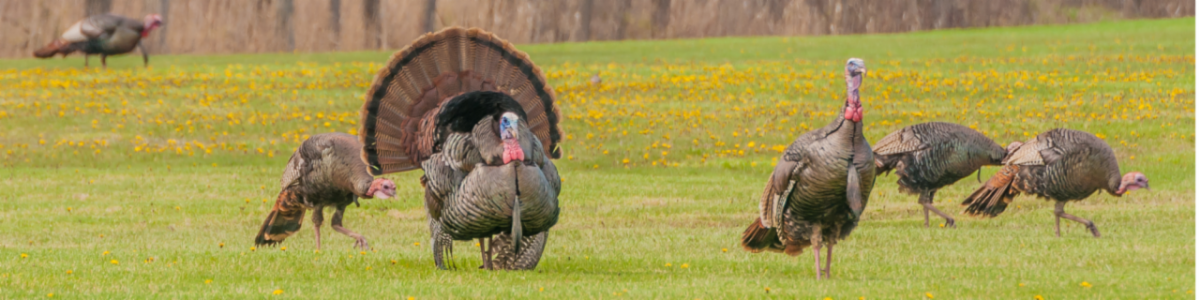
Kansas residents can purchase permits for the 2026 fall turkey season. The season opened Oct. 31, providing another opportunity for hunters while KDWP continues to work to responsibly manage Kansas' wild turkey populations. Before you hunt, click the button below to review season dates, turkey management units, permit requirements, and current regulations.


Key Points -

Season: Oct. 31–Dec. 1, 2026 & Dec. 14, 2026–Jan. 31, 2027

Limit: One turkey with a visible beard.


Source: Kansas Department of Wildlife and Parks

Bats in The Attic?

On a recent episode of Fins, Fur, & Feathers, Joe and Drew discuss bat habitat, exposure, and exclusion. Listen below!

Turkey Facts

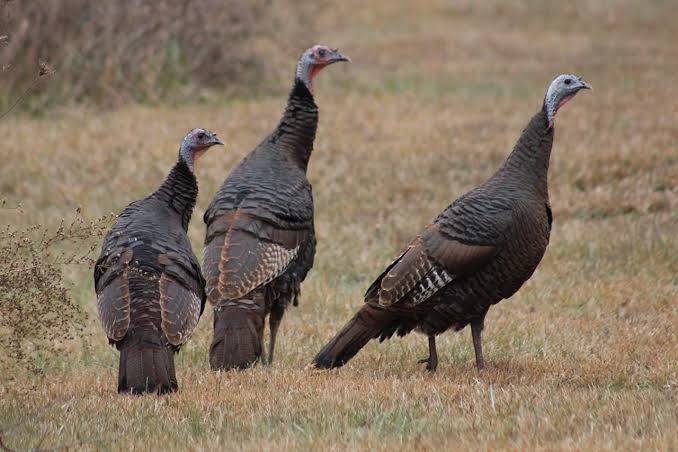
Here are a few facts about turkeys to share with friends and family during the holidays!


  • Adult turkeys have roughly 5,000 - 6,000 feathers


  • They can run up to 18 mph and fly 35 to 50 mph


  • Identify a male or female turkey by their feathers or droppings - Male turkeys have a "J" shaped dropping, and female droppings swirl into a coil


  • Turkeys have several calls, including a gobble, purr-like noise, whistles, and clacking.


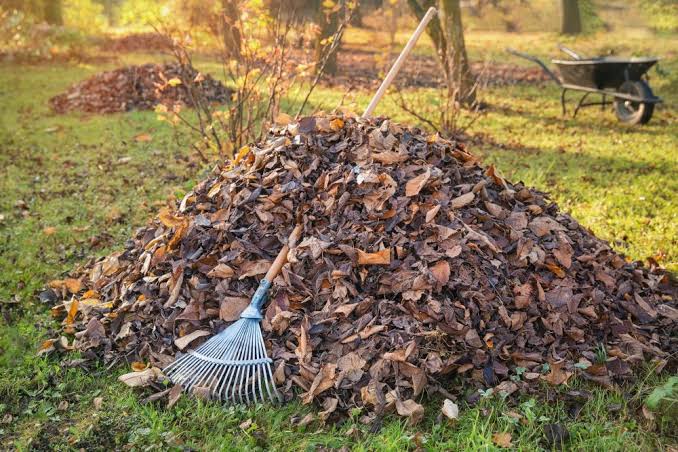
To Rake or Not To Rake?


Raking up leaves is a common chore on the to-do list this time of year.


But did you know that raking up and removing leaves removes much-needed winter habitat for beneficial insects like bees and butterflies?


K-State Extension Johnson County shared a couple of options to clean up the yard while still leaving leaves as habitat for these beneficial insects: raking leaves into neat rings around the trees from which they fell. This provides habitat for insects and benefits the tree by acting as a mulch layer that protects it during winter dry spells. Or make a catch-all for all your landscape droppings near a not-so-visible garden area. This can be sticks, logs, grass clippings, and of course, leaves. This technique provides habitat to many different species of insects that are beneficial in gardens.


For more information, click the button below to read the article from our friends at Johnson County.

Wildlife & Natural Resources | Adaven Rohling

(620) 784-5337, adaven@ksu.edu