The Mycological Society of America
|
|
There will be opportunities for talks and posters. Additional information, including information related to abstract submission and a registration link, will be shared soon.
|
|
|
2020 was certainly unlike any year that I–and probably most of you–have experienced in our lifetime. However, I remain encouraged and optimistic that there is fresh hope for better days ahead in 2021. I am proud to mention that due to your enthusiastic commitment to volunteer service, we were able to fill all but one vacant position for our 2020-21 roster of MSA committees; thank you everyone and welcome to your respective committees. I particularly want to thank Michaela Schmull for volunteering to serve as our next Inoculum Editor and for preparing this inaugural issue of our 2021 newsletter. As we look forward, I want to also express my sincere thanks to the collective efforts of members of our Society and reflect on a few current member-driven, cross-committee, collaborative activities and initiatives. Recently the MSA has:
- Developed an Interchange Ambassador Program to provide two awards each year to MSA members committed to increasing diversity, equity, and inclusion in the field of mycology and MSA, and to welcome new members of our Society.
- Established a food bank challenge that provided monetary donations to local food banks, generated by the kind philanthropic contributions made by MSA members who donated $2600 in funds that matched donations to the MSA endowment.
- Responded with a public comment against limitations of international student visas proposed by the previous federal administration, after we were alerted to the matter by the American Institute of Biological Sciences.
- Developed and revitalized “Mycological Memoirs: The Storied Fungus”, a series of video vignettes to historically document the amazing stories and contributions of MSA members.
- Continued to revise, streamline, and update our Manual of Operations.
-
Initiated the Mycologia contract renewal process with the Taylor & Francis Group.
The MSA Program Committee chair and members are working hard to organize our upcoming joint meeting with the Botanical Society of America originally scheduled to be held in Boise, Idaho, this summer. The meeting has moved to a virtual format and will be held July 19-23, 2021. More information on the joint meeting will be forthcoming in the next few weeks. While I am deeply disappointed and saddened that we will not be able to see and interact with each other in person, the joint virtual meeting will feature our most cherished and traditional events such as the Karling Lecture, Presidential Address, symposia, workshops, oral and poster presentations, including a special workshop (forum) to discuss finding consensus through policy: navigating polarizing issues to respond to membership concerns (see Kasson article this issue), and possibly a live online auction with music.
As we look towards the future and eventually return to some sense of normalcy, I continue to be impressed with your extraordinary adaptability, resilient spirit, and strength during these emotionally draining and stressful times of extreme duress. In the dark times of mutual anger and concern associated with racial and political division, economic hardship, limited social interaction, sadness, and suffering the loss of loved ones, the Society is here to support you with compassion, friendship, and virtual social interaction. I conclude my President’s Corner message with the inspiring words of the National Youth Poet Laureate Amanda Gorman, “The new dawn blooms as we free it, for there is always light, if only we’re brave enough to see it, if only we’re brave enough to be it.”
Marc Anthony Cubeta
|
|
|
Executive Vice President's Report |
|
Executive Vice President’s Report—February 2021
Greetings MSA colleagues! I am hopeful that 2021 will be a better year for all of us and looking forward to being able to see all of you again soon.
The annual meeting this year will be a joint virtual meeting with the Botanical Society of America from July 19-23, 2021. Keep an eye on your email for more information and meeting announcements. The abstract submission and registration portals will be opening soon.
Council Business: The Midyear Executive Council Meeting was held February 12, 2021, and midyear reports were received from committee chairs, representatives, and officers. Seven email polls were sent out to Council and approved since my October column: Poll 2020-09—Mycologia Associate Editor Nomination of Joey Tanney; Poll 2020-10—Mycologia Associate Editor Nomination of Posy Busby; Poll 2020-11—Mycologia Associate Editor Nomination of Michael Freitag; Poll 2020-12—Mycologia Associate Editor Nomination of Soo Chan Lee; Poll 2020-13— Request for Emeritus Member Status for Estelle Levetin; Poll 2021-01—Request for Emeritus Member Status for Michael Vincent; Poll 2021-02—Request for Emeritus Member Status for Jim Trappe; Poll 2021-03—Mycologia Associate Editor Nomination of Artur Alves.
Member Deaths: Nancy Smith Weber (December 19, 2020)
New Members: I would like to extend a warm welcome to the following new members who joined MSA after the last annual meeting and since my October column. Their membership will be formally approved at the 2021 Annual Business Meeting:
Canada: Sharmin Gamiet
United States: Joseph Andracchio, Uthman Babatunde, Laura Bogar, KC Cifizzari, Trin Cooper, Michael Freitag, Paula Gomez-Zapata, Matthew Koons, Keerthi Mandyam, Thuy Nguyen, James O'Donnell, Naamon Peyton, David Rust, Michaela Schmull, Hannah Vandersheuren, Aaron Windsor
Uruguay: Sebastián Martínez
2021 Membership Renewal: Renewal notices have been sent. Membership dues will remain the same as for 2020. We now have auto-renewal and multiyear renewal options available. Please contact me with any suggestions, complaints, or feedback on the membership renewal process.
To increase membership and involvement in the MSA, it is important to recommend the Society to amateur and professional colleagues, and particularly to students and postdoctoral associates who are interested in fungi. MSA members include pathologists, geneticists, systematists, ecologists, and those people who just want to know more about the fascinating world of fungi.
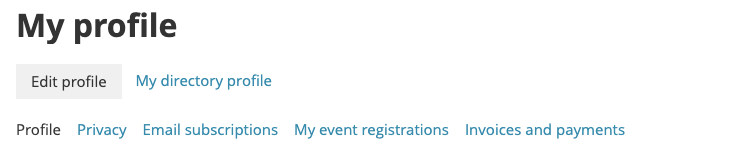
REMINDER — MSA Directory Update: Have you checked your information in the MSA directory recently? Now is a good time to make sure your address, phone, and email are current. The MSA relies almost entirely on email to bring you timely information on MSA news, awards, elections, meetings, and other activities. To ensure that you receive MSA blast emails and Inoculum, and so your colleagues can keep in touch, please check the accuracy of your contact information in the online directory. This can be accessed via our website (https://msafungi.org/). Look for the membership menu option and drop down to “Member Login”. Once you log in, you will see your profile with options such as “edit profile”, “my directory profile”, and “email subscriptions”. If you need assistance with updating your membership information, please contact our MSA Membership Coordinator, Cori VanGalder, at msafungi@reesgroupinc.com.
|
Please feel free to contact me about MSA business, or any other questions you have about the Society.
Respectfully submitted,
MSA Executive Vice President
|
|
|
 |
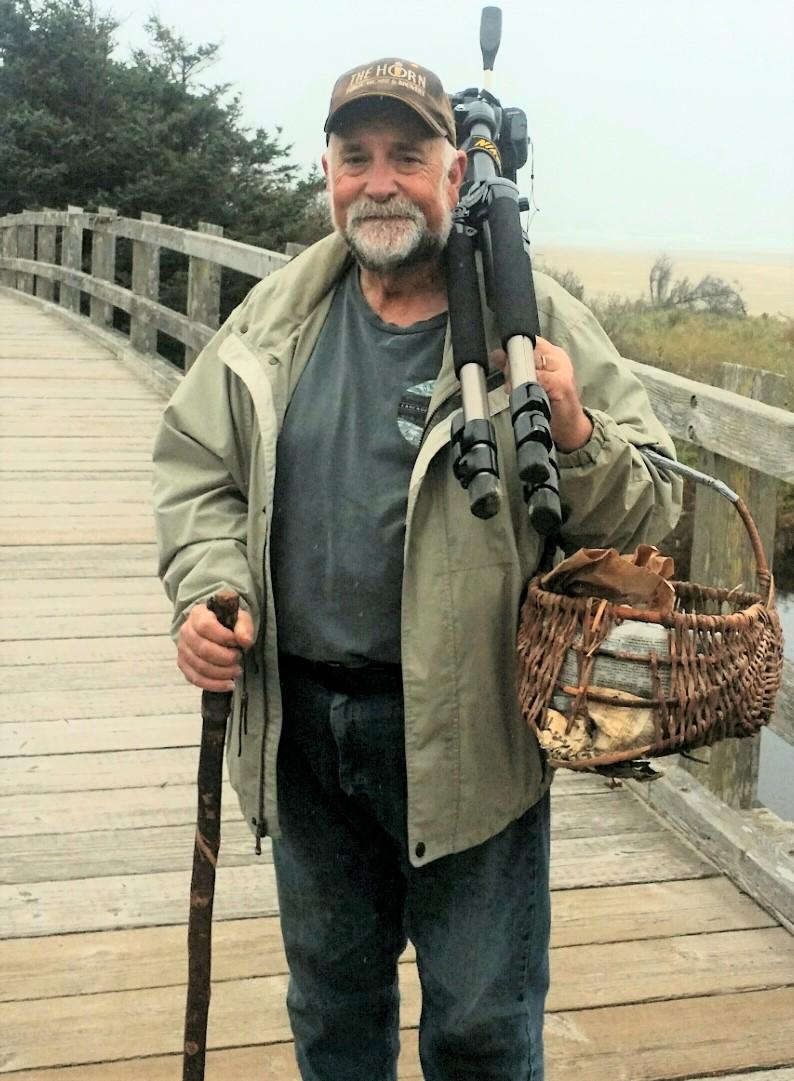
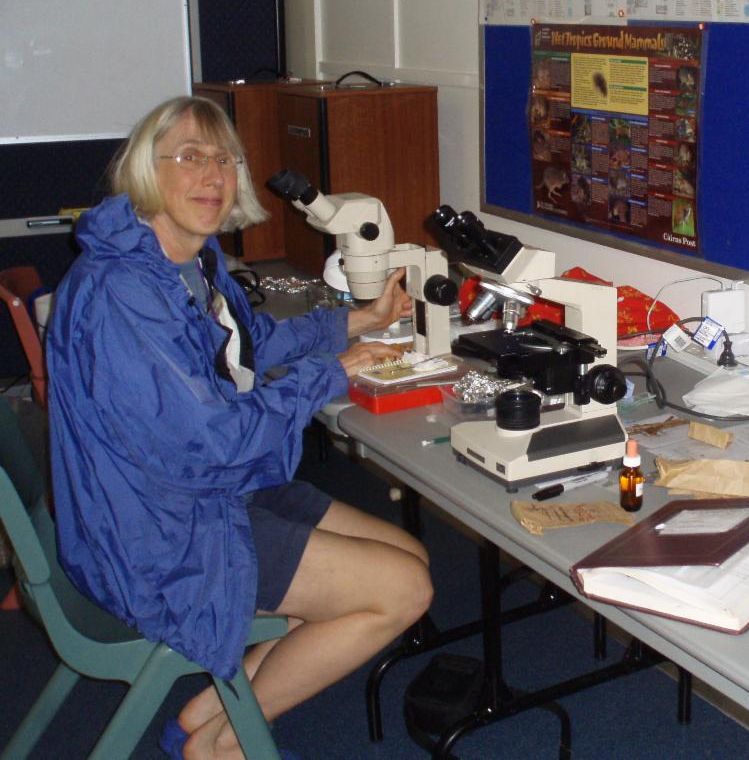
Nancy (Jane) Smith Weber
1943-2020
As the only child of two biological scholars and field researchers, Nancy early developed a passion for the natural world, especially fungi.
|
|
|
|
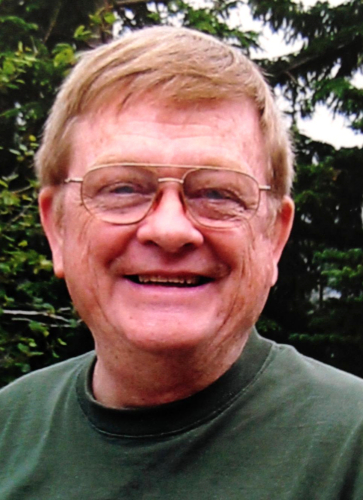
Steven E. Carpenter
1951 - June 9, 2020
Steve Carpenter loved the outdoors and communicated this love through his knowledge of fungi to everyone from the academic world to local laypersons and his beloved family.
|
|
|
|
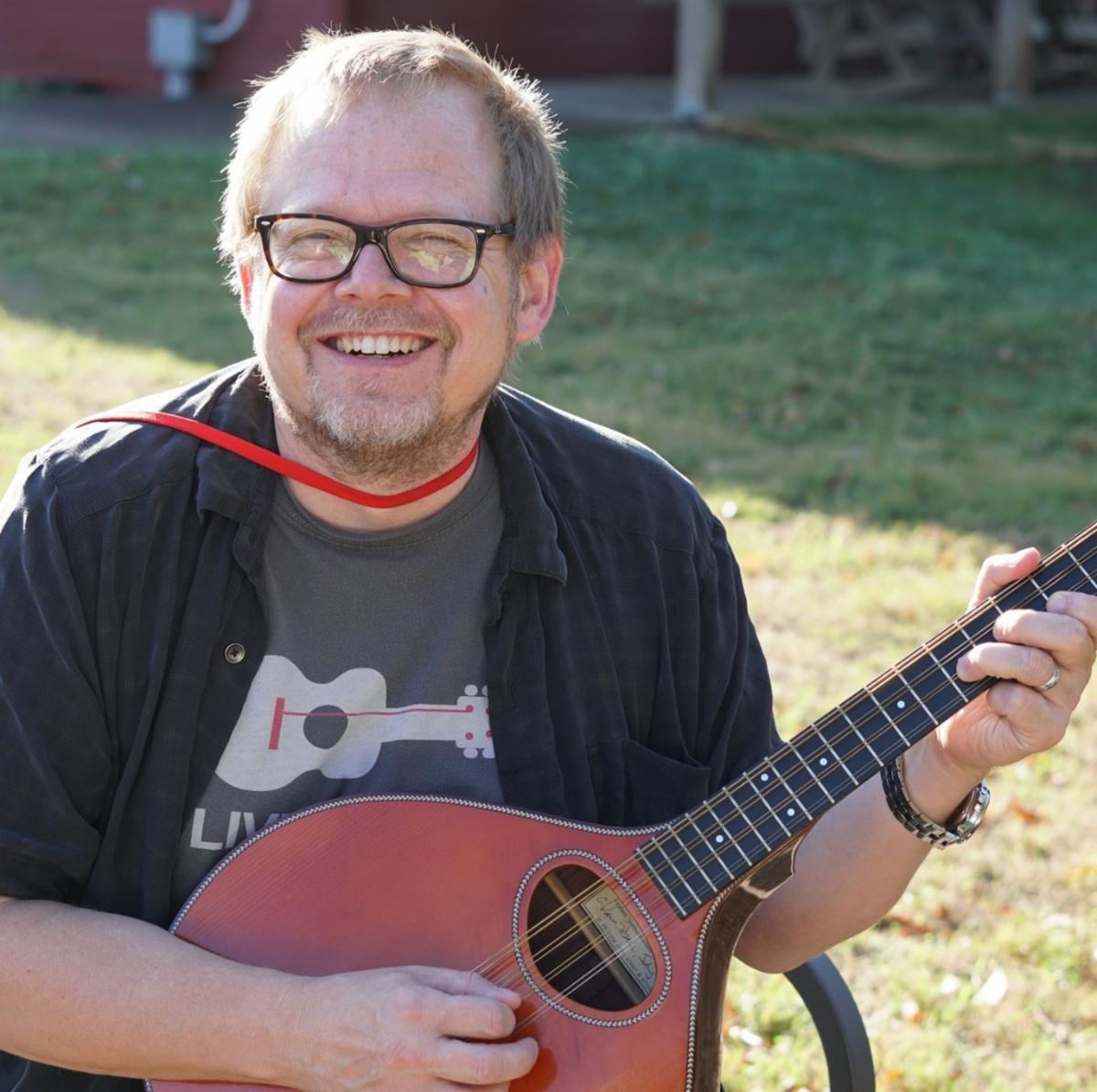
Harold Brotzman
September 18, 1941 – July 9, 2020
Harold, who joined MSA as a student, received a BS degree from the SUNY College of Environmental Science and Forestry (1964), a MS degree from the University of Maine (1967), and a PhD in botany (1973), from the University of Iowa at Iowa City.
|
|
In Memoriam: Pat Pukilla and Cardy Raper
Nancy Keller has sent references for memorials published in Fungal Genetics and Biology for Pat Pukkila (1948–2019) and Carlene (Cardy) Allen Raper (1925–2019). The memorials may be downloaded from the journal.
-
In Tribute to Pat Pukilla (1948–2019) Georgiana May and Mimi Zolan. Fungal Genetics and Biology. Volume 142, September 2020, 103393
-
Carlene (Cardy) Allen Raper, Ph.D., 1925–2019. Fungal Genetics and Biology. Volume 142, September 2020, 103394
|
|
Mushrooms of the Northwest: A Simple Guide to Common Mushrooms
By: Teresa Marrone and Drew Parker
This is a visually driven guide to mushrooms found in Idaho, Oregon, and Washington. There are hundreds of color photographs that are accompanied by textual descriptions that point out salient differences among visually similar species.
Click here to read the full review.
|
|
Westerdijk Laboratory Manual Series vol. 2, The Food and Indoor Fungi
By: Samson Robert A, Houbraken Jos, Thrane Ulf, Frisvad Jens C, Andersen Birgitte (Eds)
This book includes common fungi in indoor environments and on foods. Detailed descriptions are given along with high-quality photographic illustrations of 156 common species in 58 genera.
Click here to read the full review.
|
|
|
Westerdijk Laboratory Manual Series No. 1, Fungal Biodiversity
By: Crous PW, Verkley GJM, Groenewald JG, Houbraken J. (eds.)
It is my pleasure to review a newly edited textbook. This text represents a massive effort and will be a valuable tool in the mycological classroom and laboratory. Below I have detailed some of the great strengths of the text which, in short, include media and protocols, beautiful new microscopic diagrams and life cycles, a section on molecular biology, and carefully captured photomicrographs.
Click here to read the full review.
|
|
Newly Published Books of Interest to Mycologists, Including Lichenologists
|
|
MSA News and Announcements |
|
MSA Needs a Process to Recognize and Respond to Membership Concerns
Submitted by: Matt Kasson
|
The insurrection of the U.S. Capitol on January 6, 2021, was a shocking attack on our democracy. Countless world leaders, elected U.S. politicians and political appointees, college and university presidents, and business and industry executives unified in their condemnation of this egregious violence. Like many of us, I grappled with how I could show solidarity with those most affected by these events, particularly fellow members of the professional societies to which I belong and serve in various leadership roles.
|
|
|
Seeking Feedback on Ethical Collaboration Standards Towards Decolonizing Mycology
Submitted by: Abeer Alqurashi, Anna Bazzicalupo, Sonya Erlandson, Elizabeth Feliciano, Brian Lovett, and Geromy Moore
|
At the end of last year, a scientific publication revealed that German scientists stole a dinosaur fossil, Ubirajara jubatus, from Brazil. Despite the notoriety of this fossil, even as the Brazilian community demands its return it remains at the State Museum of Natural History Karlsruhe in Germany [1].
Such colonial science is unfortunately all too common today, particularly in fields that rely heavily on museum specimens. In addition, Indigenous collaborators, land acknowledgements, and specimens are often excluded from publications. Thus, the MSA Diversity, Equity and Inclusion Committee is resolved to facilitate more ethical collaboration in our community through discussion and policy.
|
|
|
A Word of Thanks
Submitted by: A. Elizabeth Arnold, Priscila Chaverri, P. Brandon Matheny, Rosa Mouriño, and Christopher Schardl
Contributions to our discipline and the Mycological Society of America more broadly take many forms. One that is truly vital is the role of steward of our flagship journal, Mycologia. We, the Executive and Review Editors of Mycologia, would like to take a moment to thank Dr. Brian Shaw for his four years of superb service as the Managing Editor for the journal.
From communicating with our publishers to handling technical checks of manuscripts, coordinating distribution of manuscripts among editors, selecting cover art and finalizing tables of content, communicating with authors, and advancing all aspects of the journal’s activities, Brian’s leadership has truly helped Mycologia shine.
We thank Brian for all of the above, as well as for keeping us timely and on task.
Thank you Brian, and thank you to all who have served previously in this exceptionally important role. We appreciate you.
|
|
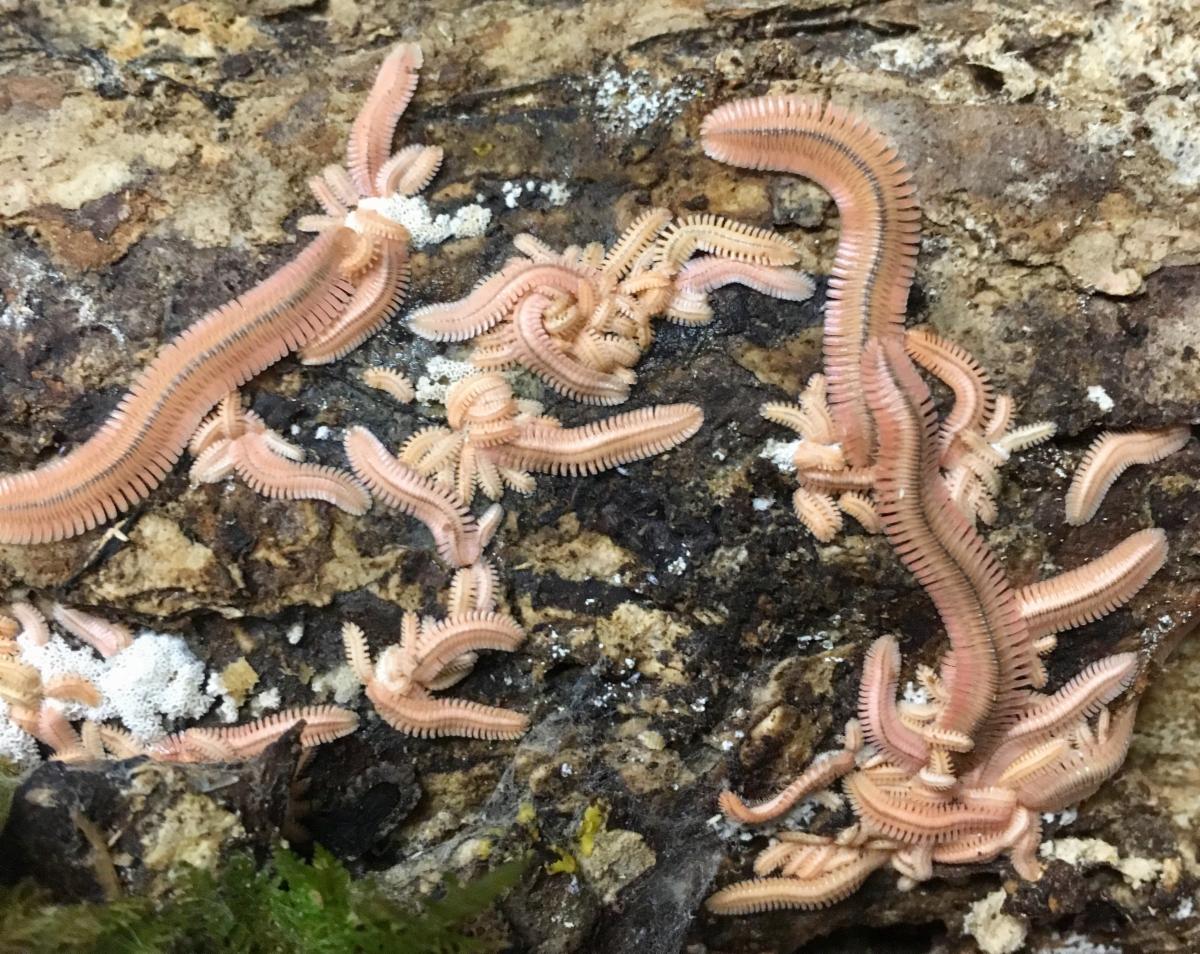
Shining a Spotlight on an Ancient Partnership Between Fungi and Millipedes
Submitted by: Angie Macias, Shelby Meador, Brian Lovett, and Matt Kasson
The Kasson Lab’s quest to document the biodiversity associated with fungivorous millipedes continues, thanks to a 2021 National Geographic Society Grant. This award funds a series of expeditions to collect fungus-loving millipedes across the U.S. from West Virginia to Florida to California and back. Millipedes represent some of the earliest known terrestrial animals, dating back to the early Devonian period. Around 250 million years ago, a group of millipedes began to feed exclusively on fungi, a rare diet among animals.
|
|
Students’ and Postdocs’ Mycology Symposium
|
|
The MSA Student & Postdoctoral Section continue to work on a series of virtual presentation events. You can email Students.MSA@gmail.com for additional information.
If you are interested in being a speaker for the March symposium, please complete this form.
|
|
Special Topic Awards
Since 2018, a very generous anonymous donor has contributed funds to MSA to support research by our members. The donor is passionate about forests and translational mycology and we have respected their wishes by sponsoring special calls for proposals that contribute to a greater understanding of fungal interactions in old growth forests, other unique or endangered ecosystems, or applied mycology. In this issue of Inoculum we provide a snapshot of the diverse research projects undertaken in the context of these awards, with a primary focus on 2019 awards targeting applied mycology. Enjoy, and to our donor: Thank you!
Anne Pringle, Past President
|
|
Announcing the
2021 Mid-Atlantic States Mycology Conference
April 17-18, 2021
|
|
MASMC is back!
After a hiatus in 2020 due to COVID-19, this year the annual Mid-Atlantic States Mycology Conference will be held April 17-18, 2021. Due to continued pandemic concerns, MASMC 2021 will be held virtually.
MASMC 2021 is dedicated to Dr. William Chambers Coker, the first Professor of Botany at the University of North Carolina at Chapel Hill (UNC-CH) and eminent mycologist. This year MASMC is sponsored by the North Carolina Botanical Garden, the UNC-CH Herbarium (NCU), and the UNC-CH Biology Department.
By the way, a virtual tour of the NCU Herbarium will be part of the program.
|
|
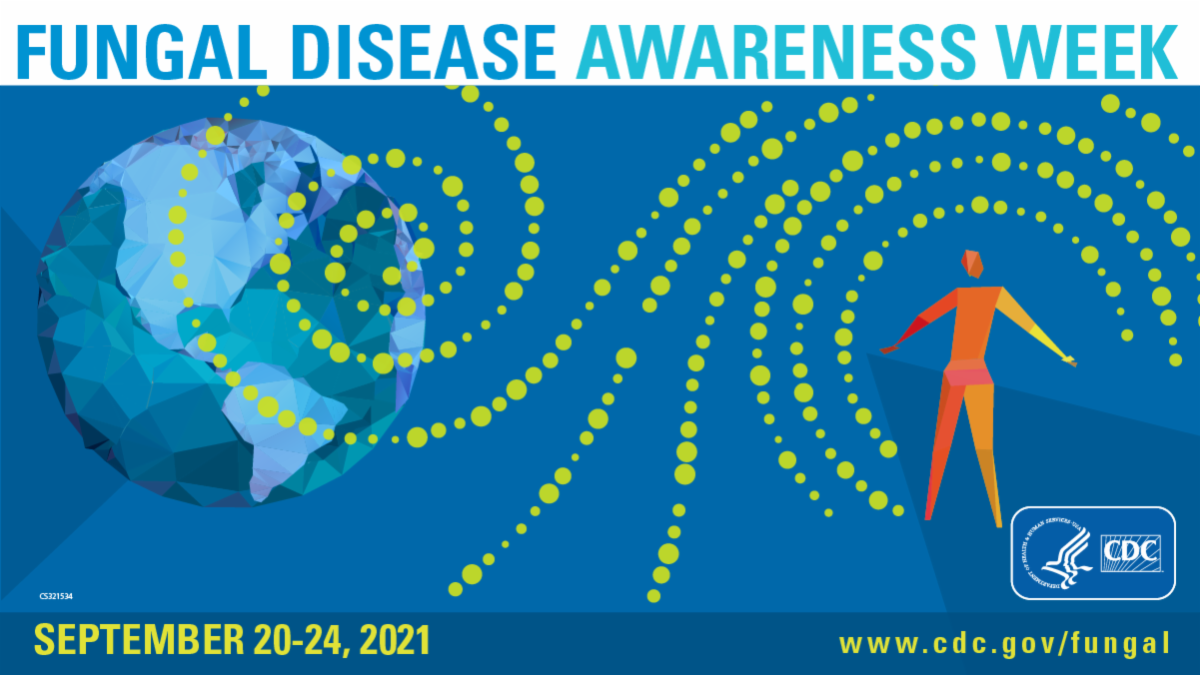
Noteworthy is the Fungal Disease Awareness Week from September 20-24, 2021, organized by the Centers for Disease Control and Prevention and their partners. The site includes general information about fungal diseases, outbreaks and investigations, fungal diseases and COVID-19, antifungal resistance, and a list of resources such as new publications, web features, and fact sheets and posters: https://www.cdc.gov/fungal/awareness-week.html
|
|
Farmer to Farmer COVID-19 Period Support
Mushroom Spawn (Button and Oyster) Laboratory Development
The family-owned mushroom farm Jat Investments in Lilongwe, Malawi, is looking for a volunteer to help set-up a mushroom spawn laboratory. Please click here for details.
|
|
Call for Abstracts: Fungi in a Changing World
This special issue of Frontiers in Forest and Global Change aims to bring together an outstanding collection of manuscripts covering multi-scale responses by forest fungi to a changing world. This collection will provide insight on fungal responses to global environmental changes, genetic and physiological mechanisms behind these responses, as well as potential large-scale consequences to forest ecosystems. We welcome submissions on the following topics:
- Changes at the species, community, and/or population level, in response to any global changes;
- Role of global change in structuring/altering fungal communities and/or biomass in forest and other ecosystems;
- The influence of global change in fungal functions (extracellular enzymes, gene expression, decomposition, nutrient cycling, plant growth);
- Ecosystem-scale consequences, modelling and/or empirical, of fungal responses to global change and fungal-mediated ecosystem processes.
For more information or to submit an abstract, please visit:
Deadline for abstract submission: 1 April 2021
Deadline for manuscript submission: 1 September 2021
|
|
Henry Pavelek, Sr. Memorial Scholarship Fund
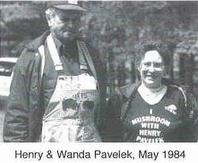
Henry Pavelek, Sr. joined NATS in 1982 and soon volunteered to serve as President. His energy and enthusiasm for truffles and truffling provided much of the driving force that established NATS as a sustainable organization. When Henry passed away, a scholarship fund was established in his memory. Scholarships are awarded each year at the December potluck to selected students who are studying for careers in mycology. Recipients are nominated and voted on by the NATS Board of Directors.
For more information and a link the application form, click the button below.
|
|
Nancy Keller Wins Award Named for Charles Thom, MSA Charter Member and President
Belated congratulations to our colleague, Nancy Keller, Editor of Fungal Genetics and Biology and Robert L. Metzenberg and Kenneth B. Raper Professor of Mycology, Department of Medical Microbiology and Immunology, Department of Bacteriology, University of Wisconsin – Madison. Nancy is the recipient of the 2020 Charles Thom Award.
|
|
Thank you to all who have donated to MSA funds since our last publication of Inoculum!
|
|
We Want to See Your Fungal Photos! |
|
Your fungal photo could be featured as the header for the next issue of Inoculum!
MSA is calling for your photos! Chosen photos will appear in future issues of Inoculum. Submit your photos along with your name and any text you'd like to accompany the image (optional) using the button below!
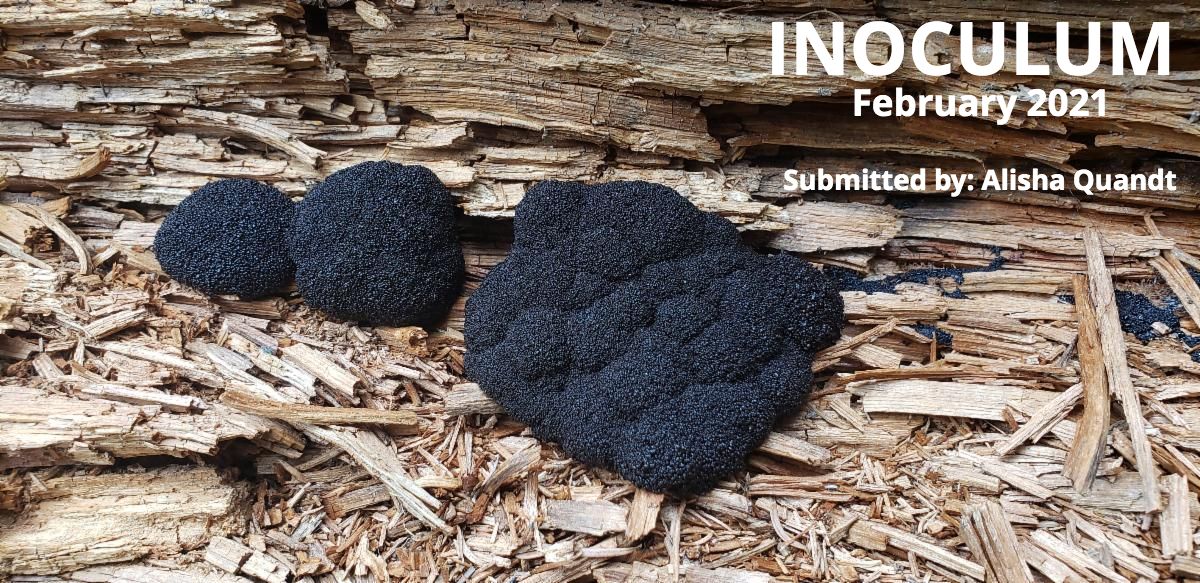
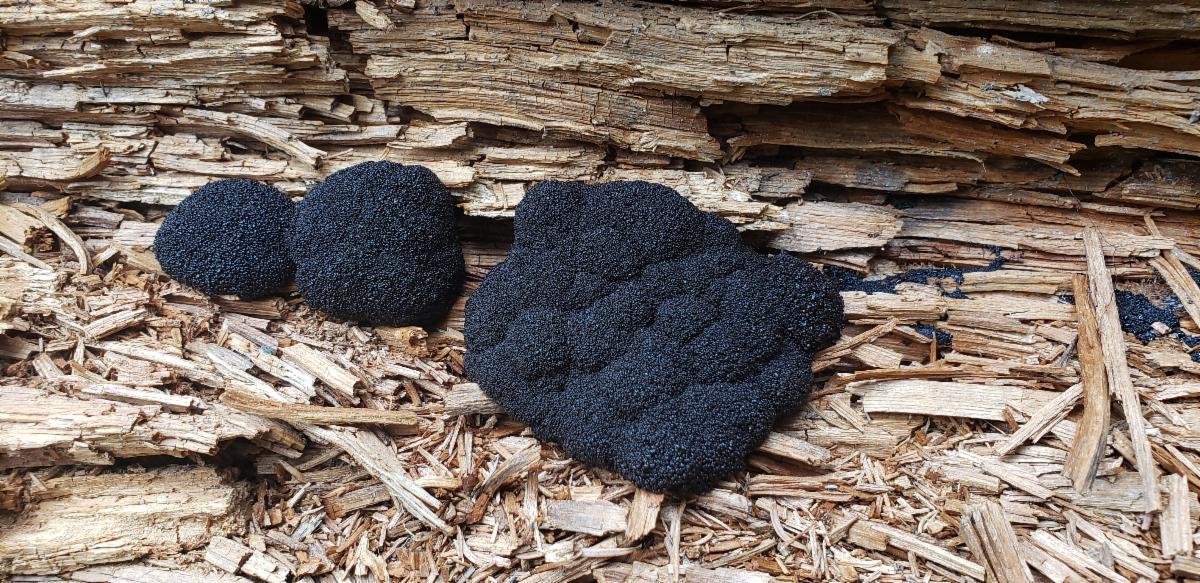
The header for this issue of Inoclum was submitted by Alisha Quandt: "Slime mold Lindbladia tubulina in Rocky Mountain State Park (Colorado) in August 2019."
Thank you for submitting your photo, Alisha!
|
|
The Mycological Society of America | (608) 441-1060 | 2424 American Ln. Madison, WI, 53704 | MSAfungi.org
|
|
|
|
|
|
|