Science-based solutions for healthy and resilient communities, food systems, and environments. | | A Message From the UCCE Director | | |
We’ve moved - again! UCCE Ventura has finally completed a long and laborious move, and we are happy to welcome you to our new location at 1923 Eastman Ave Suite A-2 in Ventura. This new space includes a classroom and lab space to ensure we can deliver on our mission of applied research and education in support of Ventura’s agricultural industry, youth, and our food system. More to come as the dust settles, and we get the space up and running.
It’s crop report time and if you have not seen the 2025 Ventura County Crop Report, Making Cents, I highly recommend it. Commissioner Bell and her team report a 4% increase in gross agricultural value bringing Ventura agriculture up to $2.4 billion. At the same time, the report highlights the growing costs of farming in Ventura County and how thin the economic margins are for many of our growers.
Commissioner Bell’s call to action is for “continued innovation and policies that support farming as a vital economic and environmental foundation of our county.” UCCE is one of many partners working to support agricultural efficiency, innovation, and support for sustainable practices to ensure the future of food in Ventura County.
Shannon
UCCE Director in Ventura, Santa Barbara, and San Luis Obispo
| | Agricultural Advice from UCCE Advisors | |
As El Niño looms, scientists raise concerns about erosion in Altadena burn scar
Author: Caroline D Champlin
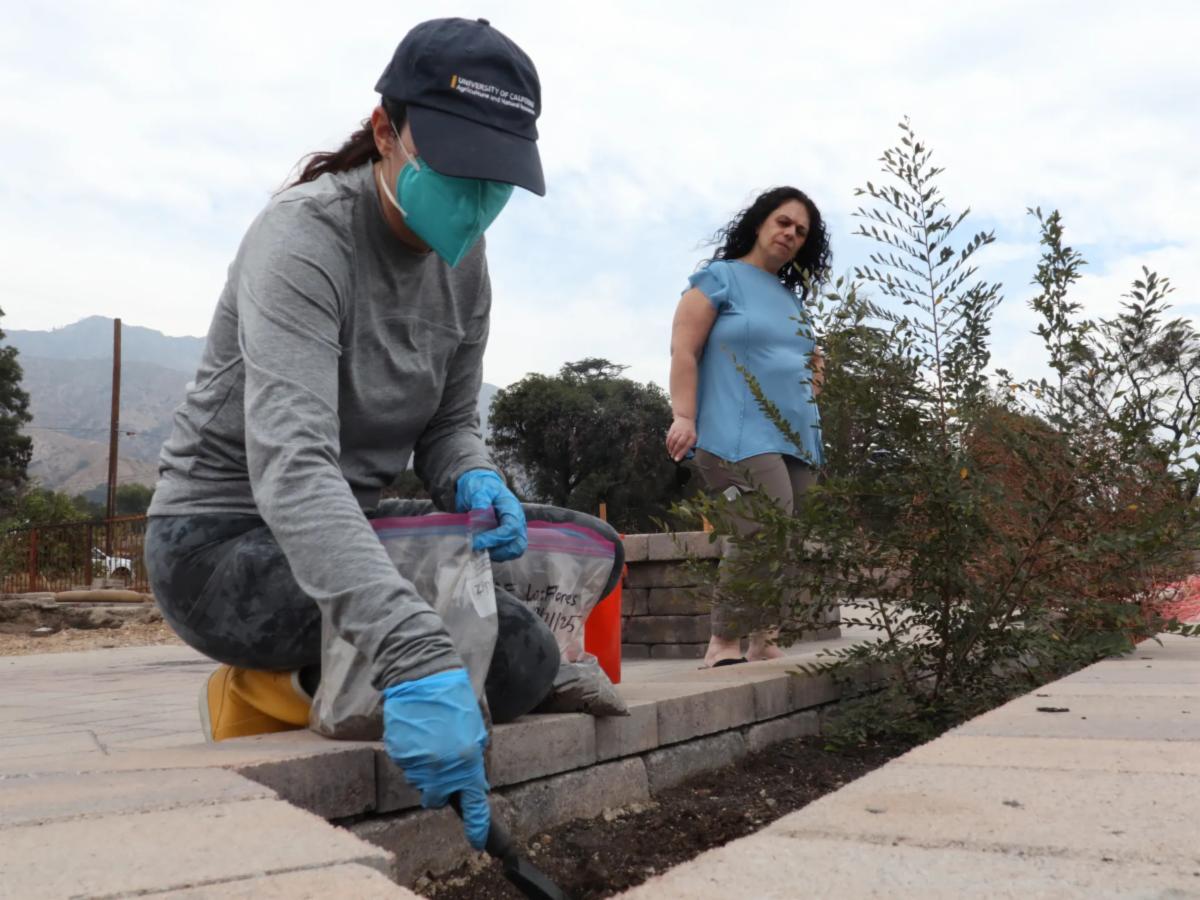
UC experts recommend using free public compost to ‘cap’ soil, keep heavy metals out of waterways
Climate forecasters are sounding the alarm: we’re in for an El Niño year.
This anticipated weather cycle may bring heavy rain and flooding to California over late fall and winter. According to Daniel Swain, climate scientist with the University of California Agriculture and Natural Resources, it likely will become the strongest El Niño event in recorded history.
“While there’s not a one-to-one relationship between El Niño’s strength and California rainfall, the exceptional intensity and other characteristics of this year’s event will substantially increase the odds of a wetter-than-average winter in southern California,” Swain said. “That will likely mean an increased risk of heavy precipitation events that could lead to flooding, including in and near recently burned areas.”
In Altadena’s burn scar, this forecast is especially concerning. In January 2025, the Eaton Fire wiped out trees and other vegetation whose roots typically hold soil in place, leaving the topsoil more vulnerable to getting washed away during strong storms.
Further complicating matters, the soil in fire zones can be hazardous. While the Army Corps of Engineers scraped burned lots to remove fire debris, follow-up testing by UC scientists and other universities has confirmed heavy metals like lead still remain on some properties. Erosion risks carrying those chemicals into local waterways.
“Heavy rainfall literally cuts into the soil, and that’s what leads to topsoil loss,” said Natalie Levy, soil health and organic materials management advisor for UC ANR. “Every rainy season, especially when we have predicted heavy rainfall, you’re going to want to think about erosion on your property and what you’re doing to mitigate that.”
| |
Using Trichoderma Biocontrols to Manage Soil Fungal Pathogens and Productivity for Vegetables
September 16, 2026
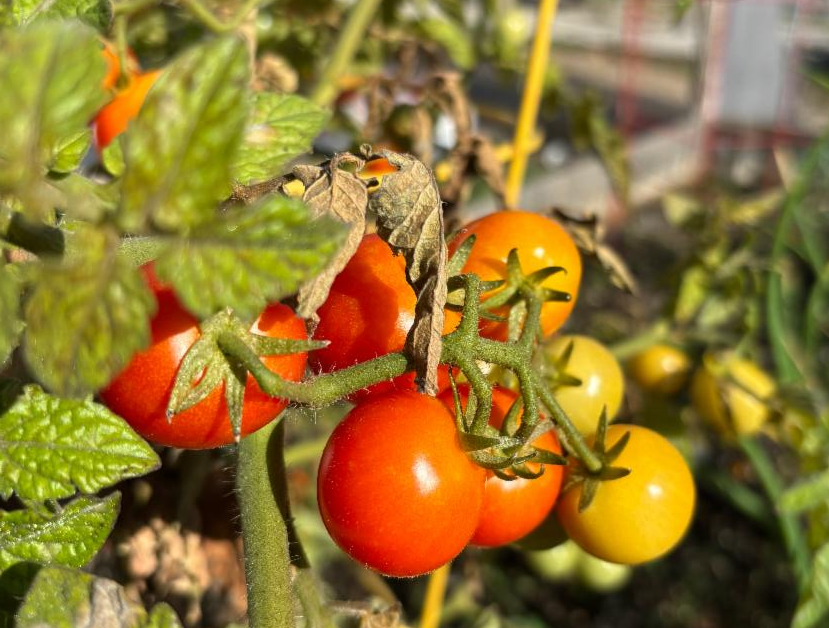
In this webinar, Dr. Zheng Wang, University of California Cooperative Extension in Stanislaus County, will cover information on effective use of Trichoderma-containing biofungicides for preventative measurements toward soil fungal pathogens mainly in processing tomatoes and watermelons. It will also cover trial results on the actual field evaluation of Trichoderma biofungicides in these two vegetable crops. Focused diseases are mainly fusarium stem rot and decline (FRD) on tomato and charcoal rot on watermelons.
| |
Dragon Fruit Production Workshop & Farm Tour Field Day in Escondido, CA
September 18, 2026 | 8 AM - 5 PM
From variety selection and field establishment to irrigation, pest management, harvesting, marketing, and value-added products, this workshop and field day brings together research-based information, hands-on demonstrations, local grower experience, and valuable industry resources.
| |
Healthy Garden-Healthy Home
Upcoming Webinars:
- 10/24 Grow a Salsa Garden
| | |
Oaktober is Coming
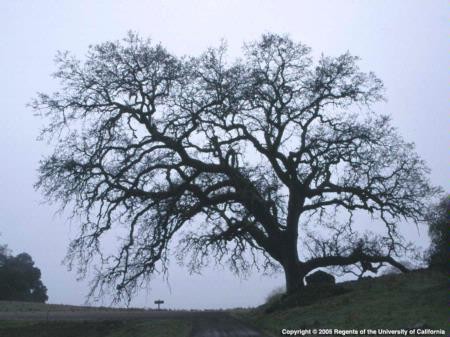
Autumn heralds change: Shorter warm to hot days, longer crisp nights, onshore winds, harvest, more structured schedules. It is also the unofficial month more commonly celebrated throughout the United States commemorating one of our most revered and iconic trees: The oak.
County of Ventura Sustainability Division will support many educational, restoration, and family activities next month to support Oaktober. Stay tuned for event announcements. The many oak-studded communities located throughout the county are draws for locals, tourists, and new residents.
Oak facts:
- Oaks provide habitat for over 500 species of animals, plants, bacteria, insects, and fungi. The inter-dependence of these creatures contributes to ecological balance.
- The trees provide other ecosystem services, including and not limited to surface and groundwater purification, slope and soil stabilization, air quality improvements, carbon sequestration, lowered temperatures especially during heat events, and lower crime rates.
- Live oaks are shown to be excellent ember catchment devices during wind-driven fire events.
- A majority of oaks survive wildfire. Their extensive root system is more than twice the size and circumference of the canopy. The trees recover rapidly by trunk and branch sprouting.
| |
Goldspotted oak borer (GSOB):
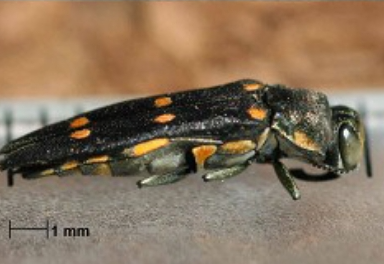
The recent discovery of the beetle in parkland of the Santa Susana Mountains in east county near the Los Angeles County line creates a need for public awareness about signs, symptoms, and how to report a suspected infestation. UCCE-Ventura offered several events earlier this year for land and resource managers, groups that work with trees, and the general public. We intend to offer additional GSOB blitz events and oak woodland health/GSOB trainings in the months ahead. UCCE recommends the following steps the public can take to increase awareness about the beetle:
-
Either attend an educational event about GSOB or access educational resources at gsob.org.
- Ensure that all agency, private, or non-profit group personnel that interface with trees are trained to recognize signs and symptoms of GSOB infestation.
-
Do not take action to treat or remove an oak with possible infestation until confirmed by GSOB experts. The reporting tool is located on the homepage of gsob.org.
-
DON’T MOVE FIREWOOD! Nearly all new infestations are determined to have been introduced by infested firewood. The beetles lack the ability to fly distances. Humans are the vectors. California Firewood Task Force | Home.
| | UCCE Community Education Programs | | | | UC Master Gardener Program | | | | 4-H Youth Development Program | | |
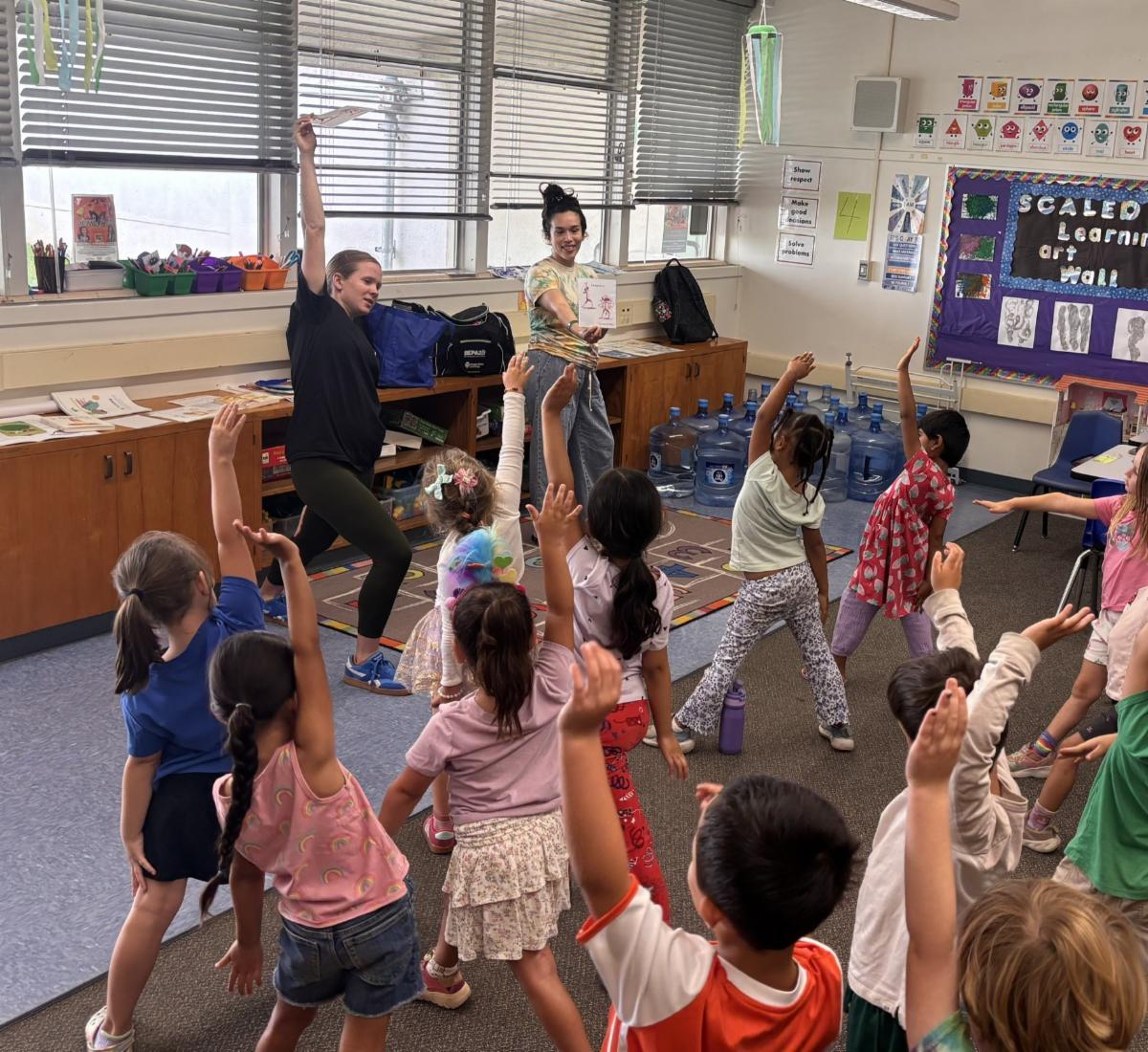
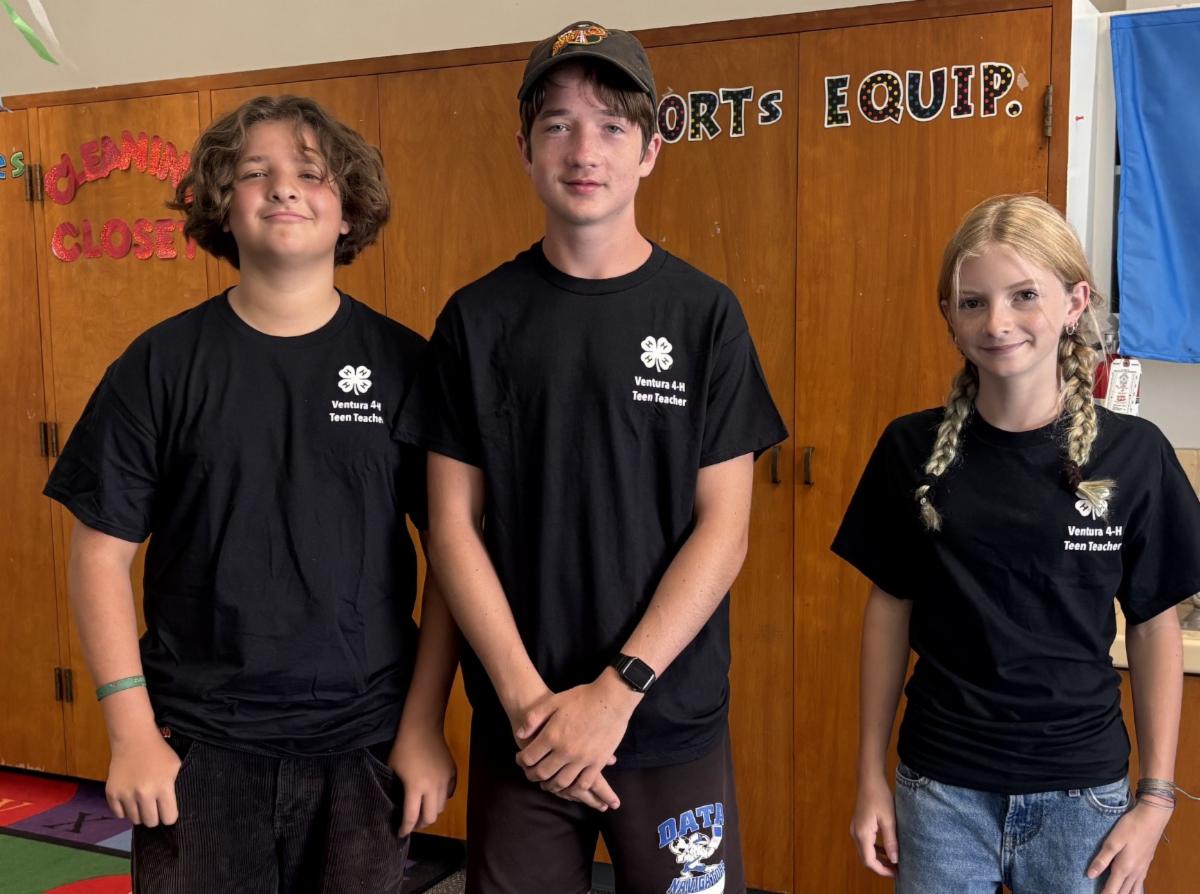
This summer, our Ventura 4-H Teen Teachers led lessons on yoga, kindness, and mindfulness for youth attending YMCA summer camp at Poinsettia Elementary School. Each session began with a story, followed by a lesson and hands-on activity or game. Supported by a National 4-H character development grant, this program helped younger youth practice mindfulness, manage emotions, and show kindness while giving teens an opportunity to strengthen their leadership and teaching skills.
Photos are courtesy of Melissa Guillen, 4-H Youth Development Advisor
| |
Santa Barbara County Farm Day
September 19, 2026
On September 19th, 2026 from 10:00 AM to 3:00 PM, more than 20 Santa Barbara County farms, ranches, and agricultural organizations will open their doors and invite the public to experience a day full of FREE agricultural activities and tours during the 8th Annual Santa Barbara County Farm Day!
Guests can expect to experience a variety of activities from behind-the-scenes tours, tractor rides, produce tastings and giveaways, and plenty of kid-friendly exhibits.
| |
California Organic Center Field Day
October 1, 2026
This Field Day examines that transition. We will take a critical look at plastic mulch, widely used in both conventional and organic systems, and present research on high-residue cover crops and reduced tillage as biologically driven alternatives. This is not about eliminating a material. It is about redesigning how the system functions.
| | |
UCCE in Ventura, Santa Barbara, and San Luis Obispo counties improves the lives of local residents by working with growers, families, volunteers, and partners to advance science-based solutions in agriculture, natural ecosystems, community health, and youth development.
Your support helps in many ways.
Thank you.
| | | | |