Summertime-Sum-Sum-Summertime! | |
|
In this issue:
- Head Banger Neighbors
- June is Pollinator Party Time!
- Upcoming Summer Programs
- Story Time for Young Children
- Tales From the Trails: Migratory Meanderings
- Greenways: "Lazy Gardening"
- In case you missed these articles...
| |
|
Head Banger Neighbors?
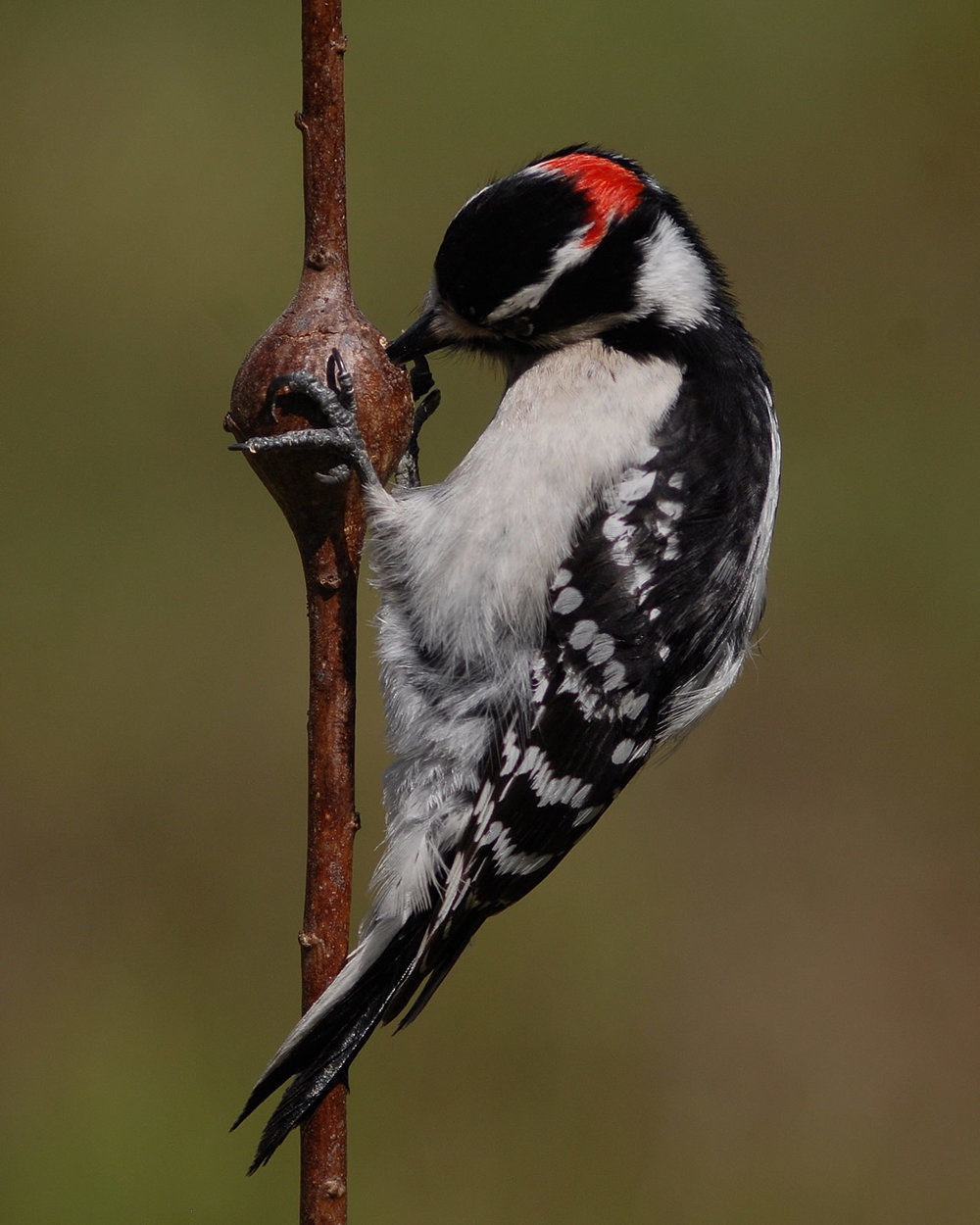
At this time of year, you may be attending percussive “outdoor concerts” that you never planned to attend. Your head banger neighbors are woodpeckers that often live quietly and unobtrusively with you year round, but the arrival of spring signals a change in their behavior.
(Downy Woodpecker photo by Warren Uxley)
| |
|
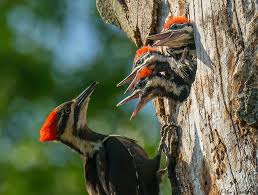
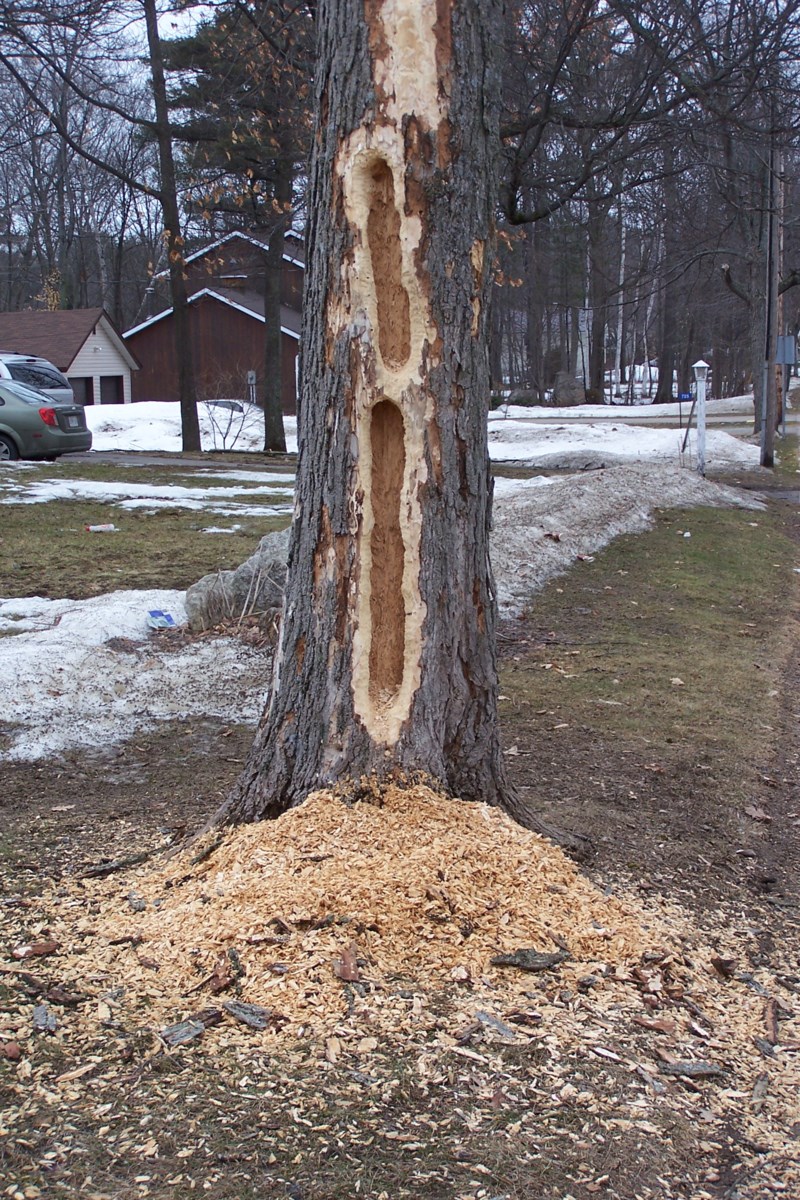
Woodpeckers whack on trees for a number of reasons. As cavity nesters, they will excavate a hole in dead and dying trees to house the incubating female, the eggs, and later, the growing nestlings. In order to feed those nestlings, woodpeckers will also visit these trees for reliable food sources,
such as grubs, ants, and other insects. (Pileated Woodpecker photo by Peter Christoph)
| |
|
The pounding during these activities doesn’t necessarily have a recognizable pattern or rhythm, as the goal is to obtain food or chisel out a hole. In contrast, the drumming that we commonly hear in spring has a definite rhythm and intent. The louder the drumming, the bigger impression the drumming male makes on potential female mates and male competitors. Loud drumming proclaims the bird’s territory, which includes his mate, nesting tree, and food resources. So, those human sayings like “location, location, location,” and “it pays to advertise,” come into play in the bird world, too. | |
|
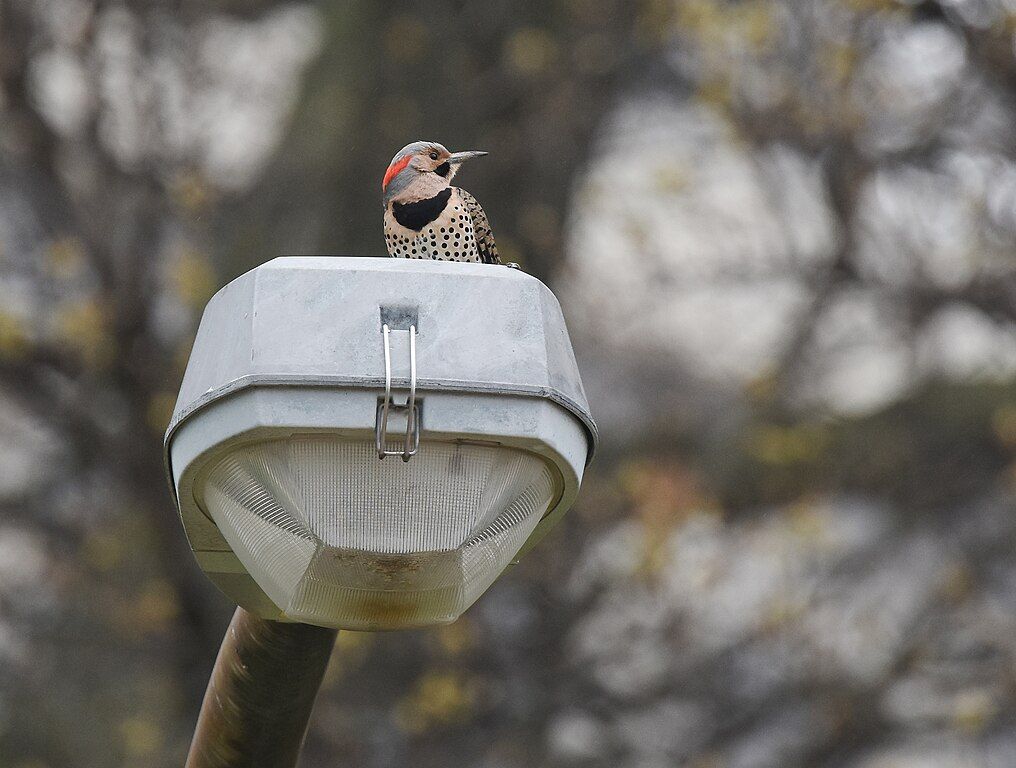
Resonance is the key to broadcasting this audio message. A big, hollow tree is a reliable way to amplify the drumming, but even more effective is to drum on metal! As heard on National Public Radio (NPR), some of you may have experienced this heavy metal concert is your neighborhood woodpeckers have discovered this phenomenon. They have been known to drum away at plumbing vents, TV antennas, satellite dishes, drainpipes, gutters, chimney caps and metal poles or signs. (Photo of Northern Flicker courtesy Wikimedia Commons)
| |
|
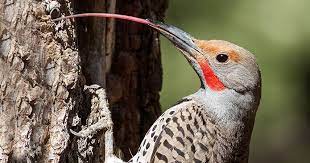
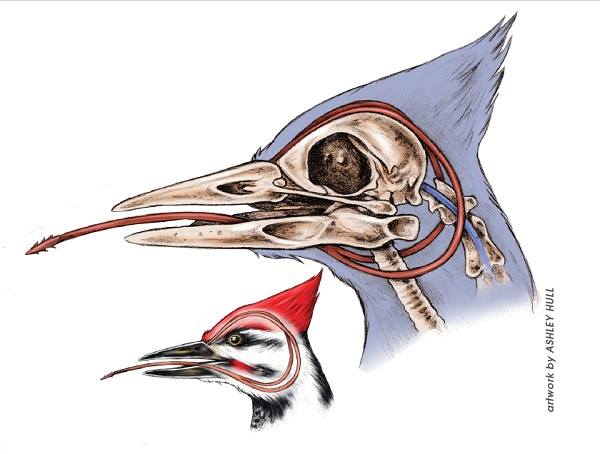
Woodpeckers pound their heads into tree trunks [and other things] about 12,000 times per day, at speeds of 6 to 7m/s. After all this head banging, how do woodpeckers avoid traumatic brain injuries?! Like all birds, woodpeckers have tongues tucked inside those large beaks. They all tend to have surprisingly long tongues, though, and storing an exceptionally long tongue inside a relatively small head is a challenge. Woodpeckers have some unique anatomical features to make this happen. (Northern Flicker photo by Ken Griffiths)
| |
|
Some scientists have long hypothesized that a spongy bone, the hyoid, in the woodpecker’s skull cushions its repeated head slams like a well-designed safety helmet. (Indeed, industrial designer Anirudha Surabhi has modeled football helmets and shock-absorbing electronics after this idea.) But there is some debate regarding woodpecker head trauma, based on a new analysis that posits the birds may be opting for power over protection.
| |
|
Researchers at the University of Antwerp showed adding shock absorption wouldn’t actually help protect the birds’ brains. If its head absorbed part of the impact, the bird couldn’t exert as large a force—meaning the woodpecker would peck less wood. In order to penetrate to the same depth with shock absorption, the birds would have to headbang harder, counteracting any built-in protection.
“The take-home makes a lot of sense,” says biochemist Thomas Roberts at Brown University. “If you’re driving a nail with a hammer, you don’t want to put a pillow between the hammer and the nail.”
That's a very good point!
-Dorothy McLeer, EIC Program Manager
| |
|
June is Pollinator Party Time! | |
The Pollinator Power Party is held in conjunction with National Pollinator Week, which has been running for more than 10 years. Fourteen years ago the U.S. Senate’s unanimous approval and designation of a week in June as “National Pollinator Week” marked a necessary step toward addressing the urgent issue of declining pollinator populations. | |
|
|
What's New at the Community Organic Garden?
The Community Organic Garden at UM-Dearborn was recently awarded a Detroit Pollinator Habitat Kit from the Xerces Society, a science-based non-profit organization that promotes conservation of invertebrates, such as insect pollinators, and their habitats. Habitat kits include large batches of native pollinator-friendly wildflowers, grasses, and shrubs, which are distributed to community serving historically underserved urban farms, community gardens, and local community organizations in Detroit and the Detroit Metro area.
A group of UM-Dearborn's Bee Campus USA Committee members, including Sustainability Programs Coordinator Grave Maves, Dr. David Susko, and staff and students from the EIC and Planet Blue Ambassadors developed the proposal to create a new pollinator garden that would be incorporated into the EIC's Children's Garden Program.
| |
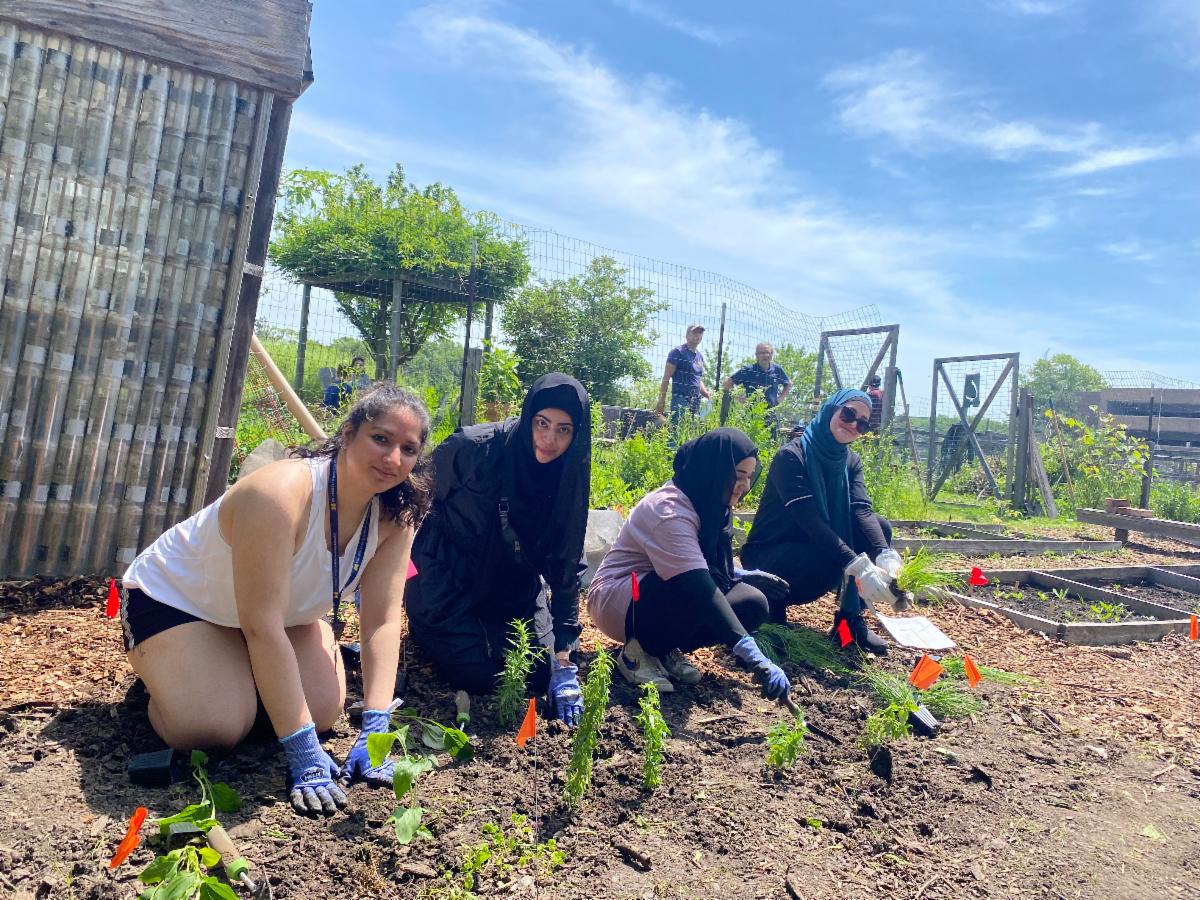
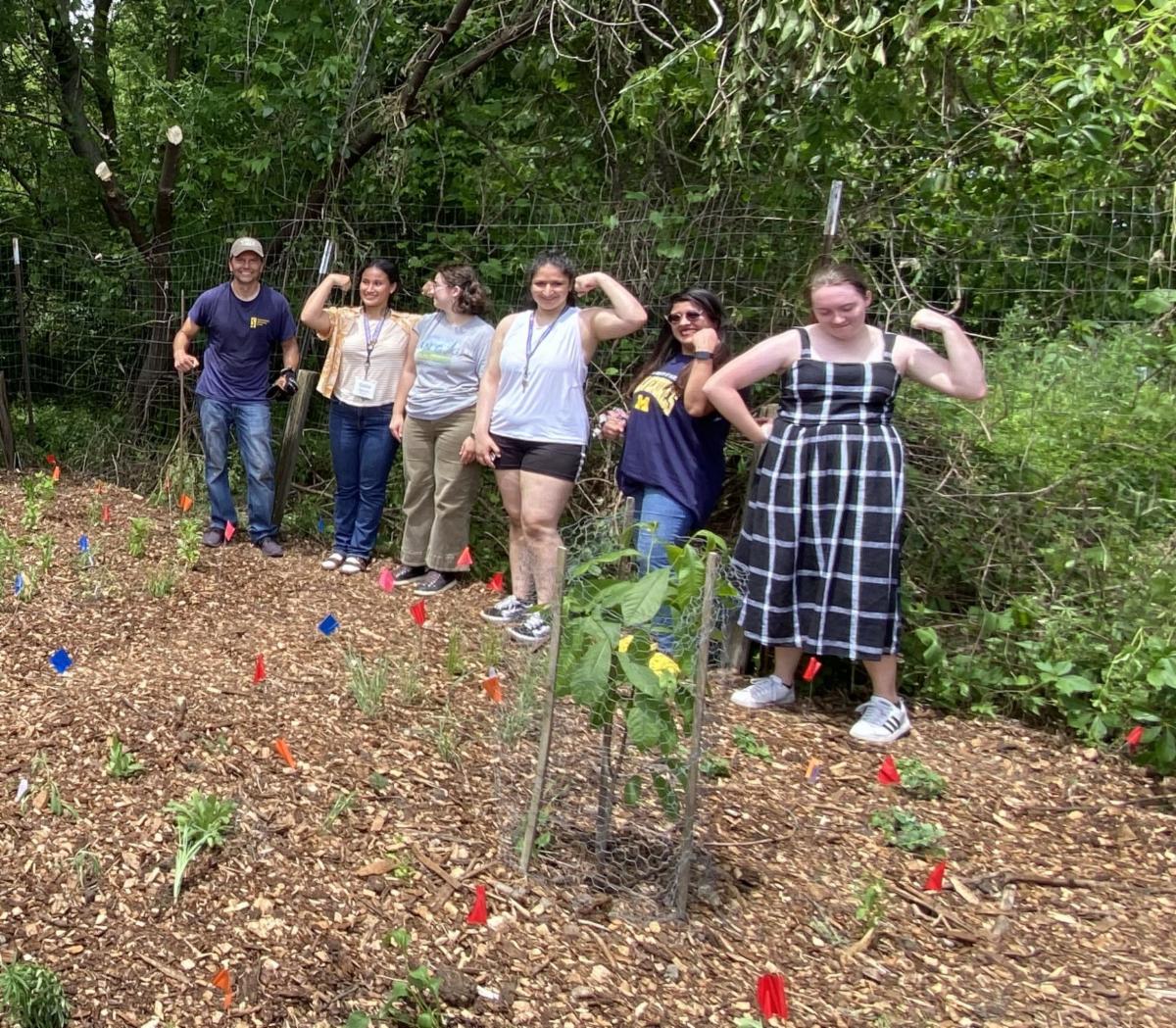
On June 4th, fifteen faculty, staff, and student volunteers assisted with preparing and planting the new garden with nearly 170 native perennial plants belonging to two dozen plant species. In years to come, guests will enjoy spotting many native bee species, including bumble bees, mason bees, and carpenter bees, as well as many species of beetles, butterflies and moths, visiting the pollinator garden. (Photos by Grace Maves) | |
|
|
The Pollinator Photo Contest is Back!
The EIC and UM-Dearborn’s Bee Campus USA Committee are pleased to announce that they are now accepting entries for the 5th annual Pollinator Photo Contest. Since 2020, hundreds of photos have been entered into the contest from 24 states in the US, as well as other countries, including Canada, Lebanon, Finland, Germany, and Chile. (2023 winner "Insatiable" by Curtis Coates)
| |
Photos may be submitted in either of two categories: pollinators up-close of pollinator-flower interactions. Entries will be accepted from June 1 to September 30, 2024, with winners announced by the end of October. Full contest details are available by visiting the Pollinator Photo Contest Website. | |
For "Grown-up Kids"! *
Workshop: Pond Life Exploration and Identification
Friday, June 21, 7:00-8:30pm.
(Meet at EIC 6:45)
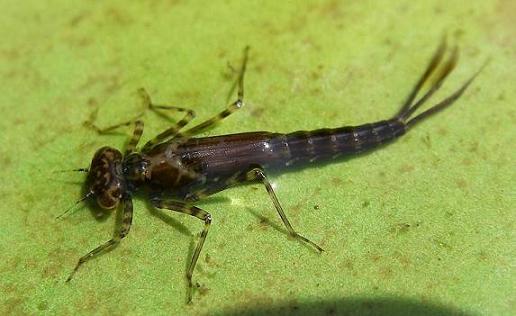
Water quality of aquatic habitats can be evaluated by the types of organisms that reside in them. Join us for a hands-on workshop to survey macroinvertebrate life in the Rose Garden Pond. You will learn how to identify these fascinating creatures, and what their presence reveals about habitat health. (Damselfly naiad by Jo Wilhelm)
*18 years and older only, please register for this program-- limited to 30 registrants.
| |
|
Summer Young Naturalist Program
Monday - Thursday
9:30 am -12 noon
Ages 7-9: July 8-12
Ages 10-11: July 15-18
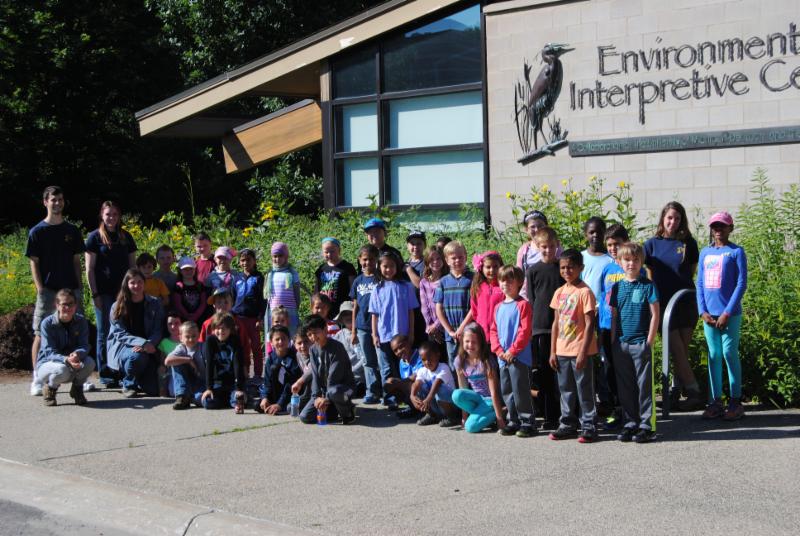
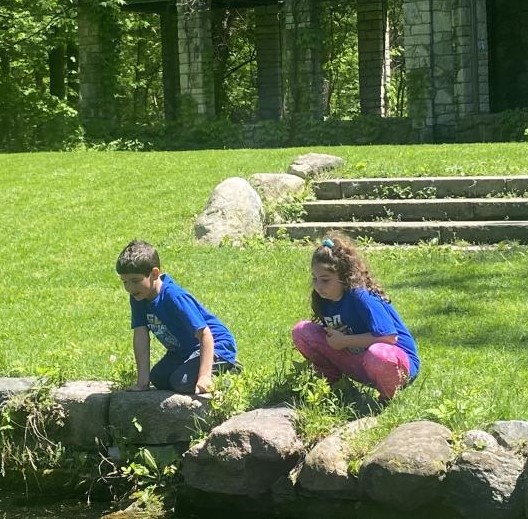
Get your children outdoors and learning about nature! Led by EIC staff and UM-Dearborn student interpreters, this science-oriented program provides direct, hands-on learning in a beautiful natural setting. Session topics will include pond life, birds, insects and spiders, and frogs and turtles.
The program fee is $60. Registration is required.
Nature Walks for Mental Health, Summer 2024
Schedule: 1:30-2:15 p.m. on Wednesdays, June 5, 19, July 3, 17
Relax, unwind, and get outside; with brief guided meditations, and 45-minute nature walks. You will be entered into a raffle for each event you attend, where winners will be announced at the final walk and celebration. Please dress appropriately for walking outdoors. This event is free and open to the public. Please register for this program.
Photography Walks, Summer 2024
Schedule: 2:30-3:30 p.m. on Thursdays, June 27, July 25, Aug. 22
Take a hike with an EIC Naturalist and Nature Photographer! Bring your own cameras and accessories, we supply the scenery. There will also be opportunities to submit your photos to be displayed in a Photography Showcase in April. Please dress appropriately for walking outdoors. This event is free and open to the public. Please register for this program.
| |
Story Time for Young Children | |
|
Join us for an hour of fun!
Free & open to the public. Best for children 7 and under.
Music & Bubbles, Observe Wildlife, Nature Themed Books, Crafts or Activities
Wednesday, June 12th, July 17th
4:00-5:00 p.m., optional walk afterward
For adults bringing children of various ages, there is an option for older kids (7+) to enjoy a nature walk with an EIC naturalist while younger kids. Please register for this program. Meet in the EIC Exhibit Area.
| |
Reflections on the Spring Bird Migration
With the very tip of the tail end of bird migration at hand, now is a good time to reflect on the Center’s recent Saturday morning public bird walks during the peak migration period April 27-May 31.
| |
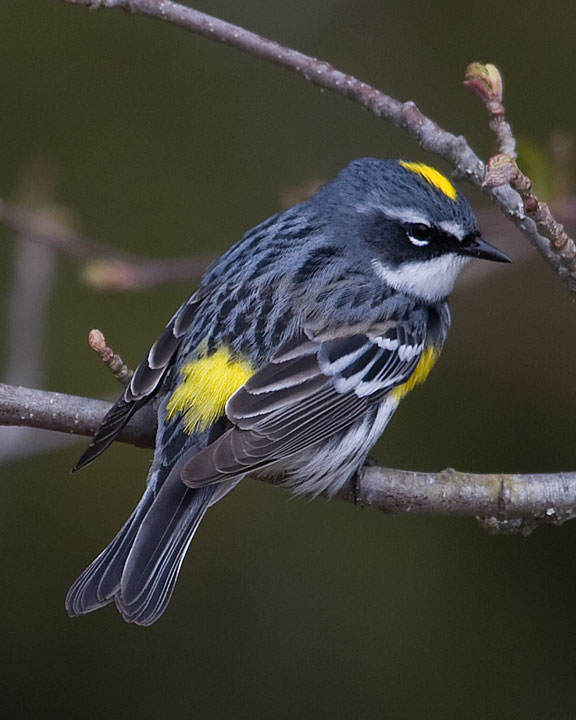
Our first Saturday bird walk met our early season migration expectations. We bumped into a very nice pocket of over a dozen Yellow-rumped Warblers along the Lakeside Trail. Other migrants included Palm Warblers, Golden-crowned and Ruby-crowned Kinglets, a Yellow-bellied Sapsucker, and a Brown Thrasher singing an uncharacteristically subdued version of its usually loquacious and boisterous song. (Yellow-rump photo by Marty Jones) | |
|
On our May 4 walk, a highly advanced leaf out, uncharacteristic for early May, impeded our bird “watching.” A new batch of migrants had arrived, but the leaves obscured our view. A fun challenge presented itself--bird identification by sound. Some folks pulled out their smart phones, using Cornell’s Merlin app, which revealed the songs of a Blue-headed Vireo, Warbling Vireo, Blue Gray Gnatcatcher, Ovenbird, Black-throated Green Warbler, Scarlet Tanager, Rose-breasted Grosbeak, and a very close at hand performance from that flautist of the forest—a Wood Thrush. | |
|
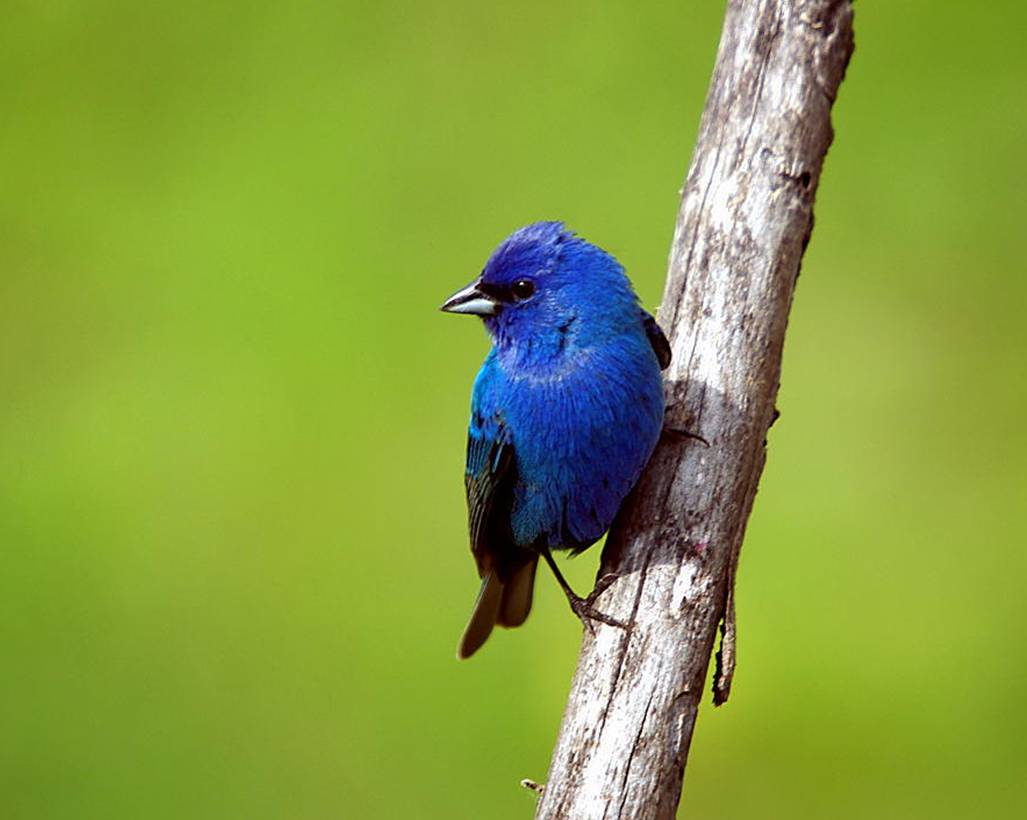
Despite the welcomed arrivals on May 11, of a male Indigo Bunting, displaying his cobalt blue plumage nearby, and other migrant arrivals as Red-eyed Vireos, and Great Crested Flycatchers, by May 18, we heard no new migrant arrivals. Although we enjoyed some very nice bird sightings during the following two Saturday walks, it was odd that we encountered no new arrivals.
(Indigo Bunting photo by Norm Townsend)
Having already missed a number of neotropical migrant species that would be expected in the first half of May, migrants during the latter half of the month were even more sparse. What gives? That is a question a number of folks—including myself—are asking about the overall scarcity of birds during this year’s spring migration.
| |
|
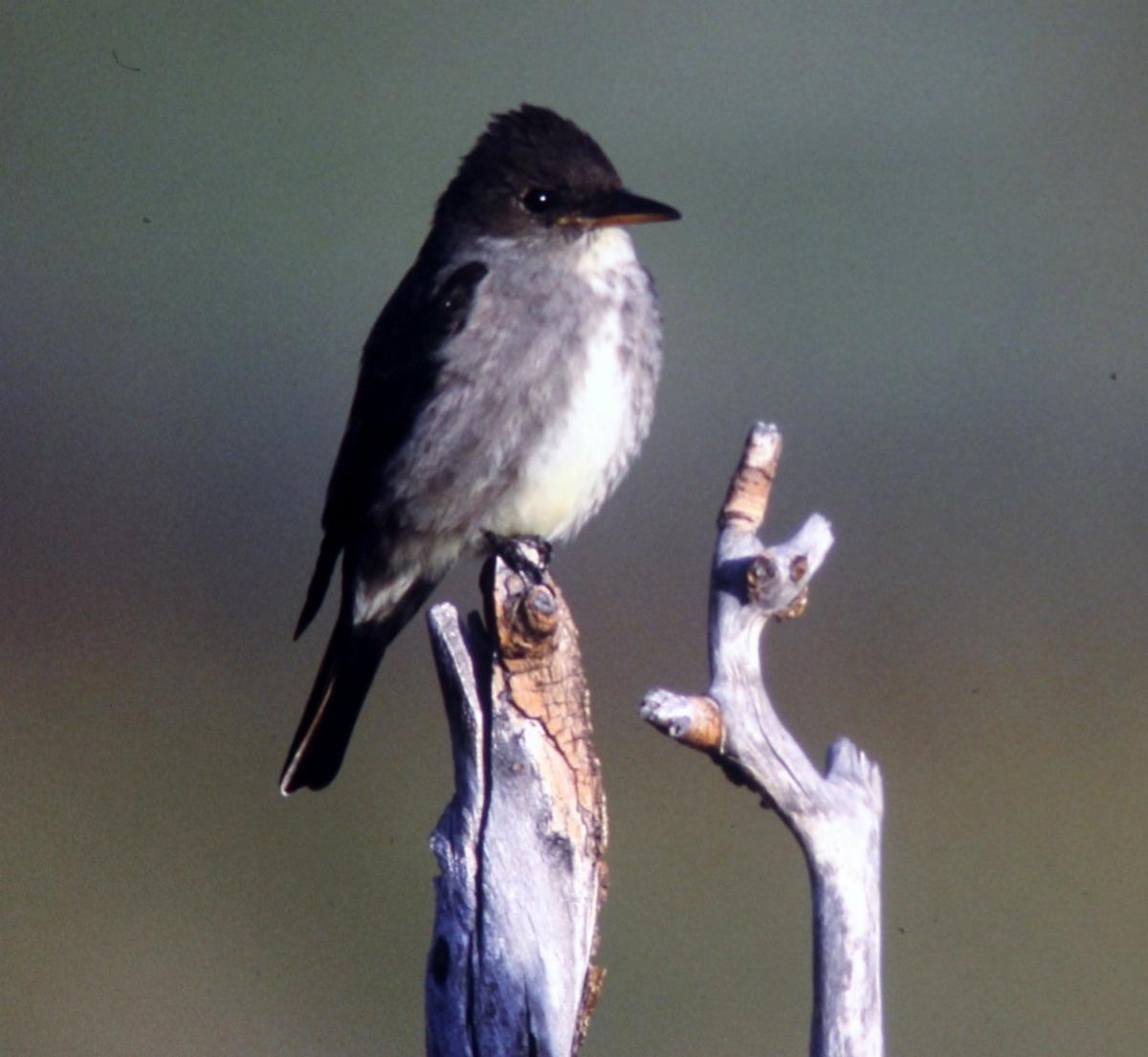
Our final walk, on May 31, was wonderfully highlighted by the presence of a singing male Eastern Wood Pewee along the Orchard Trail. Everyone in the group enjoyed excellent views of this understated bird, who was clearly setting out to attract a mate and establish a nesting territory. It was a heartwarming reminder that the pewees, as well as other migrants that had made it through the perils of long distance northbound travel, were now engaged in the serious business of replenishing their populations. (Eastern Wood Pewee photo by Jim Simek)
| |
|
Thanks to Deborah Edwards-Onoro, who joined the group for several of the walks, we have this checklist of all the bird species we saw and/or heard.
As always, an added bonus to our regular Saturday walks was the wonderful camaraderie that comes from bird watching with like-minded people. Let’s do it again sometime!
-Rick Simek, Natural Areas Manager
| |
|
"Lazy Gardening"
Although gardening can be a rewarding and relaxing pastime, it can also take a lot of work! However, gardening does not have to be an exact science, and there are many ways to make your experience much easier and less time-consuming.
| |
|
|
“Lazy gardening” is an option. Taking a step back from yard work can really help local pollinators, like butterflies. Simply leaving a patch of your lawn uncut can provide a safe haven for young caterpillars to feast and grow. Native plants are often the only plants that can serve as foods for many different pollinators and insects, which in turn moves up the food chain to birds and other creatures.
To keep things simple, it is important to start small and use low-maintenance plants. Although it is tempting to fill your yard with exotic flowers and interesting vegetables, that can result in a garden that requires much more time and care than necessary.
| |
|
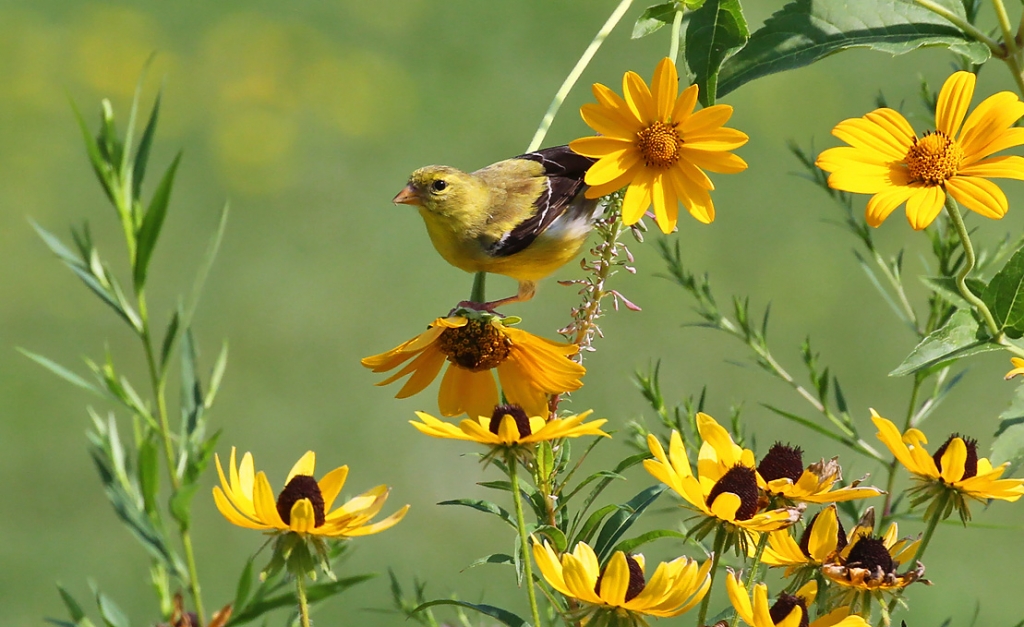
Find a small portion of your yard to focus on at first, and fill the area with native perennial wildflowers. Native wildflowers are adapted to the existing environmental conditions, so they require less water, fertilizer, and general maintenance. In addition, perennials will come back every year, so you can avoid continuous replanting in your garden. If you are more interested in growing vegetables, asparagus, tomatoes, pumpkins, beans, cabbage, onions, and radishes are just a few of the lower-maintenance plants to grow in Michigan.
(American Goldfinch on native sunflower courtesy Urban Ecology Center)
For more nutrient-rich soil, try adding organic material–such as compost or manure–on top of the soil while planting rather than continuously digging downwards.
| |
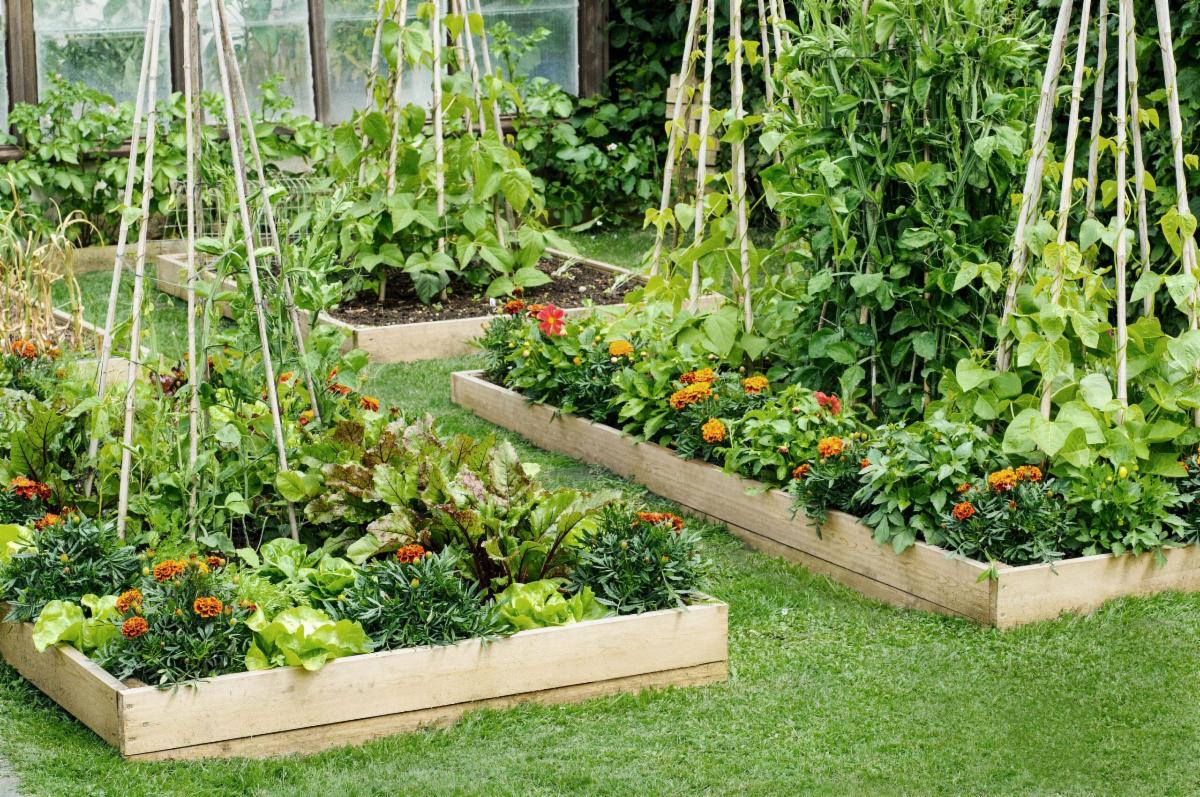
Using raised beds can also help preserve nutrients for your plants to use. To both retain soil moisture and discourage weed growth, try growing plants a bit closer together than usual. Adding a light layer of mulch around your plants–whether it be woodchips, dry leaves, or other natural materials–can also prevent weeds. | |
|
|
So, while gardening may seem overwhelming at first, there are various strategies that result in a garden that needs much less watering, weeding, and maintenance, as well as reconnecting native plants with native wildlife right in your own garden! Sit back and enjoy the fruits [and vegetables] of your own labors.
-Valerie Osowski
EIC Cooper Family Intern and Community Organic Garden liaison
| |
In Case You Missed These Articles...
Get Outdoors and Explore
From historic structures to native plant species, EIC experts point out a few interesting finds you can see on the campus trails. (Photo by Sarah Tuxbury)
Enjoy a scenic walk that highlights actions taken to improve the health of the Rouge River and wildlife populations.
| |
|
|
To support sustainability efforts and promote bike safety, sharrows and new signage will appear this summer.
| |
|
We hope to see you at our EIC programs. Our trails are accessible each day of the year from sunrise to sunset, so please visit the Environmental Study Area.
Stay engaged in learning activities and check out our Remote Learning Activities & Resources page for ideas to create a “Neighborhood Nature Journal” and “Family Nature Walk” activities!
| | |
Please remember...
The EIC Environmental Study Area is open daily from sunrise to sunset. We would like to remind nature-goers that fishing on site is prohibited and to leave bikes and dogs at home because they cause disruption and stress to the EIC wildlife.
| |
| | | |