How Do I Stay Safe Online?


As wonderful as the internet is, it is important to be smart about who we are connecting with. In this month's guide, you will learn:


  • How to report and stop online bullying
  • Traps that predators use and how to avoid them
  • Tips for parents on keeping your child safe online
  • Tips on teaching youth how to stay safe online
  • Resources for parents


C.A.S.T. provides an in-depth presentation on this topic in our "Power Over Predators: Your Brain Matters". Interested in the full presentation? Complete our Speaker Request Form.

Request a Speaker HERE


HOW DO I REPORT / STOP ONLINE BULLYING?


If you or someone you know is being harassed, threatened, or ridiculed online, don't respond to and don't forward those messages.


INSTEAD:


  1. Save and print screenshots, emails, and text messages of the cyberbullying.
  2. Provide this info to a trusted adult. If you are the trusted adult provide the info to law enforcement, and to website and cell phone service providers.
  3. Block the person who is cyberbullying.


Source: stopbullying.gov


TRAPS THAT PREDATORS USE & HOW YOU AVOID THEM


Predators hunt through any method that can connect two people


  • Cell phones
  • Social media
  • Gaming & apps
  • Websites, especially live video


It's not about good app or bad app - it's about the access a predator has to connect.


Online Predators May:


  • Ask you for a sexual image or video
  • Show you a sexual image of themselves
  • Ask you to do something sexual


How do you avoid the traps of online predators?


  • Never post personal information on social networking sites or apps (Turn off location on such apps)
  • Never respond to mean or rude texts or messages
  • Set profiles to private: friends only, not friends of friends (Only accept people you know)
  • Avoid sexual conversations online


Source: Power Over Predators

Discover Power Over Predators Lesson "Your Brain Matters"


TIPS FOR PARENTS


What steps can you take to keep your child safe?


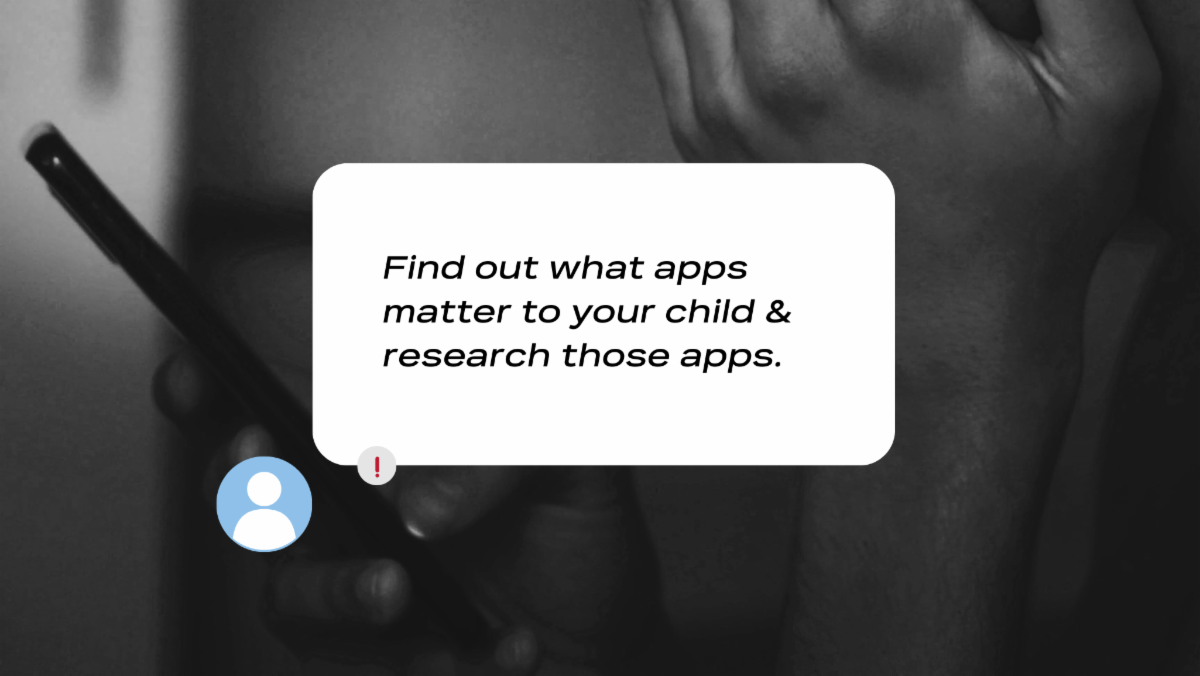
  1. Find out what apps/video games matter to your child (what apps/games do they like to go on often?)
  2. Research those specific apps (Google search: "Internet Safety: How do I keep my kid safe using (insert app name)?"
  3. Create situational drills
  4. Invite your child into the conversation to help you brainstorm ways they can stay safe — when they take ownership in the solution, they are more likely to remember and use it when a situation comes up


You don't have to be an expert on all apps — focus on the ones that actual impact your child. Have them teach/show you what they're interested in and why. It can be a great way to connect with them while also knowing where to start for internet safety.


Examples of Situational Drills


  • What do you do if a friend of a friend (who you haven't met in person) requests to follow you? What are the risks involved in accepting their request?
  • If someone reaches out to you online and says, "Hey, I go to the same school as you and want to connect." — What should you do?
  • If someone you're building a friendship with online says, "Your body is amazing, send me more." What are the risks involved with sending more? Who controls that image once it is sent?


TIPS ON TEACHING YOUTH HOW TO STAY SAFE ONLINE


Start by having a conversation and feel free to use the "Staying Safe Online Worksheet" below to work through the following:


Has someone you've never met in person said these things to you? These are common traps set by predators!


  • "It's our little secret."
  • "You're so much more mature."
  • "Your parents will never understand you like I do."
  • "It would make me so happy if you... ;)."
  • "Is it OK that I'm older?"
  • "I'm so glad I met you."
  • "I'd love to see you naked."
  • "I hope we can meet in person soon."
  • "Wanna chat?"


Safety Tips & Tricks from Love 146


  1. Don't trust the default privacy settings
  2. Have an exit plan (If someone is bothering you or talking to you in a way you don’t like, you can unfriend or block them, and you shouldn’t hesitate to!)
  3. Be a tiny bit paranoid
  4. Stay in safe online places
  5. Tell someone (if you ever feel uncomfortable)


You Don't Owe Them Anything


You don't owe people anything online. If a stranger reaches out, you're welcome to tell them they have the wrong number OR you are welcome to completely ignore it! If you tell them they have the wrong number and they still try to talk to you - that is predatory behavior. You don't have to respond. You don't owe them anything! You can follow the "How to Stop Online Bullying" steps above.


Source: Love 146

Power Over Predators Staying Safe Online Worksheet


RESOURCES FOR PARENTS


Parental Apps


If your content or AI generated content of you is posted on the internet you can get it taken down using National Center of Missing and Exploited Children's Take It Down.


Looking For More Prevention Resources?


Want additional talking points, situational drills, and a person to have direct Q&A? Request a FREE virtual or in-person speaker from C.A.S.T. for topics like:


  • Human Trafficking 101
  • Parent Workshops
  • Youth Presentations
  • Round Tables (small groups sessions for brainstorming and Q&A)
Request a Speaker HERE


Want to Share With Us How You Are Taking Steps Toward Prevention?

Fill Out Our (Anonymous) Feedback Form HERE


P.O. Box 251001,

Woodbury, MN, 55125

www.castmn.org

Facebook  Instagram