View as Webpage


SciStarter Newsletter − 2026

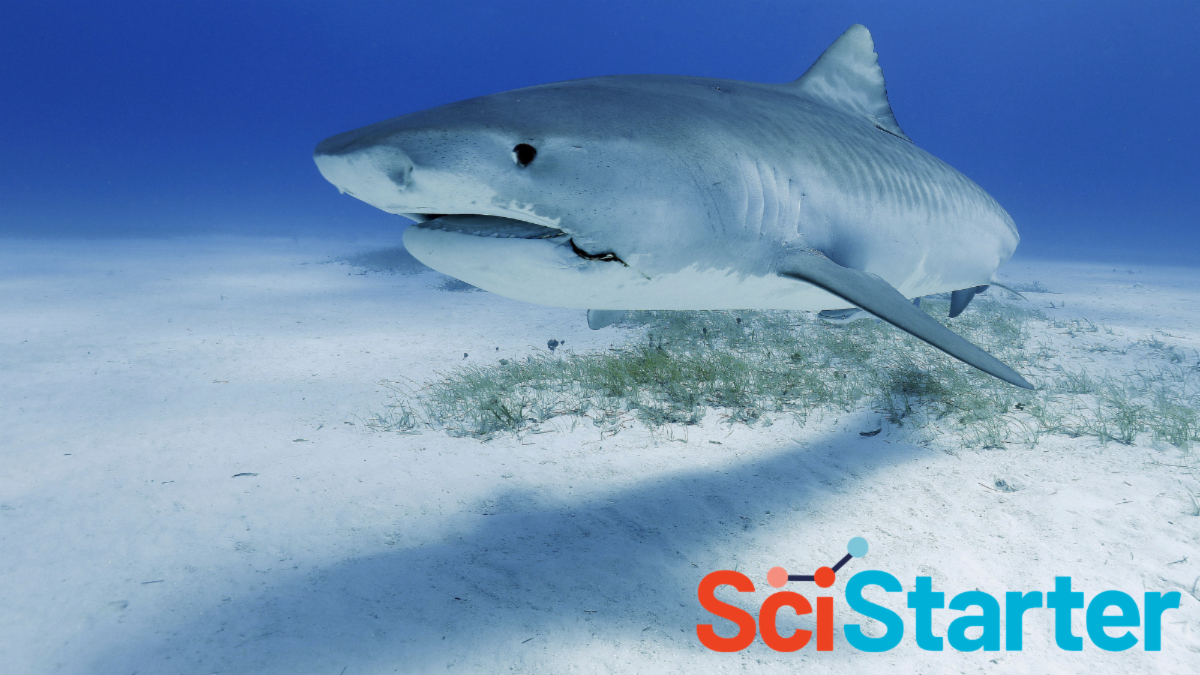
🦈 Get Closer to Shark Science


You don't need a wetsuit to help scientists study sharks. Whether you're at the beach or at home, there are many ways to participate in real research. Yes, your photos and your clicks matter.


In fact, a recent study used wildlife photos shared by volunteers through iNaturalist to map 44 species of sharks and rays along Mozambique's coastline, the first assessment of its kind for the region.


Ready to explore? Below are just a few ways to help scientists better understand sharks and the oceans they call home.


And check out National Geographic's Hammerhead Sharks Up Close with Bertie Gregory on Disney+ and Hulu or Shark Week on the Discovery Channel, starting TODAY!


Soon you'll be regaling friends and family with shark facts. Did you know scientists can estimate a shark's age by counting the paired growth bands on its vertebrae, much like counting the rings on a tree? And no two whale sharks are alike: each one's spot pattern is as unique as a human fingerprint. For more fun facts, check out this article from NOAA.


Cheers!

The SciStarter Team

The Shark Trust: The Great Eggcase Hunt

Comb the strandline for mermaid's purses, the leathery eggcases that sharks, skates, and rays leave behind.


Each case can be identified down to the species, so your beach finds help the Shark Trust map where these animals lay their eggs and where nursery grounds might be.


The project has already gathered over 245,000 records, and it takes submissions from beaches around the world.


Location: Coastlines Everywhere

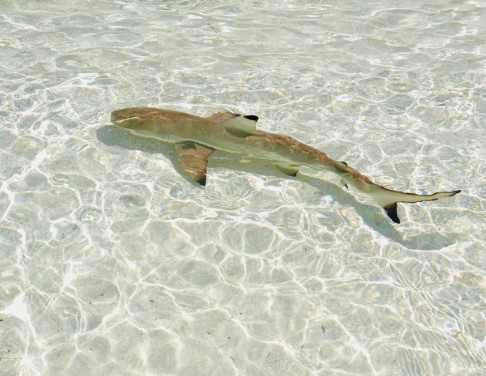
eShark

Using the free eOceans app, report sharks, rays and other marine life whenever you're on or near the water.


Even reporting zero sharks helps researchers understand changing populations.


Volunteer observations have already informed conservation efforts for more than 100 marine species.


Location: Coastlines Everywhere

Hammerhead Hub

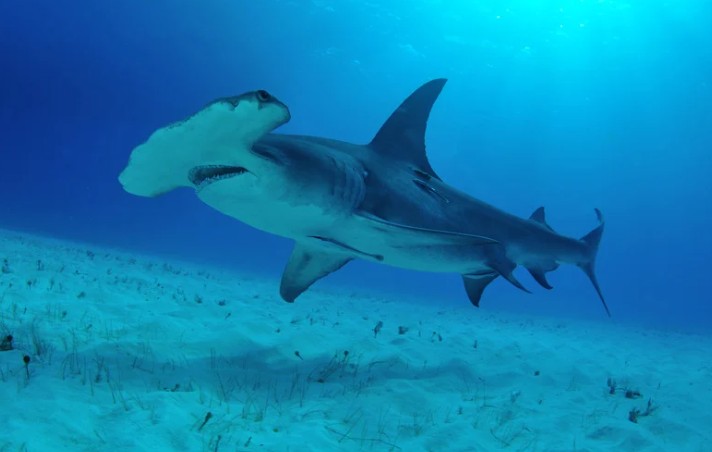
Spot a hammerhead shark off the Australian coast? Whether you're diving, boating, fishing, or flying a drone, you can report your sighting through a free app, where a scientist reviews each one.


Those records help researchers guide conservation efforts for these threatened sharks.


Location: Australia

Photo credit: Vanessa Mignon

WhaleAlert

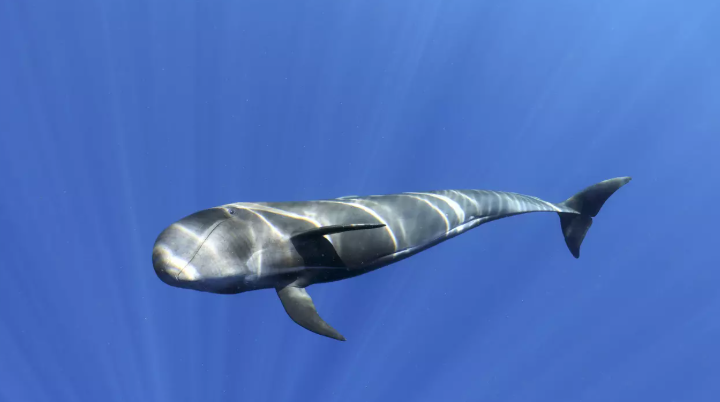
Ship strikes are one of the greatest threats facing endangered whales.


WhaleAlert gives mariners real-time whale locations using public sightings combined with acoustic monitoring.


Download the app.

Report what you see.

Help keep whales and boaters safe.


Location: Coastlines Everywhere

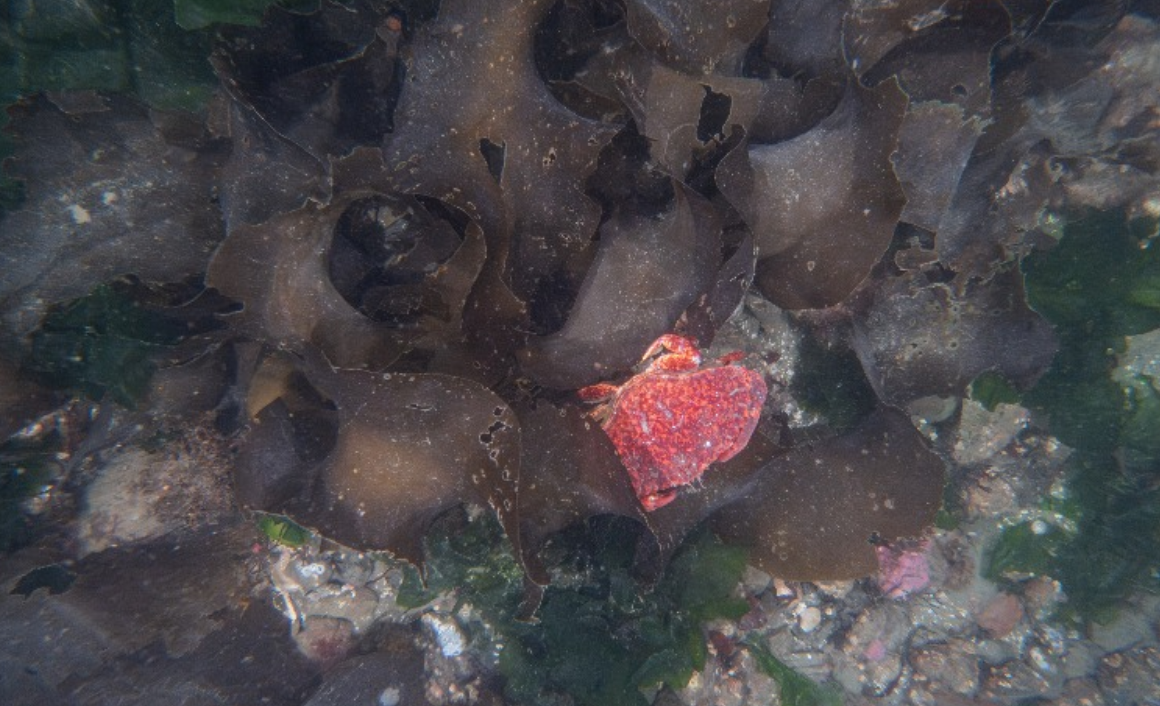
Kelp Quest

Artificial intelligence can help identify kelp...but it still needs humans. That's where you come in.


Review underwater images collected by Seattle Aquarium researchers and help teach AI how to recognize kelp forests more accurately.


Better AI means better conservation.


Location: Online

New to citizen science?

Complete our free interactive Foundations of Citizen Science course and earn a digital badge you can proudly share on LinkedIn or your résumé.

✔ Self-paced

✔ Interactive

✔ Free

✔ Earn a digital credential

Fresh Ways to Make a Difference


🐟 Fish Spotter

🐢 Sea Turtle Spotter

💧 Testing the Water in Norway: Exploring Local Water Quality


...plus thousands more projects waiting for volunteers. Use the project finder and the event finder to discover online or local opportunities.

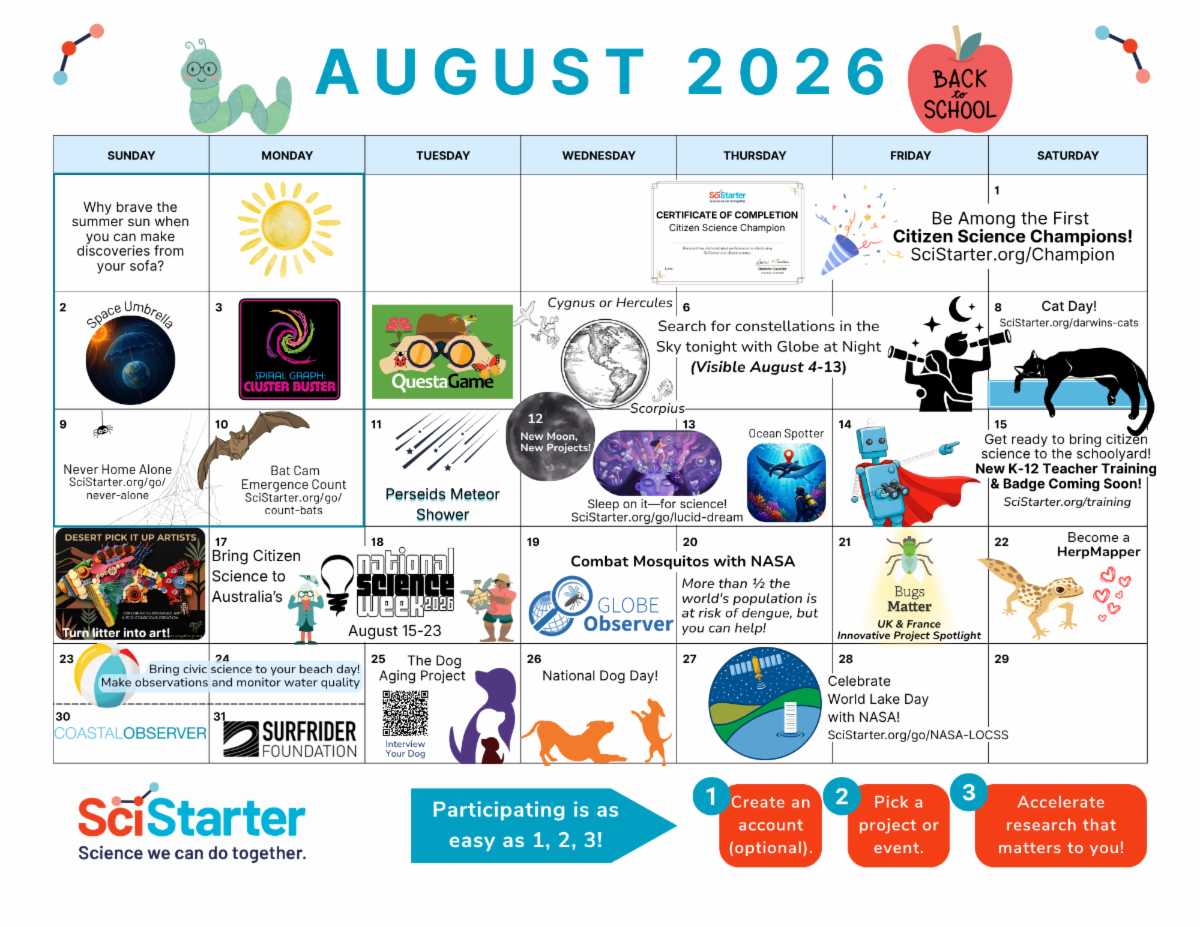
Thousands of citizen science events are happening this August, from beach cleanups to astronomy nights, to online discoveries. We highlight some in the August calendar.


Click here to explore and print the calendar.

X Share
LinkedIn Share