|
Lockout/Tagout (LOTO) is one of the most important safeguards for employees performing maintenance, servicing, cleaning, or repair work on machinery and equipment. The purpose of a Lockout/Tagout program is straightforward: protect workers from the unexpected startup of equipment or the release of hazardous energy. However, despite being a well-established safety practice, Lockout/Tagout continues to rank among OSHA's most frequently cited standards year after year.
The reality is that most LOTO incidents do not occur because a company lacks a written program. Instead, they occur when procedures are incomplete, inconsistently followed, or fail to address the specific hazards associated with the equipment being serviced.
Understanding the most common Lockout/Tagout failures can help organizations identify weaknesses before they result in an injury.
Common Lockout/Tagout Failures
Failure to Identify All Energy Sources
One of the most common mistakes is assuming that equipment only has a single energy source. While electrical energy is often the most obvious hazard, many machines also contain hydraulic, pneumatic, mechanical, thermal, chemical, or stored energy.
If all energy sources are not identified and isolated, employees may unknowingly be exposed to hazardous conditions even after lockout devices have been applied.
How to avoid it: Conduct thorough equipment assessments and ensure machine-specific procedures identify every energy source and isolation point.
Incomplete Release of Stored Energy
Even after equipment is shut down and isolated, hazardous energy may remain stored within the system. Pressurized lines, compressed springs, elevated machine components, capacitors, and rotating parts can all retain energy that poses a risk to employees.
How to avoid it: Include specific steps within procedures to release, block, bleed, restrain, or otherwise control stored energy before work begins.
Lack of Machine-Specific Procedures
Generic Lockout/Tagout procedures may not adequately address the unique characteristics of individual equipment. Employees need clear instructions that identify the proper shutdown sequence, isolation methods, verification steps, and startup procedures.
How to avoid it: Develop and maintain machine-specific energy control procedures for equipment that requires detailed lockout instructions.
Failure to Verify Isolation
Applying locks and tags does not guarantee equipment has been fully de-energized. Verification is a critical step that is sometimes overlooked, especially when employees are under production or maintenance pressures.
How to avoid it: Require authorized employees to verify a zero-energy state by testing controls and confirming that equipment cannot operate before beginning work.
Inadequate Employee Training
Even well-designed programs can fail if employees do not fully understand their responsibilities. Over time, employees may develop shortcuts, misunderstand procedures, or become complacent with routine tasks.
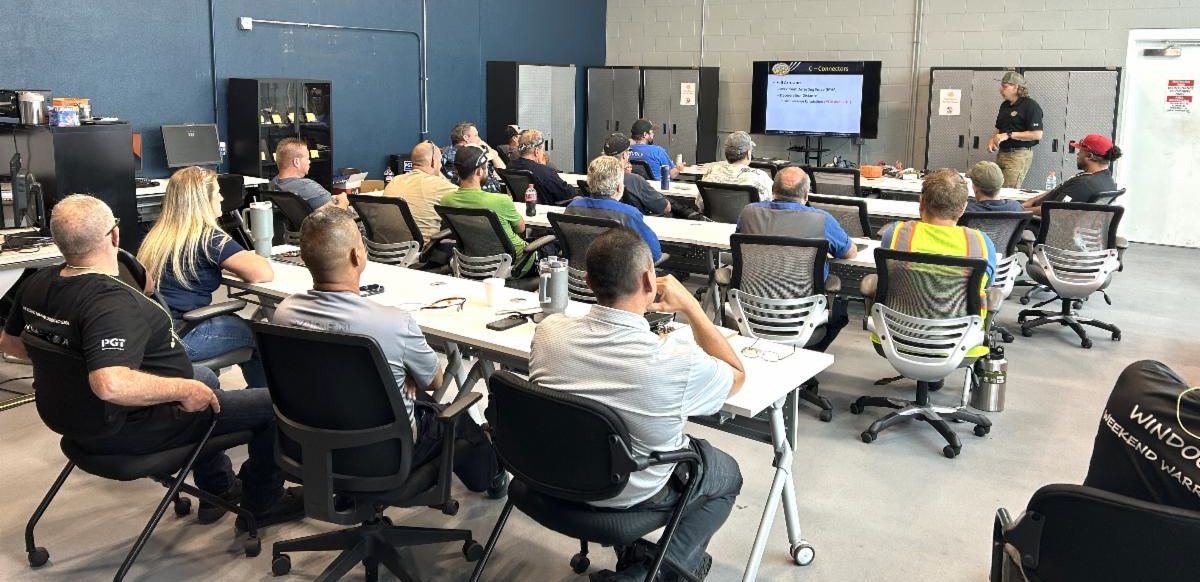
How to avoid it: Provide regular training and refresher sessions for authorized, affected, and other employees as required. Reinforce expectations through observations, coaching, and routine safety discussions.
Improper Use of Locks and Tags
Lockout devices are intended to provide individual control and accountability. Problems can arise when employees share locks, fail to use personal locks, or rely solely on tags where lockout devices can be applied.
How to avoid it: Ensure each authorized employee uses their own lock and follows established procedures for applying and removing lockout devices.
Failure to Update Procedures After Changes
Equipment modifications, process changes, and facility expansions can create new energy hazards that existing procedures may not address. Outdated procedures can leave employees vulnerable to risks that were not previously present.
How to avoid it: Review Lockout/Tagout procedures whenever equipment is modified and conduct periodic audits to verify procedures remain accurate and effective.
|