News From the Director
Hello, everyone, and happy September!
It's a short message this month as we are eagerly preparing for our Annual Doll Luncheon this weekend (not to mention our Doll Doctor day on Friday at the museum)!
We are so excited to see you all there!
PS - Did you know that this week we celebrated Teddy Bear Day and Steiff Celebration Day? Don't miss our posts on social media showcasing the museum's collection, or or stay tuned for our next newsletter and we'll share all the photos and recaps of this month's excitement.
| |
With love,
Beth M. Nance
Founder and Executive Director
| |
|
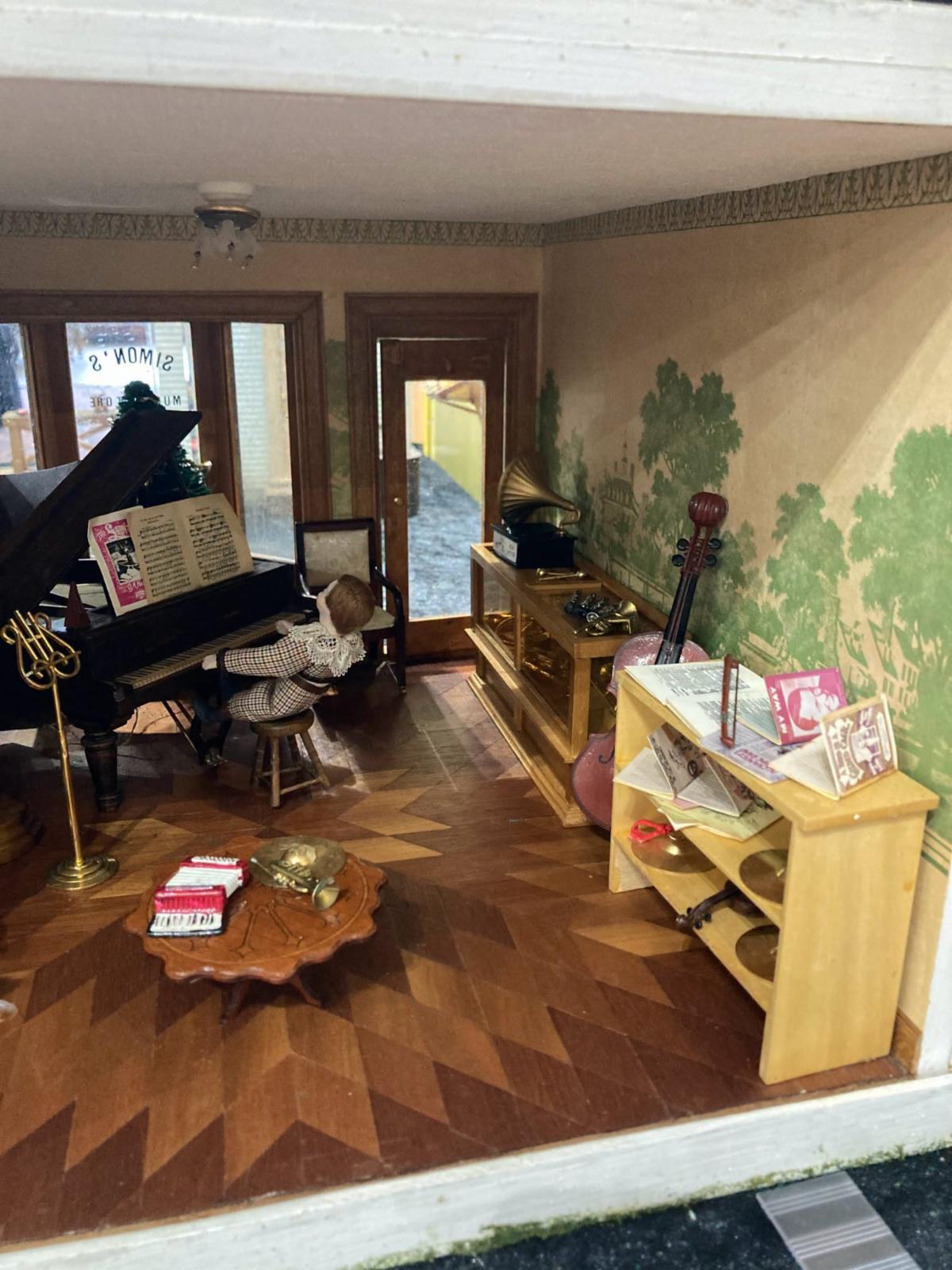
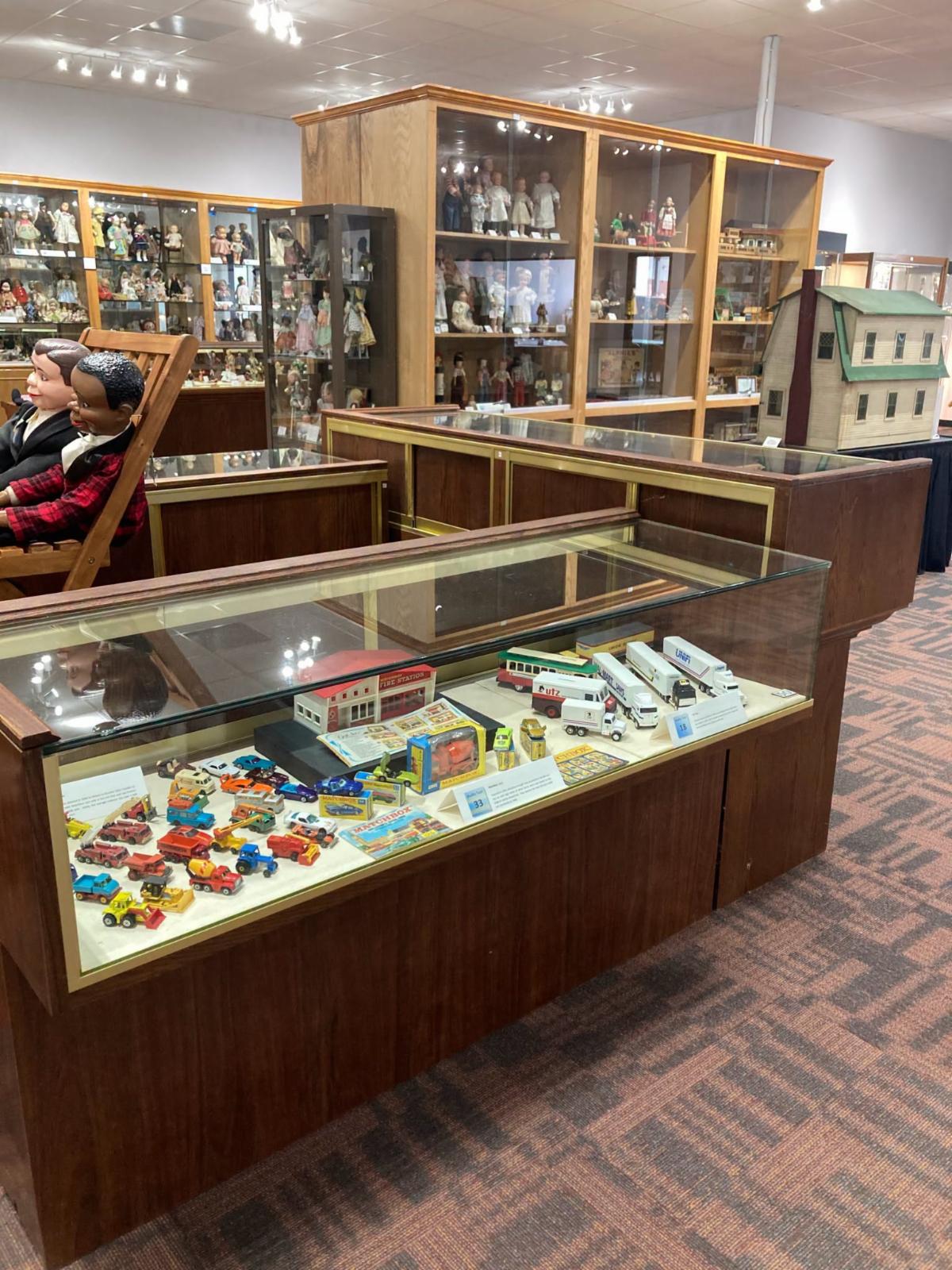
If you haven't had a chance to visit the museum lately, we thought you might enjoy this quick 10-second look around!
We never get tired of celebrating the beautiful home that your support has helped us create for dolls, toys, miniatures, model trains, and treasures. Thank you!
| On Facebook, you can see a more extensive mini-tour of the museum from our friends at RoCo Info: |
Announcement:
LAST DAY to Help Us!
| |
The voting is about to close for the annual Best of Rowan County "RoCo Gold" awards, and September 10 is your last day to vote for the museum!
Here's how:
-
Click the button below or go to the Salisbury Post website at: https://www.salisburypost.com/contests/roco-gold-peoples-choice/#
- Scroll down to the categories
-
Click Dining & Entertainment
-
Select Toys/Games
-
Find the NC Museum of Dolls, Toys & Miniatures and vote for us!
| |
Items for Sale:
Gift Shop & eBay
| |
There are 2 great ways to support the museum and shop for treasures from afar!
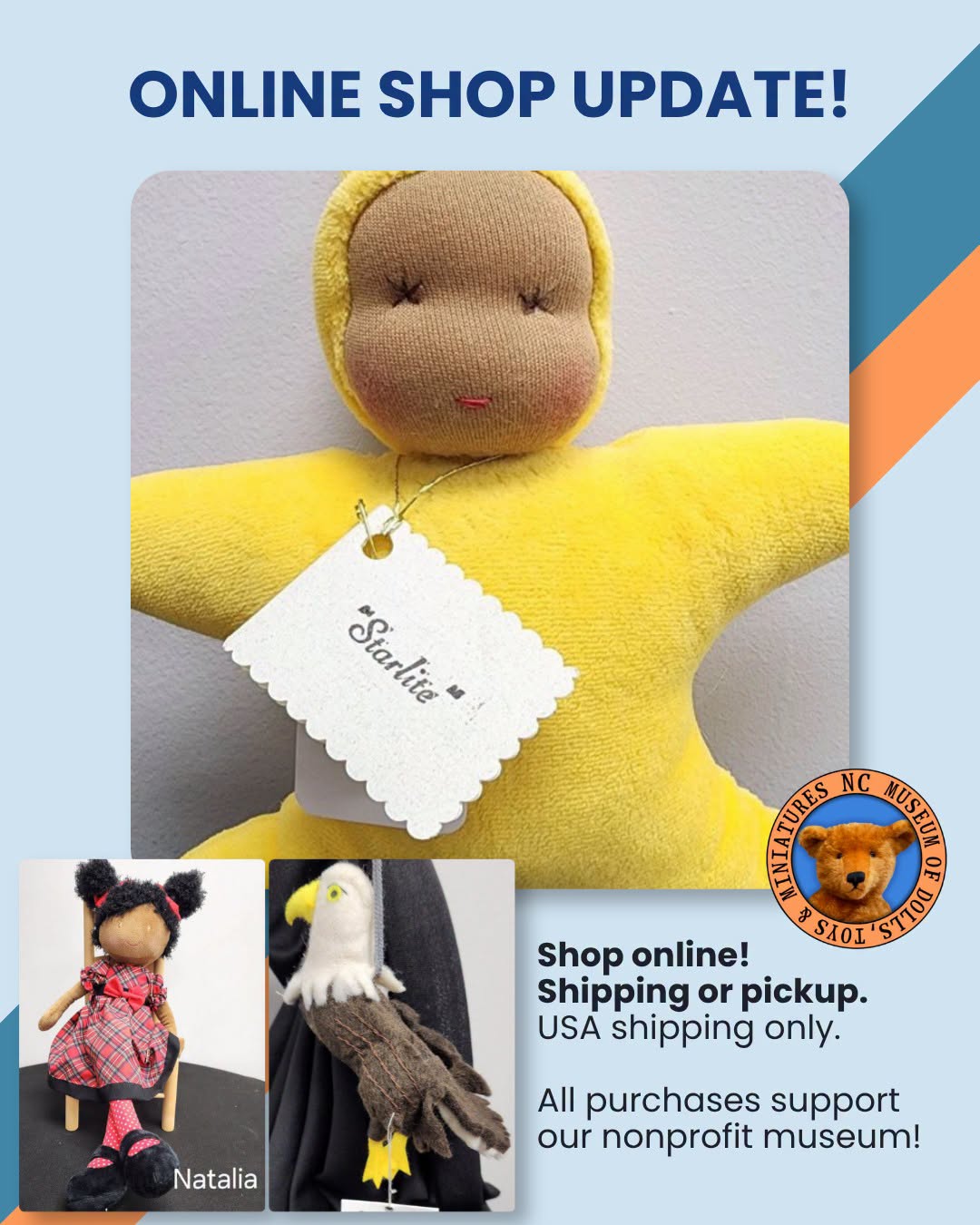
Click here to see what's new in our online gift shop. We can ship to you or arrange free local pickup at the museum.
Click here to browse our newly-updated eBay page! We add new items weekly, so check back to see what's available!
| |
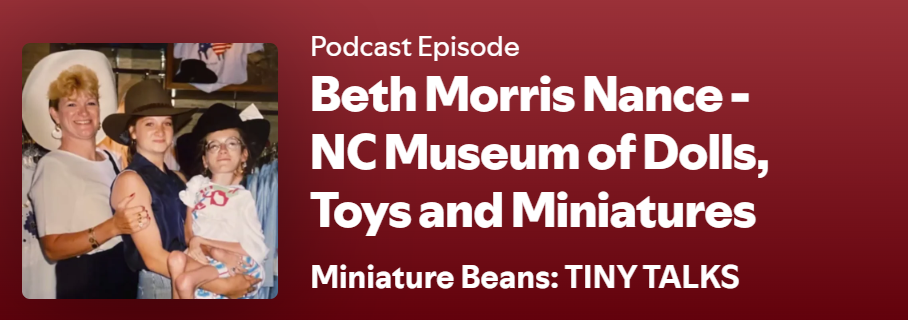
Tiny objects...HUGE passion! We were thrilled to be invited to speak on the Miniature Beans Tiny Talks podcast with Taylor, a passionate museum supporter.
Three interesting tidbits Beth shared:
-
When our museum was first established, in addition to the collection of Amy Dawn Morris, we often featured collections on loan from members of our doll clubs. As Beth explained, "We wanted people to feel as if they belong and the museum belongs to them as well.”
-
Our oldest miniature is from around 1860-1870 from a Spencer, NC local. The Bliss Dollhouse is a close runner-up from around 1880, and so is the Durham Cocoanut House (1893).
-
What Beth loves about the modern miniature world: "Miniaturists today really just pour all of themselves into these houses and all the special touches."
| |
Local History Spotlight:
Helen Bullard & NIADA
| | |
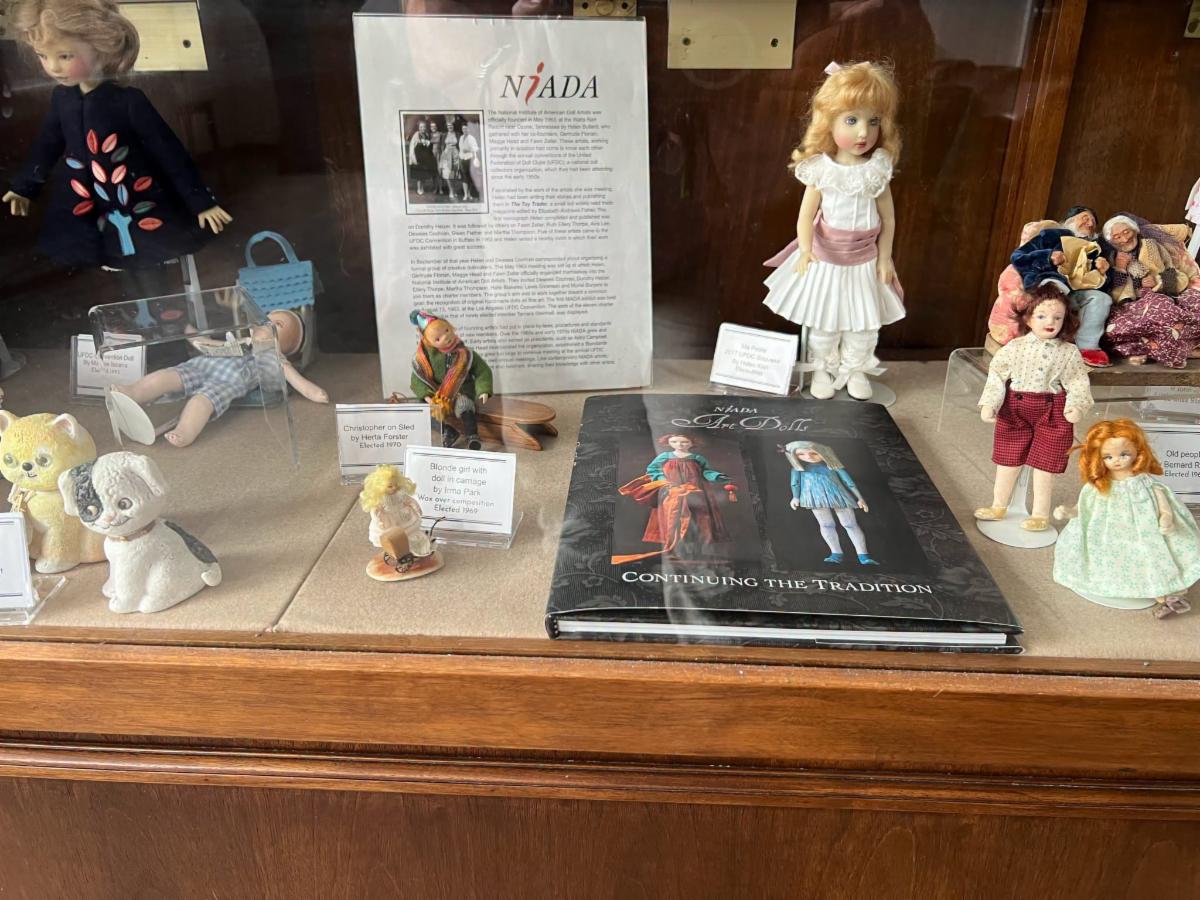
The museum's NIADA art dolls collection includes work from doll artist Helen Bullard, who was a doll pioneer with local roots who helped to start NIADA, or the National Institute of American Doll Artists.
She began her career in 1932 as a writer in Tennessee and became interested in carving wooden dolls. She sourced clothing from her crafty neighbors.
The project became so successful so quickly that Helen was soon teaching her neighbors to carve dolls, too! She was able to release and market a successful regional wooden doll line called Holly.
In 1963, she founded NIADA as its first president along with fellow handmade doll artisans Gertrude Florian, Magge Head, and Fawn Zeller.
Decades after its 1963 founding, NIADA is now a global community of doll artists and doll art lovers.
From anthropomorphic dolls to automata to organic material dolls, methods used by doll artists have expanded, but the mission has remained the same: to preserve the love and art of handmade dolls.
During her career, Helen was also the director of UFDC Region 8, which includes North Carolina, Tennessee, and Kentucky, and the editor of Doll News, the UFDC magazine, while serving as a member of the Chattanooga Doll Study Club.
We love that there are local roots and legacies associated with these items in the museum's collection.
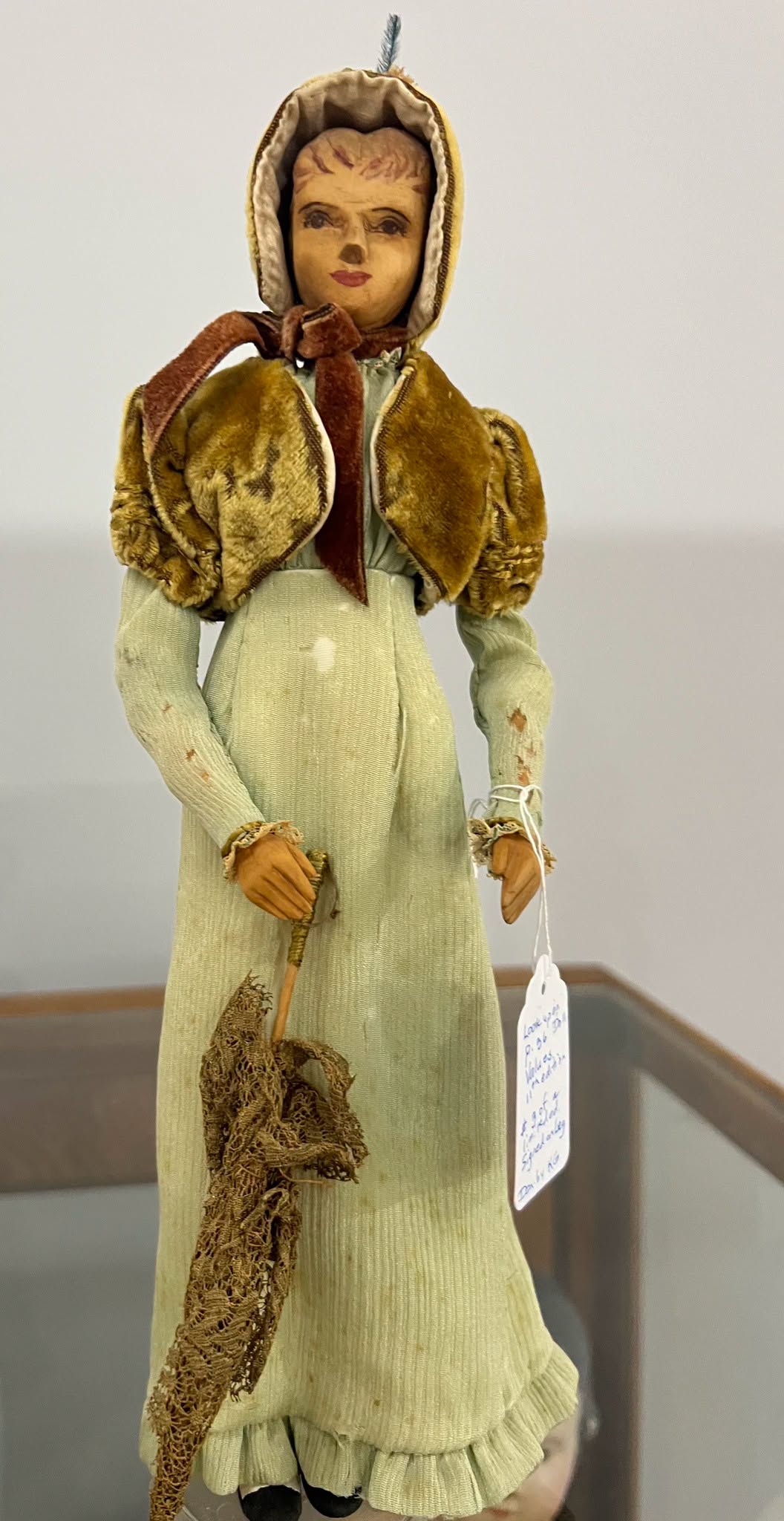
Standalone doll pictured above is Constance Jr., who was carved by Helen Bullard in 1959. Her leg is signed number three of a limited edition and Helen Bullard's signature is on the other leg.
| |
NC History Spotlight:
Moravian Dolls
| |
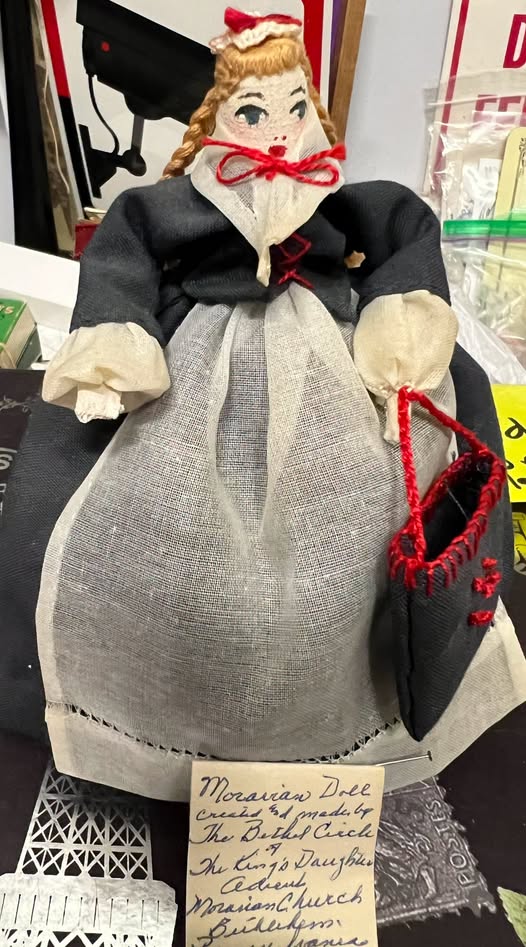
This Moravian cloth doll included a tiny bag with a note in beautiful writing indicating that she was made by the Bethel Circle of the King’s Daughter Moravian Church in Bethlehem, Pennsylvania.
Her name is Benigna, named after the founder of the first Protestant boarding school for girls in America in 1742. At 16, Benigna had accompanied her father from Europe to Bethlehem, PA.
The dress is copied from those worn by Moravian women around 1872. The color on the cap signifies a woman’s status: white is a widow, blue means a married sister, pink signifies a single sister, and cherry signifies a little girl.
Our Benigna doll is 6 inches with hand-painted facial features, floss, hair, and original sewn costume with many layers. Her body is cloth-covered on a wire body.
In our neck of the woods, Old Salem NC was settled by Moravians who came down from Pennsylvania. Old Salem is approximately 45 minutes north of our museum here in Spencer.
| |
Collection Spotlights:
Barbie, Greiner & More!
| This past month has been full of delightful museum collection spotlights shared on social media. | Some little friends came back from New Orleans with us...! This adorable mechanical toy stands about 20 inches tall and comes to life when you plug it in: | |
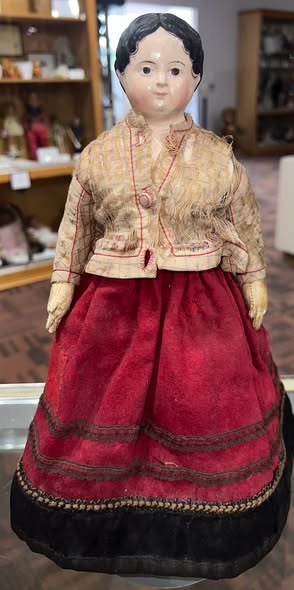
A perfect tiny treasure measuring just 10 inches tall. A Greiner—an early doll made out of papier-mâché. She features a cloth body with tiny gloves and shoes.
Her size makes her extra noteworthy, as most Greiner dolls start around 24-26 inches in height.
German producer Ludwig Greiner was a German immigrant who settled in Philadelphia and secured a patent for cloth-reinforced papier-mâché in 1858 – the first doll patent in the US.
| |
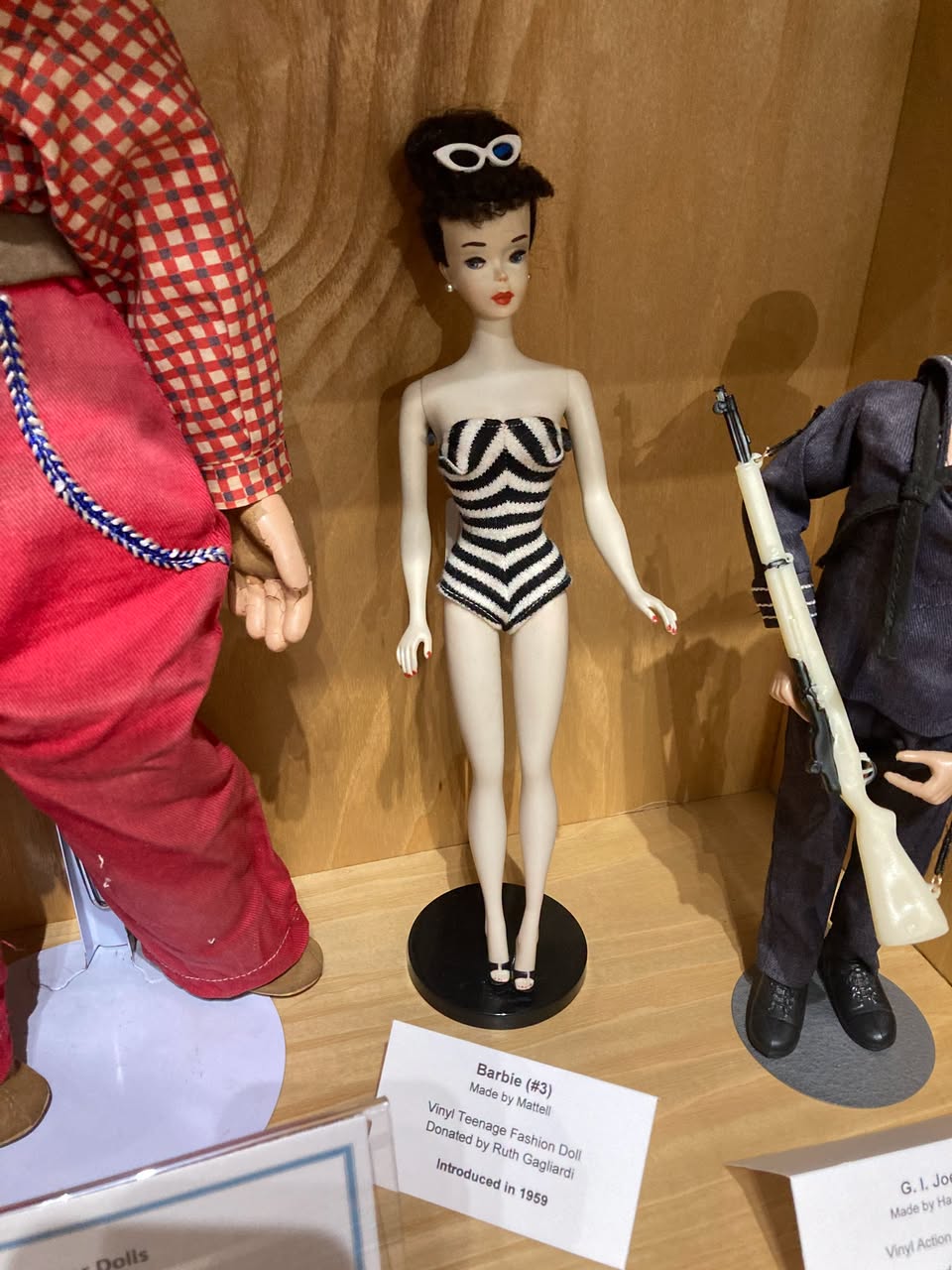
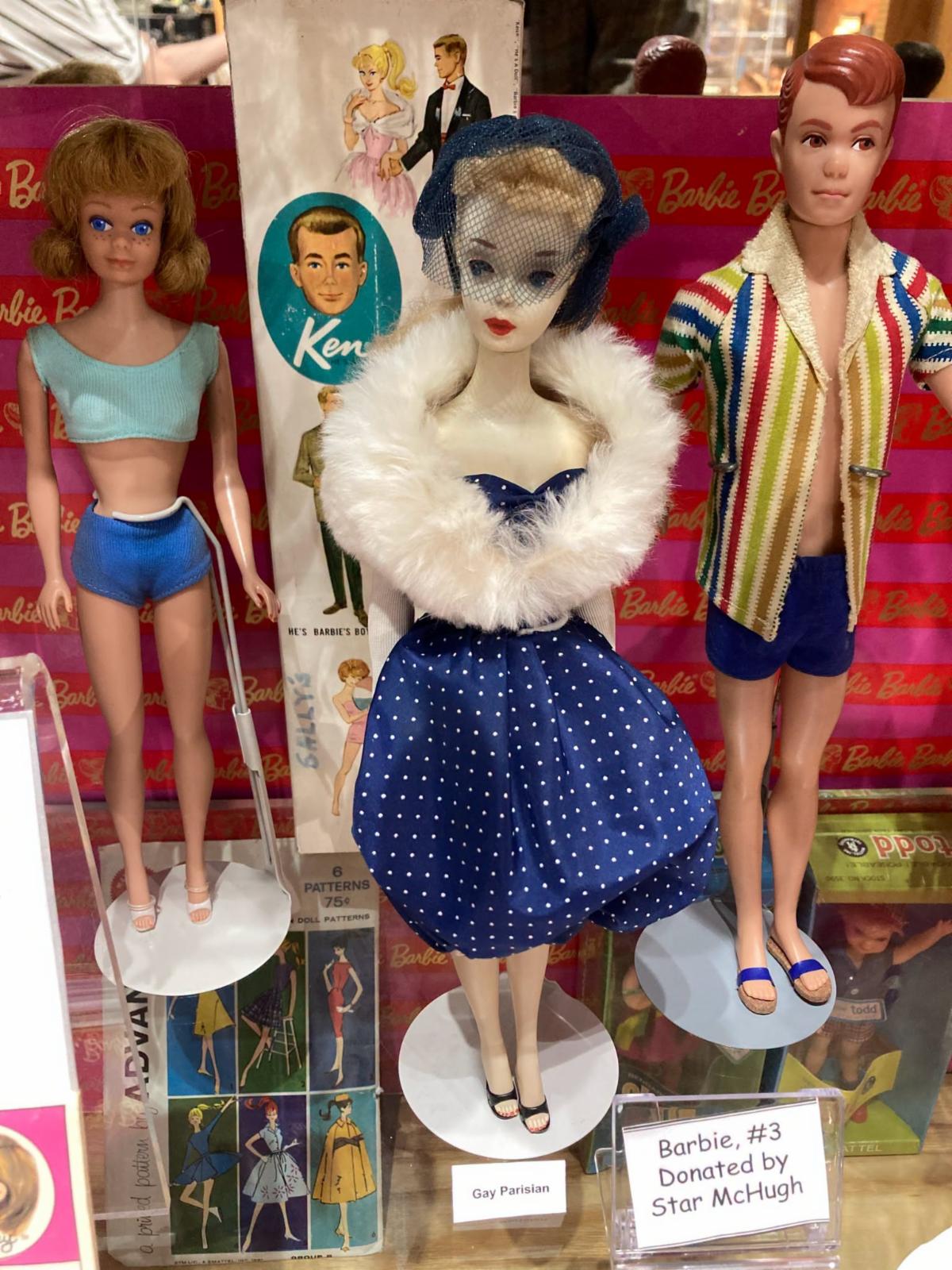
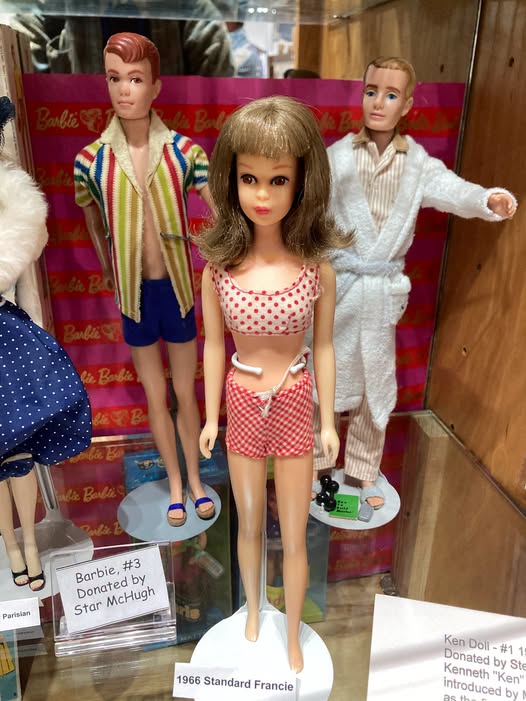
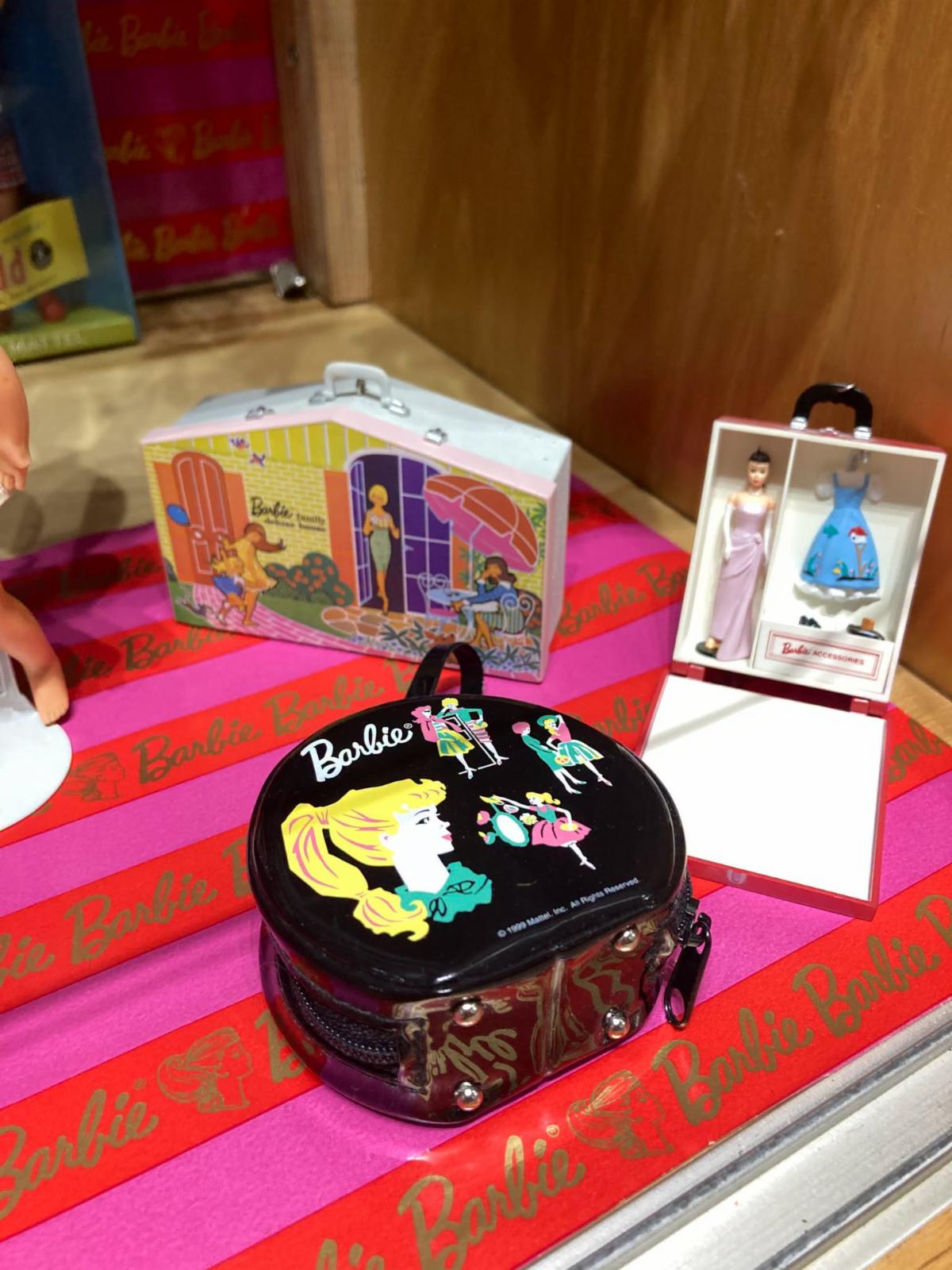
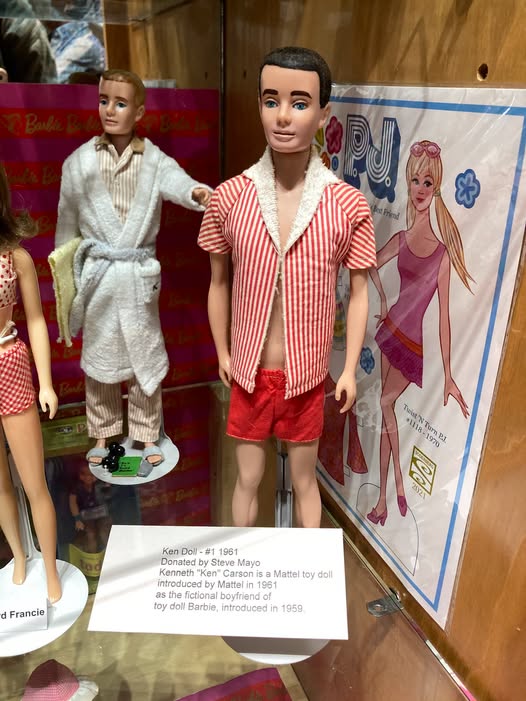
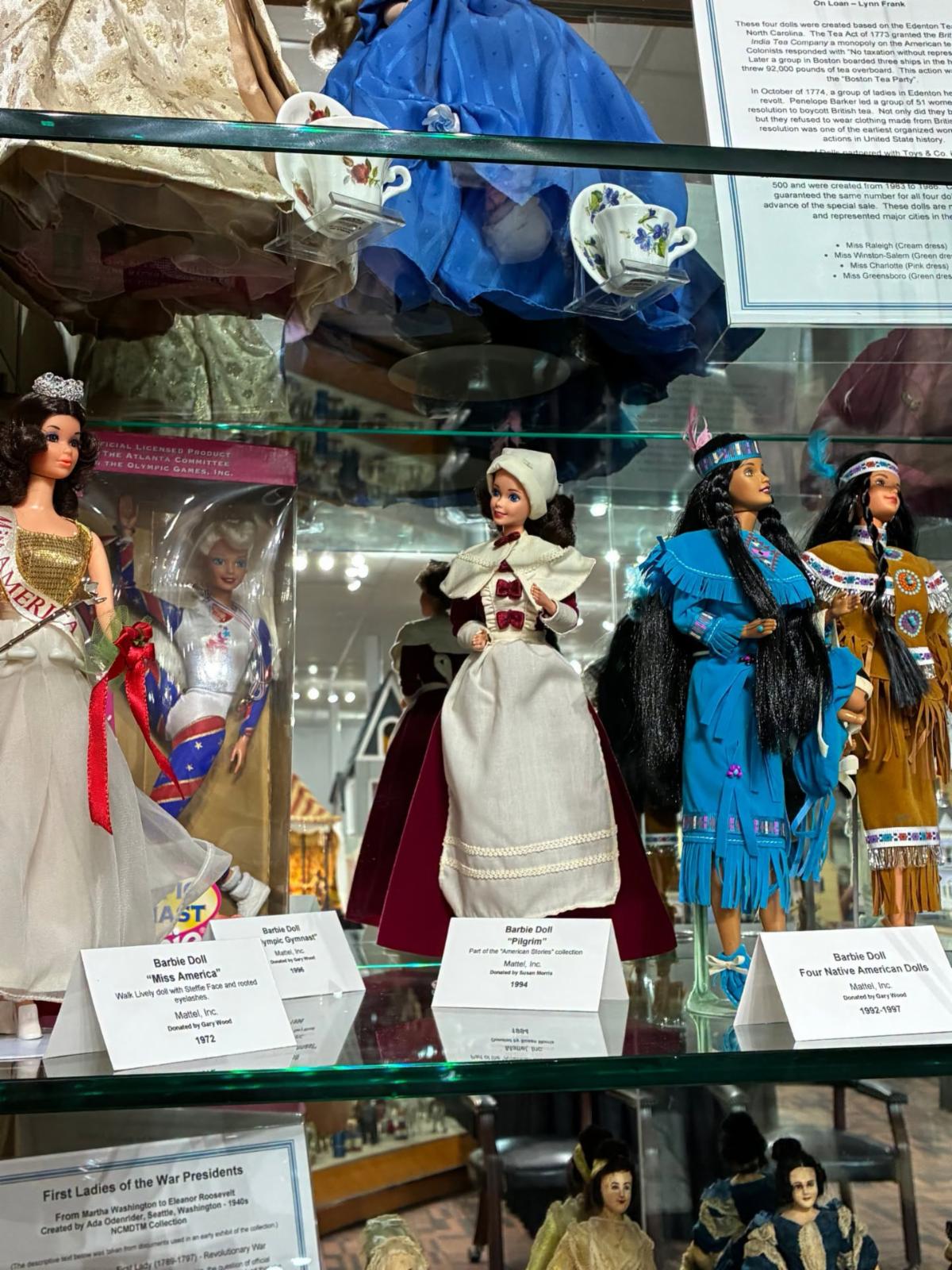
Barbie mania through the decades!
Our collection includes Number 3 Barbie, Number 1 Ken, Julia, Christie, Skipper, Allan, Skooter, Ricky, and more:
|
Celebrating the Season:
America 250 & More
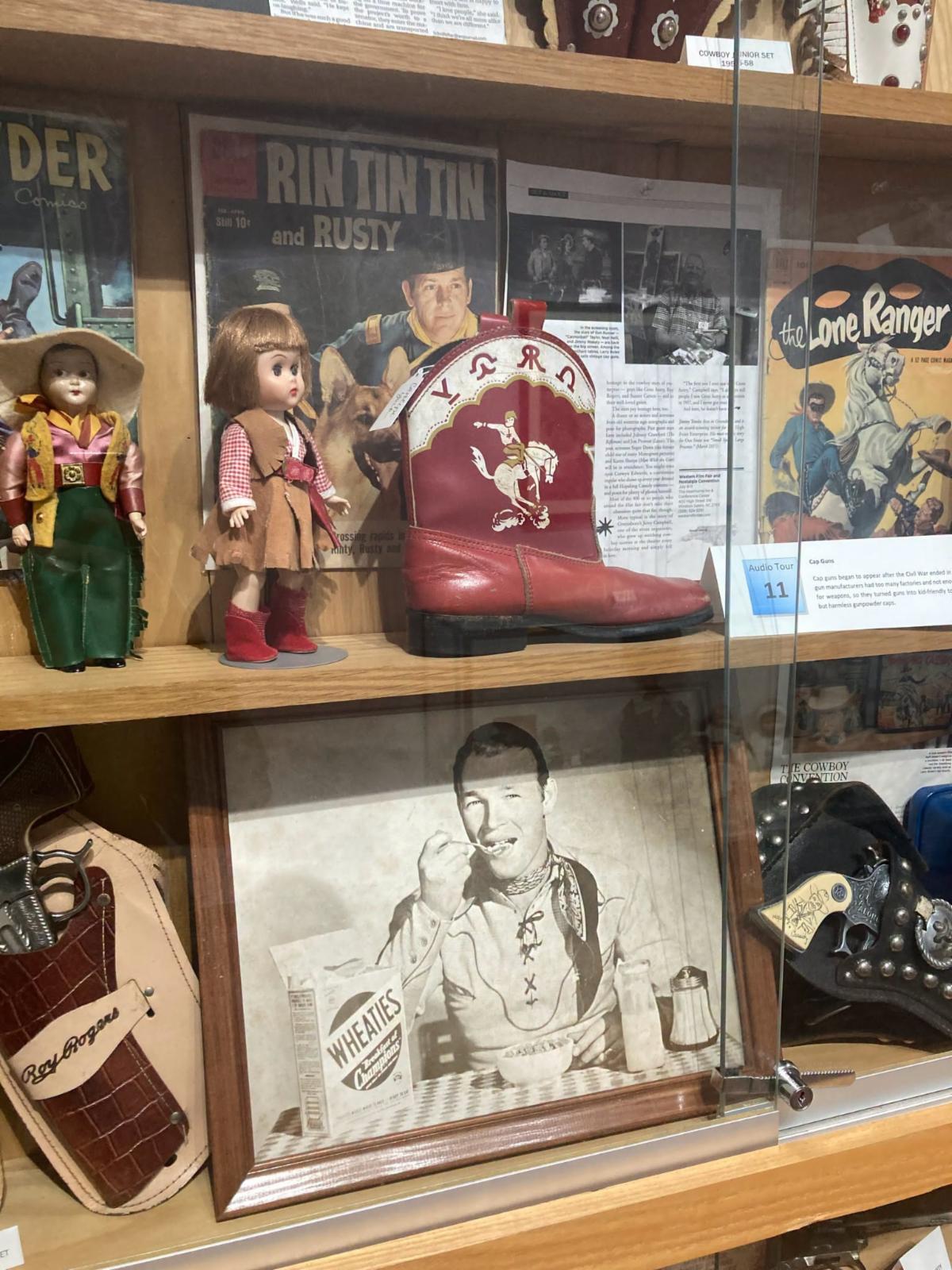
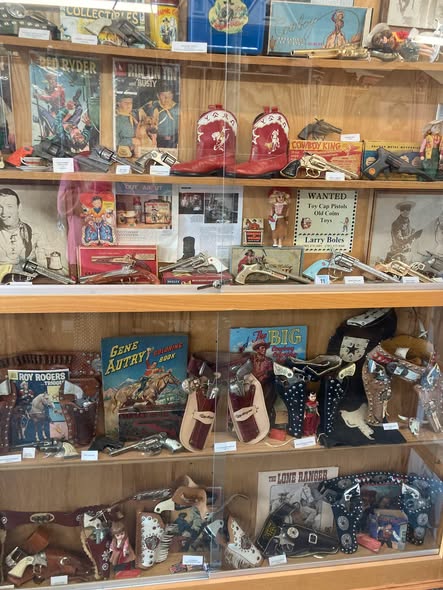
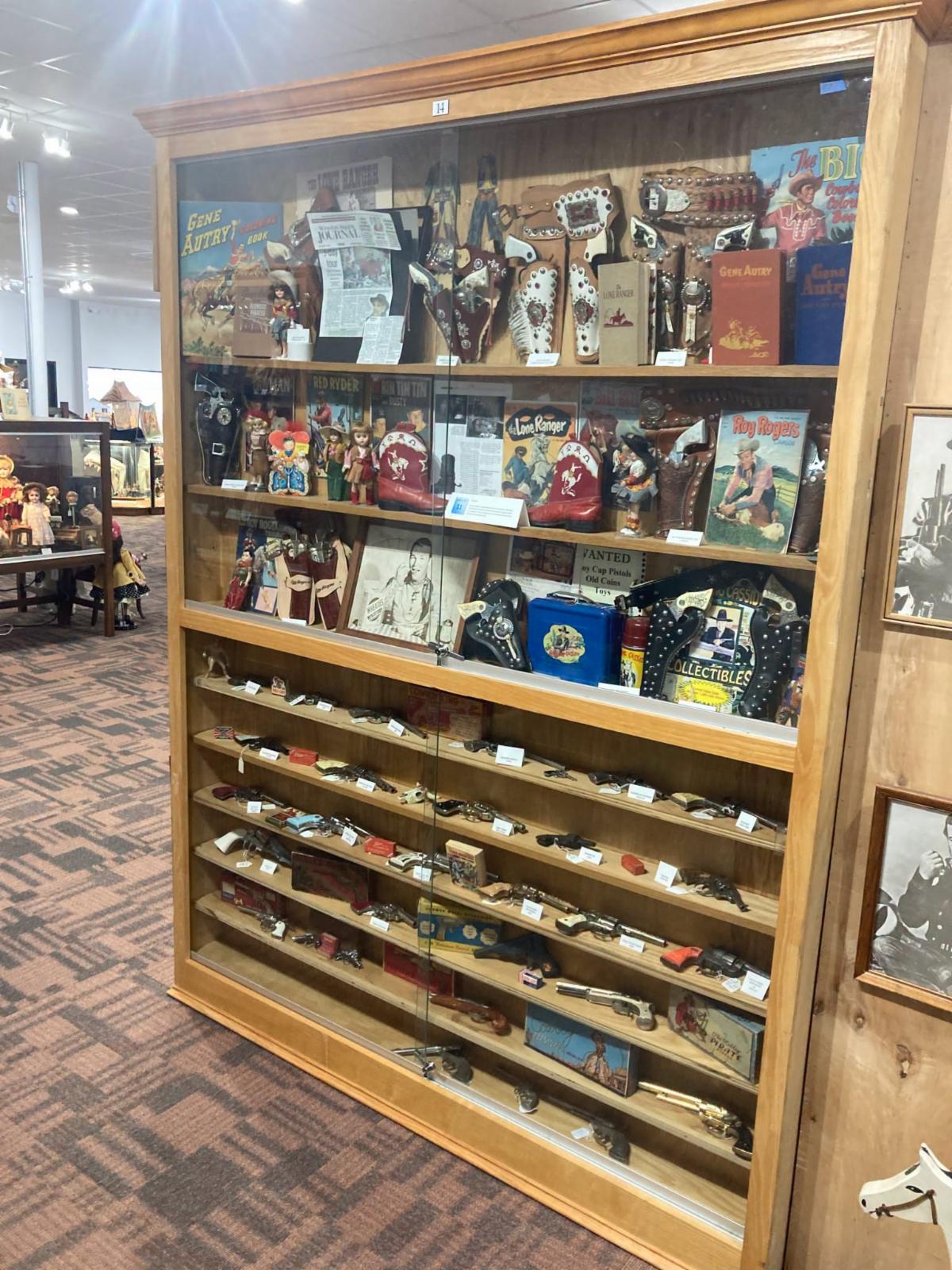
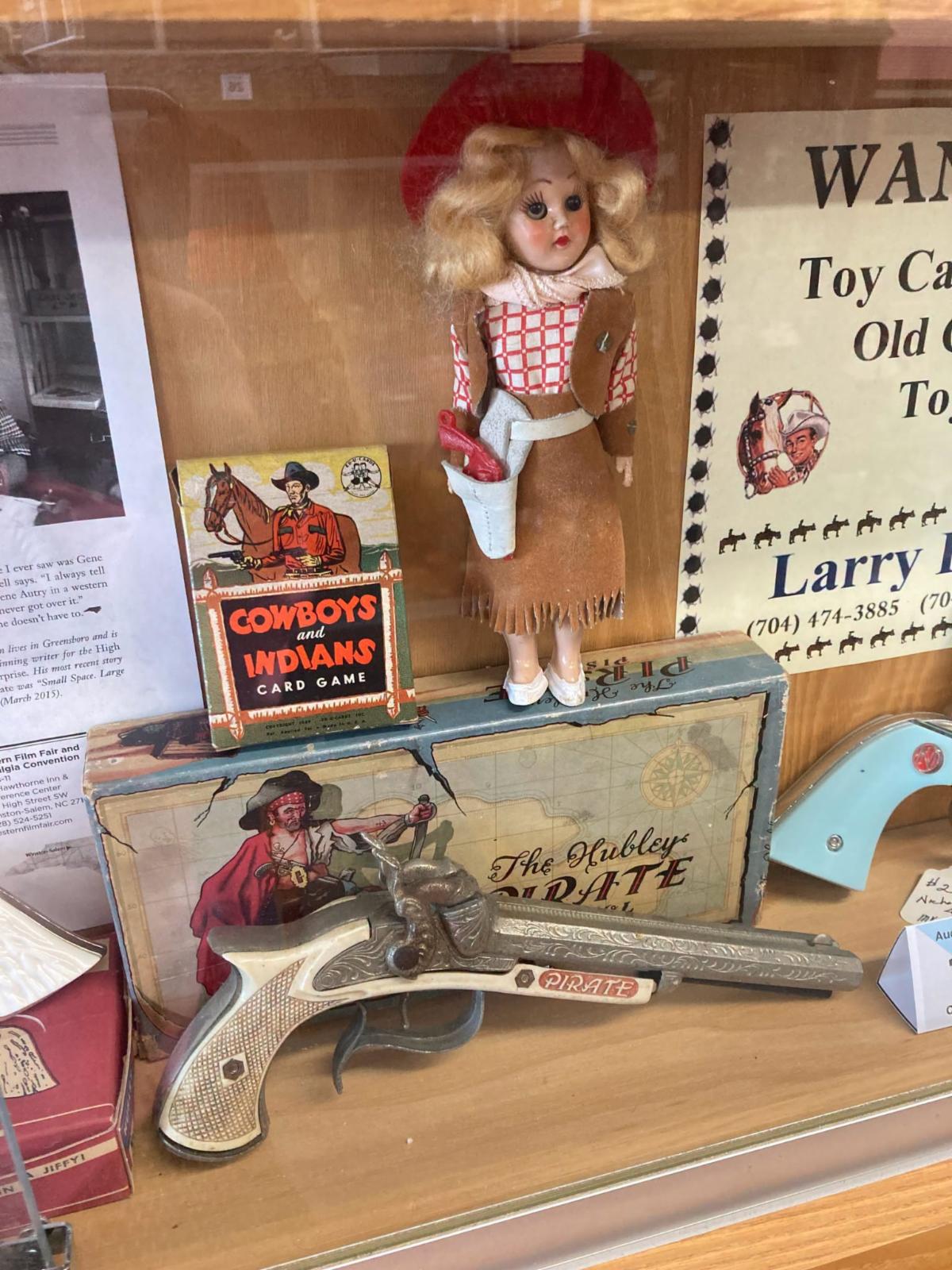
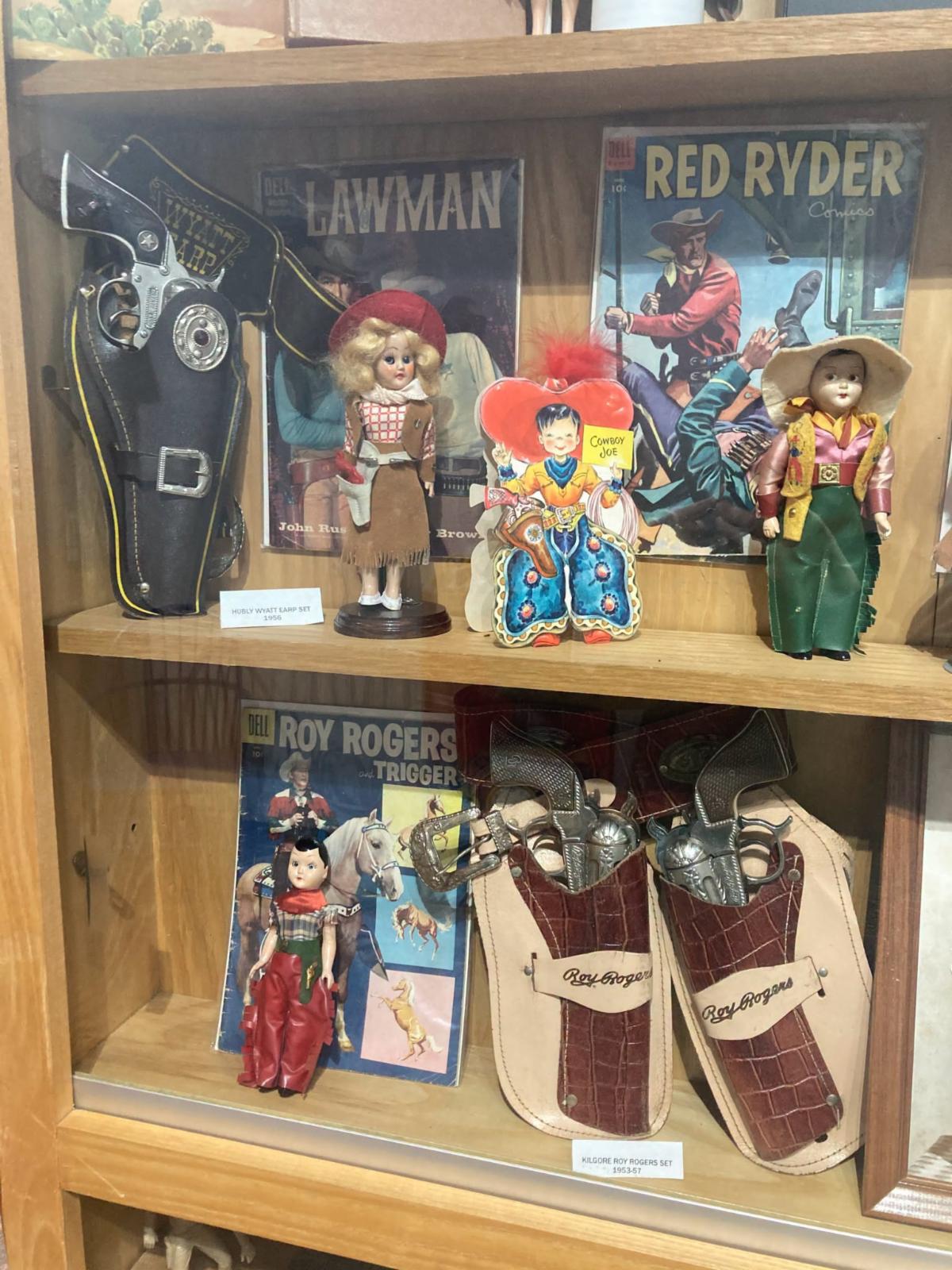
| | July 25 was the National Day of the Cowboy! | |
The first cap guns were born out of economic necessity. After the American Civil War ended in 1865, several gun manufacturers found themselves with too many factories and too little demand for weaponry.
To keep the factory doors open, some gunmakers turned to toys, loading them with loud but harmless gunpowder caps.
Kids were fascinated with them, and a new toy legend was born.
Over the next several decades, cap guns remained the toy of choice for many an aspiring young cowboy enthusiast (and more than a few little Annie Oakley wannabes as well).
The little dashes of gunpowder that gave cap guns their noisy kick were relatively inexpensive, making cap battles an affordable upgrade to simply chasing each other around and shouting “POW! POW!”
The decades brought changes in the guns and caps themselves, from wood and metal to plastic, from single-shot to rapid-fire, from hand-loaded caps to roll caps to machine-fed cap clusters and so on. The basics remained the same, and cap guns are still being produced today.
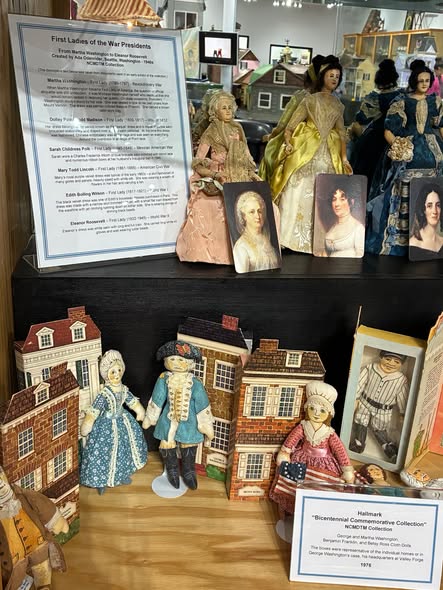
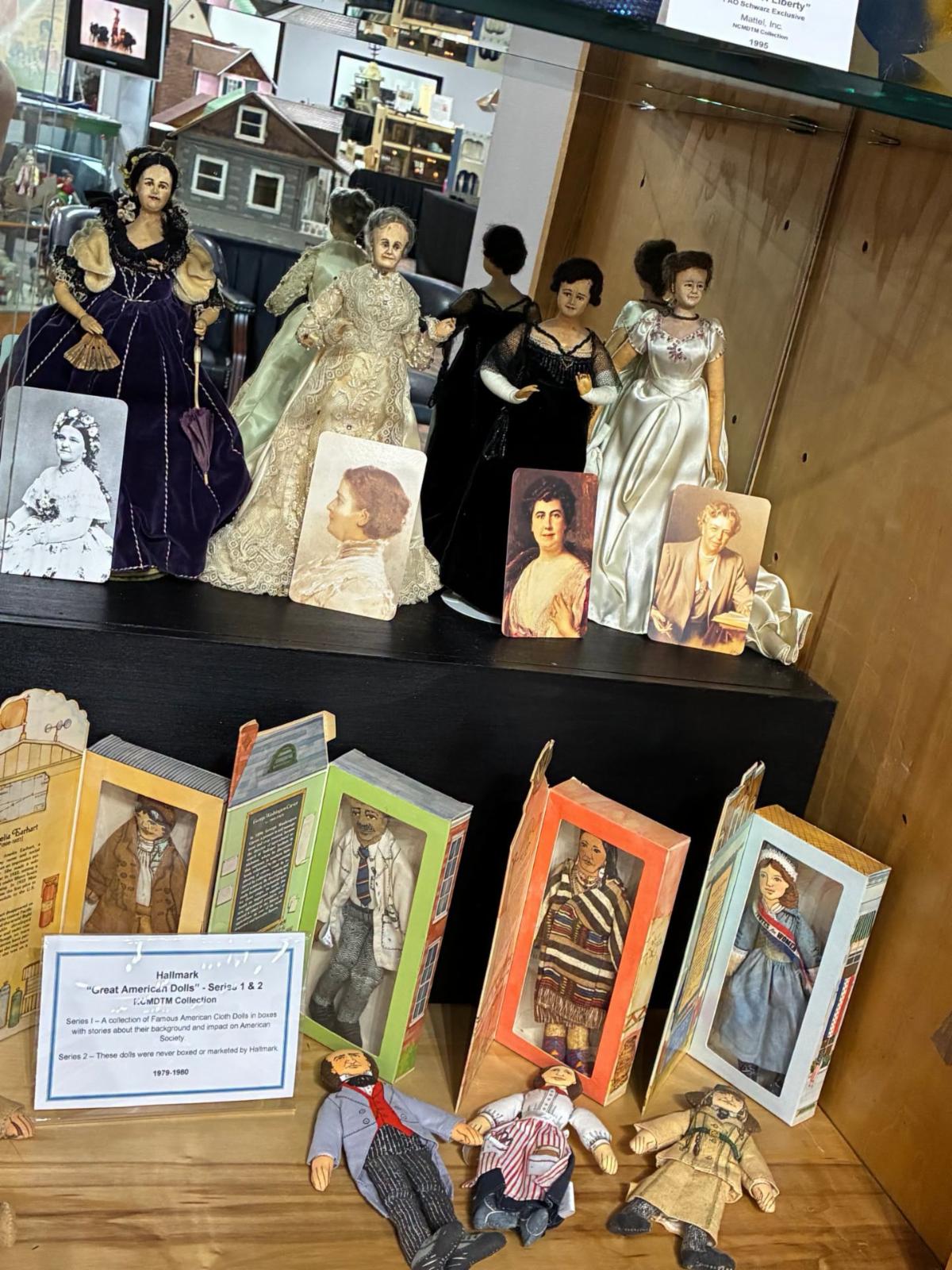
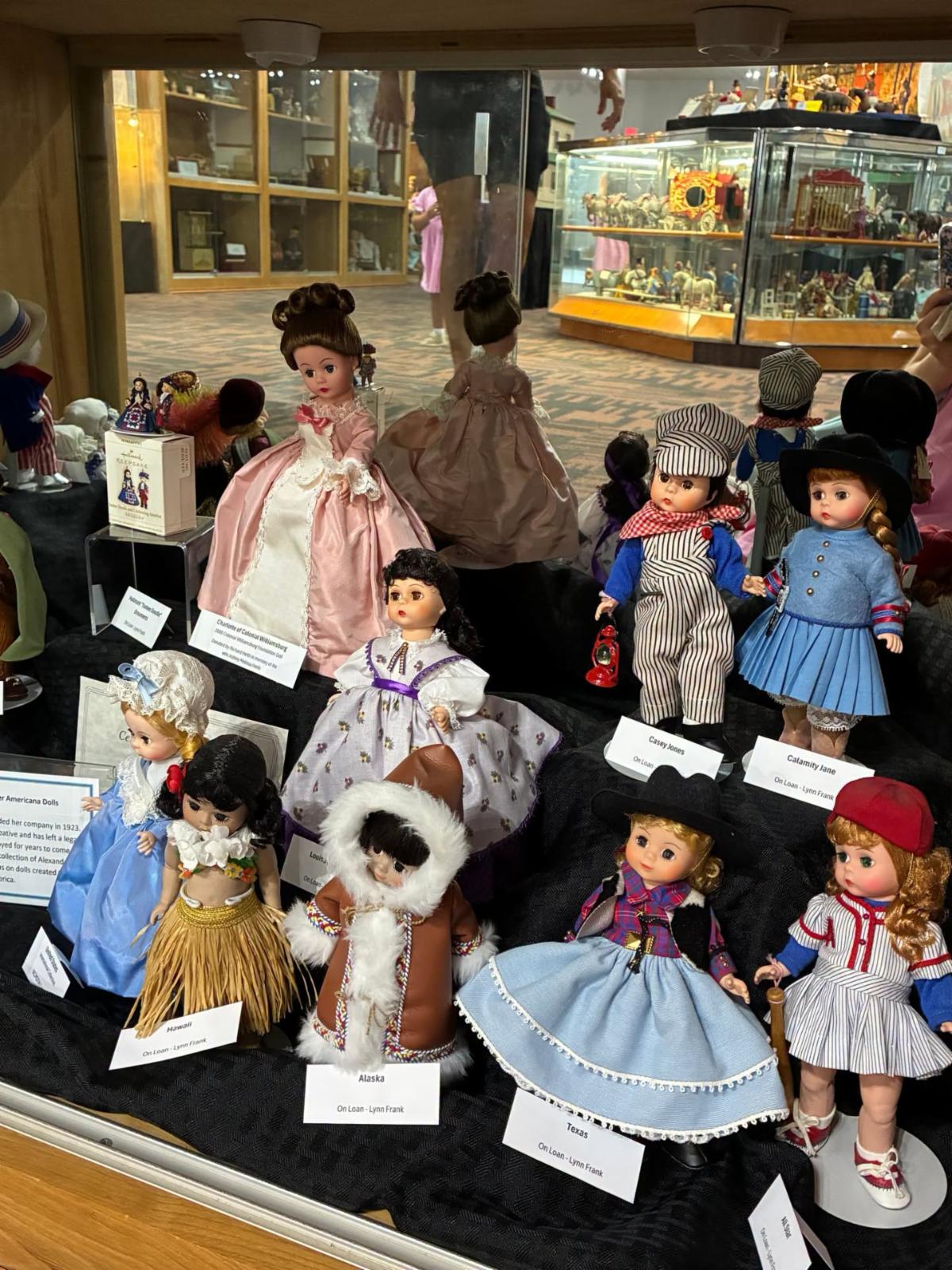
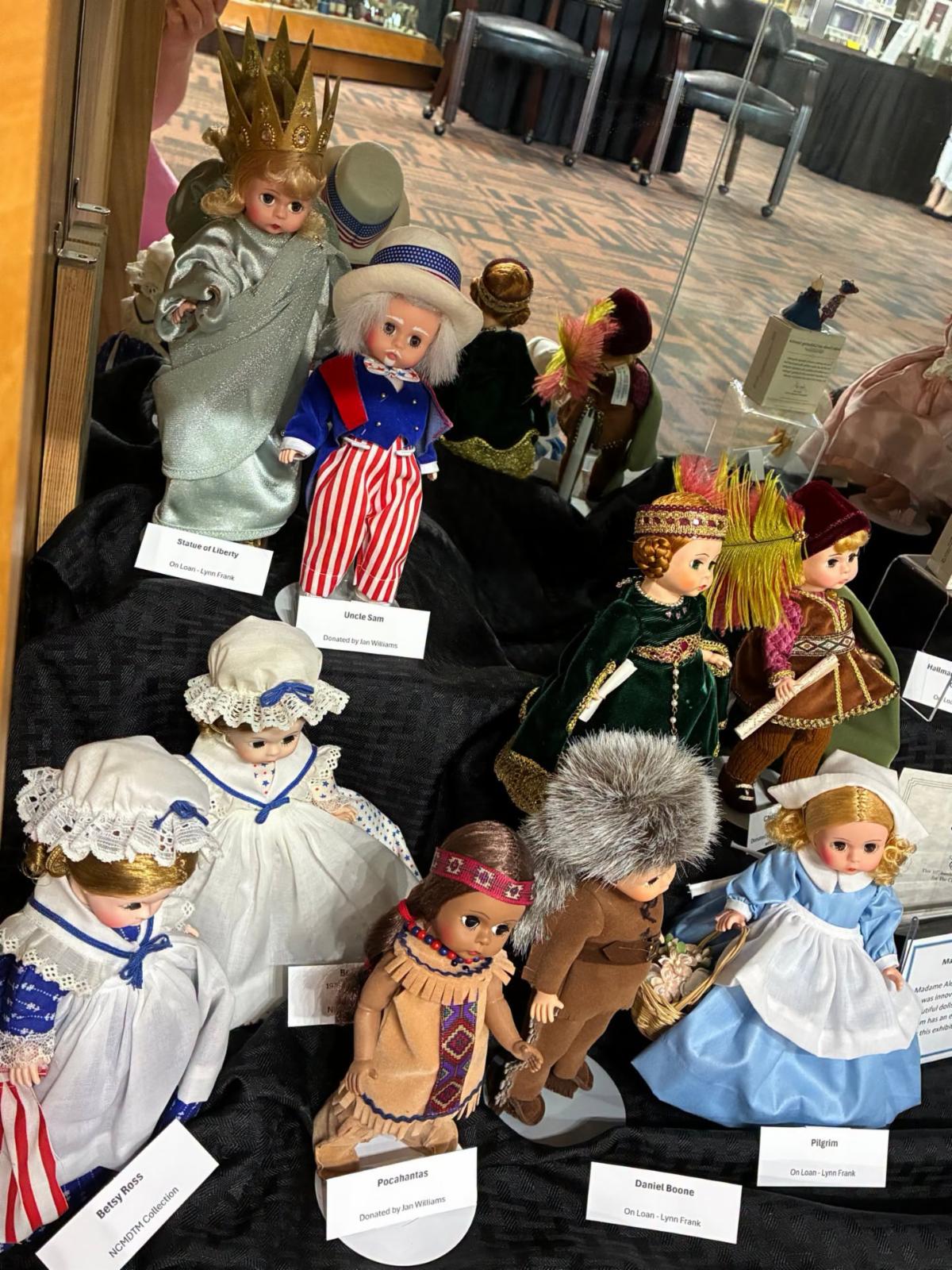
| Our America 250 celebrations continue all year long with stunning seasonal displays made possible by our staff & volunteers (and the generous donors who helped bring these treasures into the museum's collection!) | | |
August 17 was National Nonprofit Day - an opportunity to reshare our mission and Amy Dawn Morris's story:
This museum’s story began long before its doors opened. It began with our Director Beth Morris Nance's sister Amy, whose love of dolls shaped our lives and continues to inspire us today.
Amy passed away just before her 22nd birthday.
Amy lived with a form of spinal muscular atrophy called Werdnig Hoffmann’s Disease, and though she used a wheelchair, she was unstoppable. Through dolls, Amy and Beth escaped into worlds where she could swim with dolphins, cheer, dance, ride horses, and be anything she dreamed.
To Amy, dolls were more than toys: they were symbols of adventure, joy, peace, and possibility. Honoring that spirit inspired their mother and Beth to open this museum in 2012.
Amy’s legacy has blossomed into a place where thousands of dolls, toys, and playthings are cherished. Pieces of art and history crafted by innovators from Izannah Walker to Albert Schoenhut to Danny Choo to dollhouses built over decades.
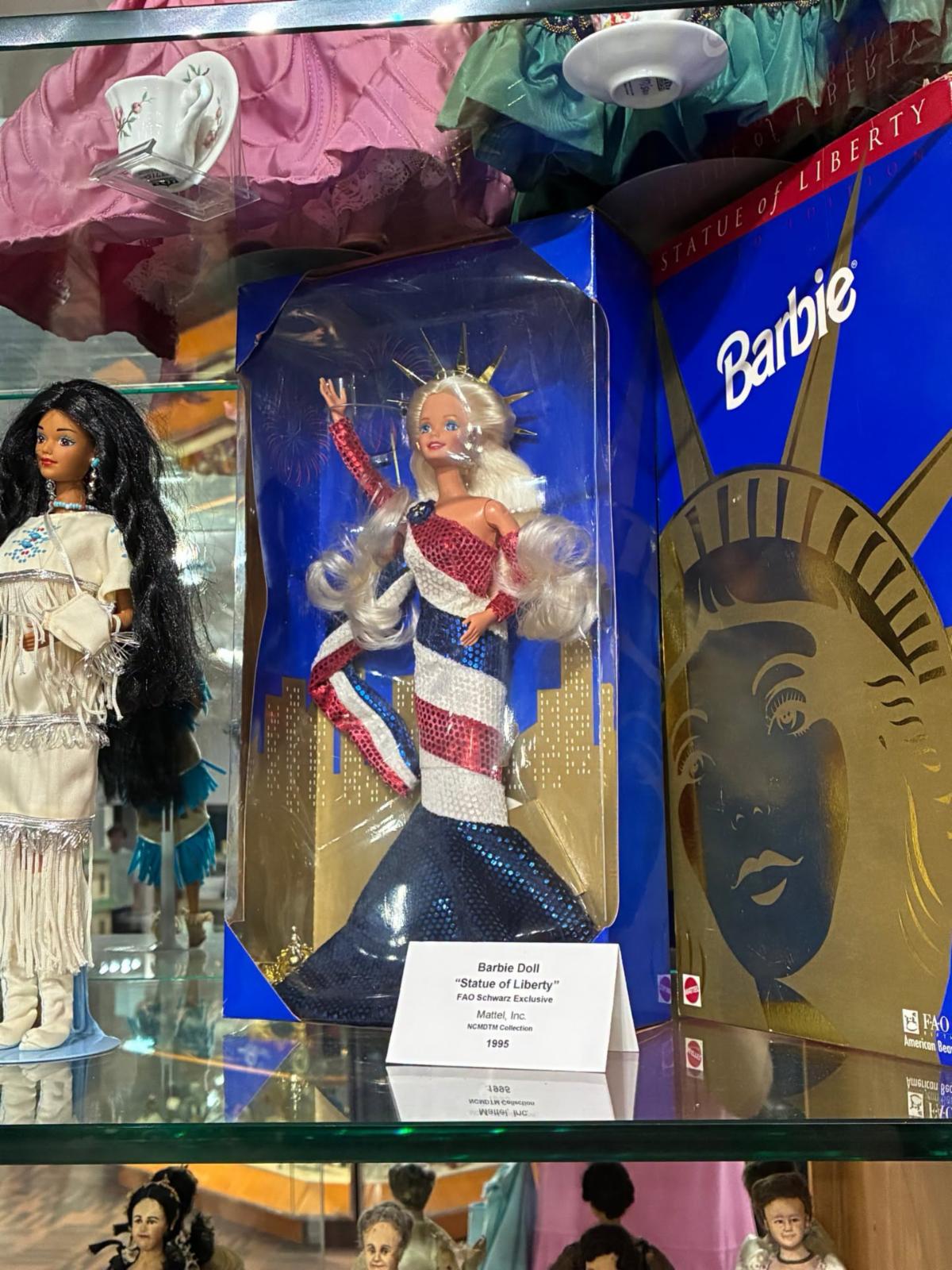
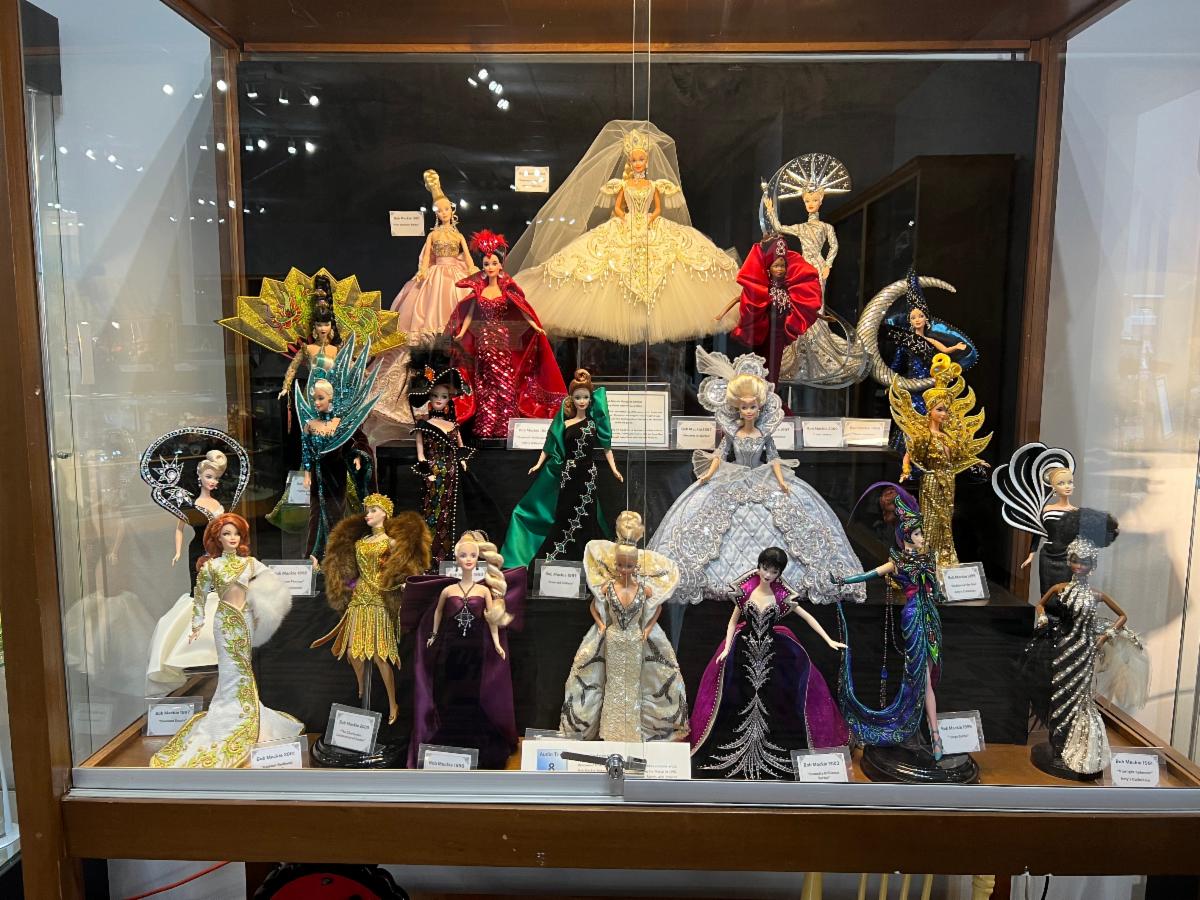
Amy LOVED Bob Mackie Barbies, which are still on display today for all to experience. These Barbies were just re-organized for display in August by our team - see photo below!
Each piece carries a story like Amy’s, but museums like ours and the legacies they hold are disappearing. We are now one of only a few of our kind left in the United States.
Amy showed us how to care deeply, meet challenges with courage, and create community wherever we go.
| |
Legacies:
Betye Saar & Dolly Parton
| | |
We lost two true legends this summer, both of whom made a permanent impact on their communities and our world.
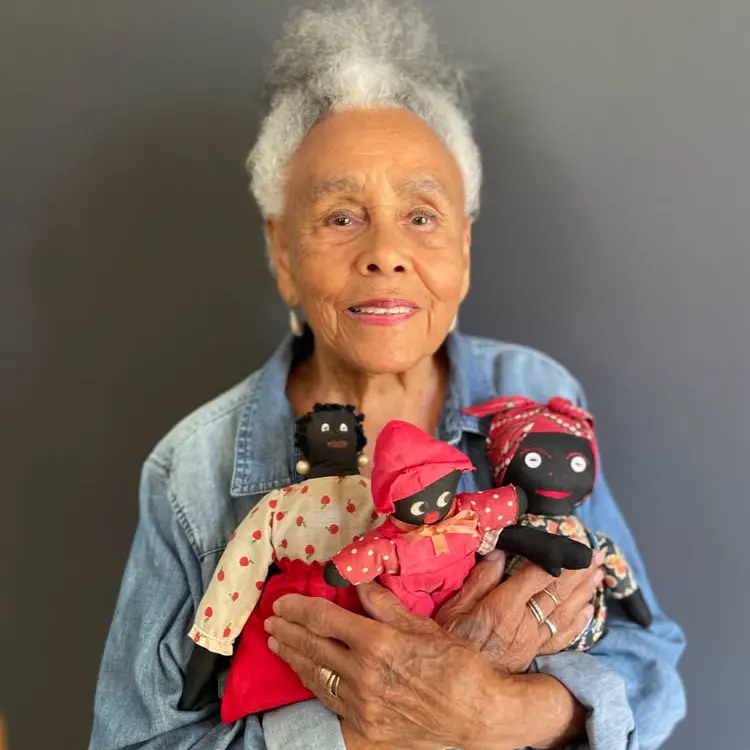
Black doll collector, artist, and patron Betye Saar passed away just before her 100th birthday in July. We got a chance to hear about Betye's impact and passions as part of Duke's Black Doll Symposium two years ago.
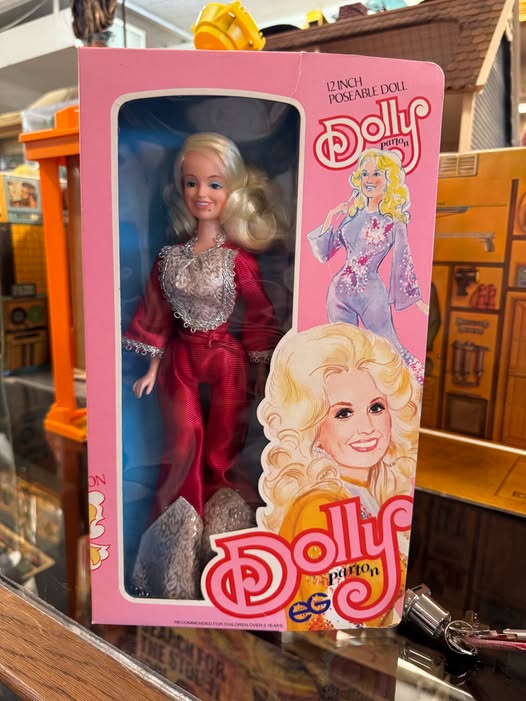
We lost artist and philanthropist Dolly Parton in August. Dolly's impact on music and history extends from coast to coast, but we're especially grateful for the role she has played in revitalizing and financially supporting our local region, including during Hurricane Helene.
| |
Miniature Magic:
Welcome to Yesterville!
| | |
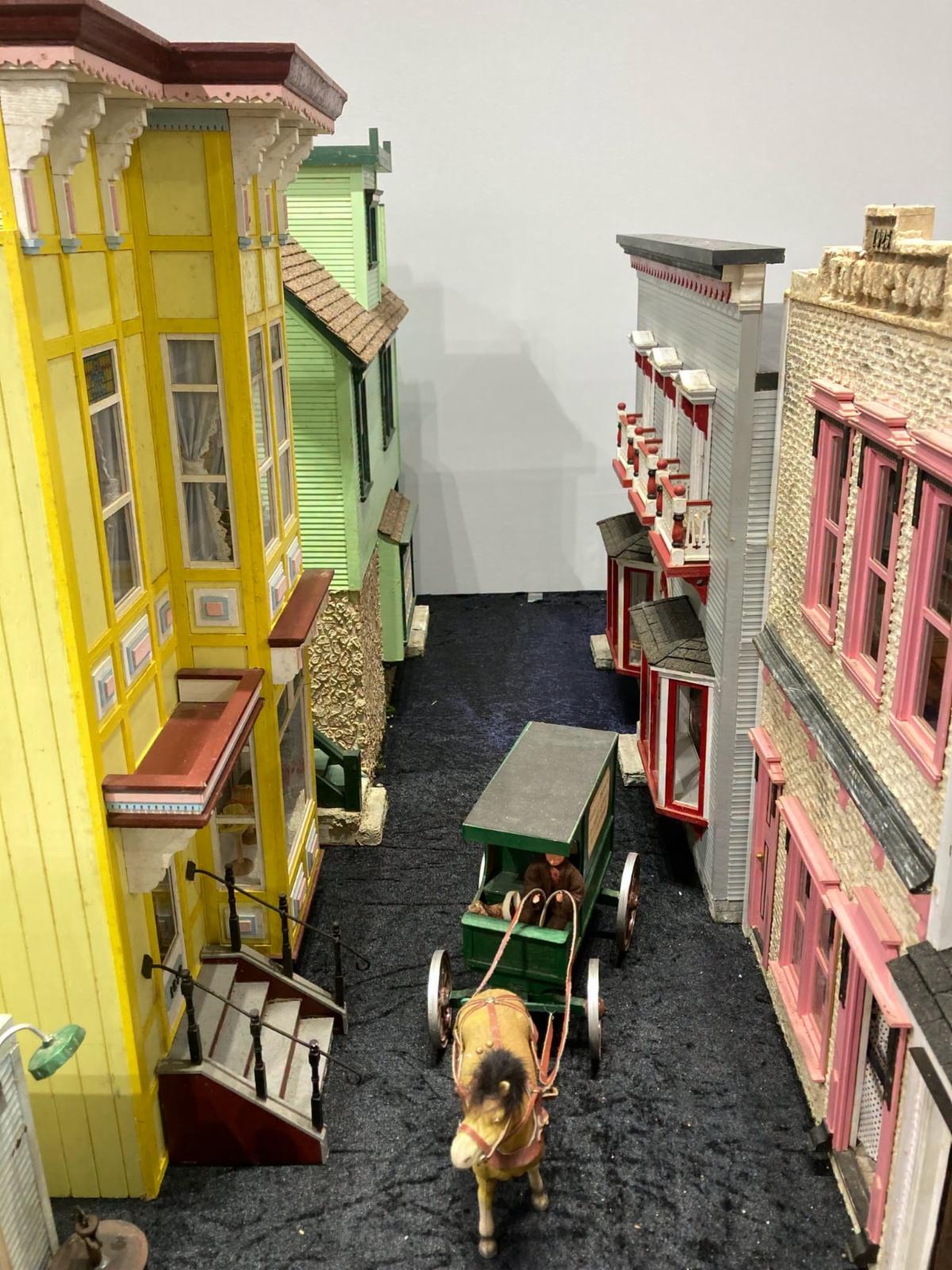
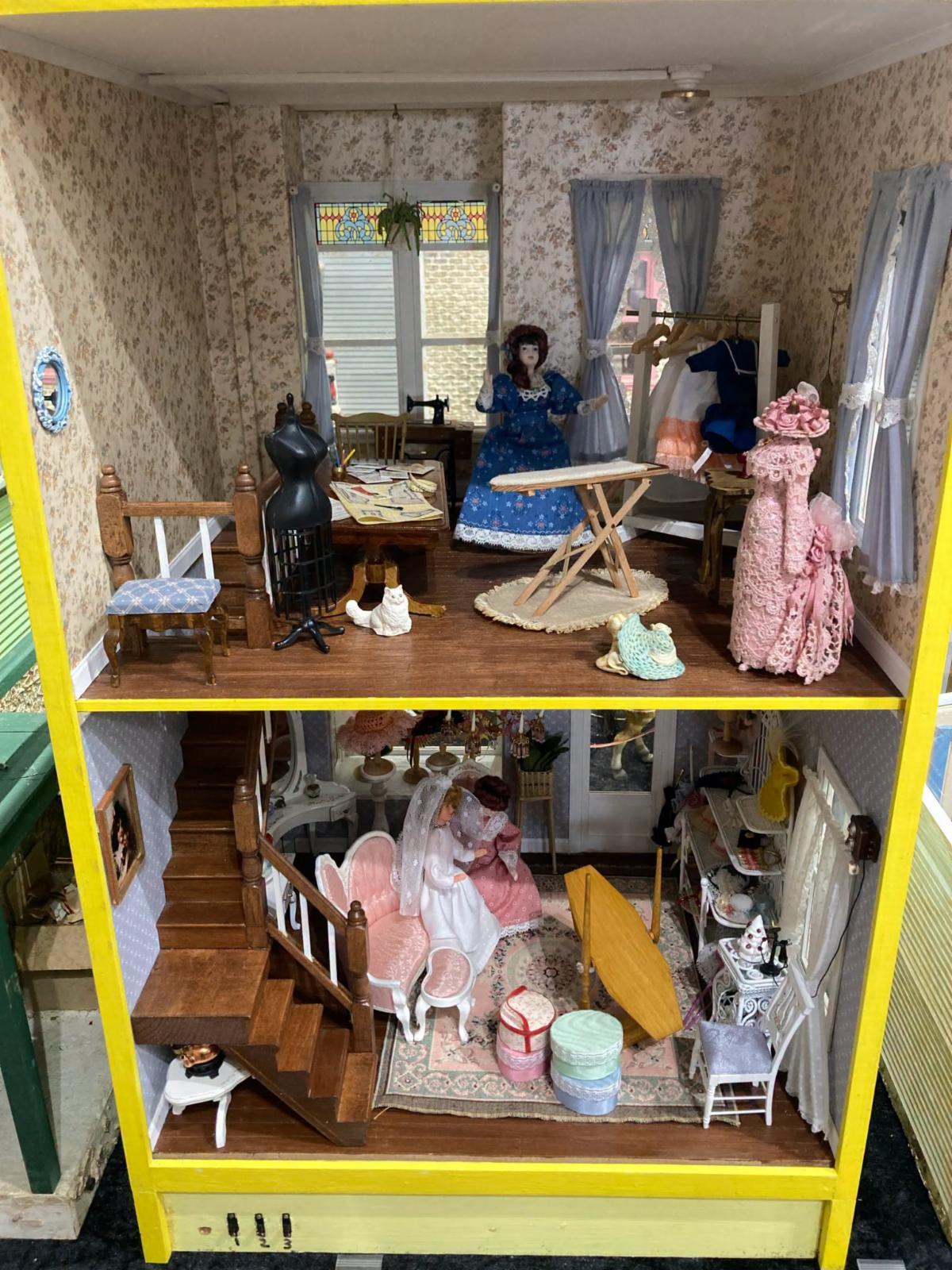
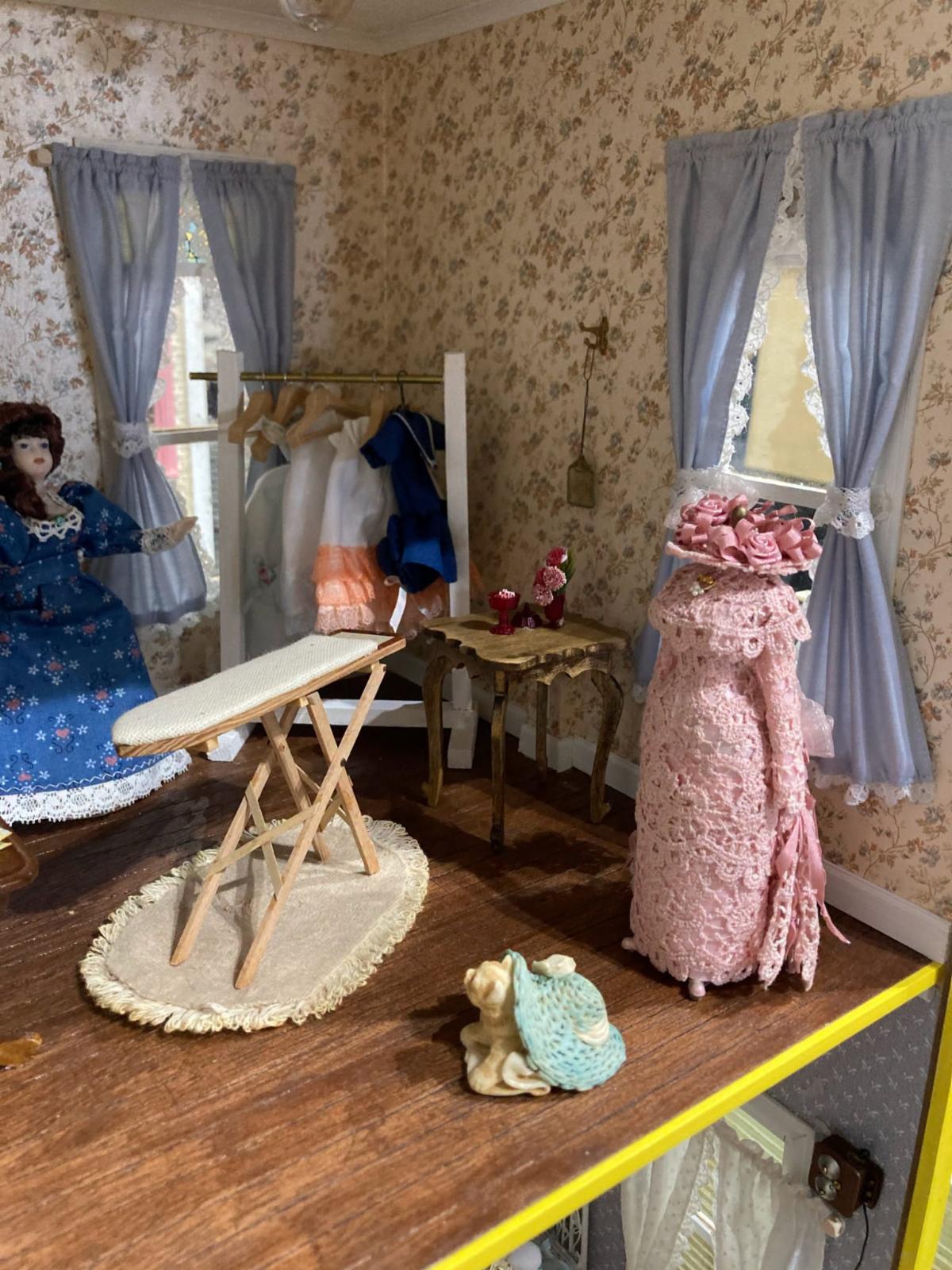
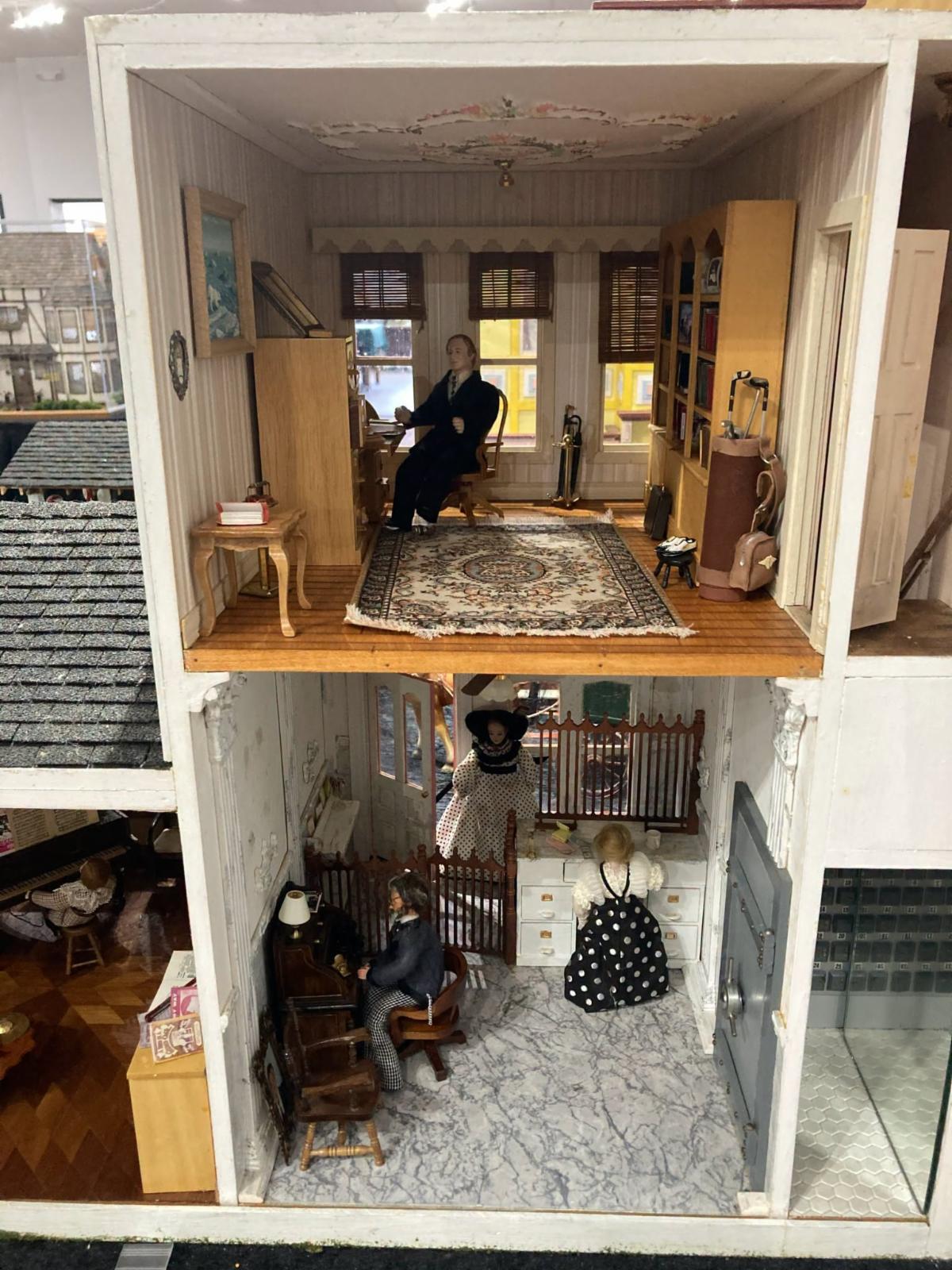
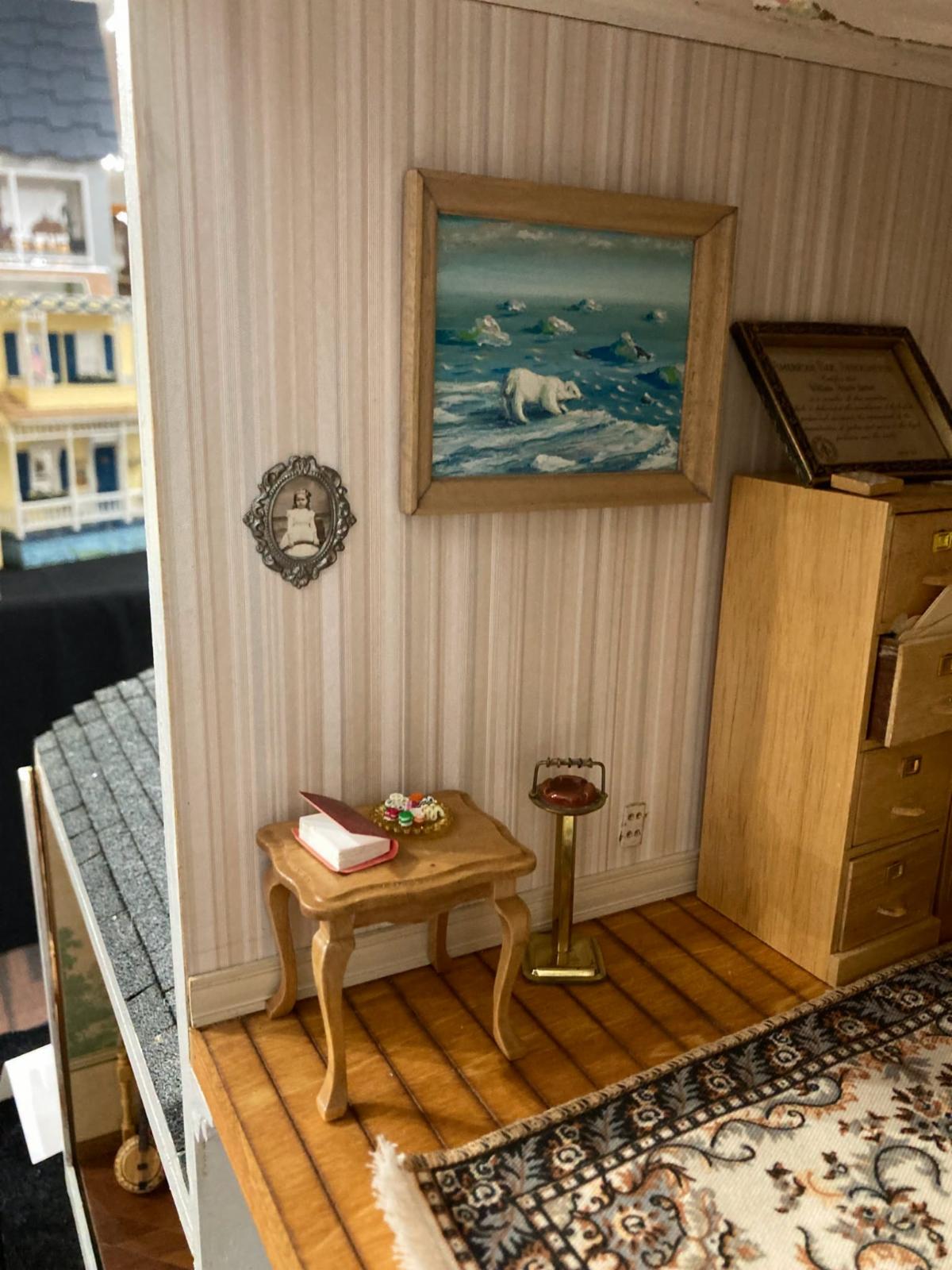
This nostalgic "Yesterville Village" miniature was created by Margie and Dale Thompson, who built the village as a rough representation of the town of Geneva, Ohio. The museum display is just a small sample of the thriving miniature village they created!
Downtown sights include a grocer with upstairs living quarters, Scotty's Gas Station, a deli, watch repair, dentist's office, and bank.
Notice Hazel's Hat Shop, which was named for Margie's mother, a milliner in Bedford, Ohio.
The bank includes an upstairs law office and a portrait of "Dale Senior" - bank president and the Mayor of Yesterville.
| |
Trains, Toys & Trucks
Hot Wheels
| | |
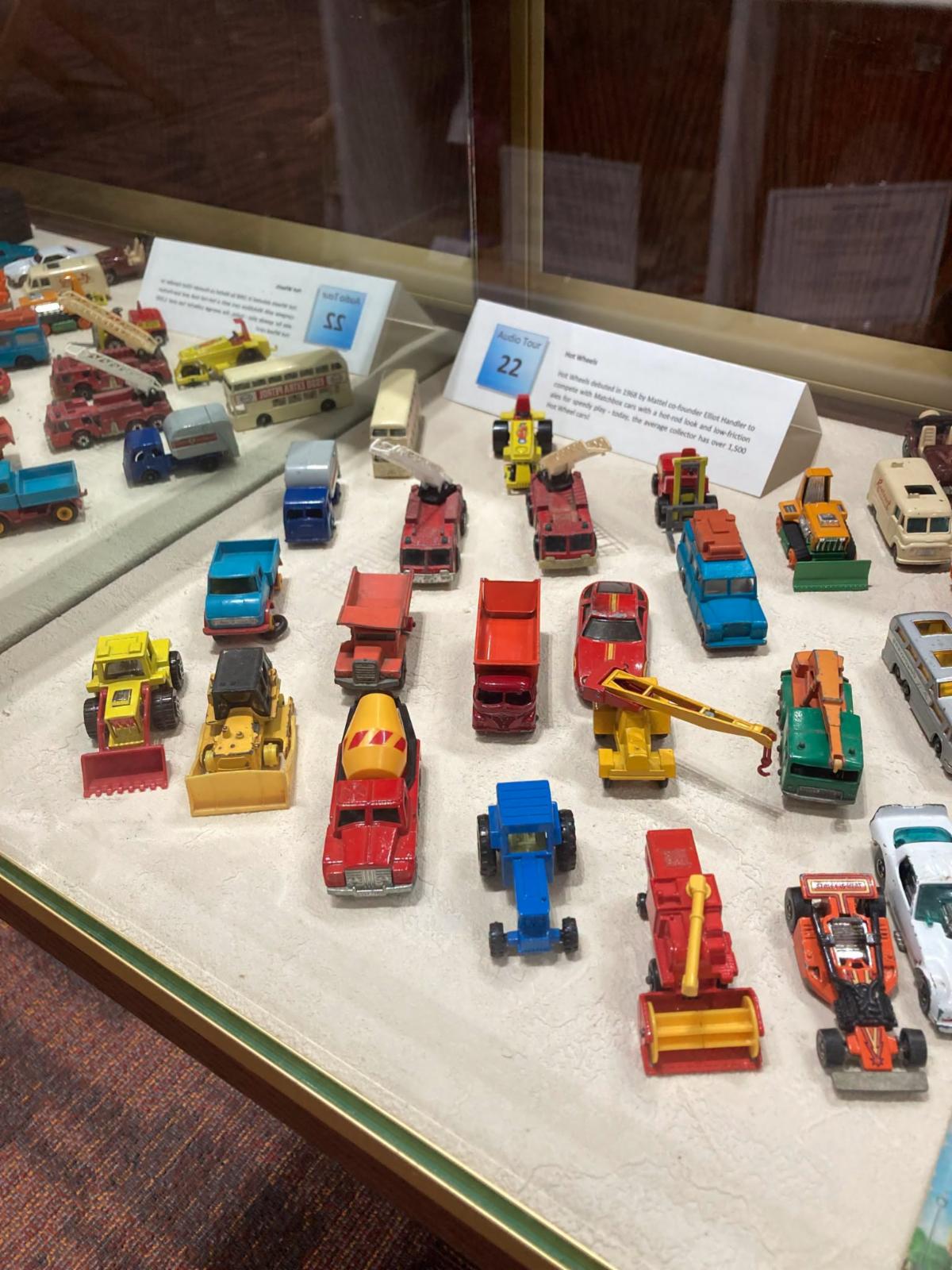
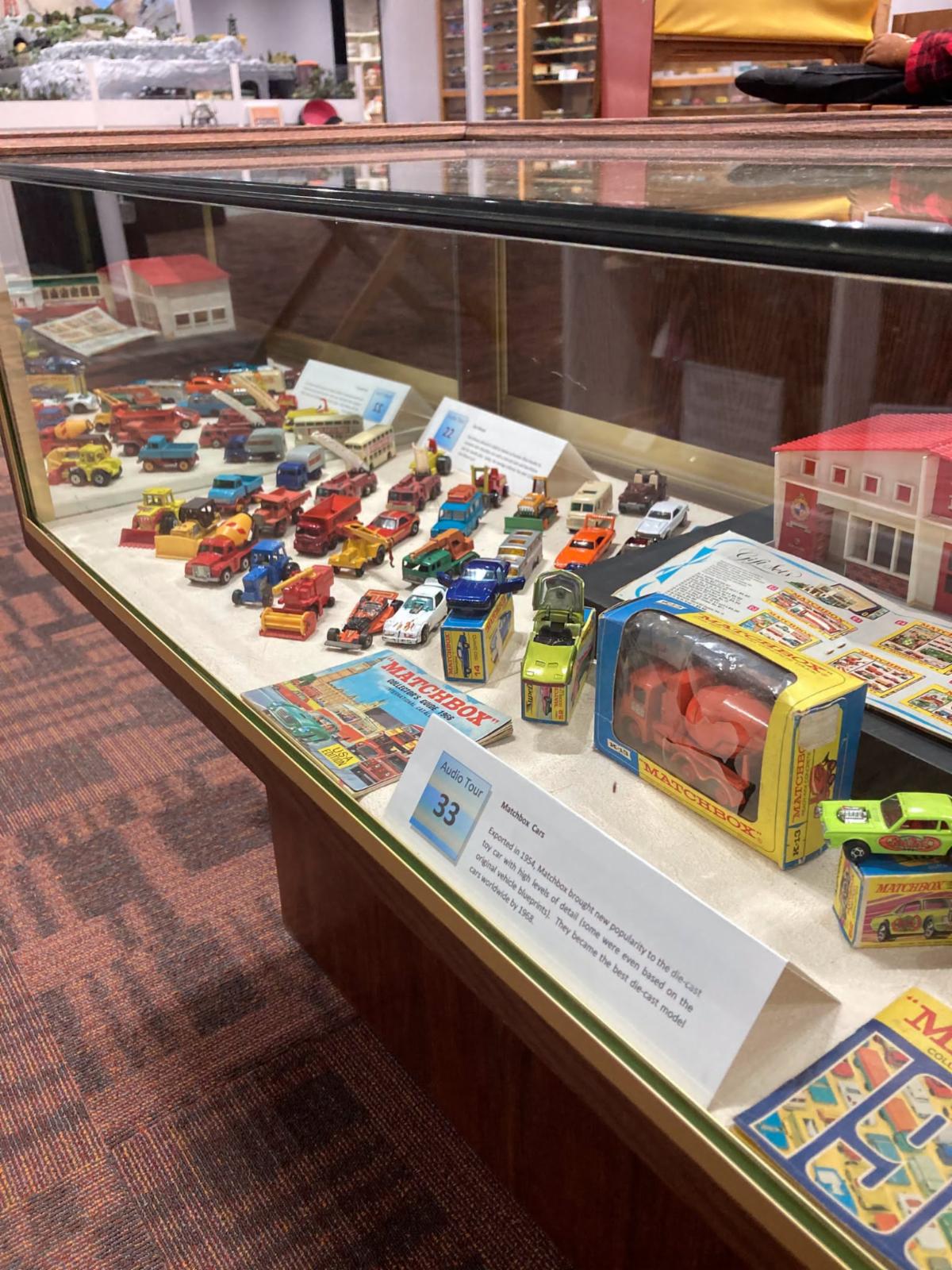
Introduced to the public on May 18, 1968, Hot Wheels were born thanks to Elliot Handler (yes, THAT Handler, co-founder of Mattel and husband of Barbie creator Ruth Handler!)
Elliot watched his son playing with Matchbox cars. He decided to design realistic-looking cars to complete with a “hot rod” look – think big rear tires, flame paint jobs, superchargers, and outlandish proportions. The signature plastic racetrack and loop became the symbol of the brand.
They were made of metal initially, but over time, plastic became the predominant material used to maintain durability and realism at a lower production cost.
Since 1968, over 4 billion Hot Wheels have been manufactured with more than 800 models and over 11,000 variations.
Although Hot Wheels was designed as a children’s toy, according to Mattel, the average Hot Wheels adult collector has over 1,500 cars while the average child has about 40 cars.
| | | New & Renewing Members | New & Renewing Members | | Ann Bejcek | Sandra Hagman | | Mary Britton | Angela Johnson | | Henry & Missy Brown | Kate Rivers | | Maria Cannizzaro | Donnie M Whitesides | | Carol Corken | Mary Winslow | | Lynn Frank | William Wood | | | | Society Members ($250+) | Society Members ($250+) | | Suzanne Birmingham | Teddie Martin | | Beth Calhoun | Lynn Montgomery | | Lynn Frank | Nancy Mott | | Nancy Hall | Jean Peeler | | Rebecca Jennings | Theresa Pitner | | Ed Klebaur | Liz Strillacci | | | |
This membership list was last updated on August 30, 2026.
Your annual membership provides critical funding for our maintenance, acquisitions, and programming. To see the different levels of membership we offer and sign up, click here.
You can pay your dues by mailing in a check, or you can pay online.
| | |
Thank You!
Thanks to you, our mission continues to preserve history, enrich the community, and spread joy.
Reply to this email if you’d like to connect with a member of our staff, volunteer, share feedback, or make a suggestion. We love hearing from you!
| | | | |