REMINDER: YOUR SUBMISSIONS ARE ENCOURAGED | | |
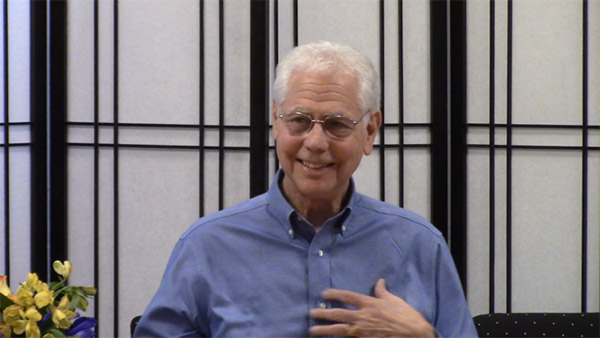
1. Hayward M. Fox, Ph.D.: I'm changing up the order this week and starting with a new video from Dr. Fox, where he walks us through a technique to adjust our mental focus and release ourselves from troublesome thoughts.
2. Sukkot 2026: The week-long celebration of Sukkot began Friday at sunset. I wish everyone observing the celebration a joyful week with their families.
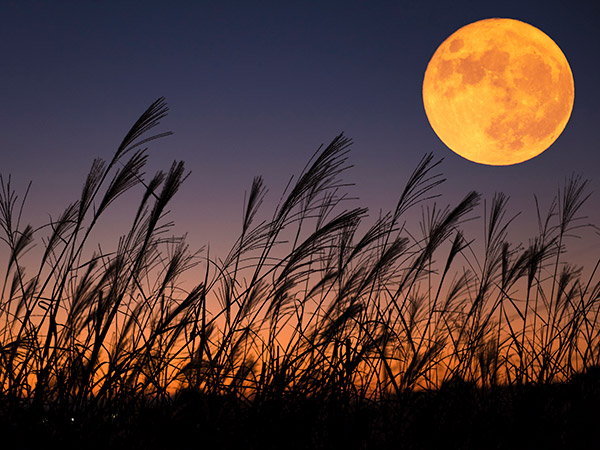
3. The Heavens: September's full moon, the Harvest Moon, will rise Saturday evening and be best viewed right after sunset low on the horizon, when it will appear large and orange low on the horizon.
4. SpaceX: SpaceX has a launch schedukled for pre-dawn Saturday, September 26th from Vandenberg Space Force Base, California that should be visible across southern Arizona.
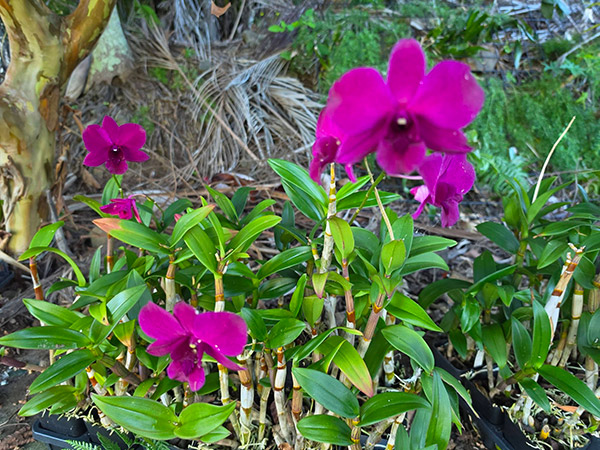
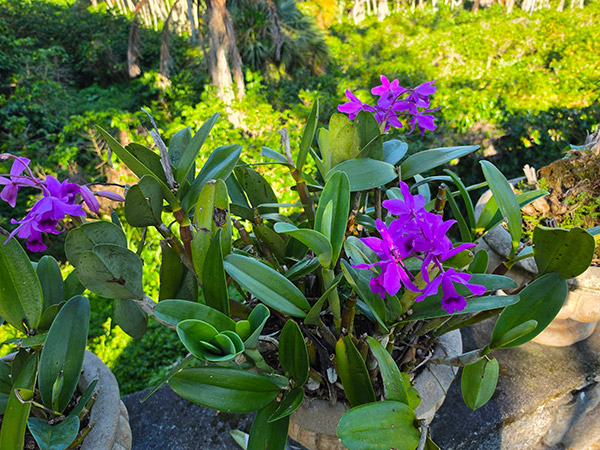
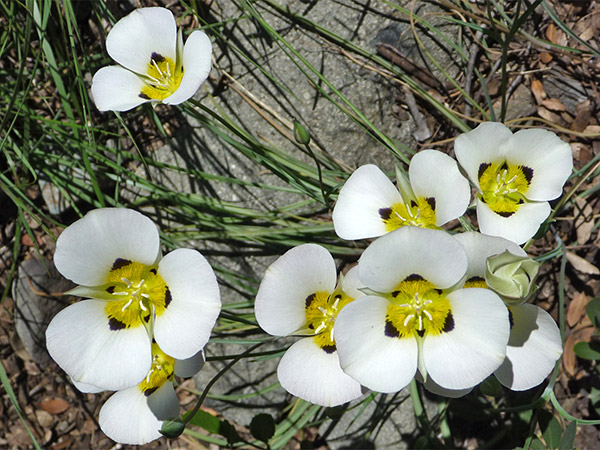
5. Reader Submission: Friend of the Flock and fellow Big Islander, Rick Robinson has shared some pictures of orchids from his garden with us.
6. Birds: A new study has identified the bird species whose call humans find most pleasing.
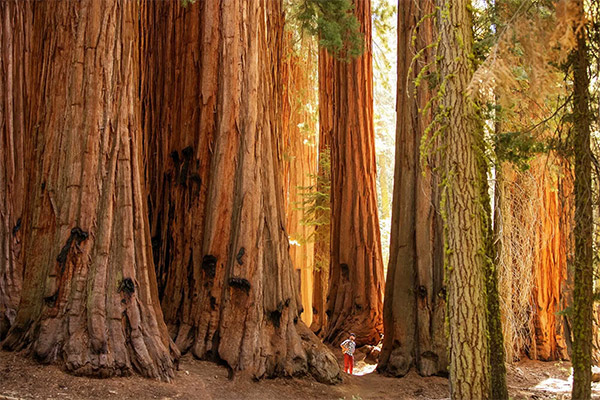
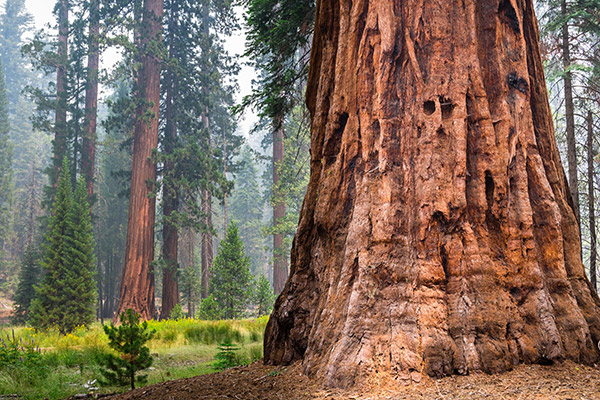
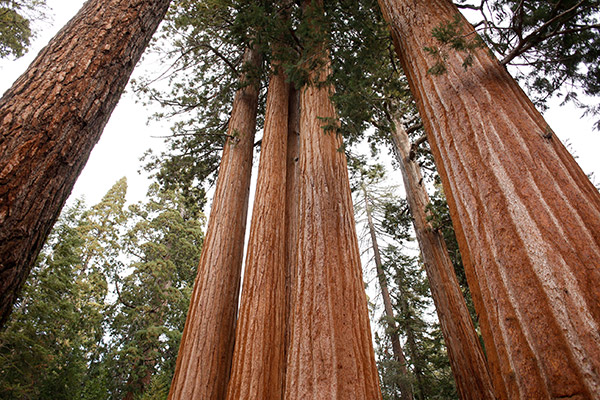
7. Nature: Giant sequoias are the world's largest trees, and they only grow naturally on the western slope of the Sierra Nevada Mountains in California.
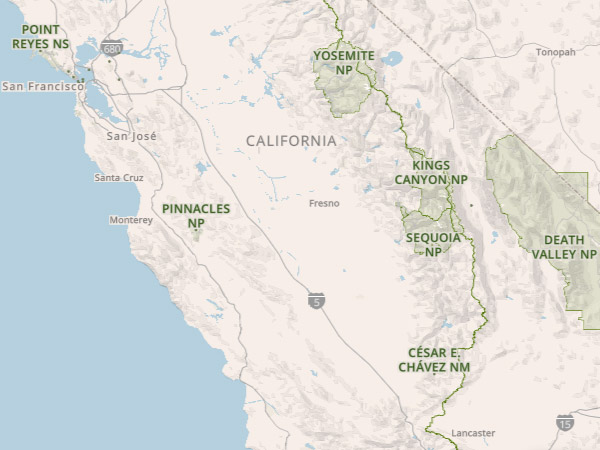
8. National Parks: Companion National Parks Sequoia & Kings Canyon share a continuous border and are home to the largest groves of giant sequoias.
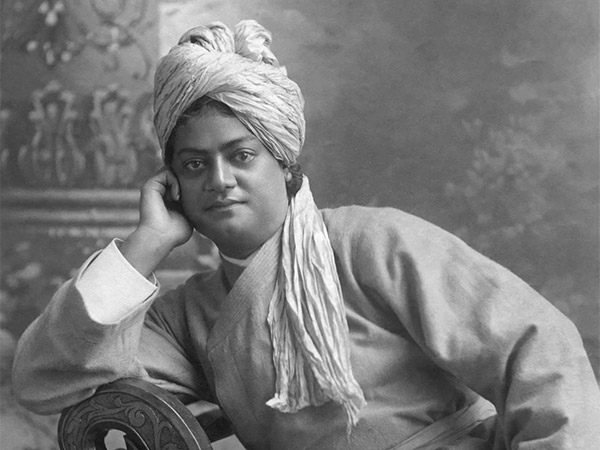
9. Bindu's Corner: I've decided to close this week's newsletter with a quote Bindu has shared with us from a lecture Swami Vivekananda gave in New York at the end of the 19th century, emphasizing the quest for spiritual attainment over rote religious practice.
| | Now, to this week's Flock. | | 1. Hayward M. Fox, Ph.D.: A New Video from Dr. Fox | | In this video, Dr. Fox teaches a technique to refocus your mind away from troublesome and preoccupying thoughts. I find the technique useful for bringing calm whenever my mind is racing. Thank you, Dr. Fox, for sharing your knowledge and wisdom with the Flock. | | How to free yourself from troublesome thoughts | | How to free yourself from troublesome thoughts | For more videos from Dr. Fox, visit the videos section of his website here. You can also find more videos on his YouTube channel, be sure to like and subscribe while you're there. | |
2. Sukkot 2026: September 25 – October 2, 2026
| | The week-long celebration of Sukkot, sometimes called the Jewish Thanksgiving, began at sundown on Friday, September 25th, and will continue until nightfall next Friday, October 2nd. This harvest festival derives its rituals and symbolism from the Israelites' survival after 40 years of wandering the desert following the Exodus from Egypt. Sukkot is followed by two one-day holidays, Shemini Azteret and Simchat Torah. | | Holiday traditions, history & Celebrations
7 Things to Know About Sukkot | |
1. What is Sukkot?
Sukkot is one of Judaism’s three great pilgrimage festivals which celebrate agricultural seasons as well as historical events. Although originating from the ancient harvest festival hag ha-asif, it also commemorates the Israelites who lived for 40 years in the desert after their exodus from Egypt. The holiday’s meaning as an agricultural festival comes from the Torah referring to it as Chag HaAsif or “the Festival of Ingathering.” Its tradition as honoring the ancient Israelites came from the Torah calling it Chag HaSukkot or “Festival of the Booths,” with “booths” related to the huts in which the Israelites dwelled in the desert.
2. What is a Sukkah?
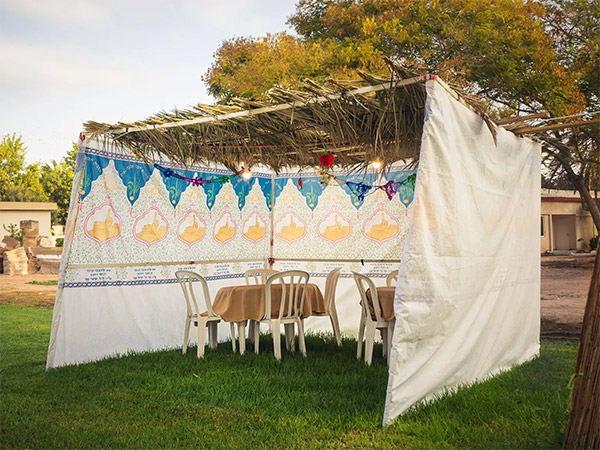
From Hebrew, Sukkah translates to “hut” or “booth.” On Sukkot, Jews construct these temporary shelters with at least 3 sides and a roof made of branches or palm leaves which offer shade but allow the stars to be seen at night. Sukkahs are meant to emulate the huts in which the nomadic Israelites lived during their time in the desert and Jews are encouraged to spend as much time in them as possible during Sukkot. On the holiday, the Sukkah is meant to be decorated, eaten in and even slept in.
| | |
3. When is Sukkot?
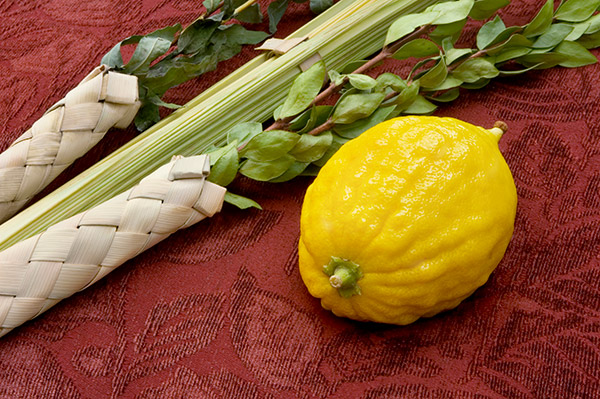
In 2026 Sukkot will take place from sundown September 25 until nightfall October 2. The holiday always takes place 5 days after Yom Kippur and lasts 7 days. The first 2 days of the holiday are a yom tov, in which Jews are not supposed to work, candles are lit, and there is a festive meal. The rest of the days are called Chol Hamoed, when Jews spend time in the Sukkah and shake the lulav and etrog.
4. What is a lulav and etrog?
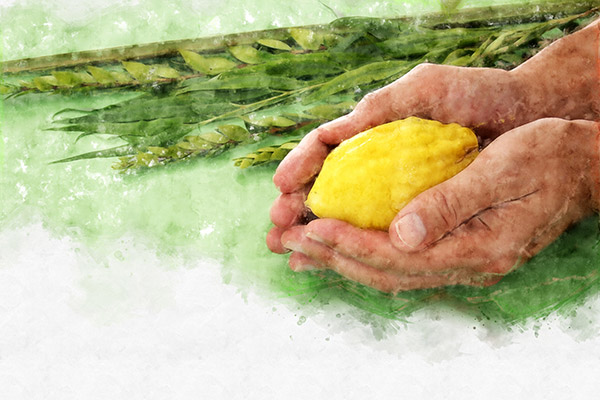
The lulav, or palm frond, and etrog, a citrus fruit, are among the “Four Kinds,” or the 4 special species of vegetation in Judaism. The other two are hadassim (myrtle twigs) and aravot (willow twigs) although lulav is sometimes used referring to these as it is the most significant among them. The first letter of each of the species in Hebrew spells the name of God and waving them in all 6 directions (right, left, forward, up, down, backward) on Sukkot represents the unification of the name. On Sukkot, special blessings are said over these harvest species each day.
| | |
5. What are the “Seven Species?”
The seven species, or shivat haminim, were the primary foods mentioned in the Torah that were eaten by ancient Jews living in Israel. These foods are: wheat, barley, grapes, figs, pomegranates, olives (used to make olive oil), and dates (used to make honey). Israelites who ate these staples believed the species represented the greatness of God’s creation and God’s generosity towards them. These foods are traditionally eaten on Sukkot and require special blessings that thank God for the fruitfulness of Earth.
6. What is Shemini Etzeret?
While Hoshanah Rabah is technically the last day of Sukkot, Shemini Etzeret (meaning “eighth stop”) is treated as an additional day of the holiday. This is because, in the Torah, God commands the day to be a “sacred occasion.”Jews celebrate Shemini Etzeret similarly to the rest of Sukkot except on this day they don’t shake the lulav and etrog, they aren’t commanded to sleep in the sukkah, and it is the first time of the year they pray for rain, officially recognizing the start of the rainy season.
7. What is Simchat Torah?
Simchat Torah, or “the joy of the Torah” is the holiday that takes place directly after Sukkot and Shemini Etzeret and marks the end, and then immediate beginning, of the annual Torah reading cycle. As the name suggests, it is a joyous holiday when Jews dance with the Torahs, which is called hakafot. It’s favorable to receive an aliyah, or recite a blessing upon the Torah, during the holiday, and the new reading cycle for the year starts right after the last aliyah.
| | 3. The Heavens: September's Harvest Moon | | Saturday evening, September 26th, welcomes September’s full moon, the Harvest Moon, shortly after sunset. The low moonrise will make the moon seem larger due to an optical illusion known as the “moon illusion,” where the moon seems larger to the naked eye because we are seeing it in proximity to terrestrial landmarks like mountains, trees, and buildings on the horizon rather than surrounded by the emptiness of the night sky. The moon will also pick up an orange or yellow hue because the long-wavelength light it reflects is filtered through the thick, low atmosphere. | | The Full ‘Harvest Moon’ Rises This Weekend — Why This One Is Different | | From: Forbes, By: Jamie Carter, September 24, 2026 | | |
September’s full Harvest Moon will rise into the eastern sky this weekend, bringing one of the most distinctive moonrises of the year. September’s full moon turns full on Saturday, Sept. 26, at 12:49 p.m. EDT, but the best time to see it will come around sunset that evening, when a huge-looking orange moon will appear close to the horizon. Saturn will shine beneath, just days before reaching its brightest of the year at opposition. But what makes a Harvest Moon special isn’t its color, size or brightness — it’s what happens on the nights around it. Here’s everything you need to know to see the full Harvest Moon this weekend.
Why is the Harvest Moon different?
The Harvest Moon is arguably the most famous full moon of the year, but not because it’s bigger, brighter or more orange than others. While many full moons seem to have names associated with them that make no sense to most people (particularly the Beaver Moon, Sturgeon Moon and Wolf Moon), the Harvest Moon’s name does have a deep meaning linked not to culture, but also to celestial mechanics.
The moon normally rises about 50 minutes later each successive day. Around the September equinox, however, the geometry of its orbit means that delay becomes much shorter at mid-northern latitudes. In New York, for example, the moon rises at 6:34 p.m. EDT on Saturday and 6:58 p.m. EDT on Sunday — a difference of just 24 minutes.
An unusually shallow angle at which the moon’s path crosses the eastern horizon around the autumn equinox produces a few successive evenings when a bright moon rises around sunset — a key factor in whether a moonrise is impactful. Meanwhile, the Harvest Moon’’s name comes from the prolonged evening illumination if causes — something that was useful during the autumn harvest before artificial lighting and agricultural machinery were invented.
Harvest Moon and Saturn
There will also be another bright object close to the moon. Saturn will shine just below the Harvest Moon as it rises, creating an easy naked-eye pairing. Saturn is approaching opposition on Oct. 4, when Earth passes between it and the sun. That means the ringed planet is already particularly bright and visible for virtually the entire night.
The faint planet Neptune will complete a broad triangle with the moon and Saturn, though at around magnitude 8 it requires binoculars or a telescope.
| | 4. SpaceX: Falcon 9 Launch | | |
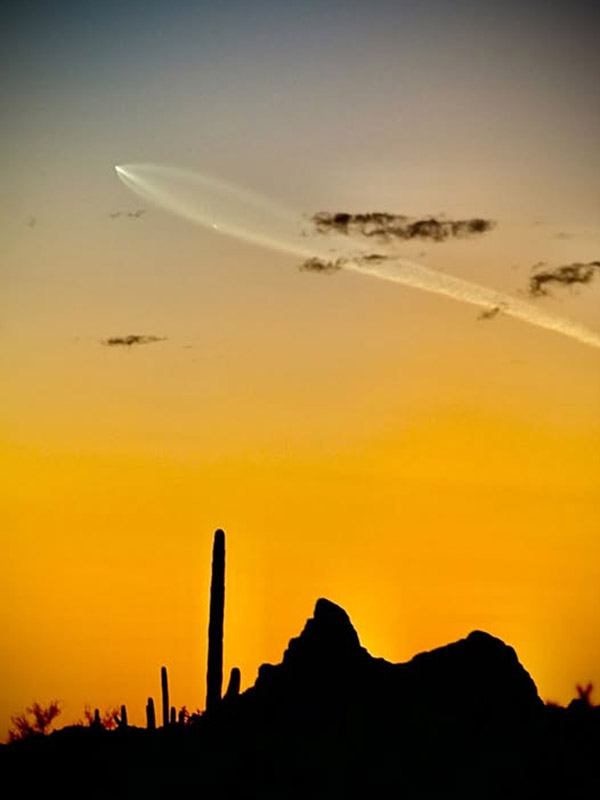
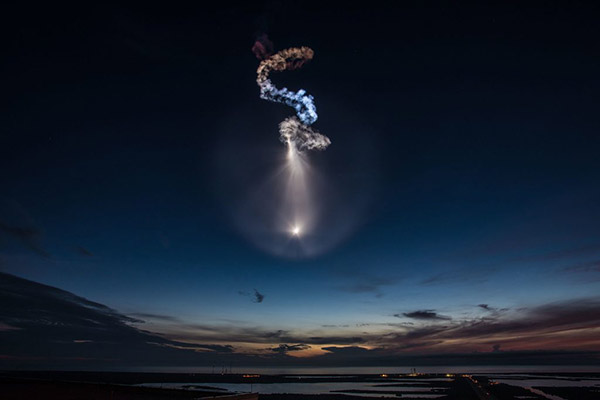
SpaceX Falcon 9 launch seen from outside Tucson.
Credit: Vandenberg Rocket Launches
| SpaceX launched a Falcon 9 Rocket to deploy Starlink internet satellites from Vandenberg Space Force Base on the central coast of California last Saturday evening around sunset. The rocket was visible across California and southern Arizona, with a glowing trail of engine exhaust in the night sky well after sunset. Another launch is scheduled Saturday morning, September 26th, between 4:56 am and 7:56 am. Launches are frequently delayed for hours; last weekend's launch window was scheduled for the same time, but did not launch until 6:49 pm, so if you are watching Saturday's full moon rise over the eastern horizon, you have a good chance to see the Falcon 9 launch if you turn around and focus your attention on the western horizon. Future launch dates are available on the website below. | | Vandenberg SFB Rocket Launch Schedule: Today & Upcoming | | Track every Vandenberg SFB rocket launch with our comprehensive schedule featuring real-time updates on today's launches and upcoming missions. Get instant access to live streams, detailed mission profiles, launch countdowns, and complete coverage of Vandenberg SFB space operations including rocket specifications, crew information, trajectory data, and booster landing attempts. | | Jellyfish Effect Rocket Launch Explained: Why Rockets Glow at Twilight | | |
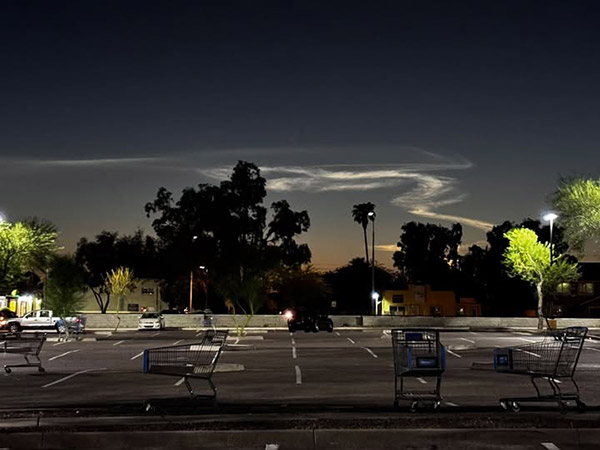
Did you see this during a recent launch?
One of the most mesmerizing sights in the world of rocket launches is the jellyfish effect rocket launch phenomenon, a stunning visual that often surprises even experienced launch viewers. This captivating visual phenomenon occurs when a rocket’s exhaust plume expands and glows in a way that resembles a luminous jellyfish floating against the sky. But this spectacle doesn’t happen during every launch—it’s most often observed when a rocket is launched during twilight or the pre-dawn hours, creating a perfect blend of darkness and sunlight to illuminate the exhaust gases in the upper atmosphere. This is why the jellyfish effect rocket launch phenomenon is most visible at higher altitudes.
I vividly remember the first time I witnessed the rocket launch jellyfish effect during a SpaceX rocket launch. At the time, I had no idea what it was and thought something had gone wrong with the launch. The exhaust plume started expanding, growing larger and more vibrant, until it seemed to cover much of the sky. What stood out were the swirling patterns within the plume—something I later learned was caused by the rocket’s booster returning to Earth. It was both mesmerizing and awe-inspiring, and I couldn’t believe how surreal the whole scene appeared against the twilight sky.
| The SHOCKING Reason Why Rockets Create Jellyfish Patterns | |
5. Reader Submission: Rick Robinson's Orchids
| | Close family friend and Flock contributor Rick Robinson has shared pictures with us of the beautiful orchids he grows in his Big Island garden. In previous issues of the Flock, Rick has shared photos from his trip to Burma with his wife, Claire, and authored A Memorial Day essay that I should repost every year about Dutch families that show their gratitude to the Allied soldiers who liberated Holland in WWII by adopting and maintaining the graves of individual soldiers to this day. Thank you for these pictures from your garden, Rick. | | Rick says, “When it is warm and humid the orchids put on their best show.” They certainly do! | | I've posted before about the benefits of birdwatching for physical and mental health. Simply listening to birds, without necessarily spotting or identifying them, can also calm people and help relieve stress. Researchers in Europe conducted a study to determine which birds have the most pleasing vocalizations to humans and what characteristics of those calls make them appealing. Further study in the area could improve understanding of commonalities between birdsong and human music and inform the design of green-space retreats in urban areas. | | Which bird has the most melodious song? A new study has an answer | | From: CNN Science, By: Taylor Nicioli, September 19, 2026 | | |
When birds are chirping, humans may feel a little more at ease. But some bird vocalizations seem to strike a particularly pleasing chord with human ears — and scientists are beginning to understand why.
For much of our evolutionary history, the sounds of birds going about their business may have been a reassuring signal that the surrounding environment was free of danger.
Now, a small new study has revealed that certain acoustic qualities may help explain why humans find some birdsongs more pleasant than others. People tended to prefer softer bird sounds with a narrower frequency range, while also rating more complex vocalizations as more pleasant, according to researchers at the University of Tübingen in Germany.
And the preference didn’t appear to depend on whether listeners knew much about birds, the scientists found.
“This suggests that enjoyment of birdsong is connected to something more fundamental than just knowing what you are listening to,” said Dr. Nadine Kalb, lead author of the study published September 1 in the journal Frontiers, in a statement.
“Our results show that the combination of various acoustic features is important for how much we like a bird song, and that different combinations of these acoustic characteristics can result in very pleasant sounds,” added Kalb, a biologist at the University of Tübingen, in an email.
The researchers said the findings could provide a better understanding of how birds shape our environment — and eventually help inform the design of parks, urban green spaces and other places where people go to unwind.
Why the common blackbird took top honors
The research team asked 84 people to listen to recordings of 123 wild bird species and rate how pleasant they found each bird’s vocalizations.
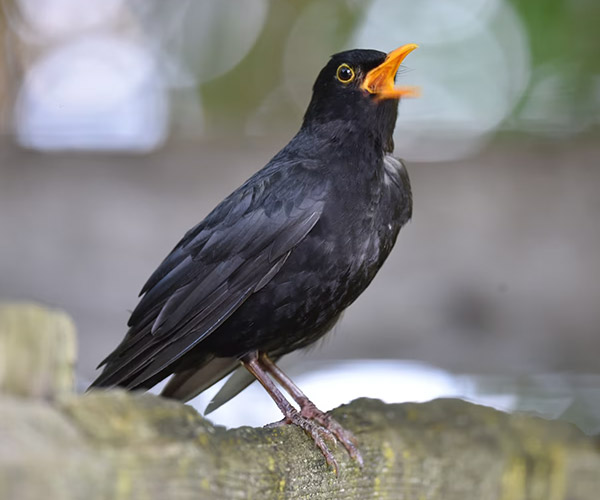
The star of the survey, with an average rating of 4.52 out of 5, was the common blackbird (or the Eurasian blackbird). Typically spotted in gardens, parks and woodlands, Turdus merula is a familiar sight across Europe, with a song that’s rich, mellow and flutelike.
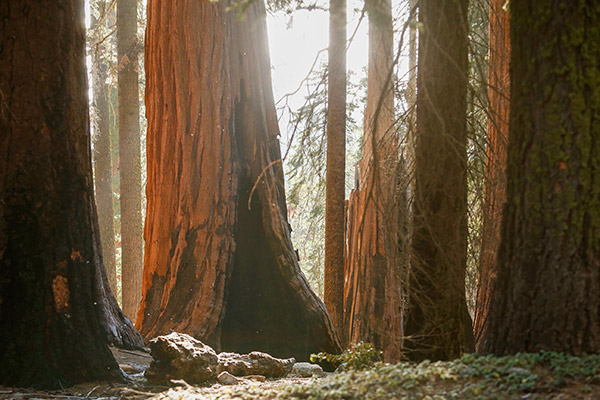
| | 7. Nature: The Giant Sequoia | | There is nothing like standing at the base of a giant sequoia; the sheer mass and scale can be awe-inspiring, intimidating, and exhilarating all at once. Walking through a forest of these giant trees at dawn or dusk, with crepuscular rays of light filtering through, feels primordial, completely detached from modern civilization. | | |
Giant sequoias (Sequoiadendron giganteum) do not simply grow—they accumulate time. Rising along the western slopes of the Sierra Nevada, these trees are the most massive living beings on Earth, shaped by centuries of snow, fire, and stillness.
The largest known giant sequoia, the General Sherman Tree in Sequoia National Park, is between 2,200 and 2,700 years old. It stands 275 feet tall and is more than 100 feet around. Other giant sequoias are even taller, reaching more than 316 feet, while the oldest known individuals are estimated to be over 3,200 years old. Standing beneath one is a reminder that these trees were already ancient when the Roman Empire began.
These giants also helped spark one of the first conservation victories in the American West: the protection of the Mariposa Grove in 1864—years before the creation of the first national park. Despite these early protections, giant sequoias remain vulnerable. In recent years, unprecedented wildfires have killed roughly 17% of mature trees, revealing how quickly change can outpace even the longest-lived organisms. Their story today is one of not only endurance but urgency—and the opportunity to restore the natural and cultural processes that have sustained these forests for millennia.
| | |
The Backstory
Giant sequoias share their ancestry with coast redwoods and dawn redwoods, descendants of a lineage that flourished across the Northern Hemisphere millions of years ago. As climates cooled and grew drier, these ancient forests retreated to California’s Sierra Nevada, growing on west-facing slopes where accumulated snowfall could sustain their water needs through summer. For thousands of years, these sequoia groves were shaped by frequent, low-intensity fire. Indigenous peoples intentionally used cultural burning to steward the landscape, reduce flammable vegetation, maintain open forests, and promote diverse native species.
Unlike the coast redwoods, giant sequoias were never extensively harvested for timber. While many groves were logged after Euro-American settlement, sequoia wood proved brittle and poorly suited for lumber, often shattering when felled. Ironically, their limited commercial value may have helped save many of the largest trees from the fate that befell much of California’s old-growth coast redwood forest.
When giant sequoias first came to the attention of the wider public in the mid-1800s, many people found their immense size difficult to believe. Exhibits of giant sequoia bark and sections of trunks were displayed in East Coast cities and Europe, where some dismissed them as elaborate hoaxes. Yet public fascination quickly grew, helping inspire one of the earliest conservation victories in the United States.
In 1864, during the Civil War, President Abraham Lincoln signed legislation protecting Mariposa Grove and Yosemite Valley. This act predated the creation of Yellowstone National Park and marked a pivotal moment in the conservation movement, establishing the idea that extraordinary natural places should be protected for future generations. Giant sequoias became enduring symbols of that vision, featured prominently on the National Park Service emblem.
| |
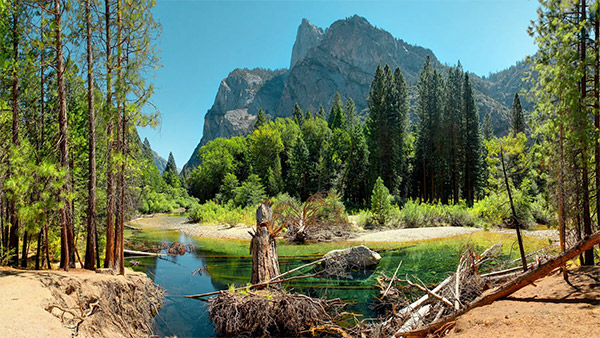
8. National Parks: Sequoia & Kings Canyon
| | Sequoia and Kings Canyon are two National Parks joined at the hip. Both parks feature groves of giant sequoias. Sequoia is very accessible, with many paved, level trails through sequoia groves and a shuttle service that moves visitors around the park. Kings Canyon is less developed and attracts smaller crowds while offering more wilderness area and backcountry trails. | | Sequoia & Kings Canyon
National Parks • California
| | |
America's Second National Park (1890)
On September 25th, 1890, President Benjamin Harrison signed legislation establishing the second national park in America – Sequoia National Park. Created to protect giant sequoia trees from logging, this national park was the first formed specifically to protect a living organism.
Only one week later, Sequoia gained a neighbor: four square miles of parkland that became General Grant National Park. Although small, General Grant National Park remained on the map of California until 1940, when it became a part of the newly established Kings Canyon National Park.
| | |
What is a Sequoia Grove?
Giant sequoia groves are portions of Sierra Nevada mixed conifer forest that contain giant sequoias. In most groves, giant sequoias are fewer in number than other tree species, but are the most visually striking and dominant in size. Giant sequoias grow only on the western slopes of the Sierra Nevada in California, between 4,000 and 8,000 feet (1219 and 2438 m) in elevation. Within park boundaries, park staff distinguish approximately 40 different giant sequoia groves, ranging from one to tens of thousands of sequoia trees per grove. Numerous groves can be reached by road, while others are remote and involve an arduous hike to visit. Most groves are noted on the park driving map. In all the groves—from heavily visited to remote—these immense, majestic trees and sunlight filtered through lofty branches bring a sense of peace and wonder.
| | |
Which Park Do I Go To?
Sequoia and Kings Canyon National Parks are two parks run by the National Park Service under one unit, which means visitors get the best of both worlds! Each park has its own areas and features that make it completely unique.
| | Sequoia National Park includes the Foothills, Giant Forest, Lodgepole, Wuksachi, and Mineral King areas. Some important features in the area are the Hospital Rock, General Sherman Tree, Crescent Meadow, and Moro Rock. | Kings Canyon National Park includes Grant Grove and Cedar Grove areas. Grant Grove features the General Grant Tree and panoramic views of the parks. Cedar Grove offers riverside trails, the iconic Zumwalt Meadow, and acts as a portal to the wilderness of the High Sierra. | Wherever and whenever you visit the parks, you'll experience one of the finest and wildest areas of the Sierra Nevada mountain range! | |
9. Bindu's Corner: Swami Vivekananda Quote
| | Today's quote from Swami Vivekananda shows a compassion for human stuggle to reach true spiritual attainment. | Today's Vivekananda Quote | | |
How long would any of you bear with me if I injured you? He in whose mind is no anger, hatred, or envy, who never loses his balance, who never dies, who is never born, who is he but God? But the path of God is long and difficult, and very few people attain God. We are all babies struggling. Millions of people make a trade of religion.
— Addresses on Bhakti Yoga: The First Steps (New York: December 16, 1895). Complete
| | These Flock regulars are always here for you: | | Don't Be Shy: Share Your Stories! | | I'm looking forward to sharing more of your personal stories - oral, written, or otherwise, as we enter our third year. I'd so love to present them to The Flock, hit a mailbox below to share your story. | | Subscriptions & Idea Submissions
Reminder: Your submissions are always welcomed. | | |
Feel free to forward this email to a friend. If this was forwarded to you and you would like to receive your very own Flock Newsletter, you can sign up here. If you have any questions or suggestions for future Flock resources, don't hesitate to contact me.
Your fan and friend,
Beth
| | | The information and materials contained or referenced in this newsletter are for informational purposes only and not intended to be a substitute for professional medical advice, diagnosis, or treatment. Always consult a physician or other qualified medical professional with any questions you may have regarding a medical condition or treatment and before beginning a new health care regimen. Do not disregard professional medical advice or delay seeking medical advice or care based on anything contained in this newsletter. | | | | |