Discoveries
February 2026
| | | In the latest issue of Discoveries: | | | | Cell stress and liver cancer: A new study showed that liver cells’ response to chronic stress can lead to cancer, yet it also can make tumors less resistant to immunotherapy. | | | | Decoding developing brain rhythms: Scientists developed a simplified, scalable human cell model to study how coordinated rhythms of brain activity emerge. | | | | Direct protein measurement now possible: Researchers found that metallic markers can be used to directly measure protein activity. | | | | Celebrate 50 years of discovery: Our interactive timeline traces the milestones, discoveries and philanthropy behind the Institute’s growth from its founding to today. | | Cell stress response bears good news and bad news for liver cancer | | |
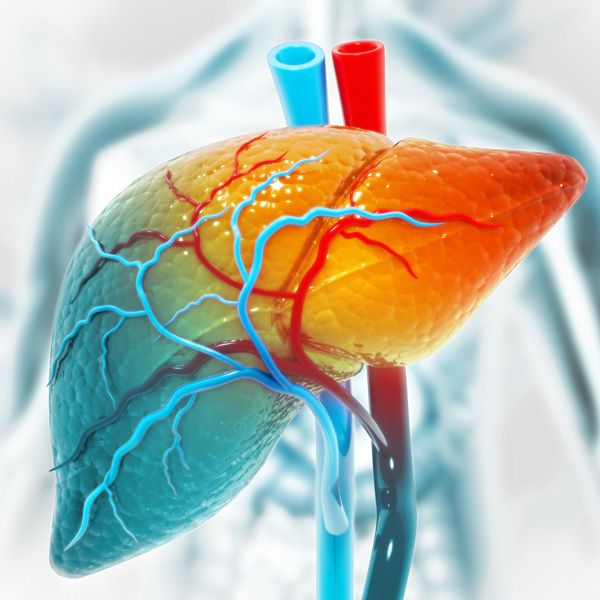
Metabolic disorders such as obesity and type 2 diabetes place extra stress on the liver. Liver cells try to protect themselves from the accompanying surge in dysfunctional proteins by activating factors that help restore an appropriate protein balance.
An international team including the Kaufman lab published a new study in Nature showing that liver cells’ response to chronic stress can lead to cancer, yet it also can make tumors less resistant to immunotherapy.
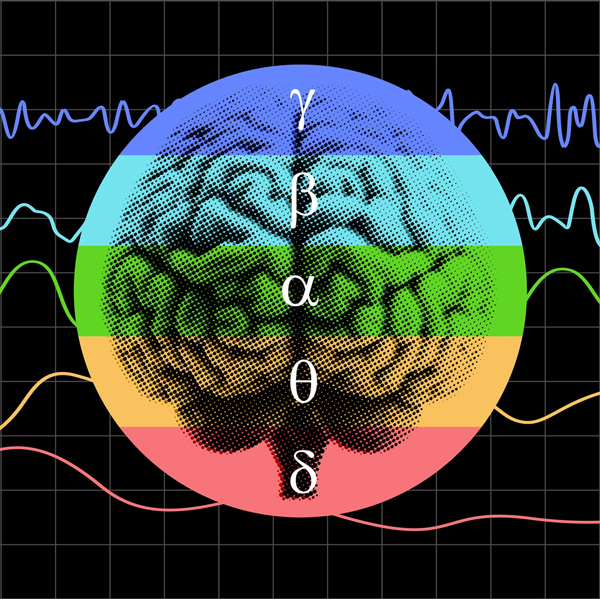
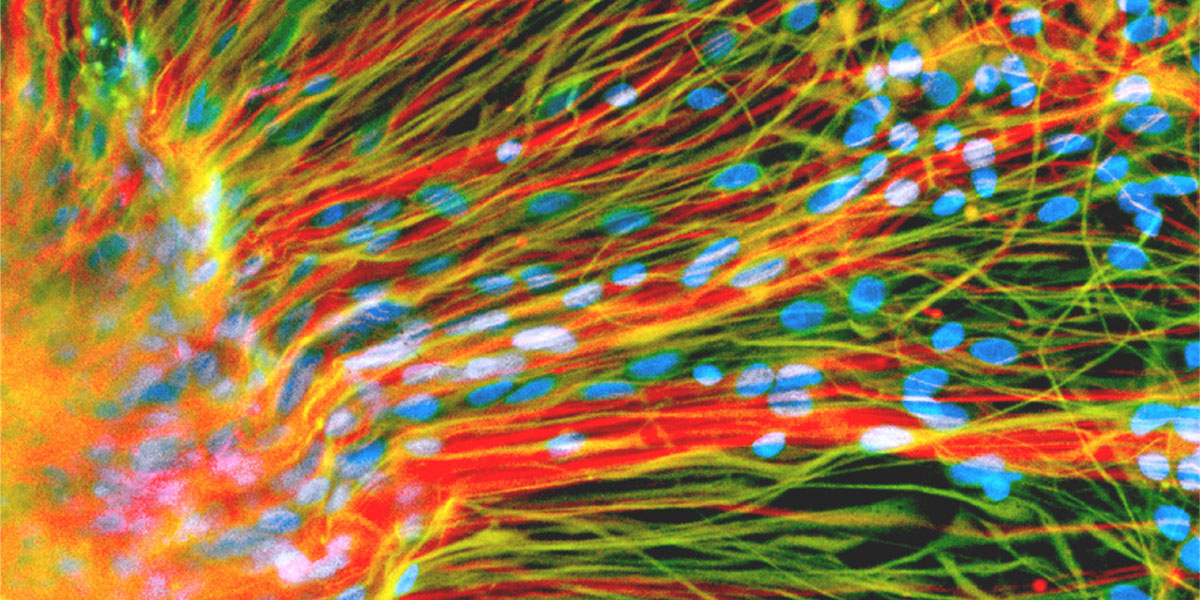
| | | The findings may lead to tests of drugs that modify the liver cell stress response to treat liver cancer and may help physicians determine which patients will benefit from existing immunotherapies. | | Decoding developing brain rhythms with scalable human neuron networks | | Brain “waves” are rhythms of electrical activity generated by large groups of neurons working together. Clinicians use it to look for patterns linked to sleep, seizures and other changes in brain function. These rhythms change as the brain develops, and disruptions to that process have been linked to conditions ranging from epilepsy to neurodevelopmental and psychiatric disorders. | | | To learn what controls the advent of these rhythmic patterns in humans, scientists need more tools. In a new study from the Bang lab, scientists developed a simplified, scalable human cell model to study how coordinated rhythms of brain activity emerge. This platform provides a foundation for future efforts to model brain wave development, study its dysregulation in disease and test candidate treatments. | | Metallic markers make direct measurement of protein activity possible | | |
Cells operate on rules not vibes, including when on the precipice of persisting or perishing. Yet, with prior research methods, scientists studying this phenomenon had to infer how cells choose to sustain themselves or self-destruct based on the output of their protein factories.
Scientists at Sanford Burnham Prebys, including professor emeritus Guy Salvesen, PhD, recently published results of a study demonstrating a new approach for measuring their activity. The researchers also revealed a more complicated picture in which protein activation cannot always be presumed by protein production.
| | | Celebrating 50 years of discoveries | | Explore our interactive timeline | | |
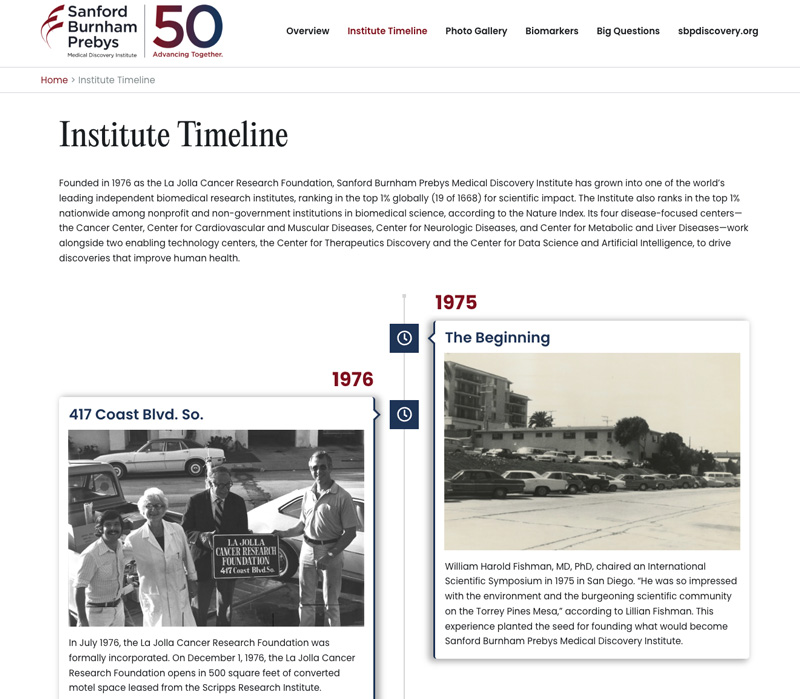
This year marks 50 years of Sanford Burnham Prebys. 🎉🎉🎉
Our interactive timeline traces the discoveries, milestones and philanthropy that have shaped the Institute’s evolution — from the La Jolla Cancer Research Foundation to the Institute we are today.
| | | Giving from Your Retirement Plan | | |
Retirement plan assets (other than Roth IRAs) can be heavily taxed when left to individuals. By naming Sanford Burnham Prebys as a beneficiary, the full value of your gift can support the research and purpose you care about most.
You can designate Sanford Burnham Prebys Medical Discovery Institute directly through your retirement plan’s beneficiary form. This creates an unrestricted future gift to the Institute. If you would like to direct your future gift to a specific area or learn more about legacy giving, please contact Sandy Liarakos, Vice President of Philanthropy.
| | |
For more information, please contact Sandy Liarakos, CFRE, CSPG Vice President of Philanthropy, at sliarakos@sbpdiscovery.org.
Sanford Burnham Prebys Medical Discovery Institute is a 501(c)(3) nonprofit organization. Tax ID: 33-0319504.
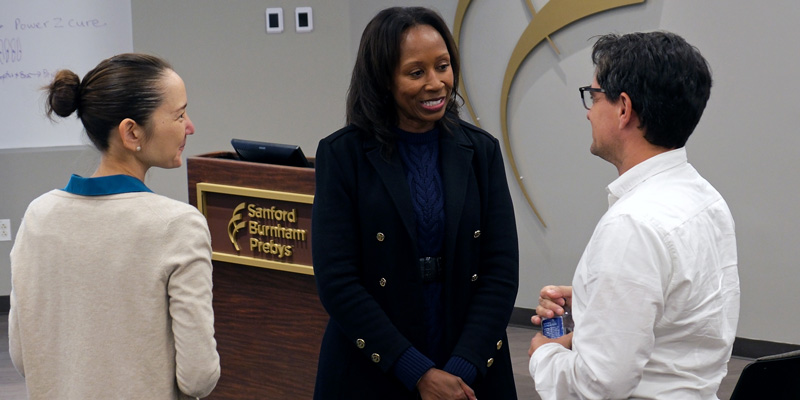
| | Women in Science Lecture series showcases public health and nutrition policy leader | | The February event features Cheryl A.M. Anderson, PhD, MPH, MS, professor and dean of the Herbert Wertheim School of Public Health and Longevity Science at UC San Diego; and Angela Liou, MD, pediatric neuro-oncologist with a dual appointment at Rady Children’s Health and the Cancer Genome and Epigenetics Program at Sanford Burnham Prebys. | | | Sanford Burnham Prebys postdoctoral researcher profiled in The Scientist
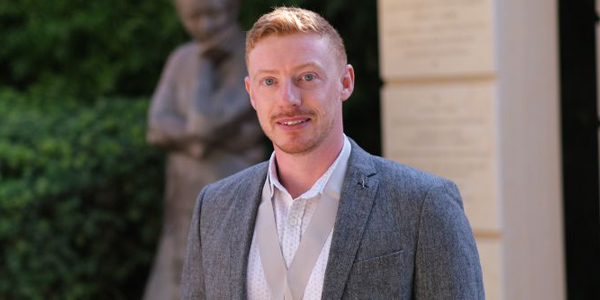
| | James Marchant, a postdoctoral researcher in the Colas lab, was featured in the life sciences publication’s Postdoc Portrait series, where he discussed his research regarding gene therapy for heart failure and his scientific journey. | | | Opinion: 7 tips to stick to your New Year’s resolutions | | Dr. David Brenner, president and CEO of Sanford Burnham Prebys, shares seven tips to make healthy progress in 2026 in his latest essay for The San Diego Union-Tribune. | | | Sanford Burnham Prebys is honored to be the recipient of a major grant from Las Patronas, a dedicated volunteer organization that fundraises to support critically needed capital projects for San Diego County nonprofits. | | | |
The grant will fund the purchase of a new automated liquid handling robot for our Proteomics Core, significantly enhancing the efficiency, accuracy and speed of proteomics research. We are grateful for Las Patronas’ generous investment in scientific excellence.
This support is made possible through funds raised at Las Patronas’ 80th Annual Jewel Ball on August 8, 2026. Learn more about the event and available sponsorship opportunities here.
| | | |
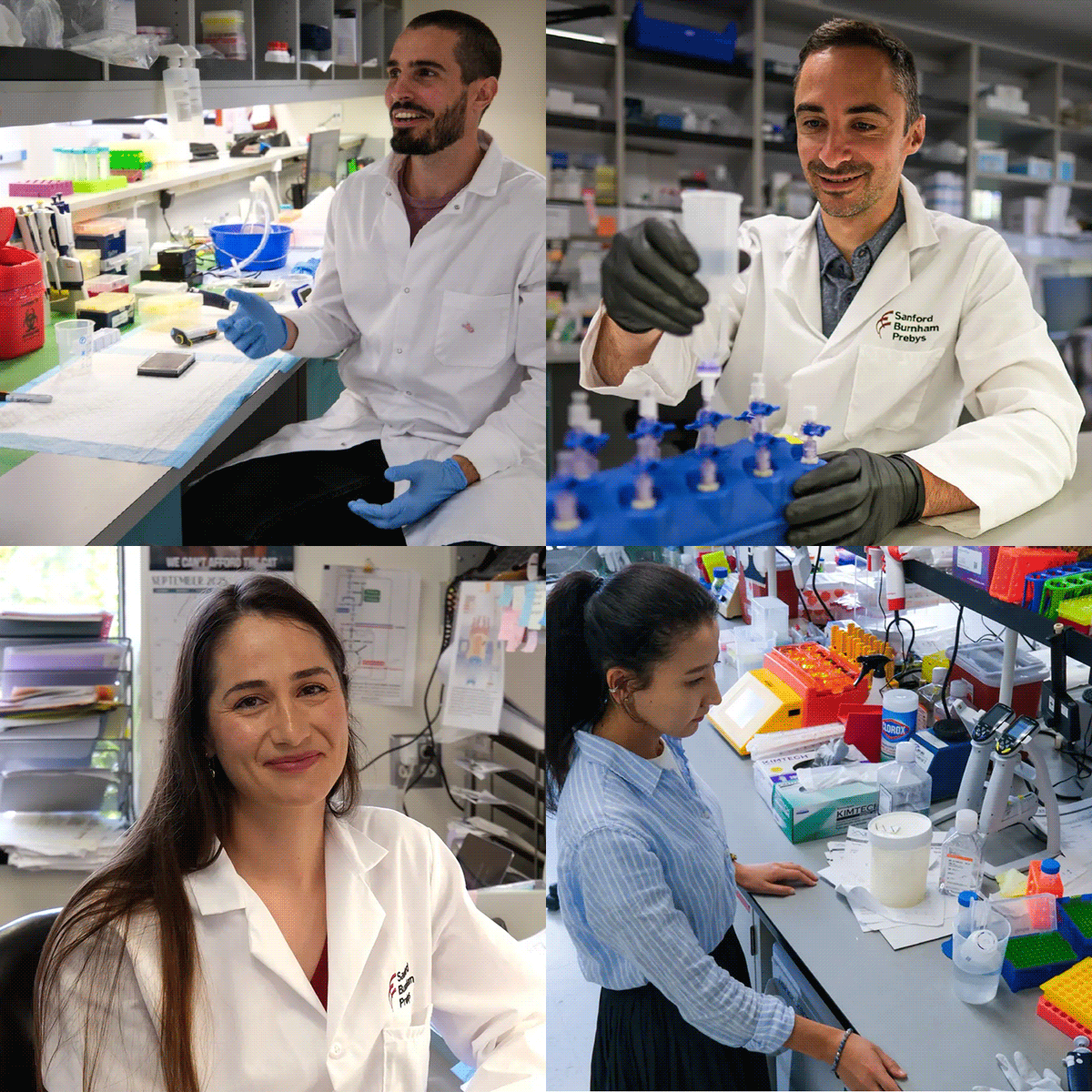
Postdoctoral Researchers at Sanford Burnham Prebys
Behind every breakthrough are early-career scientists asking bold questions. Meet a few of the postdoctoral researchers featured in our ongoing profile series.
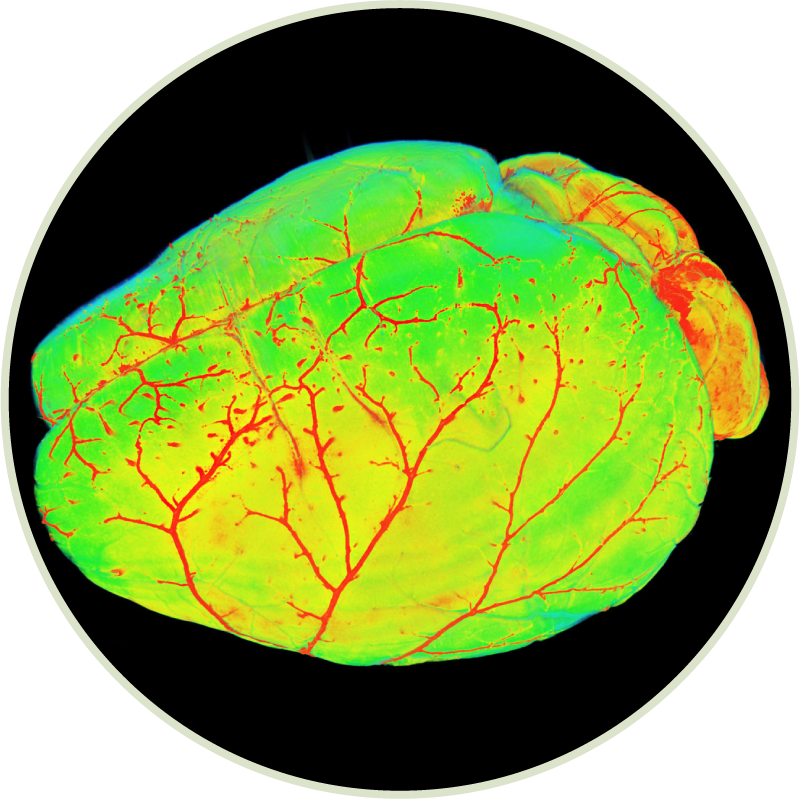
| | Mouse brain vasculature, as imaged by light sheet fluorescence microscopy. Image courtesy of Ali Erturk, Munich, Germany. | | | Sanford Burnham Prebys | 10901 N Torrey Pines Road | La Jolla, CA 92037 US | | | | |