|
FY27 Budget Update
On Friday afternoon, the House Appropriations Committee finalized its decisions regarding the FY27 Developmental Disabilities Administration (DDA) budget.
The Committee adopted the core actions taken by the Senate Budget and Taxation Committee, including the restoration of $23.1 million in General Funds ($46.2 million including the federal match). The total cut proposed is $126.9 million (roughly $253.8 million total funds).
While we are grateful for the partial restoration and the additional protections provided through budget language (see below), it is not enough: The cuts to DDA funding are massive, are going to hurt, and make it very challenging to move forward.
Our advocacy has always focused on the people at the center of this fight and will continue to the very end: There are 19,000 people with intellectual and developmental disabilities who are supported with DDA-funded services to live, learn, and work in communities across Maryland. People are supported by Community Providers or they Self Direct in both urban and rural areas, with plans ranging from just a few hours of needed support per week to plans that support people around the clock: no two support plans look the same as everything is highly individualized, based on the needs of people and approved by DDA, and all supports, from both models of care, have been designed to ensure quality community inclusion, promote health, and advance active participation.
In addition to adopting the Senate actions, the House Appropriations Committee included several important policy provisions that provide additional protections, transparency, and oversight of DDA spending and operations:
Enhanced Reporting and Oversight
The Appropriations Committee added detailed monthly reporting requirements tied to DDA Community Services spending. While a requirement for monthly reporting is unusual, the DD Coalition advocated for monthly reporting to require transparency of the impacts of these cuts on people and their access to community services.
Rate and State-Funded Service Protections (impacting both Community Providers and People who Self Direct)
The Committee added language prohibiting DDA from implementing any additional rate reductions beyond those specified in the FY27 budget bill, and called for continuity for people receiving State-only funded services by requiring that:
- State-only people who have applied for the waiver and were determined eligible continue receiving services until they can transition to the waiver
- State-only people who have applied for the waiver and were found ineligible for the waiver continue receiving State-funded services.
This was very important to ensure state-only individuals would not be removed from DDA services as an additional cost containment.
Medicaid, Waiver, and EDD Reporting (impacting people with IDD and others who rely on Medicaid for Home and Community Based Services and access to health care)
Under the Medicaid section of the MDH budget, the Committee added extensive reporting requirements related to waiver operations and eligibility systems, including updates on Eligibility Determination Division (EDD) operations, including staffing levels, vacancies, and efforts to improve processing timelines.
- The Committee adopted budget language requiring reporting on Medicaid disenrollments, including monthly tracking of disenrollment numbers, and a breakdown of the data by reason for disenrollments and income-related changes.
Restoration of Day-to-Day Administrator Duties (available under self-direction only)
The Committee included language to restore duties to this position that many people who self-direct rely on to help them with the management of their services and supports. In Community Provider services, people access similar assistance from organization staff for the oversight and facilitation of their person-centered plans.
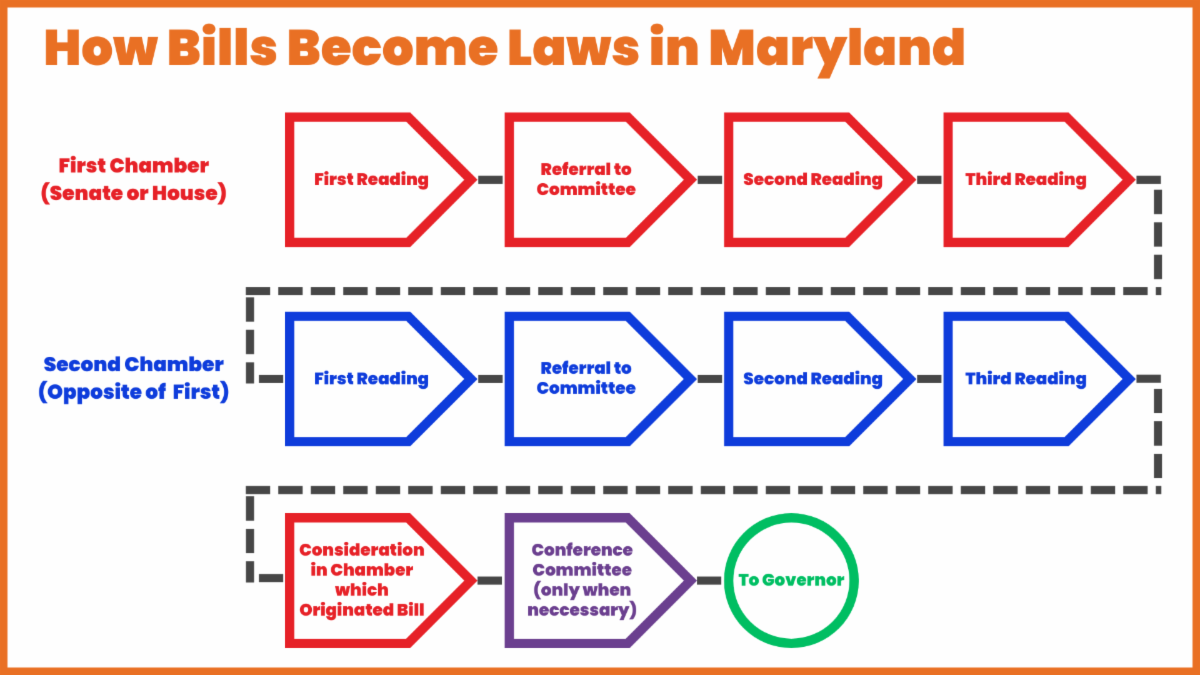
The budget is now being considered on the Floor of the House of Delegates, and then will move to Conference Committee to work out differences between the two Chambers.
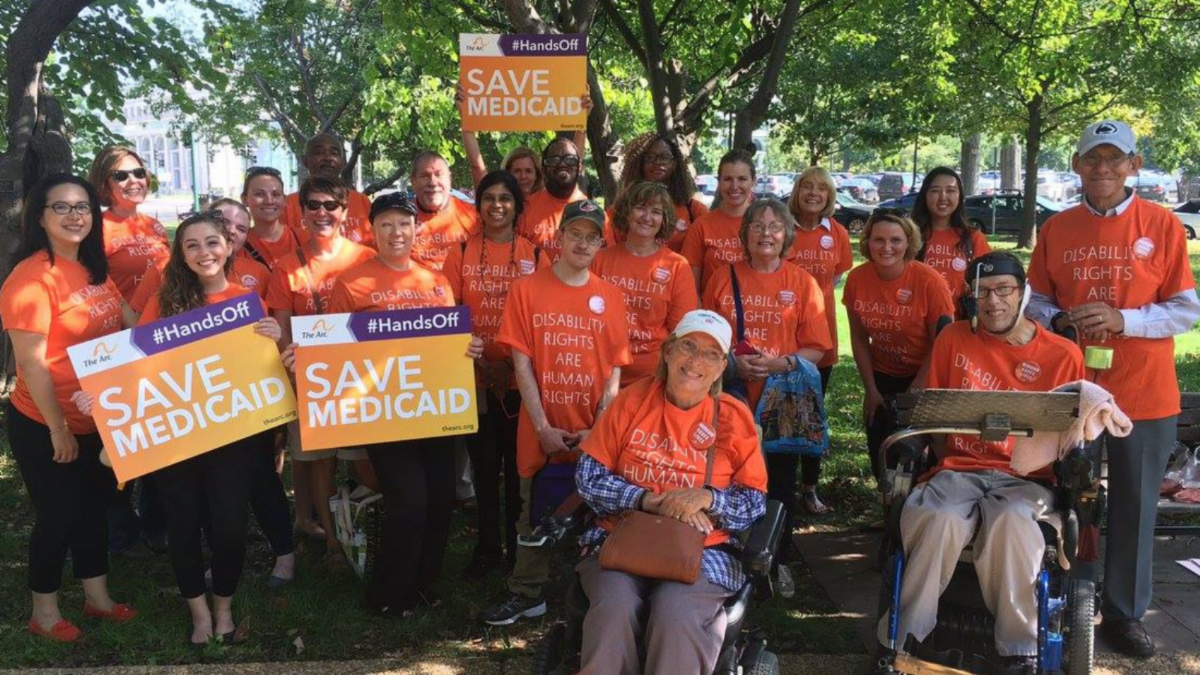
Please keep up the advocacy and let your representatives know how important your services and supports are to you. This is not the outcome we had hoped for: we appreciate the incredible advocacy across the disability community.
|