|
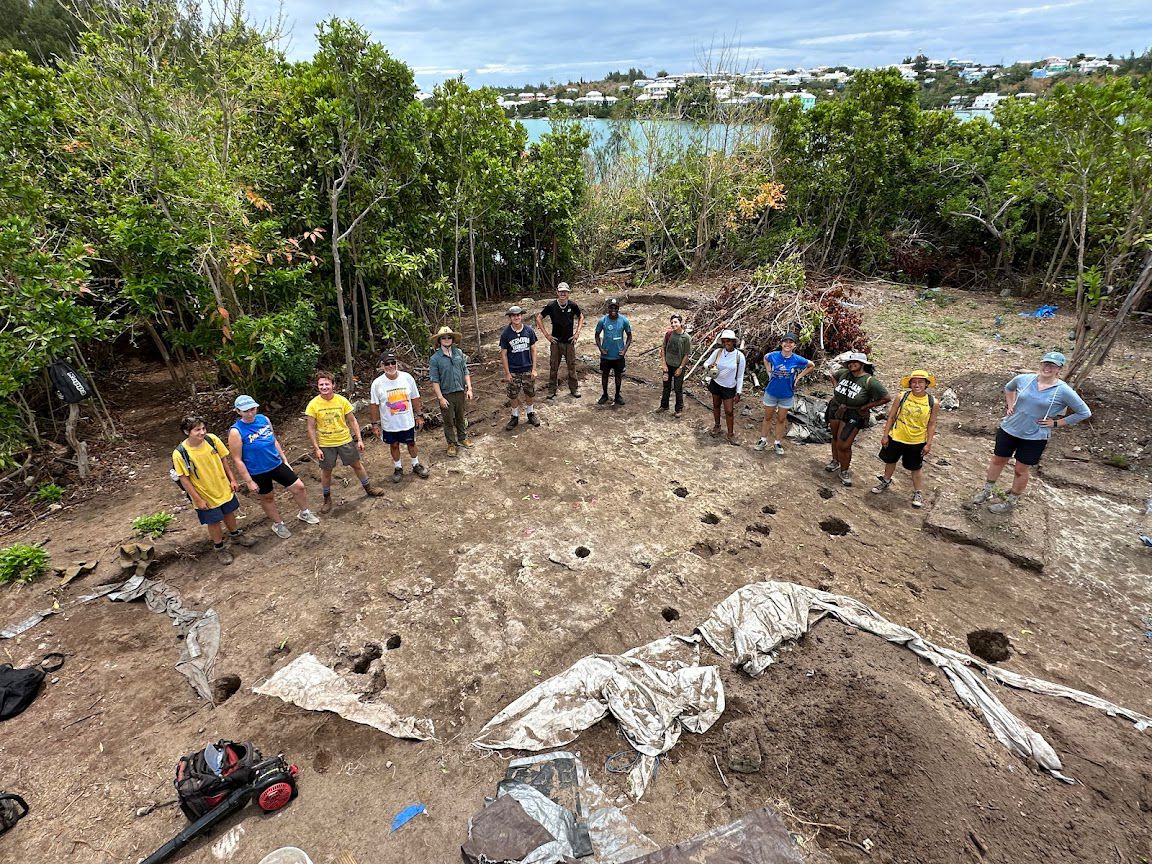
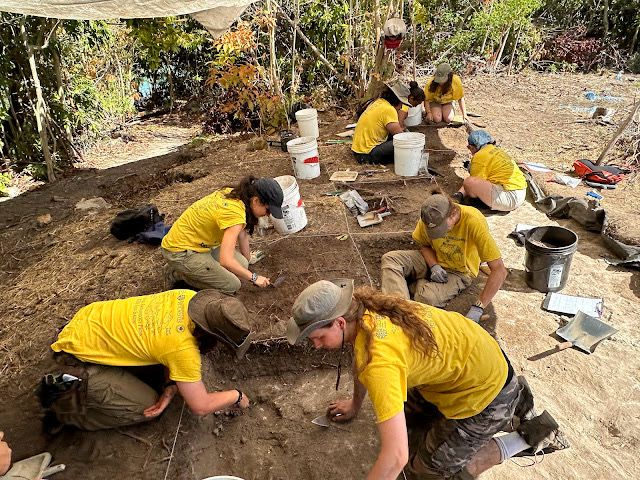
This summer, Dr Michael Jarvis and his team return to Smith’s Island in St George’s Harbour to continue excavations at what is believed to be Bermuda’s first English town, established in 1612 before settlement shifted to St George’s.
The 2026 field season will focus on the Smallpox Bay site, where earlier work has revealed postholes, structural features and early 17th century artefacts. This season aims to fully expose at least three building footprints already identified and investigate additional structures indicated by geophysical survey. This work will help clarify how the island’s first town was laid out and inhabited.
The team will also excavate north of Oven Site (a 17th century kitchen outbuilding) to locate the residence allotted to the captain of Smith's Fort, in use from c. 1615 to around 1712. Together, these two sites provide insights into the transference of English culture to a new colonial maritime environment (1612 First Town Site) and a century of “Bermudianisation” as English, African and Native American cultural elements blended over the course of five generations within the Captain’s House.
Fieldwork will take place from late May through late June 2026, with follow-on lab work into early July. Finds processing and conservation will continue with the help of volunteers at the BNT Archaeology Lab in the cellar of Globe Museum.
The project offers a range of ways to get involved and warmly welcomes Bermudians and local residents to participate. Volunteers (18+) are invited to assist with excavations on site or with finds processing in the lab — for a week or longer. For those seeking a more formal learning experience, the field school is open to all enrolled participants (not limited to University of Rochester students). Those who register may receive University of Rochester undergraduate or graduate credit as well as continuing education credit for educators where applicable.
If you are interested in joining the dig or assisting with lab work, please contact Dr. Jarvis at michael.jarvis@rochester.edu
|