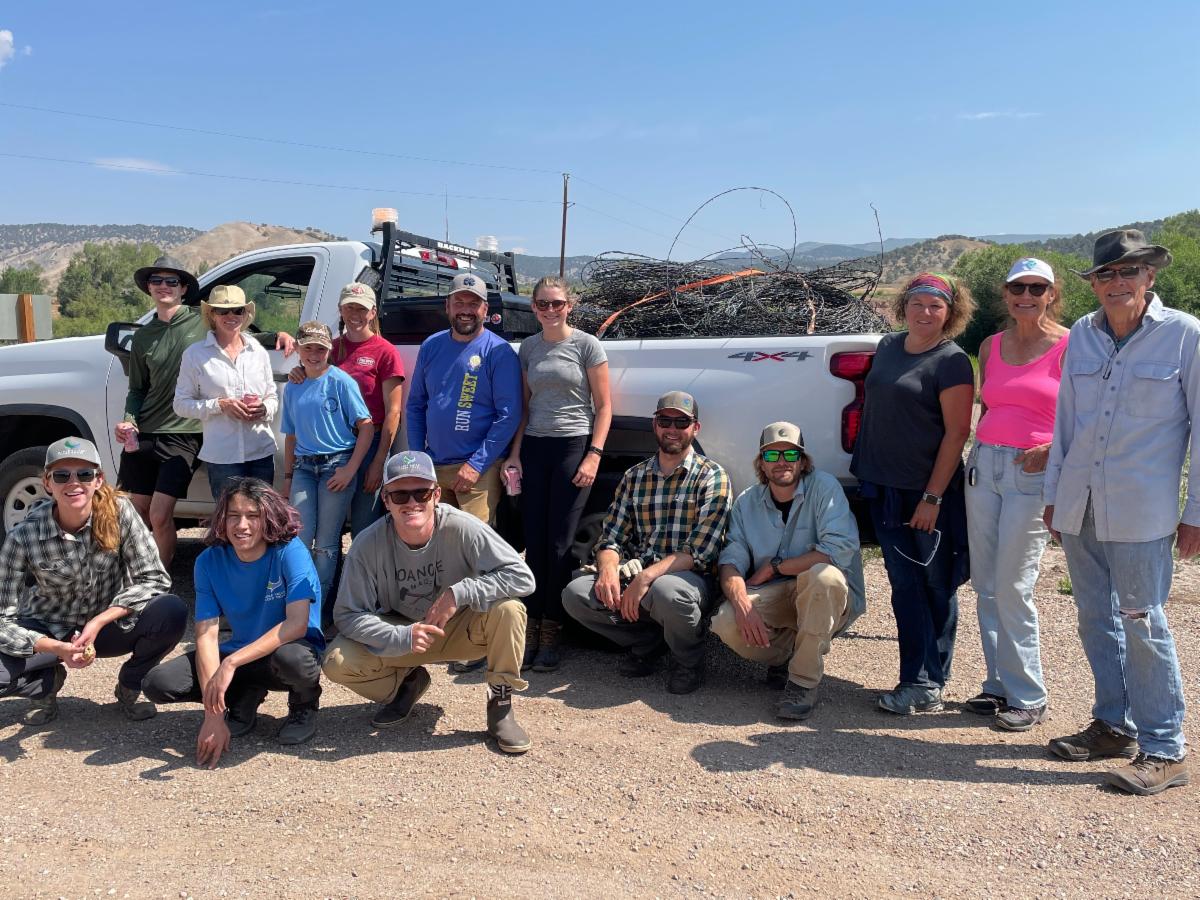
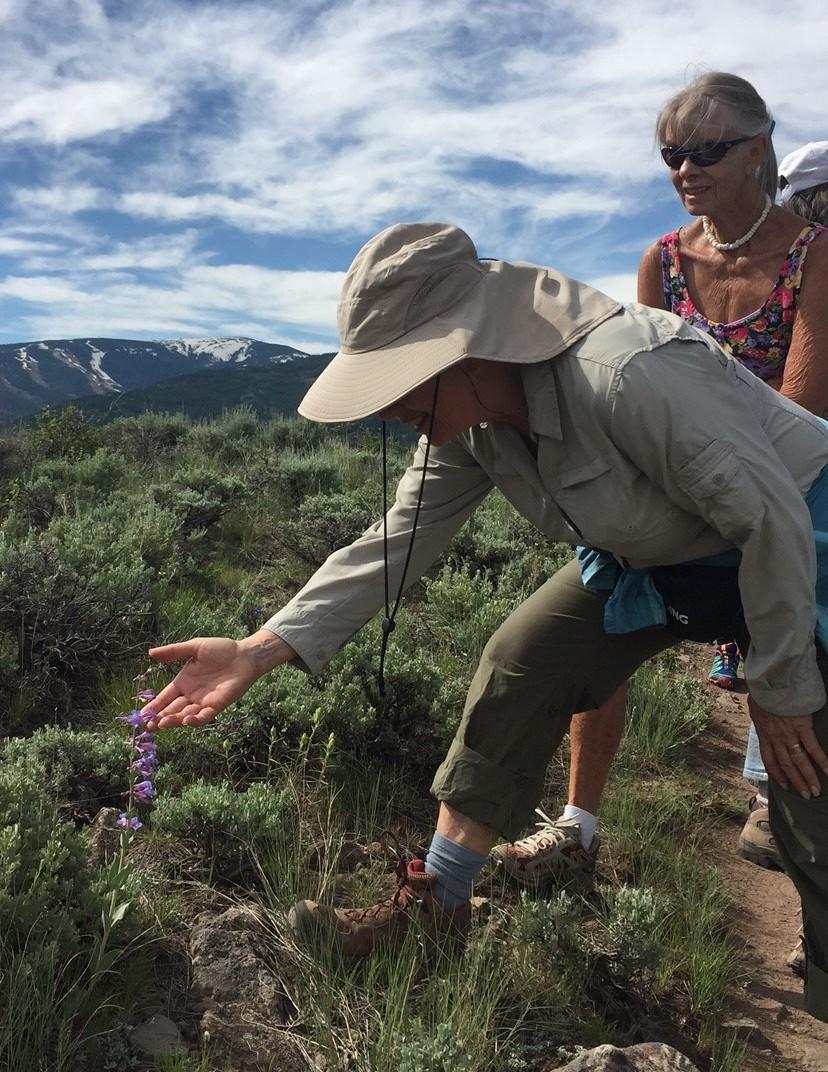
What does it mean to be a good steward of the land? Pulling weeds, picking up trash, maintaining trails — or is stewardship something in addition to that? That’s a question land trusts have been asking for decades, and the original land stewards have been contemplating for millennia before that. If you’re interested in getting your hands dirty and learning more about what land stewardship means here in the valley this summer, read on.
Today, one tool we commonly use to conserve land is known as a conservation easement. It’s a simple legal agreement between a landowner and a qualified conservation organization or government agency that limits the development or use of a property in order to protect its natural, scenic, or cultural values in perpetuity.
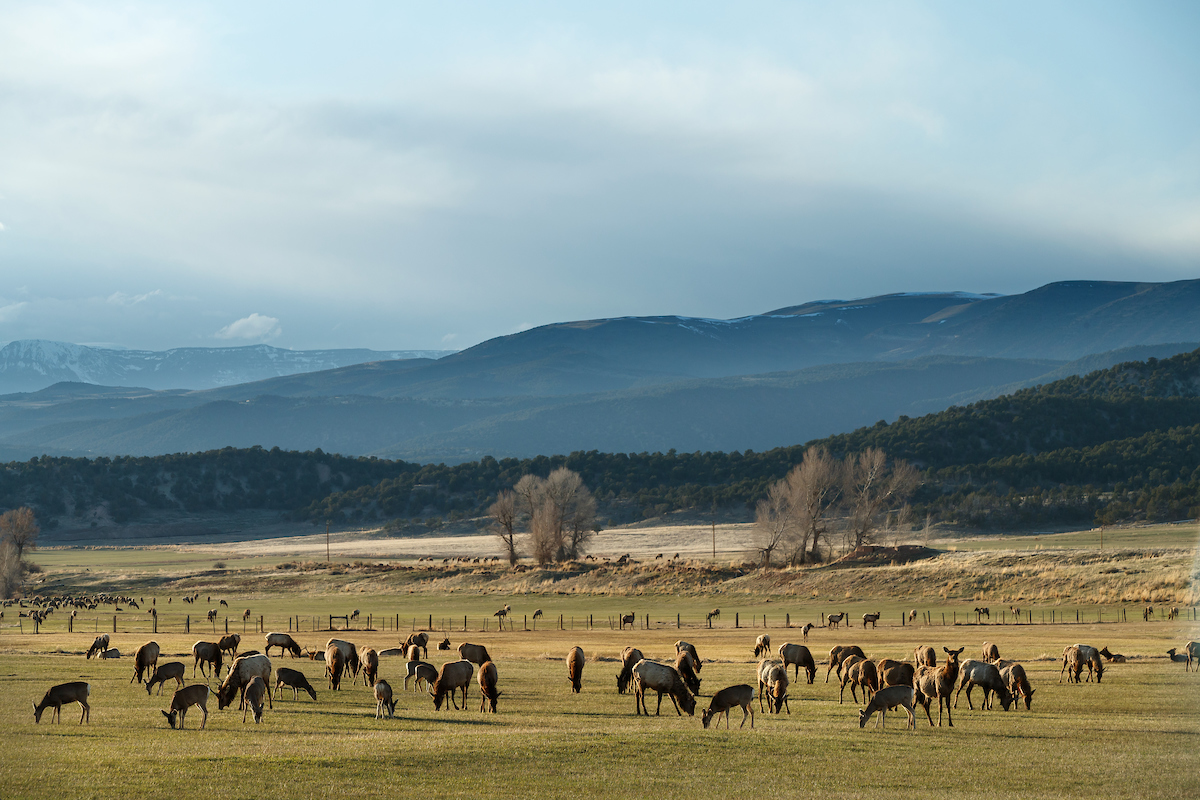
These values can include important wildlife habitat like elk calving grounds, a migration corridor connection, allowing or maintaining public access, protecting a viewshed, and many others. It is a voluntary arrangement where the landowner, public or private, agrees to permanently restrict certain activities on their land to ensure its conservation. The easement runs with the land forever, even if it changes hands to a new owner.