An infectious disease outbreak like the coronavirus is a challenge for all of us. Stress, anxiety, and depression are just a few of the psychological ramifications. It is also a reminder of how interconnected we all our as humans - and how we can foster resilience in ourselves, our families and communities. Bringing the challenge and the opportunity together I pose the question, "What can we do to help
us
?" Here are 6 things to consider.
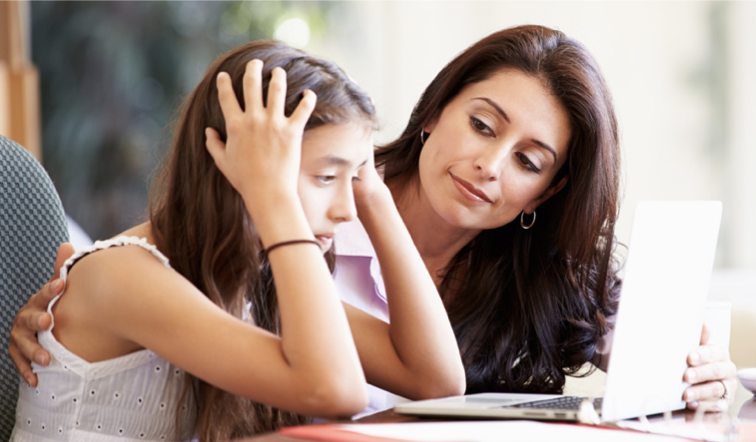
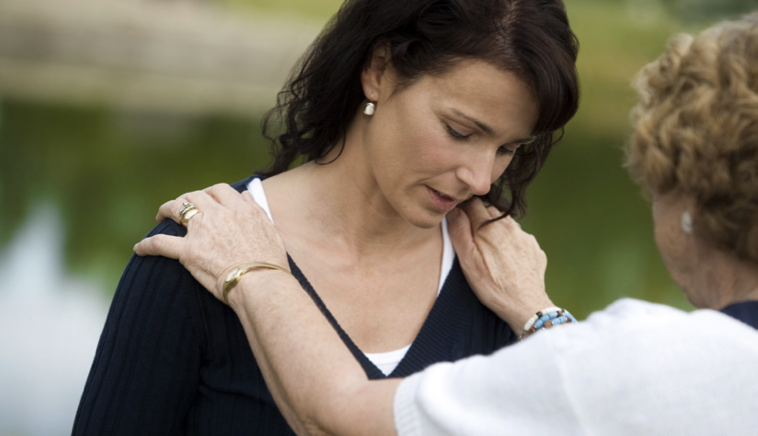
Find your calm. I know, easier said than done. And yet we know that our children take their cues from us and our emotional states. If we are anxious or panicked, they feel it. Their bodies and minds get the message that things are not ok. So do what works for you to process your own anxiety first. Talk to a friend, trusted adult, therapist to help settle your nervous system. Go for a run. Do yoga. Breathe. Know that your groundedness is a gift and will help your children feel calmer and safer.
Start the conversation. Your conversations will be different depending on the age and temperament of your children. We often recommend starting with finding out what your children already know. What have they heard? What are their feelings about what’s going on? Your genuine curiosity builds connection and helps your children or teens feel heard. It also gives you a great spring board for responding in a more accurate way to their questions and concerns. Remember to consider the age and temperament of your children.
Be sure to include:
- Validation of feelings: “It sounds like what you heard brought up some scary feelings for you.”
- Reassurance: “Adults at home and school are taking care of your safety. If you have worries, we want you to talk to the grown-ups you trust.”
- Accurate information: “There are things you can do to help yourself stay well and to reduce the spread of illness - like washing your hands often while singing Happy Birthday twice.” Deliver accurate information honestly, age appropriately, and yes, calmly. For more tips on age-appropriate language, see the resource article below on talking to children from the National Association of School Psychologists.
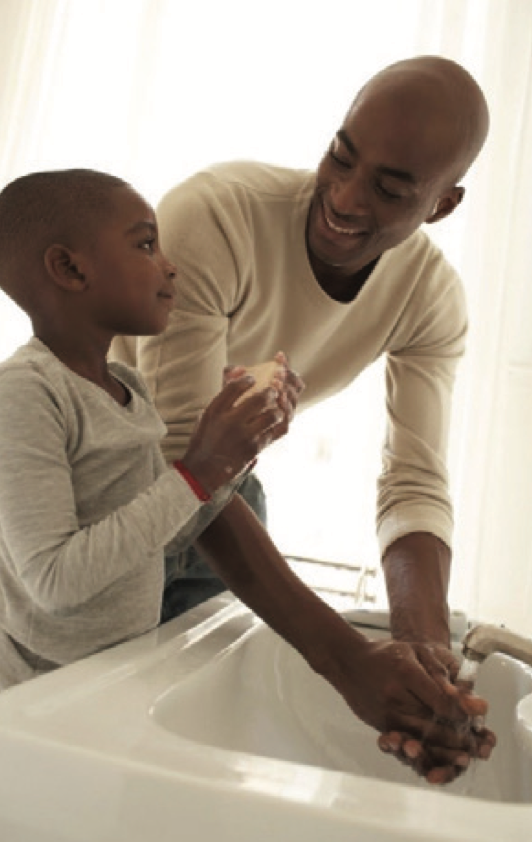
Teach and practice good hygiene and healthy life style practices. The CDC has great resources on hygiene practices, especially hand washing. We’ve included a link for your convenience in the resource section below. Make these practices fun – for example singing the
ABC’s or
Happy Birthday while hand washing for 20 seconds. It can be empowering for youth and adults alike to know that there are actions we can take to support our own health and well-being – and the health and well-being of others. We want to foster that sense of control for youth during a time when there may be things that are out of their control.
Maintain normal routines as much as possible. Our daily rhythms help us a lot – emotionally and physically! Maintain bedtime schedules, meal times and physical activity as much as possible. In fact, you may want to give these nourishing routines more attention than usual. Prepare a favorite meal. Offer some extra cuddle time at bedtime. Play a family game outside. The extra quality family time can help foster resiliency in times of stress.
Limit media exposure for yourself and your children. It's tempting to be checking in on the latest media announcements about the virus. And, this can also ramp up stress – for you and/or the young people in your life. Monitor your media consumption.
Communicate with the schools. Know your children’s school plans. There is always a chance of some school closures. This is something that many parents are concerned about already, due to the strain on families anticipated. When talking about school closures, frame it in as practical a tone as possible. “Yes, some schools are closing for a while to help us all stay healthy and to slow the spread of the virus.” Amidst the challenges, we encourage family plans to include some fun, unplugged ways to share family time if children are going to be home from school.
As we travel this challenging experience together as humans, continue to consider the question, "What can we do for
us
?" Continue to bring kindness for yourself and others into your daily rhythms and self-care.